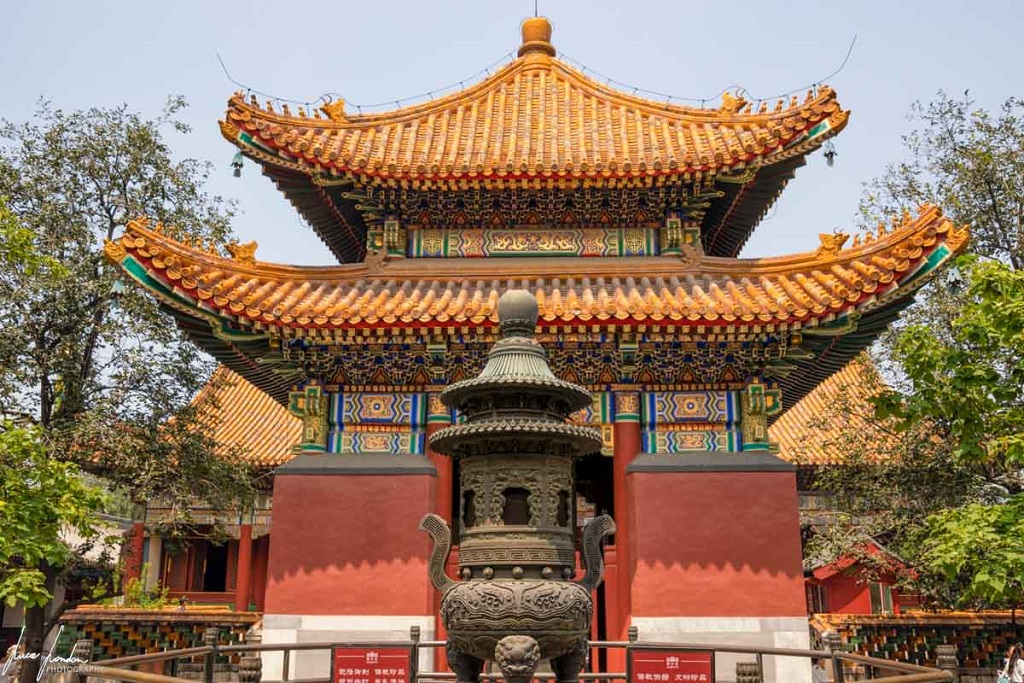
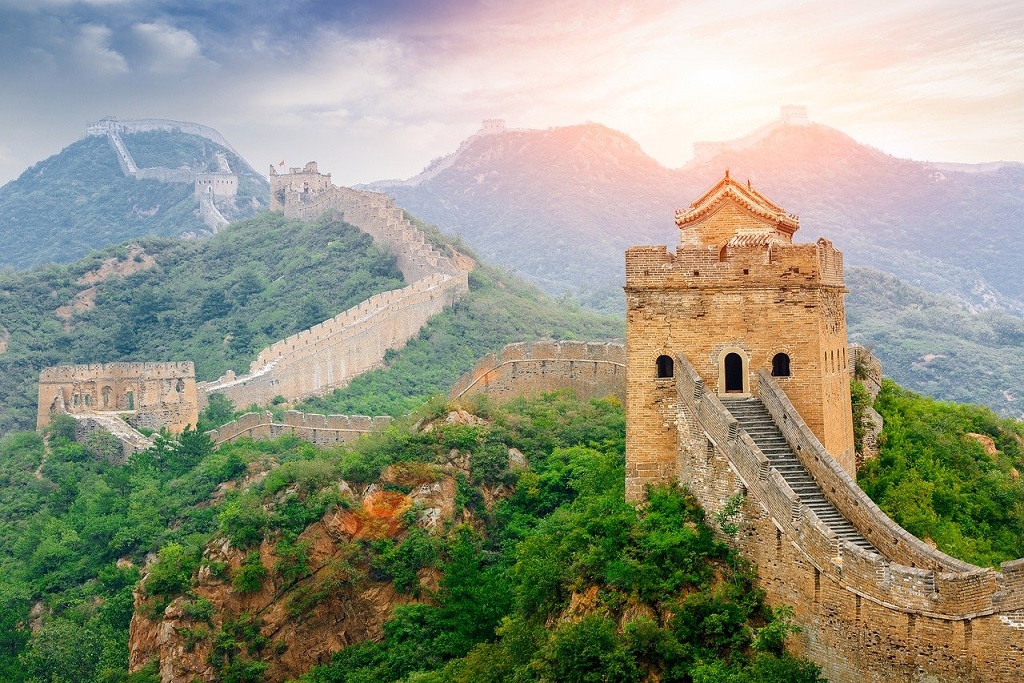
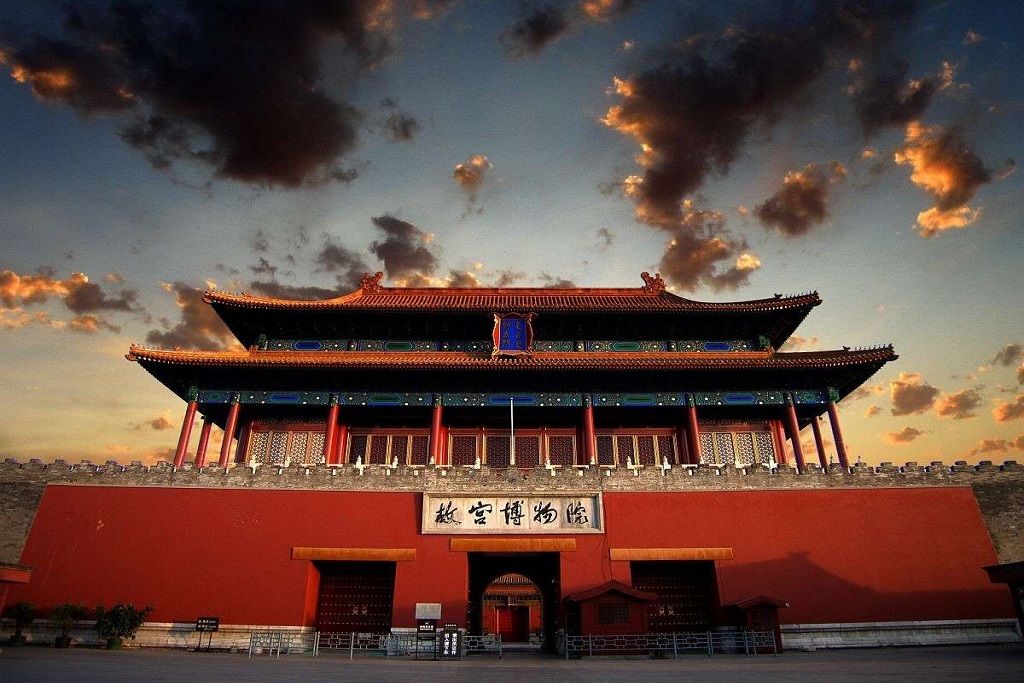
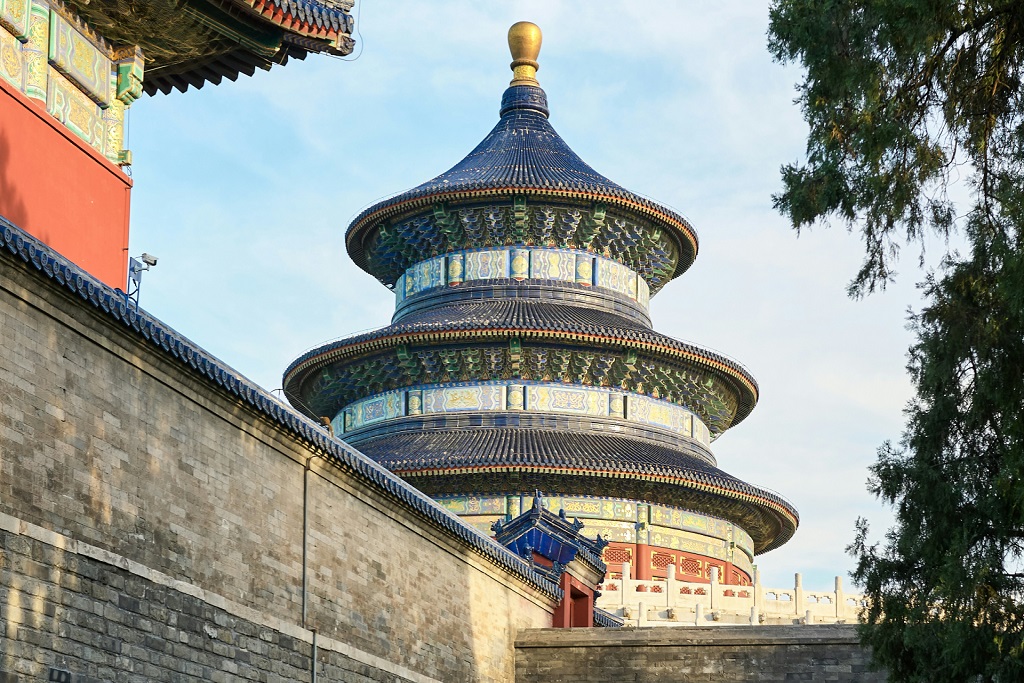
Beijing, China's millennia-old capital, weaves imperial grandeur with the energy of a modern metropolis. The city's heart is Tian'anmen Square, one of the largest in the world, which opens onto the Forbidden City (Gùgōng), an immense imperial palace with golden roofs that was the emperors' residence for five centuries. Nearby stand the harmonious Temple of Heaven (Tiāntán), a masterpiece of architectural balance, and the Summer Palace (Yíhéyuán) with its gardens and Kunming Lake. From the traditional alleys, the hutong, you discover the most authentic Beijing of courtyards, workshops and markets. A short distance from the city rises the Great Wall, snaking over the mountains in spectacular sections such as Mutianyu and Badaling. The cuisine offers Peking duck, the capital's signature dish. Between imperial history, temples and modernity, Beijing is a fascinating gateway to Chinese civilisation, to be explored between past and present.
Treno
Giorno 4 — Beijing → Xi'an
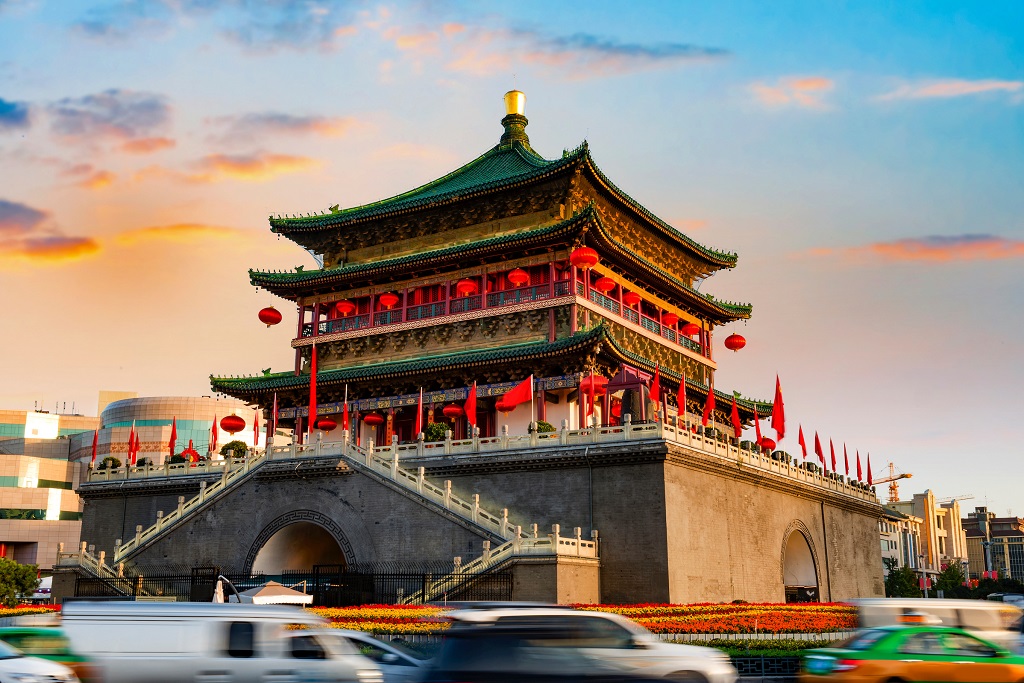
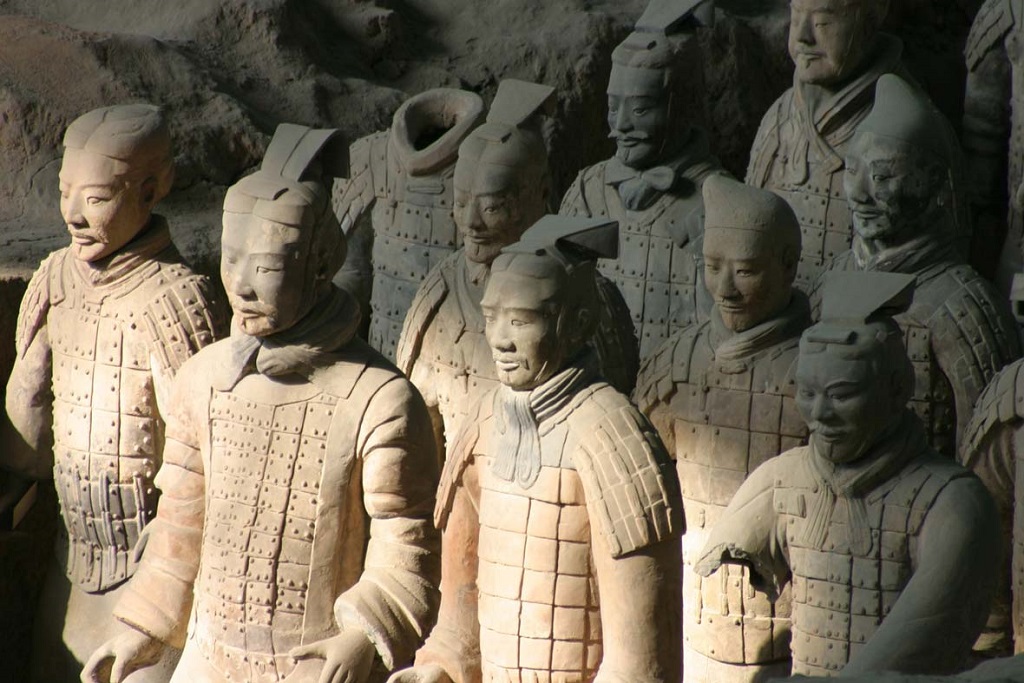
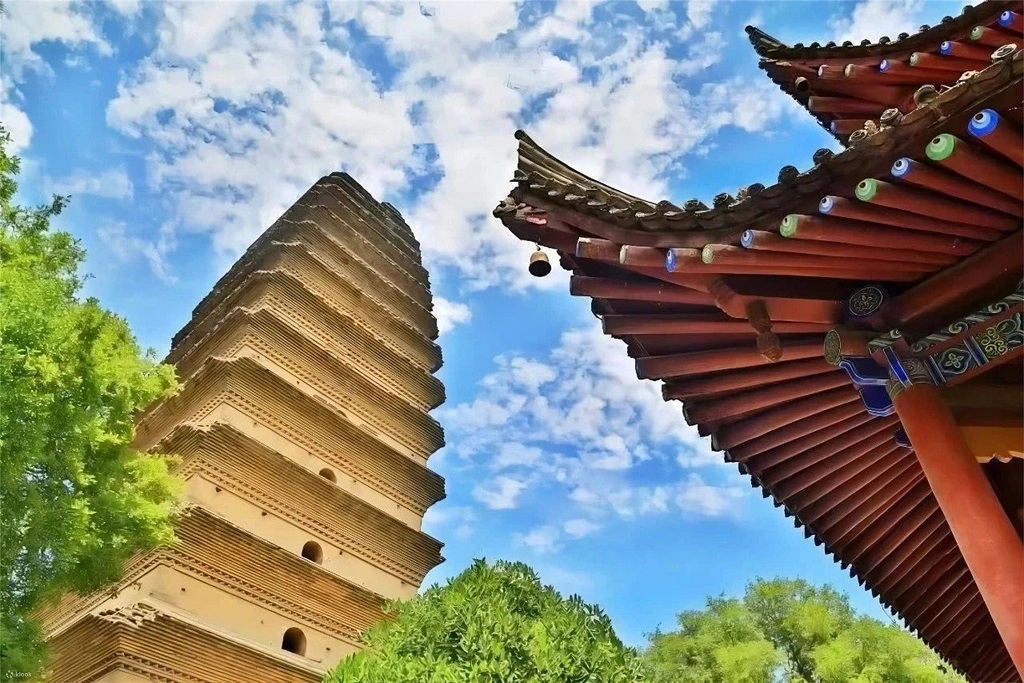
Xian is one of China's most historic cities, the ancient capital of numerous dynasties and the eastern starting point of the Silk Road. Its worldwide fame is tied to the Terracotta Army, thousands of life-sized warrior statues made to guard the tomb of the first emperor, one of the most extraordinary archaeological discoveries of the 20th century. The city preserves imposing walls, among the best preserved in the country, which can be walked or cycled. In the centre stand the Bell Tower, the Great Wild Goose Pagoda and the lively Muslim Quarter, with its market fragrant with spices and street food. Xian is also renowned for its culinary tradition, from biang biang noodles to skewers. Between archaeology, ancient walls and living culture, Xian offers a journey into the heart of imperial Chinese history.
Volo
Giorno 6 — Xi'an → Chengdu
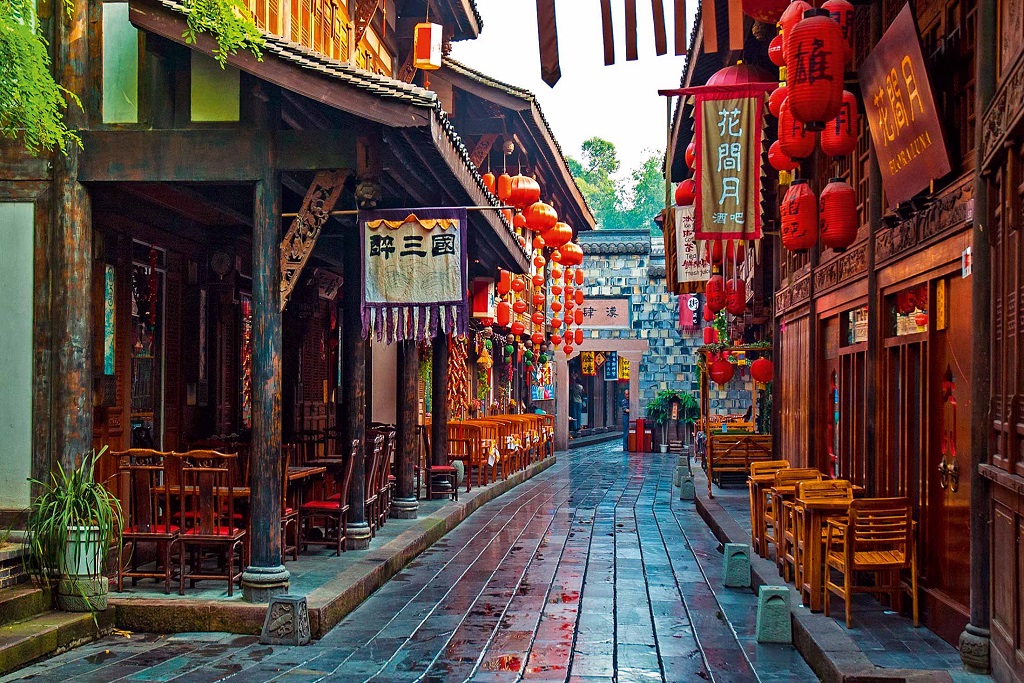
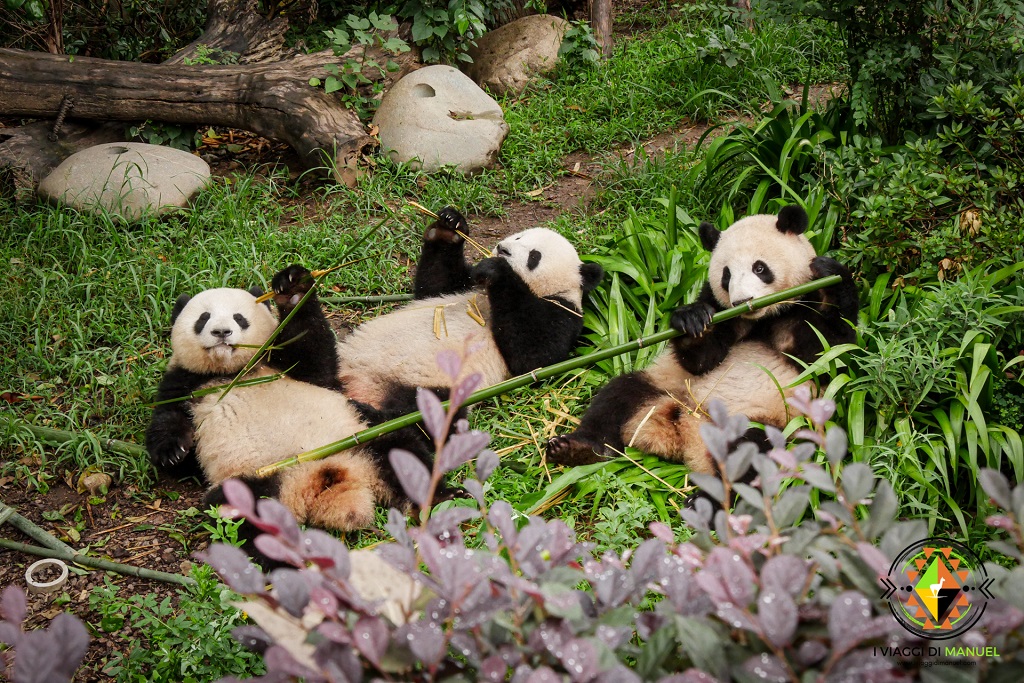
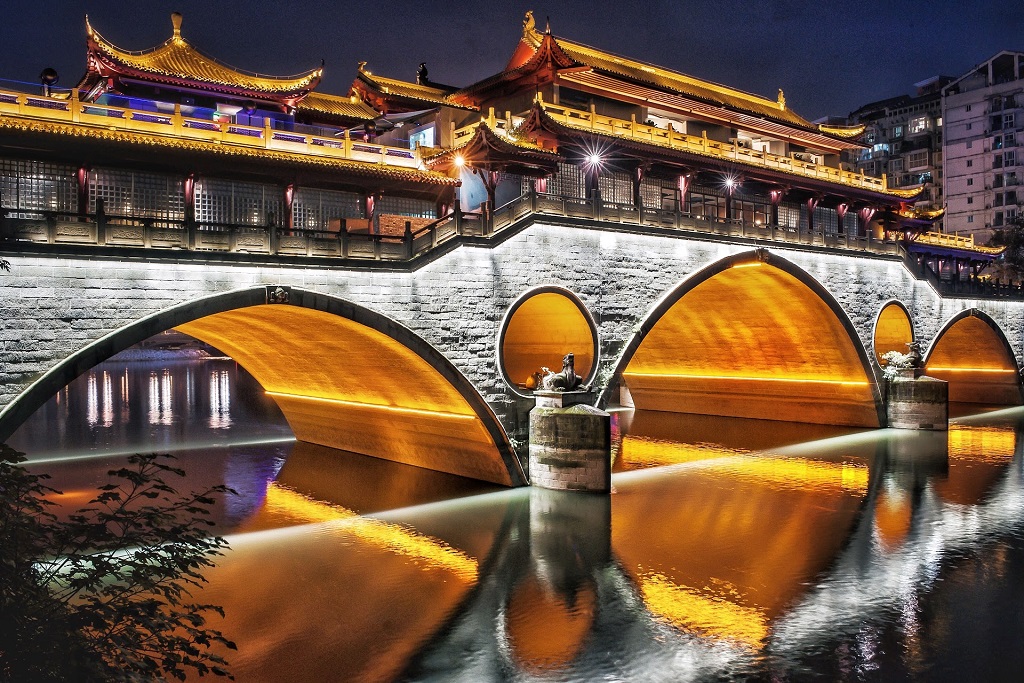
Chengdu, capital of Sichuan, is a relaxed and welcoming city, famous worldwide as the home of the giant panda. At the research and conservation centres near the city you can observe these fascinating animals in their protected habitat, a symbol of China. The city blends modernity and tradition, with ancient streets such as Jinli and the Kuanzhai Xiangzi district, where teahouses, theatres and workshops nestle among historic houses. Tea culture and Sichuan opera, with its famous face-changing act, animate local life. Sichuan cuisine, spicy and flavourful, is among the most renowned in the country, with dishes such as hotpot. Chengdu is also a base for exploring Sichuan's landscapes. Between pandas, traditions and flavours, Chengdu wins visitors over with its authentic charm.
Altro
Giorno 8 — Chengdu → Shanghai
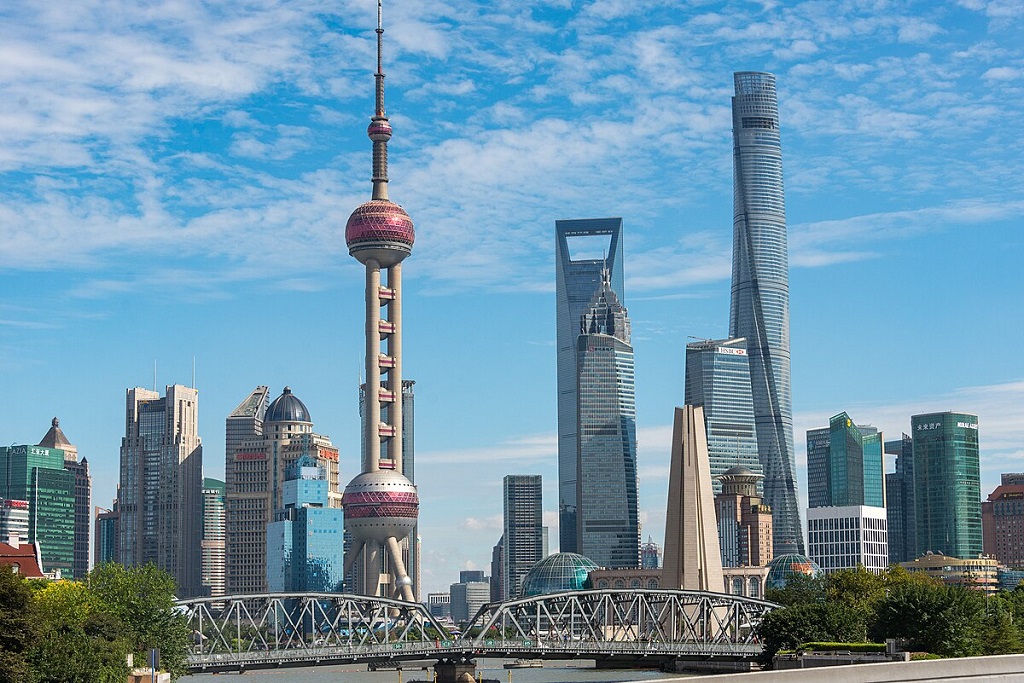
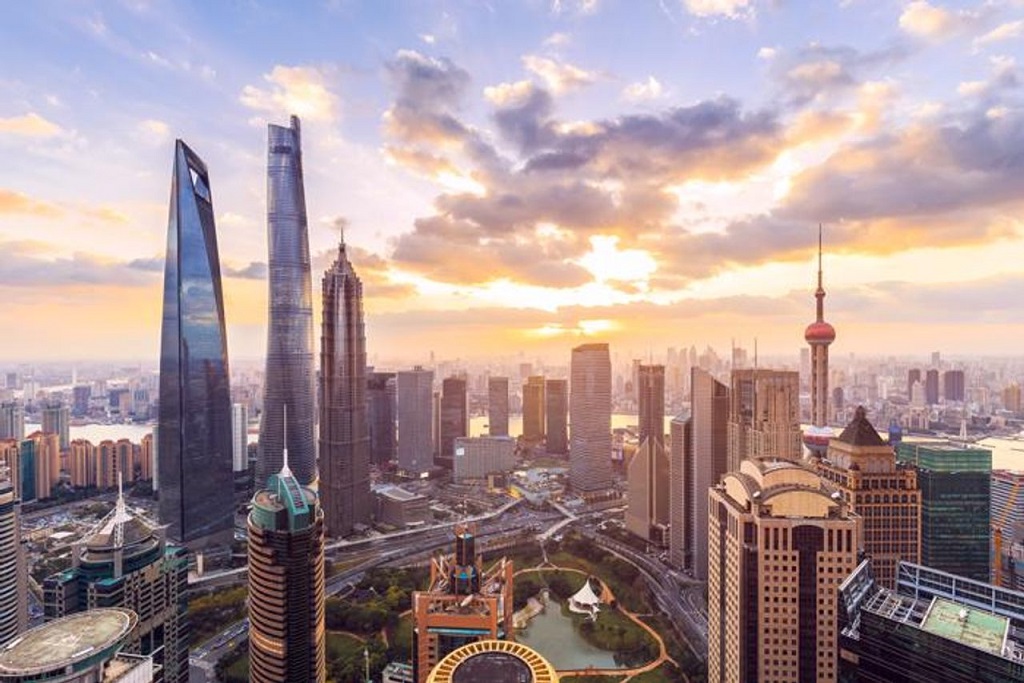
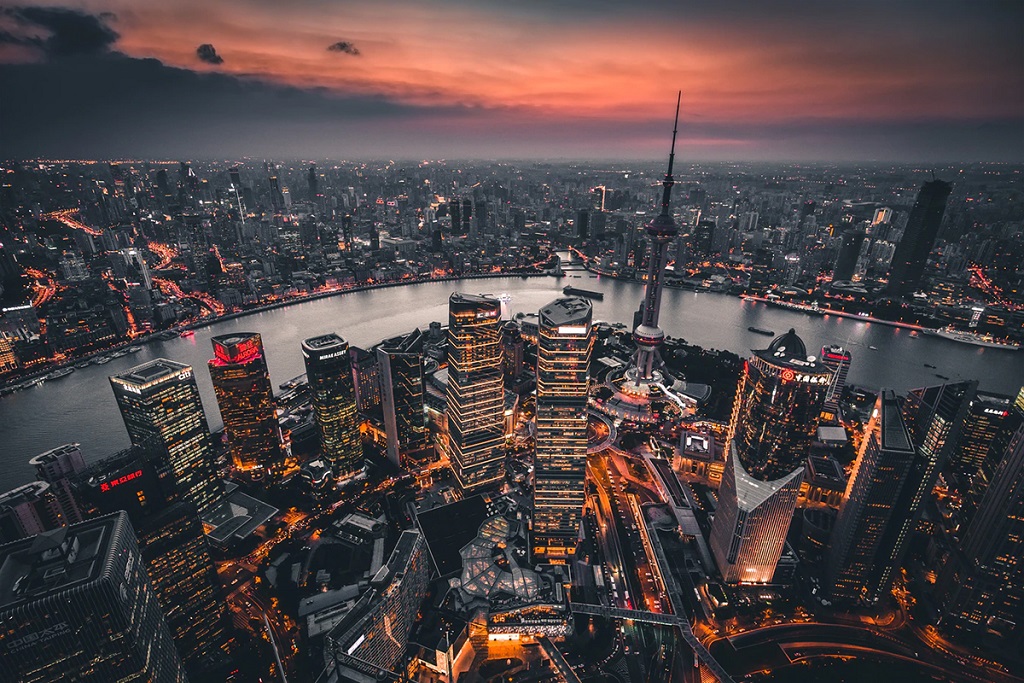
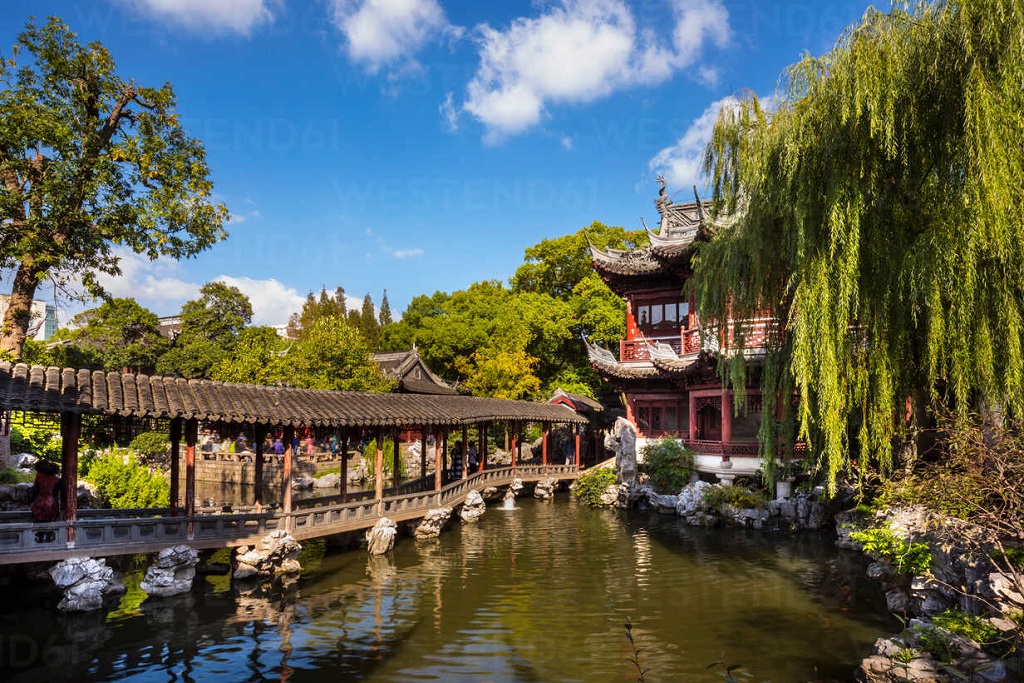
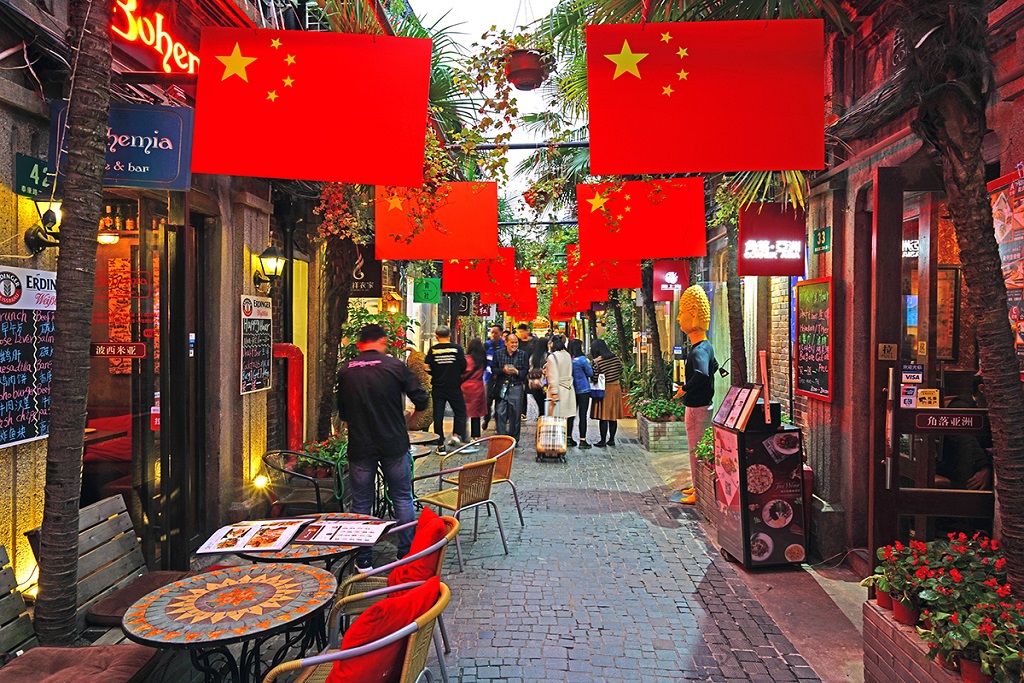
Shanghai presents itself as China's most cosmopolitan and futuristic metropolis, where colonial heritage and architectural avant-garde coexist along the banks of the Huangpu River. The famous Bund is lined with elegant early-twentieth-century European-style buildings, while across the water the Pudong district flaunts a futuristic skyline, dominated by the Oriental Pearl Tower and the soaring Shanghai Tower. At the heart of the old town, the Yuyuan Garden offers an oasis of pavilions, ponds and rocks in perfect classical Chinese style. The districts of the former French Concession, with their tree-lined avenues, cafés and boutiques, recall a cosmopolitan past, while Nanjing Road throbs with commercial life. The cuisine ranges from xiaolongbao, delicate broth-filled dumplings, to international fare. Between skyscrapers, history and refinement, Shanghai is the showcase of contemporary China, vibrant and ever-changing.