Triangolo Colombiano: Santa Marta, Mompox e Cartagena — NAAR
Itinerary
Giorno 1 — Santa Marta
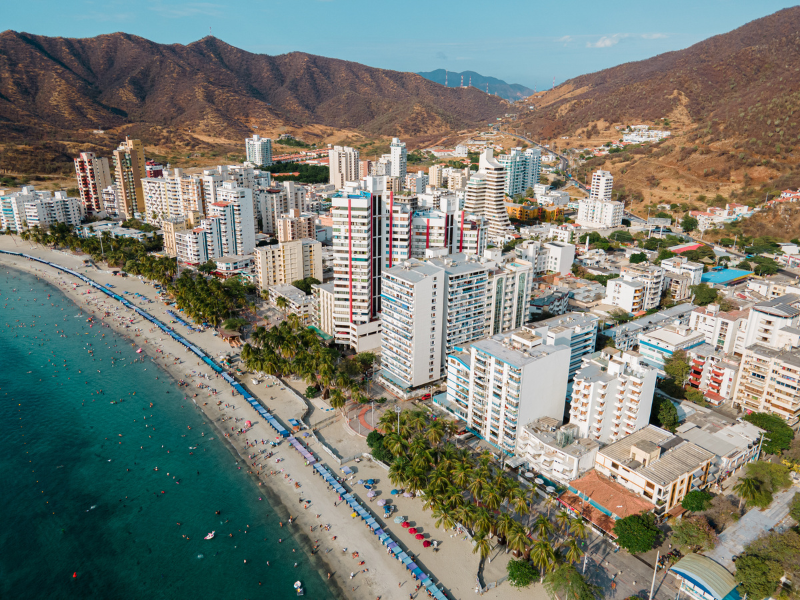
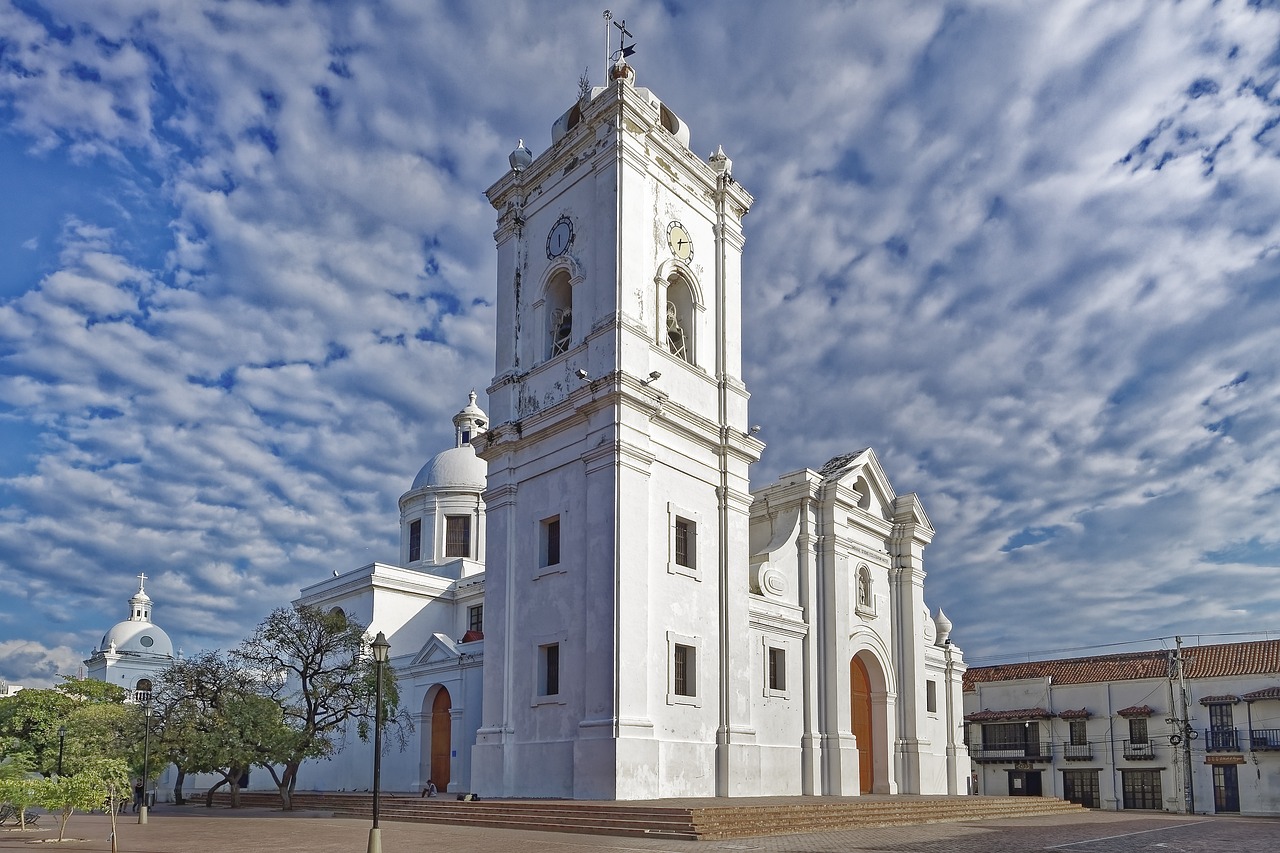
Santa Marta is the oldest continuously inhabited city in Colombia, founded on the Caribbean coast at the foot of the Sierra Nevada, the world's highest coastal mountain range. Its seafront and compact old town make an ideal base for exploring a region of extraordinary natural variety. A few kilometres away lies Tayrona National Park, with beaches framed by jungle, while the indigenous villages of the Sierra preserve age-old traditions. The El Rodadero district offers serviced beaches and seaside life, while nearby Minca, up in the hills, draws nature lovers, birdwatchers and coffee enthusiasts. Santa Marta is also the starting point for the trek to the Ciudad Perdida, the ancient stone city hidden in the forest. Between sea, mountains and history, it is one of the most captivating gateways to the Colombian Caribbean.
Auto
Giorno 4 — Santa Marta → Santa Cruz de Mompox
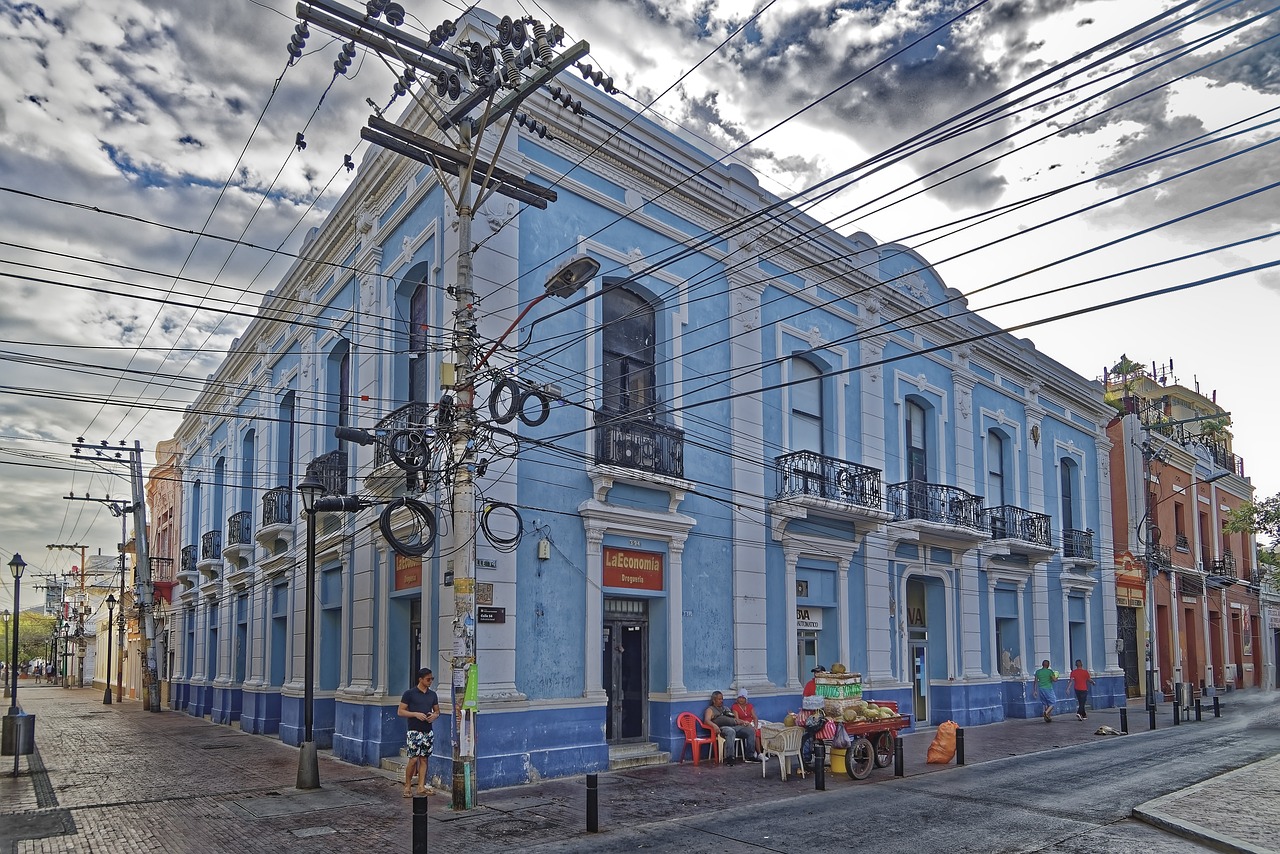
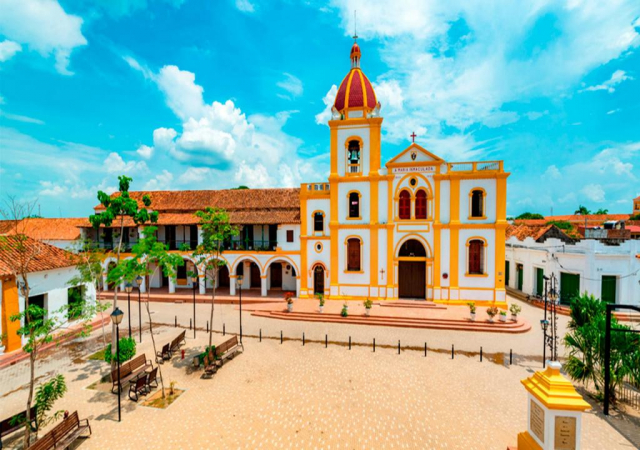
Mompox, officially Santa Cruz de Mompox, is a colonial town suspended in time along the banks of the Río Magdalena, declared a UNESCO World Heritage Site. Once a prosperous river port, the town keeps its churches intact, its white houses with wrought-iron gates and its silent streets facing the water. Famed for the craft of gold and silver filigree, Mompox lives in a melancholy, poetic atmosphere, far from the busiest tourist routes. Its squares and alleys seem to have stepped out of a novel of magical realism. Between river and history, Mompox is one of Colombia's most authentic gems.
Auto
Giorno 6 — Santa Cruz de Mompox → Cartagena de Indias
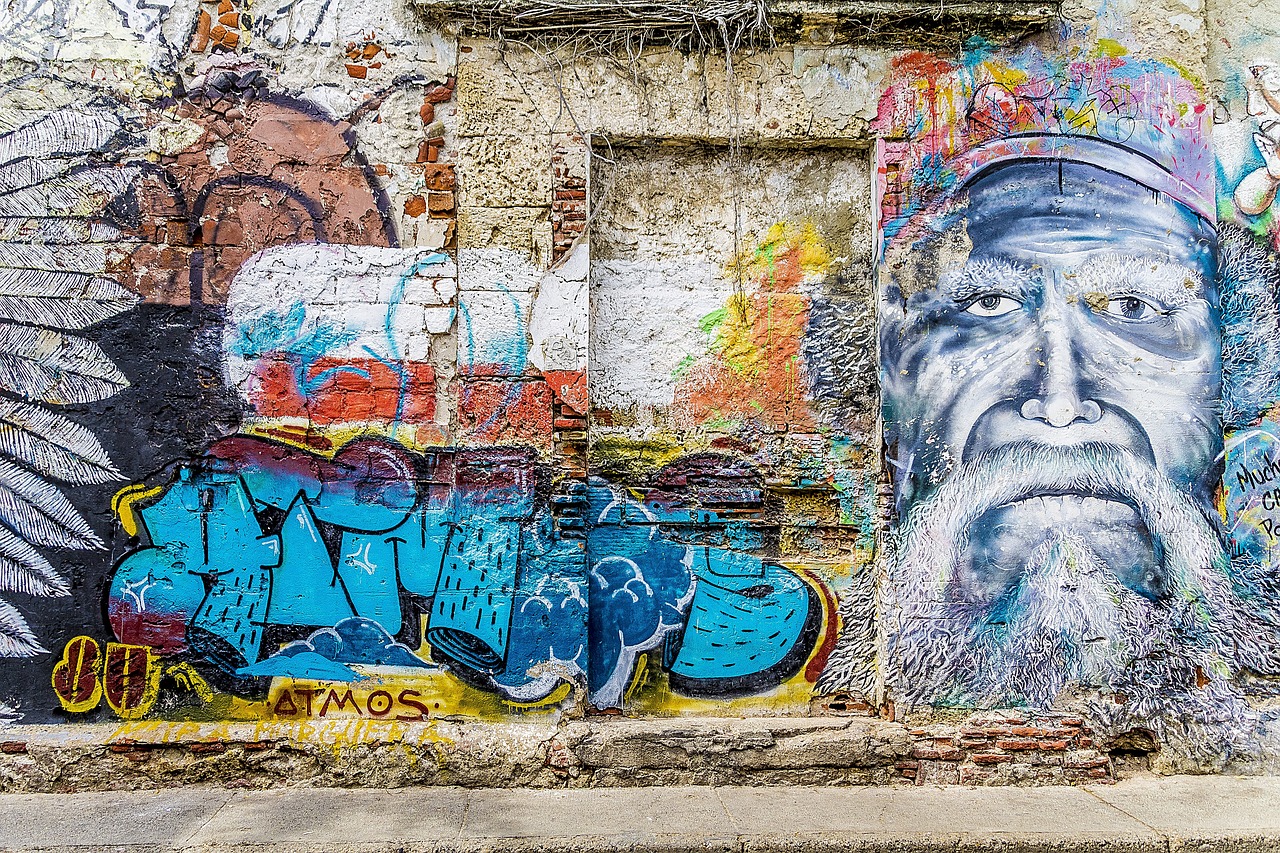
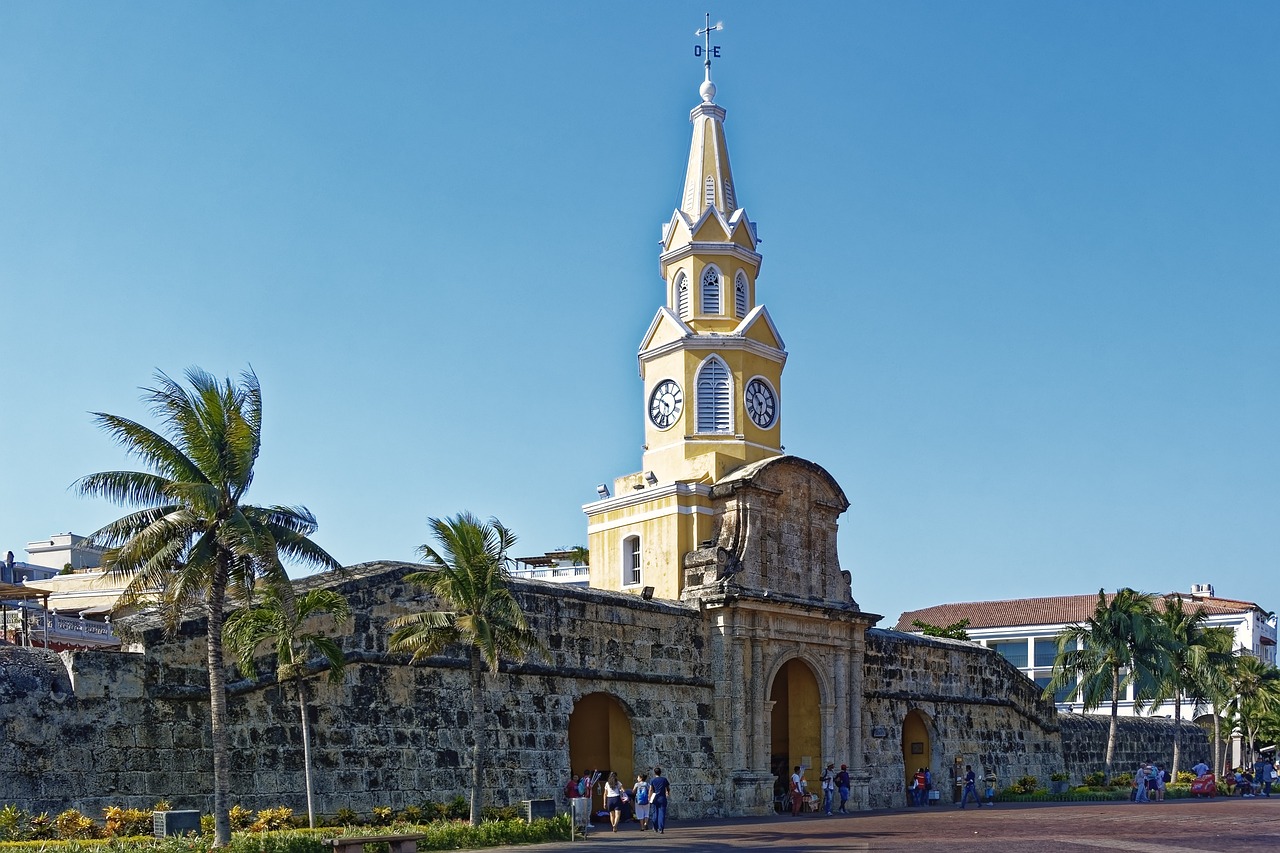
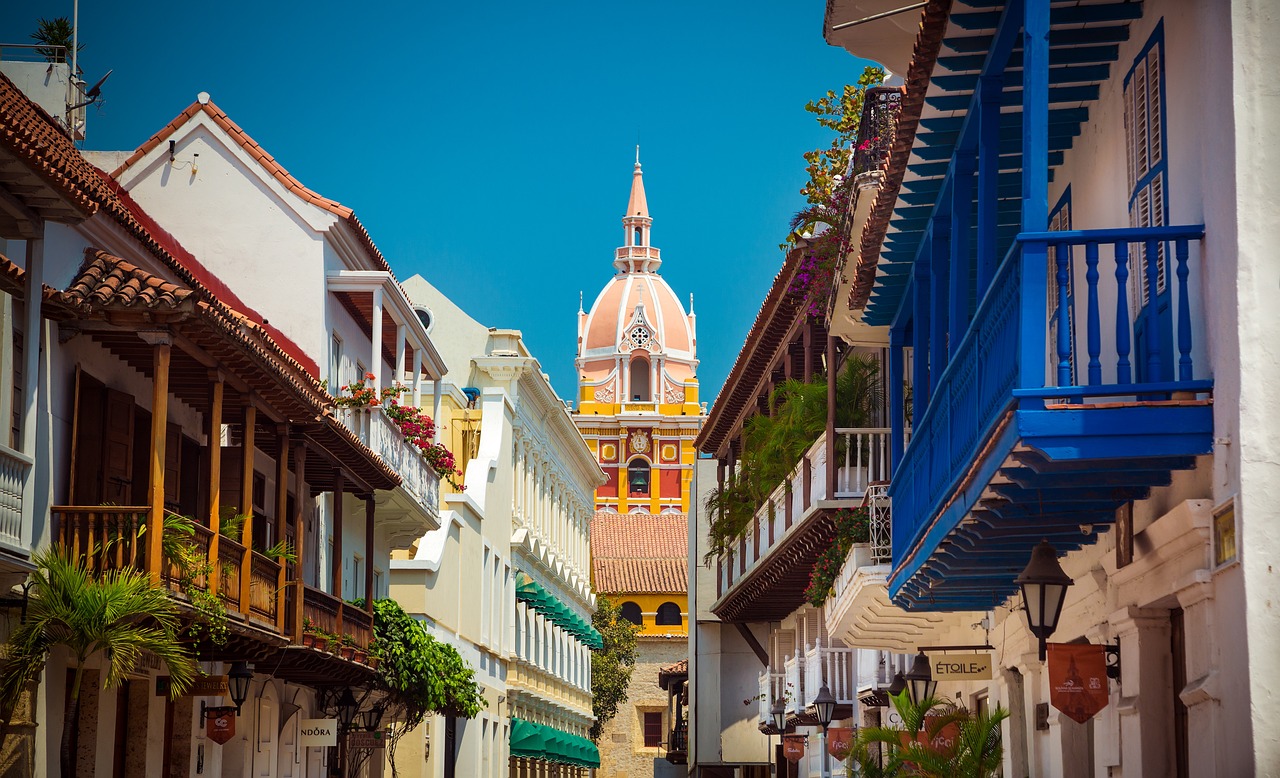
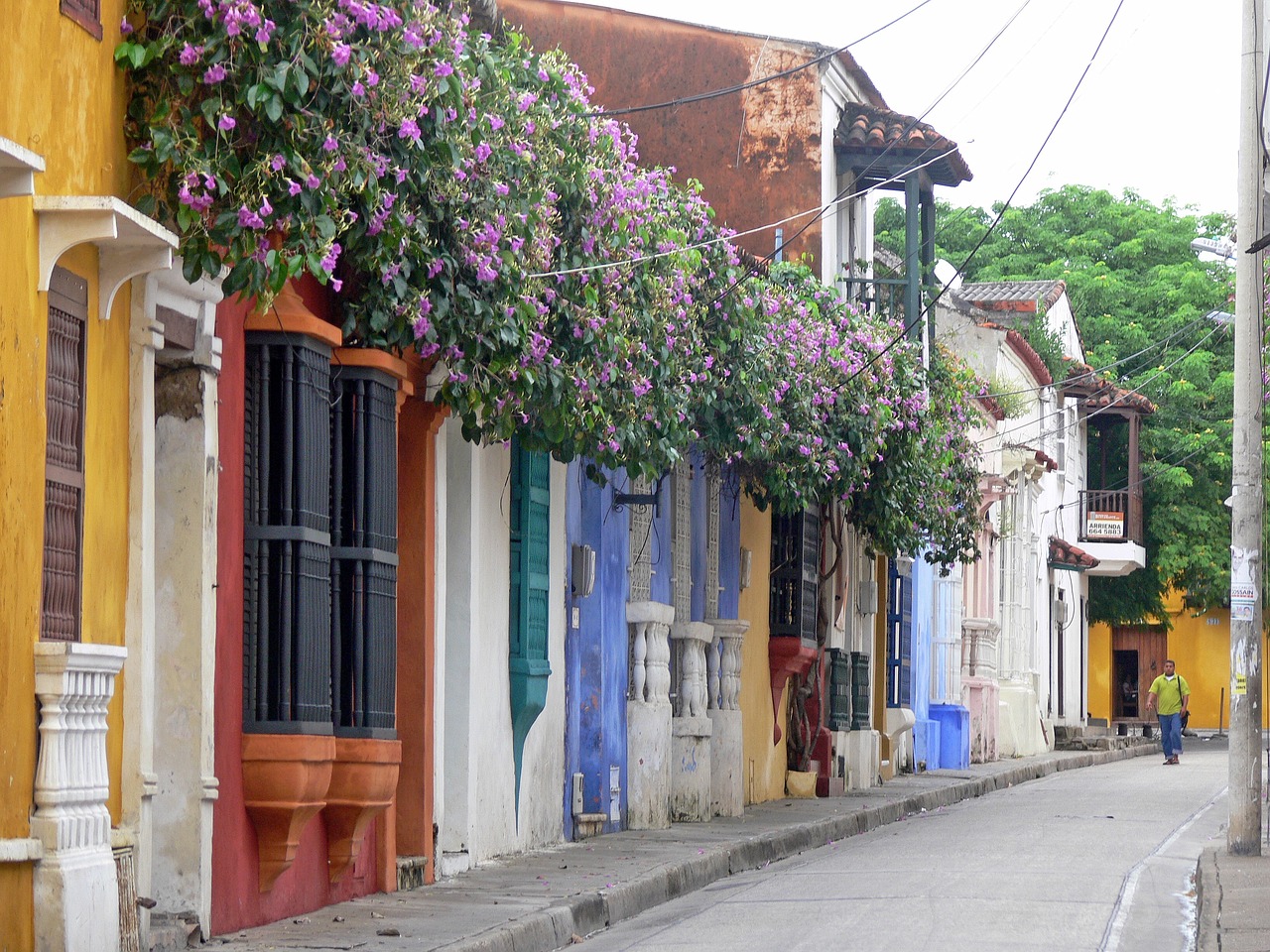
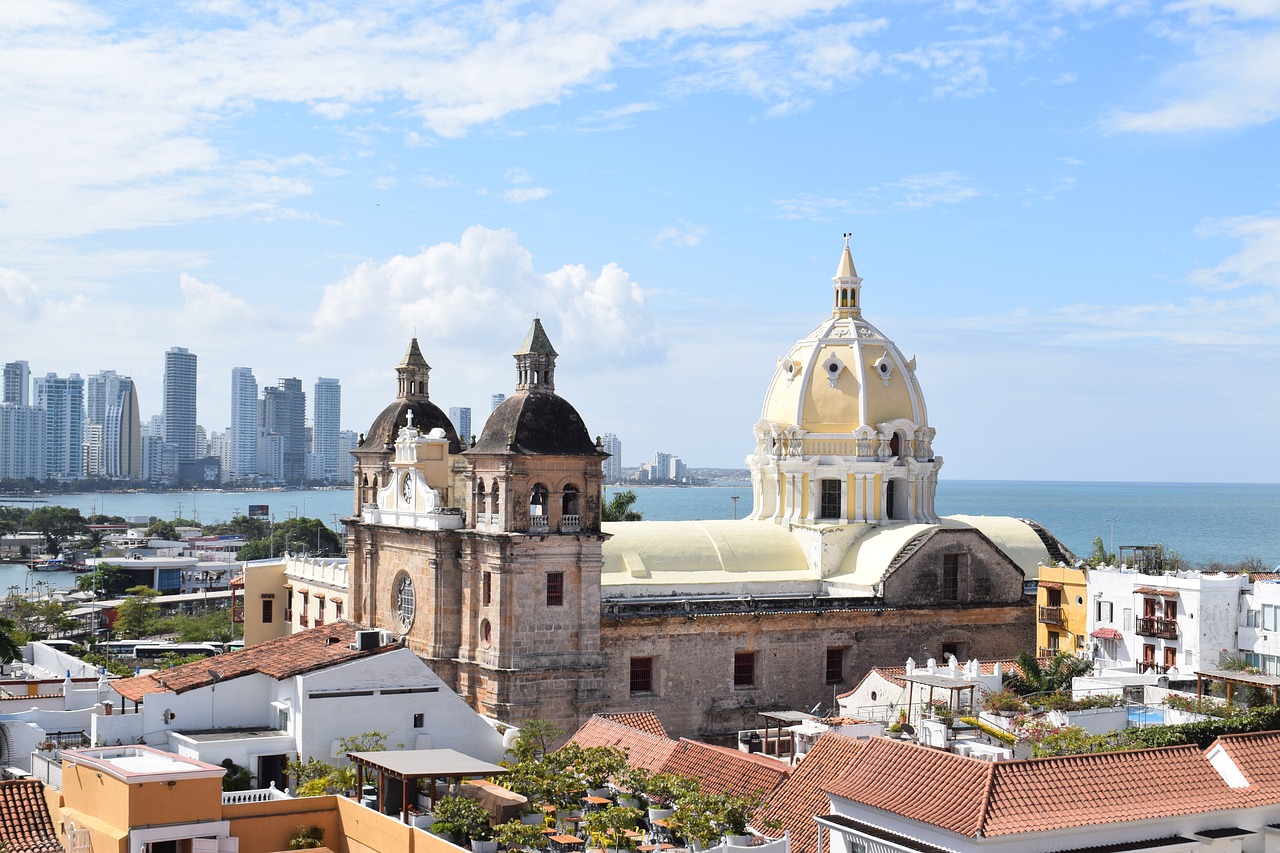
Cartagena de Indias unfolds along Colombia's Caribbean coast as one of Latin America's best-preserved colonial cities, a fortified port that for centuries guarded Spain's New World treasures. Its heart is the Ciudad Amurallada, a walled old town enclosed by mighty limestone ramparts now strolled at sunset, when the sky glows orange over the Caribbean Sea. Within the Centro Histórico, a UNESCO World Heritage Site, pastel mansions with timber balconies spill over with bougainvillea, shady squares such as Plaza Santo Domingo and Plaza de los Coches invite a pause, and stern colonial churches line the streets. The Getsemaní district, once working-class and now the city's creative soul, throbs with murals, salsa bars and courtyards alive late into the night. The skyline is dominated by Castillo San Felipe de Barajas, the largest Spanish fortress in the Americas, while La Popa hill offers sweeping views over bay and islands. Cartagena is also a gateway to beaches, from the high-rise strand of Bocagrande to the crystalline waters of the Islas del Rosario, reached by boat for days of sea and snorkelling. The cuisine blends Caribbean and African flavours, from coconut seafood to the arepas de huevo sold on street corners. With its music, warmth and timeless architecture, Cartagena remains one of the continent's most seductive destinations.
_20260609152832.png)
_20260609152832.png)