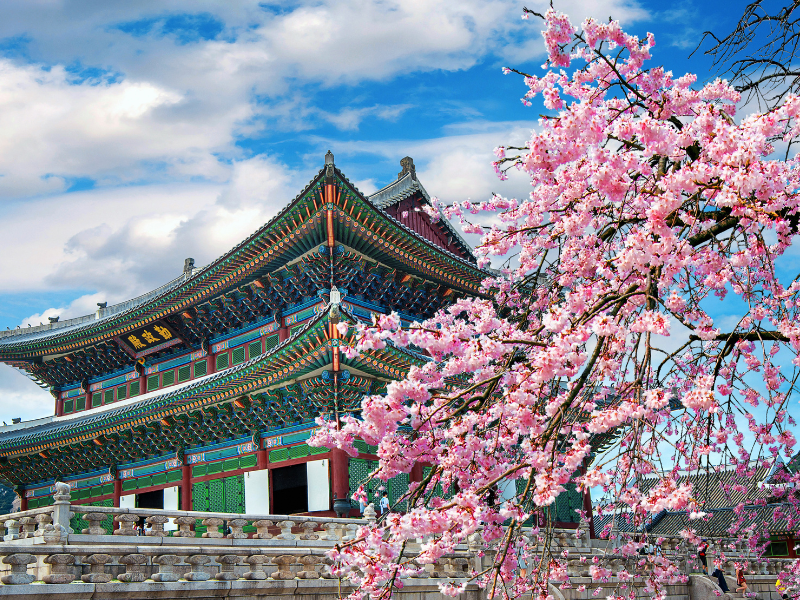
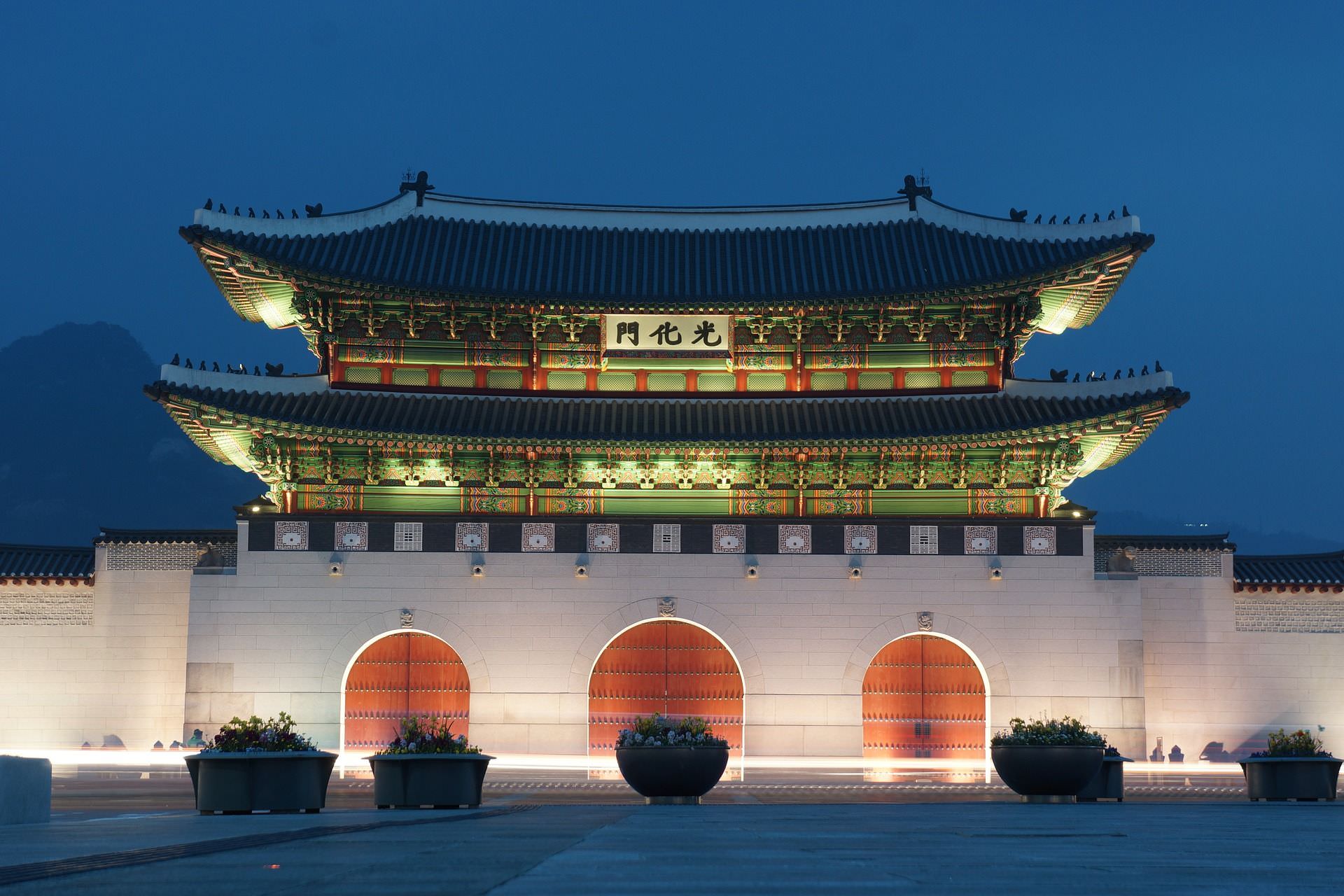
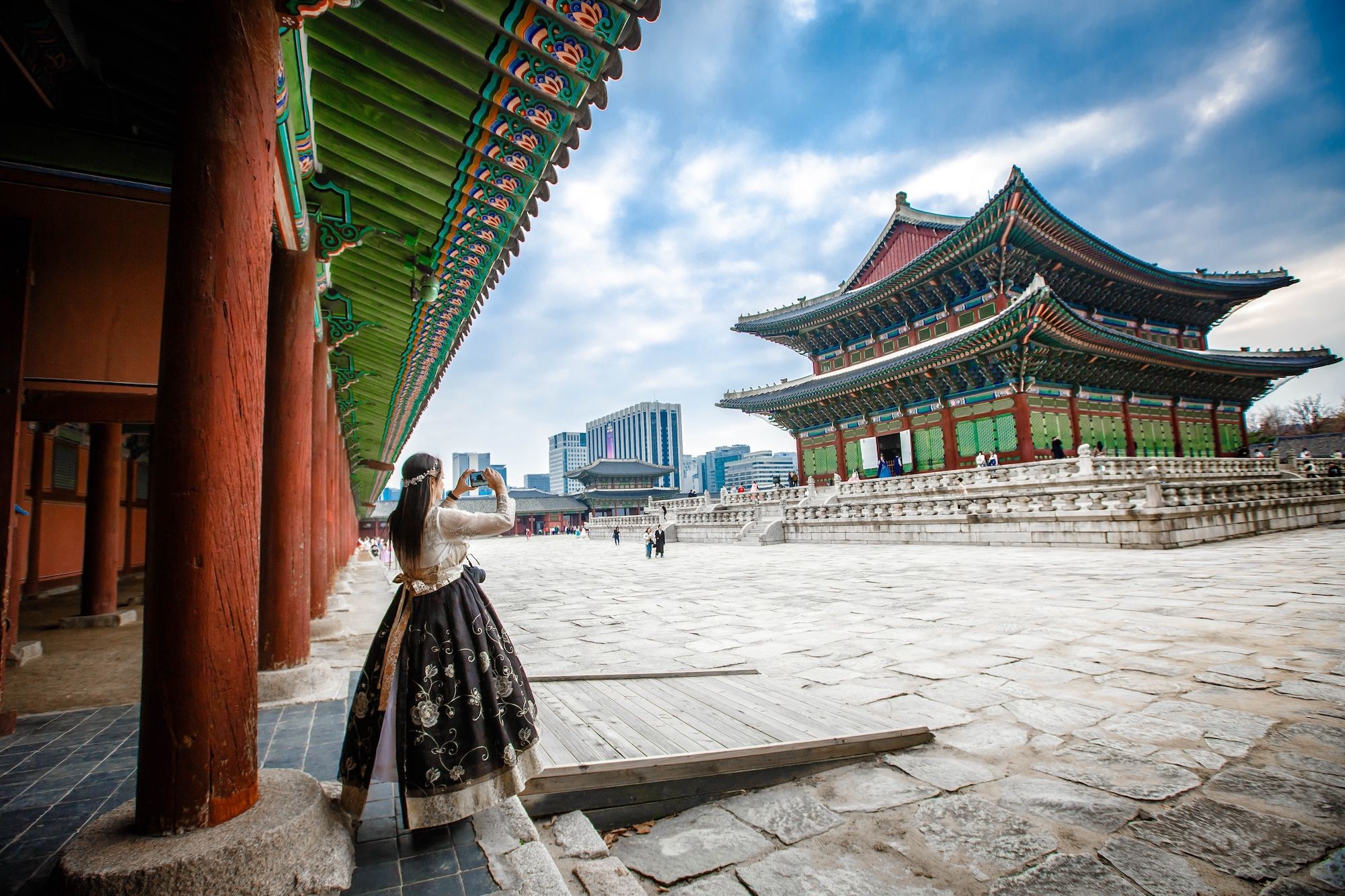
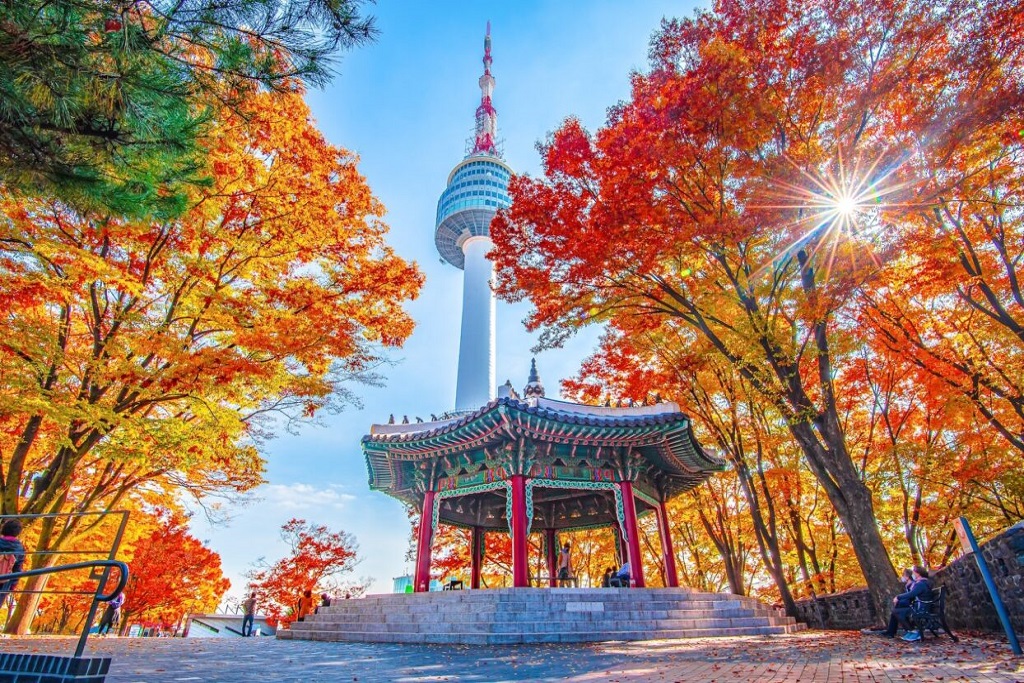
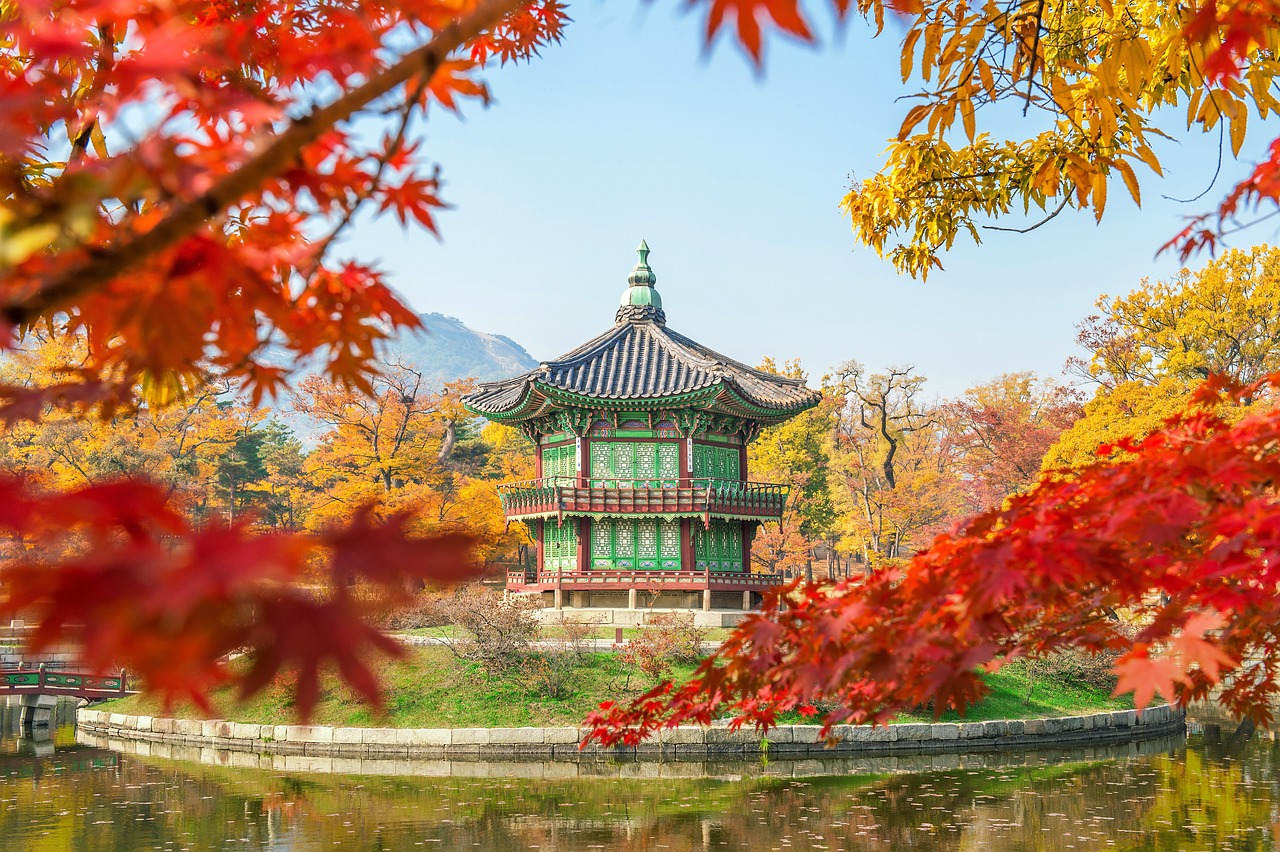
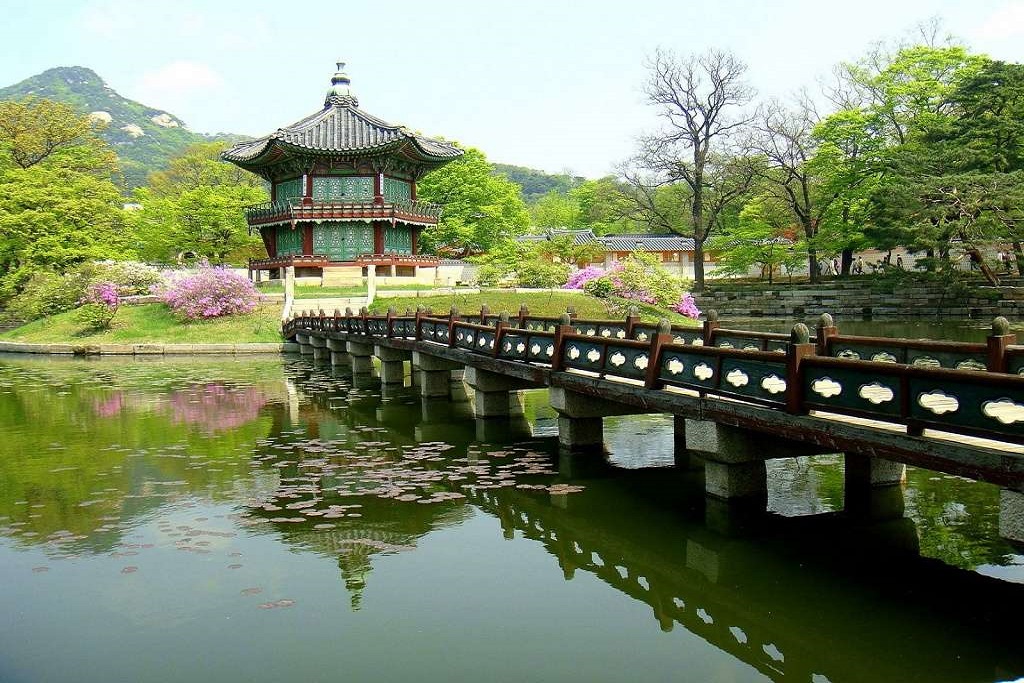
Seoul packs four decades of Korean history and the energy of a city that never sleeps into a single metropolis, spread along the banks of the Han River between wooded hills and towers of glass. Its monumental heart is Gyeongbokgung, the great royal palace of the Joseon dynasty, with the Gyeonghoeru pavilion mirrored in its pond and the changing of the guard performed daily before the Gwanghwamun gate; nearby rise Changdeokgung, a UNESCO World Heritage palace famed for its Secret Garden (Huwon), and the royal shrine of Jongmyo, also UNESCO-listed, which guards the ancestral tablets of the kings. Between the two palaces climbs the Bukchon Hanok village, a maze of traditional curved-roof houses (hanok), while nearby Insadong street lines up shops of tea, paper and ceramics. To the north the Bukhansan fortress offers scenic trails among granite crags; to the south the Namsan hill is crowned by the N Seoul Tower, a privileged viewpoint over the city's ocean of lights. Each district has its own soul: Myeongdong is the realm of shopping and street food, Hongdae pulses with indie music and student bars, Gangnam parades luxury and modernity across the river, and the Cheonggyecheon stream restored through the urban fabric offers a riverside walk in the centre. Seoul's table is a chapter of its own: Korean barbecue, bibimbap, steaming soups and night markets such as Gwangjang, where you can taste bindaetteok and tteokbokki. Gateway to the country, Seoul is the ideal starting point for the Demilitarized Zone (DMZ) on the northern border and for the ancient capitals of the centre. Past and future coexist here on every block, and it is precisely this contrast that makes the city unforgettable.
Treno
Giorno 4 — Seoul → Busan
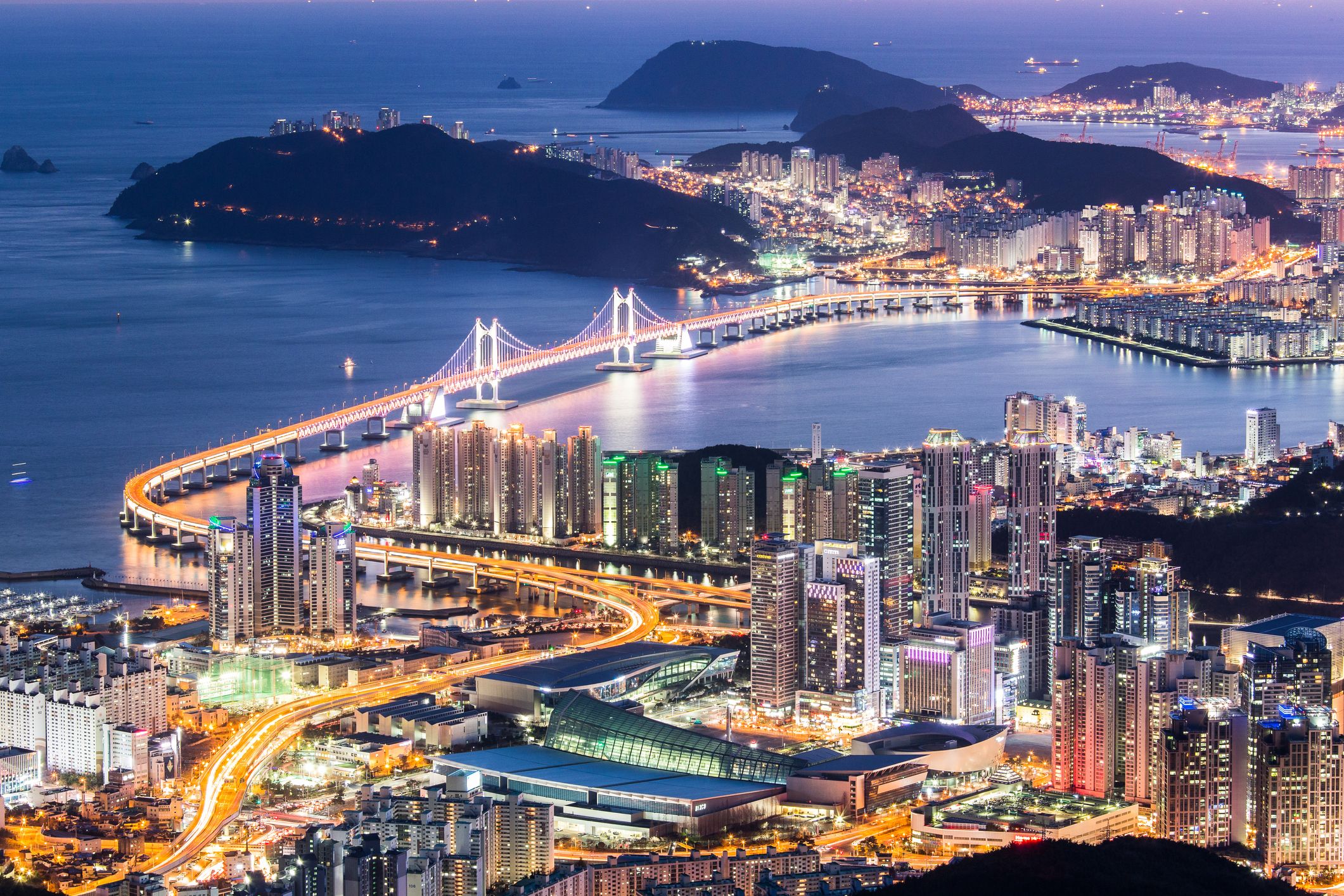
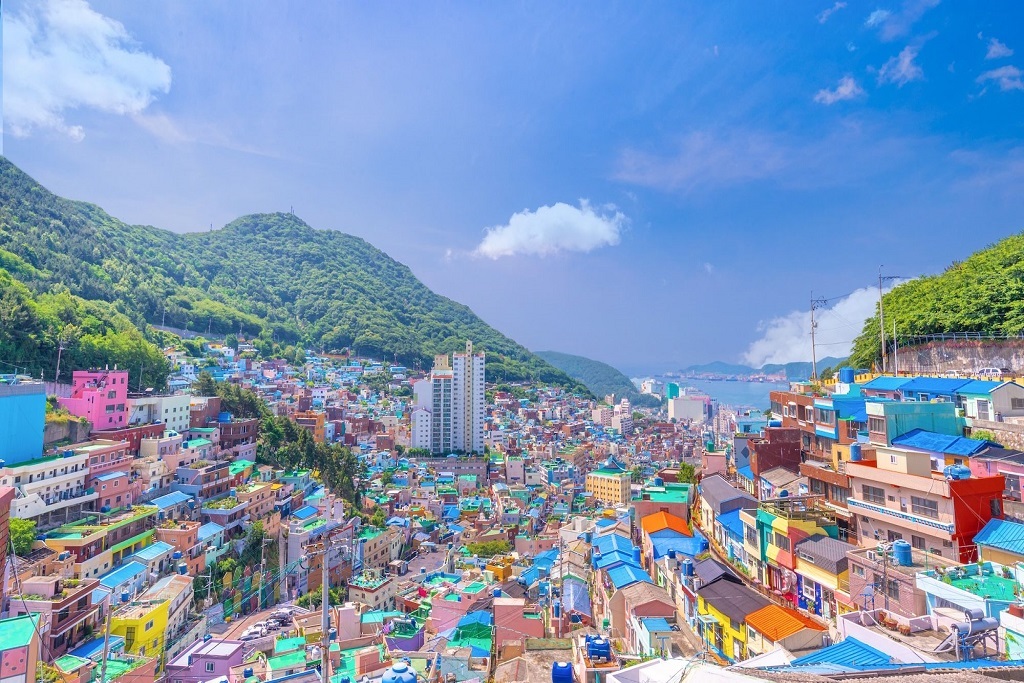
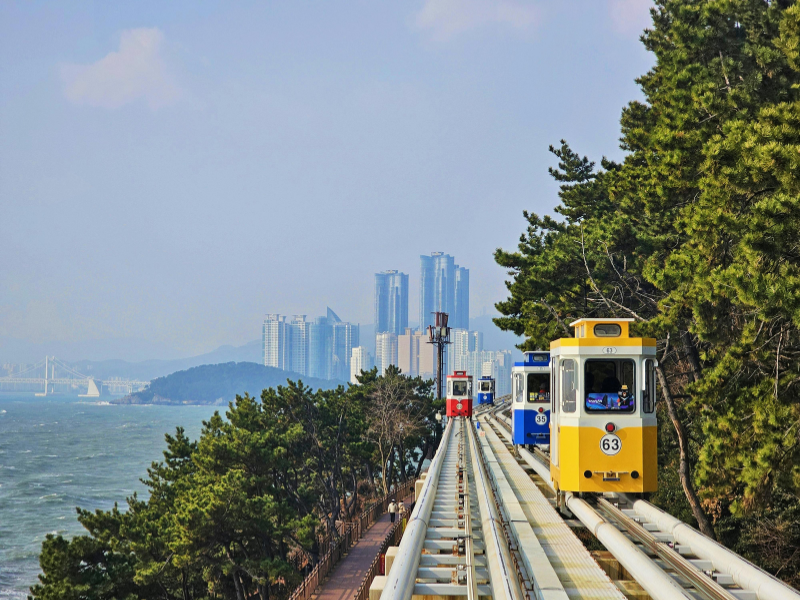
Busan is South Korea's great port city, spread between green mountains and the sea in a succession of beaches, markets and temples perched above the water. Its most famous beach, Haeundae, lines up golden sand and skyscrapers, while nearby Gwangalli comes alive in the evening beneath the lights of the Diamond Bridge. Clinging to the hillside, the Gamcheon Culture Village paints the slope with coloured houses and murals, nicknamed the "Korean Santorini." On the eastern coast the Buddhist temple of Haedong Yonggungsa rises exceptionally at the water's edge, amid the spray of the waves, and the Jagalchi fish market offers the city's authentic rhythm with its stalls of fresh catch. For nature lovers, Taejongdae park provides cliffs and panoramic lighthouses at the tip of Yeongdo island. Between sashimi, fish soups and the lively atmosphere of its neighbourhoods, Busan blends sea, faith and harbour life in a balance all its own.
Treno
Giorno 6 — Busan → Gyeongju
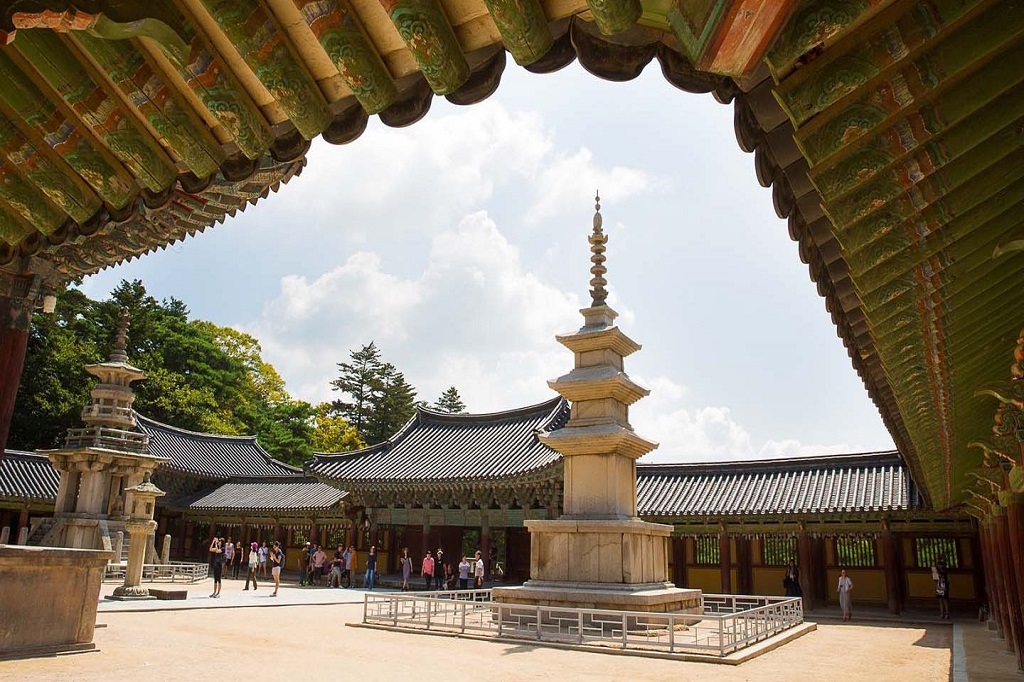
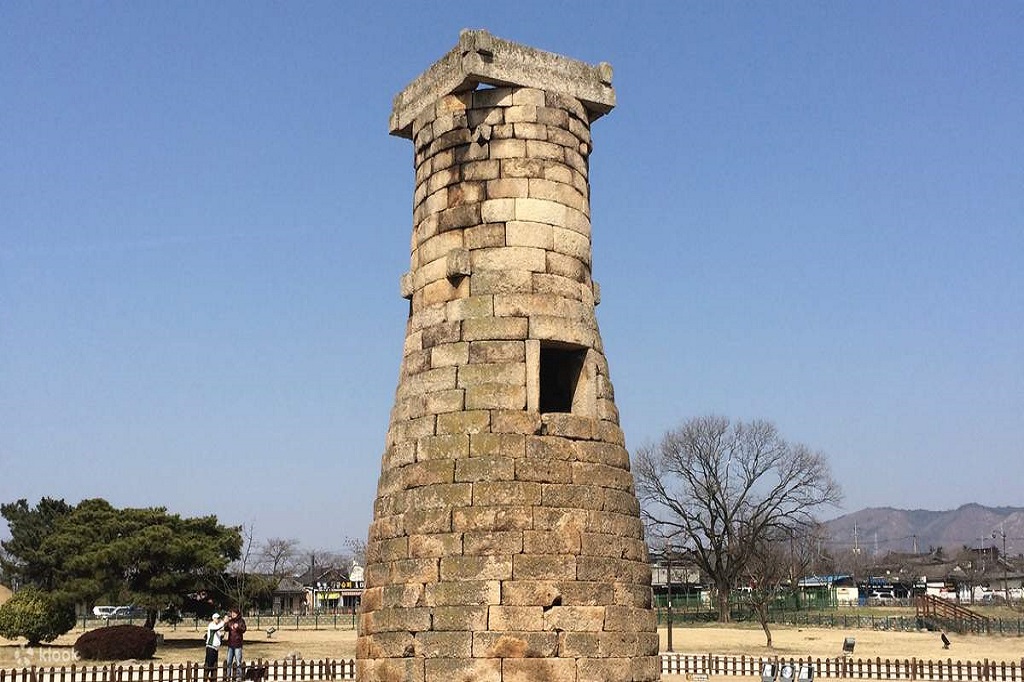
Gyeongju was for nearly a thousand years the capital of the Silla kingdom, and to this day it presents itself as an open-air museum strewn with royal mounds, temples and ancient observatories. Its historic areas are inscribed on the UNESCO World Heritage list: in the Tumuli Park and at Daereungwon you stroll among the great grassy tombs of the kings, while not far off rises Cheomseongdae, regarded as the oldest astronomical observatory in East Asia. On the city's edge the Bulguksa temple, also UNESCO-listed, is one of the masterpieces of Korean Buddhist architecture, and higher up on Mount Toham the Seokguram grotto guards a celebrated stone Buddha facing the sea. The Anapji pond, lit at dusk, and the traditional village of Yangdong complete the picture. Between history, spirituality and gentle hilly landscapes, Gyeongju is the ancient heart of Korea.
Treno
Giorno 8 — Gyeongju → Andong
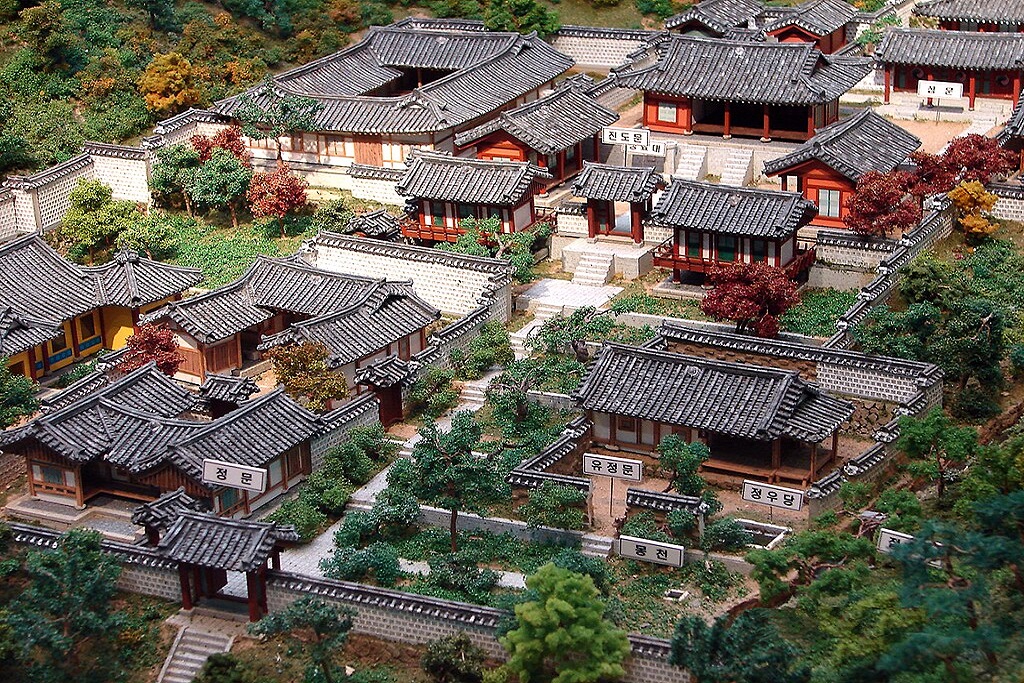
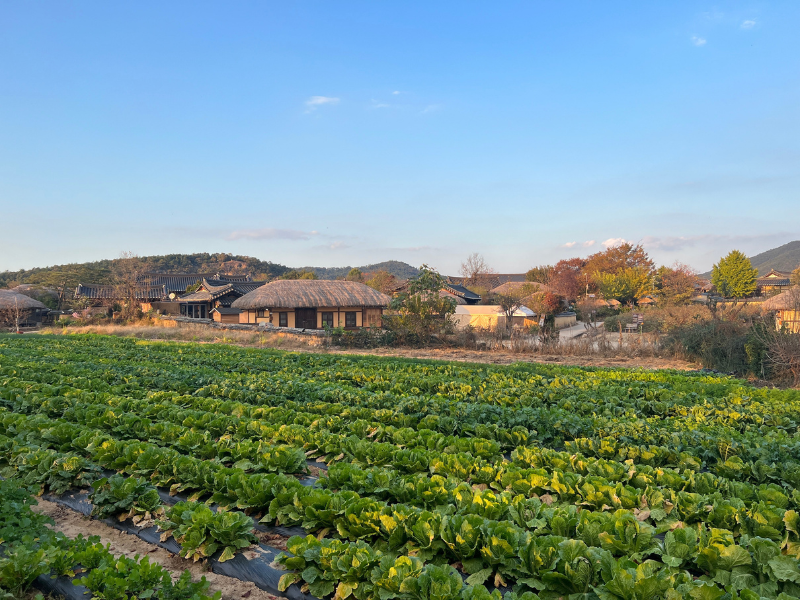
Andong guards the Confucian soul of Korea, amid quiet hills and a bend of the Nakdong River in the heart of the central province. Its jewel is the Hahoe village, inscribed on the UNESCO World Heritage list, where traditional houses with thatched and tiled roofs survive intact across the centuries and where the famous wooden masks of the byeolsingut theatre were born. The town is also celebrated for its cuisine, from the braised chicken andong jjimdak to marinated herring, and for its local rice liquor. Just outside stands the Confucian academy of Dosan Seowon, also UNESCO-listed, founded by one of Korea's greatest philosophers. Between footbridges over the river and mask festivals, Andong is a journey into the country's living past.
_20260521164442.png)
_20260518192317.png)
_20260518192318.png)
_20260518192319.png)
_20260518192315.png)