Kochi stretches along the southern coast of Shikoku island, facing the Pacific Ocean and keeping an independent spirit that sets it apart from the rest of Japan. Its heart is Kochi-jo, one of the very few Japanese castles to preserve its original keep intact along with its Edo-era buildings, a rare example of authentic feudal architecture. Just outside the city lies Katsurahama beach, famed for its sea views and for the imposing statue of Sakamoto Ryoma, the local hero who helped usher in modern Japan. Local cuisine revolves around katsuo no tataki, bonito seared over a flame of rice straw and served with garlic and spring onion, best enjoyed in the lively Hirome covered market. To the west flows the Shimanto river, considered one of the last unspoilt waterways in the country, ideal for canoe trips among submersible bridges and rural villages. Kochi is a destination that blends samurai history, ocean flavours and generous nature.
Treno
Giorno 2 — Kochi → Matsuyama (Dogo Onsen)
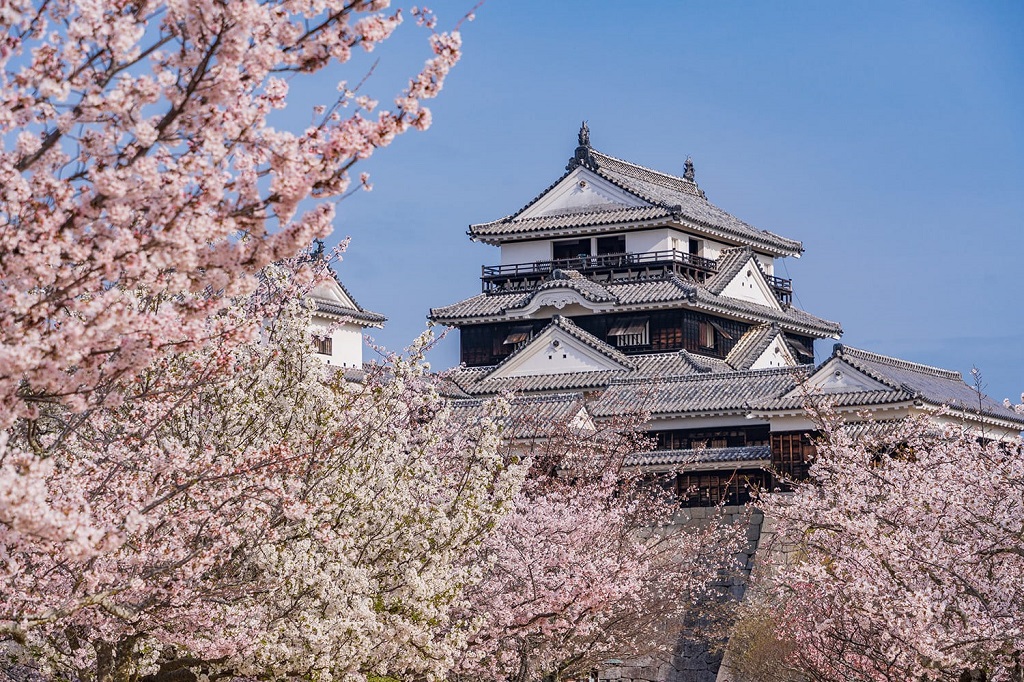
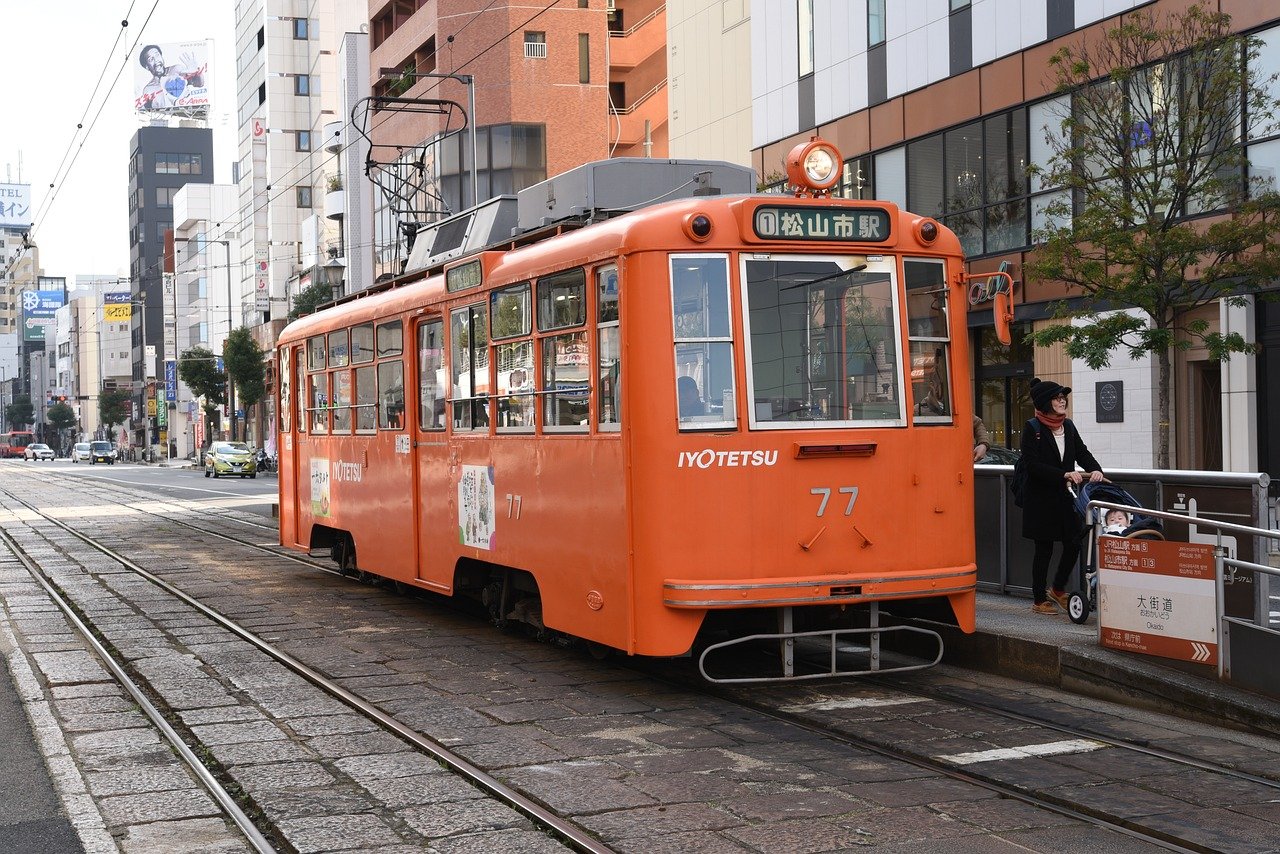
The main city of Shikoku island, Matsuyama is home to one of Japan's best-loved thermal treasures, Dogo Onsen, a hot spring celebrated for over a thousand years and enclosed in the striking wooden building of the Dogo Onsen Honkan, with its tiered roofs and traditional rooms. Through the lanes of the spa quarter visitors stroll in yukata among small shops and inns, before climbing to the majestic Matsuyama-jo (Matsuyama Castle), one of the few original Japanese fortresses, perched on the hill overlooking the town and reached by cable car. The city retains the literary atmosphere that inspired writers and poets, while the local cuisine carries the scent of citrus, fresh fish and traditional sweets. Matsuyama offers the authentic experience of a Japan of thermal baths, history and calm, far from the main routes.