Salazie›La Plaine des Cafres›Saint-Pierre›Cilaos›Saint-Gilles-les-Bains
LA REUNION (Itinerary 7 nights - first version) — NAAR
Itinerary
Giorno 1 — Salazie
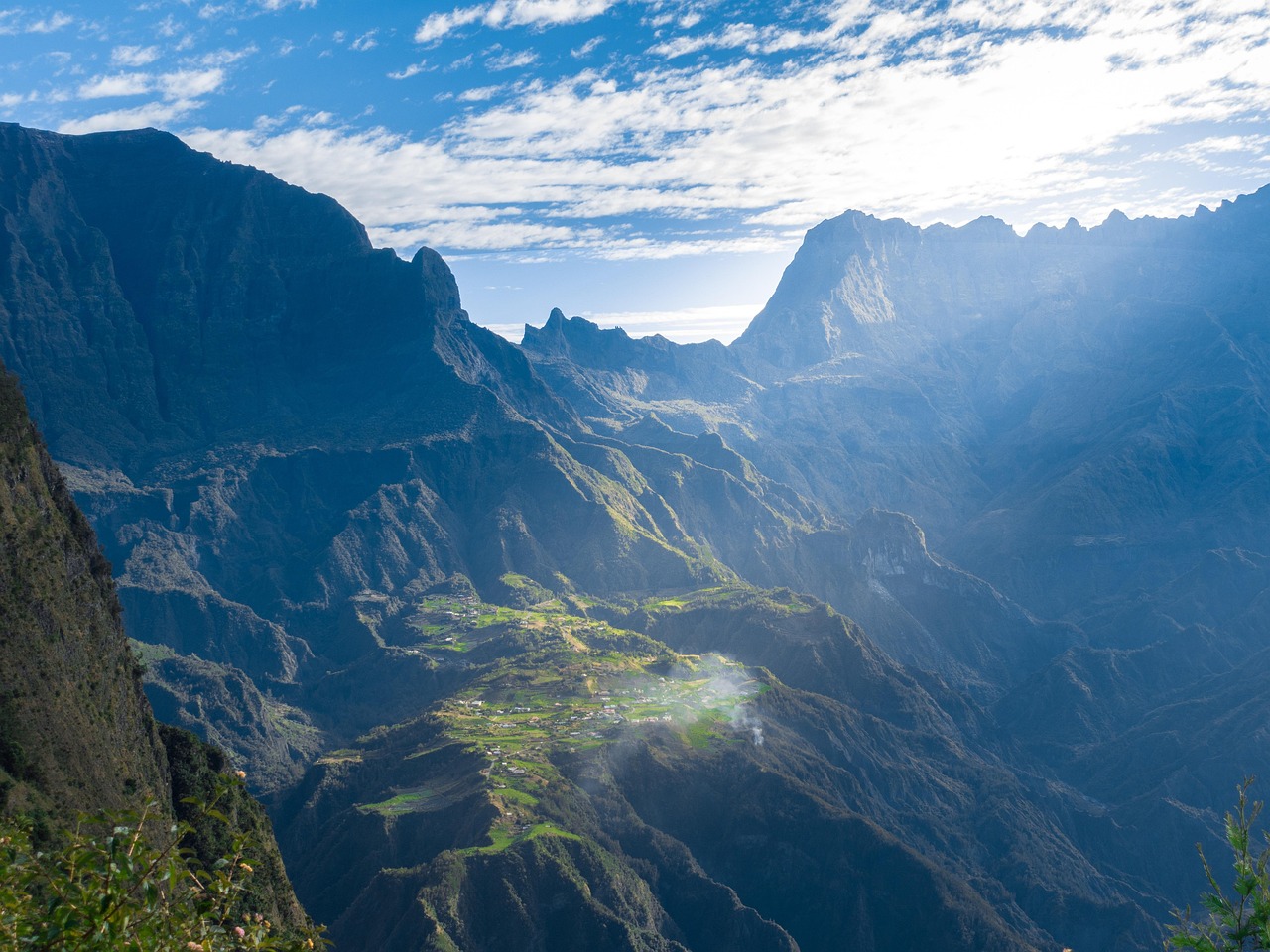
Salazie occupies its namesake cirque, a vast green amphitheatre on the north-eastern side of Réunion, more humid and lush than the cirques of the south. The perpetually cool air and dense tropical vegetation — giant ferns, bamboo, wild orchids — frame a landscape punctuated by impressive waterfalls, the most famous of which is the Voile de la Mariée (Bridal Veil), visible from the main road. The village of Hell-Bourg, inside the cirque, is considered one of Réunion's most beautiful villages and preserves exquisite Creole wooden houses with richly decorated verandas. Salazie is an outstanding destination for hikers and nature lovers, with trails leading to panoramic viewpoints over the rock walls and up to the high plateaus towards Piton des Neiges.
Auto
Giorno 2 — Salazie → La Plaine des Cafres
La Plaine des Cafres is a vast volcanic plateau in the southern heart of Réunion, at around 1,600 metres above sea level, swept by mists and winds that give it an almost Scottish atmosphere. It is the main gateway to Piton de la Fournaise: the Route du Volcan departs from here and leads in about an hour to the Dolomieu and Bory craters at the volcano's summit. The Cité du Volcan, a museum dedicated to the island's volcanology, is located on the plateau and is an essential stop for understanding Réunion's geology. Open pastures, grazing cattle and rural Creole homesteads give this high plateau a character unlike anywhere else on the island.
Auto
Giorno 3 — La Plaine des Cafres → Saint-Pierre
Saint-Pierre is the main city of southern Réunion, the de facto capital of the island's southern side, with an active port, a lively historic market and a central black-sand beach. Urban life is animated: cafés and Creole restaurants line the seafront promenade, while the covered Saturday morning market is one of the island's most authentic gatherings to taste local produce. The city is a practical base for heading up to La Plaine des Cafres and Piton de la Fournaise, as well as for enjoying the sunny climate of the leeward coast. Saint-Pierre retains a lively, genuine character, far removed from a purely tourist atmosphere.
Auto
Giorno 5 — Saint-Pierre → Cilaos
Cilaos sits at the foot of its namesake cirque, a volcanic mountain amphitheatre reached by a winding road that climbs from the coastal valleys to nearly 1,200 metres above sea level. The village, enclosed by rock walls rising up to 2,000 metres, is known for its sulphurous thermal springs, the vineyards that produce the rare Cilaos wine, and the fine lacework that local women have passed down from generation to generation. The cirque is also the starting point for some of the island's most challenging hikes, including the ascent of Piton des Neiges — at 3,070 metres the highest peak in all of French overseas territory — and the trails linking the three cirques across scenic mountain passes. Cilaos is an ideal destination for those who wish to combine mountain relaxation with adventure in Réunion's wild landscapes.
Auto
Giorno 6 — Cilaos → Saint-Gilles-les-Bains
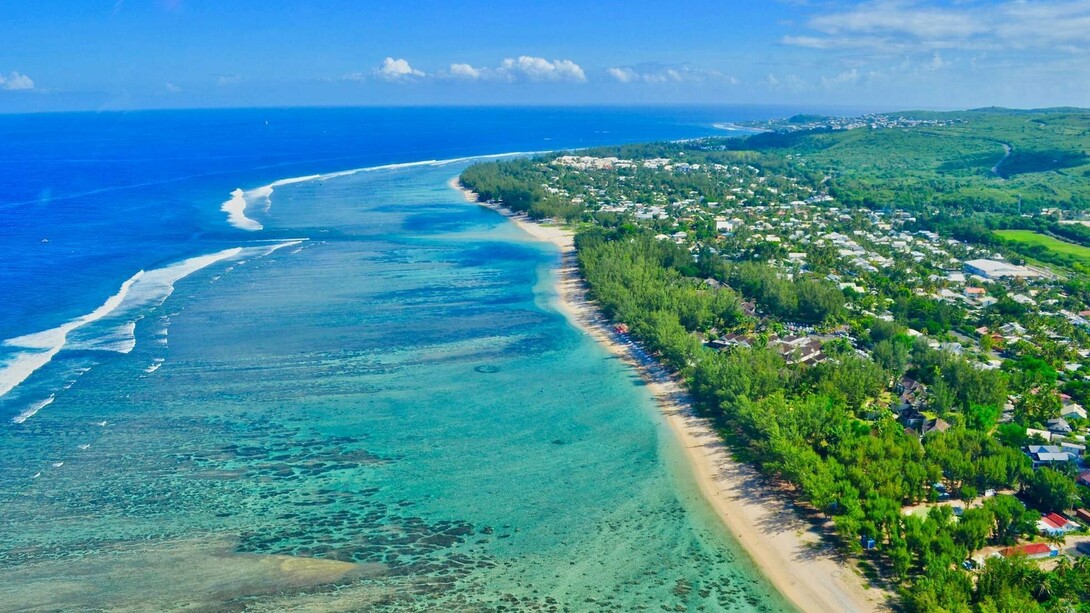
Saint-Gilles-les-Bains is Réunion's main beach resort, set on a lagoon sheltered by a coral reef along the island's western coast. Its turquoise, calm waters — perfect for swimming and water sports — and the Ermitage beach, one of the island's most popular, attract thousands of visitors every year in search of sun and sea. The seafront promenade is lined with Creole restaurants, bars and boutiques, while the harbour is the departure point for boat trips, scuba diving, and whale and dolphin watching. Saint-Gilles is also a convenient base for exploring the Réunion marine nature reserve, which protects the island's coral reefs. In the evening, life gathers around the Plage des Roches Noires area, where sunset light turns the volcanic rocks a deep orange.