Giorno 1 — Lisbon
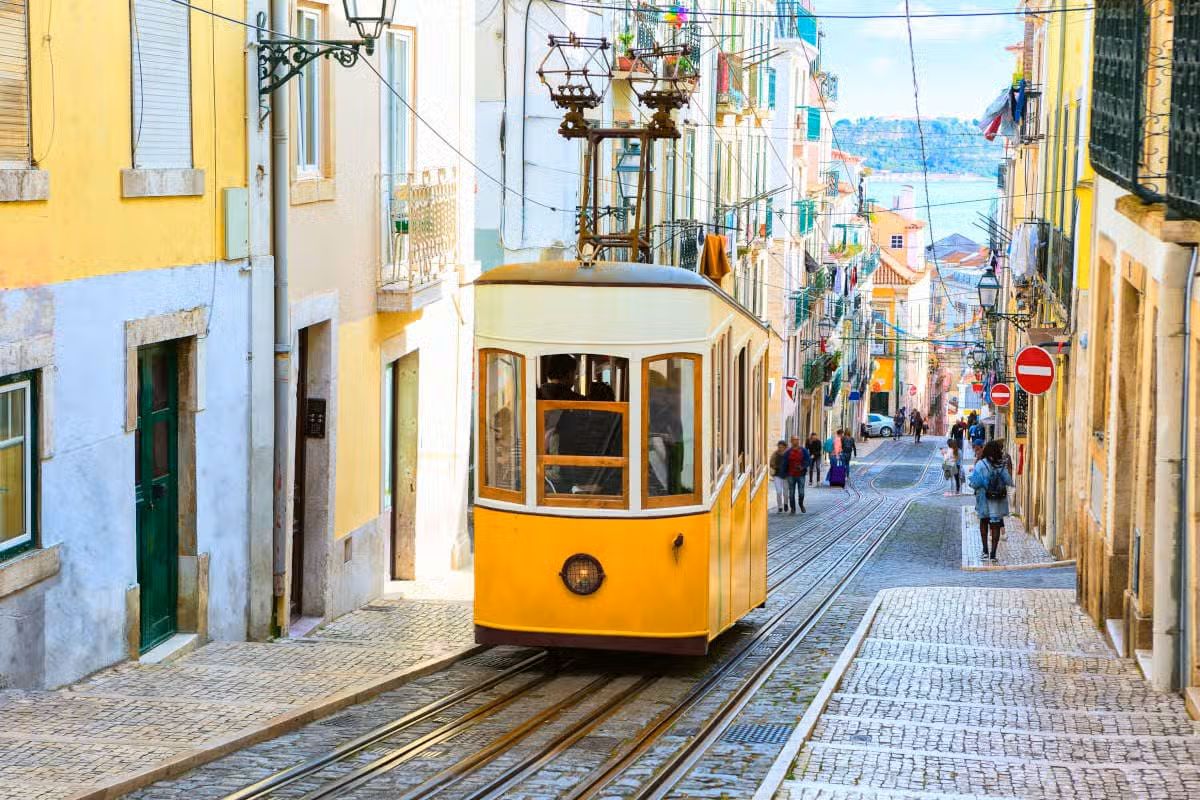
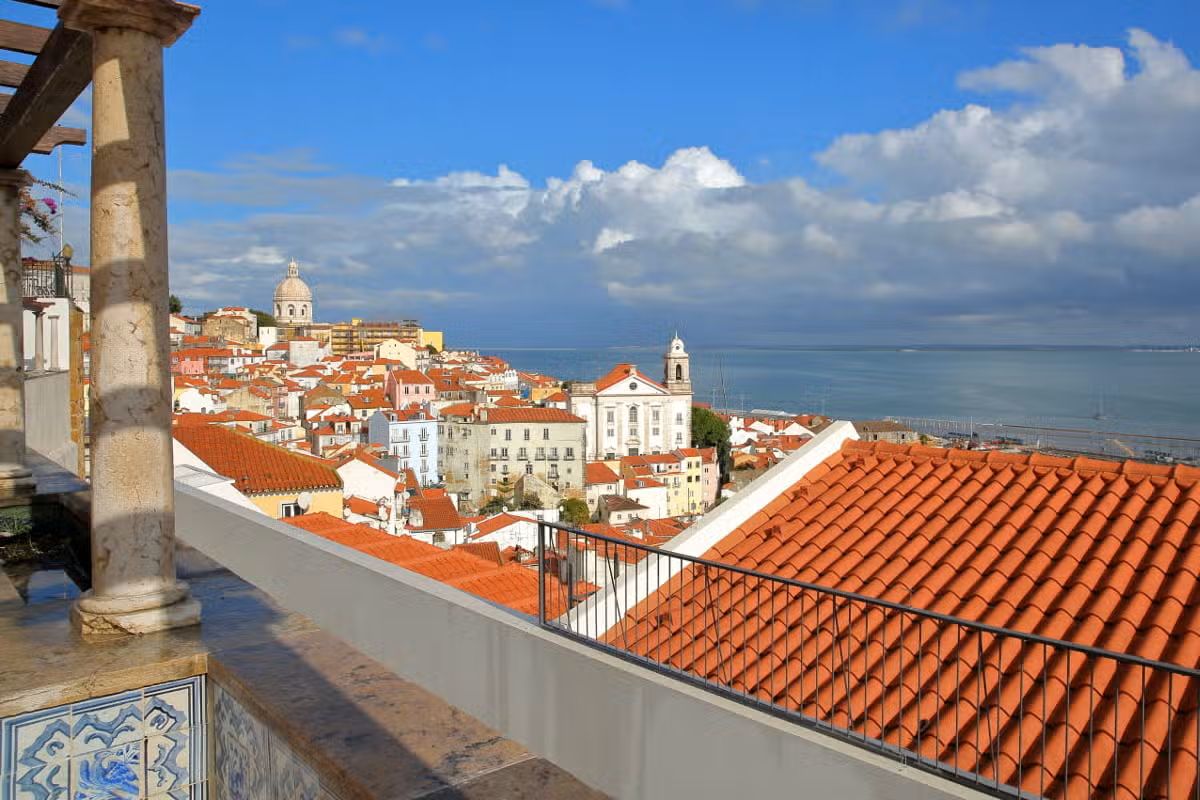
Set along the Tagus estuary and shaped by centuries of history, Lisbon is a luminous and vibrant capital where Atlantic light, river landscapes and urban life merge into a city of hills, viewpoints and distinct neighbourhoods. Its mild, sunny climate makes it ideal to explore on foot, moving through steep streets, historic trams and sudden openings over the water.
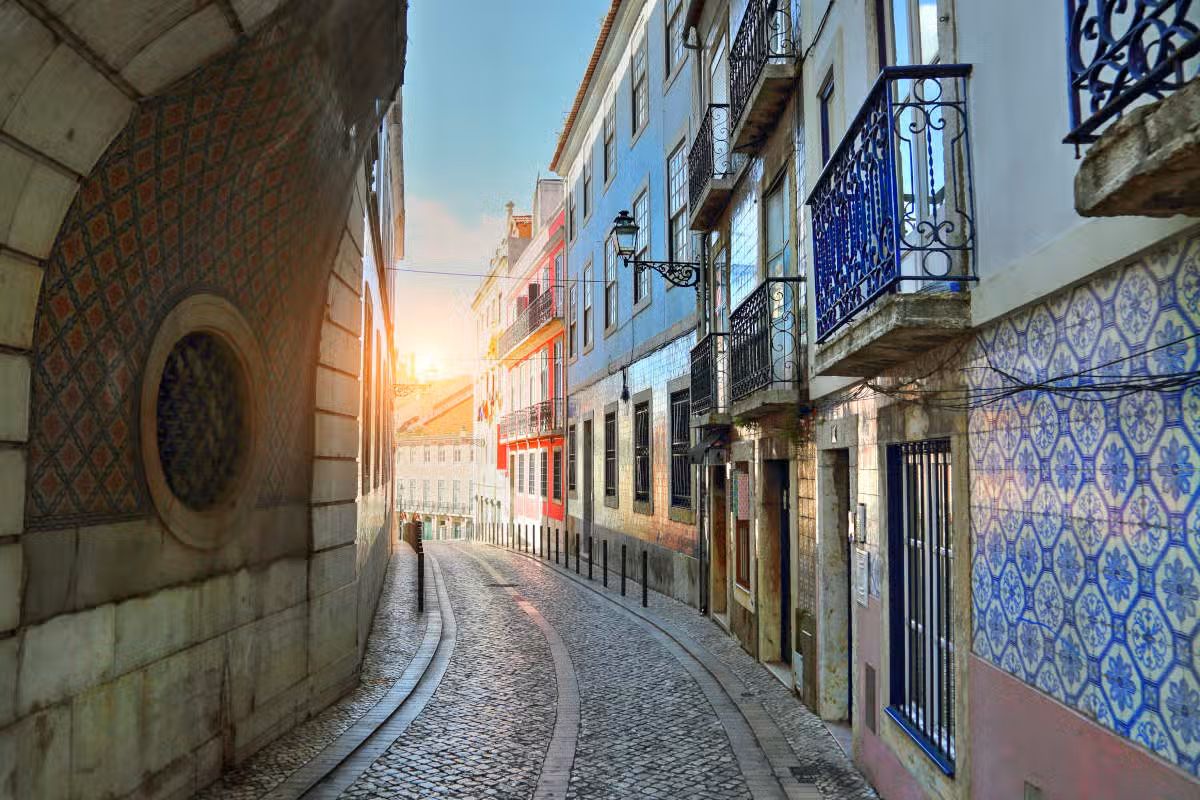
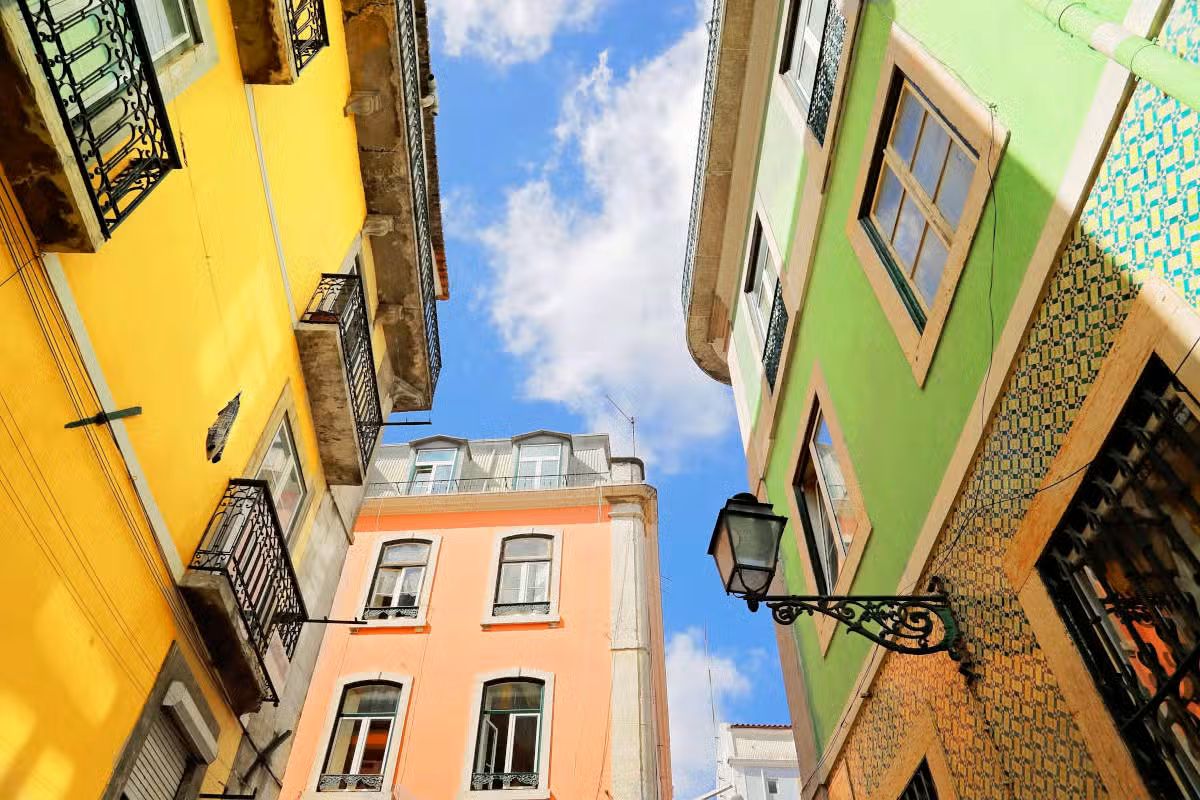
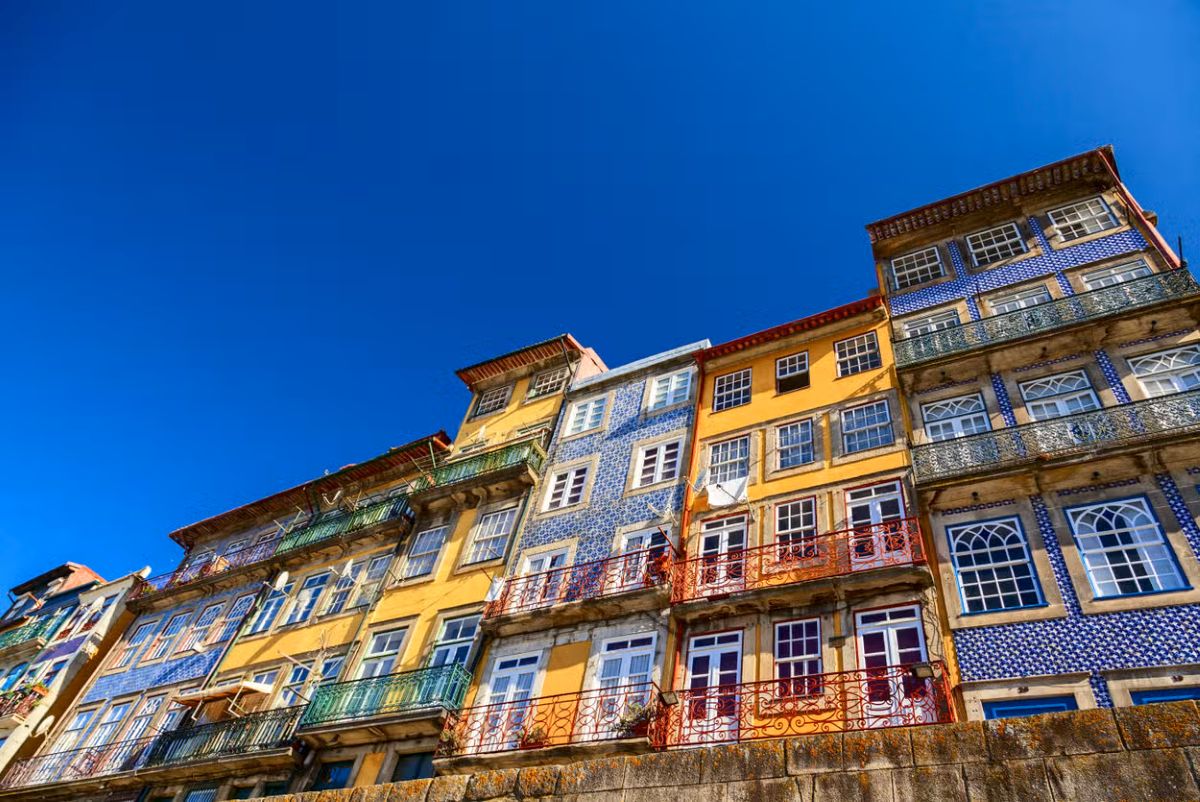
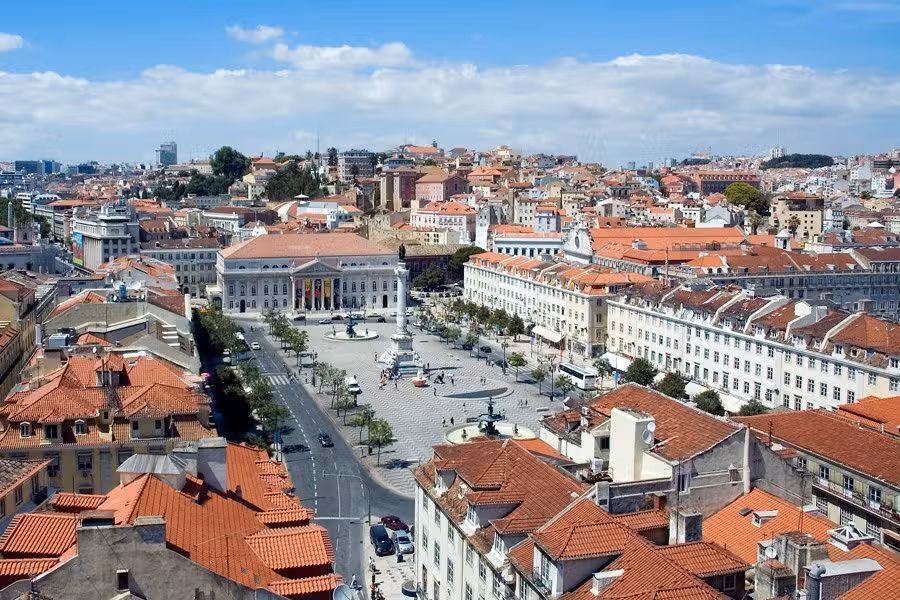
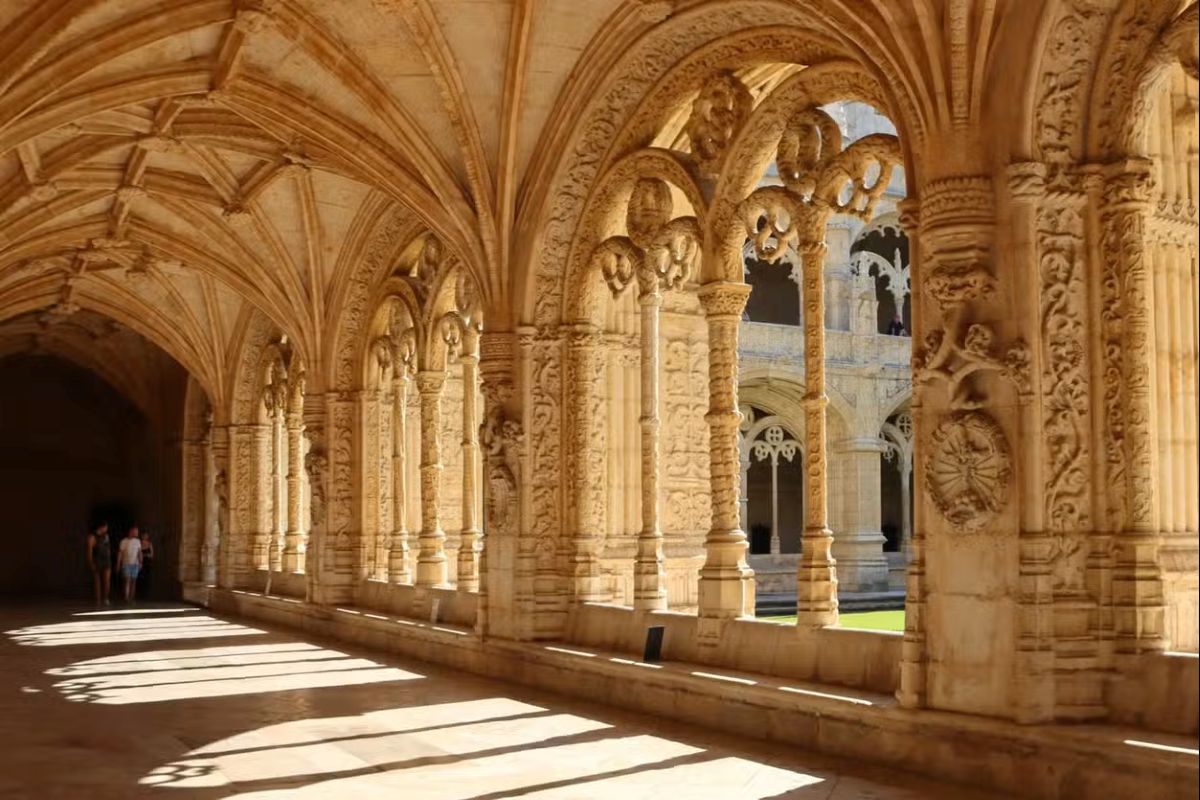
The historic and commercial heart is Baixa Pombalina, rebuilt after the devastating 1755 earthquake through one of Europe’s earliest modern urban planning projects. Here, the lively Rossio Square connects to the grand Praça do Comércio, opening directly onto the river and inviting long walks along the Tagus waterfront. From here, the city rises toward Chiado, an elegant cultural district filled with historic cafés, then continues to Bairro Alto, where a mix of old buildings, narrow streets and a dense nightlife create one of Europe’s most energetic evening scenes, with restaurants, bars and theatres side by side. Along the riverfront, Cais do Sodré has become a key nightlife hub, while the Avenidas Novas area, stretching between Saldanha, Entrecampos and Marquês de Pombal, represents the city’s modern axis, with tree-lined boulevards, shops and Avenida da Liberdade, where international brands stand next to traditional pastry shops. Lisbon’s most authentic soul appears in Alfama, a maze of narrow alleys, tiled façades and the sound of fado music flowing from small taverns, a tradition recognised by UNESCO as Intangible Cultural Heritage. From here, São Jorge Castle overlooks the city, while Mouraria and Madragoa preserve a more local and traditional atmosphere. To the west, Belém reflects Portugal’s Age of Discoveries with the Jerónimos Monastery and Belém Tower, both UNESCO World Heritage Sites, alongside the Monument to the Discoveries. This is also the birthplace of the iconic pastel de nata, one of the city’s most famous culinary symbols.
Further east along the river, the modern Parque das Nações and the Tagus Estuary Museum highlight Lisbon’s strong connection to its waterfront. Between Tram 28, panoramic viewpoints and riverside walks, Lisbon offers a journey through history, energy and Atlantic atmosphere.