Turin, Italy's first capital, is a regal and refined city combining Savoy elegance, endless arcades and a fervent cultural spirit. The centre unfolds between monumental squares such as Piazza Castello and Piazza San Carlo, royal palaces and historic cafés where the aperitivo was born. The Mole Antonelliana, the city's symbol, houses the National Cinema Museum, while the Egyptian Museum is the most important in the world after Cairo's. The Savoy residences — the Royal Palace, the Palace of Venaria — testify to the dynasty's splendour. The Alps stand on the horizon and the river Po accompanies walks along the parks. Piedmontese cuisine offers bagna cauda, agnolotti, gianduiotti and great wines. Sober and majestic, Turin surprises those who discover its cultured and welcoming soul.
Treno
Giorno 3 — Torino → Milan
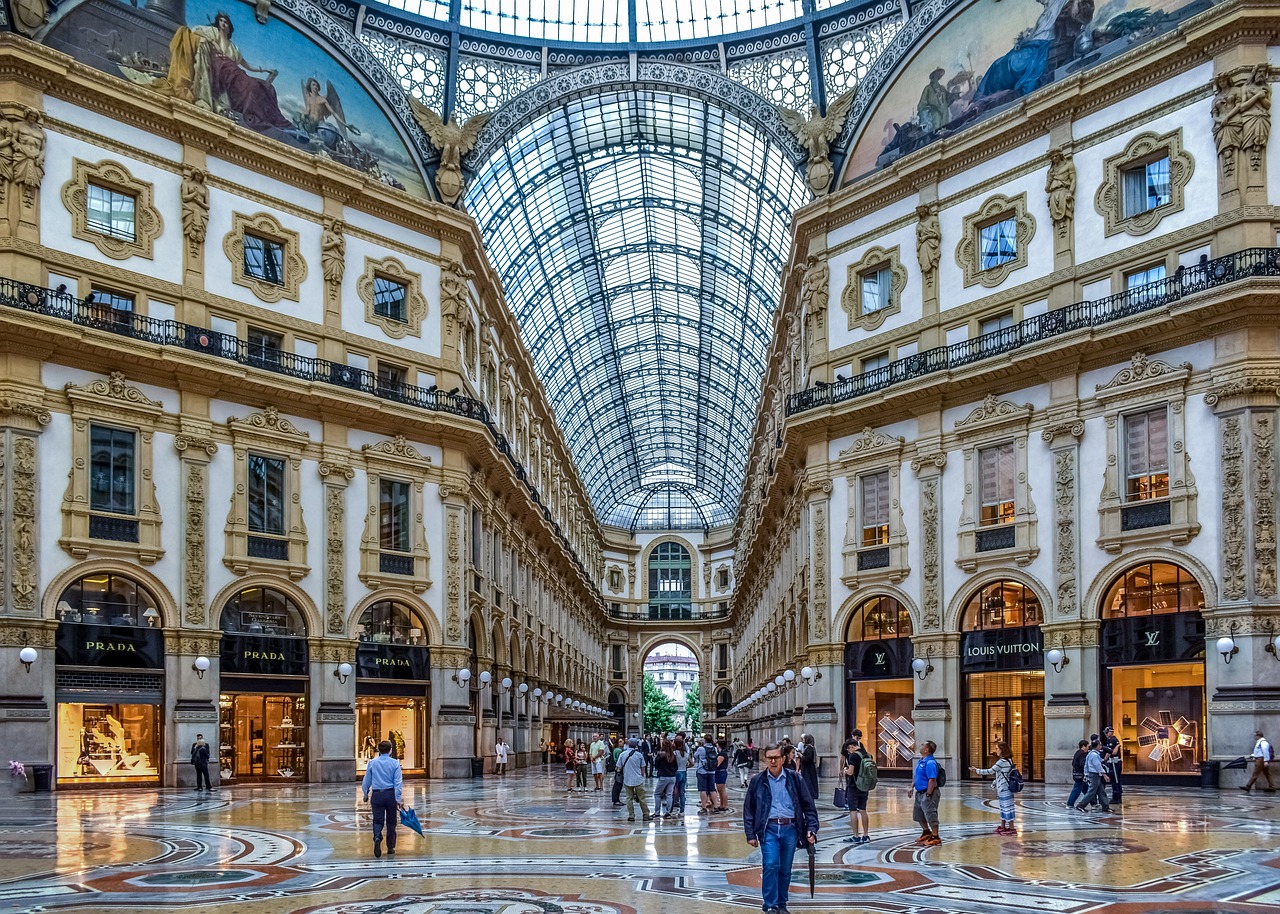
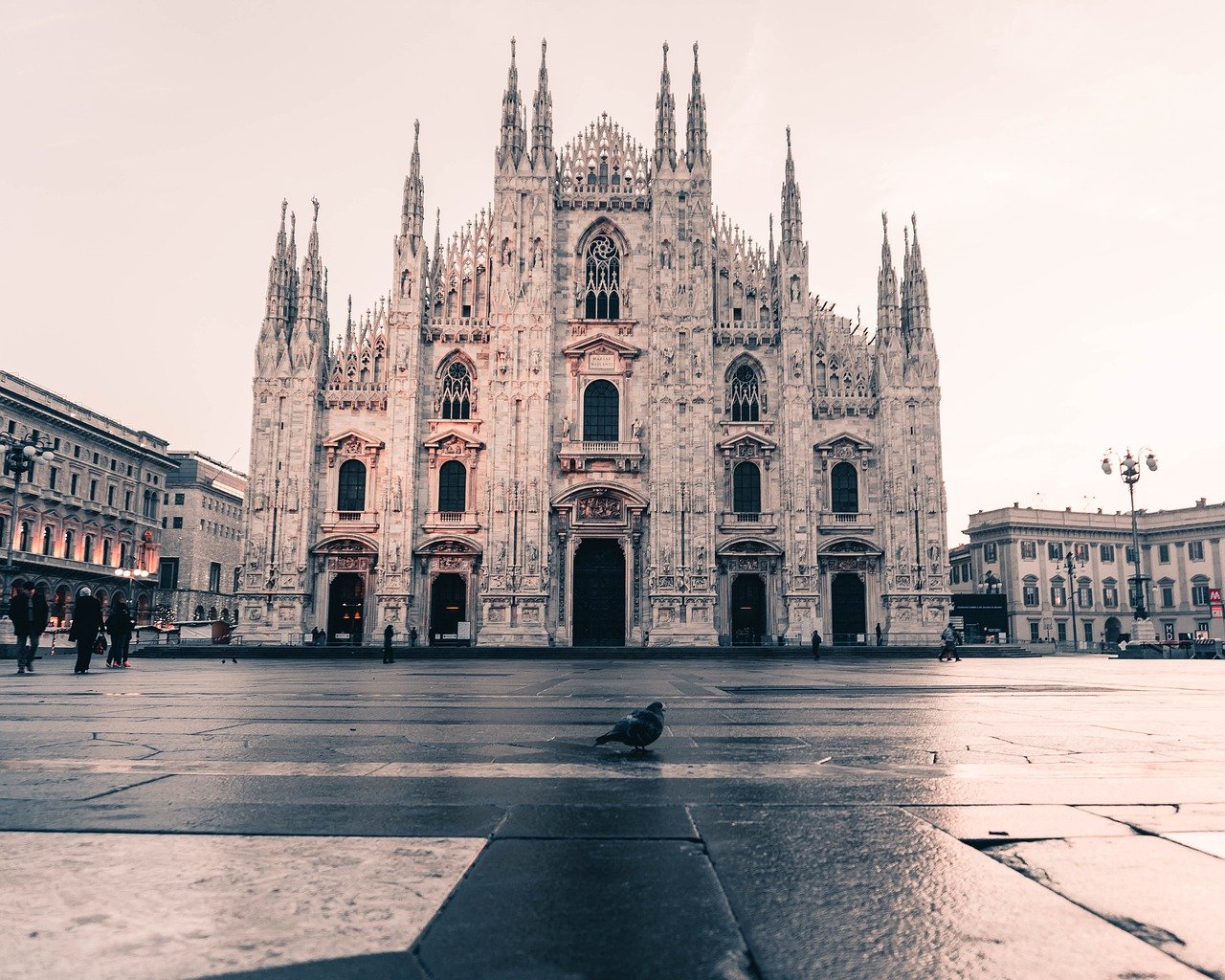
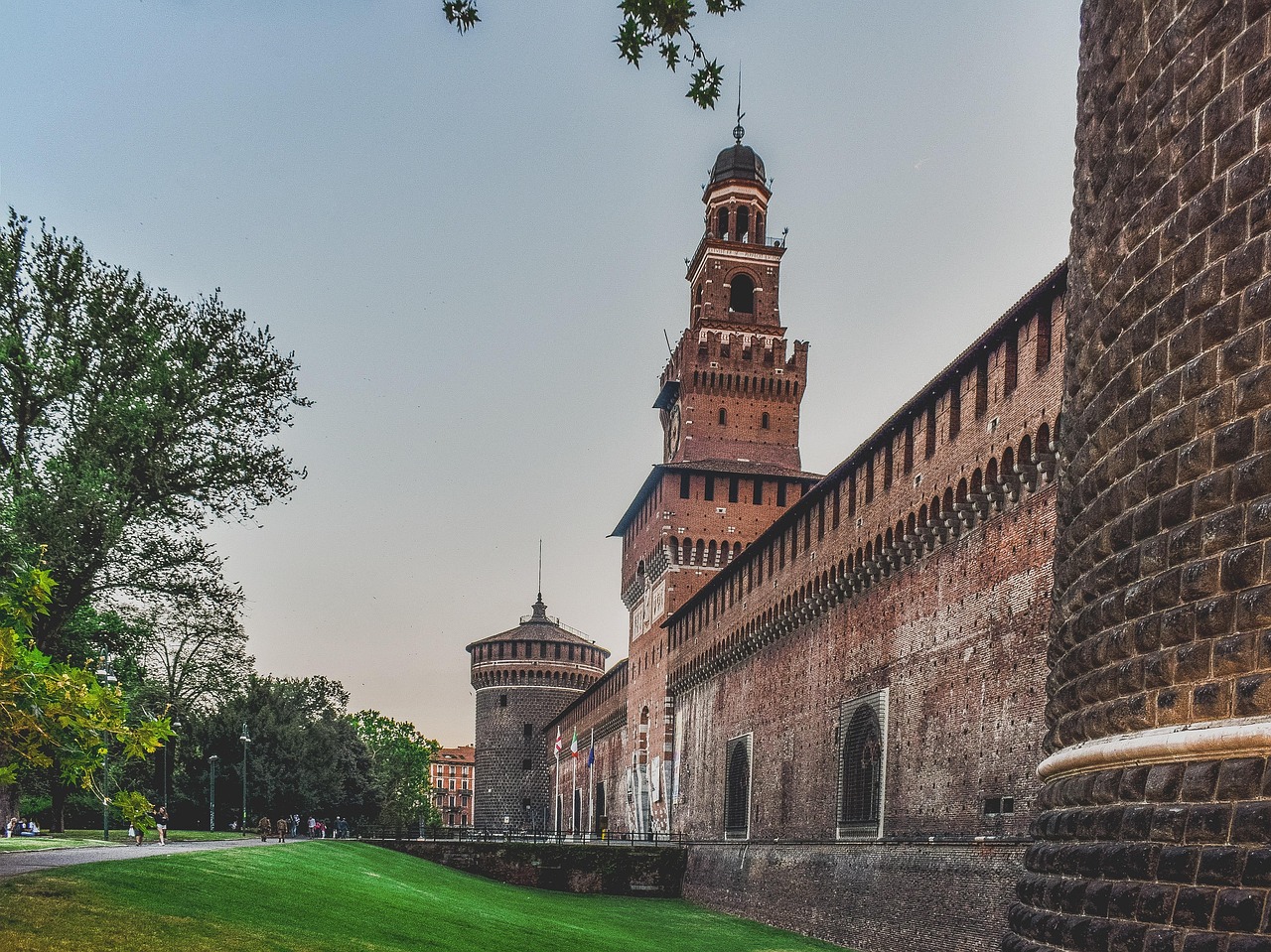
Milan asserts itself as Italy's capital of fashion, design and finance, a dynamic metropolis alternating futuristic skyscrapers with centuries-old treasures. At its centre rises the Duomo, an extraordinary white-marble Gothic cathedral bristling with spires, beside the Galleria Vittorio Emanuele II, a covered drawing room of boutiques and historic cafés. A few steps separate La Scala, a world temple of opera, from the Sforza Castle and Sempione Park. The church of Santa Maria delle Grazie guards Leonardo da Vinci's Last Supper, a fragile masterpiece to book in advance. The districts reveal different souls: Brera with its galleries and Academy, the Navigli with their canals and evening nightlife, Porta Nuova and CityLife with the contemporary architecture of the Vertical Forest and designer towers. Milan is also a city of shopping, from the Fashion Quadrilateral to more popular streets, and of the aperitivo, a social ritual par excellence. Local cuisine offers saffron risotto, cotoletta, ossobuco and panettone. Between design week, fashion shows and a lively cultural scene, Milan thrives on energy and ambition. Modern and industrious, Milan surprises those who seek the elegance behind its discreet façades.
Treno
Giorno 5 — Milan → Firenze (FI)
Florence holds the cradle of the Renaissance in a compact historic centre where every square is an open-air museum. The city's skyline is dominated by Brunelleschi's dome, crowning the Cathedral of Santa Maria del Fiore beside Giotto's Bell Tower and the Baptistery with its bronze doors. From Piazza della Signoria, guarded by Palazzo Vecchio and a copy of the David, one reaches the Uffizi Gallery, a treasure house of masterpieces by Botticelli, Leonardo and Raphael. The Ponte Vecchio, lined with goldsmiths' shops, spans the Arno and leads to the Oltrarno, a district of artisans, gardens and authentic character, where Palazzo Pitti opens onto the monumental greenery of the Boboli Gardens. The Accademia Gallery preserves Michelangelo's original David, while the churches of Santa Croce and Santa Maria Novella guard frescoes and illustrious tombs. Tuscan cuisine offers bistecca alla fiorentina, ribollita, pappa al pomodoro and Chianti wines. Climbing to Piazzale Michelangelo, the city unfolds in an unforgettable panorama, its red roofs stretching to the hills. Elegant and refined, Florence reveals itself by strolling slowly among art, history and centuries-old workshops.
Treno
Giorno 7 — Firenze (FI) → Roma
Rome layers twenty-five centuries of history into a tapestry of imperial ruins, baroque basilicas and everyday life flowing past fountains and cafés. It begins with the Colosseum and the Imperial Forums, where the stones of antiquity's political heart still stand, before rising to the Palatine Hill overlooking the Circus Maximus. Nearby, the Pantheon preserves its dome and oculus open to the sky, while Piazza Navona unfolds Bernini's architecture around the Fountain of the Four Rivers. The historic centre is a maze of lanes leading to the Trevi Fountain, the Spanish Steps and the morning market of Campo de' Fiori. Across the Tiber, Trastevere offers taverns, medieval churches and a working-class atmosphere, while the Janiculum Hill grants one of the widest views over the city. Vatican City, an independent state at Rome's heart, guards St Peter's Basilica, Bernini's elliptical square and the Vatican Museums with Michelangelo's Sistine Chapel. Roman cuisine — cacio e pepe, amatriciana, Jewish-style artichokes, supplì — is best enjoyed in neighbourhood trattorias or the old Jewish quarter. Between the gardens of Villa Borghese, the Baths of Caracalla and the Appian Way with its aqueducts, Rome reveals a depth no other city matches. Eternal and theatrical, Rome is best lived by wandering slowly, where every corner tells a different age.
Treno
Giorno 10 — Roma → Napoli
Naples lives with overwhelming energy, stretched along one of the world's most famous bays with Vesuvius as its backdrop. The historic centre, a UNESCO World Heritage Site, is a labyrinth of alleys hung with laundry, lined with baroque churches, votive shrines and artisan workshops. Spaccanapoli cuts the city in a straight line between the cathedral, keeper of the blood of San Gennaro, and the chapels of the Pio Monte della Misericordia with their Caravaggios. Beneath the streets lies a subterranean Naples of cisterns and tunnels, while the National Archaeological Museum holds the treasures of Pompeii and Herculaneum. Along the sea, the Caracciolo promenade, Castel dell'Ovo and the Chiaia district offer elegant strolls. Pizza was born here, and Neapolitan cuisine — sfogliatelle, babà, fried street food — is pure joy. From Vomero, reached by funicular, the city unfolds in a breathtaking panorama. Chaotic and theatrical, Naples seduces with its unfiltered authenticity.
Treno
Giorno 13 — Napoli → Palermo (PA)
Palermo concentrates Sicily's many souls in a single place, the fruit of Arab, Norman and Spanish rule that can be read in its very stones. The cathedral of composite lines, the Norman Palace with its dazzling Palatine Chapel and the Arab-Norman churches bear witness to a past of multicultural splendour. Between the Quattro Canti and Piazza Pretoria, the historic centre pulses with lively markets such as Ballarò and the Vucciria, where street food — arancine, panelle, spleen sandwiches — is an unmissable experience. The Teatro Massimo, among Europe's largest opera houses, and the noble palaces evoke the age of the leopards. Just outside the city, Monreale Cathedral guards golden mosaics of rare beauty, while Mondello offers an elegant beach facing the sea. Vibrant and full of contrasts, Palermo wins visitors over with its intensity and generous table.