Indulgence - The Corridors: Italian art cities - Venice, Florence, and Rome by train
Suggested Itineraries8 Giorni
Venezia (VE), Italy
Venezia (VE)›Firenze (FI)›Roma
Indulgence - The Corridors: Italian art cities - Venice, Florence, and Rome by train — NAAR
Itinerary
Giorno 1 — Venezia (VE)
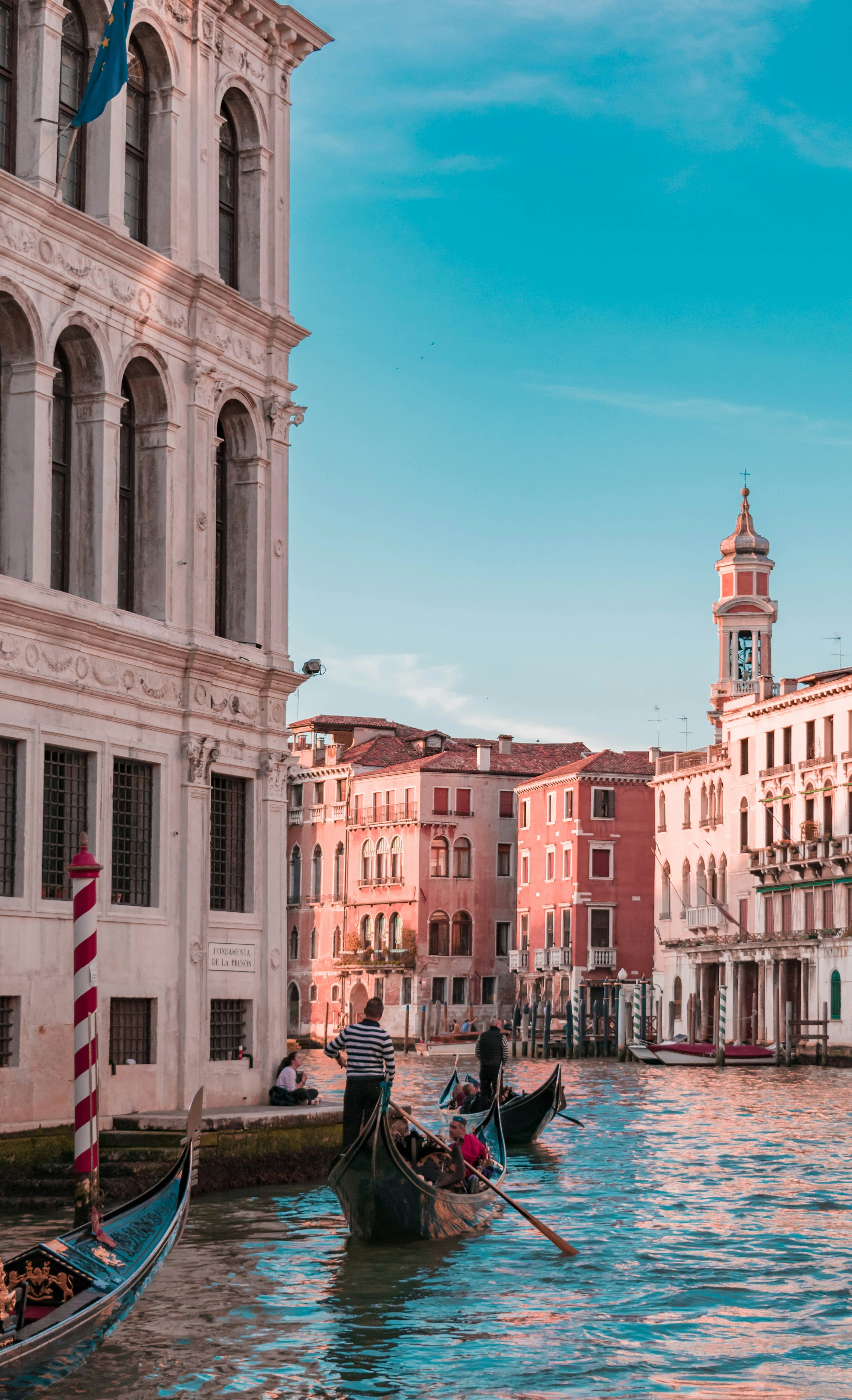
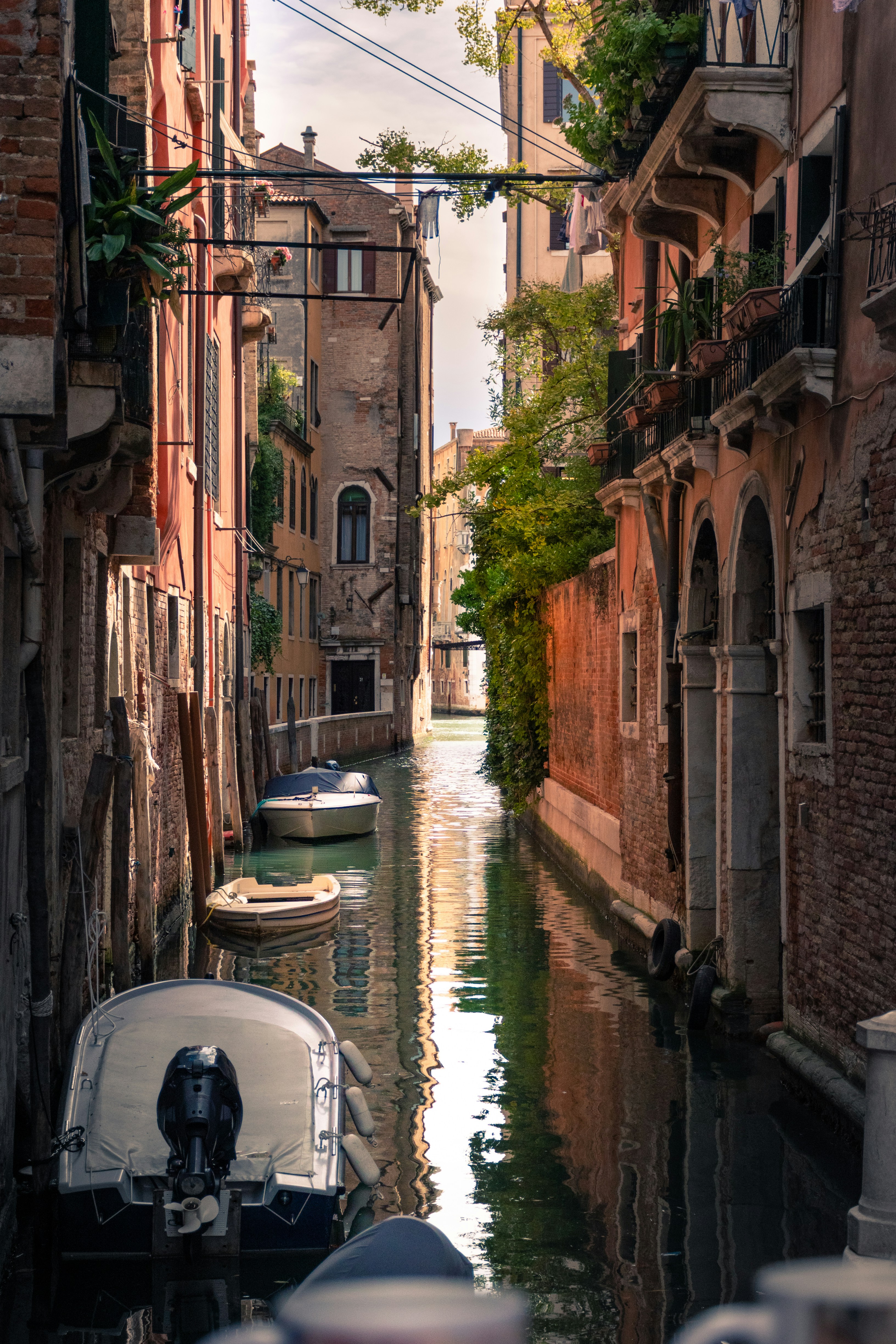
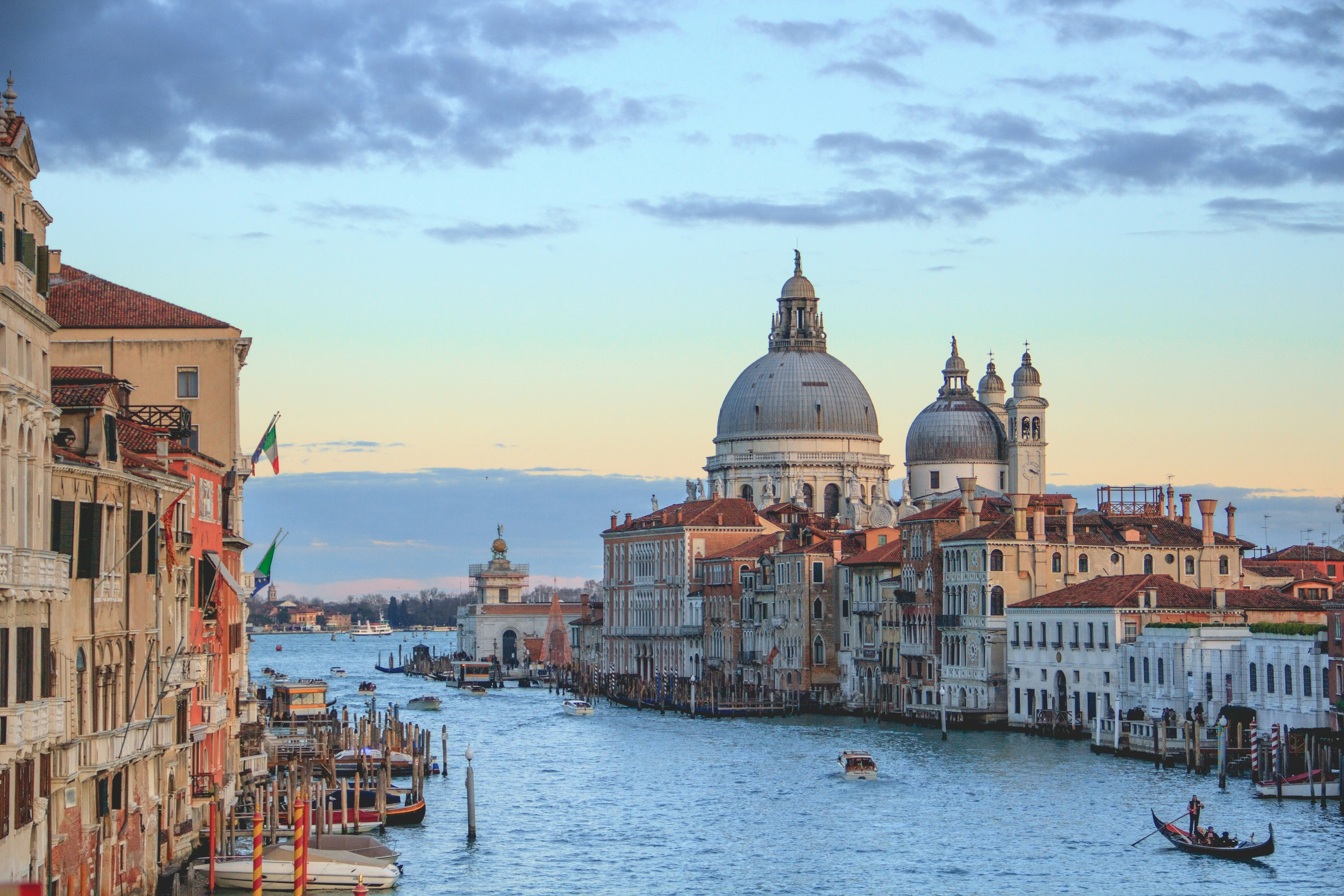
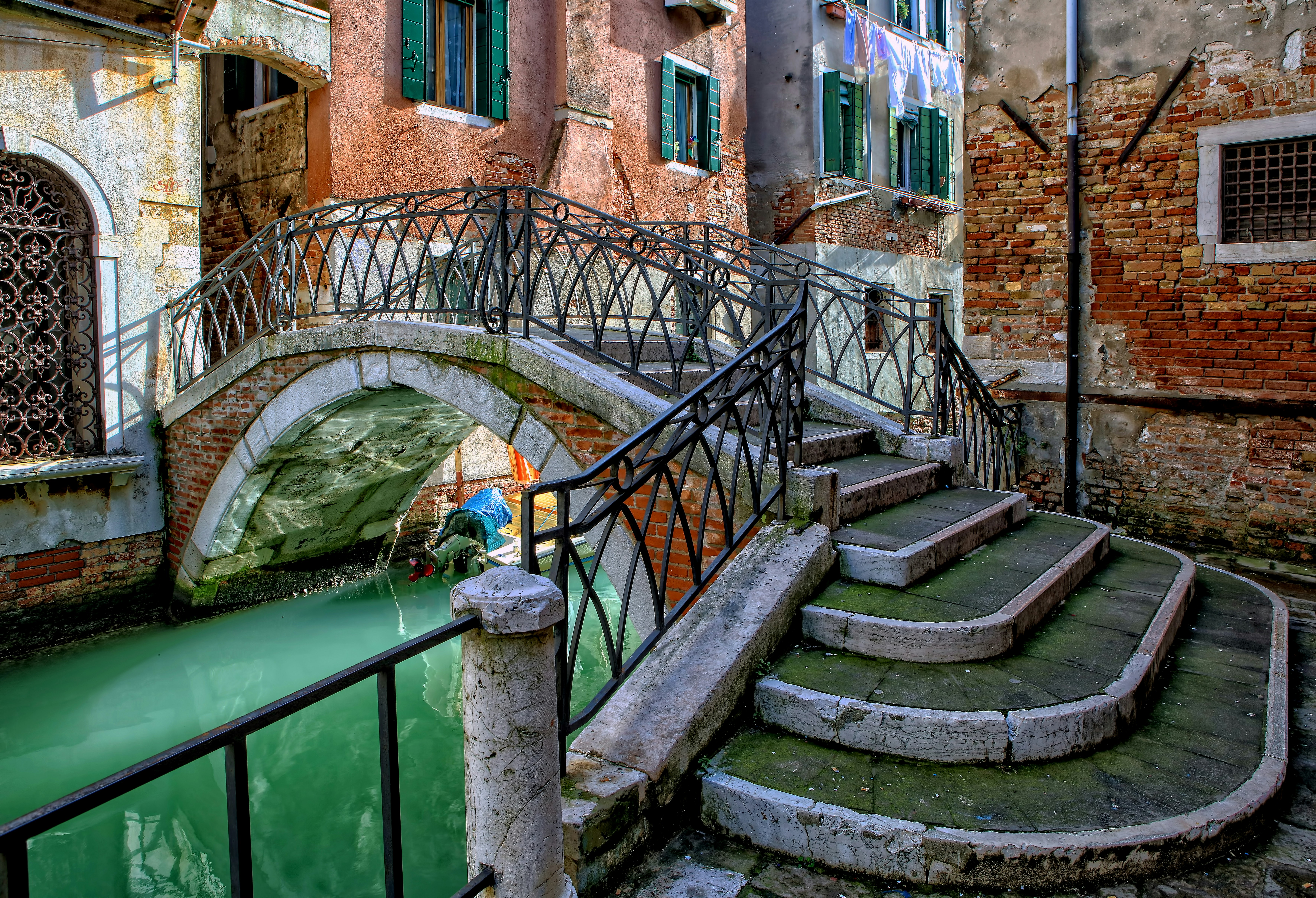
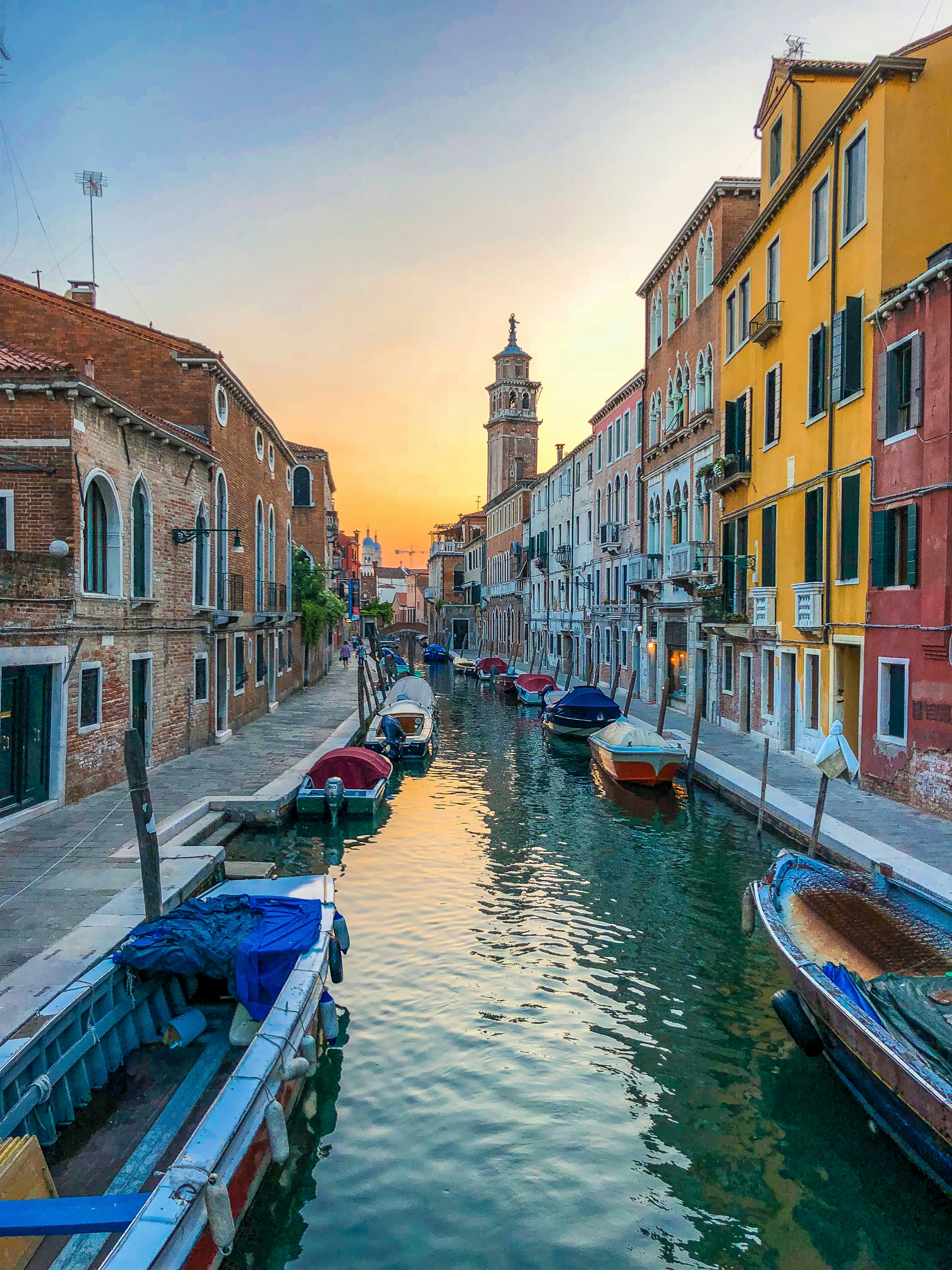
Venice spreads across an archipelago of more than a hundred islands in its lagoon, a city of stone and water where streets are canals and squares are reached only on foot or by boat. The Grand Canal, crossed by the Rialto Bridge, winds between Gothic and Byzantine palaces to the basin of San Marco. Here Piazza San Marco gathers the Basilica with its golden domes and mosaics, the Campanile and the Doge's Palace, linked to the prisons by the Bridge of Sighs. Away from the busiest routes, the districts of Cannaregio, Dorsoduro and Castello reveal silent squares, craft workshops and bacari where cicchetti are enjoyed with a glass of wine. The Gallerie dell'Accademia and the Peggy Guggenheim Collection tell five centuries of painting, while La Fenice remains a temple of opera. The lagoon islands complete the picture: Murano with its glassworks, Burano with its coloured houses and lace, Torcello with its ancient cathedral. Venetian cuisine smells of seafood, squid-ink risotto, sarde in saor and Venetian-style liver. Among gondolas, bridges and reflections, Venice is at its best in the early morning or at sunset, when the light turns the lagoon into a painting. Fragile and suspended over the water, Venice remains a wonder without equal in the world.
Treno
Giorno 4 — Venezia (VE) → Firenze (FI)
Florence holds the cradle of the Renaissance in a compact historic centre where every square is an open-air museum. The city's skyline is dominated by Brunelleschi's dome, crowning the Cathedral of Santa Maria del Fiore beside Giotto's Bell Tower and the Baptistery with its bronze doors. From Piazza della Signoria, guarded by Palazzo Vecchio and a copy of the David, one reaches the Uffizi Gallery, a treasure house of masterpieces by Botticelli, Leonardo and Raphael. The Ponte Vecchio, lined with goldsmiths' shops, spans the Arno and leads to the Oltrarno, a district of artisans, gardens and authentic character, where Palazzo Pitti opens onto the monumental greenery of the Boboli Gardens. The Accademia Gallery preserves Michelangelo's original David, while the churches of Santa Croce and Santa Maria Novella guard frescoes and illustrious tombs. Tuscan cuisine offers bistecca alla fiorentina, ribollita, pappa al pomodoro and Chianti wines. Climbing to Piazzale Michelangelo, the city unfolds in an unforgettable panorama, its red roofs stretching to the hills. Elegant and refined, Florence reveals itself by strolling slowly among art, history and centuries-old workshops.
Treno
Giorno 7 — Firenze (FI) → Roma
Rome layers twenty-five centuries of history into a tapestry of imperial ruins, baroque basilicas and everyday life flowing past fountains and cafés. It begins with the Colosseum and the Imperial Forums, where the stones of antiquity's political heart still stand, before rising to the Palatine Hill overlooking the Circus Maximus. Nearby, the Pantheon preserves its dome and oculus open to the sky, while Piazza Navona unfolds Bernini's architecture around the Fountain of the Four Rivers. The historic centre is a maze of lanes leading to the Trevi Fountain, the Spanish Steps and the morning market of Campo de' Fiori. Across the Tiber, Trastevere offers taverns, medieval churches and a working-class atmosphere, while the Janiculum Hill grants one of the widest views over the city. Vatican City, an independent state at Rome's heart, guards St Peter's Basilica, Bernini's elliptical square and the Vatican Museums with Michelangelo's Sistine Chapel. Roman cuisine — cacio e pepe, amatriciana, Jewish-style artichokes, supplì — is best enjoyed in neighbourhood trattorias or the old Jewish quarter. Between the gardens of Villa Borghese, the Baths of Caracalla and the Appian Way with its aqueducts, Rome reveals a depth no other city matches. Eternal and theatrical, Rome is best lived by wandering slowly, where every corner tells a different age.