Boston›Kennebunkport›Bar Harbor›North Conway›Stowe›Williamstown+2 Altro
Riepilogo del tour
Durata14 Giorni / 13 notti
ItinerarioBoston → Cape Cod
Tappe8 Destinazioni
Itinerario del Tour
Caricamento mappa...
Itinerary
Giorno 1 — Boston
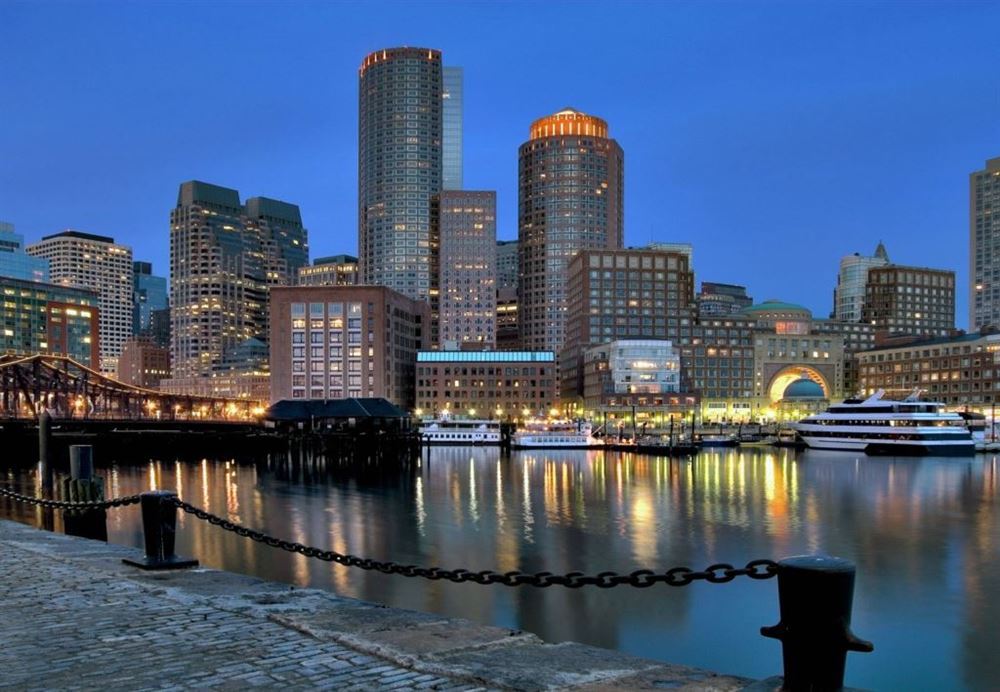
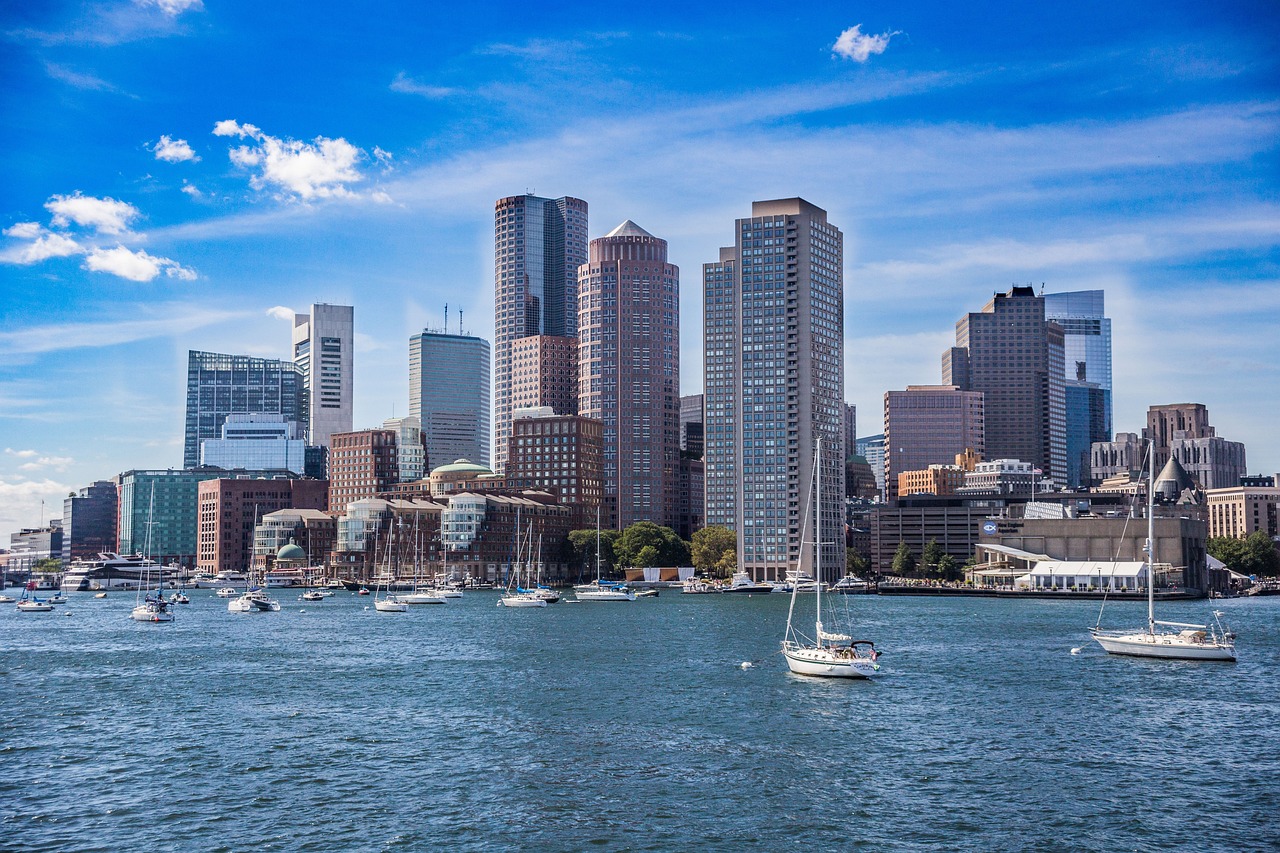
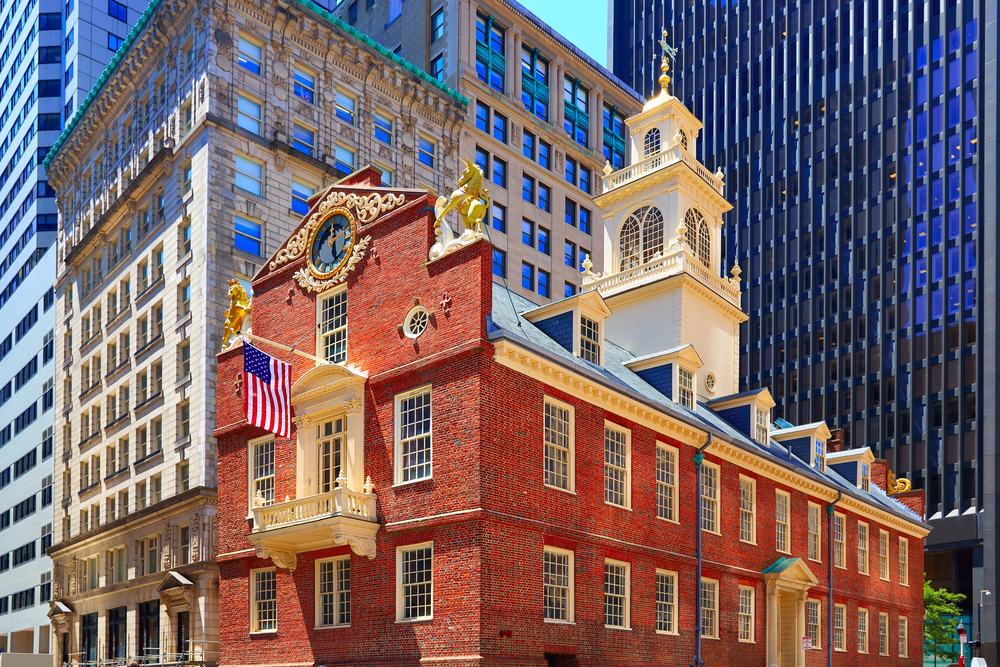
Boston rises along the shores of the northern Atlantic, at the mouth of the Charles River, and stands as one of the oldest and most learned cities in the United States, the cradle of the American Revolution and the intellectual capital of New England. Exploring the centre means following the Freedom Trail, the red-brick route linking sixteen historic sites: it begins at Boston Common, America's oldest public park, and leads to the gold-domed Massachusetts State House, Park Street Church and the Granary Burying Ground, resting place of the founding fathers. The trail continues to the Old State House and the site of the Boston Massacre, before plunging into the North End, the city's Little Italy, with its trattorias, pastry shops and the Old North Church tied to Paul Revere's ride. Crossing the river leads to Charlestown and the USS Constitution, the oldest commissioned warship still afloat. Boston's charm lives on in its residential quarters too: Beacon Hill, with red-brick townhouses, gas lamps and the cobbles of Acorn Street, and Back Bay, with its elegant avenues, the shopping of Newbury Street and Trinity Church facing Copley Square. Across the Charles, Cambridge is home to two of the world's most famous universities, Harvard and MIT, whose historic campuses make for an easy day visit. The city offers the Museum of Fine Arts and the Isabella Stewart Gardner Museum, while the waterfront Harborwalk leads to the New England Aquarium and the boats setting out for whale watching. The local cuisine celebrates the bounty of the ocean: steaming clam chowder, Maine lobster and fresh oysters in the eateries of Quincy Market. Blending colonial history, prestigious academia and a maritime spirit, Boston pairs European elegance with the pioneering soul of America.
Auto
Giorno 4 — Boston → Kennebunkport
Kennebunkport is a refined coastal village in southern Maine, facing the Atlantic where the Kennebunk River meets the ocean. The heart of town is Dock Square, alive with galleries, boutiques and restaurants serving freshly caught lobster, the gastronomic symbol of New England. Shaded streets reveal elegant Victorian-style mansions and old sea captains' homes, while the scenic Ocean Avenue leads to Walker's Point, the summer residence of the Bush family. Sandy beaches, lighthouses such as the one on Goat Island and whale-watching cruises round out the experience. With its genteel, seafaring atmosphere, Kennebunkport embodies the classic charm of the Maine coast.
Auto
Giorno 5 — Kennebunkport → Bar Harbor
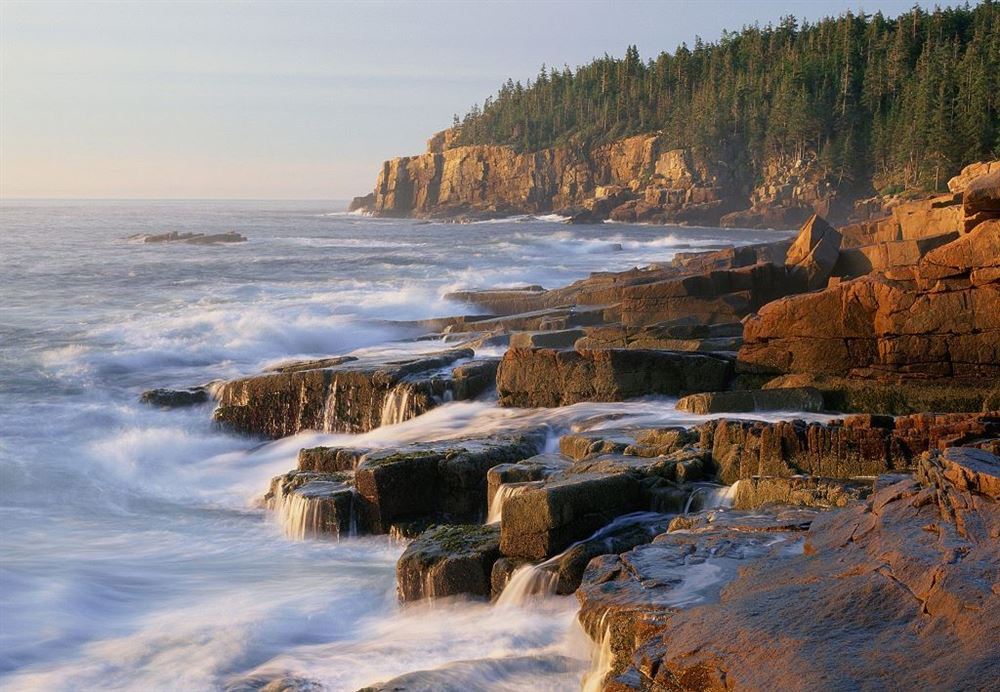
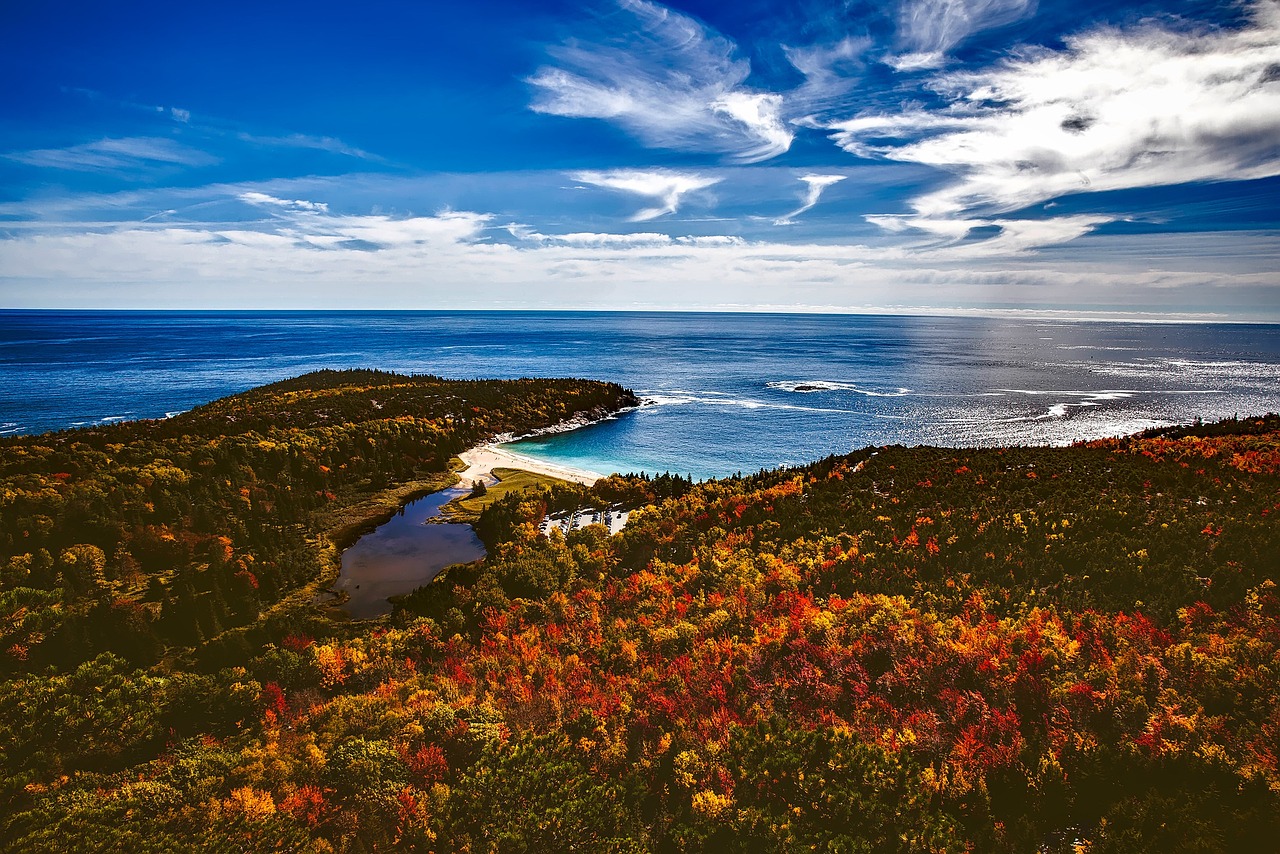
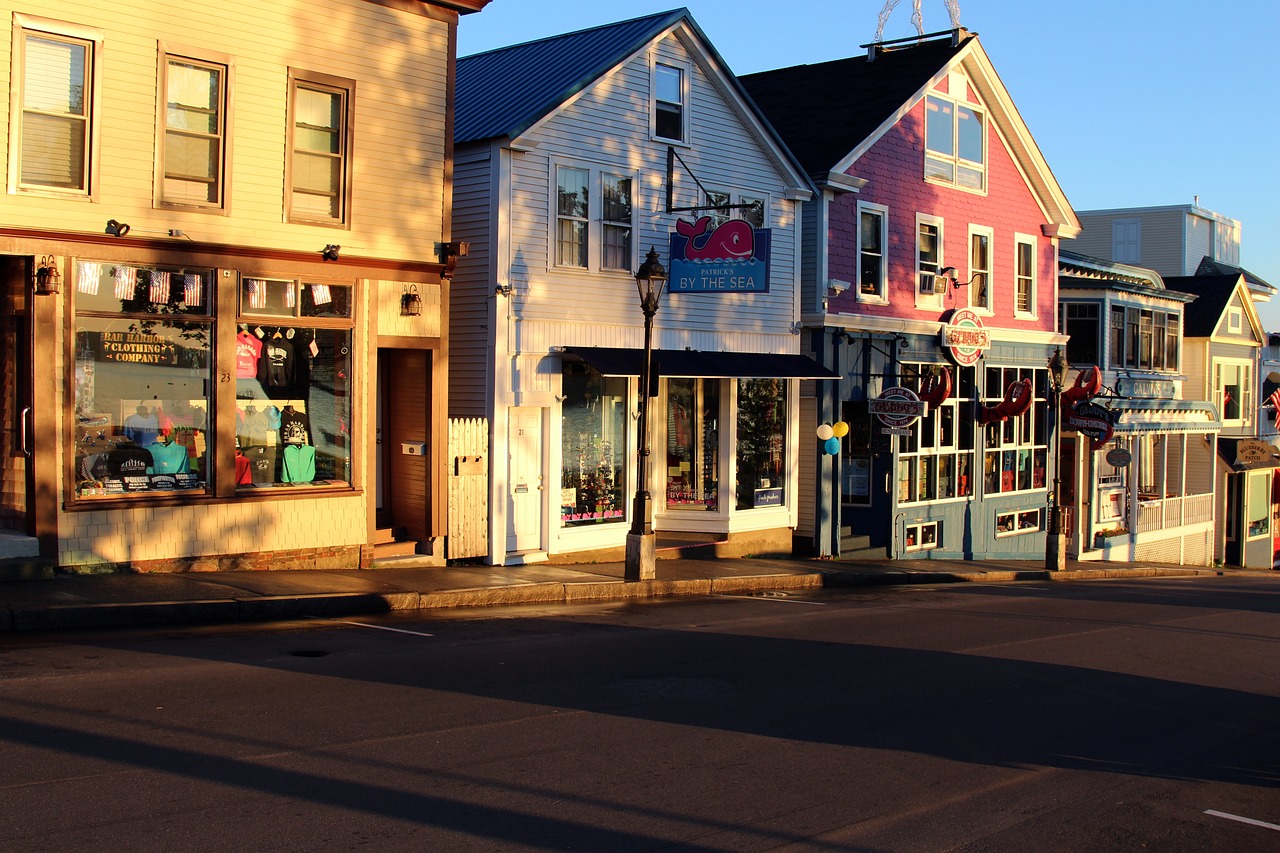
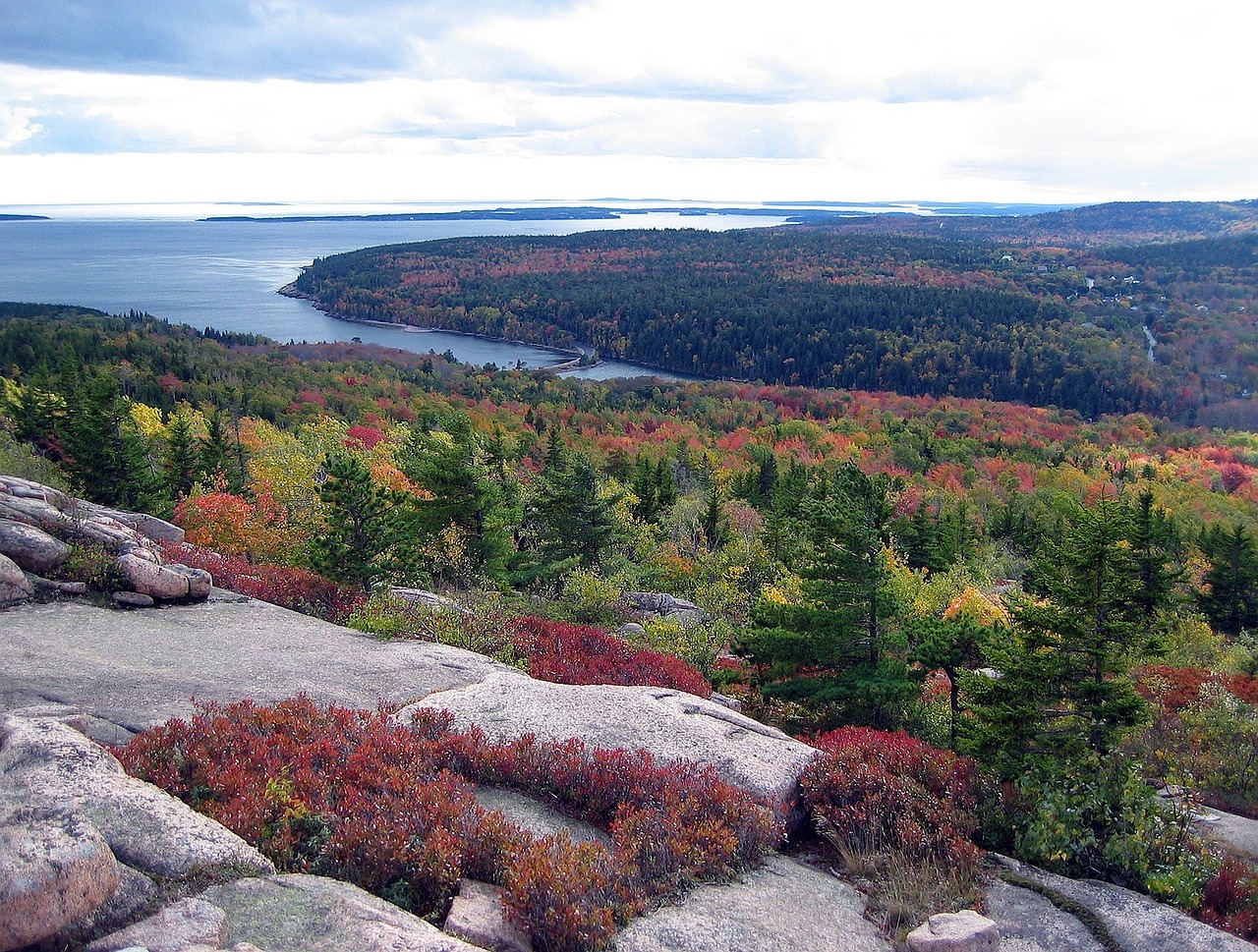
Bar Harbor rises along the rugged coast of Maine, on Mount Desert Island, welcoming travellers as the gateway to Acadia National Park, one of New England’s most spectacular corners. The town retains the intimate feel of an old fishing and shipbuilding village, with wooden houses, art galleries and a lively waterfront. From here you can reach the summit of Cadillac Mountain, the highest point on the North Atlantic seaboard, where for part of the year you can witness the first sunrise in the United States. Coastal trails, glacial lakes and granite cliffs invite walking and cycling, while cruises depart from the harbour for whale and seal watching. The table is ruled by Maine lobster, served still warm in the lobster shacks overlooking the ocean.
Auto
Giorno 7 — Bar Harbor → North Conway
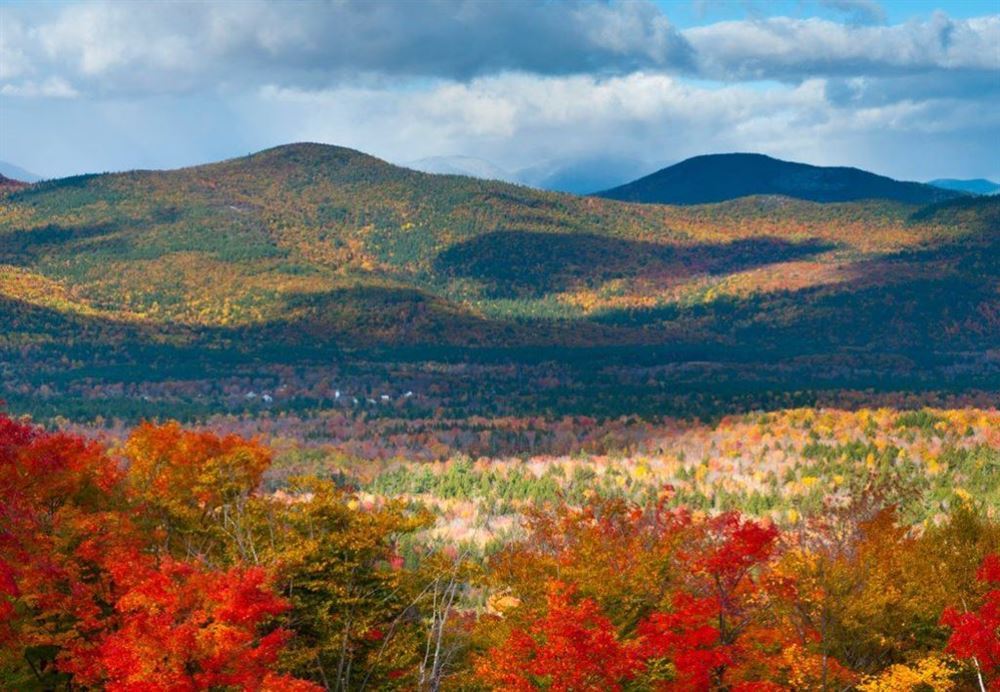
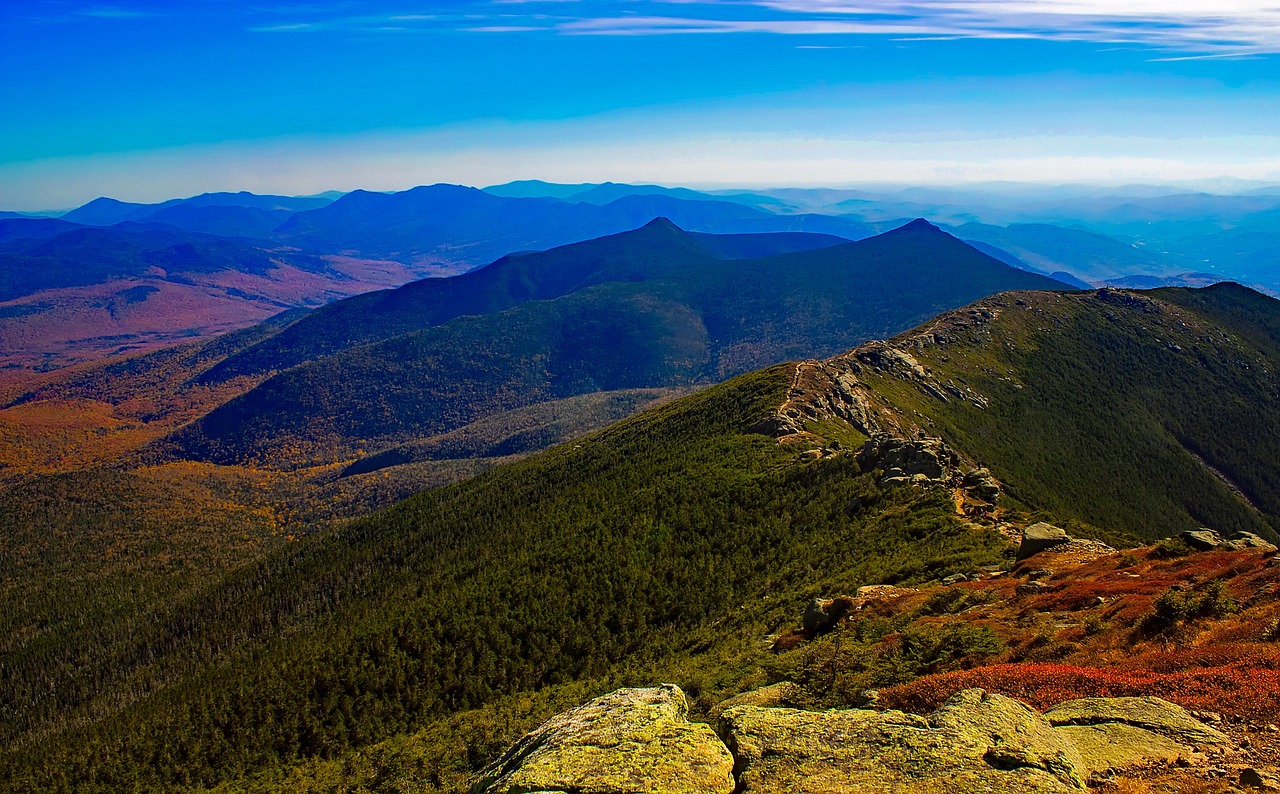
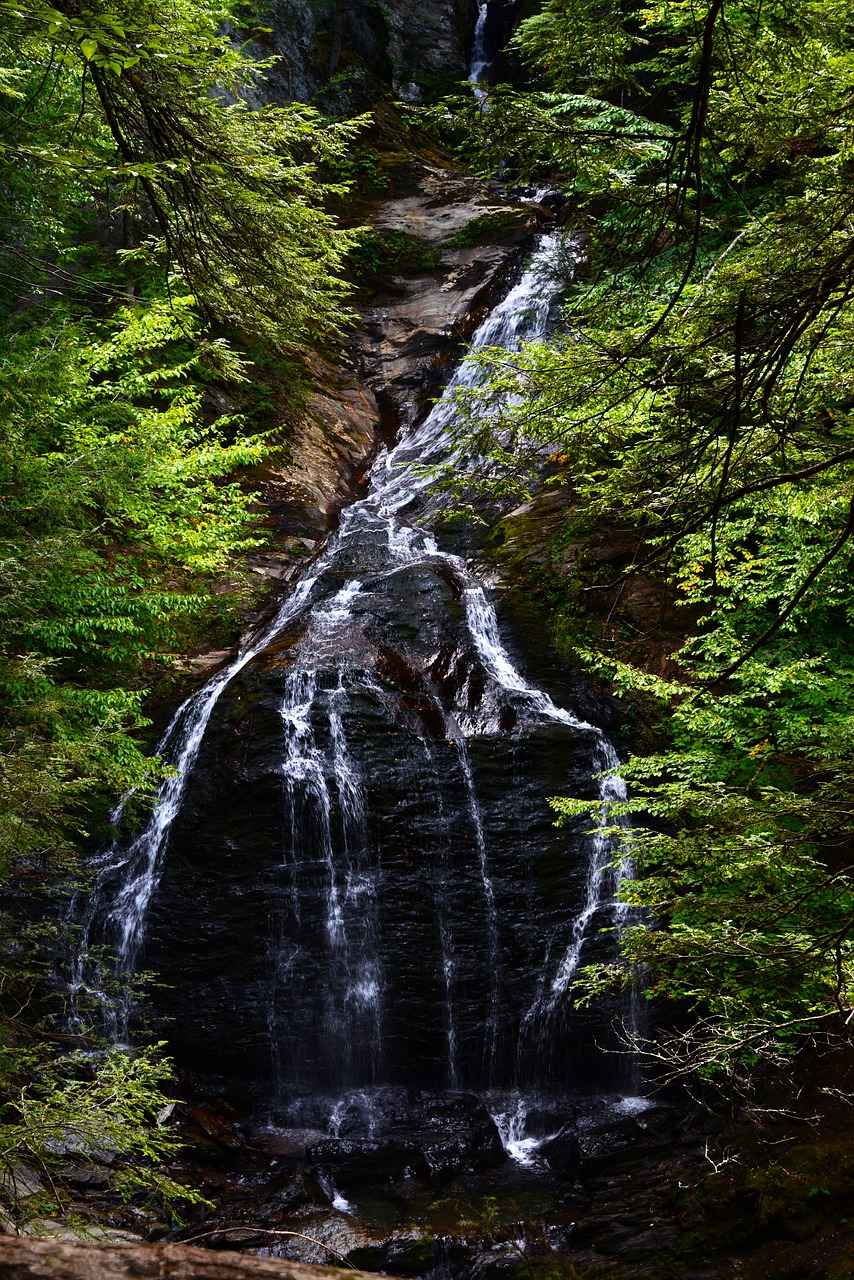
North Conway nestles in the Saco River valley, in the heart of New Hampshire’s White Mountains, framed by forested peaks that blaze red and gold in autumn. A renowned year-round resort town, it is the gateway for exploring Mount Washington, the highest summit in New England, and the spectacular Kancamagus Highway, famed for its fall foliage. In winter the surrounding ski resorts draw snow-sports enthusiasts, while the Conway Scenic Railroad offers atmospheric journeys through mountains and forests. Between outlet shopping, hiking trails and hidden waterfalls, North Conway is the ideal destination for those seeking nature and adventure in every season.
Auto
Giorno 8 — North Conway → Stowe
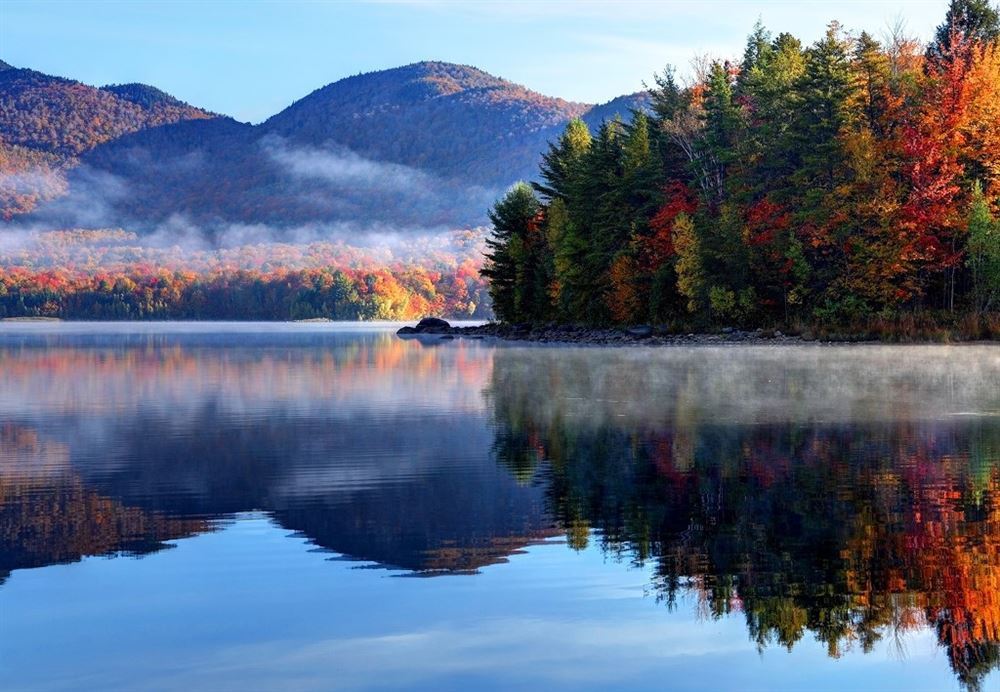
Stowe nestles among Vermont's Green Mountains, a classic New England village dominated by the profile of Mount Mansfield, the state's highest peak. A renowned ski resort, it is also famed for its autumn landscapes ablaze with foliage and for its white church with a steeple, the village's symbol. The area is linked to the von Trapp family of The Sound of Music fame, who run a historic lodge here. Between skiing, hiking and a bucolic atmosphere, Stowe is one of Vermont's mountain gems.
Auto
Giorno 9 — Stowe → Williamstown
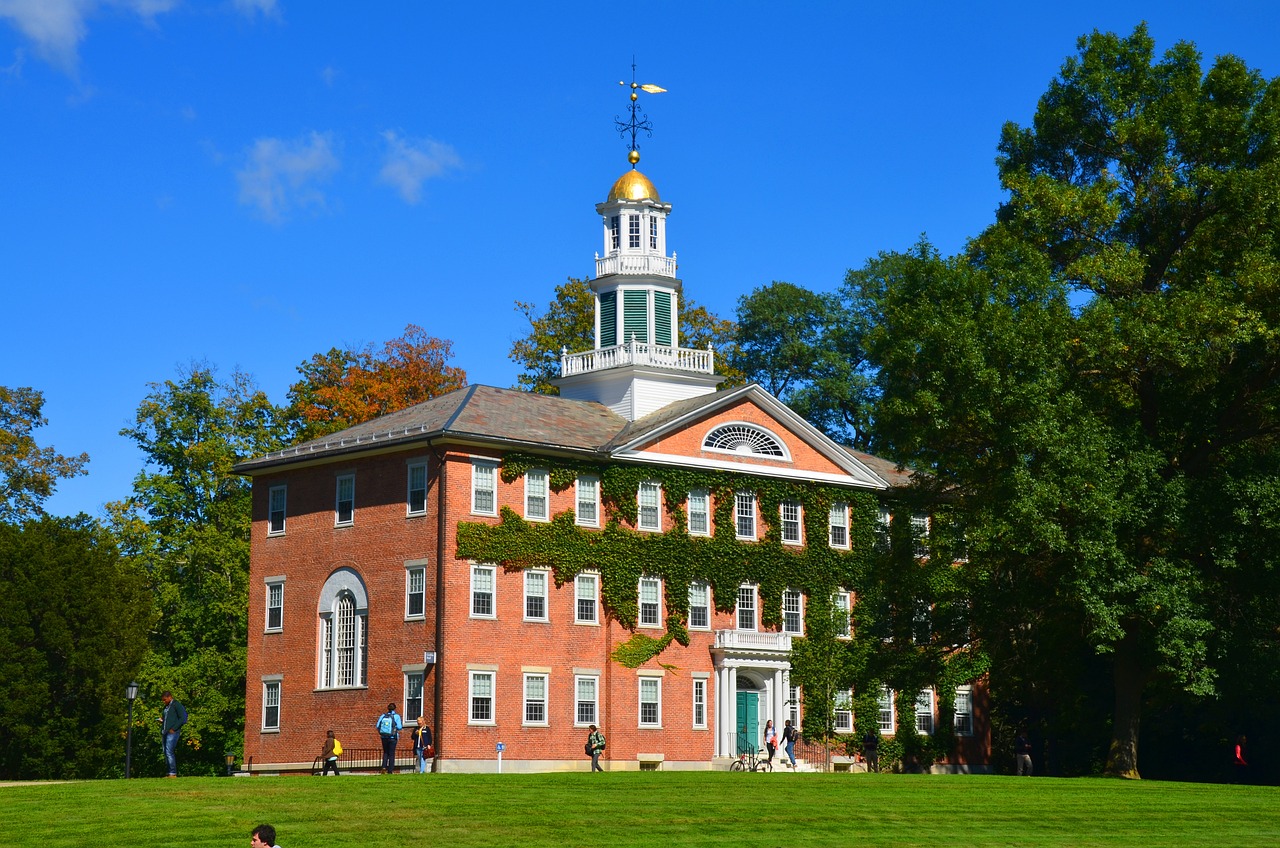
Williamstown is a charming town in the northwestern corner of Massachusetts, set among the hills of the Berkshires, famed as a cultural and academic centre thanks to the prestigious Williams College. Its identity is shaped by art: the Clark Art Institute holds masterpieces of Impressionism in a splendid natural setting, while the nearby MASS MoCA, in North Adams, is one of the largest contemporary-art museums in the United States. Surrounded by woods and trails along the Berkshires, between world-class art, a university atmosphere and New England landscapes, Williamstown is a refined cultural gem.
Auto
Giorno 10 — Williamstown → Newport
An elegant coastal town in Rhode Island, Newport is famous for its opulent Gilded Age mansions, summer residences built by America's great families in the late nineteenth century. Along the celebrated Cliff Walk, a scenic path perched above the ocean, rise sumptuous villas such as The Breakers, the Vanderbilt mansion inspired by Italian Renaissance palaces, and Marble House. The historic center preserves cobbled streets, colonial houses and one of the world's most renowned sailing harbors, the undisputed capital of American yachting and for years home of the America's Cup. Bellevue Avenue lines up refined shops and cafés, while Easton's Beach invites summer bathing. Between regattas, the freshest seafood and classic New England atmospheres, Newport is a destination where history, sea and refinement come together.
Auto
Giorno 11 — Newport → Cape Cod
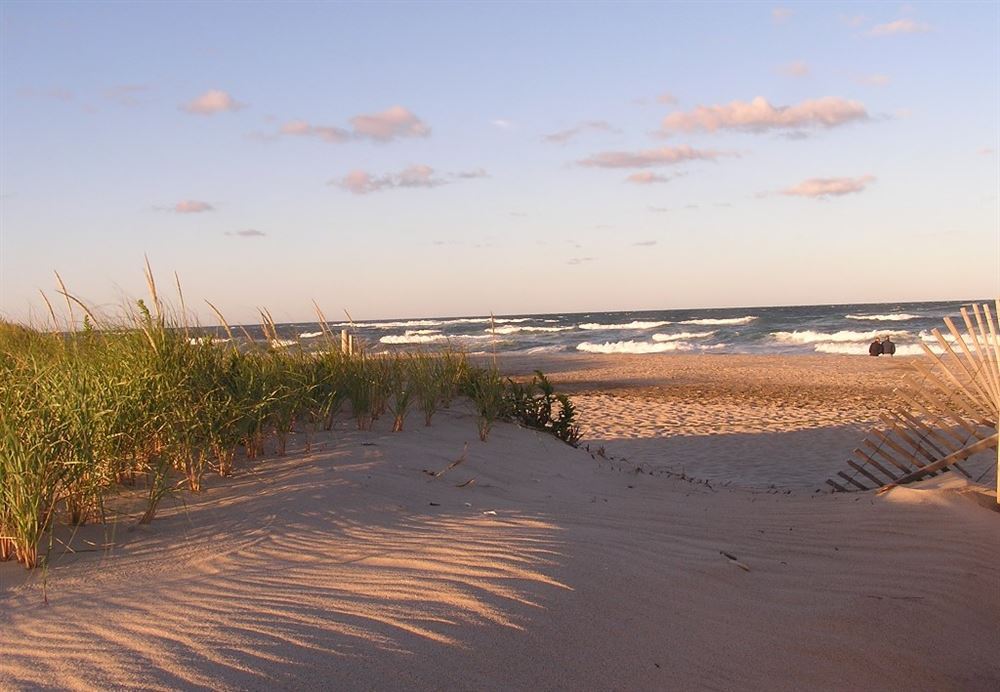
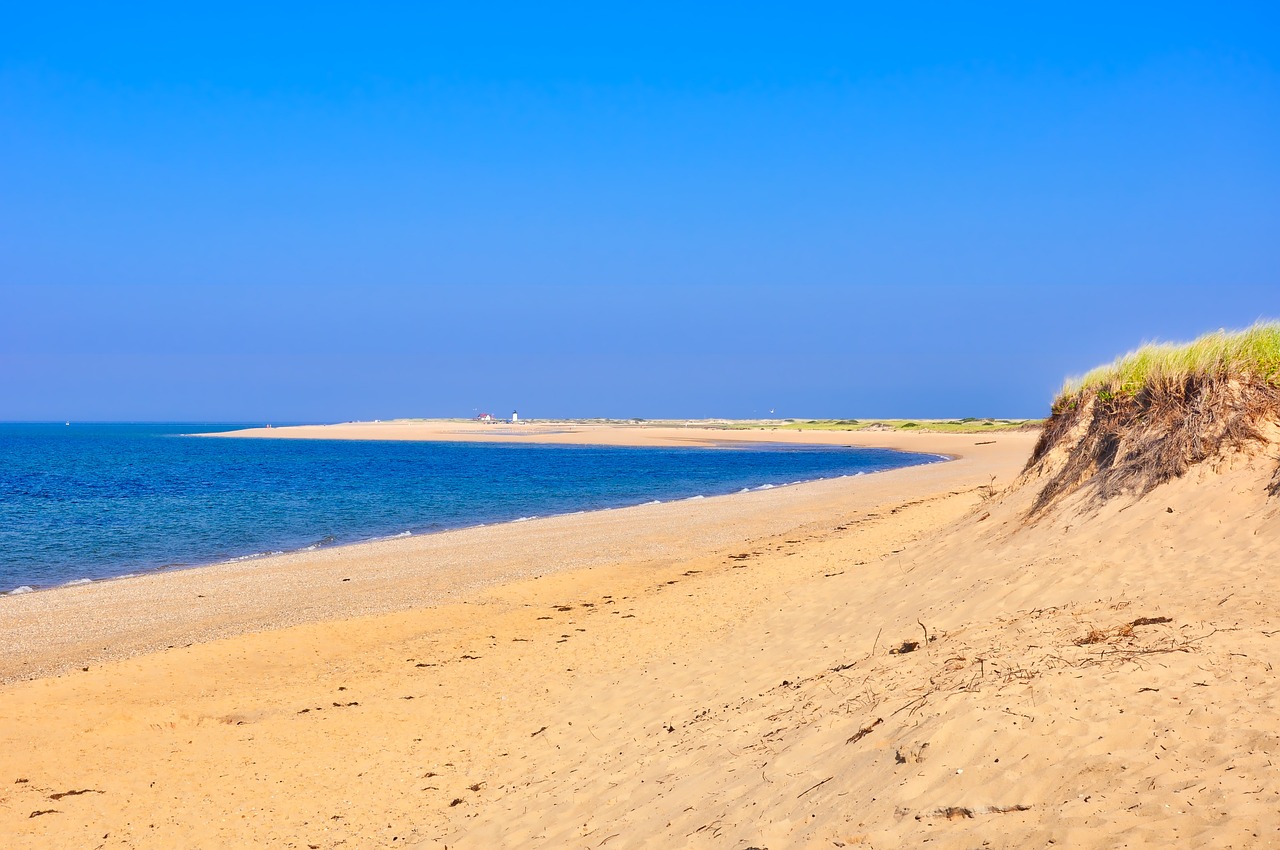
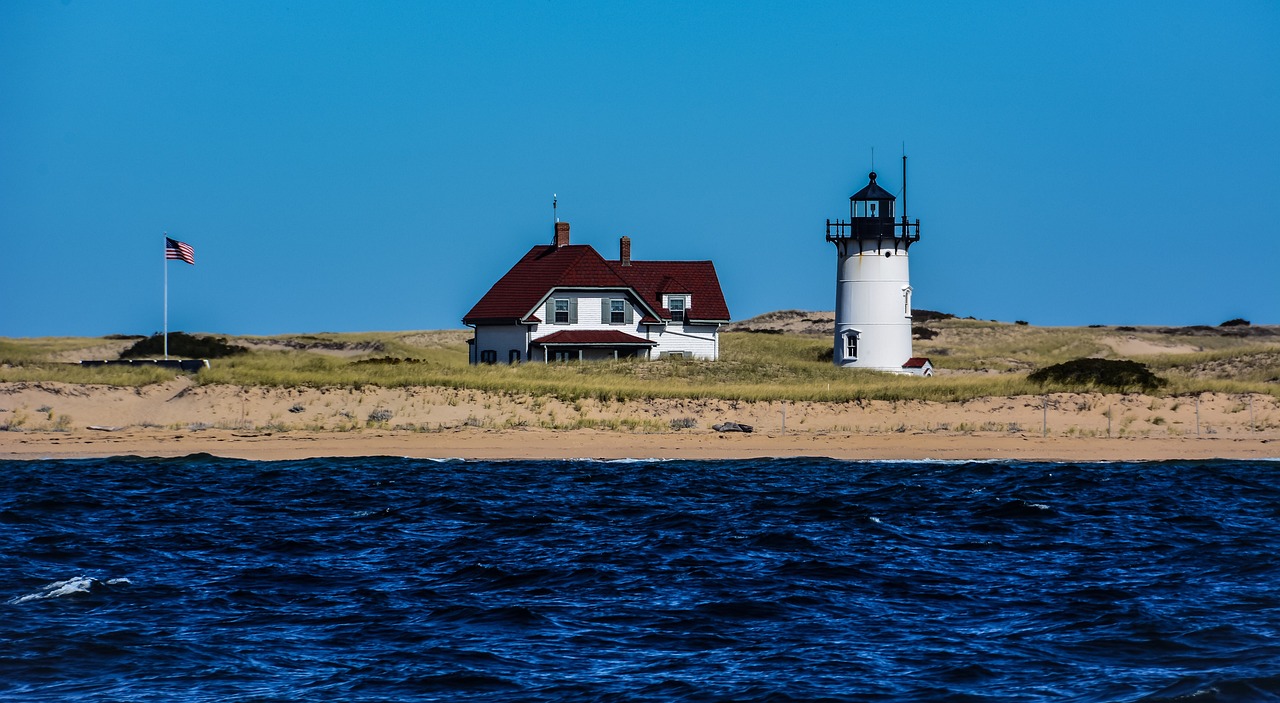
Route 6A, which runs along the northern shore of Cape Cod, winds through some of the oldest villages in America, including Bourne, Sandwich, Barnstable, Yarmouth, Dennis, Brewster, and Orleans. Many of the houses and churches along this tree-lined road are listed on the National Register of Historic Places. There are also several nearby beaches, including Sandy Neck and Sandwich Town Beach. During the summer, the road can be very busy, but it is much quieter than the bustling Route 28, which runs along the southern side of the Cape. If you are interested in discovering what Cape Cod was like before tourists discovered it, and want to visit some of the most picturesque shops in New England, Route 6A is the right road for you. Cape Cod reaches into the Atlantic like a great sandy arm, in southeastern Massachusetts, and is one of the most beloved seaside destinations in New England. The peninsula alternates golden beaches, dunes, historic lighthouses and picturesque maritime villages rich in tradition. Among whale-watching cruises, seafood restaurants and coastal landscapes, it offers a summer of timeless charm. Cape Cod is the iconic seashore of Massachusetts.