Alaska - On the Prospectors Route - non-daily ferry — NAAR
Itinerary
Day 1 — Anchorage
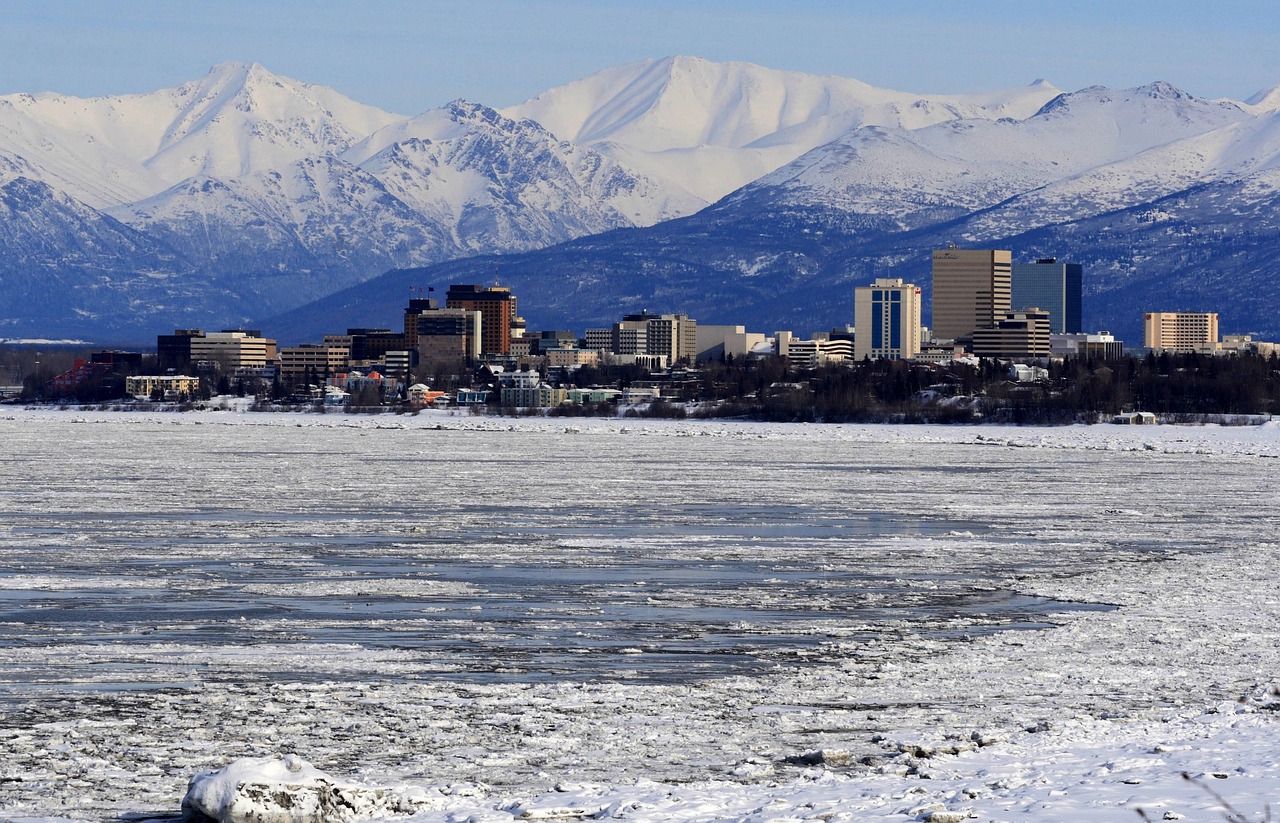
with its beautiful setting between Cook Inlet and the Chugach Mountains, Anchorage is home to more than forty percent of Alaska’s population, a sprawling city on the edge of one of the world’s great wildernesses.
Car
Day 2 — Anchorage → Denali
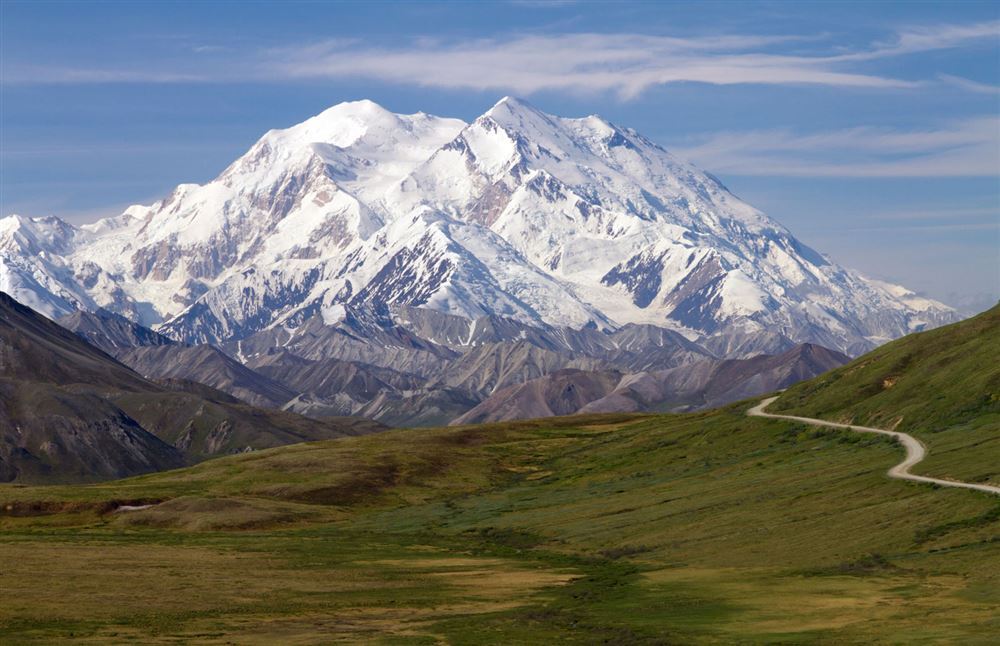
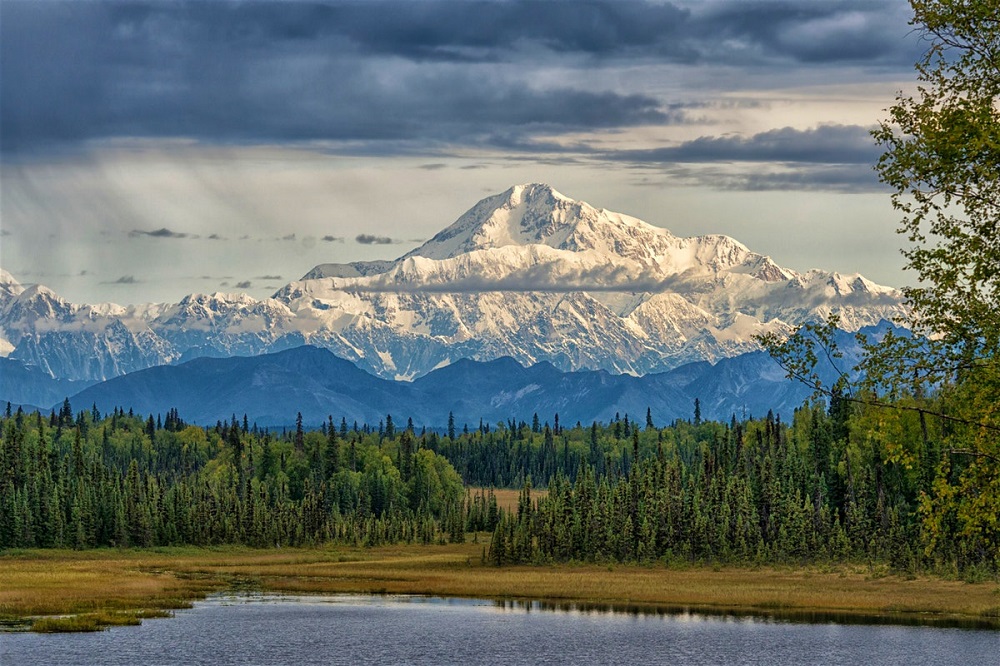
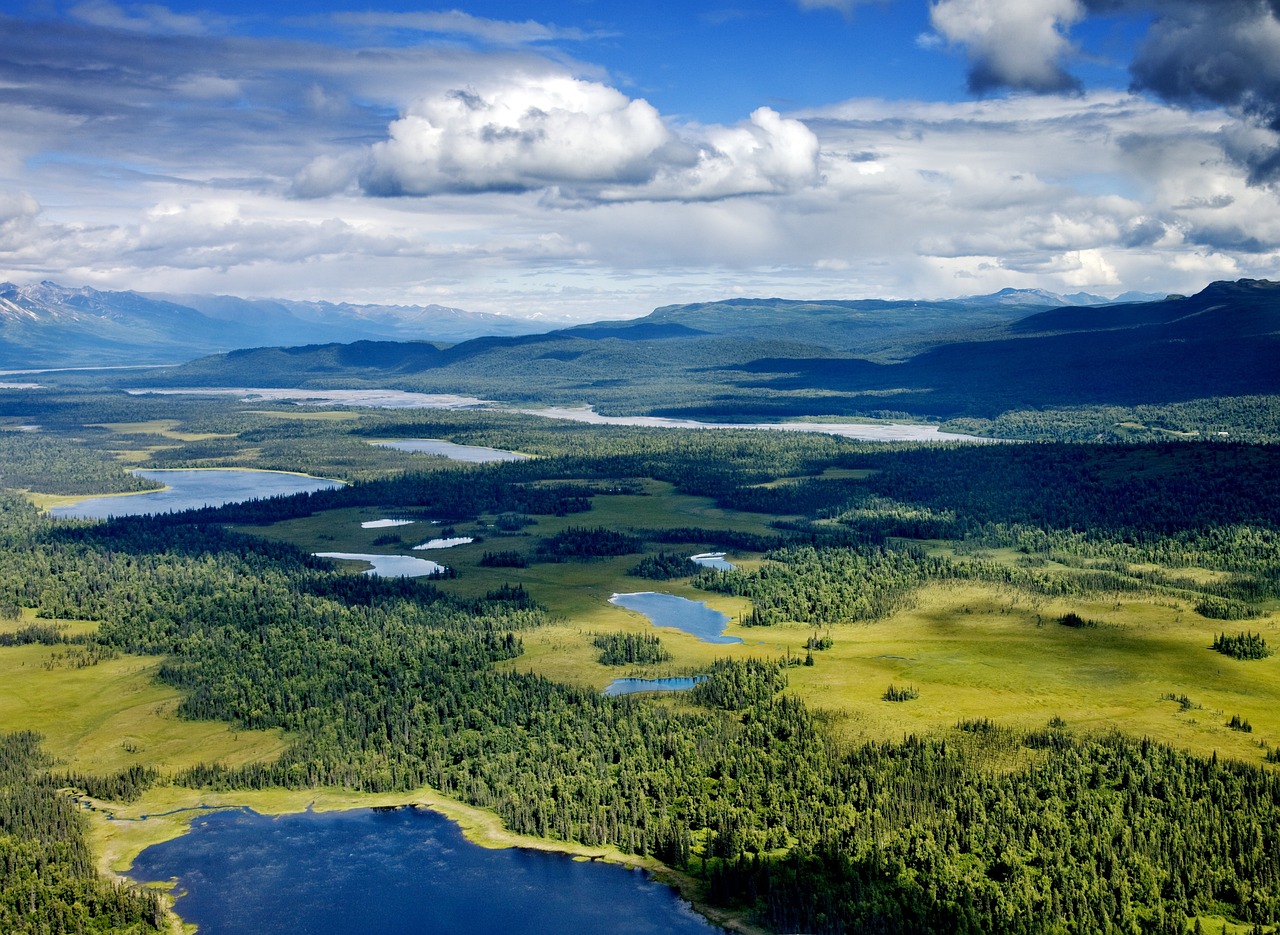
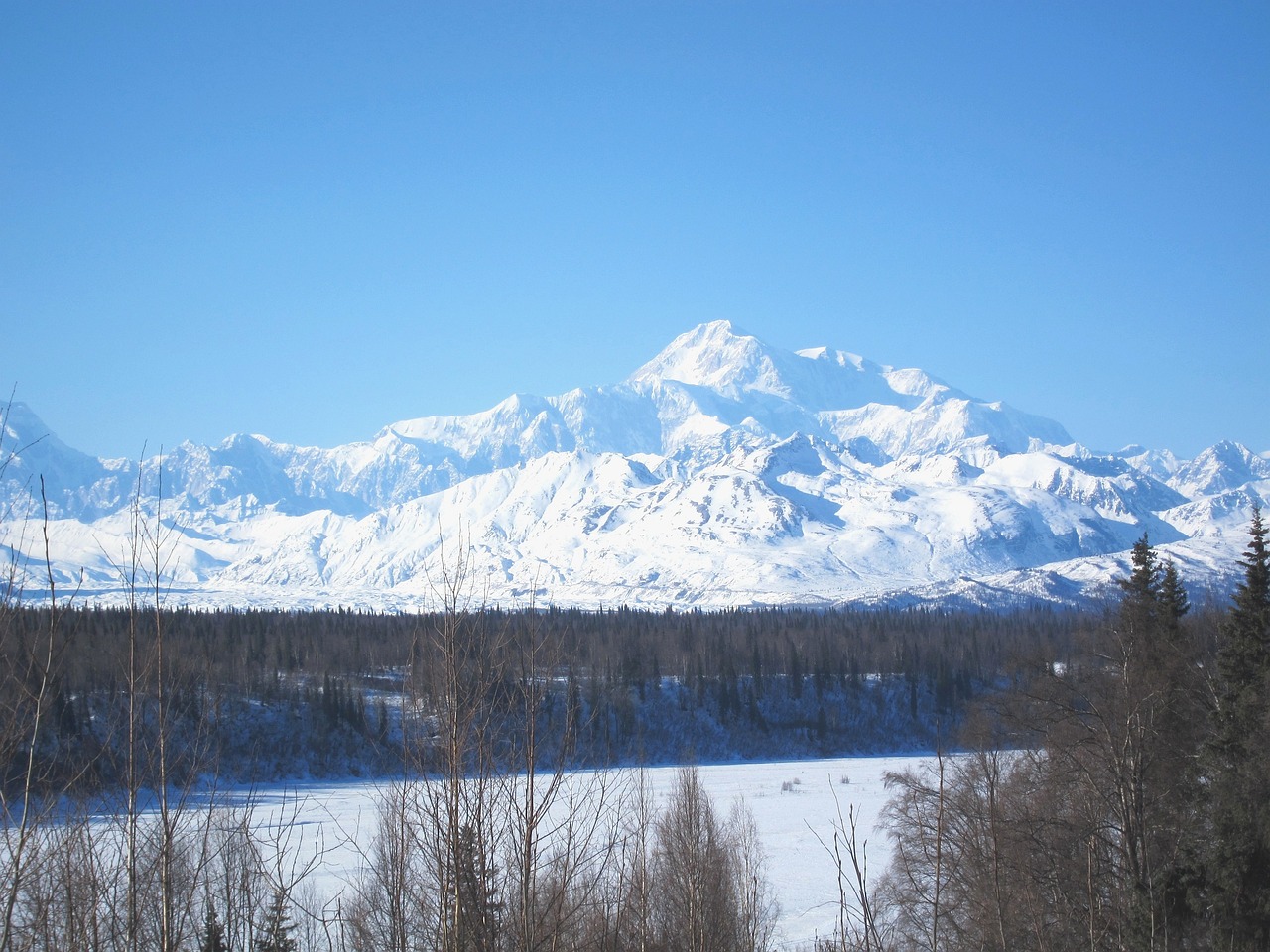
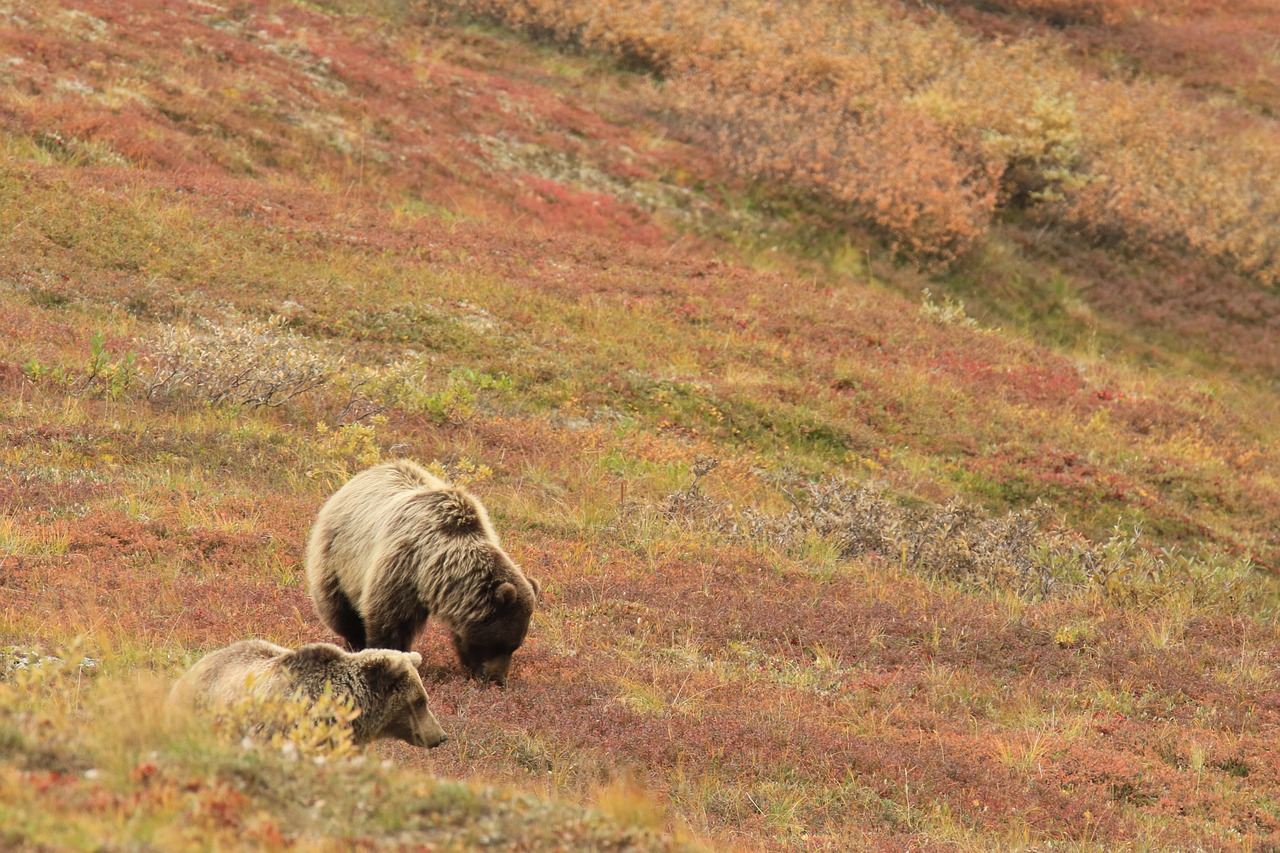
The journey from Anchorage to Denali National Park follows the scenic Parks Highway (Alaska Route 3) and covers approximately 240 miles (about 380 km). Travel time is usually 4 to 5 hours, depending on traffic and weather conditions. The road is fully paved and well maintained, offering classic Alaskan landscapes such as vast boreal forests, river valleys, open tundra, and mountain ranges. Along the way, you pass small towns including Wasilla, Willow, and Cantwell, and on clear days you may catch your first glimpse of Mount Denali, North America’s highest peak. There are several scenic viewpoints and frequent opportunities to spot wildlife, particularly moose, especially in the early morning or evening hours. This route is considered one of Alaska’s most beautiful drives and is an integral part of the overall travel experience rather than just a transfer. Denali National Park is a vast wilderness area that is home to Mount Denali, the highest peak in North America. The only road that enters the park is Denali Park Road: beyond the first sections accessible to private cars, only park buses can be used to reach the viewpoints and more remote areas.
Car
Day 7 — Kennicott → Valdez
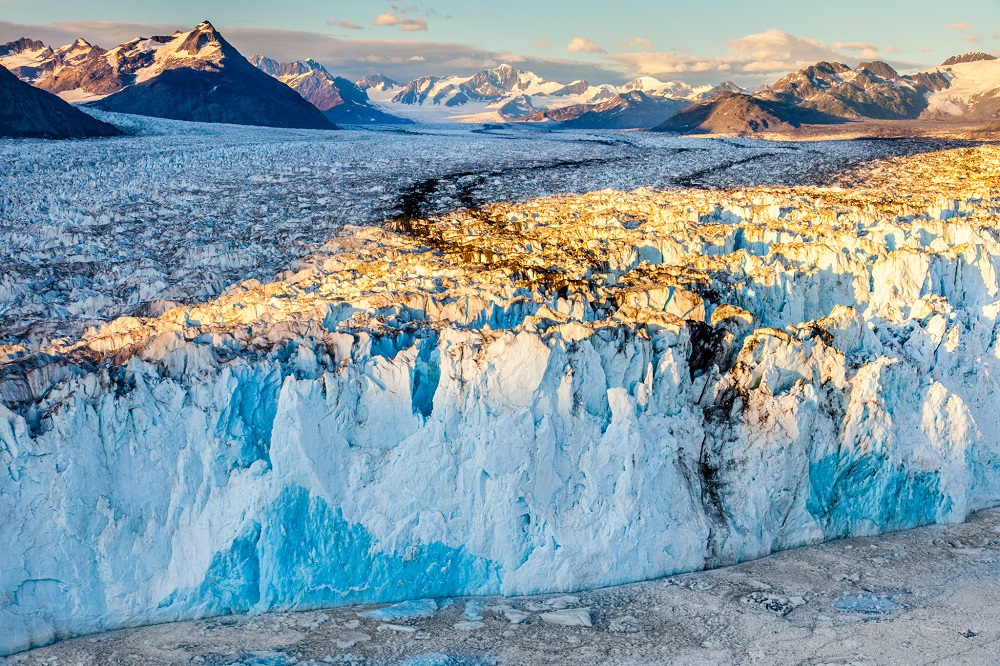
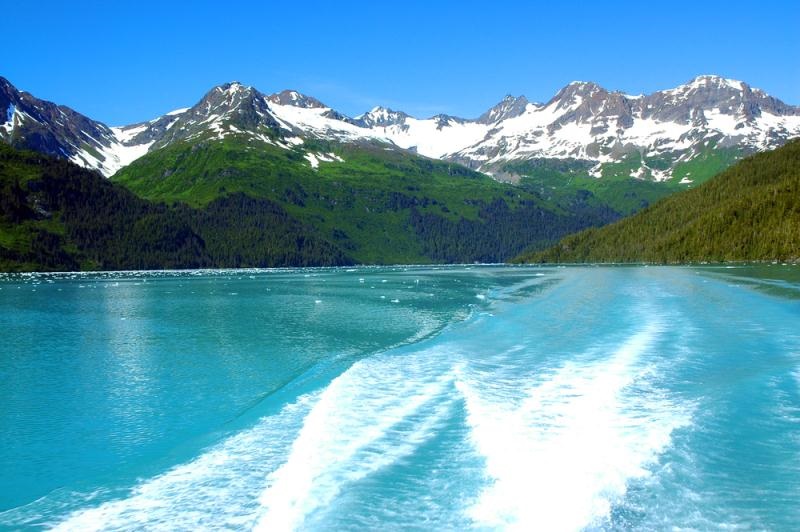
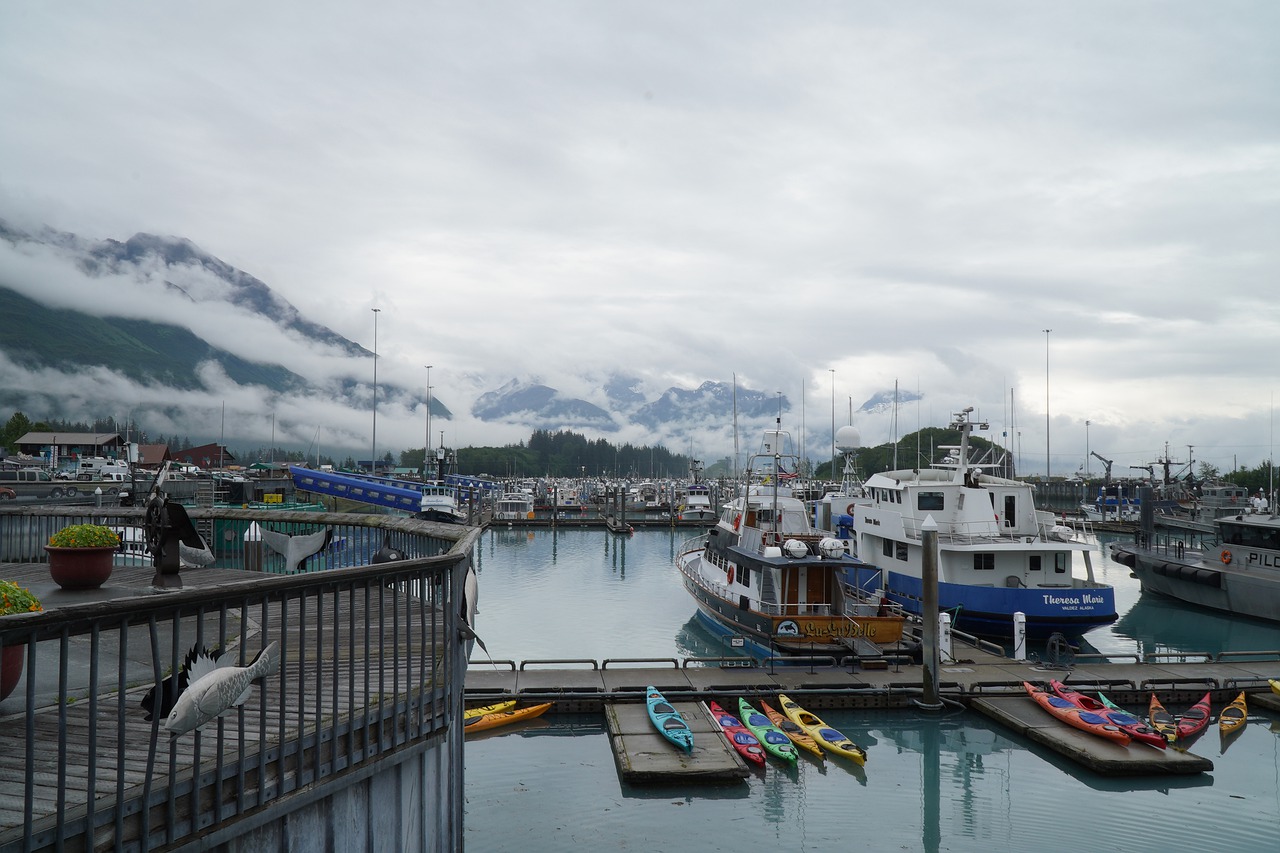
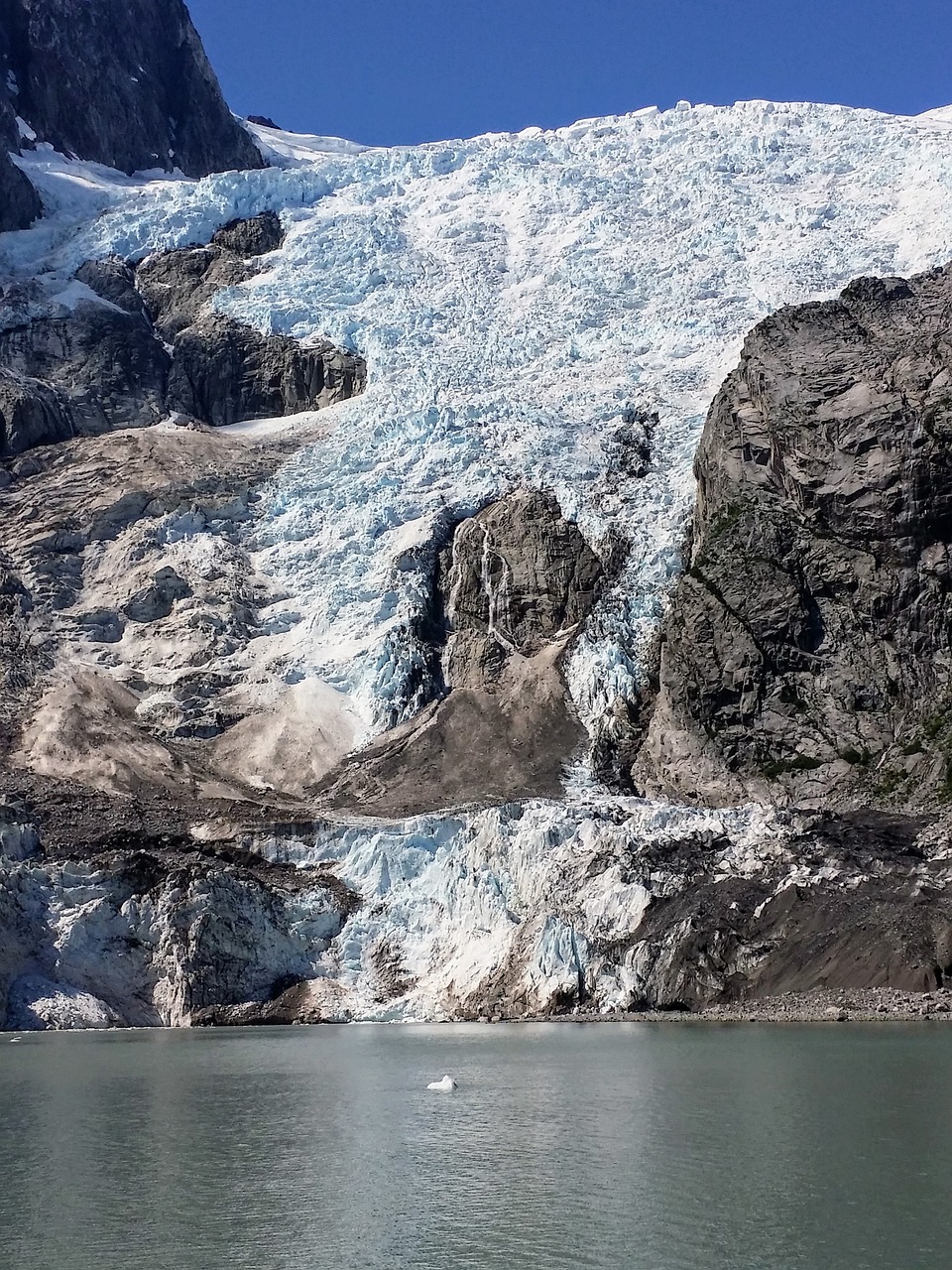
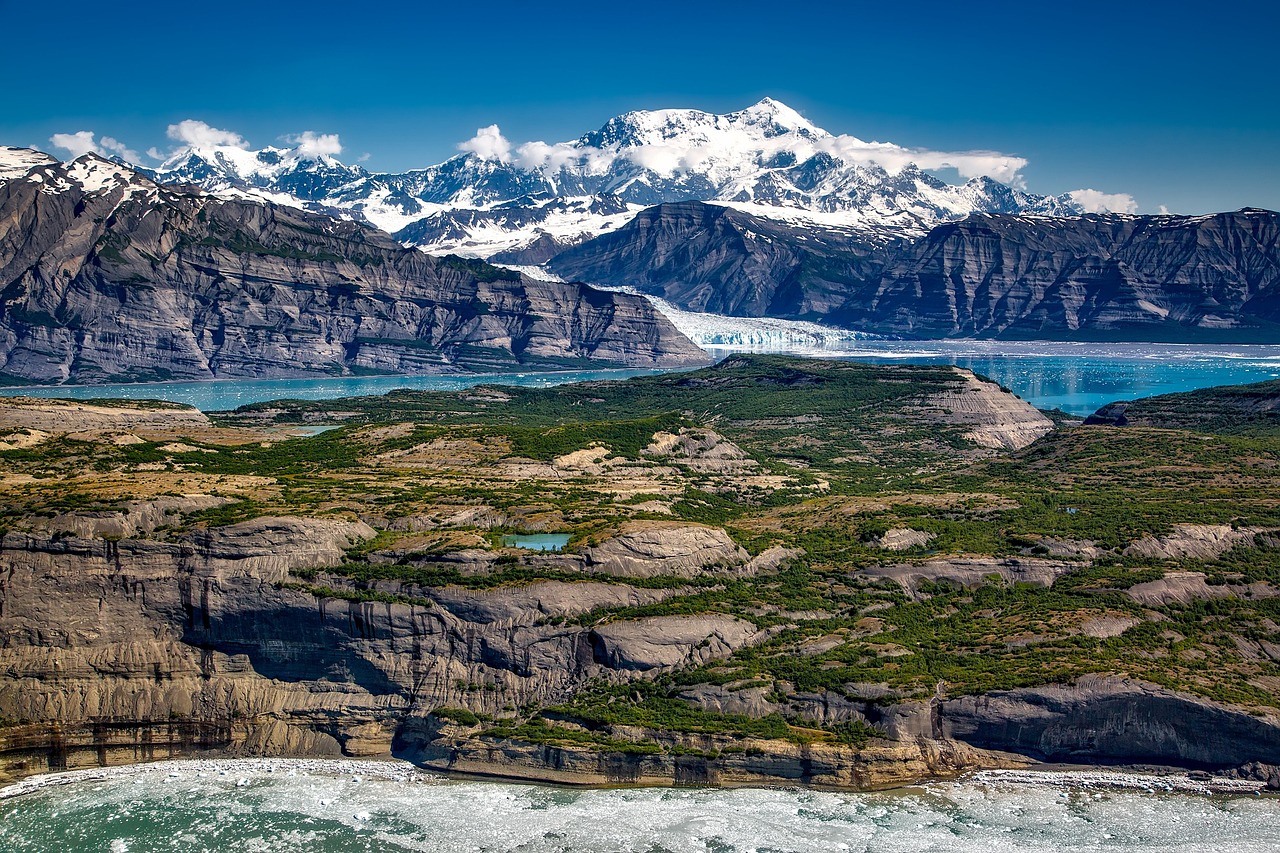
Deep in the heart of Prince William Sound and surrounded by some of the world’s tallest coastal mountains is Valdez, a city of 5,000 residents in a remarkably picturesque setting, a 305-mile road trip east of Anchorage and 364-mile drive south of Fairbanks. The heart of Valdez is its small boat harbor clustered along its waterfront. From there, the town stretches about a dozen walkable blocks back toward the mountains and Mineral Creek Canyon while nearby Egan Drive, Valdez’s equivalent to Main Street, turns into the Richardson Highway and heads north for Thompson Pass. Scattered through the downtown area is a wide range of restaurants, accommodations, museums. Visible across the inlet from town is the Trans-Alaska Oil Pipeline Terminal with its massive storage tanks each holding nine million barrels of oil. Valdez’s location in Prince William Sound makes it an outdoor paradise. It lies less than 25 miles east of Columbia Glacier, a popular day-cruise destination, and all around are glaciers galore, stunning mountain scenery, an abundance of marine wildlife and opportunities for outdoor adventure, from catching giant halibut and salmon to kayaking among icebergs and seals. Within a few blocks of the downtown area Mineral Creek Trail heads to mining ruins in the mountains and Shoup Bay Trail skirts Port Valdez to views of glaciers. Kayaks can be rented in town and drop-off services can be arranged for overnight paddles in calm inlets and fjords nearby. Anglers arrange charter fishing trips in the Small Boat Harbor while others book tour boat cruises to see Meares Glacier and Columbia Glacier, the second-largest tidewater glacier in North America with a face as high as a football field. Thanks to those steep coastal mountains, daredevil enthusiasts can go whitewater rafting on the Lowe River through the impressive Keystone Canyon in the summer and heli-skiing and ice climbing in the winter. Valdez’s darkest moment was the Good Friday Earthquake in 1964. The tsunami that followed the earthquake destroyed the entire historic town site of Valdez. The community was rebuilt on more stable bedrock four miles to the west and flourished during the construction of the Trans-Alaska Pipeline Terminal in the 1970s.
Car
Day 9 — Valdez → Seward
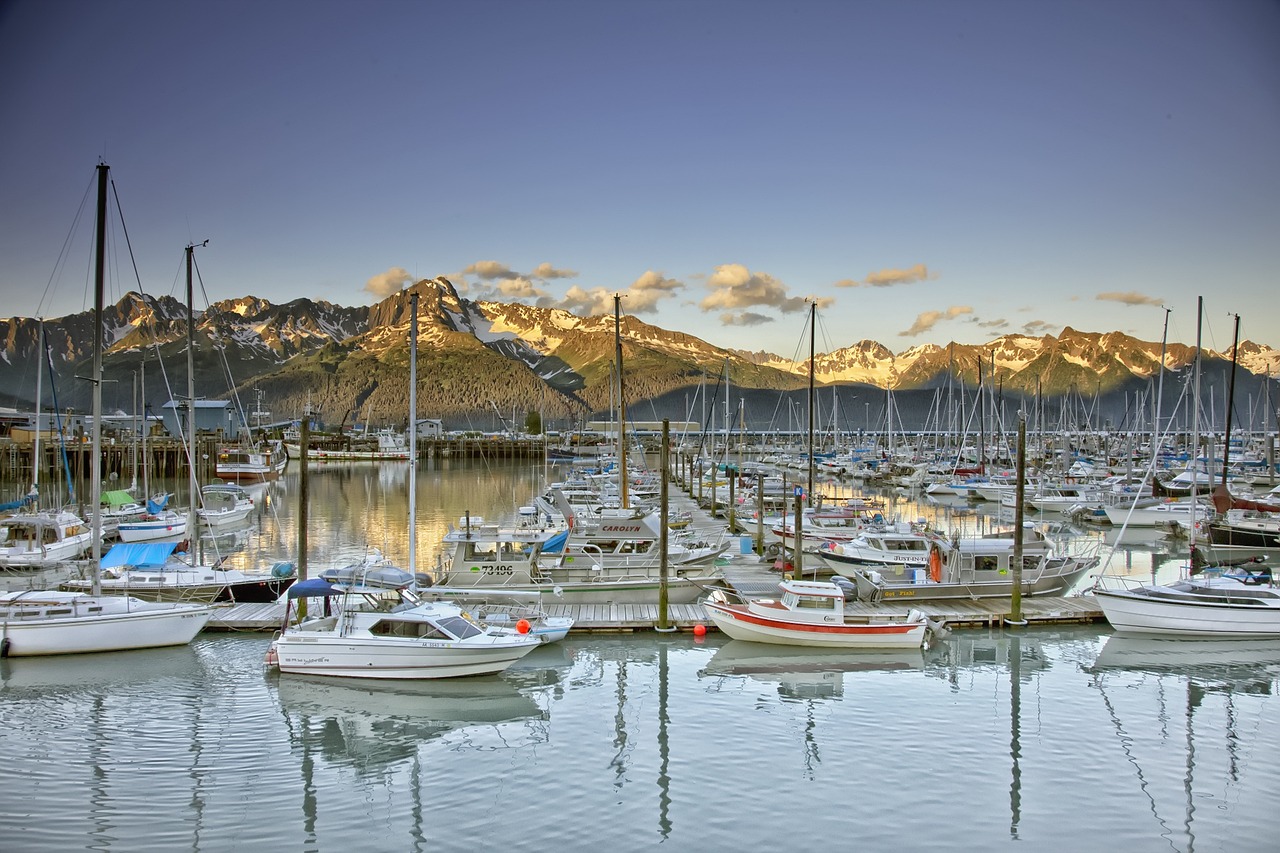
It is a picturesque town surrounded by rugged mountains and overlooking Resurrection Bay, rich in salmon. Born at the beginning of the last century as a ice-free port at the southern end of the Alaska Railroad, it has become famous as a starting point for gold seekers heading to Nome.