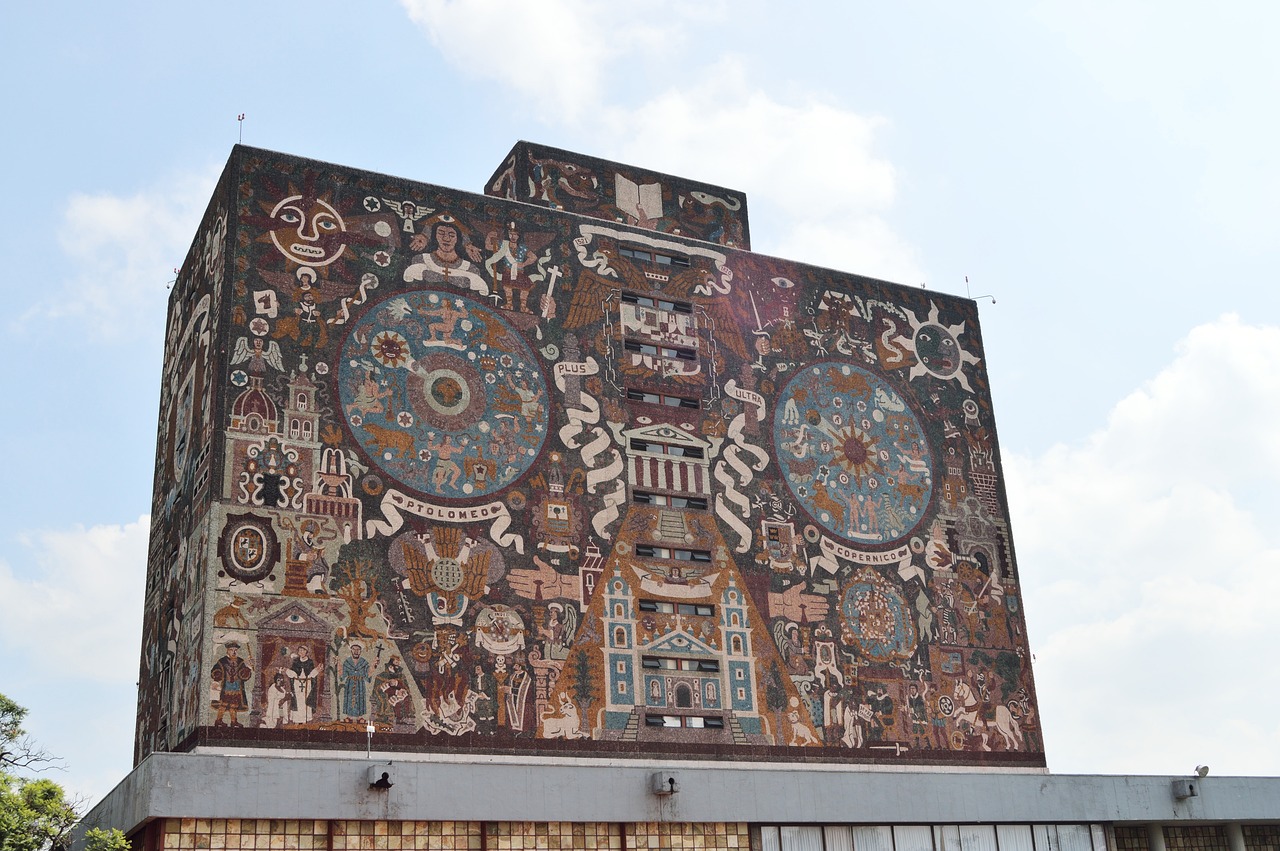
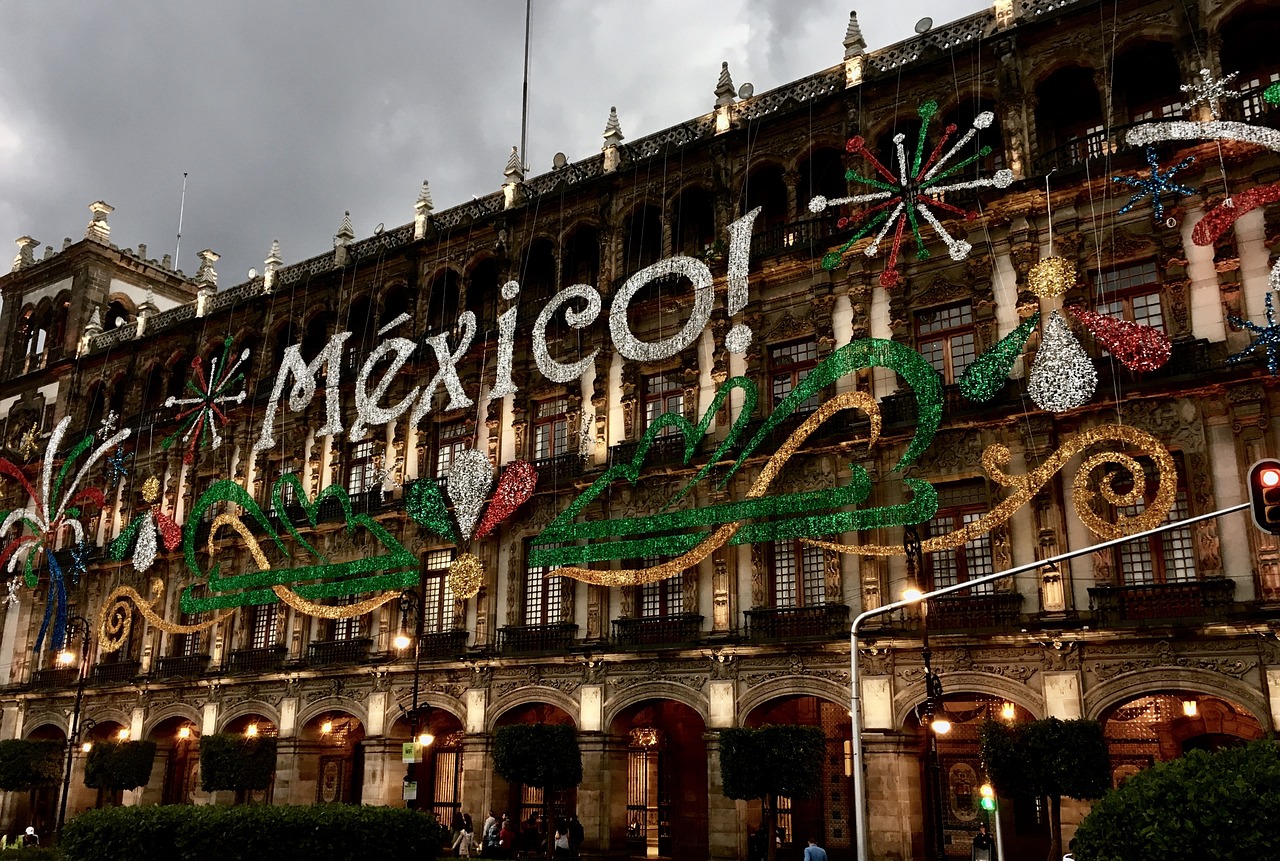
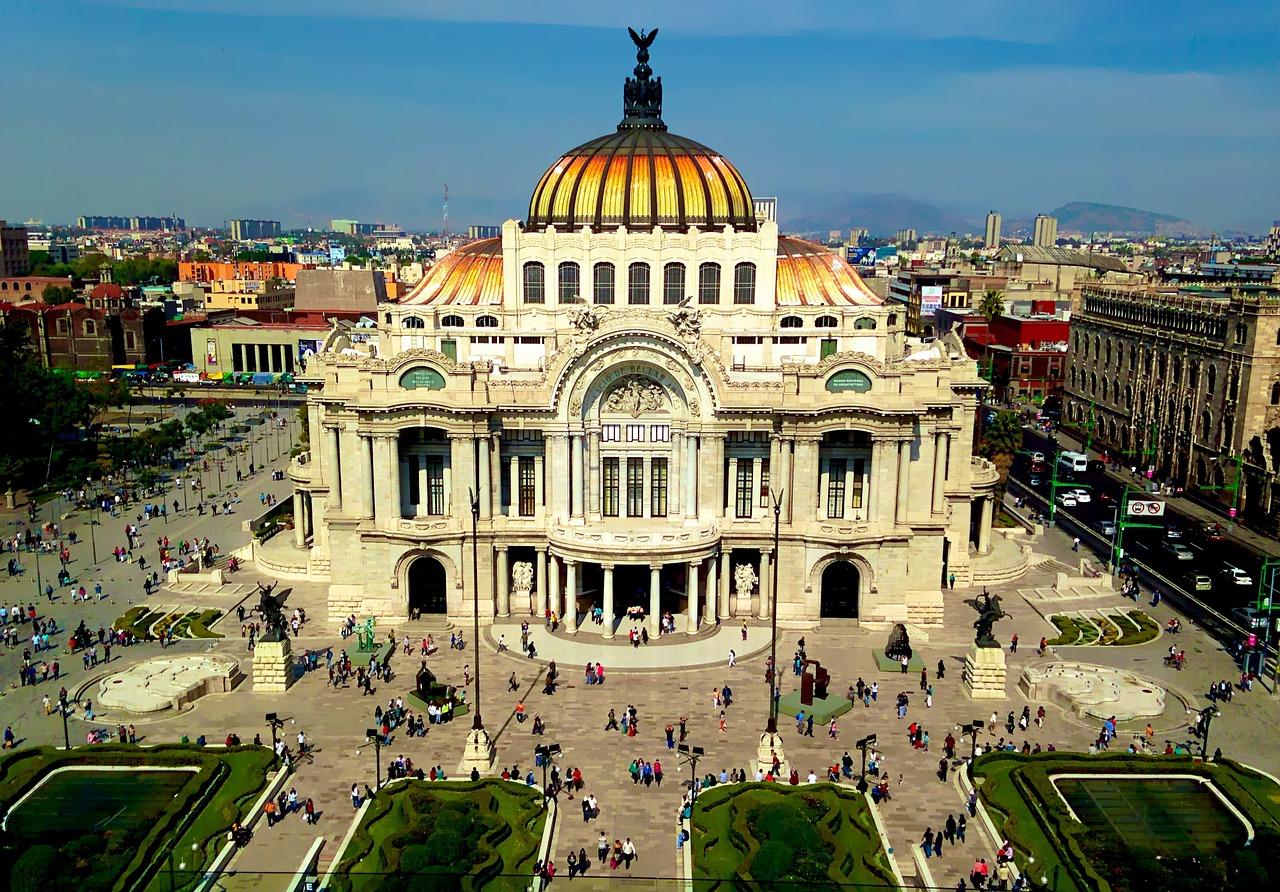
Mexico City rises more than 2,200 metres above sea level on a plateau ringed by volcanoes, on the very spot where Tenochtitlán once stretched, the magnificent Aztec capital built upon a lake. Today it is one of the largest and most vibrant metropolises in the world, a kaleidoscope of history, art and life that reveals itself as you walk from its monumental heart out into its neighbourhoods. The starting point is the Zócalo, an immense square dominated by the Metropolitan Cathedral and the Palacio Nacional, frescoed by Diego Rivera; beside it, the excavations of the Templo Mayor bring the city's Aztec soul back to light. From here you reach the Palacio de Bellas Artes, an Art Nouveau masterpiece, then follow the grand Paseo de la Reforma down to the Bosque de Chapultepec, home to the extraordinary National Museum of Anthropology, keeper of the treasures of pre-Columbian civilisations. The districts of Coyoacán and San Ángel, with their cobbled lanes and colourful houses, hold Frida Kahlo's Casa Azul, while Roma and Condesa pulse with cafés, galleries and inventive cuisine. To the south float the ancient chinampas of Xochimilco, a UNESCO World Heritage Site, crossed by brightly painted trajineras. The food is a universe in itself: tacos al pastor, mole, tamales and mezcal tell a tradition celebrated the world over. Just outside the city, the pyramids of Teotihuacán — the Sun and the Moon along the Avenue of the Dead — complete a journey into the memory of Mesoamerica. Chaotic and magnetic, Mexico City wins over those willing to be surprised.
Auto
Giorno 2 — Mexico City → Taxco
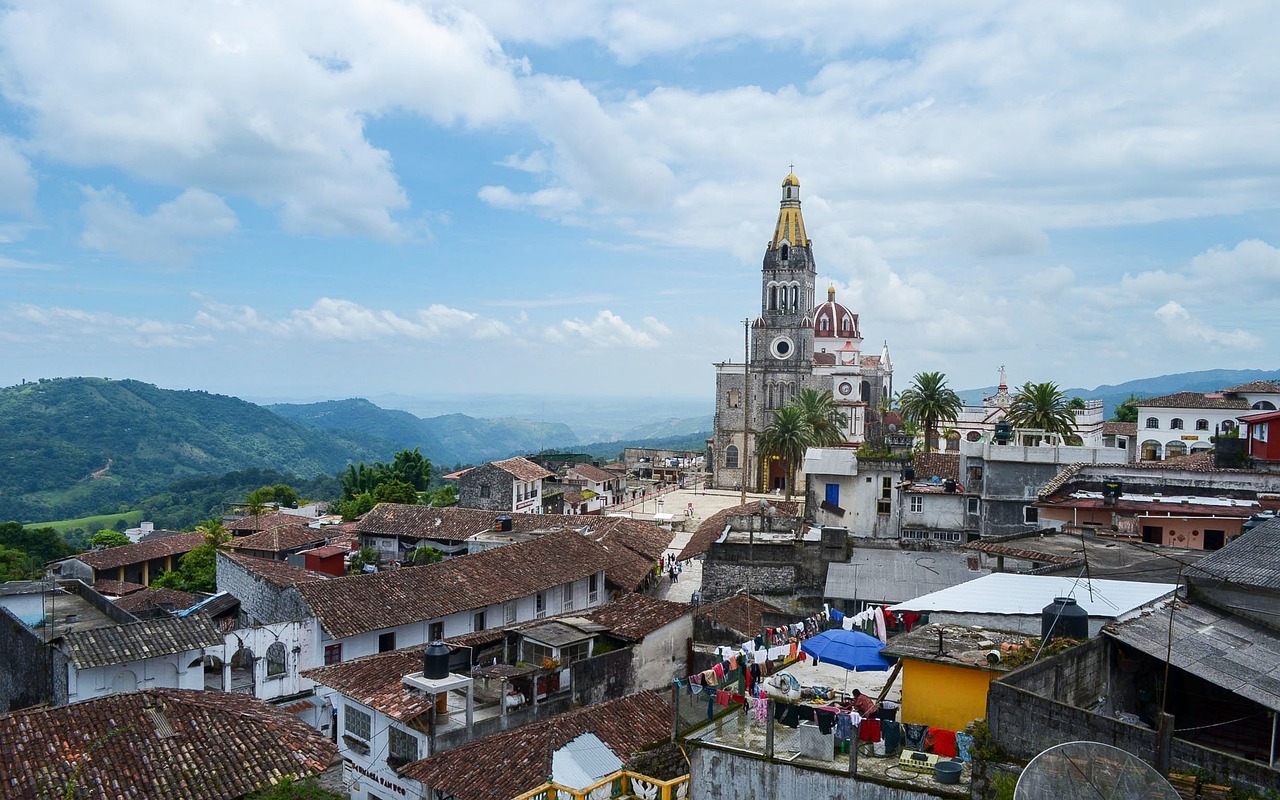
Taxco climbs the flanks of a hill in the Sierra Madre del Sur, a maze of cobbled lanes and whitewashed houses with red-tiled roofs that earned it the title of pueblo mágico. Its fame rests on silver, worked here since colonial times: silversmiths' workshops dot the centre, making it one of Mexico's capitals of jewellery. Rising above the Zócalo is the church of Santa Prisca, a masterpiece of Churrigueresque Baroque with its rose-coloured façade and twin towers. Amid steep climbs, little squares and sweeping views, Taxco reveals itself step by step, to the slow rhythm of its winding streets.
Auto
Giorno 3 — Taxco → Morelia
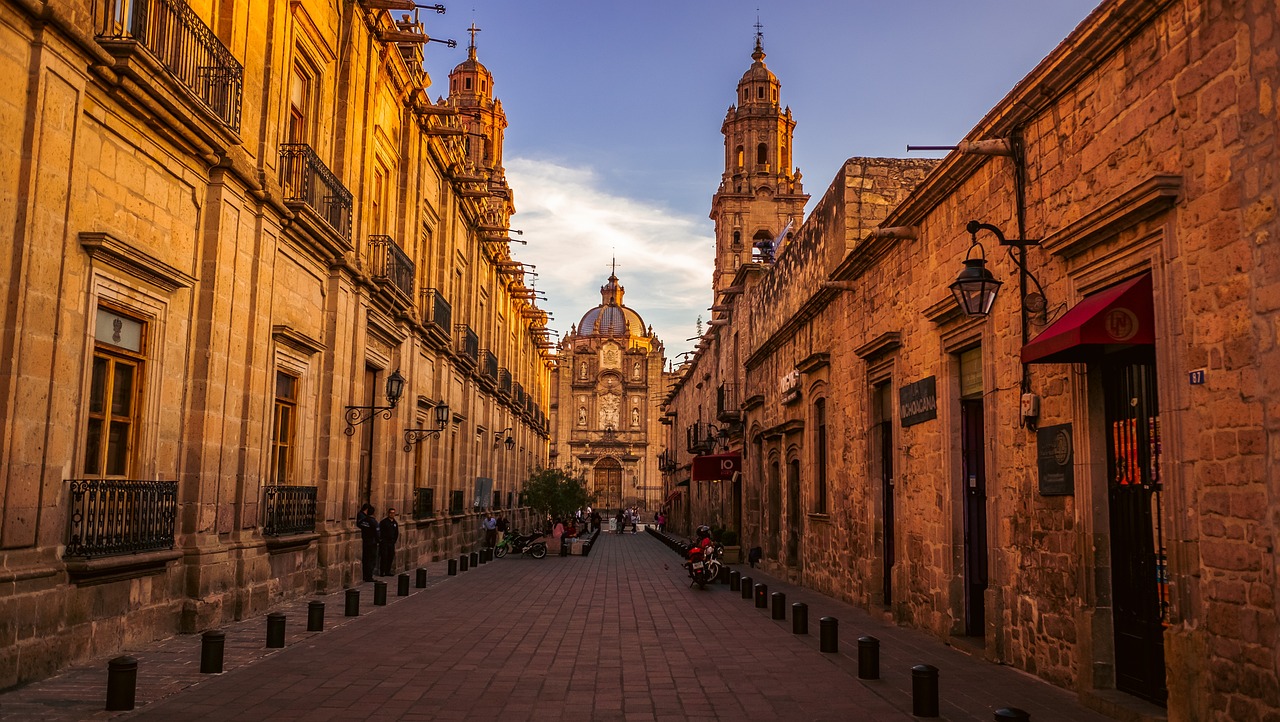
Morelia guards a historic centre built entirely from pink volcanic stone, an ensemble of colonial palaces and Baroque buildings that earned it UNESCO World Heritage status as the capital of Michoacán state. Its high-towered cathedral dominates the main square, while the elegant 18th-century aqueduct frames evening strolls among arcades and hidden courtyards. A university town and cultural capital, Morelia is also celebrated for its confectionery tradition and the craft markets of the Purépecha region. A cultured, refined destination where the colonial legacy lives on intact.
Auto
Giorno 6 — Guanajuato → San Miguel de Allende
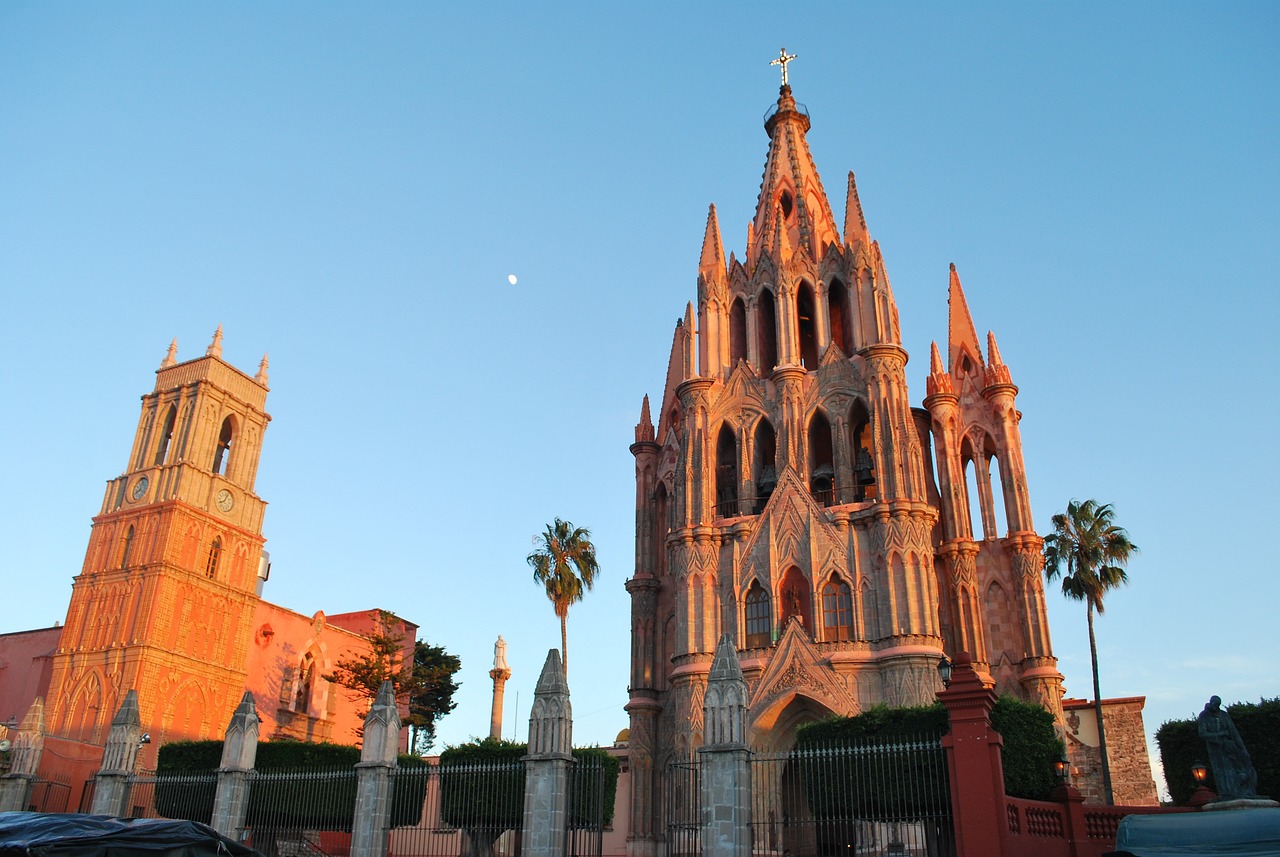
San Miguel de Allende enchants on the Bajío highlands with its colonial centre, a UNESCO World Heritage Site of cobbled lanes, flowering courtyards and golden light. The scene is dominated by the Parroquia de San Miguel Arcángel, a fanciful neo-Gothic church with pink spires overlooking the lively Jardín, the heart of town life. Nearby stand the Templo de San Francisco and the Oratorio de San Felipe Neri, while the old convent now houses the El Nigromante cultural centre. Outside town the Sanctuary of Atotonilco, also UNESCO, holds frescoes that earned it the name “Sistine Chapel of Mexico.” Between art galleries, terraces and creative cuisine, San Miguel reveals itself on an unhurried stroll.
Auto
Giorno 7 — San Miguel de Allende → Teotihuacan
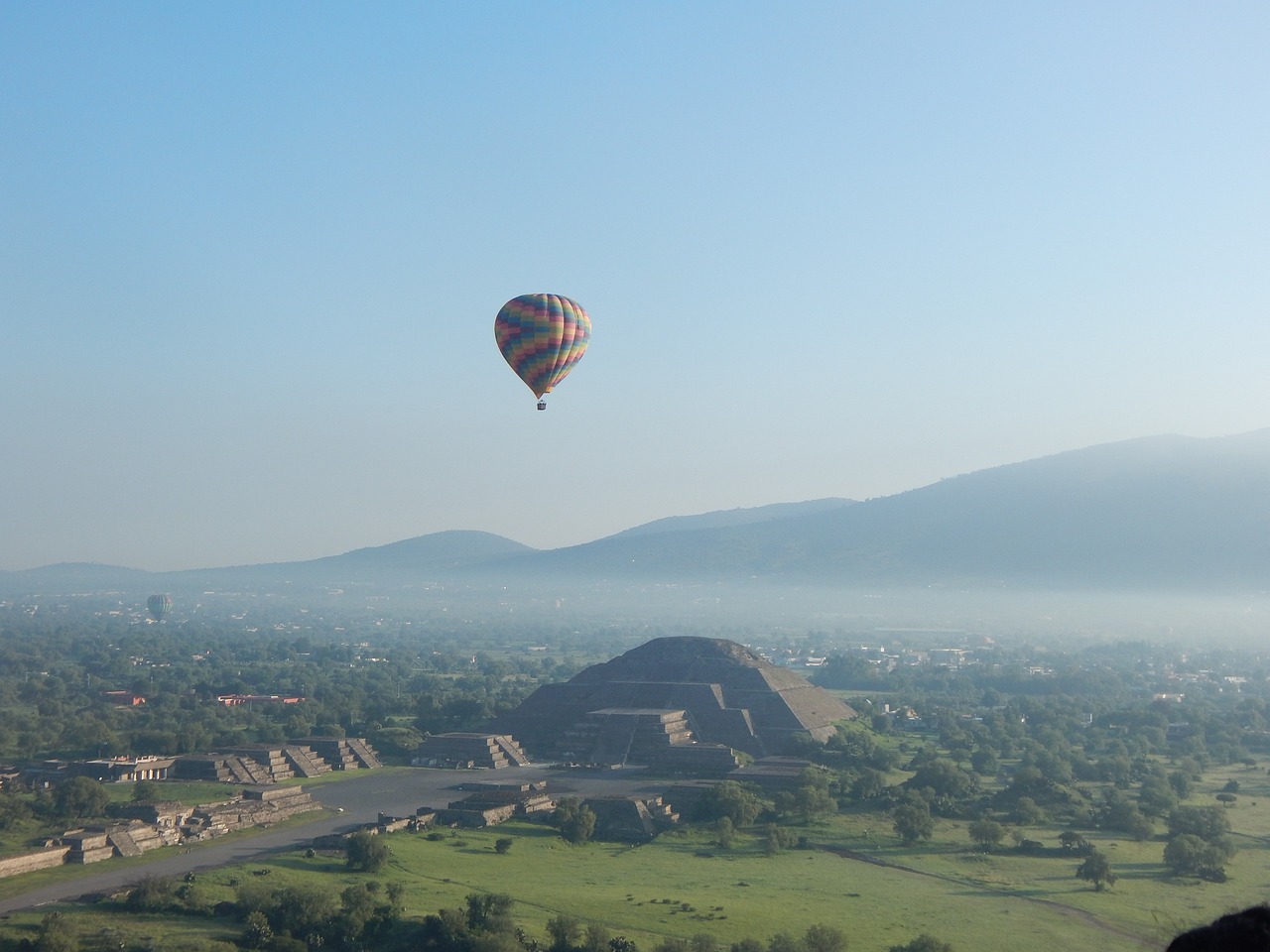
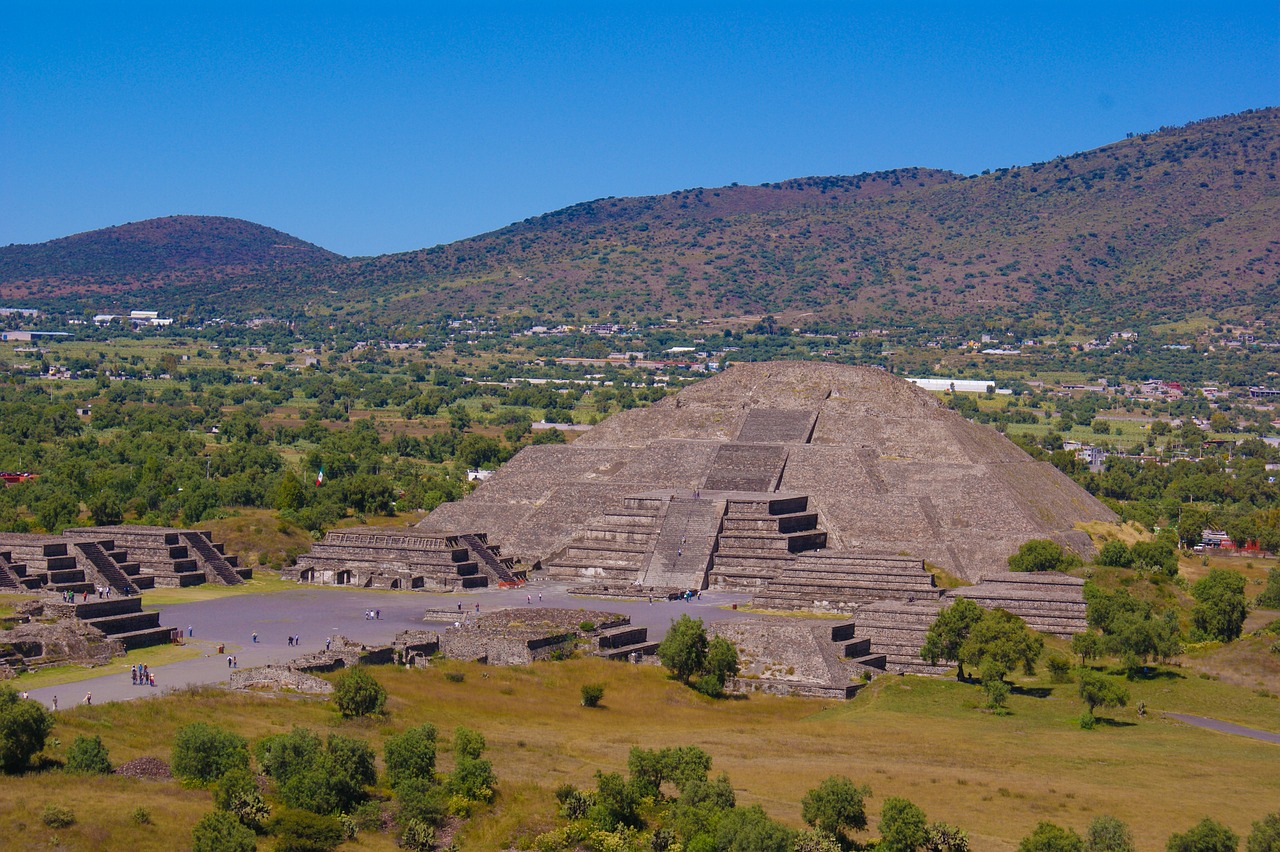
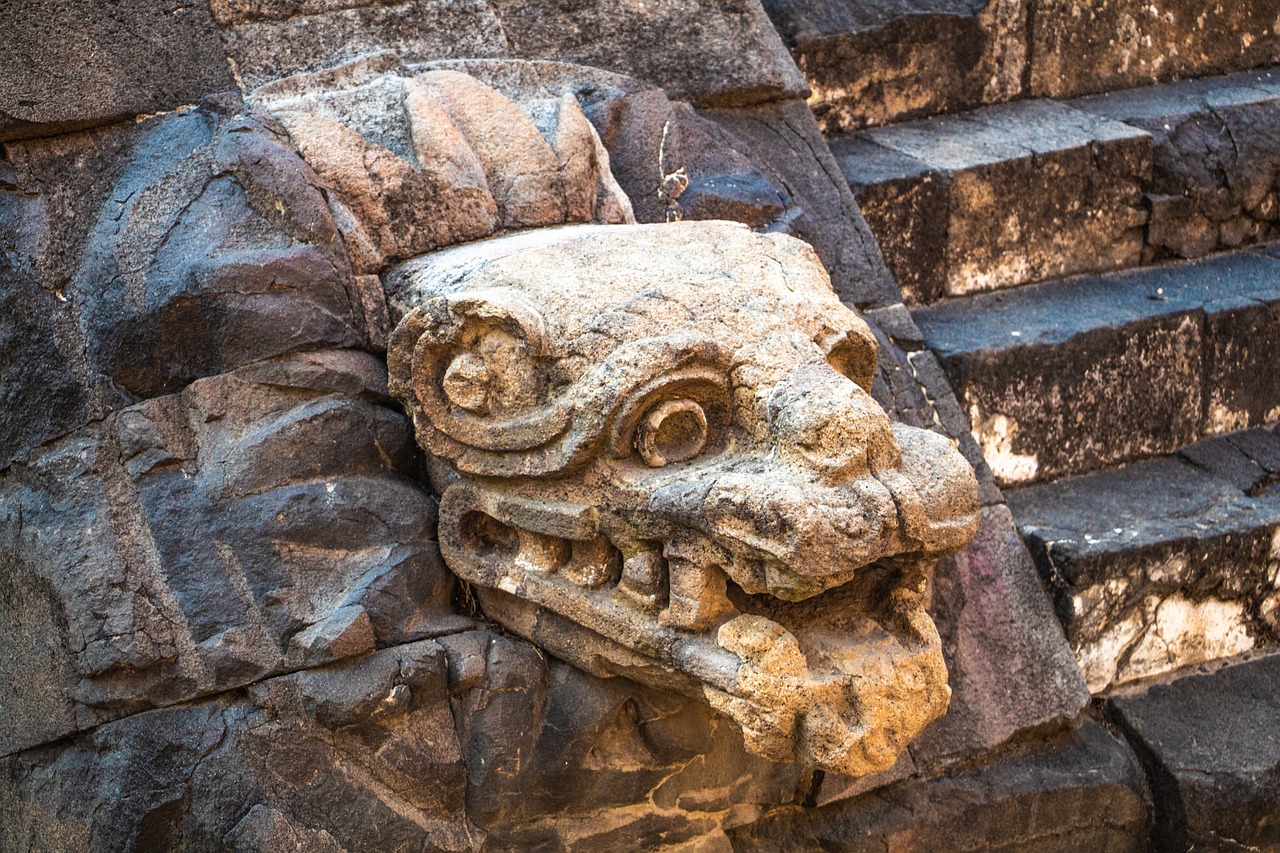
Teotihuacán, "the place where men become gods," is one of the most imposing archaeological sites in the Americas, just over an hour from Mexico City. A UNESCO World Heritage Site, the ancient Mesoamerican metropolis is dominated by the colossal Pyramid of the Sun and Pyramid of the Moon, linked by the solemn Calzada de los Muertos (Avenue of the Dead). Murals, temples and the Palace of Quetzalpapálotl tell of a civilisation that flourished over two millennia ago. A journey into the heart of Mexico's pre-Columbian past.
Auto
Giorno 8 — Teotihuacan → Puebla
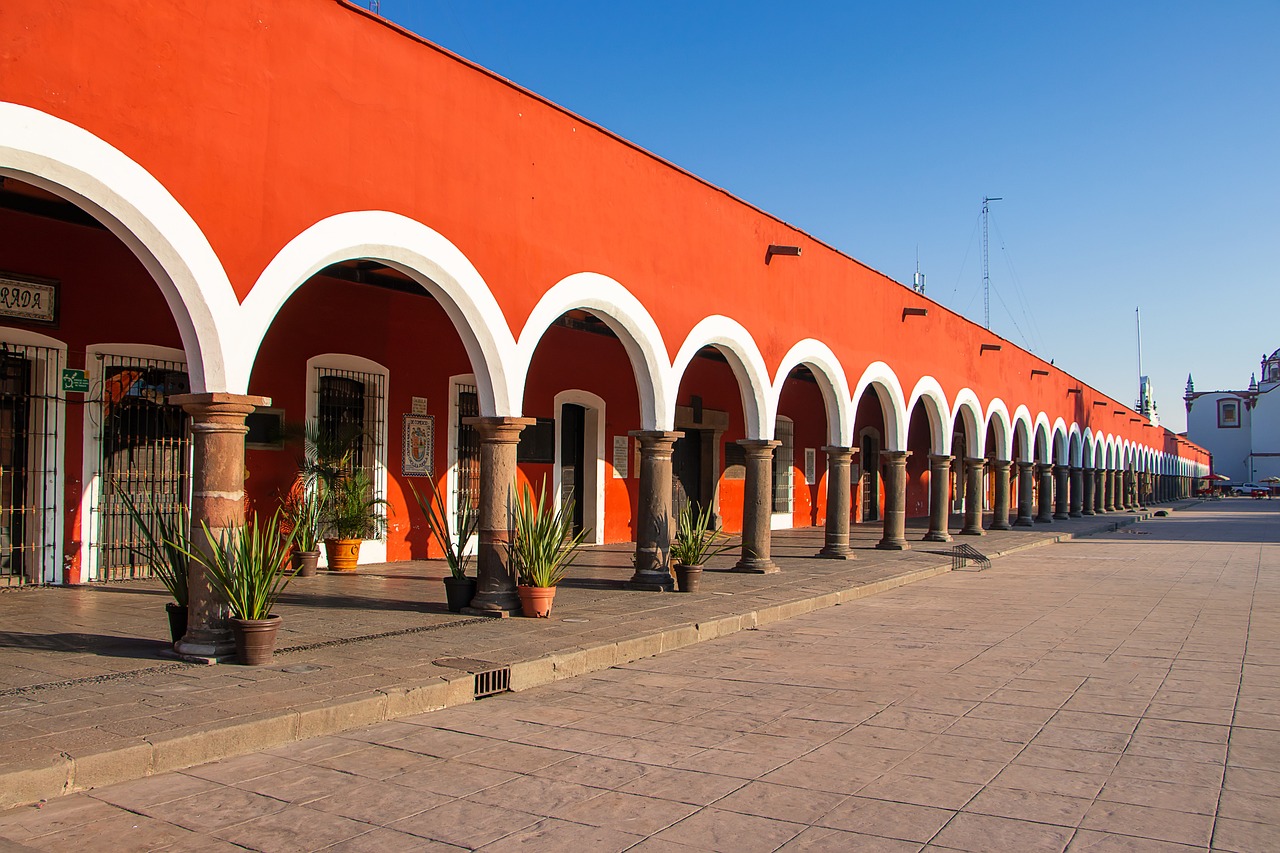
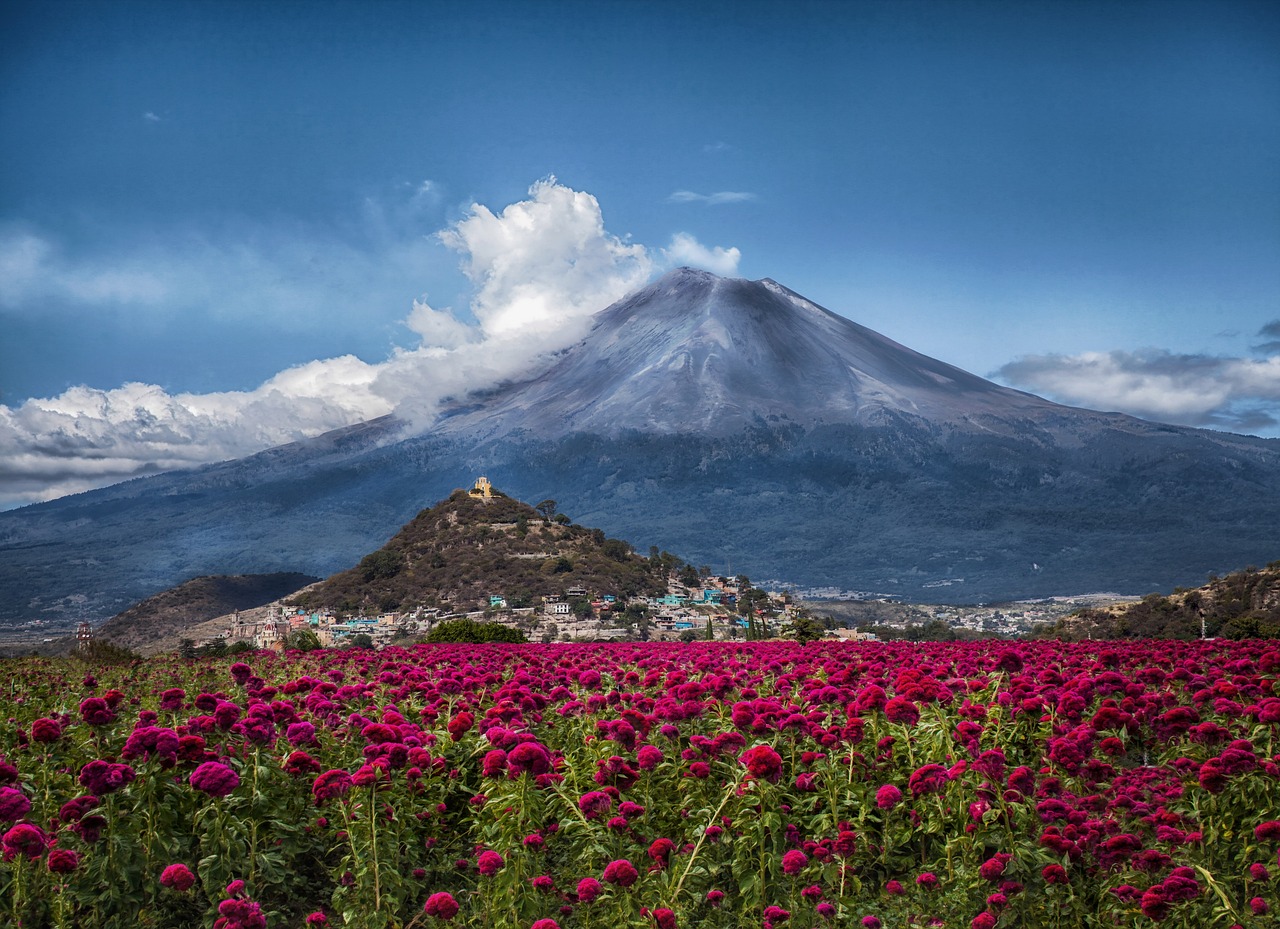
Puebla rises in a broad valley of central Mexico's high plateau, at the foot of the Popocatépetl and Iztaccíhuatl volcanoes, and preserves one of the country's most harmonious colonial centres, a UNESCO World Heritage Site. Its orderly streets reveal façades clad in azulejo tiles, baroque courtyards and lavish churches such as the Rosary Chapel, while the Cathedral towers over the Zócalo. Puebla is also a culinary capital: birthplace of mole poblano and chiles en nogada, with workshops still crafting the famous talavera ceramics. A stroll through its lanes, perhaps as far as the Barrio del Artista, tells of centuries of art, faith and flavour.