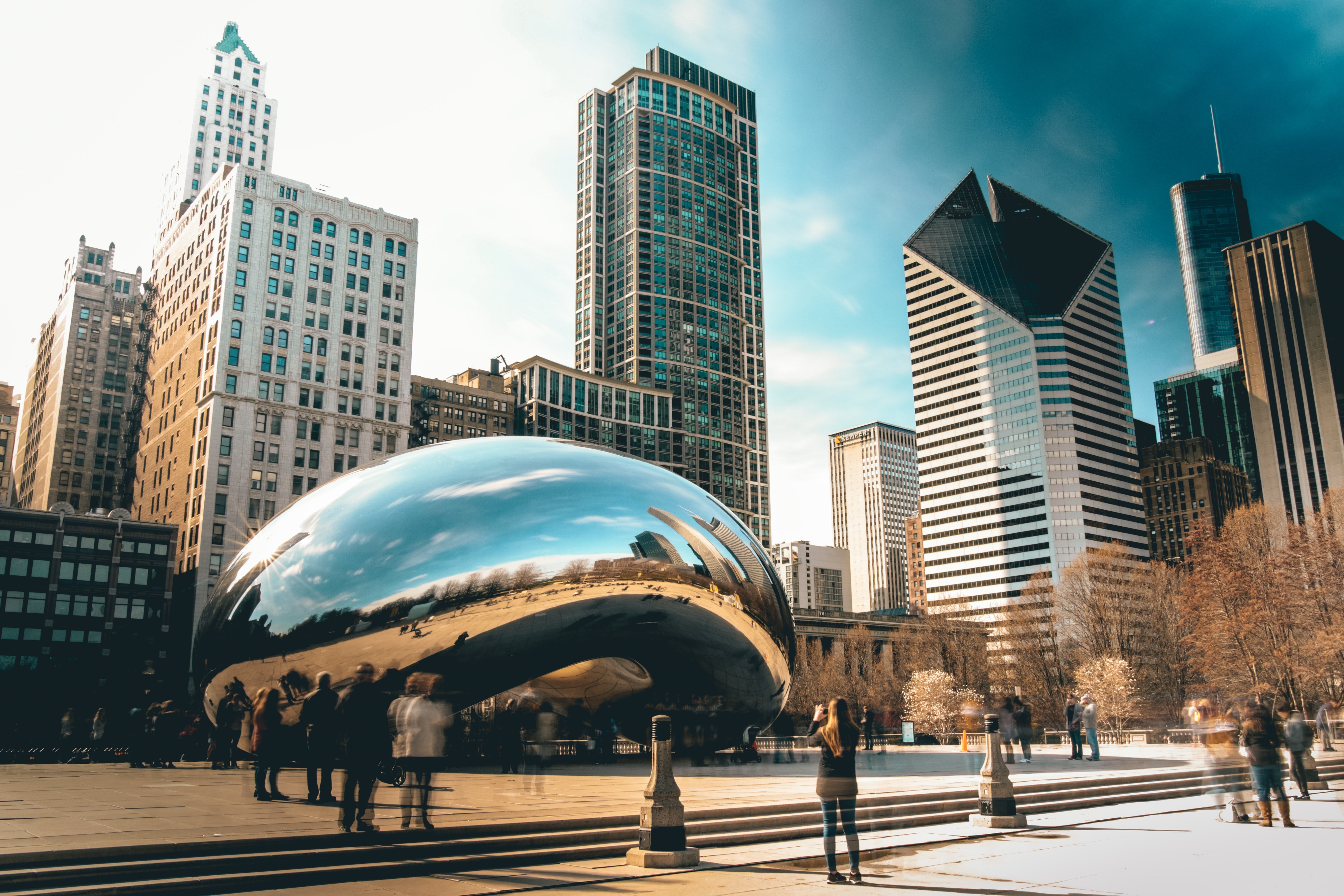
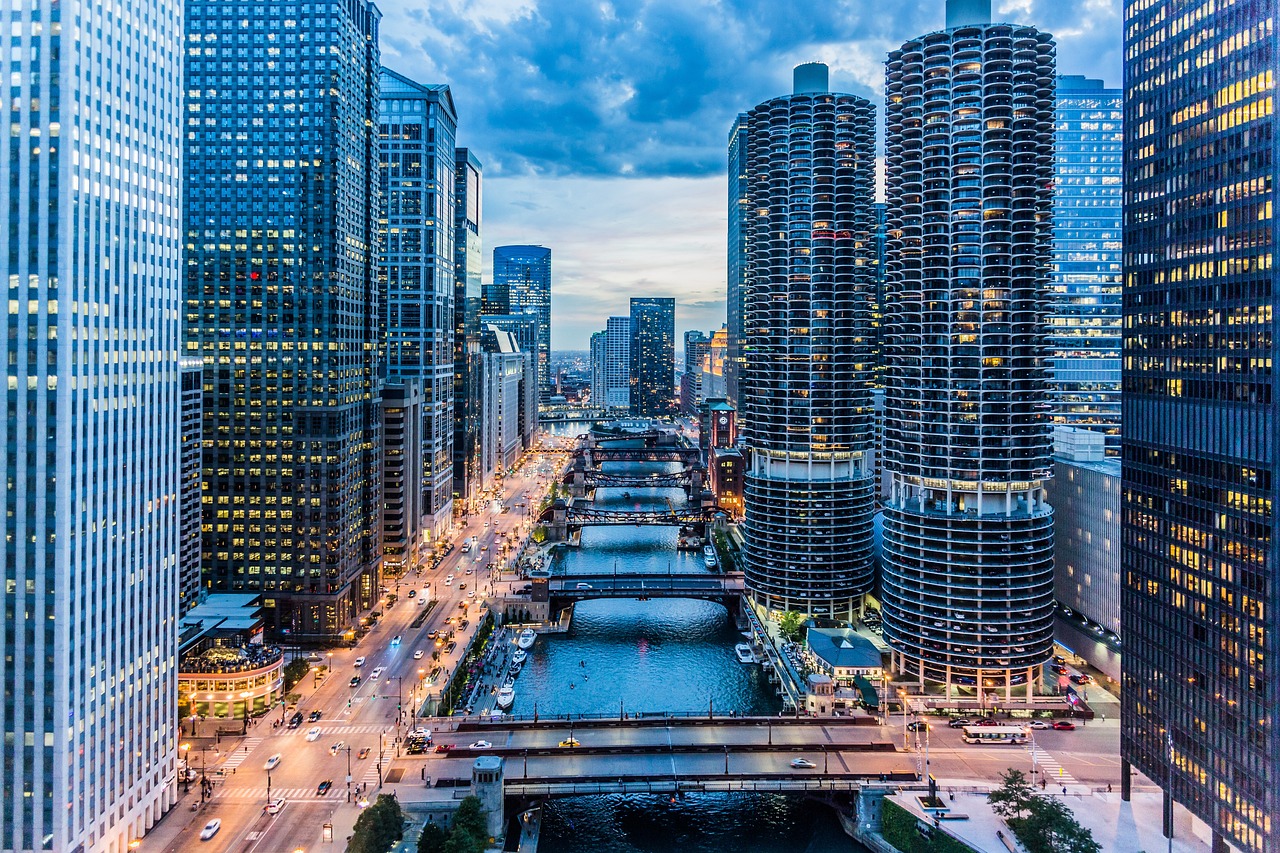
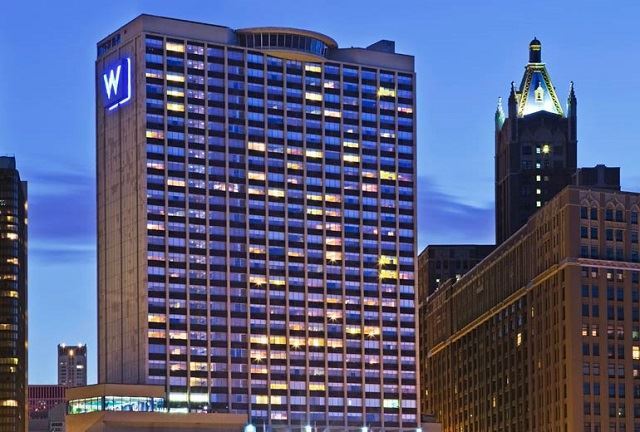
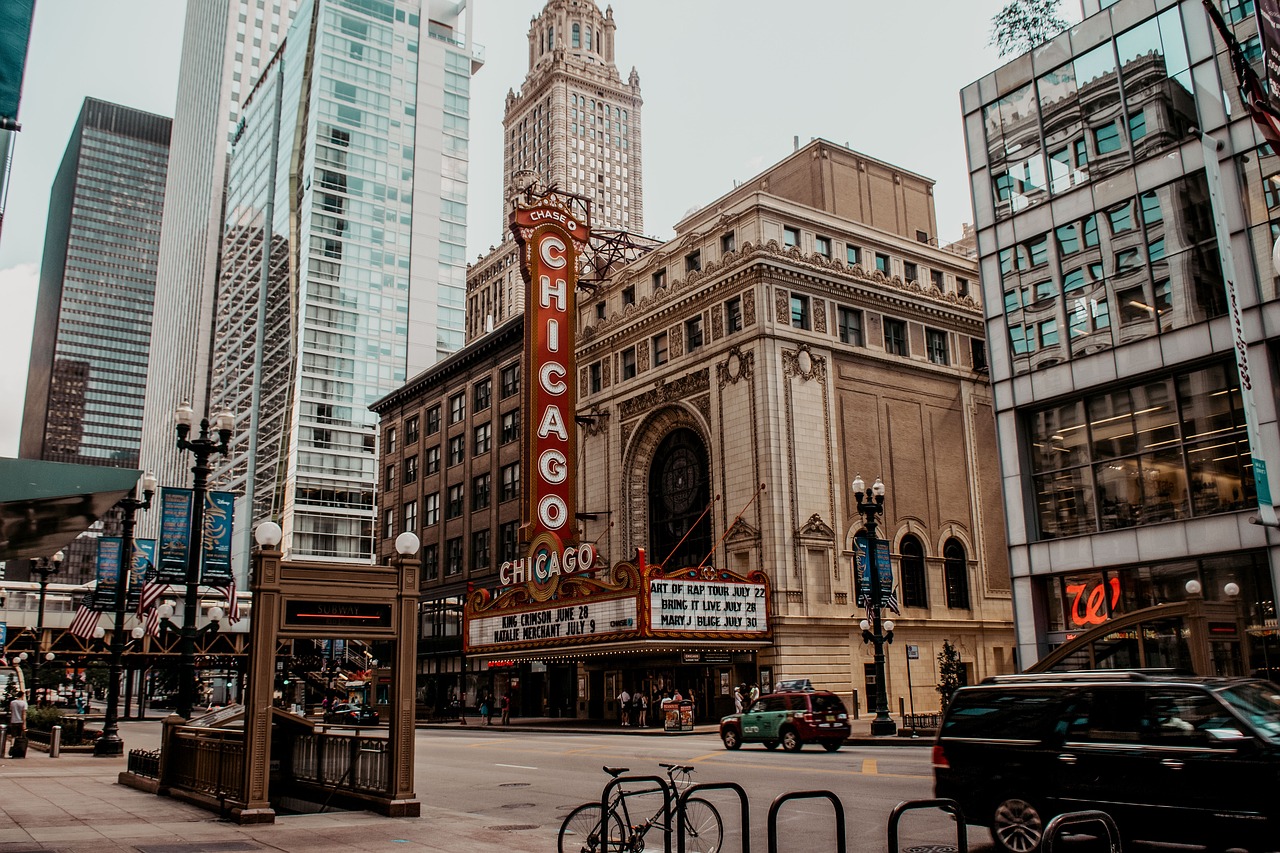
As soon as you catch sight of Chicago – the most important city of the Midwest, standing on the shore of Lake Michigan –, its skyline will leave you awestruck. After the devastating 1871 fire, Chicago was rebuilt by the most famous architects of the day – namely Frank Lloyd Wright and Mies Van de Rohe. The city is now one of the finest examples of contemporary architecture in the world. Chicago also boasts plenty of modern artworks, on display at the Millennium Park and in virtually every square, museums as outstanding as the Art Institute and an extremely thriving music scene, with several top-notch jazz, blues and rock clubs and festivals.
Car
Day 4 — Chicago → St Louis
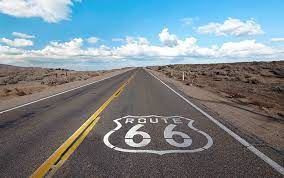
Heading diagonally across the state between Chicago and St. Louis, what remains of Route 66 is a surprisingly rural cruise through endless fields of corn. Despite the urban conglomerations at both ends, for most of its nearly 300-mile trek here, Route 66 and its modern usurper, I-55, pass along flat prairies with nary a smokestack or skyscraper as far as the eye can see. The heavy industrial and poverty-stricken hinterlands of Chicago and East St. Louis aren’t terribly rewarding for travelers in search of the Mother Road, but a couple of intriguing attractions—one a prehistoric city, the other a water tower shaped like a catsup bottle—are worth searching out. The only real city along Route 66 is the Illinois state capital, Springfield, which has preserved its sections of Route 66 alongside a wealth of places connected to the namesake president here in the “Land of Lincoln.” Dozens of small towns across the state play up their Route 66 connections, and most boast at least one true old-road landmark. St. Louis is located downstream from the confluence of the Missouri River with the Mississippi River and experienced a boom in the 19th century as a gateway for caravans heading westward. It was from St. Louis that the legendary Lewis and Clark expedition departed in 1804, becoming the first to reach the Pacific coast by land. The iconic arch for which the city is now famous, a gleaming 192-meter-high steel parabola, was installed in 1965 to commemorate this expedition. Between the late 19th and early 20th centuries, St. Louis played a fundamental role in the development of jazz and blues.
Car
Day 5 — St Louis → Springfield (MO)
Springfield is located in the Ozarks region, a mountainous and wooded area in the state of Missouri, and along Route 66.
Car
Day 6 — Springfield (MO) → Oklahoma City
The actual capital of the homonymous state, Oklahoma City, has a strong economy based on the energy industry, aerospace, and agriculture. The historic Route 66 passes right in front of its majestic Capitol, the only government building in the world surrounded by active oil wells.
Car
Day 7 — Oklahoma City → Amarillo
After leaving Oklahoma City, continue along Route 66 until you reach Hydro, Texas, and visit Lucille's Service Station. Built in 1929, it is one of the few remaining historic service stations on Route 66 in Oklahoma. Continue along Route 66 to the Oklahoma Route 66 Museum in Clinton. Here you will find memorabilia that tells the story and legends of the most famous highway in the United States. As you cross the state border towards Amarillo, Texas, you will travel through a part of Route 66 rich in vintage icons and references to the Wild West. Long stretches of the old road still remain, in various places with the original pavement. Amarillo, whose name in Spanish means yellow, is due to the color of the clayey soils when wet. It is located along Route 66 and near Palo Duro Canyon National Park. The city offers excellent Tex-Mex cuisine, thanks to the numerous cattle ranches in the area.
Car
Day 8 — Amarillo → Albuquerque
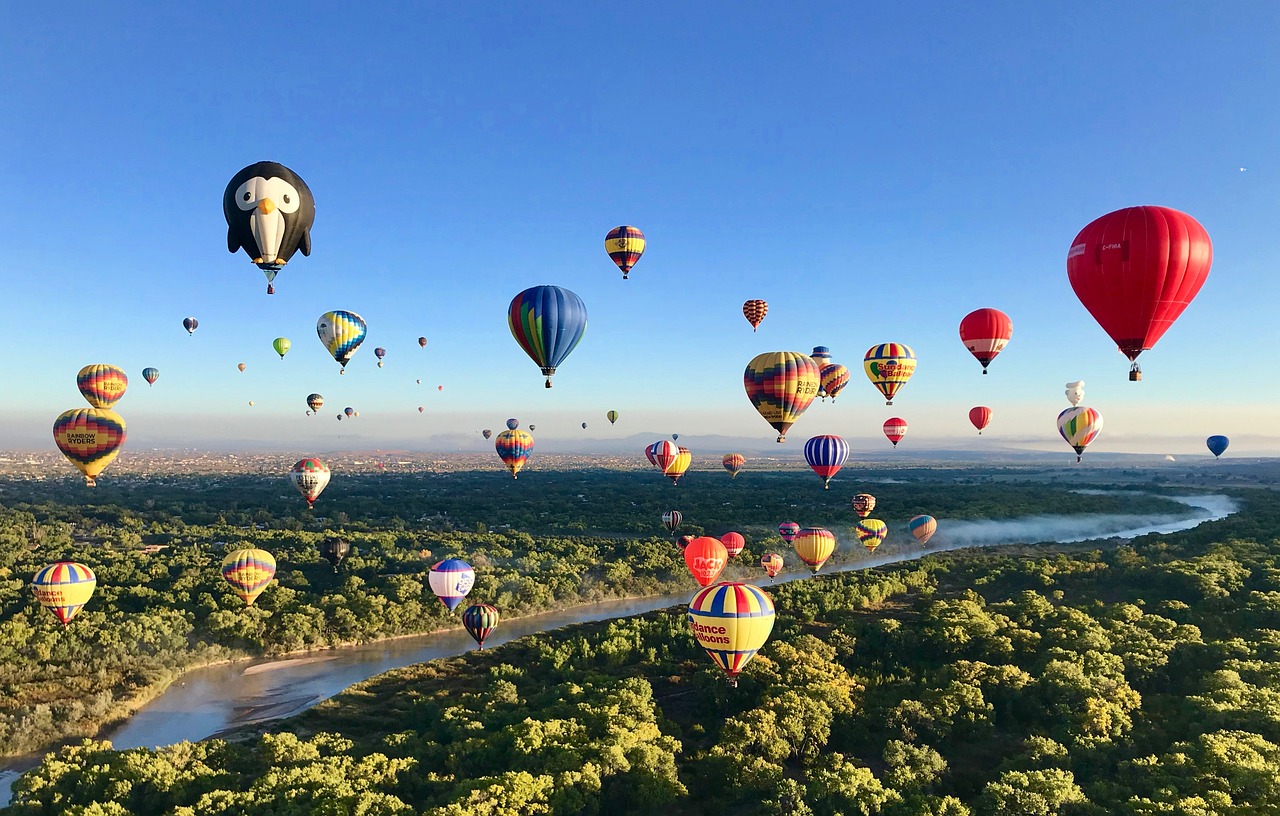
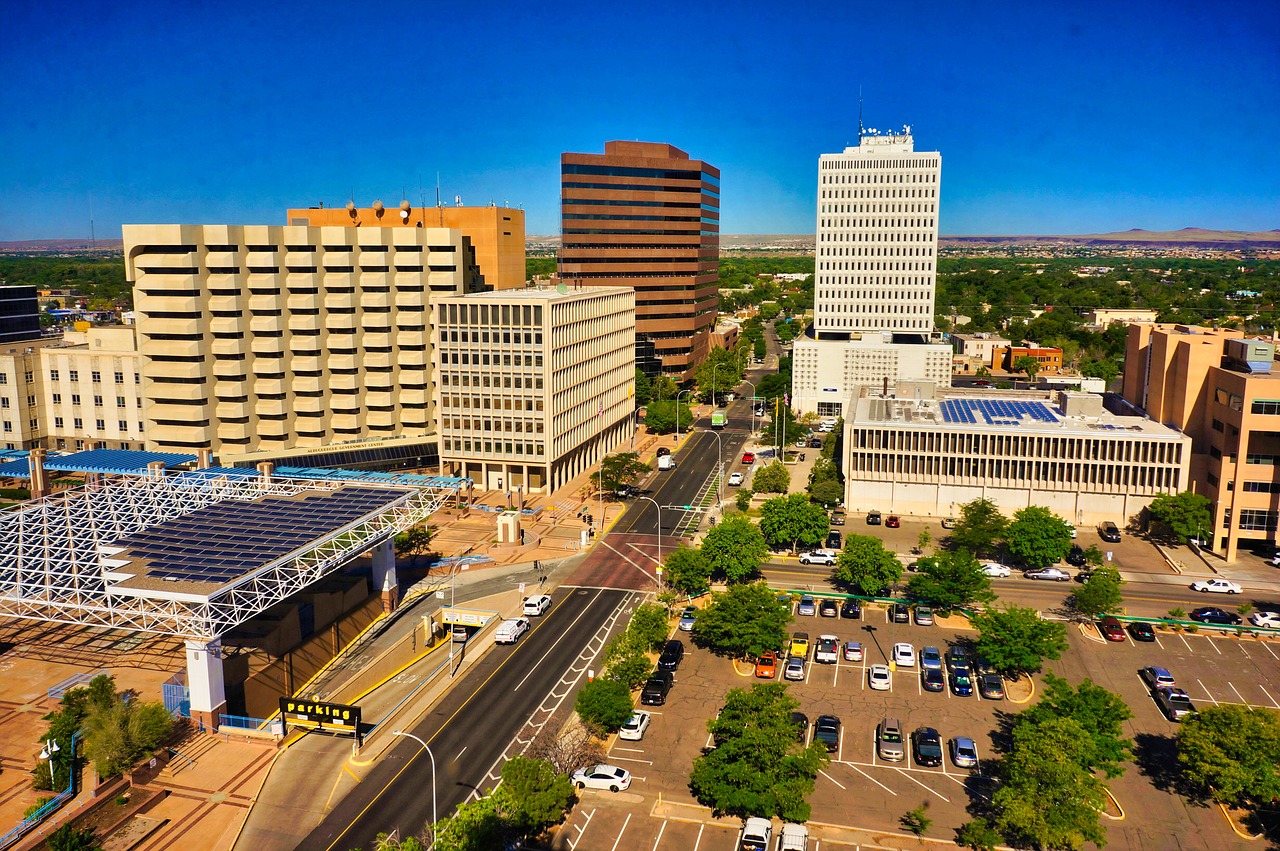
At the heart of New Mexico beats the pulse of a vibrant city. In Albuquerque, diverse cultures, authentic art and dynamic traditions have helped shape our centuries-old story. No matter your interests, the city has countless opportunities for you to explore. Sample traditional New Mexican cuisine that takes minutes to make and hundreds of years to prepare, experience world-class museums, stroll along Central Avenue under the vintage neon glow of Route 66, or soar high above the city in the hot air ballooning capital of the world — a sight sure to change your perspective. Immerse yourself in our painted skies, abundant space and more than 310 days of sunshine, which make it possible to ski the slopes of the Sandia Mountains and play a round at one of our award-winning golf courses, all in the same day. Albuquerque is an oasis in the high desert, full of rich history and inspiring ideas.
Car
Day 9 — Albuquerque → Santa Fe
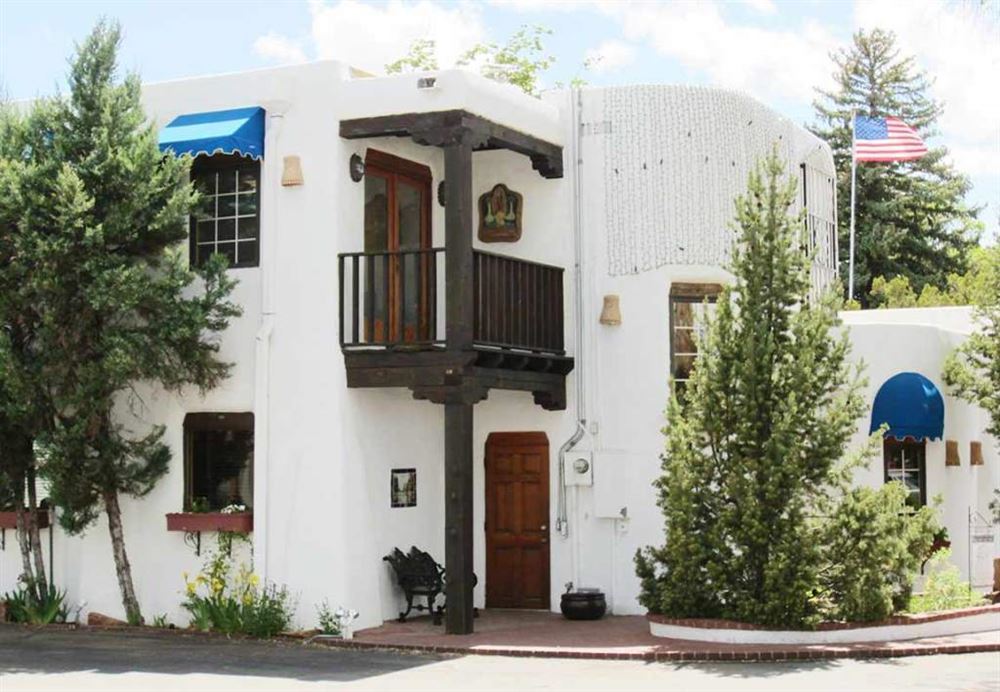
From Albuquerque to Santa Fe, you can travel along the Turquoise Trail, a scenic road that goes from Albuquerque to Santa Fe and crosses the hills of New Mexico, offering beautiful views of the surrounding mountains and old ghost towns. It is recommended to make a stop in Madrid, once a ghost town, now a gathering place for artists.
Car
Day 12 — Holbrook → Grand Canyon South Rim
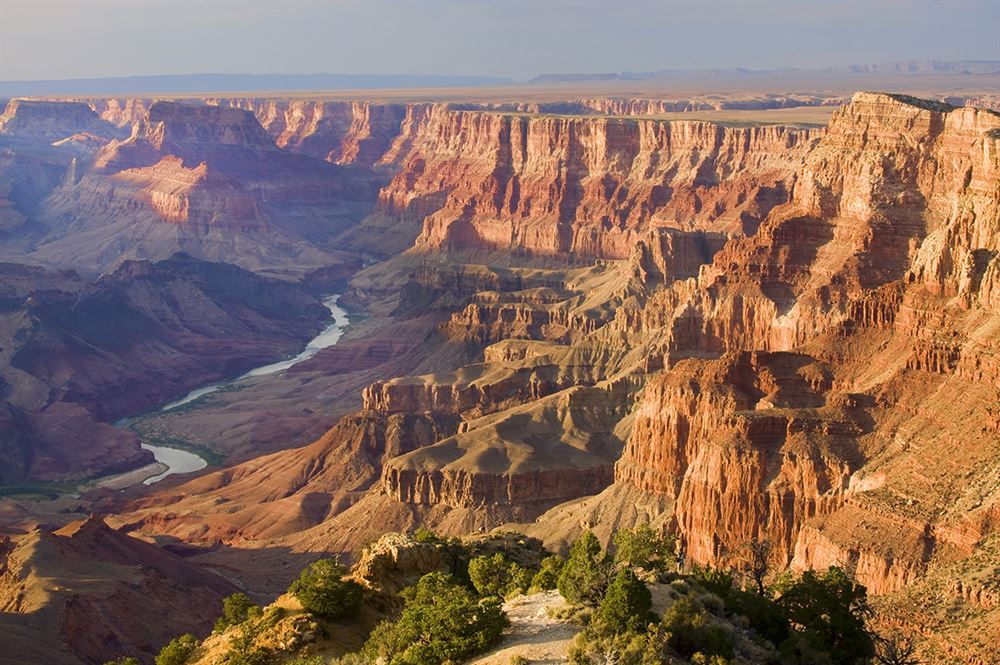
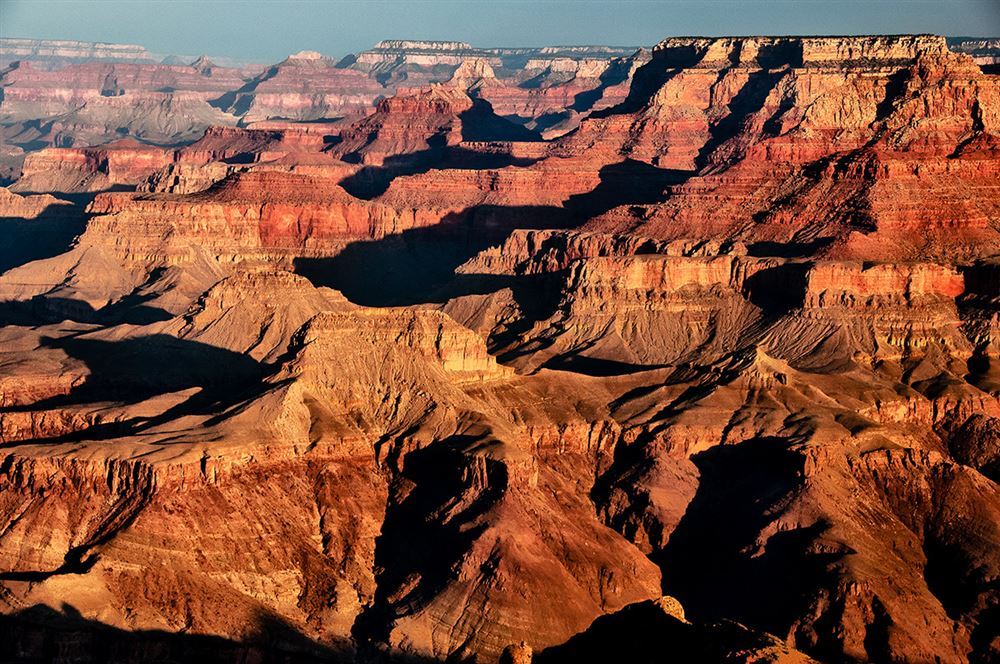
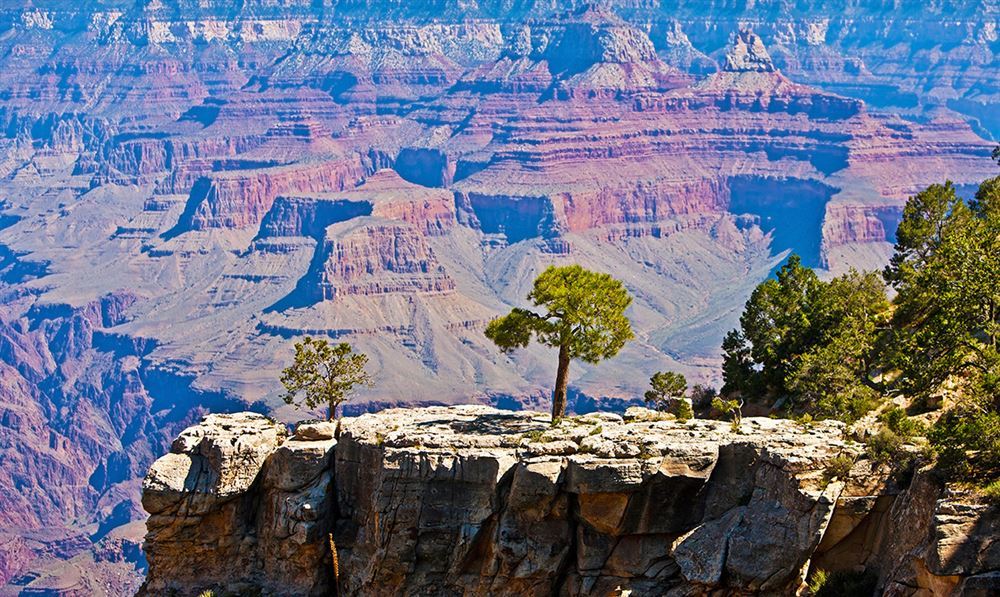
The Grand Canyon is the most famous and most spectacular example of river erosion - an inconceivable abyss formed by the wear of the Colorado River. The Canyon is 1,500 m deep, 450 km long and 16 km wide. Its layers disclose the geological history of the last 2 billion years and its rocks change color according to the time of the day - your first glimpse of this majestic landscape will leave you speecheless. The Grand Canyon, a UNESCO World Heritage Site, is a truly unforgettable sight.
Car
Day 13 — Grand Canyon South Rim → Las Vegas
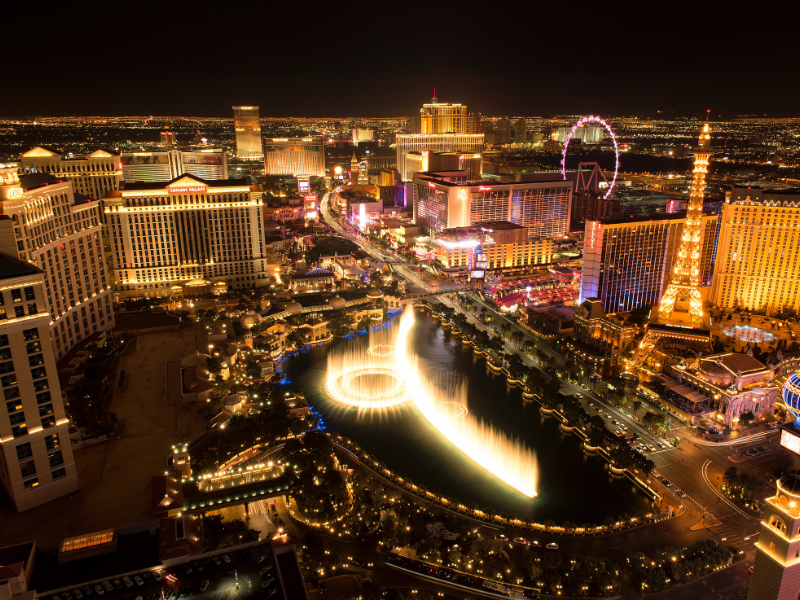
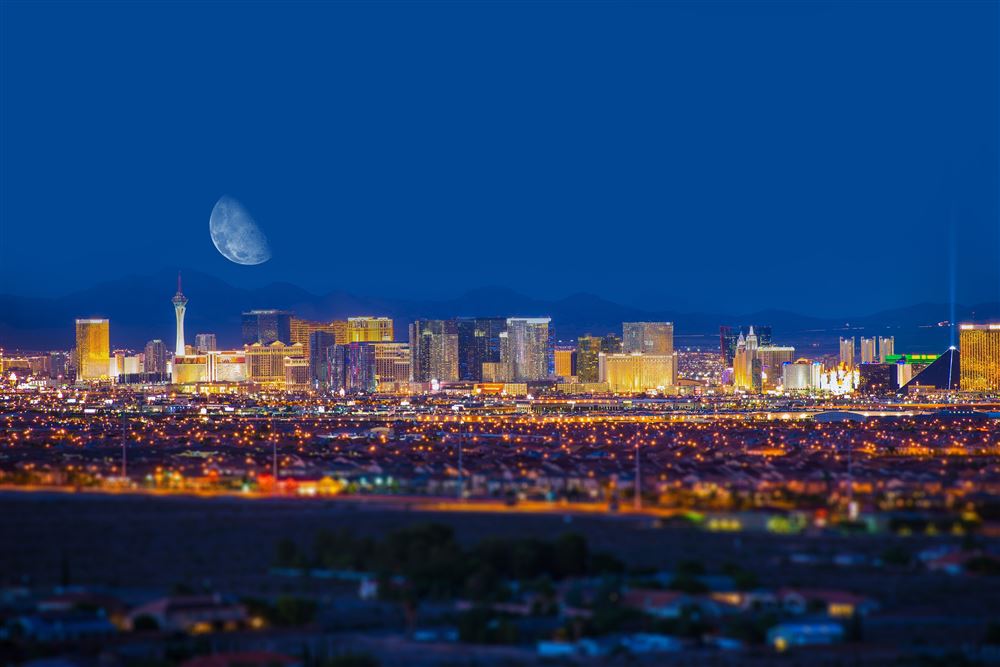
The long drive from the Grand Canyon back to Las Vegas has a few interesting places to stop and explore. You drive down Route 64 through the ponderosa pines of the Kaibab National Forest to Williams. We suggest a stop here, before entering Interstate I-40 to Las Vegas. Williams' Main Street is the most well-preserved stretch of Route 66 in the entire country. Today, old, dated gas pumps, diners, jukeboxes, and 50s era memorabilia can be seen on just about every corner. You enter I-40 and drive to Kingman where you take Route 93 crossing into Nevada via a new bridge over the Colorado River, just downstream of the Hoover Dam, built in the Thirties during the Great Depression, a very impressive sight and feat of engineering. Lake Mead is the name of the reservoir at Hoover Dam. It is the largest (by volume) reservoir in the United States. Las Vegas is beyond words. It shines like a diamond the middle of the desert, dazzling with its extravagant luxury hotels, bustling with all sorts of shows and revelry. A place – but can such a place even exist? – without equal in the whole world.
Car
Day 14 — Las Vegas → Santa Monica
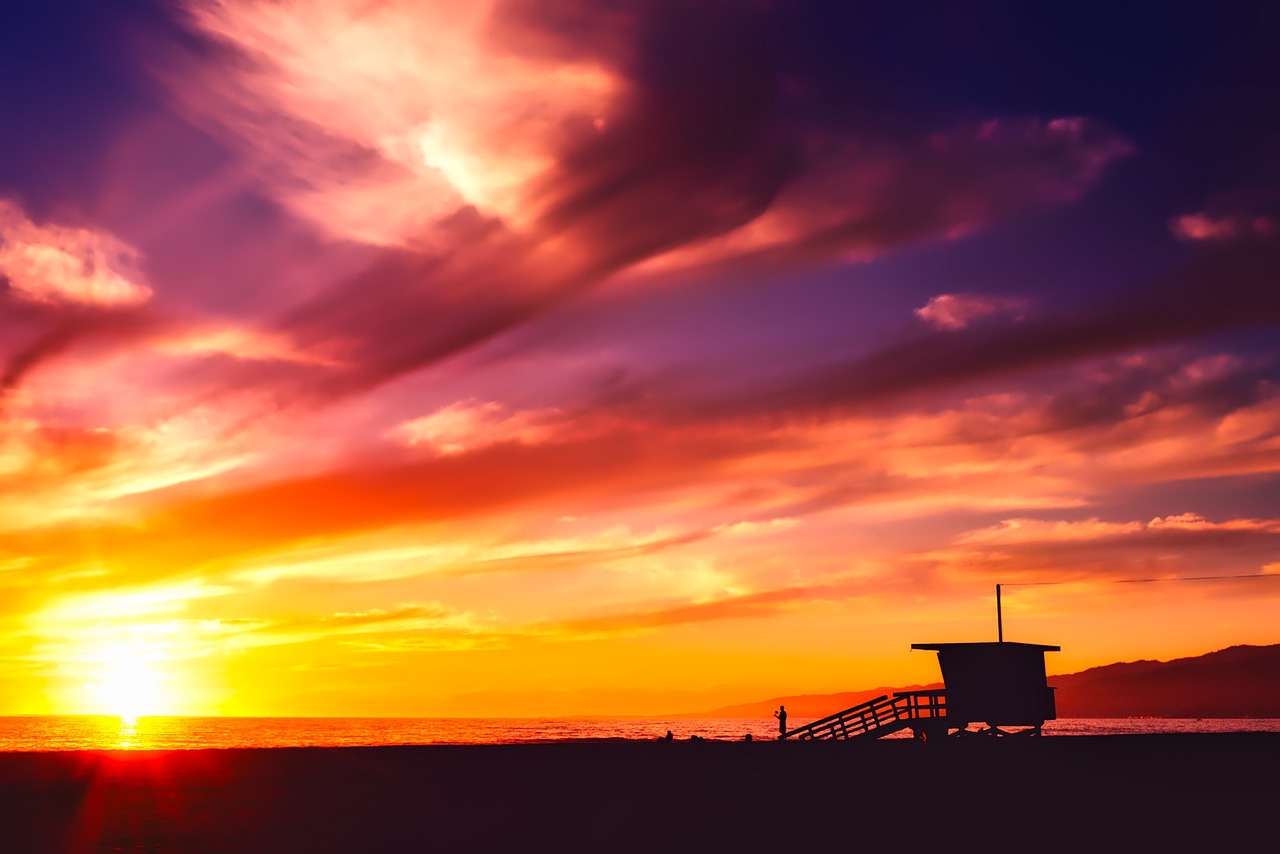
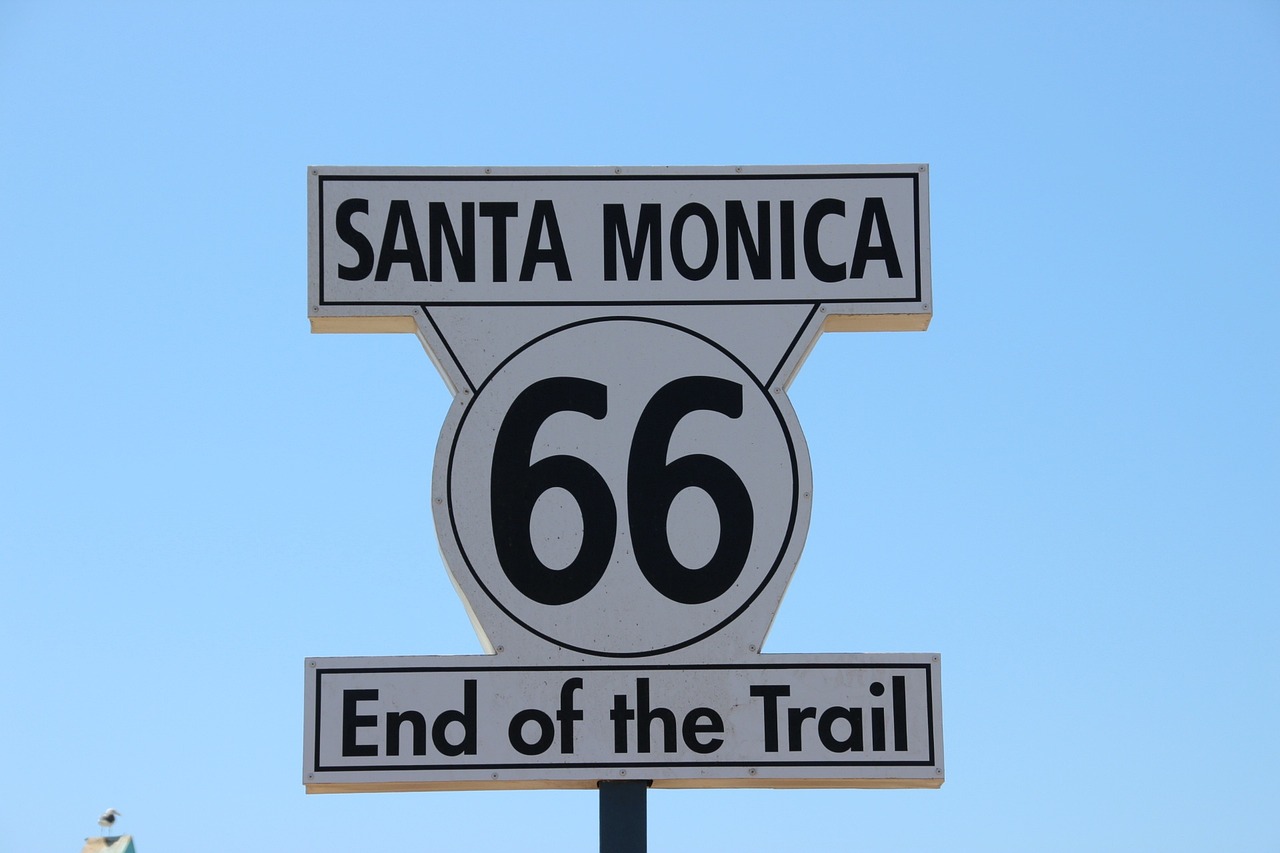
Cross the Mojave desert, dotted with Joshua trees. With its canyons, hills, mesas, dunes, cinder cones, and – when the fleeting spring arrives – boundless wildflower fields, the Mojave deserts is a peaceful, lonely oasis away from the turmoil of the metropolis. Santa Monica overlooks the ocean, on top of a sheer cliff rimmed with palms. From here, several paths lead down to a vast beach – the kingdom of surfers, joggers, skaters, bikers, yoga lovers, and mere sunbathers. The pedestrian area of Third Street Promenade brims with shops, restaurants and bars. This is also were the legendary Route 66 ends.