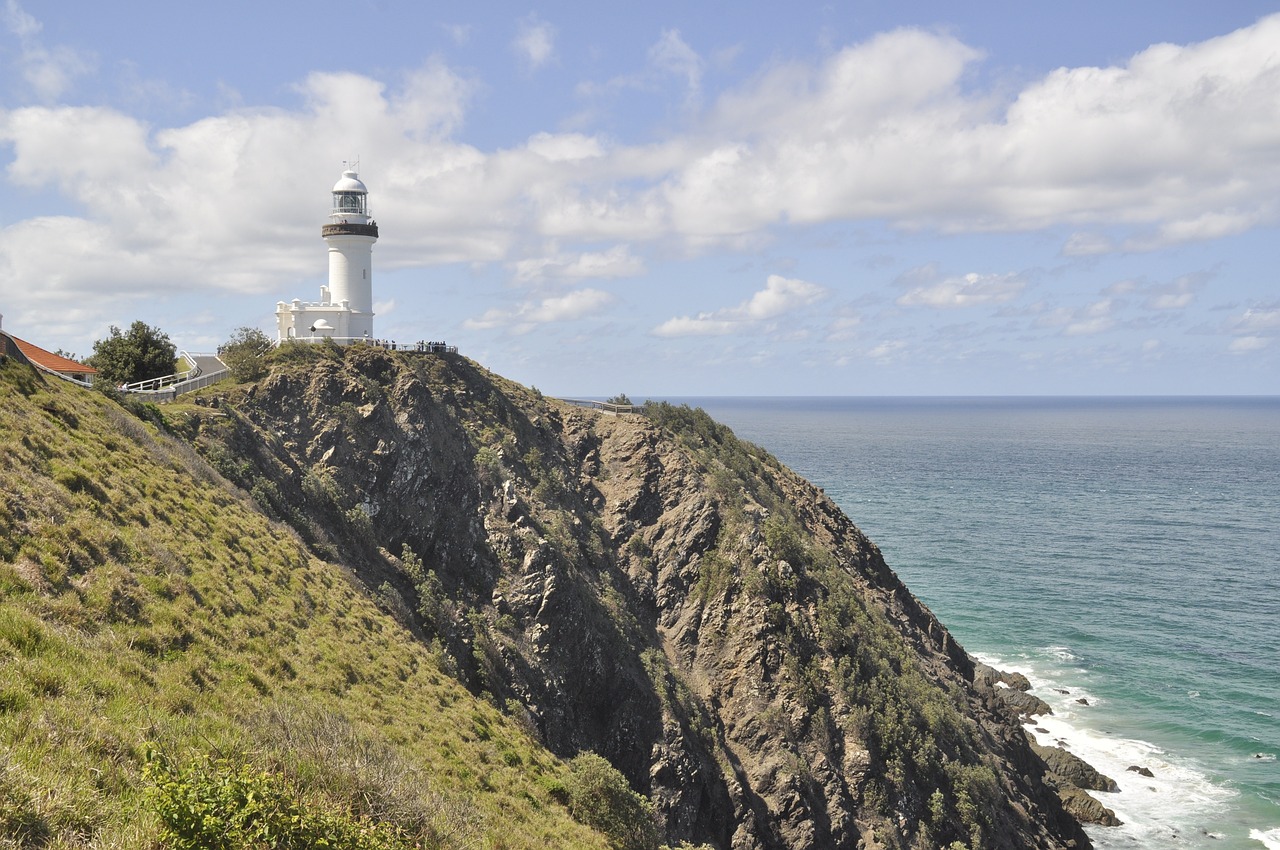
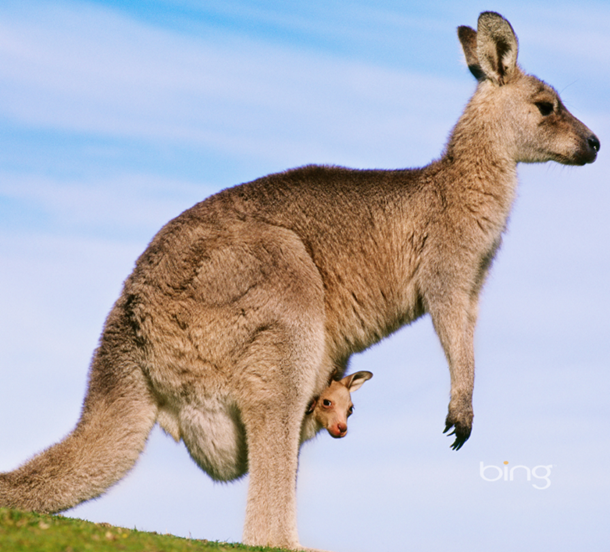
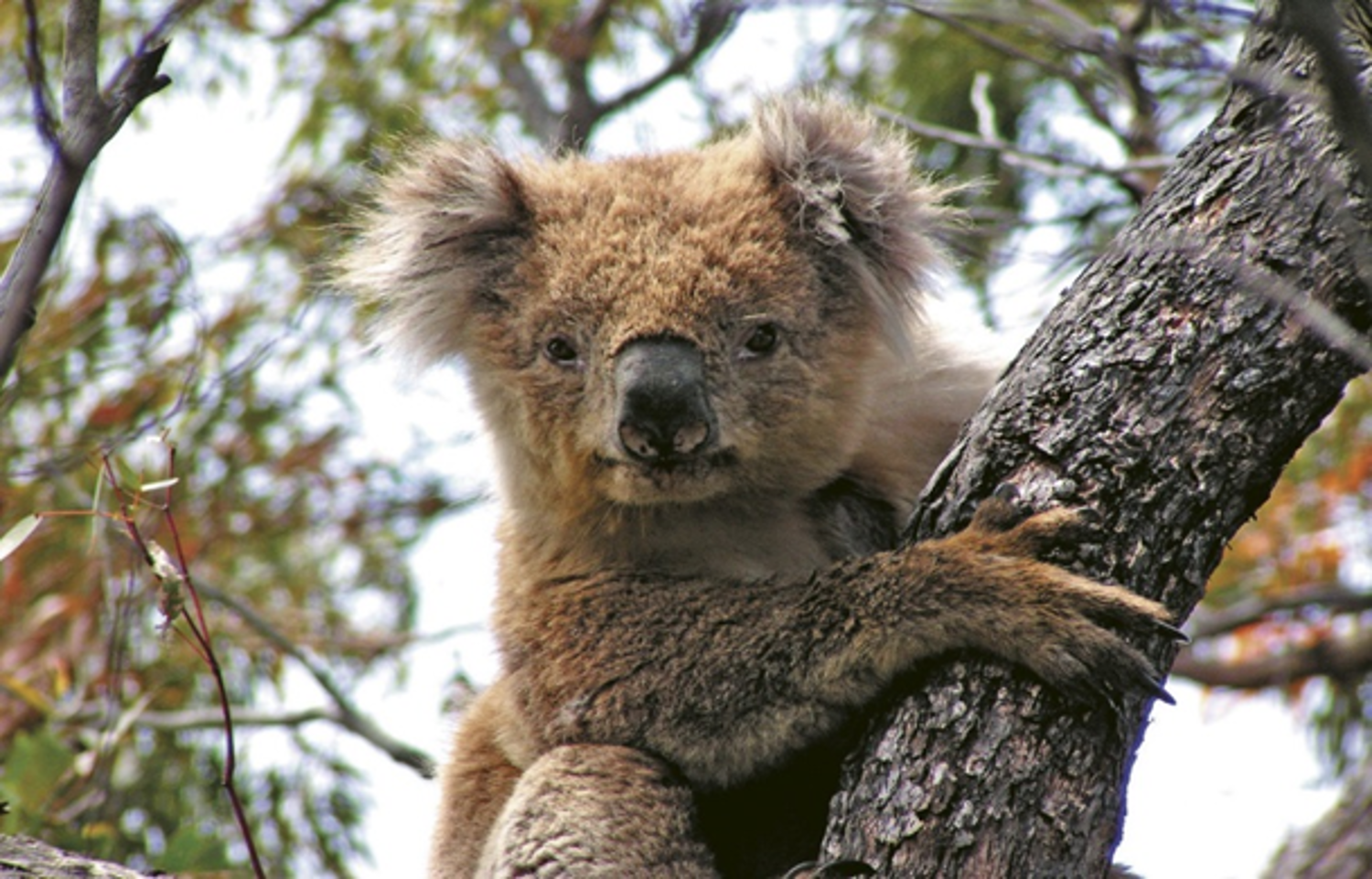
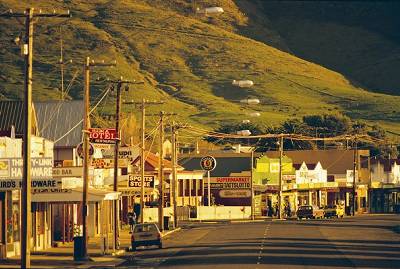
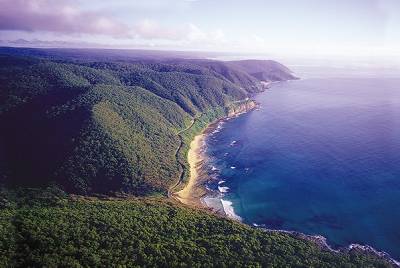
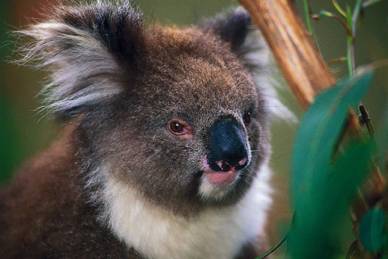
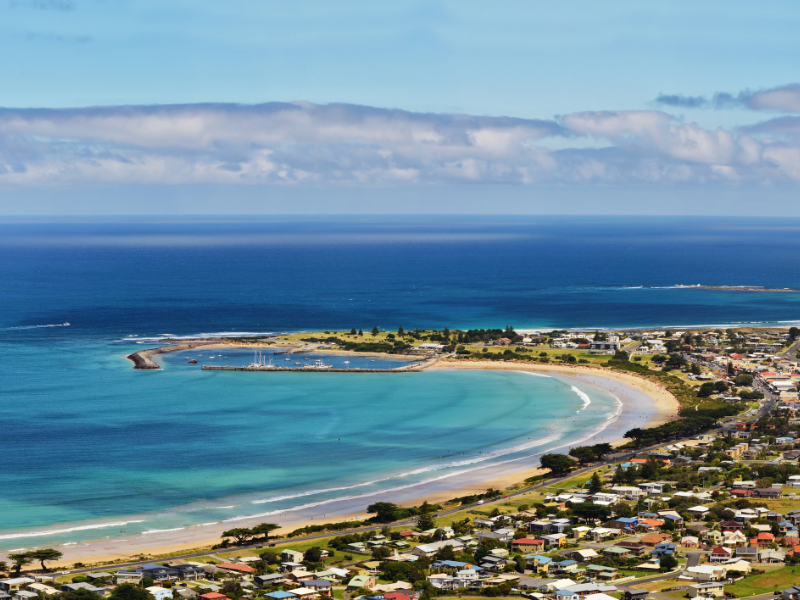
The road from Melbourne to Apollo Bay can be completed in about three hours. The first stop is Torquay, one of Australia's most famous surfing destinations. The city also marks the true beginning of the Great Ocean Road. Discover some of the surf culture by visiting the Australian National Surfing Museum before reaching Bells Beach, where the Rip Curl Pro, an important stop on the surfing world tour, takes place every year between late March and the first week of April. Make a stop in Anglesea as well, with a detour to see the golf course famous for kangaroos resting in the shade. The next 30 km offer stunning views along the coast, until you reach Lorne, where you can stop for lunch with a nice fish and chips on the beach. A must! Another 20 minutes of driving will take you to Kennett River and its most famous inhabitants: koalas. Bring bird feed with you, as there are many birds, and then follow the "koala walk" while being ready to take photos. The rest of the road to Apollo Bay follows the cliff tops and wild beaches, with beautiful views: stop often at various lookout points and on the beach to stretch your legs..
Auto
Giorno 2 — Apollo Bay → Mt Gambier
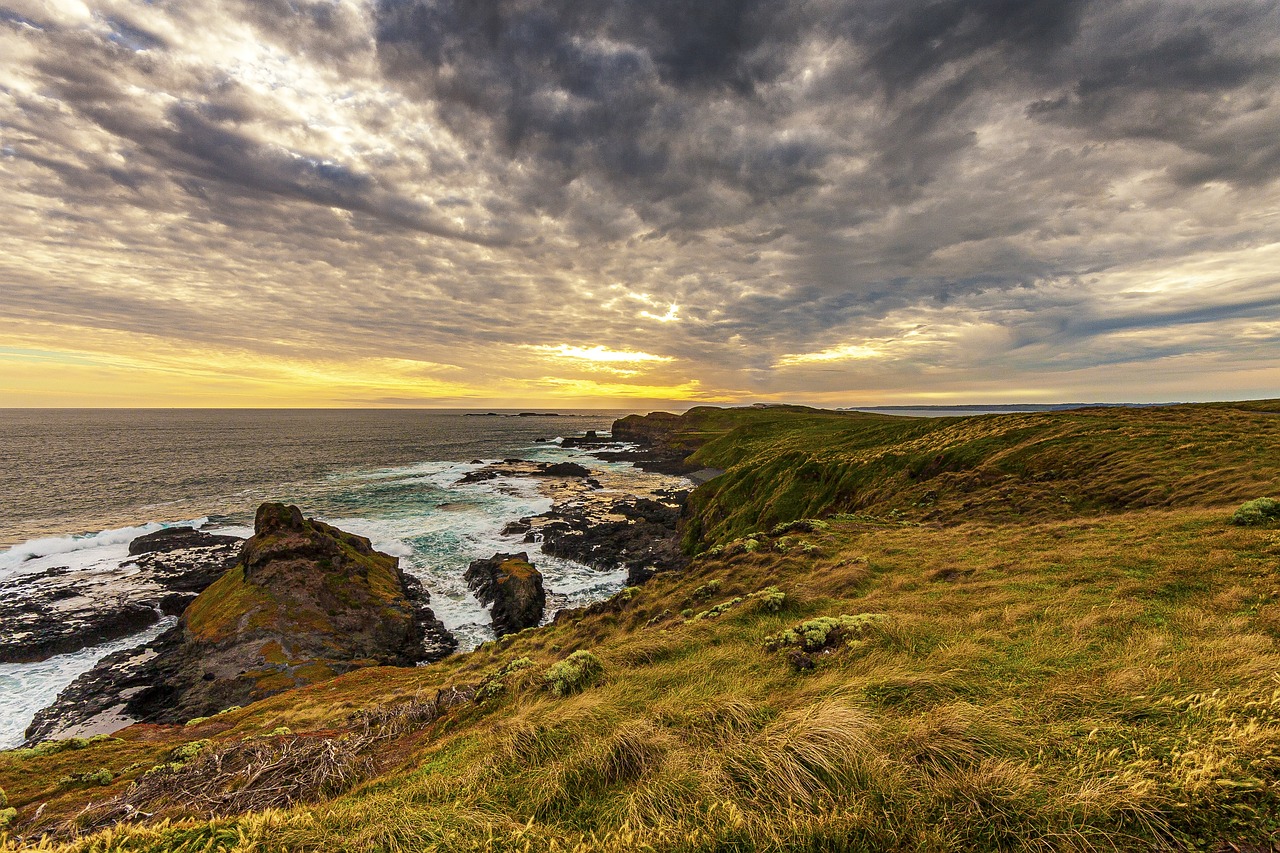
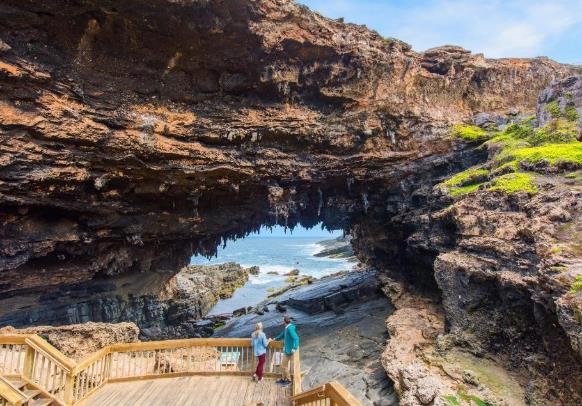
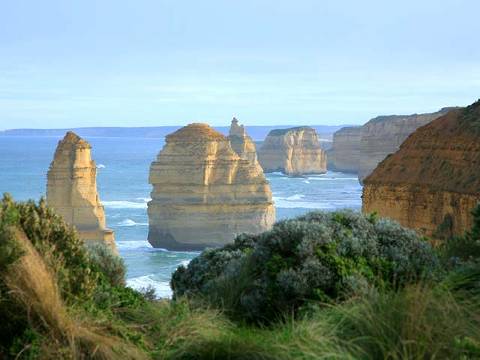
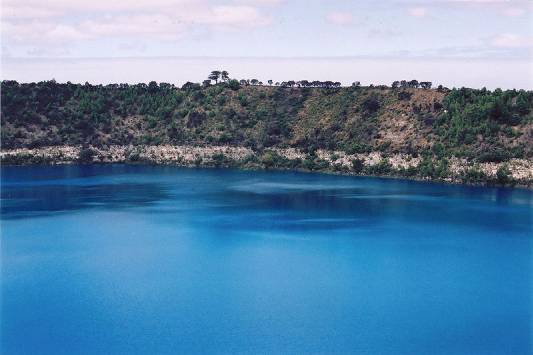
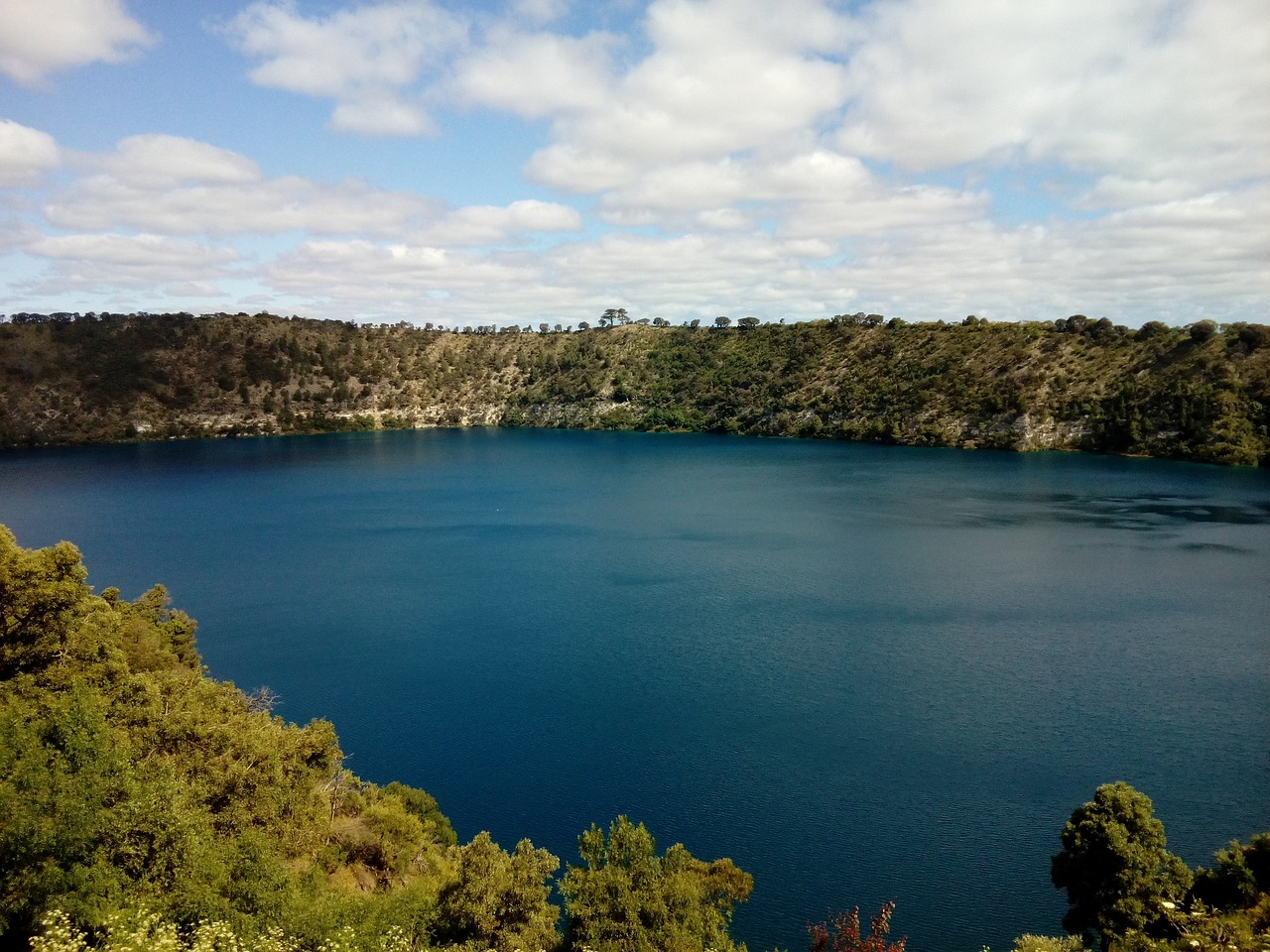
A day dedicated to discovering one of the most beautiful scenic roads in the world: the Great Ocean Road. It starts from the charming coastal town of Apollo Bay and continues along the Otway National Park, a lush tropical forest where you can walk surrounded by greenery, waterfalls, ancient trees, and magnificent giant palms. The next stop can be along the infamous "Shipwreck Coast", followed by the legendary "Twelve Apostles", once less nobly called "The Sow and Piglets". Descend into the cave where the only two survivors of the most dramatic shipwreck along the coast of Victoria, the Loch Ard, sought shelter towards the end of the 1800s. Continue on to the remains of the London Bridge and the Grotto. Proceed through the spectacular Port Campbell National Park, Port Fairy, and in the evening, arrive in Mt Gambier. (Approximately 350km / 5 hours),
Auto
Giorno 3 — Mt Gambier → Victor Harbor
Long day of travel. We suggest a stop in Kingston, a town famous for its lobsters: that's why a Giant Lobster has been placed in the fishermen's port. Then, you will drive along the Coorong National Park until you reach the beautiful Fleurieu Peninsula in the town of Victor Harbor. (Approximately 500KM/5 hours)., The stop in Victor Harbor is strategic in order to be able to take the first ferry in the morning to Kangaroo Island for those coming from the Great Ocean Road, or the last ferry in the evening from the island to enjoy a full day on Kangaroo Island and continue safely to the next stop the following day.,
Traghetto
Giorno 4 — Victor Harbor → Kangaroo Island
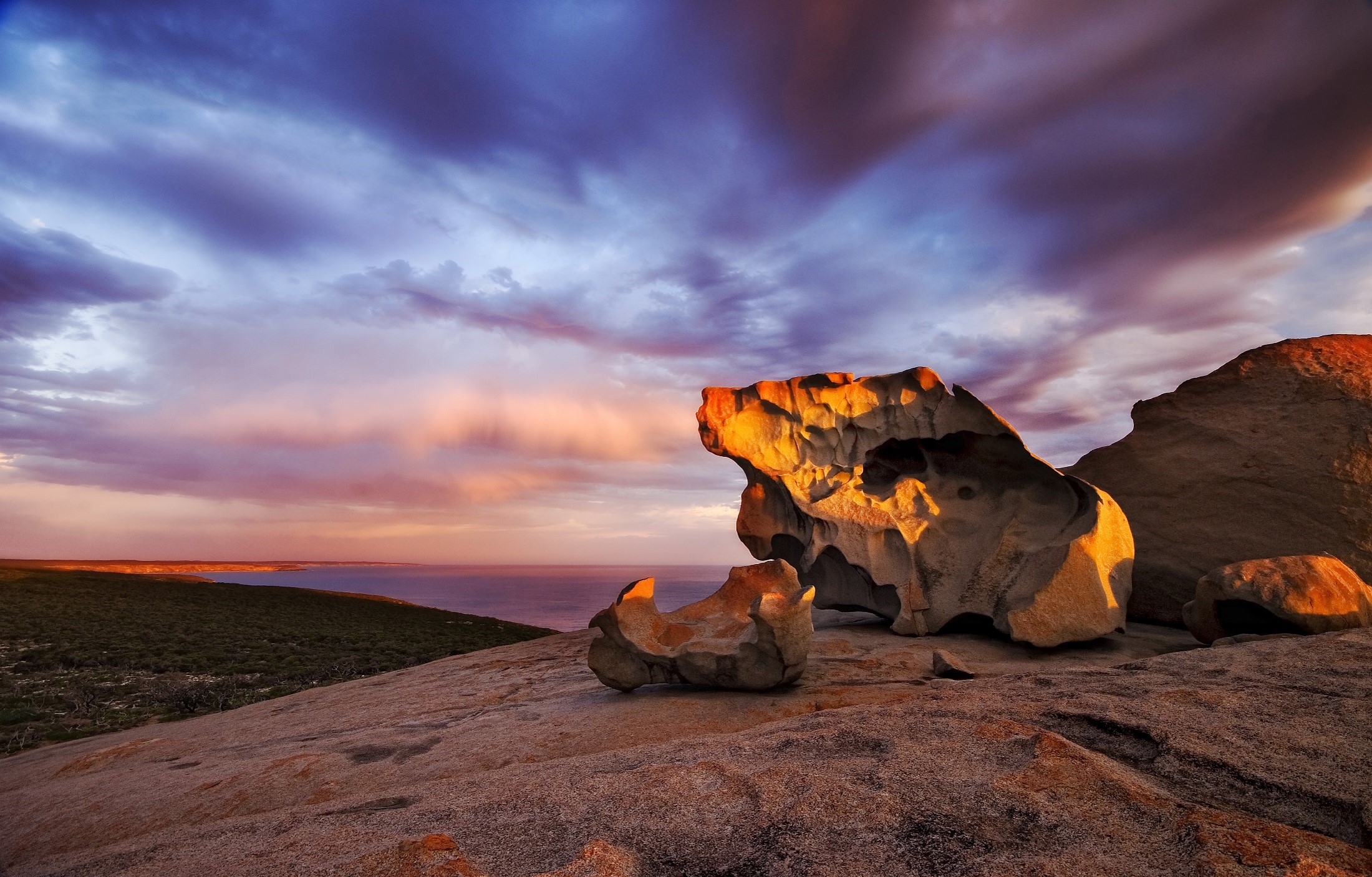
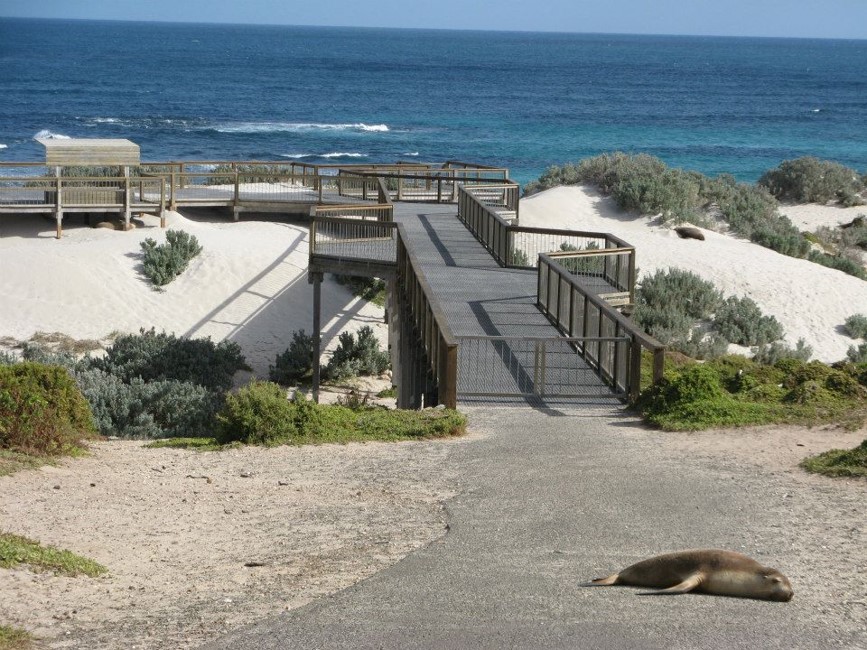
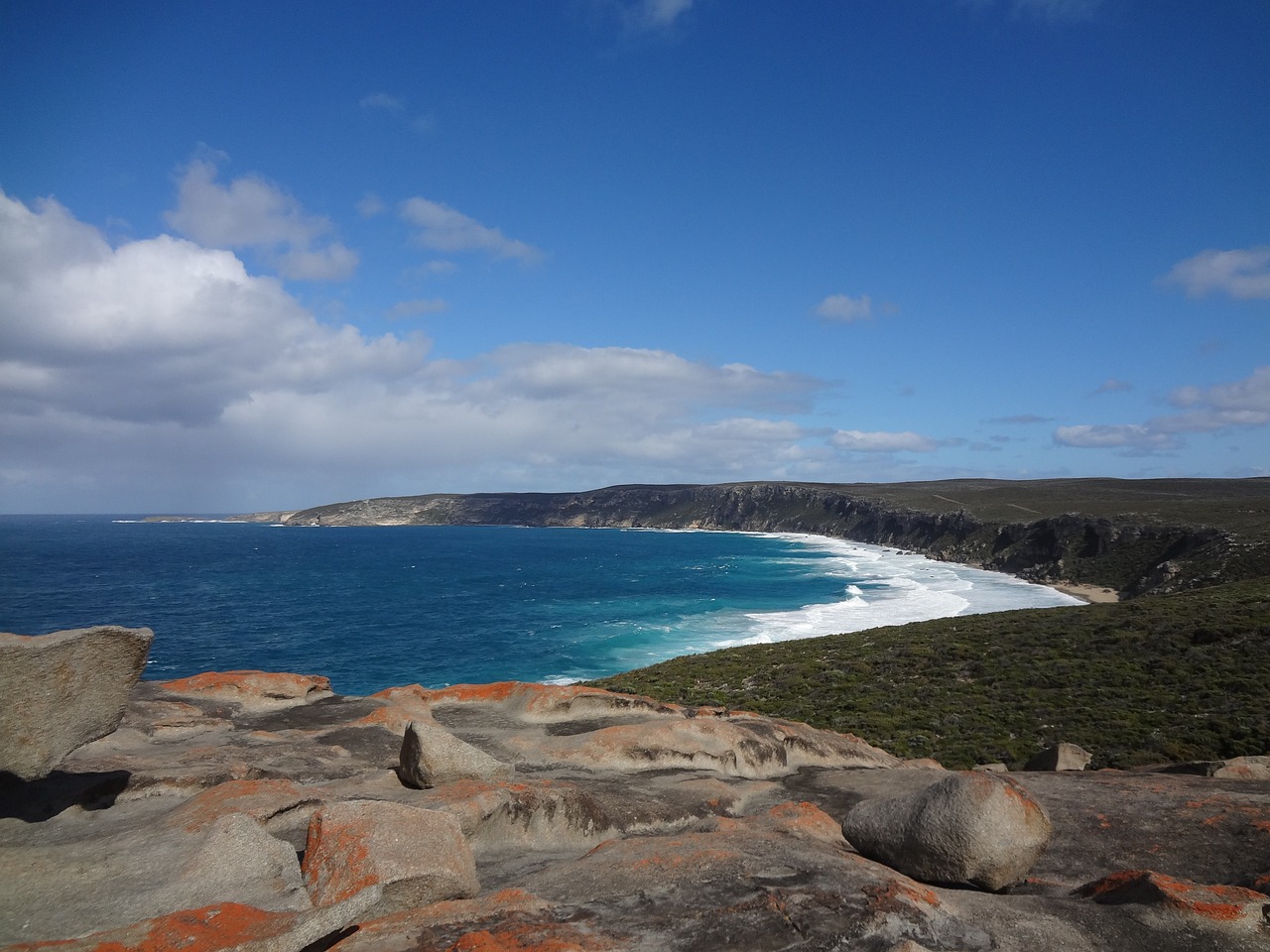
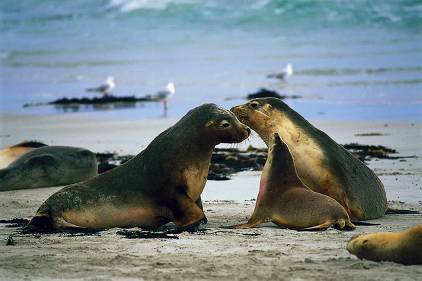
Short transfer to Cape Jervis to board the first ferry. Arrive at least one hour before boarding (Kangaroo Island is a remote area and driving in the dark is not allowed). Arrive at Kangaroo Island after approximately 50 minutes of crossing. (60KM approx / 1 HOUR + FERRY). The third Australian island after Tasmania and Melville Island has spectacular coasts and forests, and an impressive variety of animals: kangaroos, koalas, echidnas, platypuses, penguins, seals, sea lions, and sometimes even whales passing by. Despite being one of the main Australian tourist destinations, it is still remarkably wild.,
Giorno 5 — Kangaroo Island
Free day,
Giorno 6 — Kangaroo Island
If the ferry is booked for the afternoon, take some time to visit the rest of the island. Transfer to Penneshaw and depart on the ferry to Cape Jervis (last ferry at 7:30 pm, but be careful of the darkness. It is dangerous to drive a regular car at night). Continue along the Southern Expressway and arrive in Adelaide late in the evening (approximately 110 km).,
Starts from
5 days / 4 nights - from Apollo Bay to Kangaroo Island,
, Australia_20260515150139.png)
_20260515141514.png)
_20260515141514.png)
, Australia (2)_20260515150139.png)