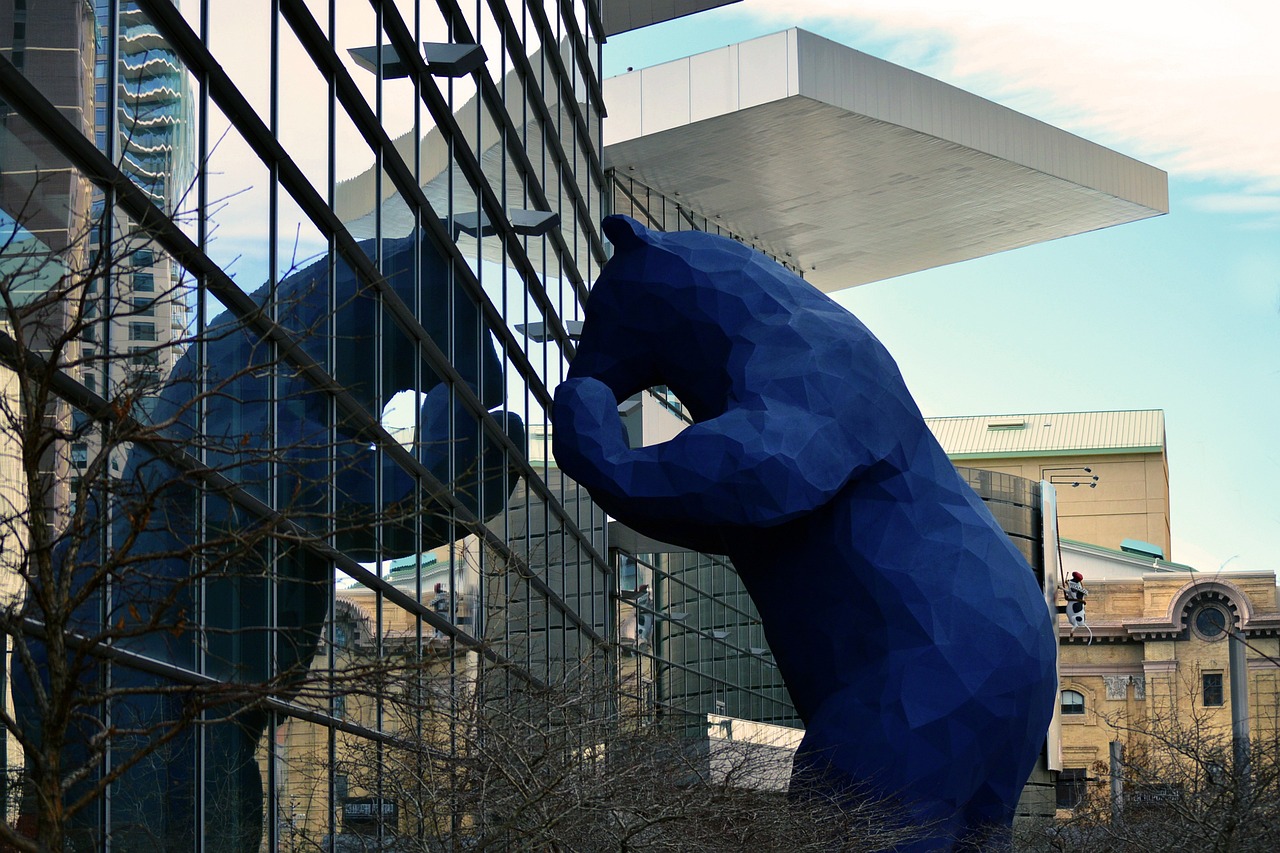
Founded in 1859 by gold seekers from Kansas and Georgia, Denver marks the boundary between the Great Plains and the Rocky Mountains that provide a splendid backdrop. A university town and the capital of American craft beer, it is called the 'Mile High City' because it is located exactly one mile (about 1600 meters) high, as noted on the 13th step of its Capitol building. Modern and youthful, it has trendy neighborhoods for all tastes and is pleasant to explore on foot, featuring diverse architectures ranging from Victorian to postmodern, along with art, history, culture, shopping, and a vibrant nightlife.
Car
Day 3 — Steamboat Springs → Rock Springs
Rock Springs is a transit town in the middle of the desert, which developed in the late 1800s with the coal mining boom of the Union Pacific and a large number of immigrants looking for work. An interesting fact: the outlaw "Butch" Cassidy worked here as a butcher when he was young, hence the nickname Butch.
Car
Day 4 — Rock Springs → Jackson Hole
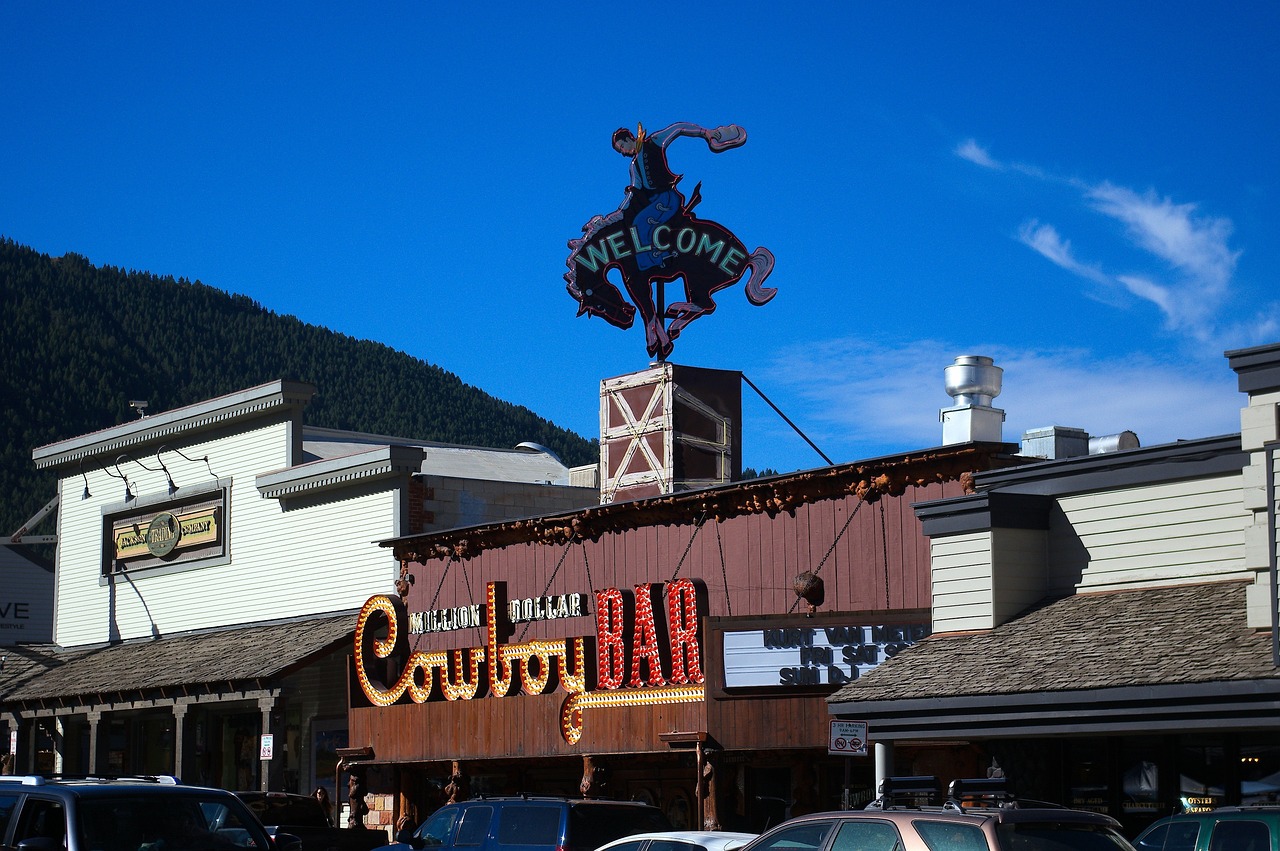
Jackson is the typical base-camp for visiting Yellowstone and Grand Teton. This lovely, Old Western town has turned into a popular winter and summer resort for hipster youth; it offers several sushi bars and fashionable clubs.
Car
Day 5 — Jackson Hole → Yellowstone National Park
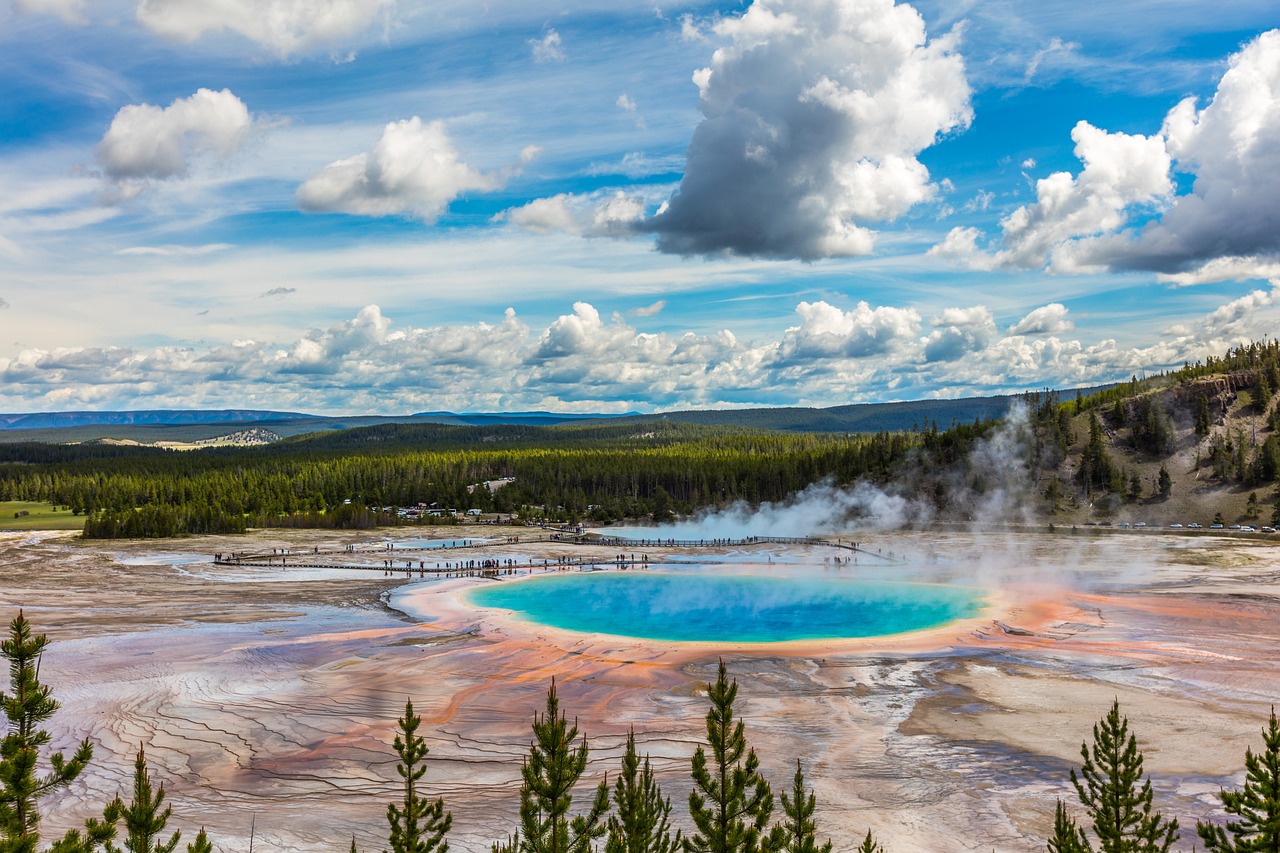
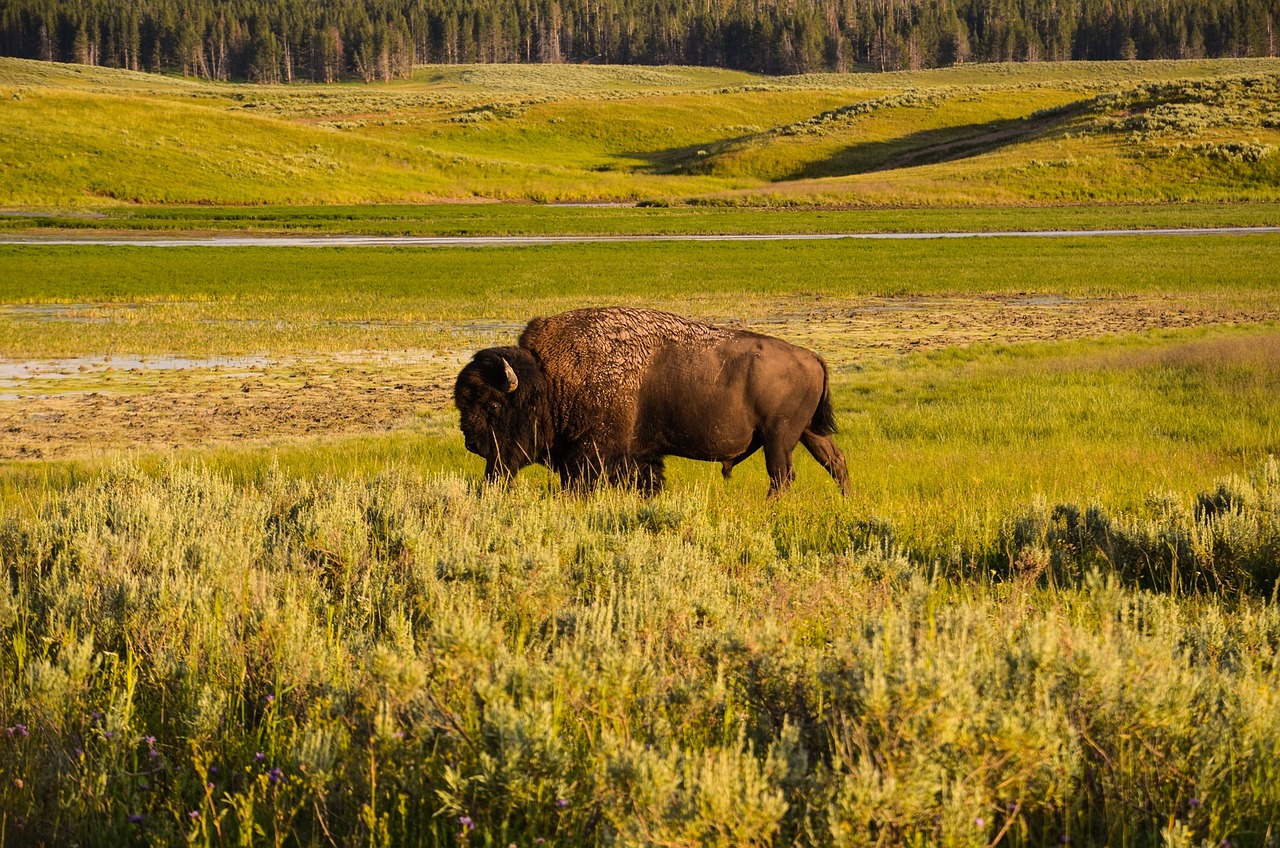
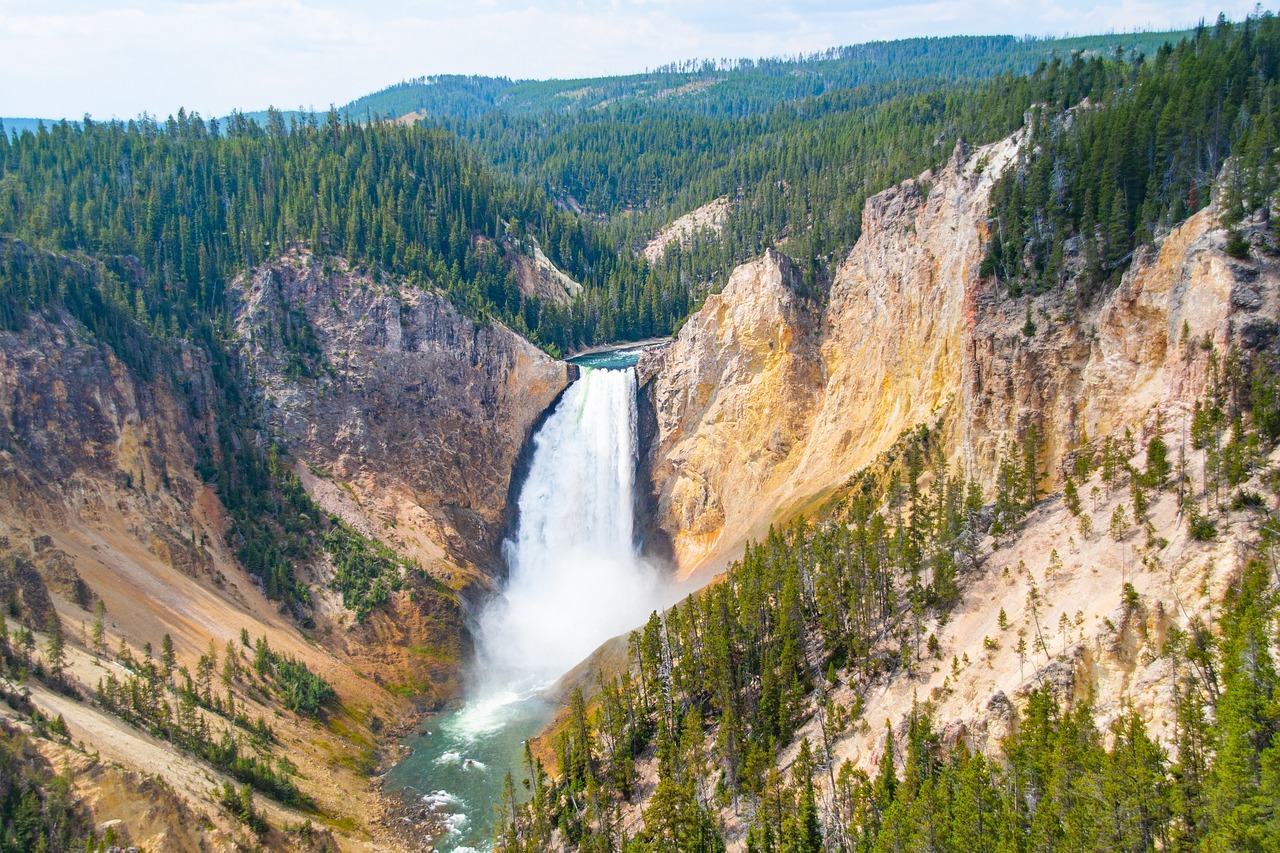
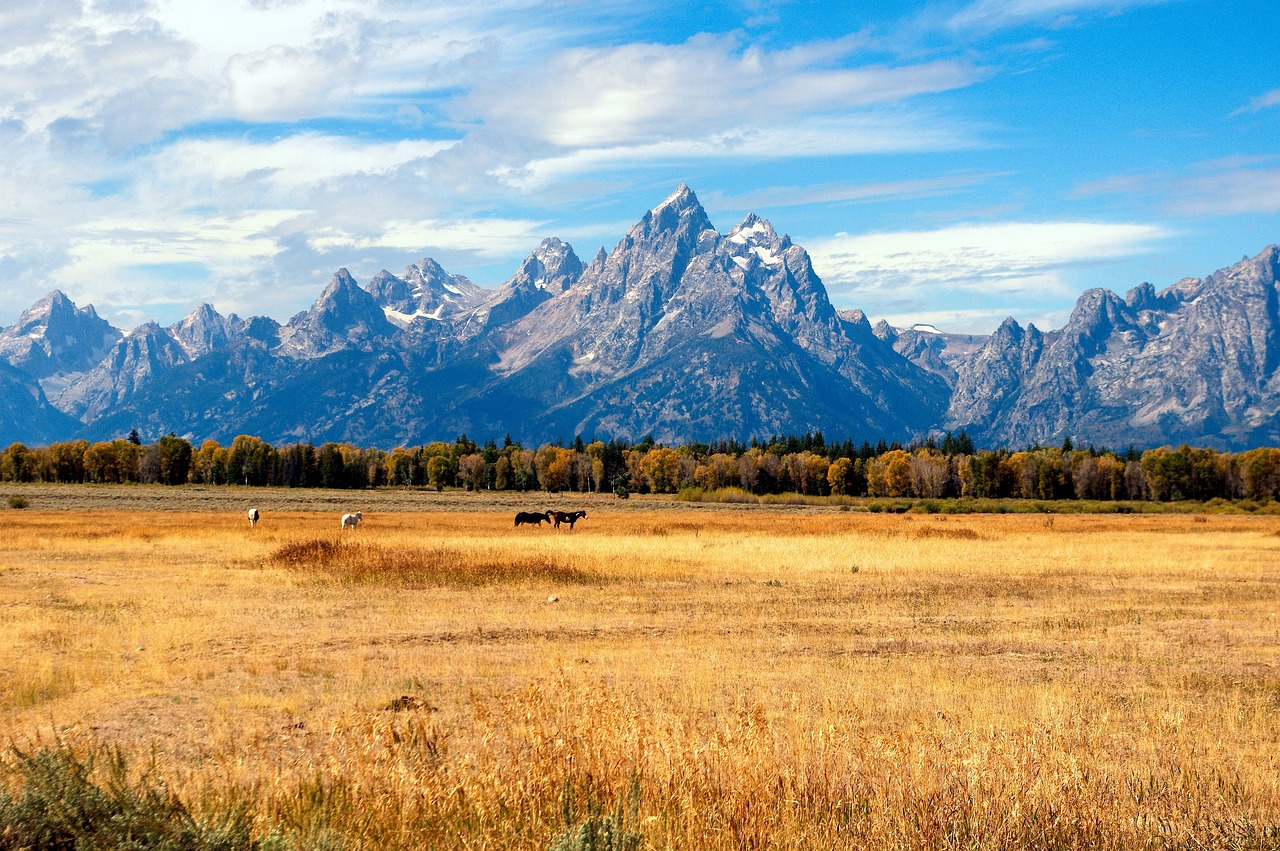
The landscape between Jackson Hole and Yellowstone is marked by the magnificent Teton mountains, rising sheer from the flat, large prairie, amidst lakes, waterfalls and forests where moose and bison roam free. The tallest peak of the range is Grand Teton, with a height of more than 4,000 m. Yellowstone is one of the largest parks in the USA, and the oldest national park in the world (it was opened in 1872). What truly makes it unique, though, is its enormous central area, which is in fact the huge caldera of a dormant volcano (the last eruption dates back to 640,000 years ago). Thousands of geysers outburst in the caldera, and several other geothermal features can be seen there – hot springs, mudpots, acid lakes. The area is also home to many animal species, including bears, wolves, bison, moose, deer, cougars and coyotes.
Car
Day 7 — Yellowstone National Park → Salt Lake City
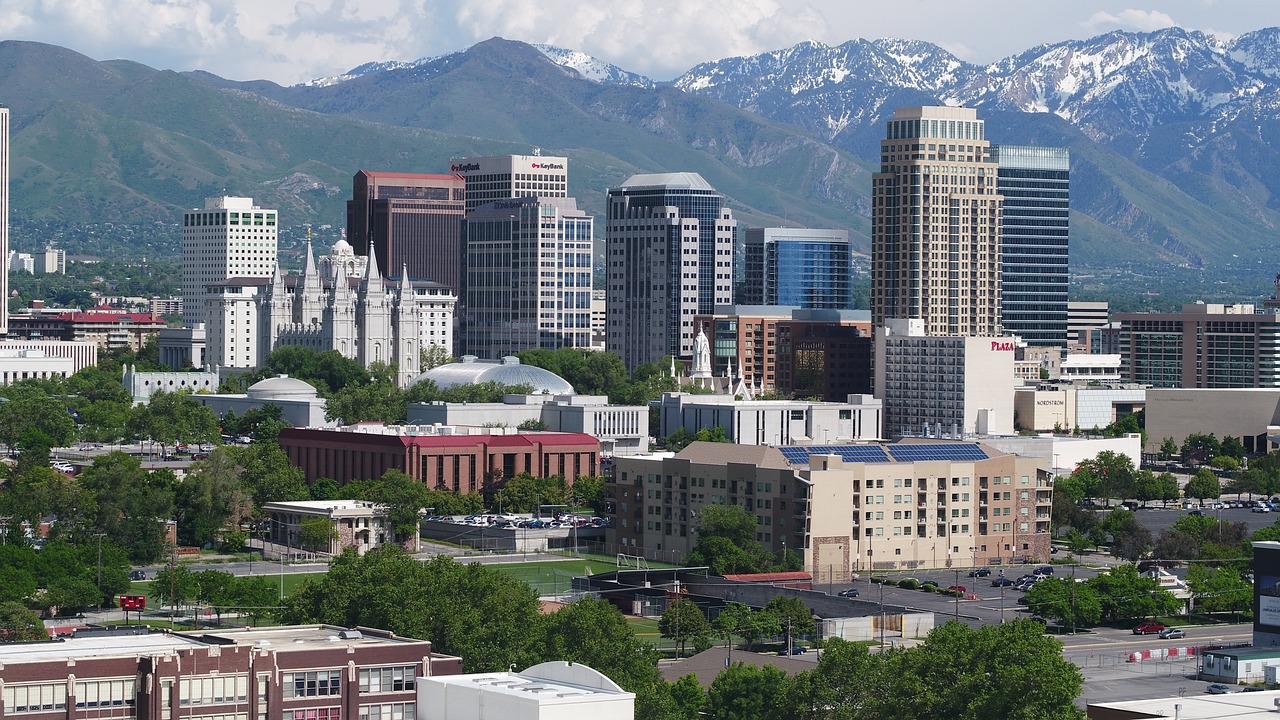
Salt Lake City is the vibrant, urban heart of Utah. Nestled within a valley, at an elevation of 1320 m above sea level, the capital city of Utah is surrounded by the peaks of the Wasatch Mountains. Founded by Mormons in 1847, It hosted the 2002 Olympic Winter Games. Start your visit in the historic and spiritual heart of Salt Lake City, Temple Square. Nearby you’ll find a variety of eateries and bars, and you can shop at City Creek Center, which boasts more than 100 stores and restaurants. You should not miss the Campus district.
A quick trip on TRAX, SLC’s light rail system, takes you from city center to the University of Utah campus district, home to Red Butte Garden and Arboretum and the Natural History Museum of Utah.
Car
Day 8 — Salt Lake City → Bryce Canyon National Park
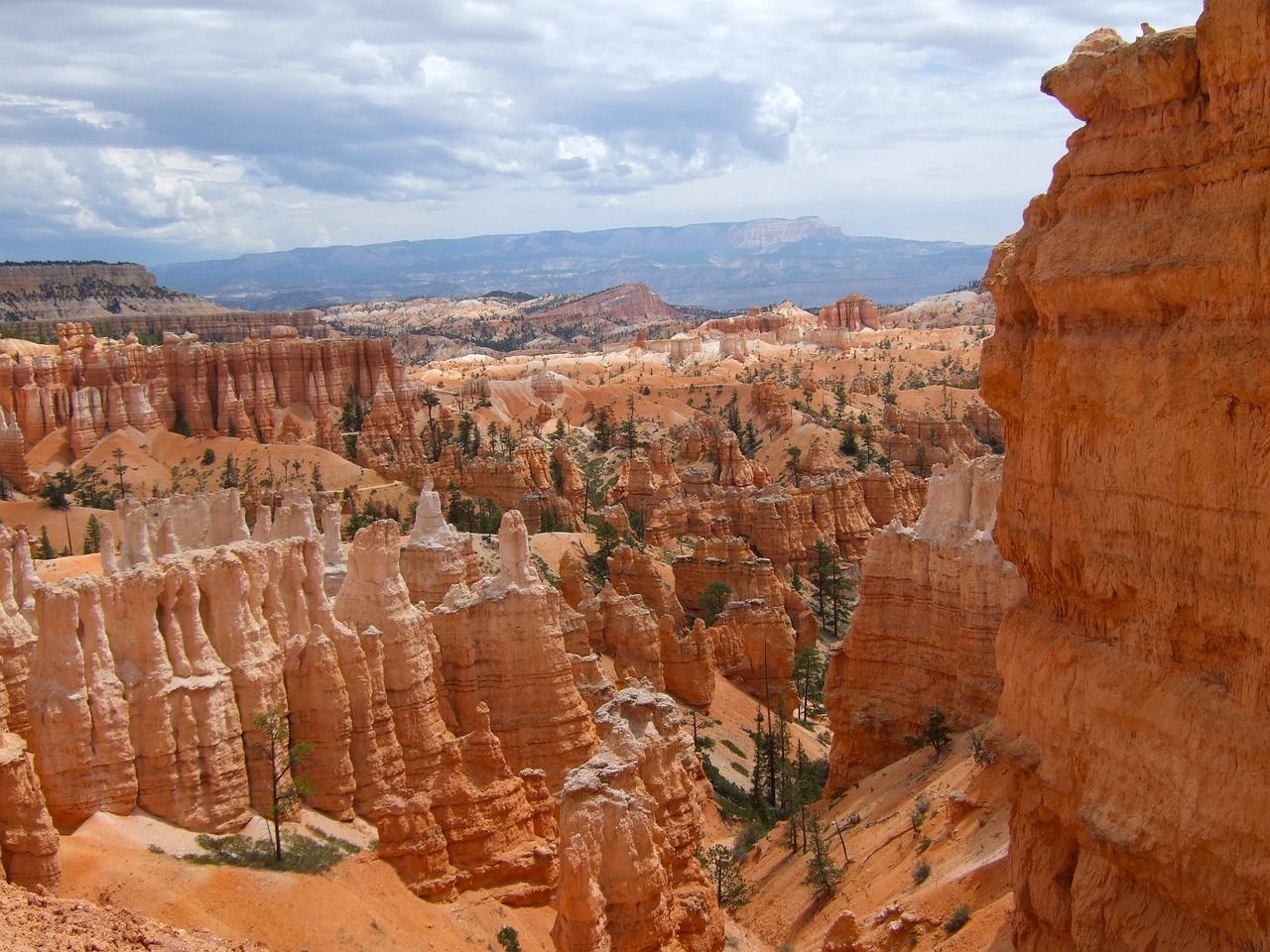
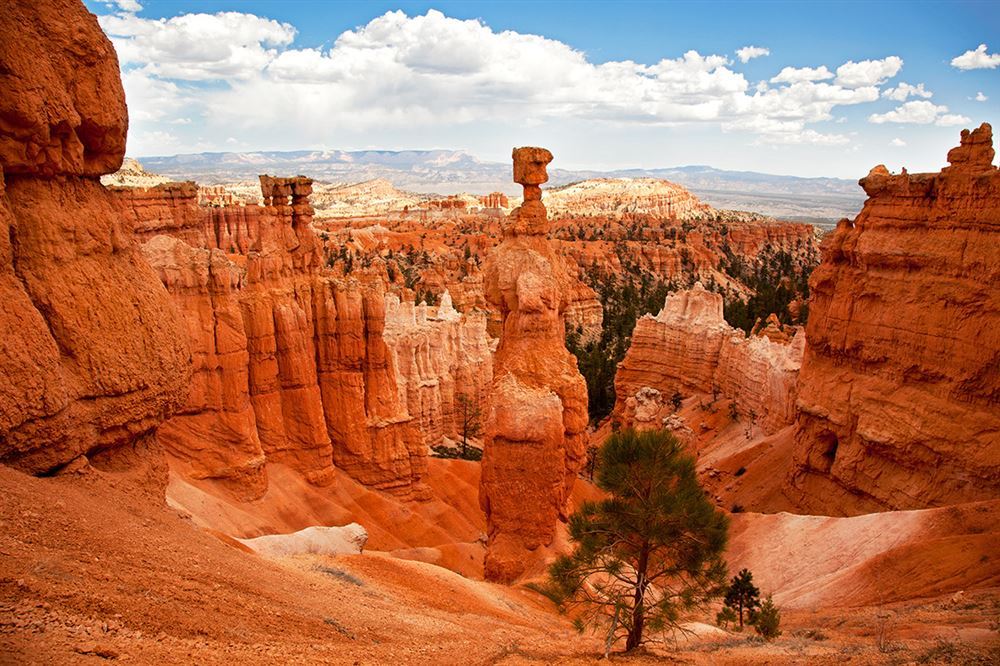
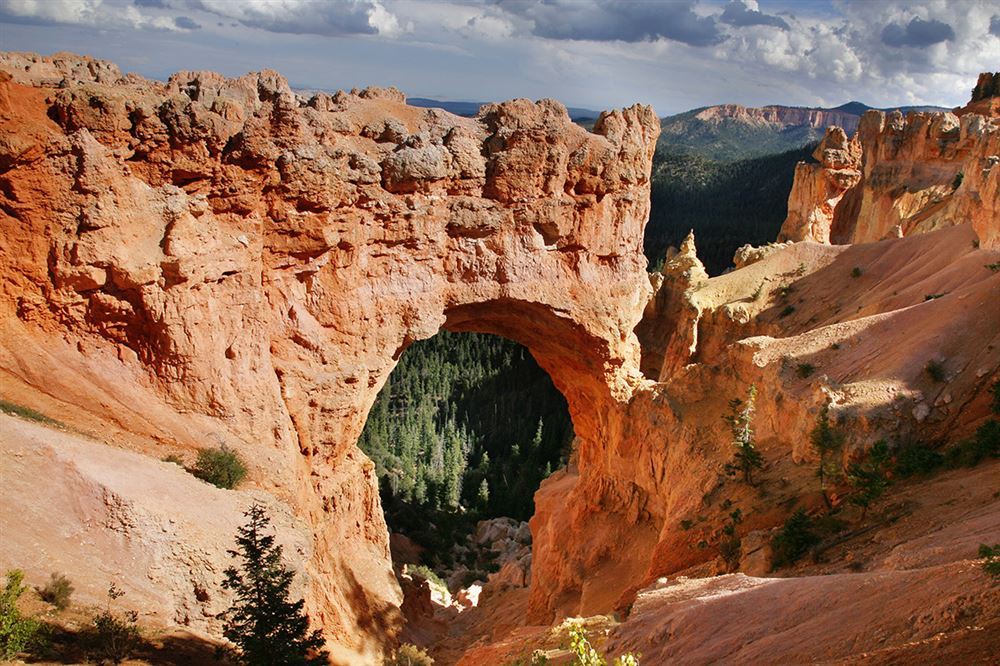
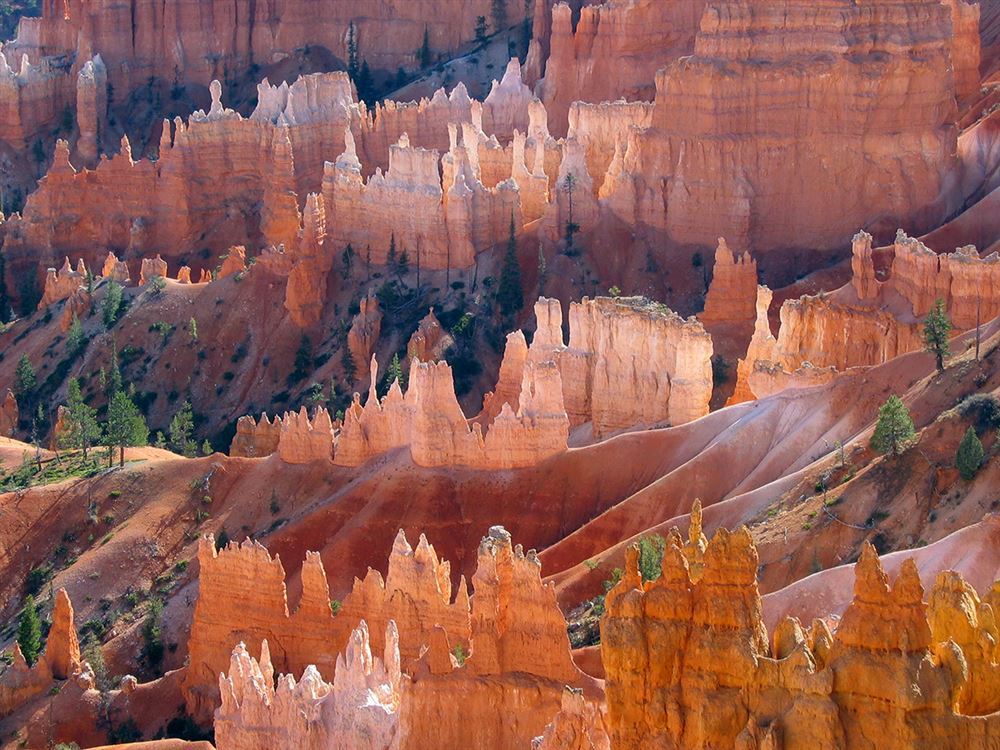
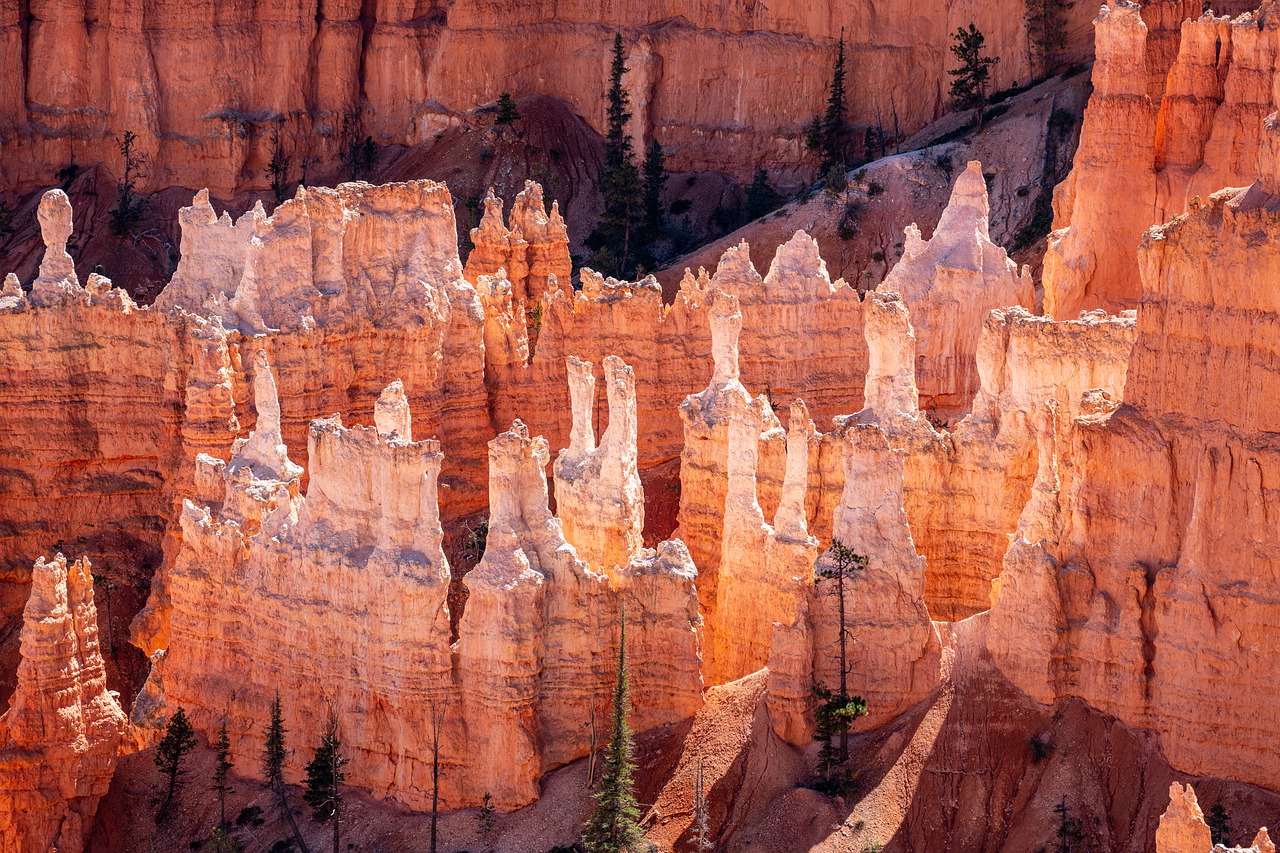
Bryce Canyon is, in fact, not a canyon: it’s a breathtaking natural amphitheatre full of spires and arches and pinnacles, jutting out in dazzling colours against the sky, moulded by the rain and frost in bizarre shapes to create a unique mountainscape.
Car
Day 9 — Bryce Canyon National Park → Page (Lake Powell)
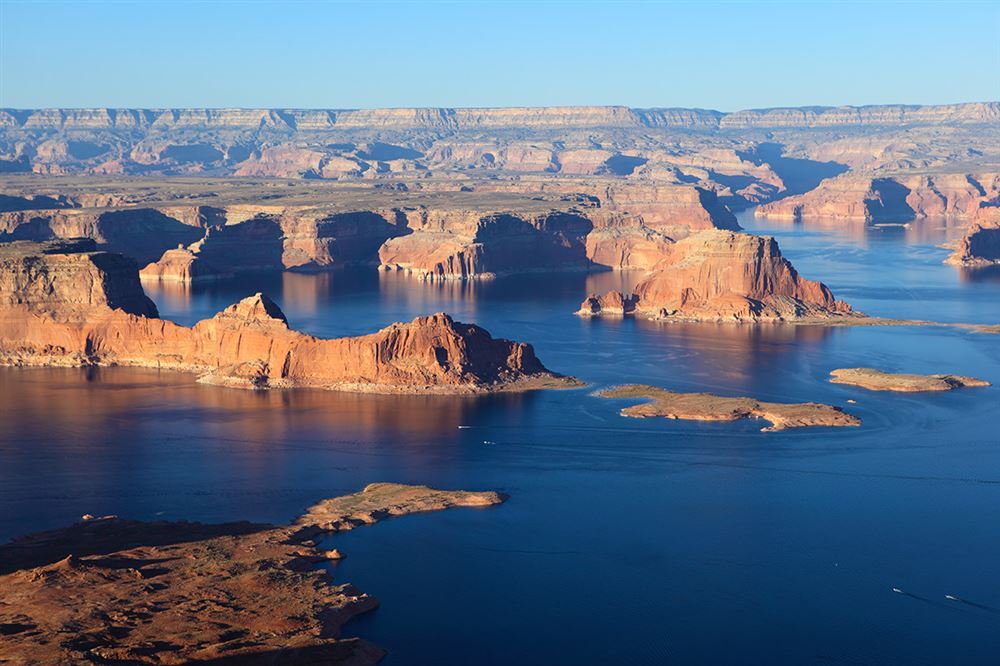
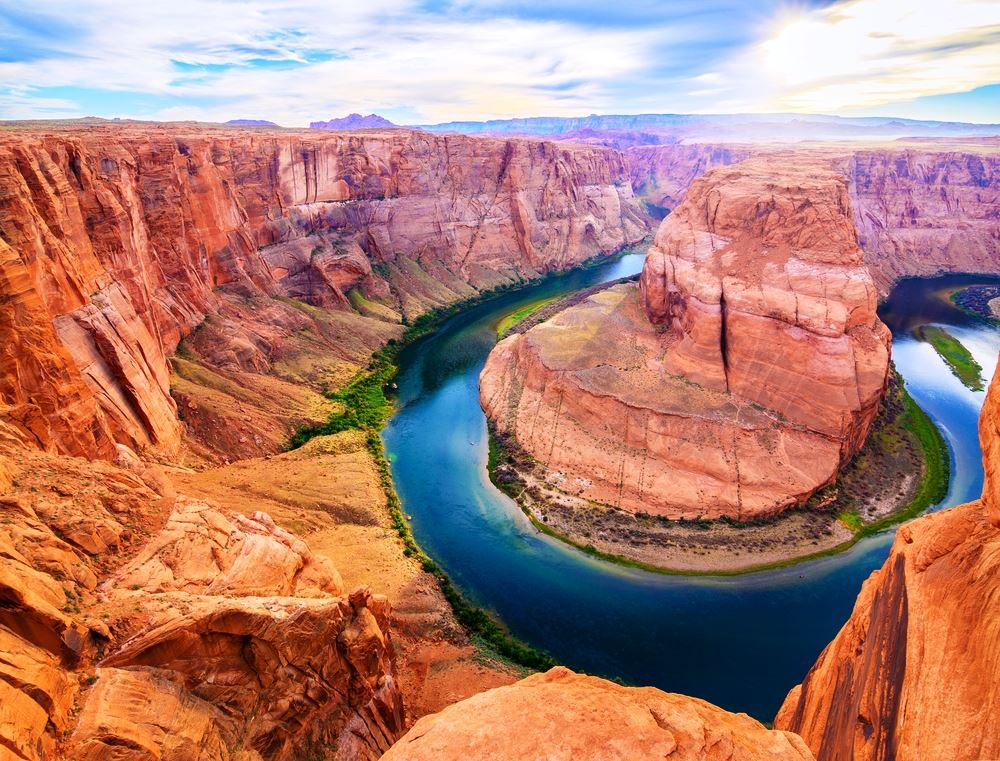
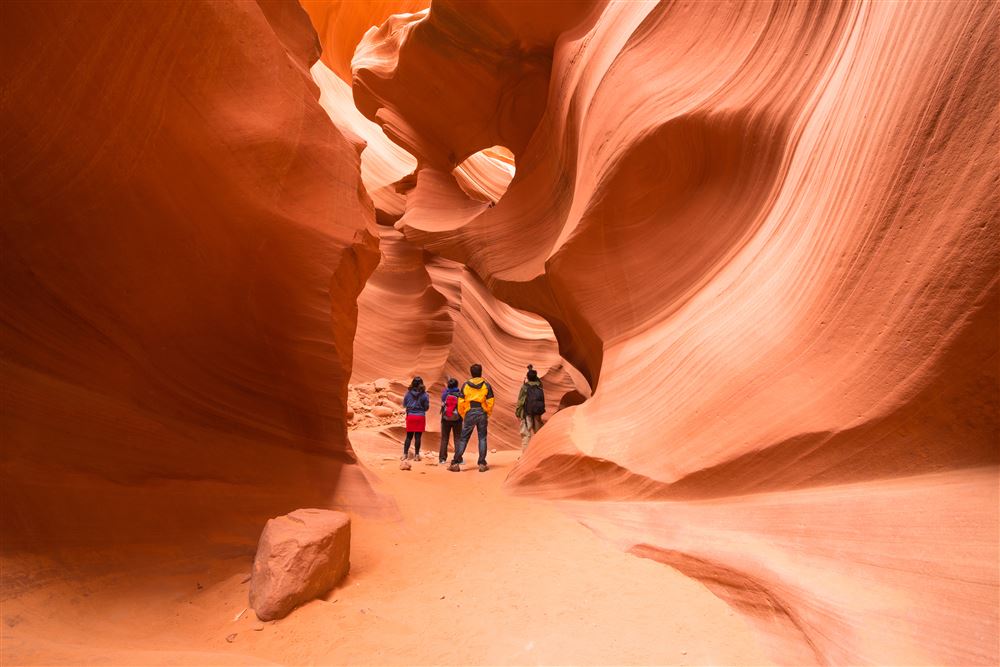
Your destination today is Page / Lake Powell. Must-stops along the way are: Red Canyon to take some pictures; Orderville Mine Rock Shop, right off US-89 in Orderville, with a great selection of indigenous minerals, stones and gems; Mount Carmel Junction for a slice of Ho-made pie at Thunderbird Restaurant, try the strawberry rhubarb. But you will find a wider choice and small-town friendly service in Kanab. Kanab was nicknamed “Little Hollywood” thanks to all the Western movies made here in the 50’s. From Kanab you can follow the quicker US-89, or you can take the 89A that goes through the stunning Vermilion Cliffs National Monument, the alla merican village of Fredonia and the Marble Canyon bridge on the Colorado river on. If you choose route 89, you cross the Utah/Arizona border and the Colorado River by the Glen Canyon Dam Bridge. The Dam forms Lake Powell, one of the largest man-made reservoirs in the U.S, and without doubt the most scenic, stretching 186 miles across the red rock desert from Page, Arizona to Hite, Utah. Lake Powell was formed when the Glen Canyon Dam was erected on the Colorado river. The reservoir, surrounded by an immense desert, makes for a striking landscape – its turquoise water clashing with soaring cliffs made of red sandstone.
Car
Day 11 — Cortez → Durango
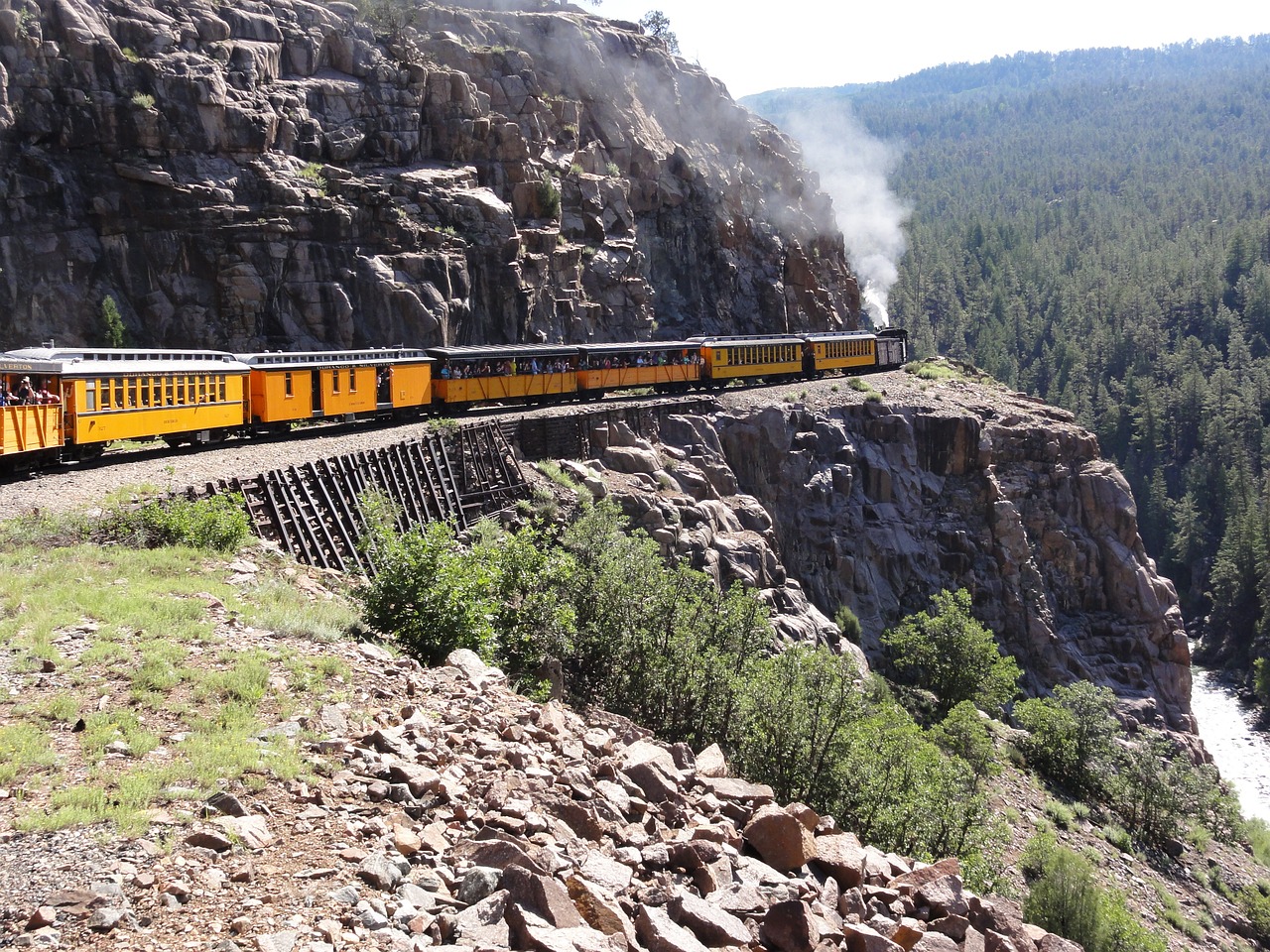
Originally a mining town, Durango has a twofold soul: its historic district, stuck in a western past with its saloons and Victorian architecture, blends in with its contemporary soul, peaceful tree-lined avenues leading to nice organic restaurants and farm-to-table shops and markets.
Car
Day 12 — Durango → Taos
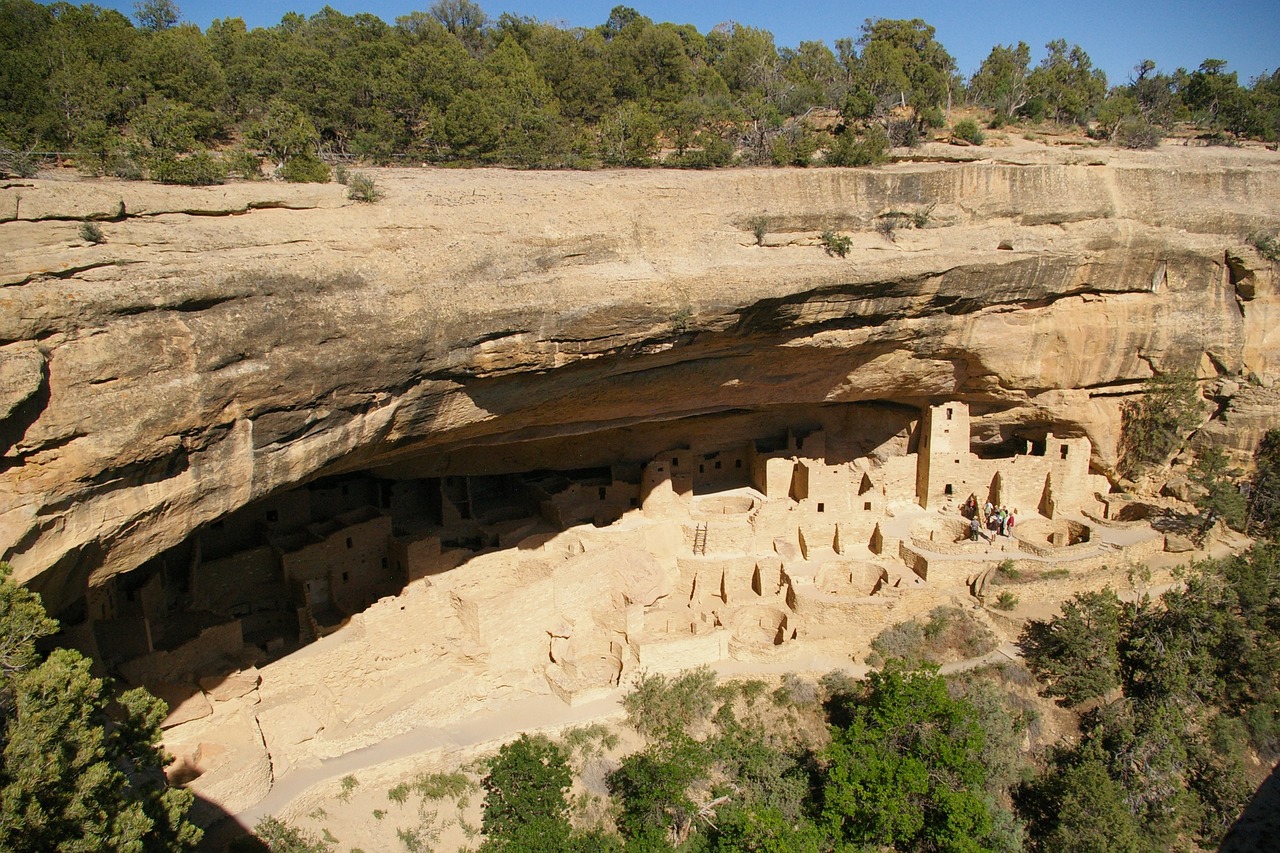
The village, protected by UNESCO, represents one of the oldest continuously inhabited communities in the United States. Visit to discover the typical pueblo lifestyle, which has remained unchanged for over 10 centuries.
Car
Day 14 — Santa Fe → Colorado Springs
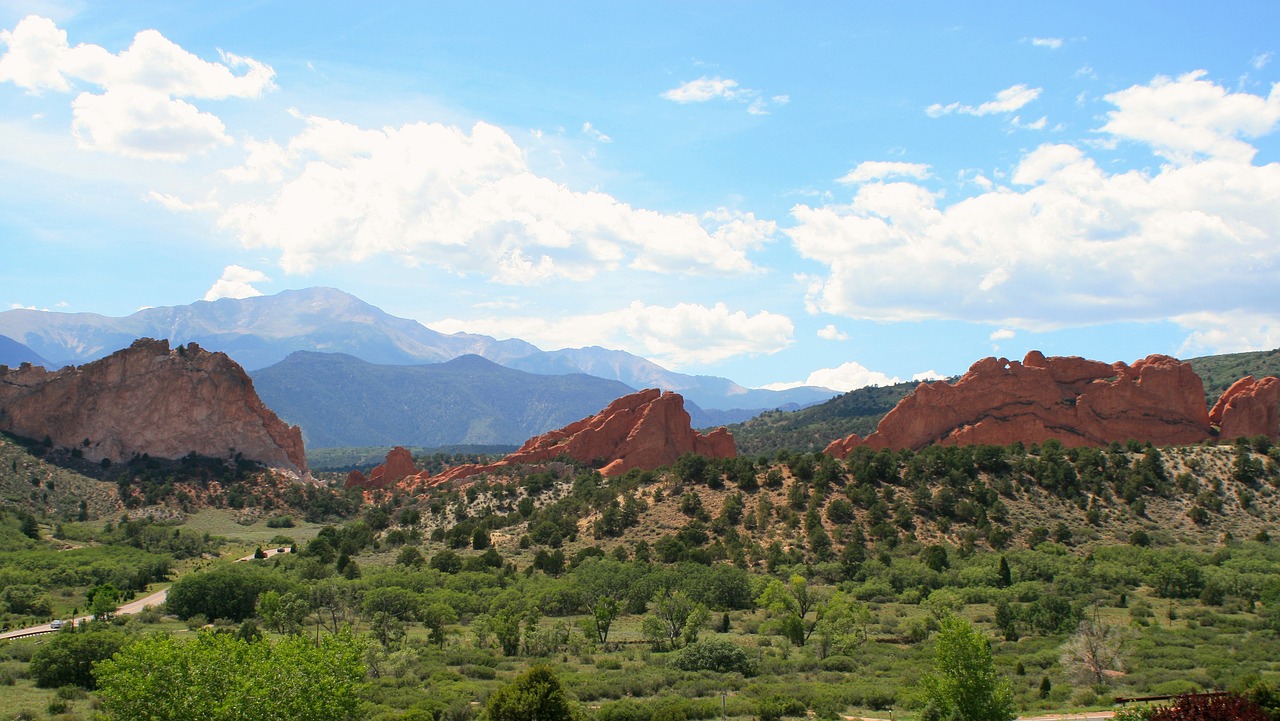
Colorado Springs, a mountain town, has always been known for its countless outdoor activities that it offers to visitors. A short distance away, at the Garden of the Gods Park, you can admire extraordinary sandstone formations set against the breathtaking backdrop of Pikes Peak, which you can climb via a hiking trail or comfortably aboard the Pikes Peak Cog Railway. Another must-see stop is Seven Falls, a series of waterfalls over 55 meters high cascading down a deep canyon.
Great American West, the classic parks and New Mexico — NAAR