Los Angeles›Santa Barbara›Big Sur›Monterey›Napa Valley›Sonoma+2 Altro
Riepilogo del tour
Durata11 Giorni / 10 notti
ItinerarioLos Angeles → San Francisco
Tappe8 Destinazioni
Itinerario del Tour
Caricamento mappa...
California - Beaches, Nature and Wine — NAAR
Itinerary
Giorno 1 — Los Angeles
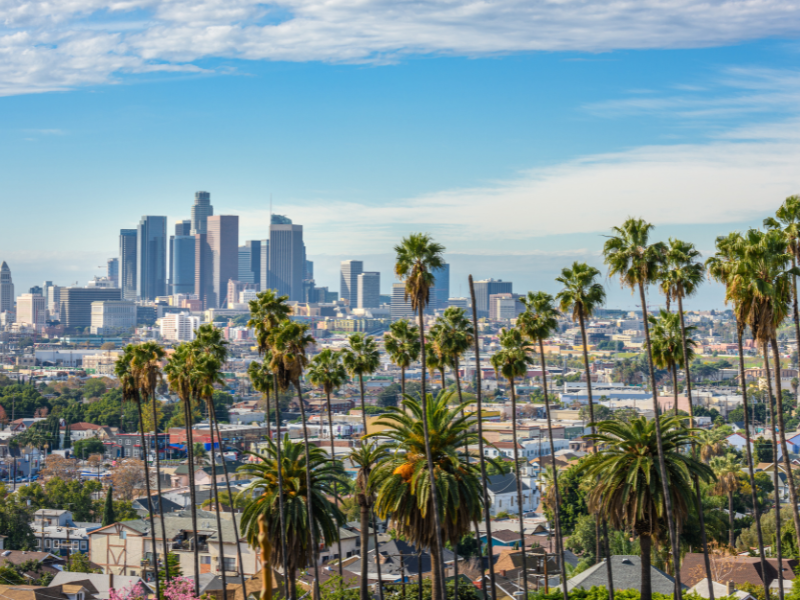
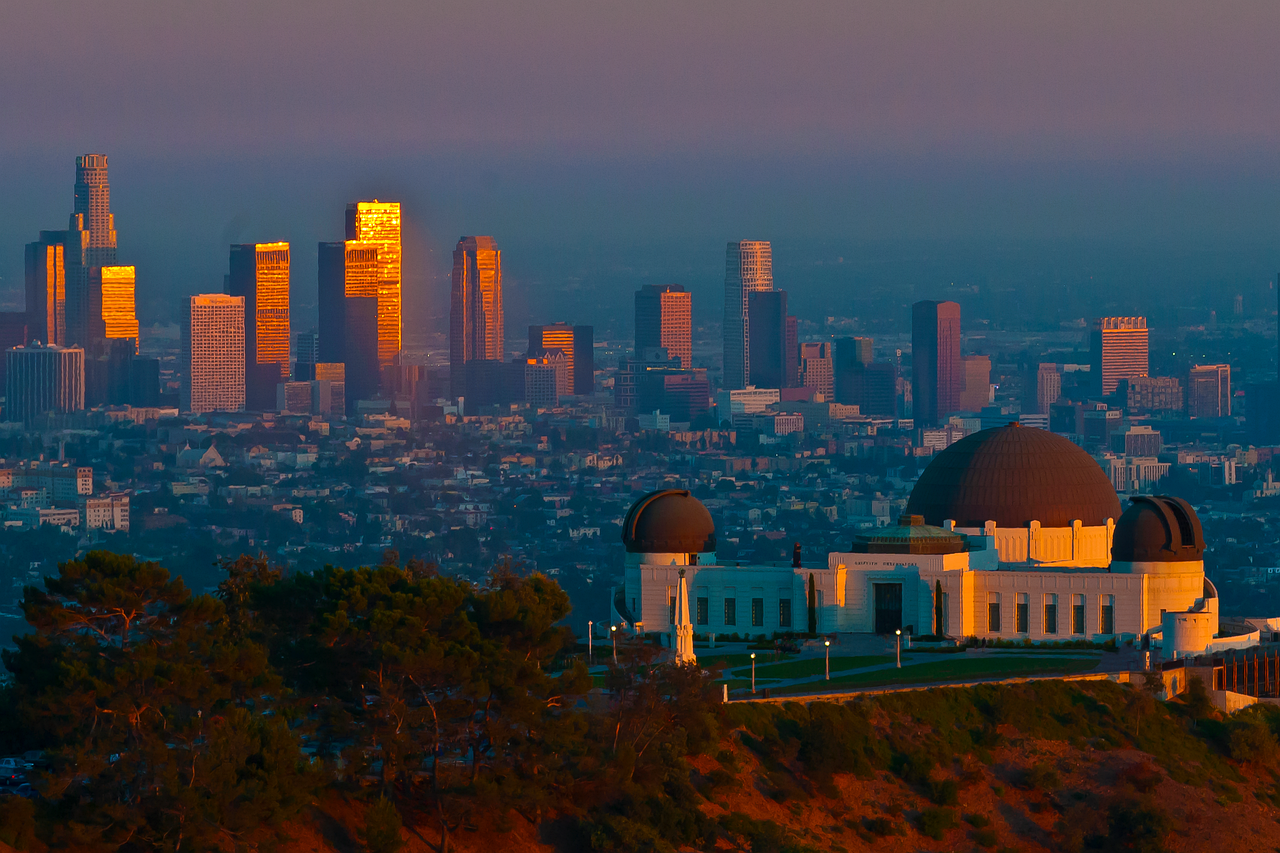
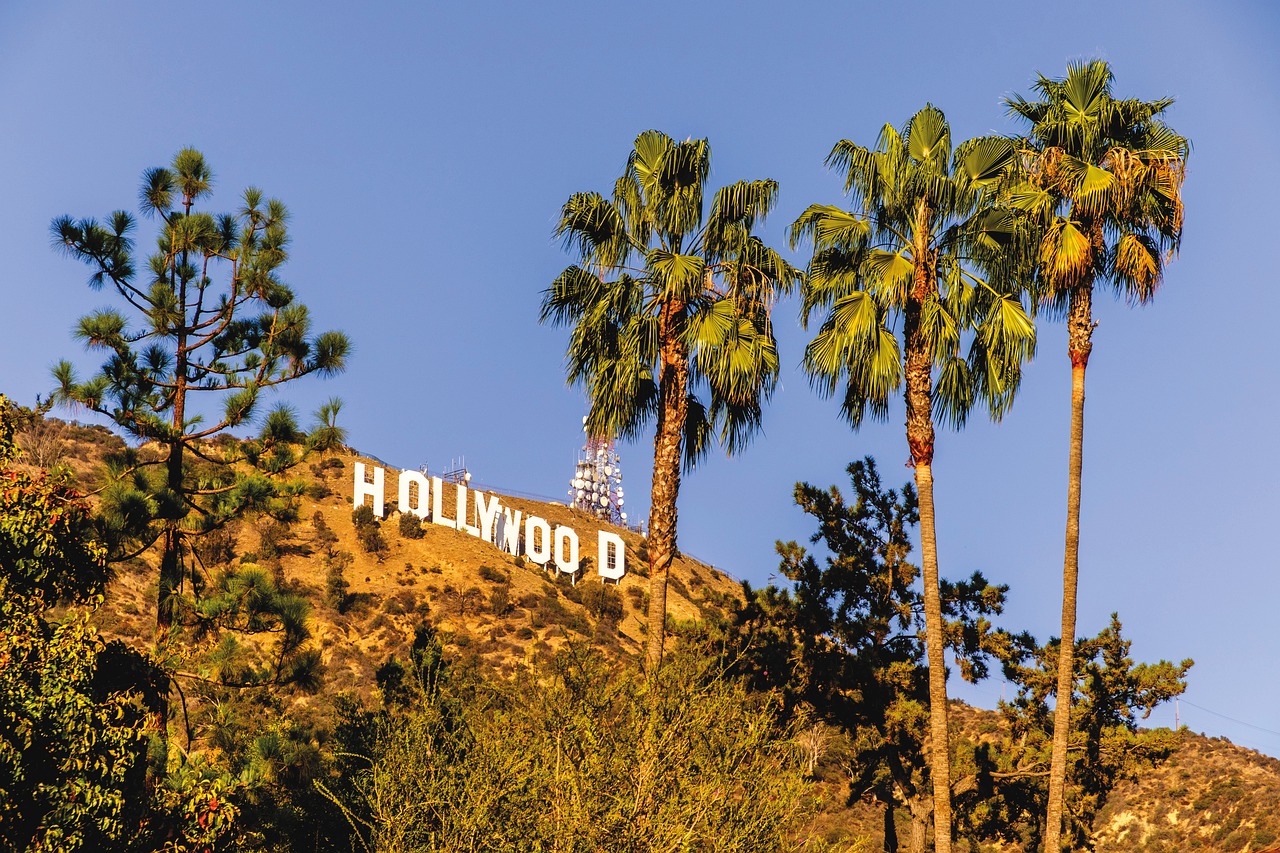
Los Angeles, home to Hollywood, Disneyland, and Universal Studios, is the epitome of carefree living for visitors: year-round sunshine, palm trees swaying in the wind, movie stars with luxurious residences in the hills of Beverly Hills, stunning museums, avant-garde architecture, and surf beaches.
Auto
Giorno 4 — Los Angeles → Santa Barbara
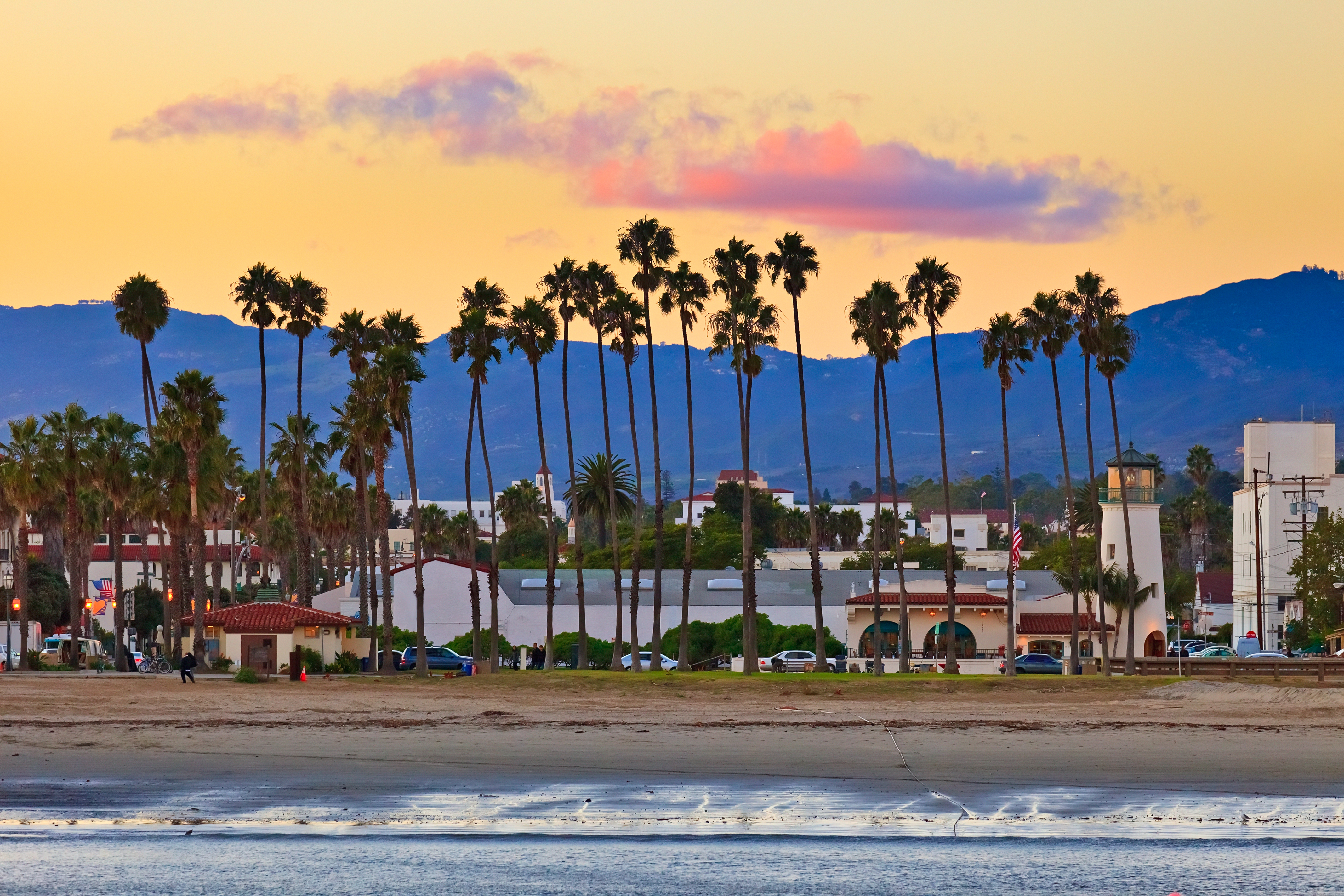
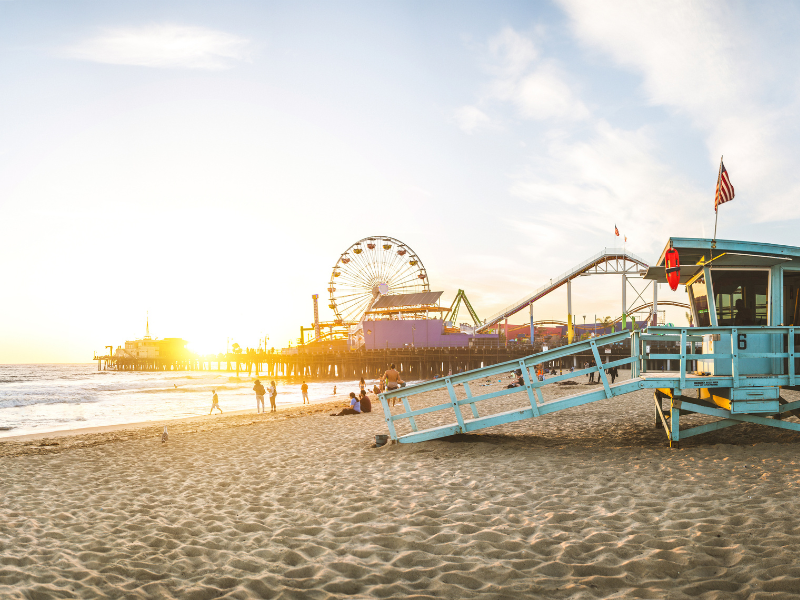
Along the Pacific coast, one encounters several iconic locations: Malibu, long famous for its long sandy beaches, perfect waves for surfing, luxurious hillside mansions, and spa culture; Ventura, where one can stop to visit the beautiful old town and stroll along the pier that stretches out over the ocean; luxurious Montecito, residence of many international jet set stars. Santa Barbara stretches along the coast of Southern California, nestled between the waters of the Pacific and the slopes of the Santa Ynez Mountains. Nicknamed the "American Riviera" for its mild climate and Spanish colonial architecture, the city charms with its red-tiled roofs and whitewashed walls. Its historic heart is the Old Mission Santa Barbara, a beautiful 18th-century Franciscan mission, while the County Courthouse tower offers a spectacular view over the rooftops and the ocean. The seafront promenade of Stearns Wharf invites sunset strolls, and the golden beaches are ideal for surfing and relaxing. All around stretch the vineyards of the Santa Ynez Valley, renowned for their fine wines and tastings. Santa Barbara enchants those seeking Mediterranean elegance and Californian dolce vita.
Auto
Giorno 5 — Santa Barbara → Big Sur
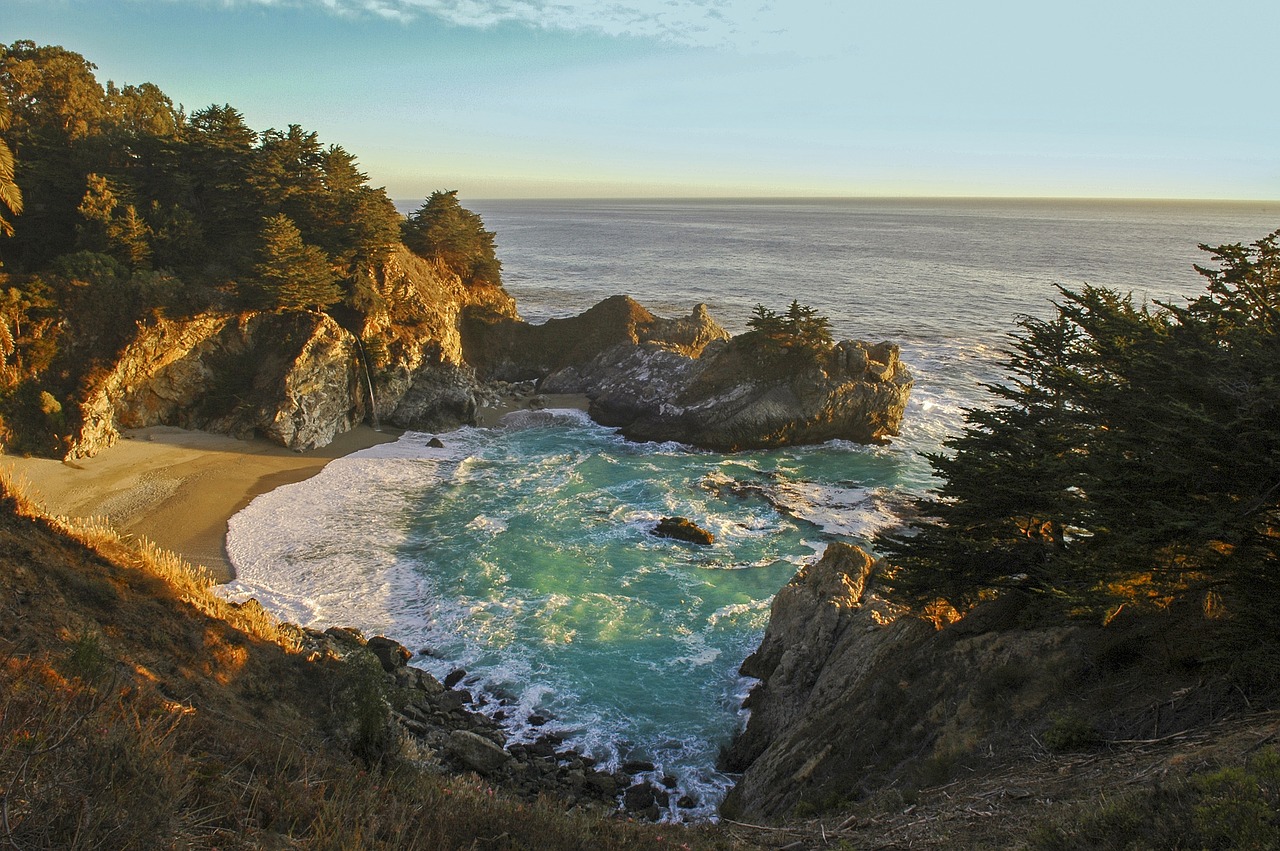
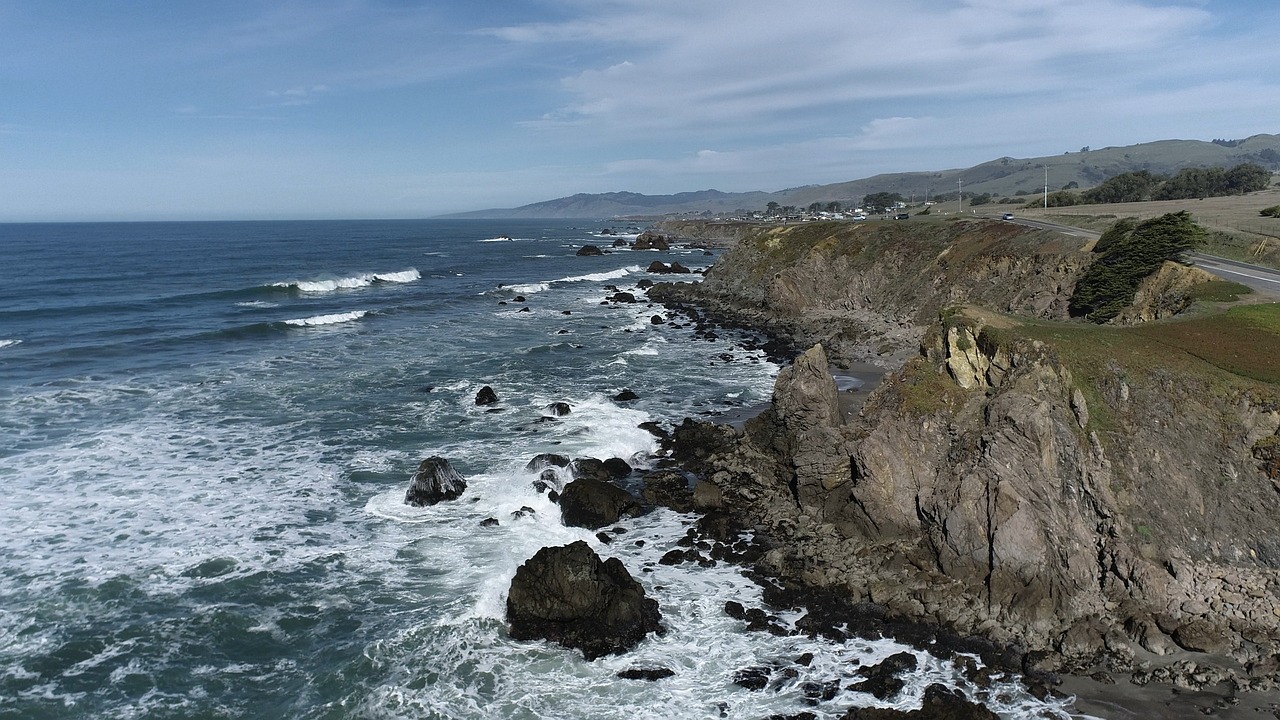
Although it is not an official geographical designation, Big Sur is the name given to the 150 km of rocky, wild and rugged cliffs pounded by stormy waves between Hearst Castle and the Monterey Peninsula; and it extends inland for about 30 km, between the Santa Lucia Mountains. The breathtaking Pacific Highway 1 was carved into the rock above the stormy ocean in 1937. The best way to enjoy its beauty is to drive slowly, often leaving the car and exploring its numerous parks: a simple ten-minute walk immediately transports you into the wild nature. But for those with little time, the must-see stops are Bixby Bridge and McWay Falls, a waterfall that drops over 20 m onto a remote beach in Julia Pfeiffer Burns State Park. Look up to the sky to see the endangered condors, and watch the sea for whales or sea otters swimming among beds of kelp, a typical California marine habitat.
Auto
Giorno 6 — Big Sur → Monterey
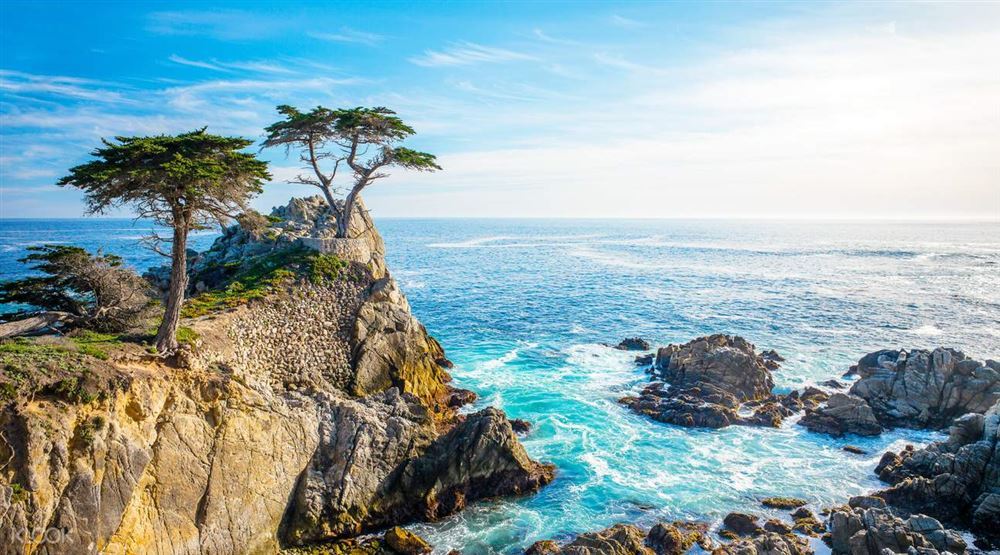
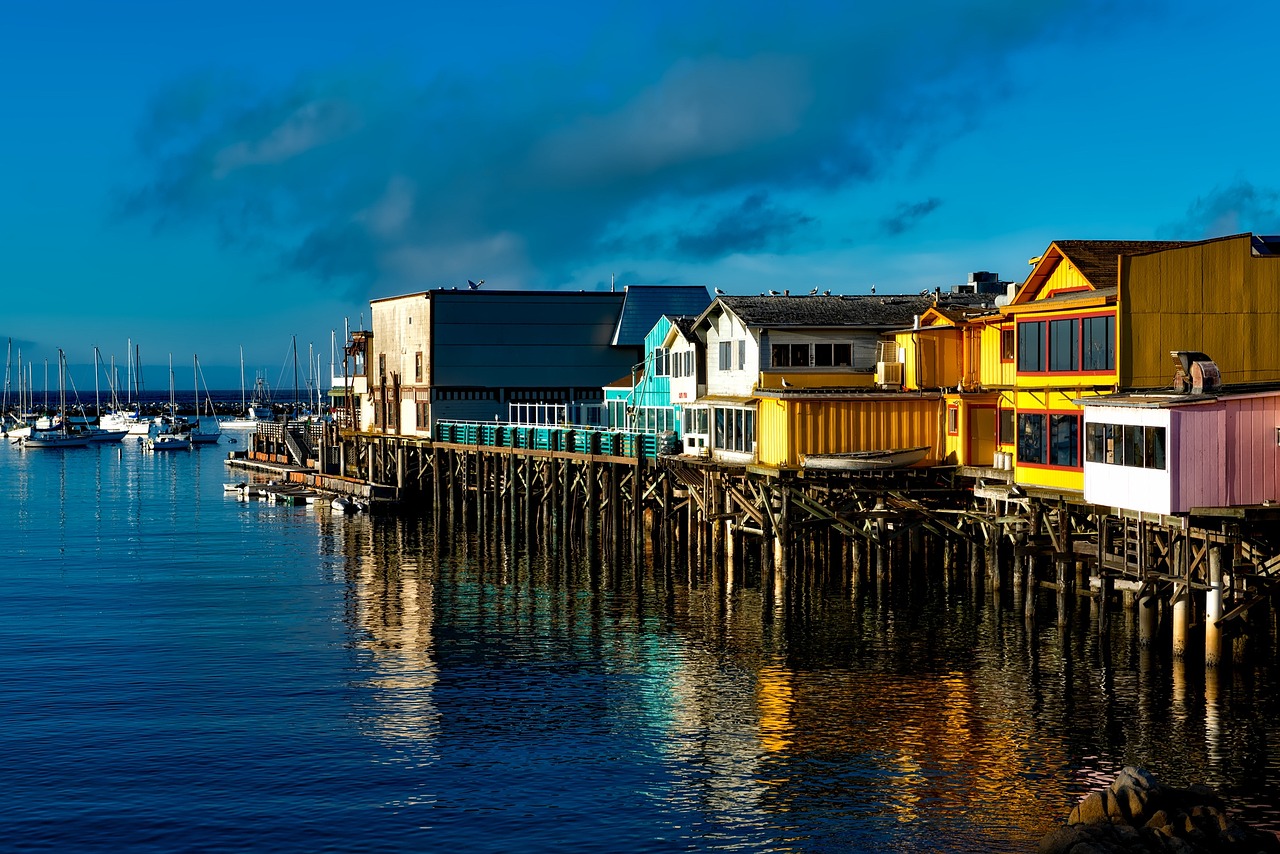
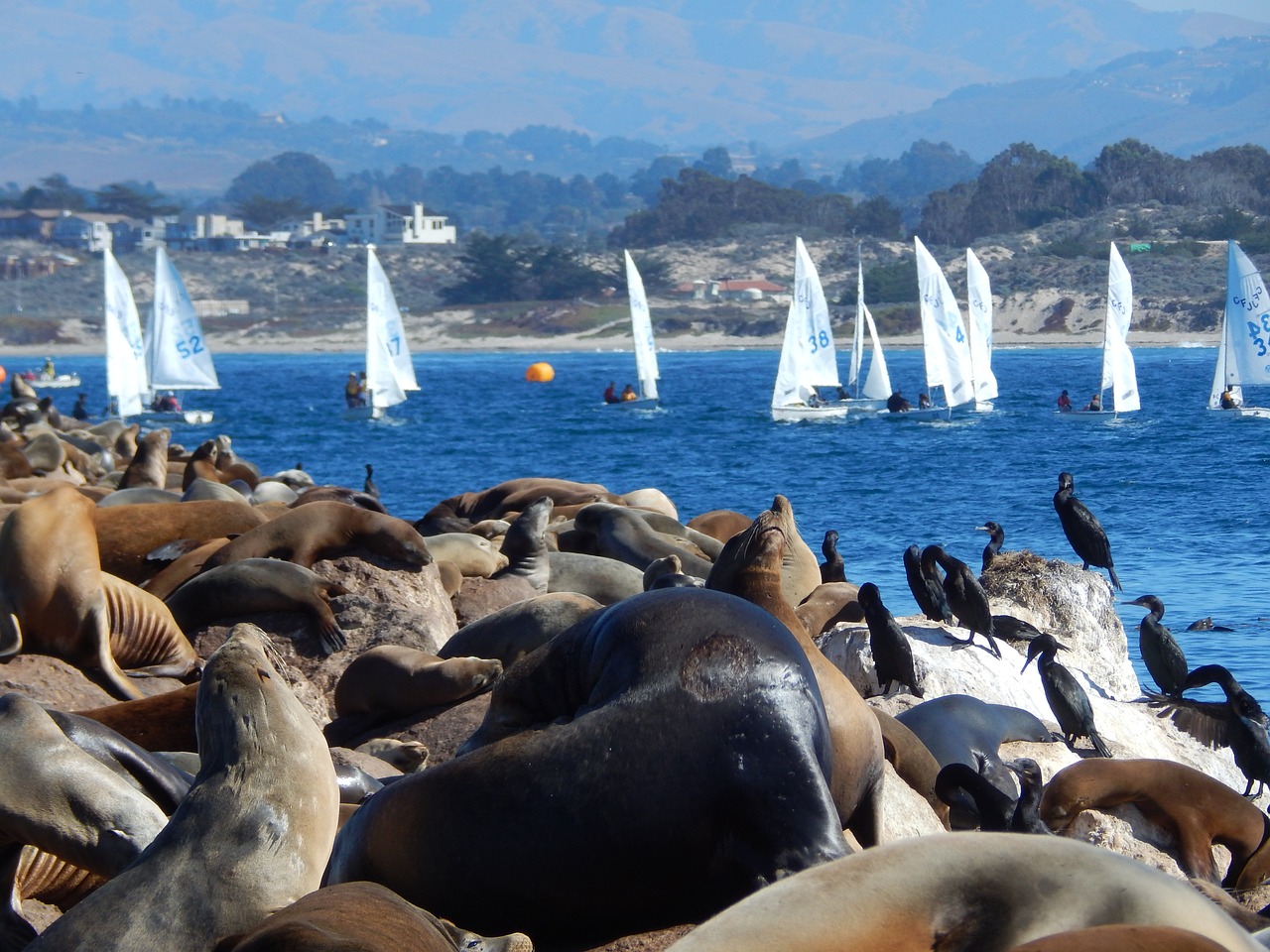
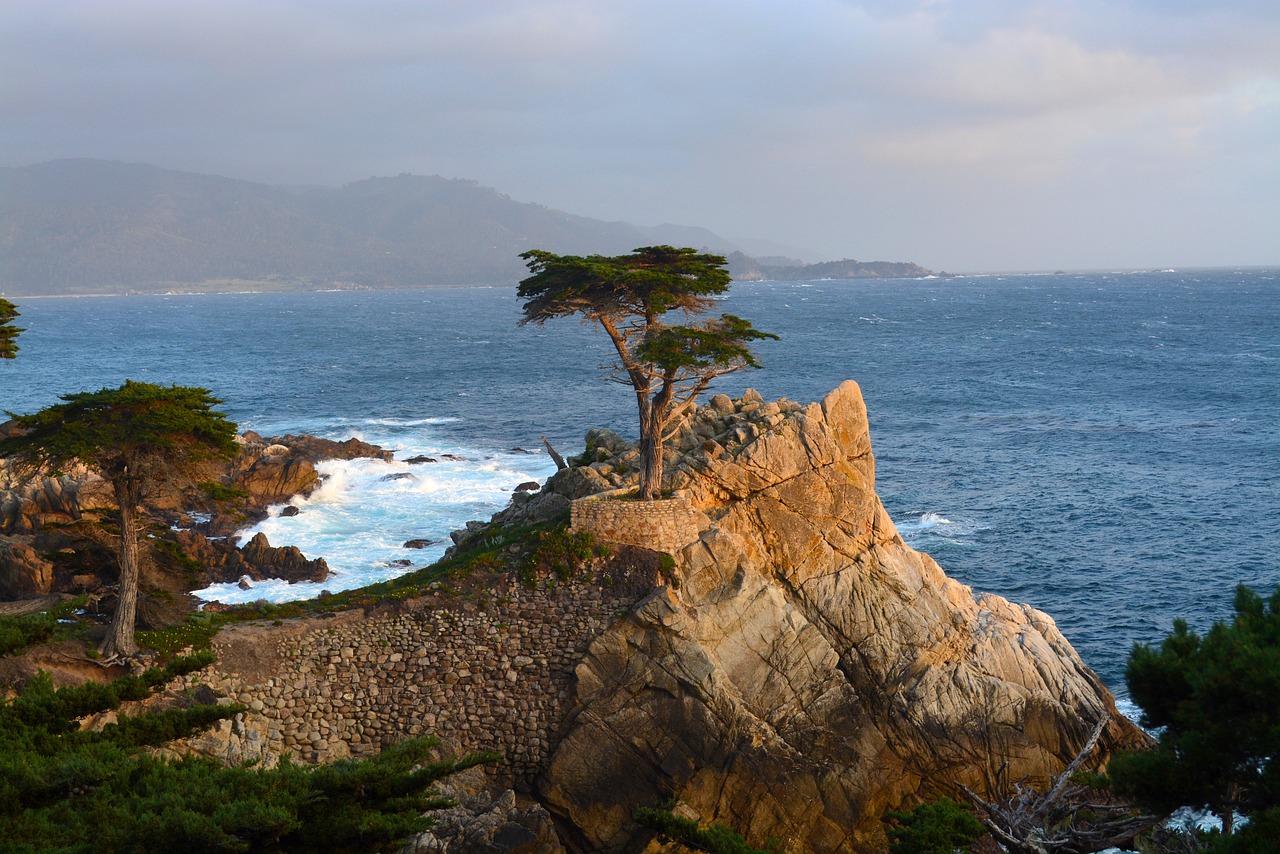
Monterey stretches along its namesake bay on California's central coast, where the nature of the Pacific puts on a show. Its celebrated Monterey Bay Aquarium, overlooking the old canning district of Cannery Row immortalised by John Steinbeck, ranks among the finest in the world. From here begins the scenic 17-Mile Drive, winding past wind-sculpted cypresses, cliffs and coastal mansions to Pebble Beach. Nearby, Carmel-by-the-Sea charms with its art galleries and white beaches, while the bay rewards visitors with sightings of whales, otters and sea lions. Between seafood cuisine and inland vineyards, Monterey is an invitation to experience the most authentic and wild side of California.
Auto
Giorno 7 — Monterey → Napa Valley
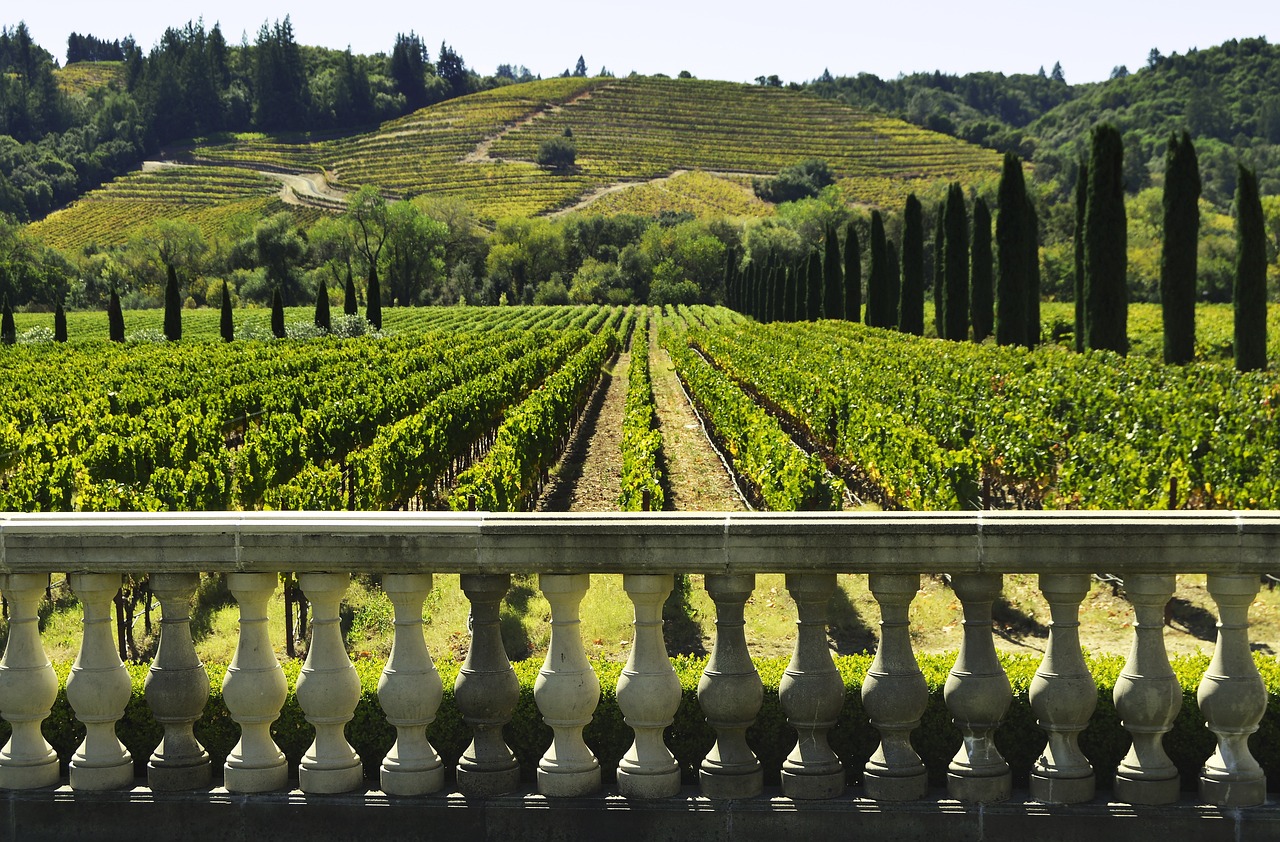
Napa Valley is the most famous wine region in the United States, spread across northern California among gentle hills cloaked in vineyards. Its prestigious wineries, Michelin-starred restaurants and idyllic landscapes make it a cult destination for lovers of wine and fine dining. Among tastings, balloon flights and elegant villages, every day is an invitation to pleasure. A corner of Californian dolce vita where wine is art.
Auto
Giorno 8 — Napa Valley → Sonoma
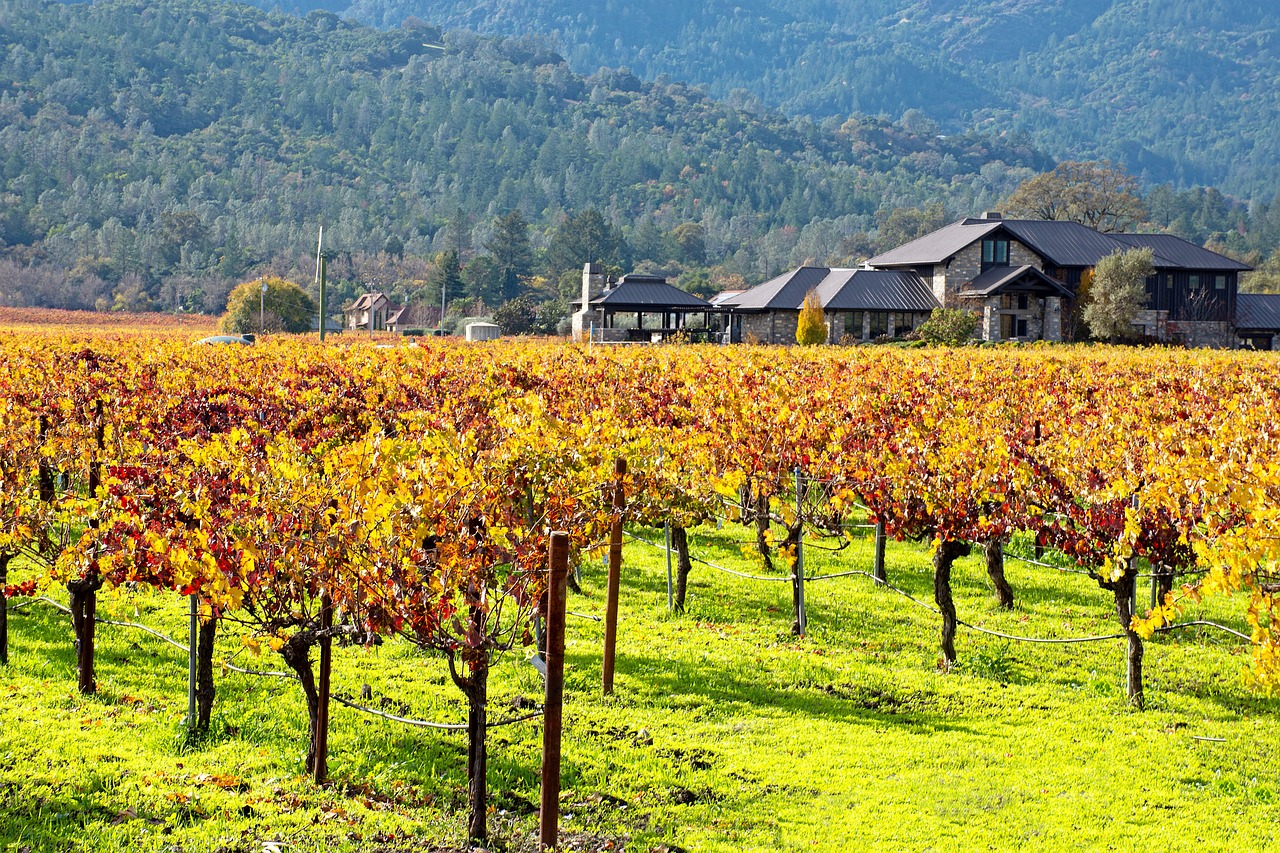
Sonoma holds the roots of Californian history, gathered around a historic tree-lined plaza, the largest in the state. Here stand the Mission San Francisco Solano and buildings from the Mexican era, while around it stretches one of California's oldest wine districts. Tasting rooms, restaurants and gourmet shops enliven the centre, set in the vineyard landscape of Sonoma Valley. Sonoma is the ideal destination for those seeking history, great wines and the rural elegance of Californian wine country.
Auto
Giorno 9 — Sonoma → Bodega Bay
Bodega Bay gathers around an inlet on the Sonoma coast of California, a small fishing harbour made famous by Alfred Hitchcock's film "The Birds". The quiet bay offers seal and seabird watching, hikes along the cliffs and fresh tastings of oysters and crab. The trails of Bodega Head deliver spectacular views over the Pacific Ocean. Bodega Bay is a coastal pause with wild, cinematic charm.
Auto
Giorno 10 — Bodega Bay → San Francisco
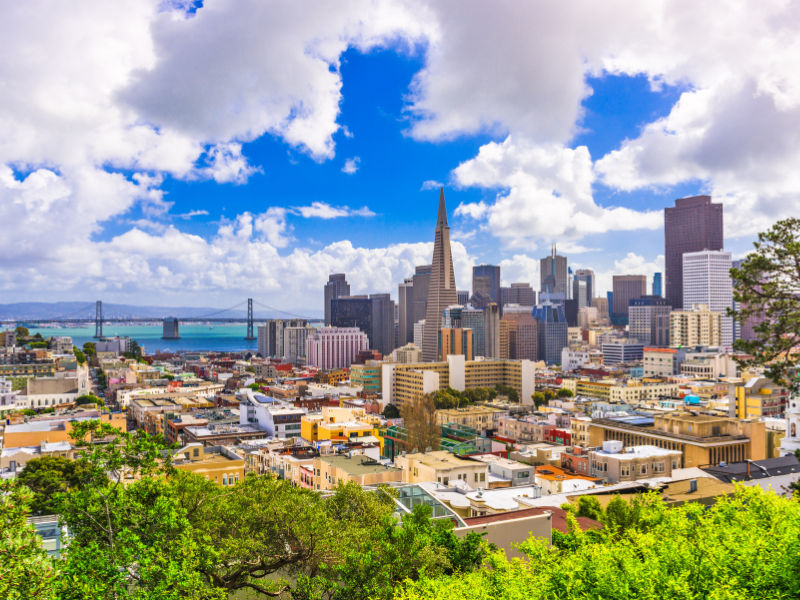
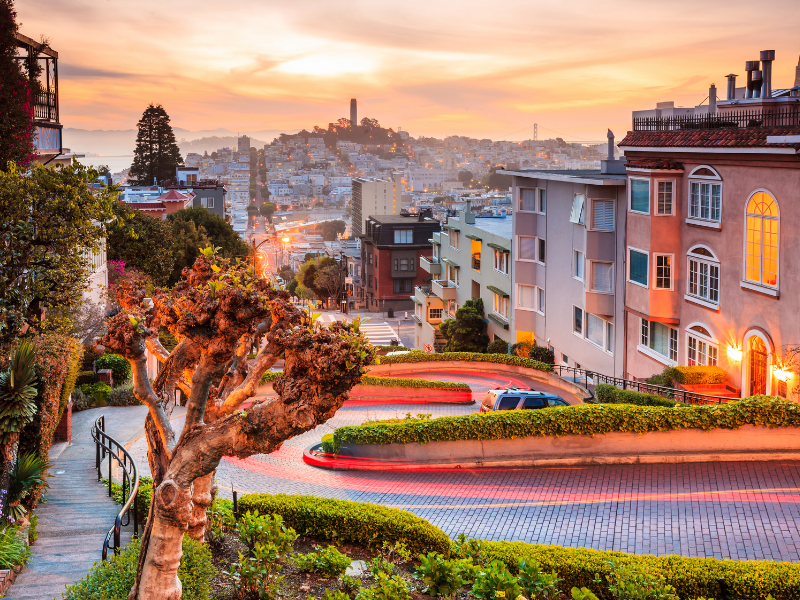
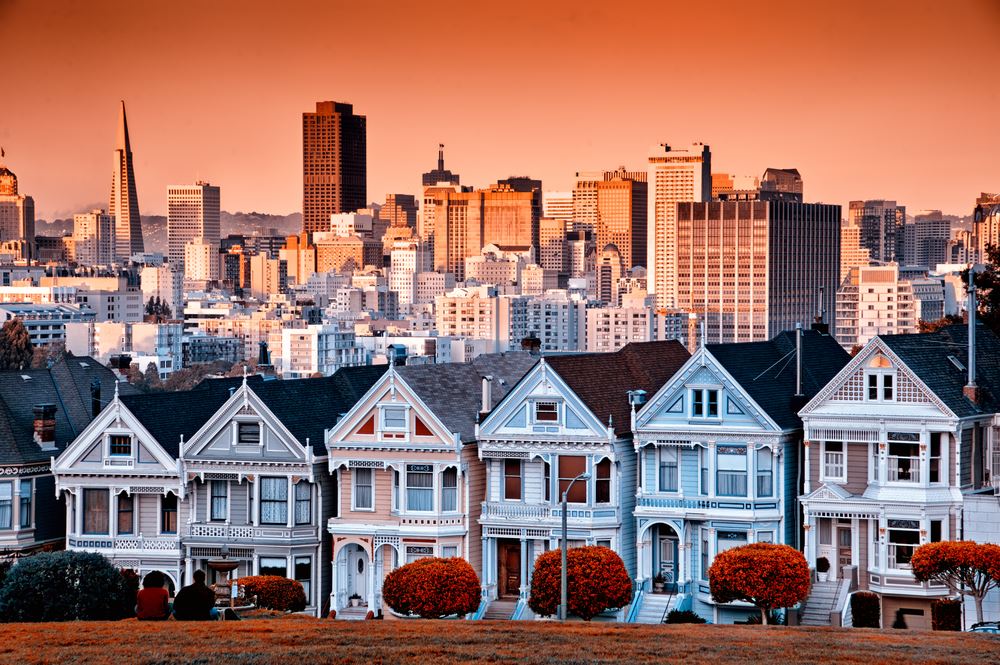
Wrapped in the fog that drifts in from the bay and draped over steep hills facing the Pacific, San Francisco is one of America's most beloved cities, refined, rebellious and deeply cosmopolitan. Its symbol is the Golden Gate Bridge, the unmistakable red span reaching out towards the ocean, revealed and hidden by the morning mists. To walk the city is to be surprised by its rolling streets, still climbed today by the famous cable cars that scale the heights of Nob Hill and Russian Hill, offering sudden glimpses of the water. Along the Fisherman's Wharf waterfront the sea lions of Pier 39 bark and the air smells of sourdough bread and fresh crab, while offshore stands the island of Alcatraz, with its historic penitentiary reachable by boat. The charm of San Francisco lives in its neighbourhoods: the Victorian Painted Ladies around Alamo Square, the Chinese energy of Chinatown, the oldest and liveliest in America, the rainbow, activist streets of the Castro, and the bohemian ferment of Haight-Ashbury, cradle of hippie culture. At the city's core, Union Square buzzes with shopping and theatres, while the Civic Center and museums such as SFMOMA and the de Young reveal its cultured soul. Green spaces abound: the vast Golden Gate Park holds Japanese gardens, conservatories and trails down to the ocean. The dining scene is among the most innovative in the country, from fusion cuisine to the wines of the nearby Napa and Sonoma Valley and organic markets. From San Francisco it is easy to set out for California's national parks, the redwoods of Muir Woods and the Big Sur coast. Free, creative and swept by the ocean wind, San Francisco wins over anyone willing to be led by its hills and its suspended light.