Founded in 1859 by gold seekers from Kansas and Georgia, Denver marks the boundary between the Great Plains and the Rocky Mountains that provide a splendid backdrop. A university town and the capital of American craft beer, it is called the 'Mile High City' because it is located exactly one mile (about 1600 meters) high, as noted on the 13th step of its Capitol building. Modern and youthful, it has trendy neighborhoods for all tastes and is pleasant to explore on foot, featuring diverse architectures ranging from Victorian to postmodern, along with art, history, culture, shopping, and a vibrant nightlife.
Car
Day 2 — Denver → Vail
Vail, approximately 200 km west of Denver, was created out of nothing as a ski resort in 1952. The skiing is excellent, perhaps the best in the USA, with a wide variety of slopes. Along with Aspen, it is the most famous and fashionable ski resort in the Elk Mountains, set in a picturesque landscape. It is highly frequented by the wealthy and famous, and is a resort town centered around Vail Village, with top-notch shops and restaurants.
Car
Day 3 — Vail → Grand Junction
Grand Junction is the main town in western Colorado and an excellent starting point for exploring the vast and spectacular canyon region with the pinnacles of the Colorado National Monument; here the Green River merges into the Colorado River.
Car
Day 4 — Grand Junction → Moab
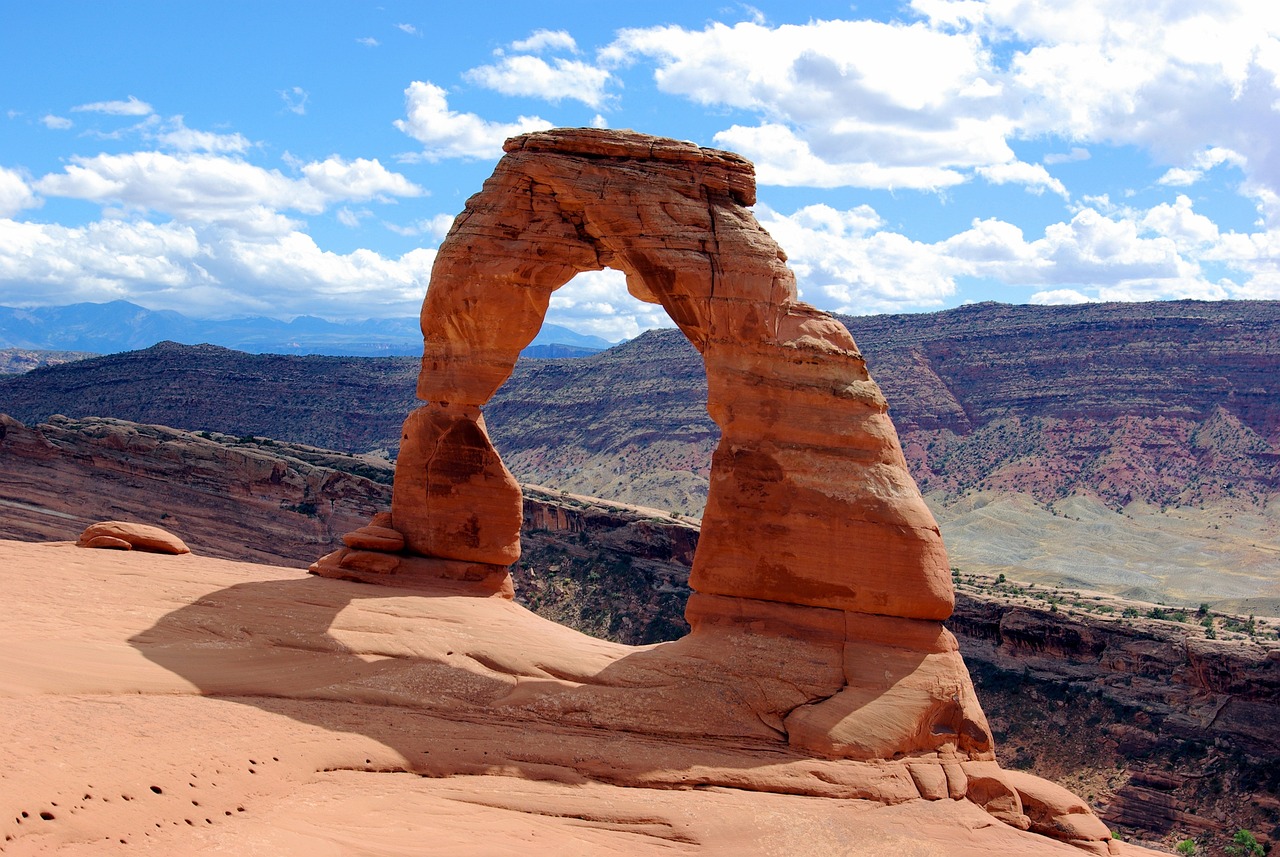
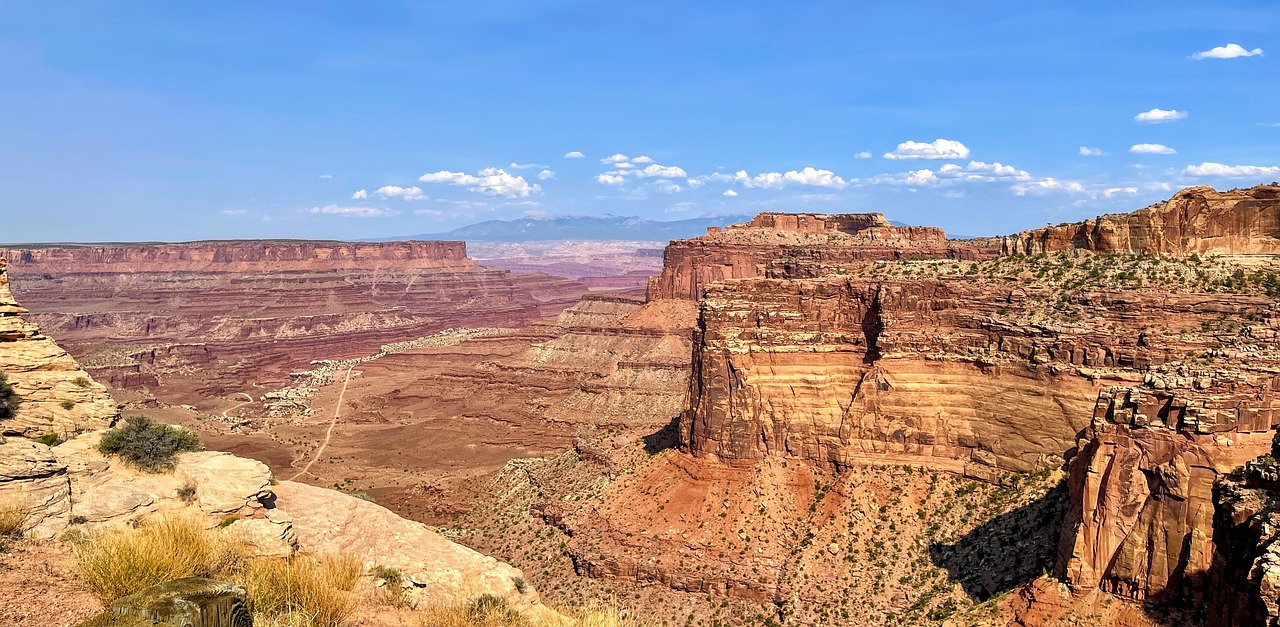
The village of Moab stands at the very heart of the canyon region. Moab is the starting point to explore the national parks of Arches and Canyonlands, or to go rafting down the rapids of the Colorado river.
Car
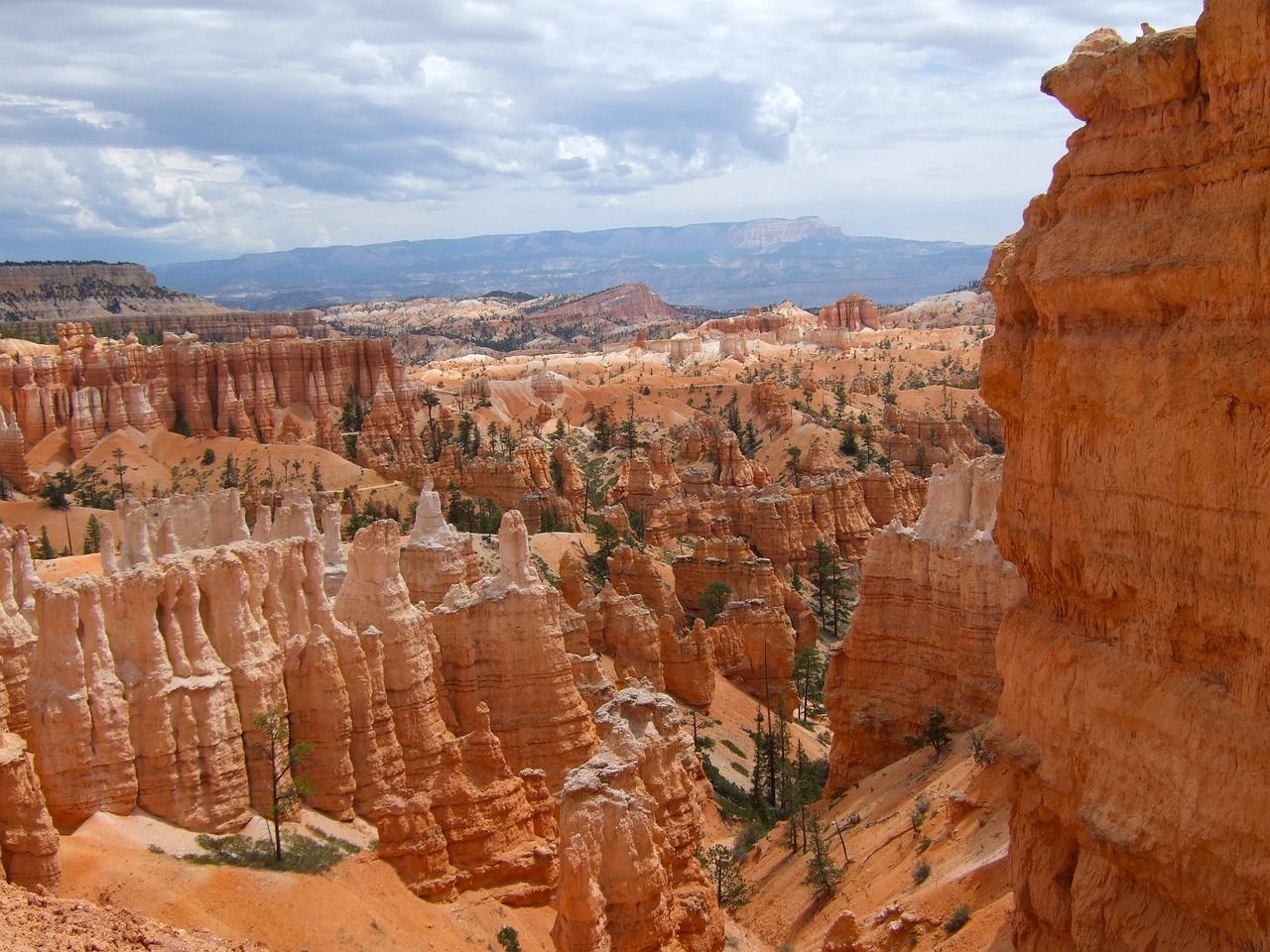
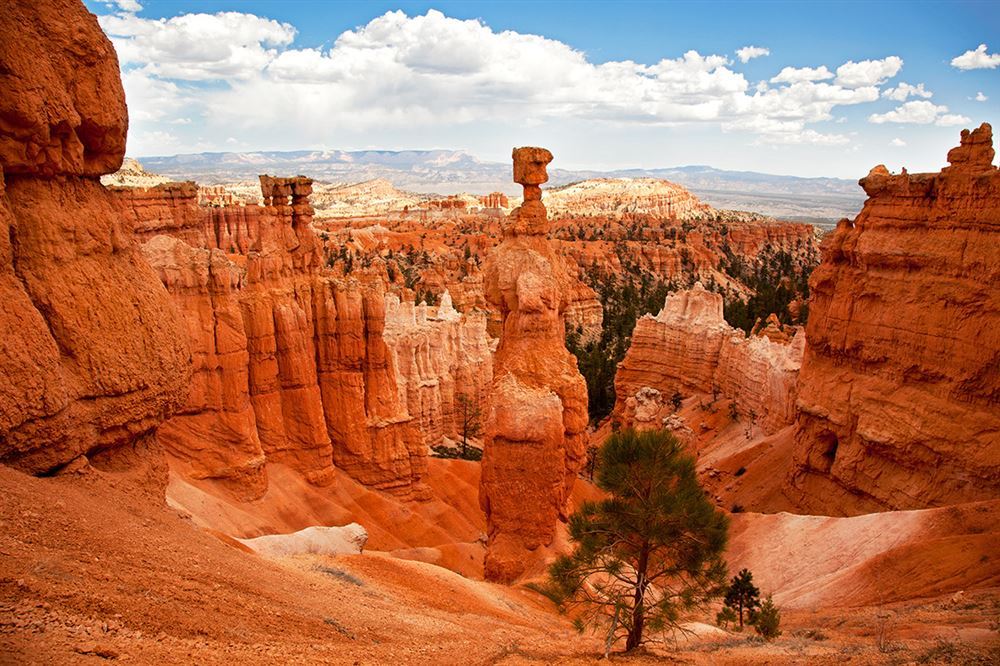
Day 6 — Moab → Bryce Canyon National Park
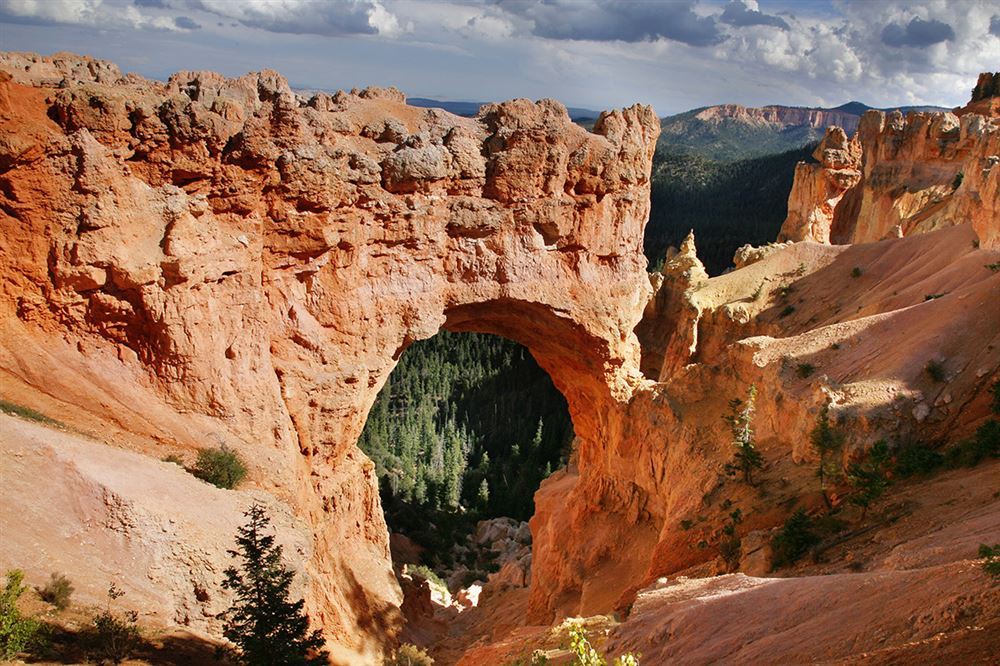
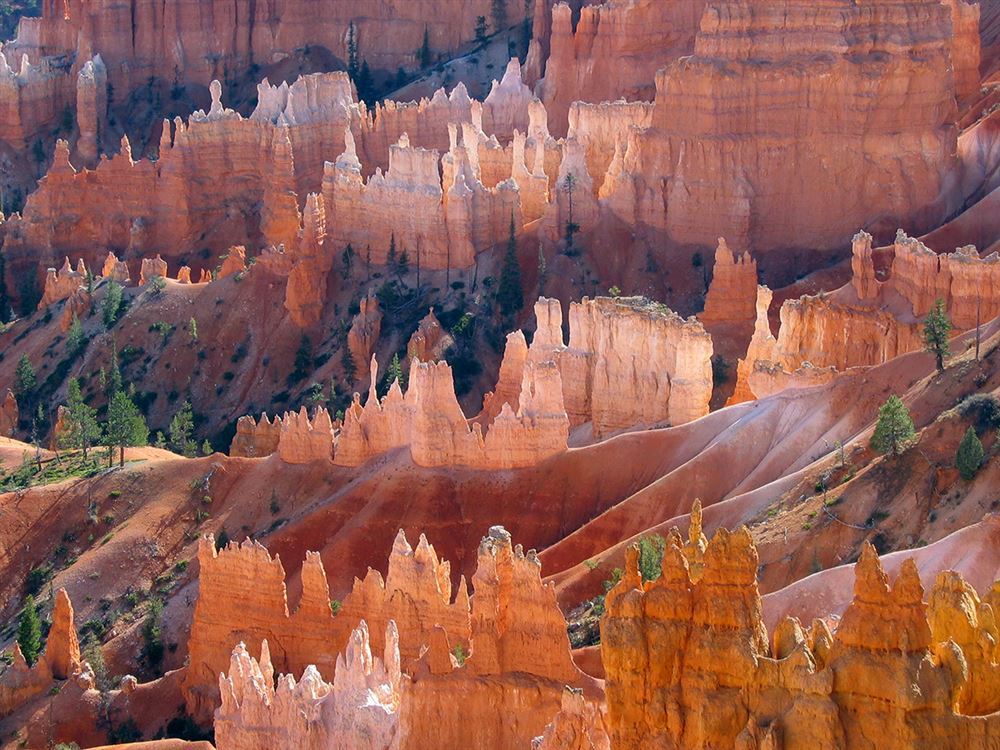
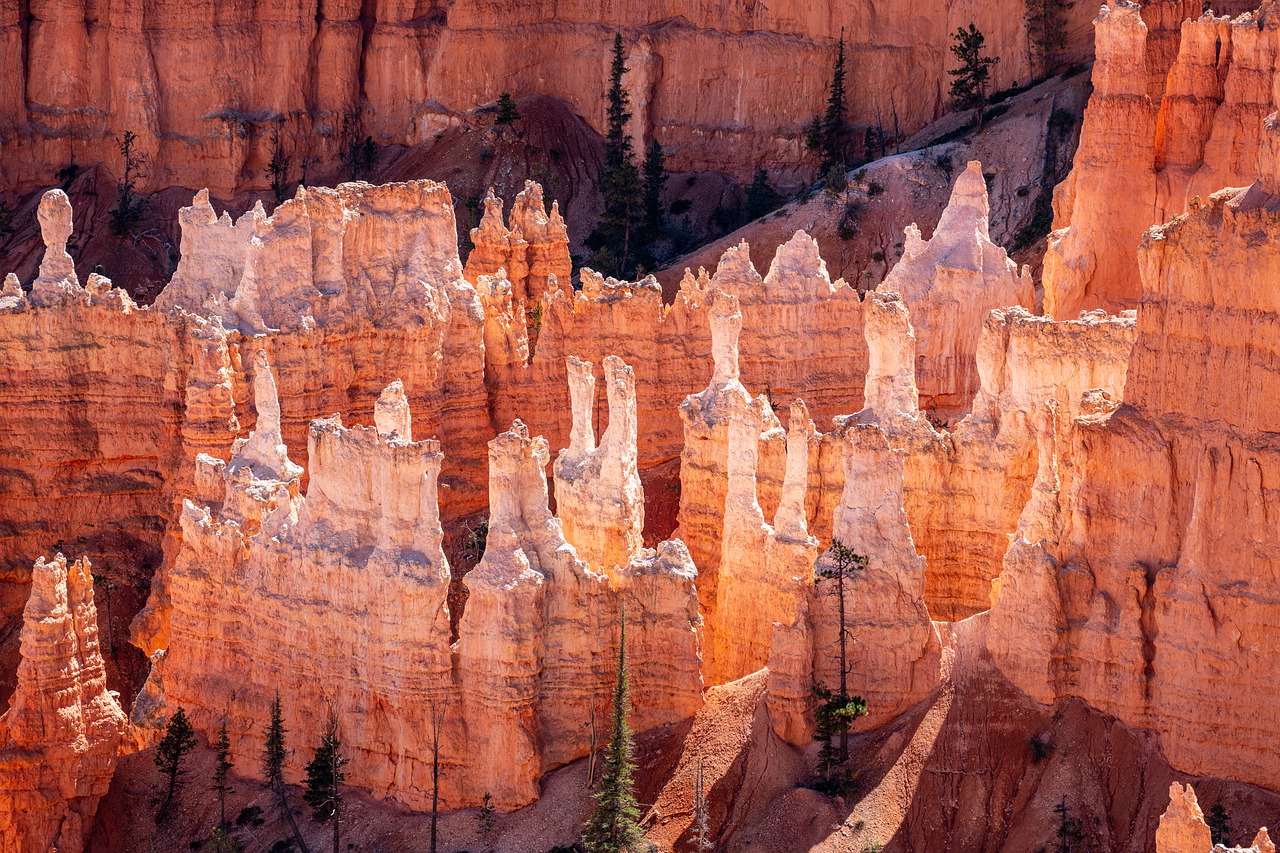
Proceed through Capitol Reef National Park, its red sandstone precipices and marbled pinnacles. Bryce Canyon is, in fact, not a canyon: it’s a breathtaking natural amphitheatre full of spires and arches and pinnacles, jutting out in dazzling colours against the sky, moulded by the rain and frost in bizarre shapes to create a unique mountainscape.
Car
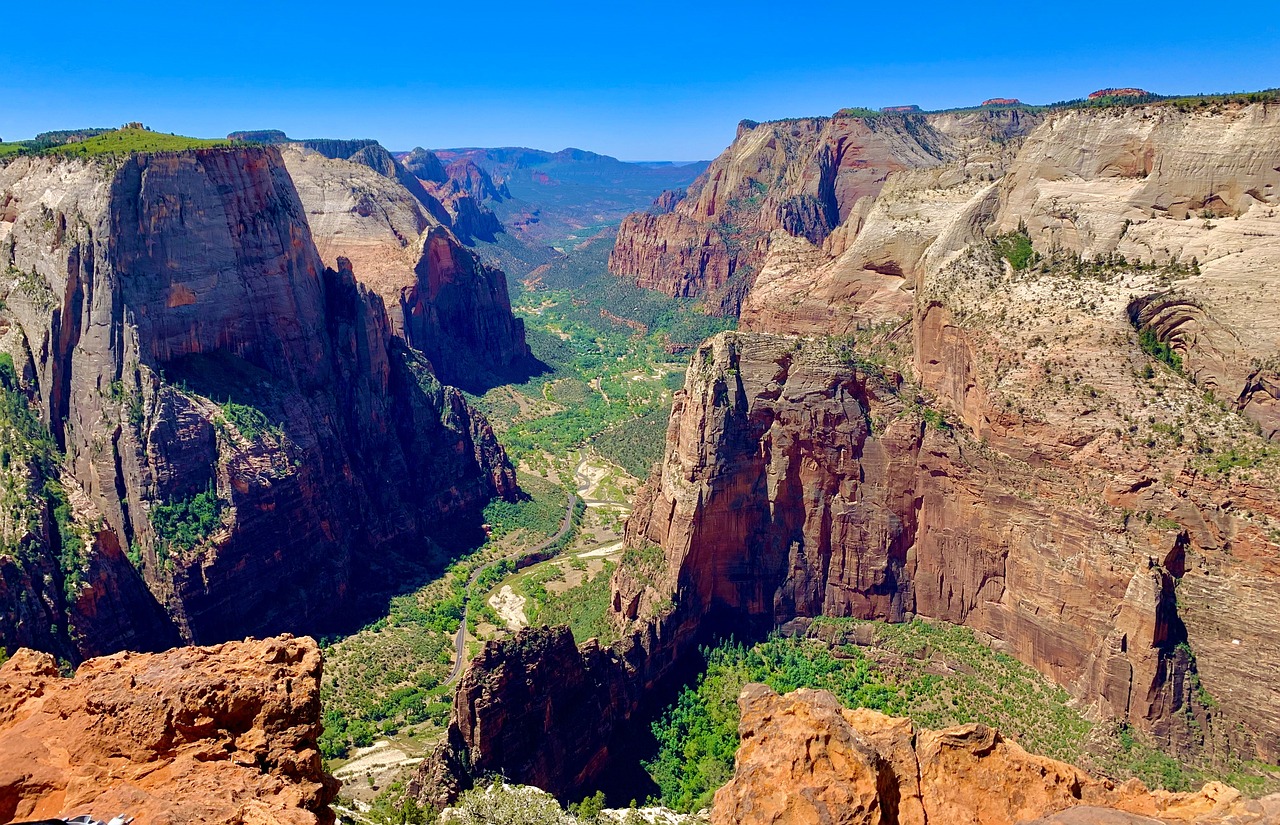
Day 7 — Bryce Canyon National Park → Zion National Park
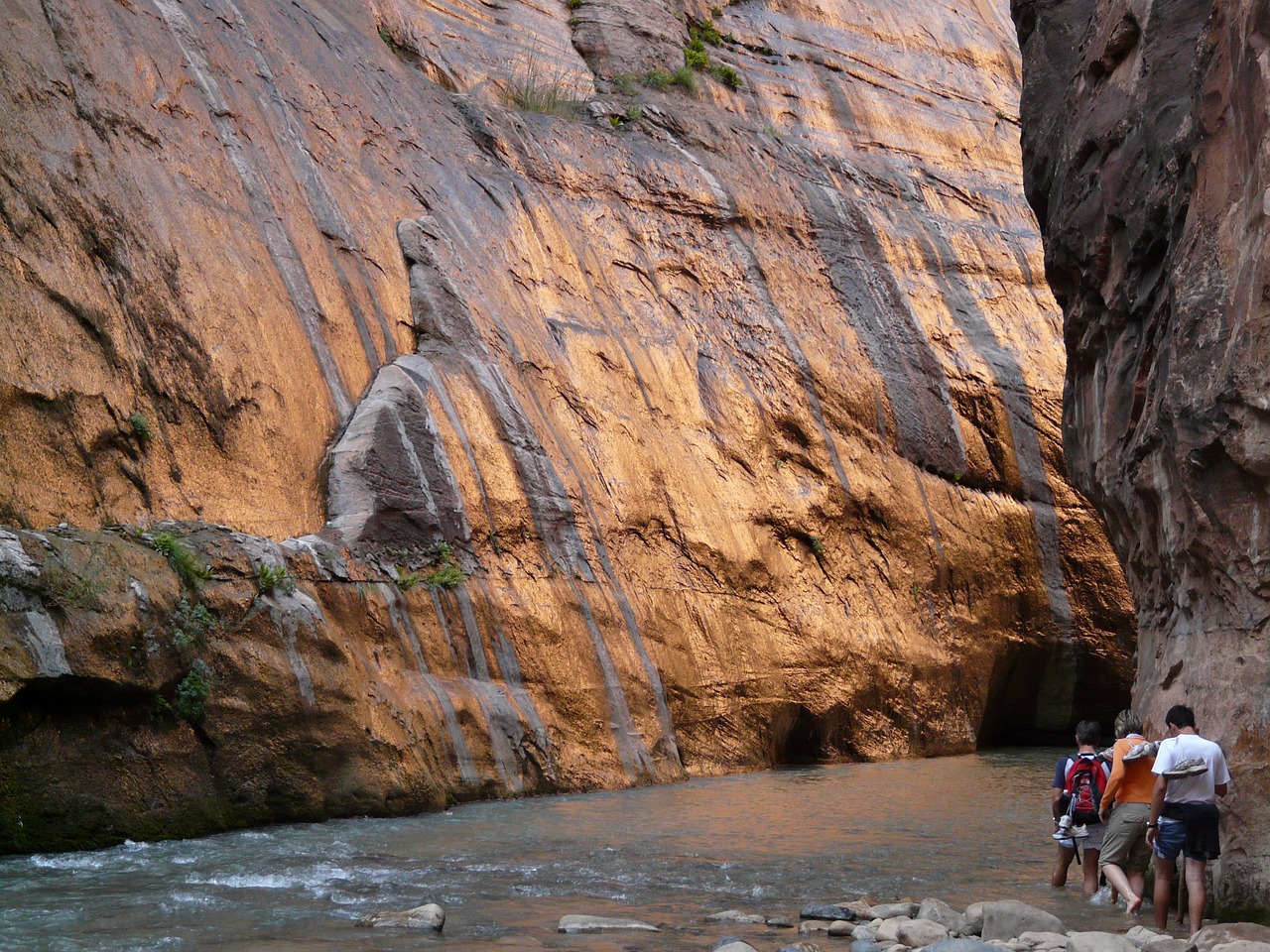
Zion is less than 2-hour drive from Bryce. Must-stops along the way are at Red Canyon: get out, stretch your legs and take some pictures; Orderville Mine Rock Shop, right off US-89 in Orderville, with a great selection of indigenous minerals, stones and gems; Mount Carmel Junction: grab a slice of Ho-made pie at Thunderbird Restaurant, try the strawberry rhubarb. Majestic red-stone precipices, petrified dunes eroded by the wind: welcome to Zion National Park, where jaw-dropping views surprise you at every corner.
Car
Day 8 — Zion National Park → Las Vegas
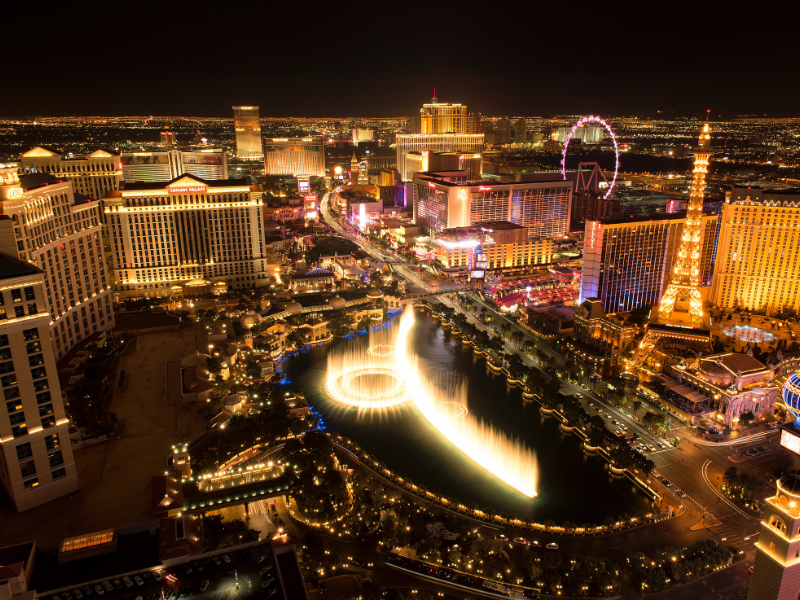
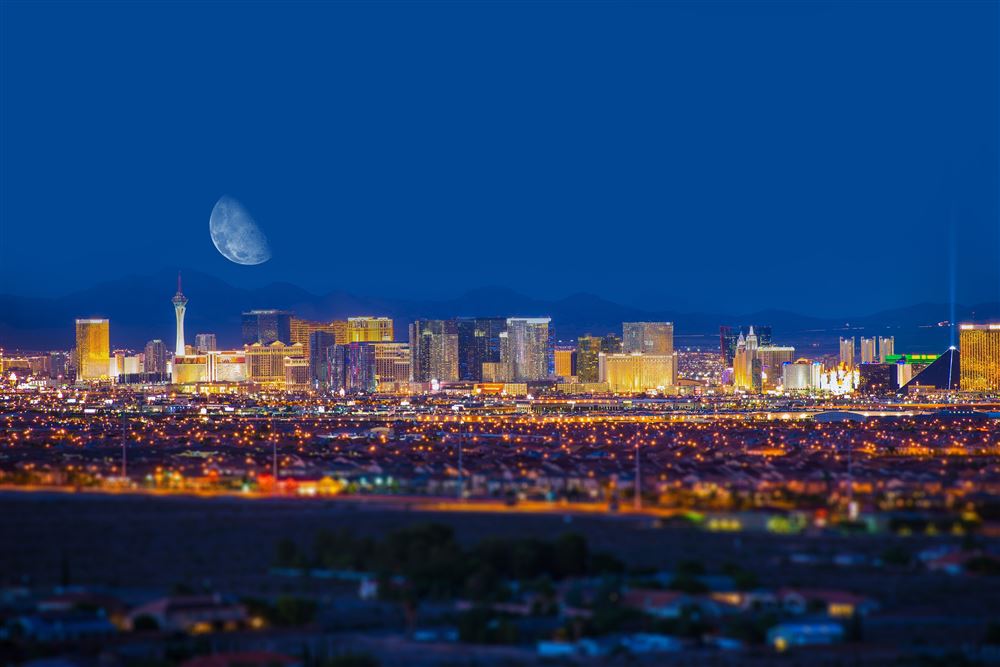
From the magnificent scenery of rocks, streams, and forests of Zion, one descends into the Nevada desert and arrives in the expanse of lights and golden skyscrapers of Las Vegas. Las Vegas is beyond words. It shines like a diamond the middle of the desert, dazzling with its extravagant luxury hotels, bustling with all sorts of shows and revelry. A place – but can such a place even exist? – without equal in the whole world.
Car
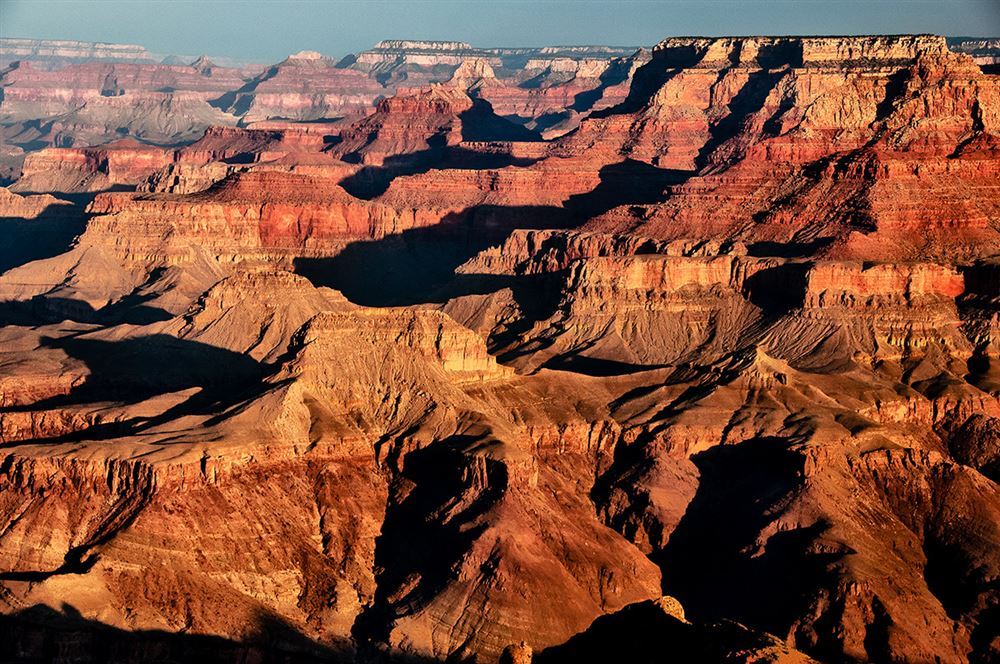
Day 10 — Las Vegas → Grand Canyon South Rim
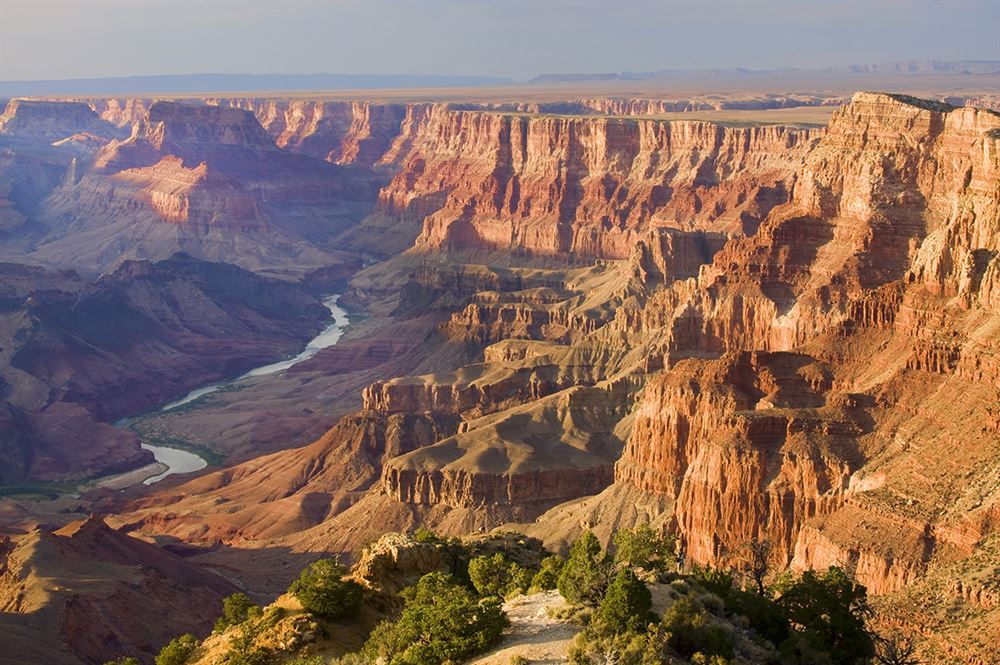
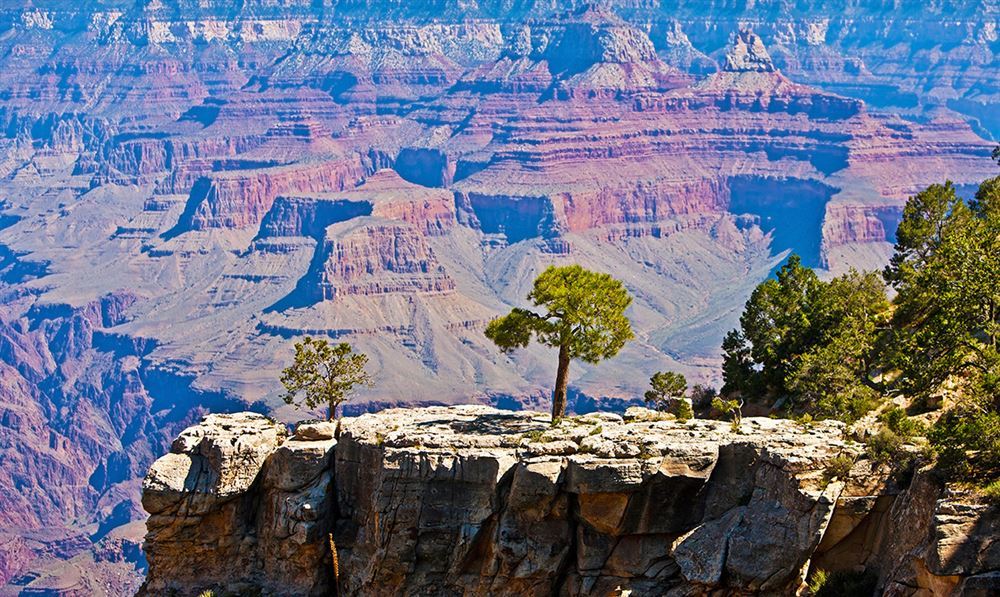
Get your kicks on iconic Route 66 crossing the Mojave desert. The tour takes you through Seligman and Kingman to the Kaibab National Forest and the Canyon Region. The Grand Canyon is the most famous and most spectacular example of river erosion - an inconceivable abyss formed by the wear of the Colorado River. The Canyon is 1,500 m deep, 450 km long and 16 km wide. Its layers disclose the geological history of the last 2 billion years and its rocks change color according to the time of the day - your first glimpse of this majestic landscape will leave you speecheless. The Grand Canyon, a UNESCO World Heritage Site, is a truly unforgettable sight.
Car
Day 11 — Grand Canyon South Rim → Canyon de Chelly
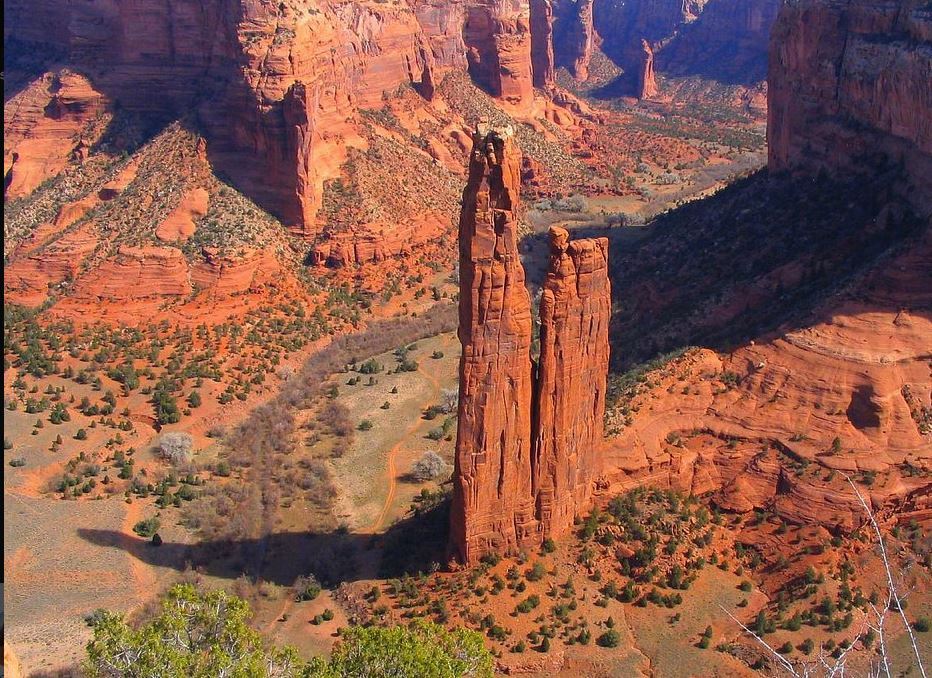
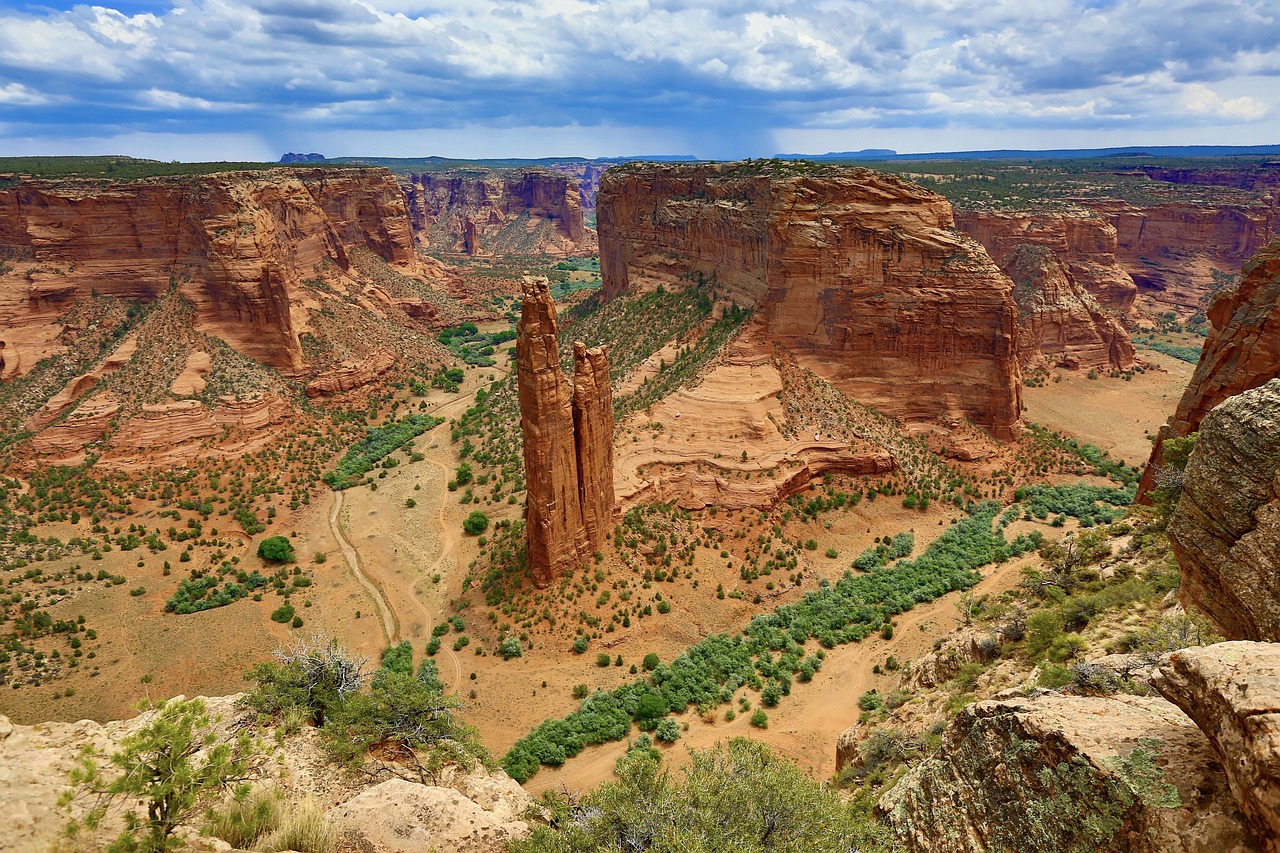
The road to Canyon de Chelly is a 4-4.5 hour trip across a great variety of natural landscapes, from ponderosa pine forests to the desert. From the Grand Canyon Village you follow the Desert View Drive, a scenic route that follows the south rim for 25 miles (40 km) out to the Desert View Watchtower and East Entrance. Along the way you find a number of viewpoints; Grand View, Moran, Lipan, Navajo Point and Desert View should not be missed. You should also stop at the Little Colorado River Gorge lookout to enjoy the view of the deep canyon.You leave Route 64 and turn left on Route 89 at Cameron, where you can find one of the Southwest's truly historic trading posts. You have just entered the largest Indian Reservation in the US, the Navajo Indian Reservation that extends into New Mexico and Utah and is home to about 200,000 Navajos. 25 km from Cameron turn right on Route 160 to Tuba City. A few miles after the turn a single handmade sign on the left side of the road leads you to some pretty cool 200-million year old dinosaur tracks, guarded by a Navajo representative. Back on Route 160, you drive through Tuba City and finally reach your accomodation in Canyon de Chelly (Chinle). Canyon de Chelly is a magnificent park, one of the most spectacular in the Southwest, but it is not often visited due to its location outside of the usual tourist circuits. Steep red sandstone walls, up to 300 meters high, delimit this narrow and labyrinthine canyon divided into two long branches, where the Pueblo sought refuge; it is still inhabited by the Navajo today. The pinnacle known as Spider Rock, which rises 230 meters from the bottom of the canyon, is spectacular and can only be accessed by off-road vehicle with an authorized Navajo guide. The two scenic roads, North Rim Drive and South Rim Drive, are open to all without tolls and offer a splendid view from above.
Car
Day 12 — Canyon de Chelly → Mesa Verde National Park
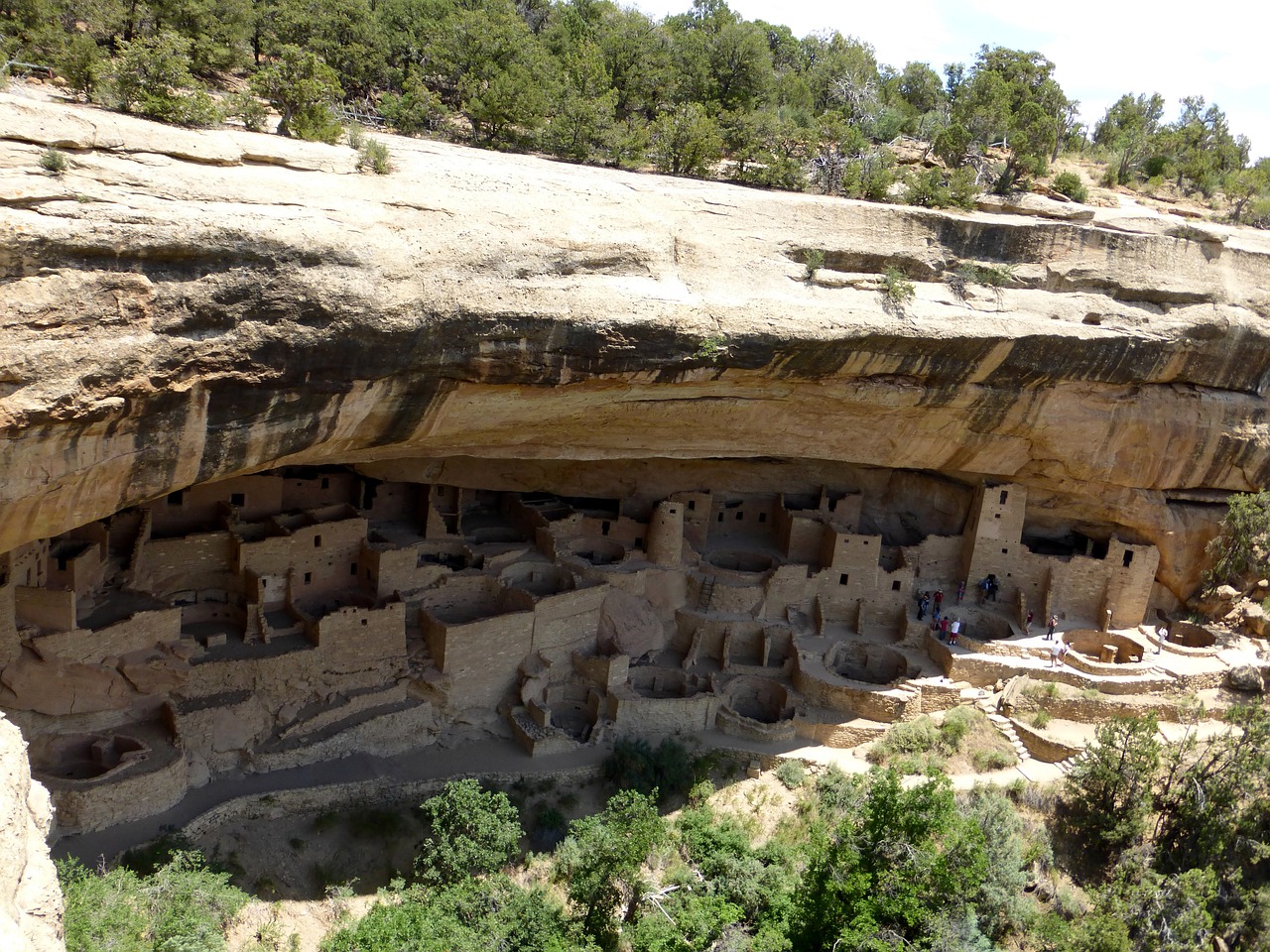
Mesa Verde is the only national park in America whose focus is on archaeology rather than nature. On the abrupt rocky walls of its narrow canyons, the remains of more than 4,000 Indian cliff dwellings are hollowed out in the rock. Mesa Verde is a UNESCO World Heritage Site.
Car
Day 13 — Mesa Verde National Park → Durango
Originally a mining town, Durango has a twofold soul: its historic district, stuck in a western past with its saloons and Victorian architecture, blends in with its contemporary soul, peaceful tree-lined avenues leading to nice organic restaurants and farm-to-table shops and markets.
Car
Day 15 — Alamosa → Colorado Springs
Colorado Springs, a mountain town, has always been known for its countless outdoor activities that it offers to visitors. A short distance away, at the Garden of the Gods Park, you can admire extraordinary sandstone formations set against the breathtaking backdrop of Pikes Peak, which you can climb via a hiking trail or comfortably aboard the Pikes Peak Cog Railway. Another must-see stop is Seven Falls, a series of waterfalls over 55 meters high cascading down a deep canyon.
Alternative West: Colorado, Utah, Nevada and Arizona — NAAR