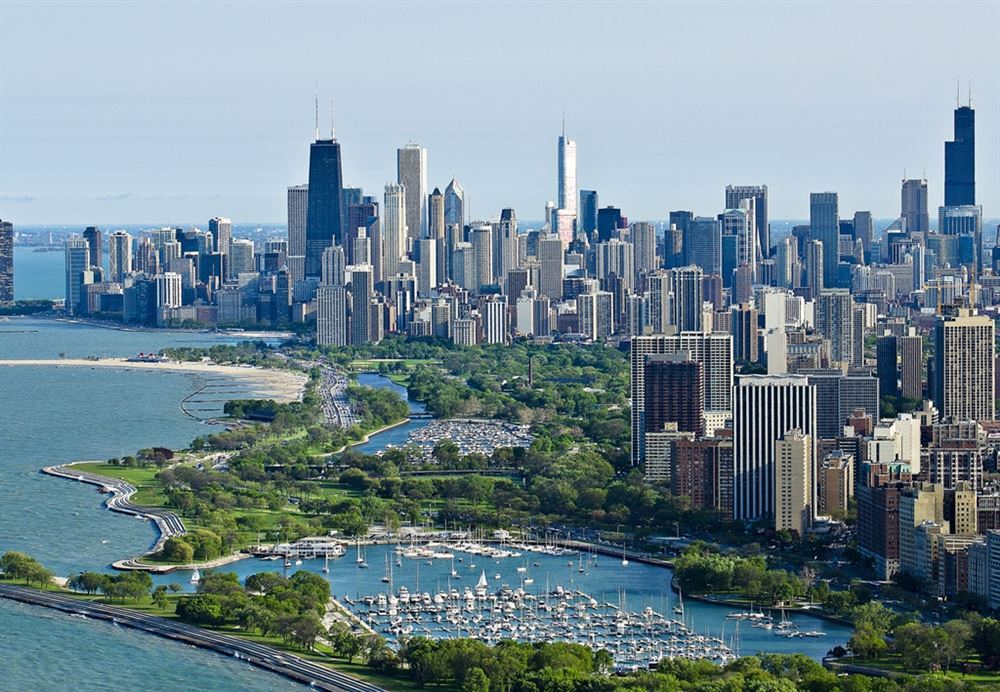
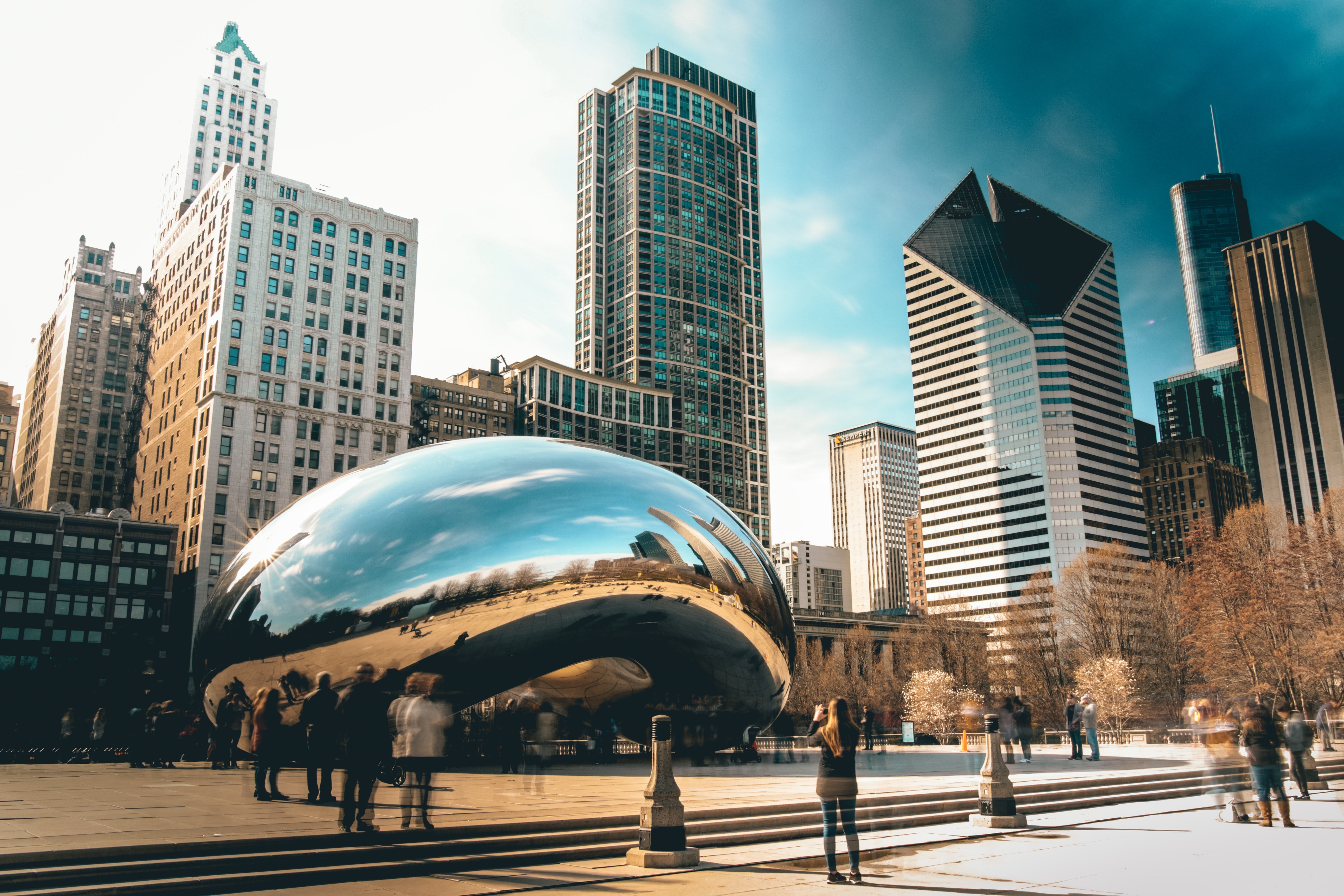
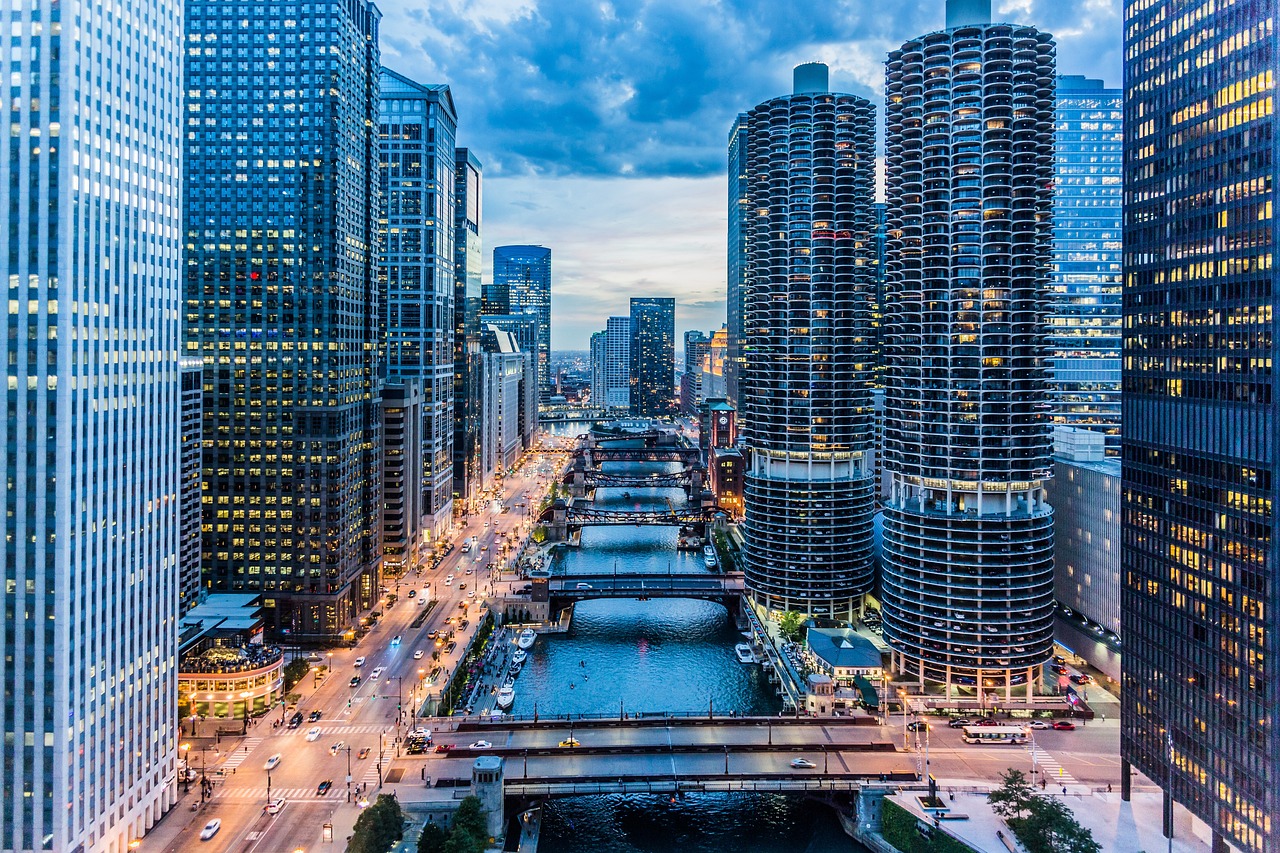
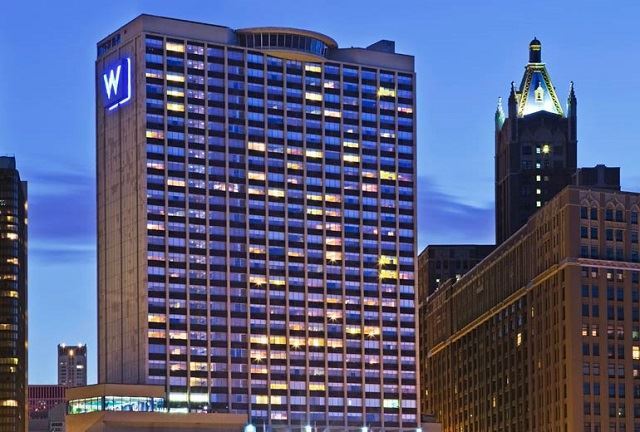
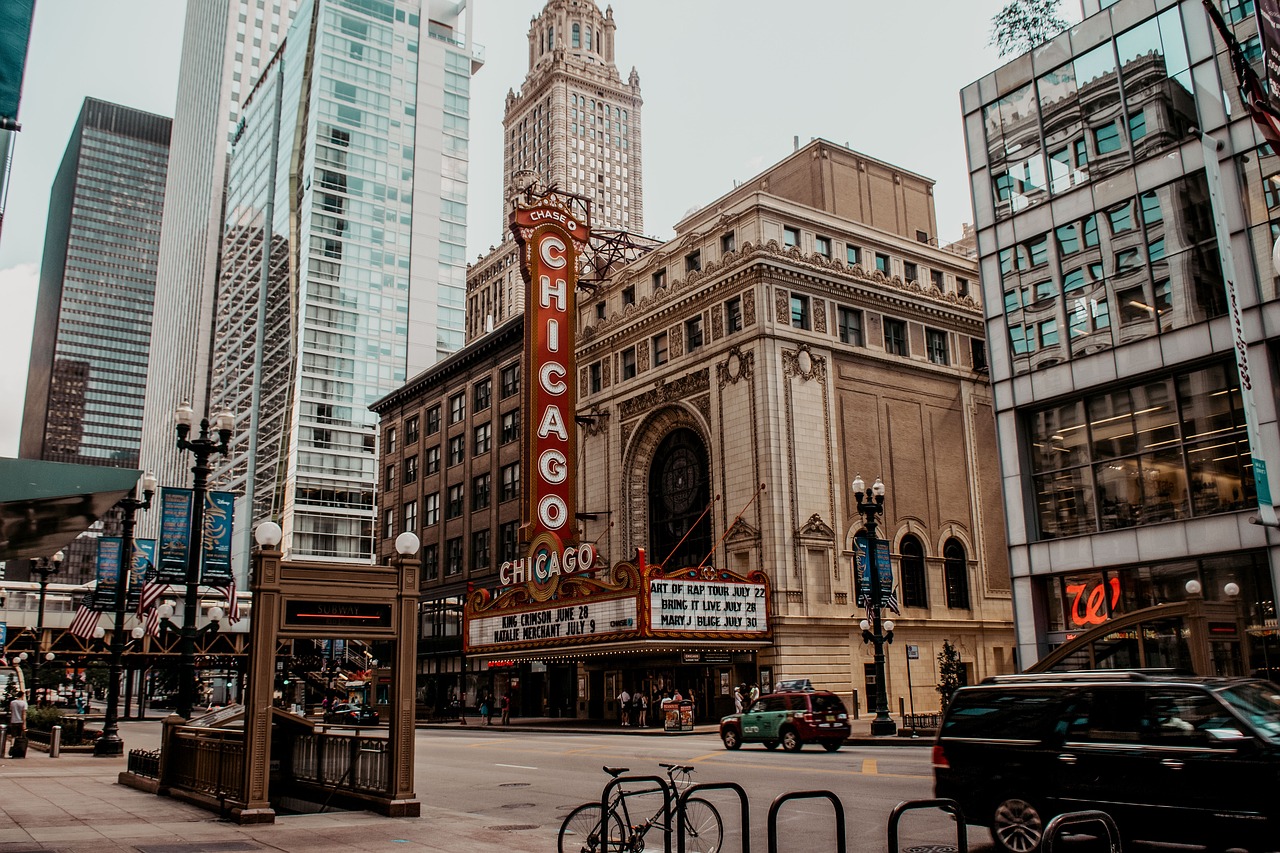
As soon as you catch sight of Chicago – the most important city of the Midwest, standing on the shore of Lake Michigan –, its skyline will leave you awestruck. After the devastating 1871 fire, Chicago was rebuilt by the most famous architects of the day – namely Frank Lloyd Wright and Mies Van de Rohe. The city is now one of the finest examples of contemporary architecture in the world. Chicago also boasts plenty of modern artworks, on display at the Millennium Park and in virtually every square, museums as outstanding as the Art Institute and an extremely thriving music scene, with several top-notch jazz, blues and rock clubs and festivals.
Car
Day 3 — Chicago → St Louis
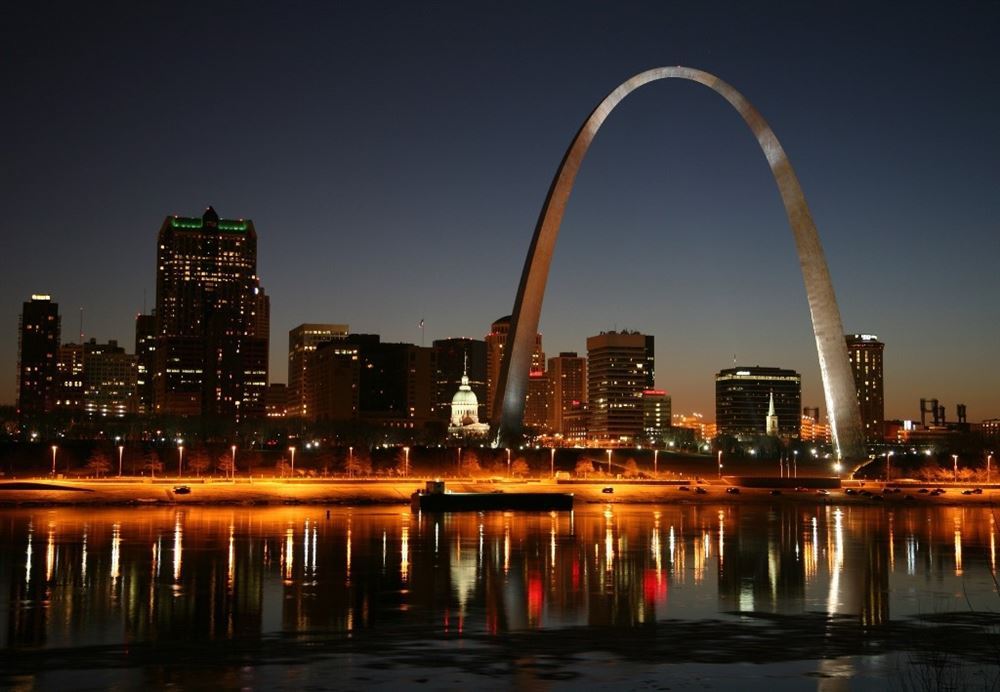
Heading diagonally across the state between Chicago and St. Louis, what remains of Route 66 is a surprisingly rural cruise through endless fields of corn. Despite the urban conglomerations at both ends, for most of its nearly 300-mile trek here, Route 66 and its modern usurper, I-55, pass along flat prairies with nary a smokestack or skyscraper as far as the eye can see. The heavy industrial and poverty-stricken hinterlands of Chicago and East St. Louis aren’t terribly rewarding for travelers in search of the Mother Road, but a couple of intriguing attractions—one a prehistoric city, the other a water tower shaped like a catsup bottle—are worth searching out. The only real city along Route 66 is the Illinois state capital, Springfield, which has preserved its sections of Route 66 alongside a wealth of places connected to the namesake president here in the “Land of Lincoln.” Dozens of small towns across the state play up their Route 66 connections, and most boast at least one true old-road landmark. St. Louis is located downstream from the confluence of the Missouri River with the Mississippi River and experienced a boom in the 19th century as a gateway for caravans heading westward. It was from St. Louis that the legendary Lewis and Clark expedition departed in 1804, becoming the first to reach the Pacific coast by land. The iconic arch for which the city is now famous, a gleaming 192-meter-high steel parabola, was installed in 1965 to commemorate this expedition. Between the late 19th and early 20th centuries, St. Louis played a fundamental role in the development of jazz and blues.
Car
Day 4 — St Louis → Memphis
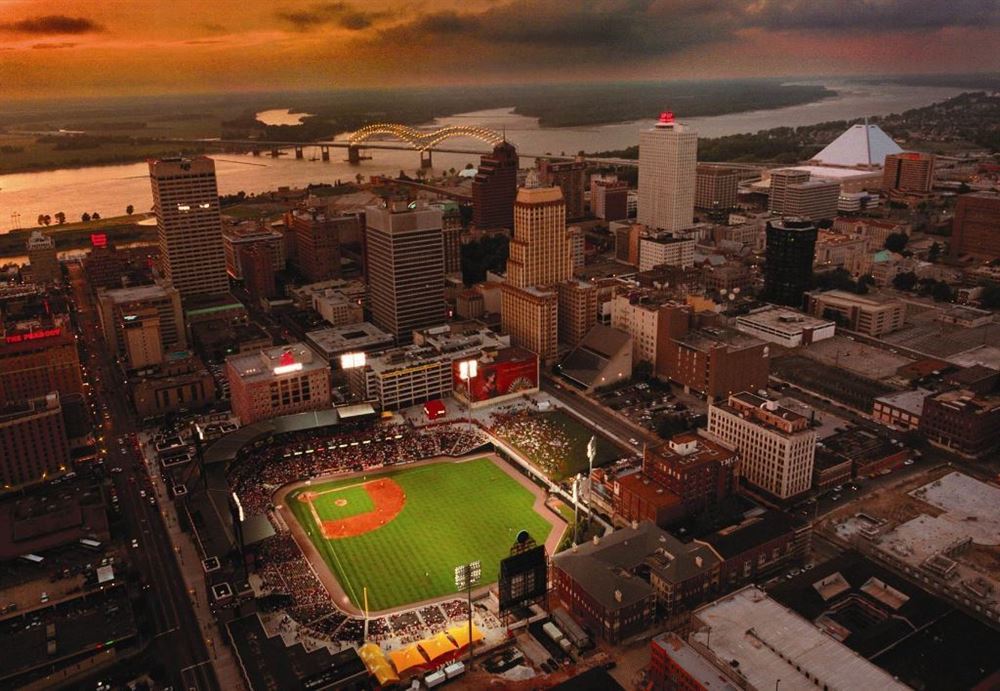
Memphis in three words: Blues, Barbecue, Elvis. Perhaps even more than Nashville, Memphis is the capital of popular music, with essential pilgrimage sites. Even for those who are not fans of the king of rock, Graceland is worth a visit: the house, the car museum, the private plane, the huge collection of gold and platinum records, the stage costumes, and of course the Meditation Garden, where Elvis is buried. However, the visit to the city must start from the legendary Sun Studio, where in the early 1950s Elvis Presley marked the birth of rock 'n' roll, exciting even for non-experts. Other stops for enthusiasts and non-enthusiasts include the Stax Museum of American Soul Music, the Gibson's Guitar Factory, and the nearby Rock 'n' Soul Museum.
Car
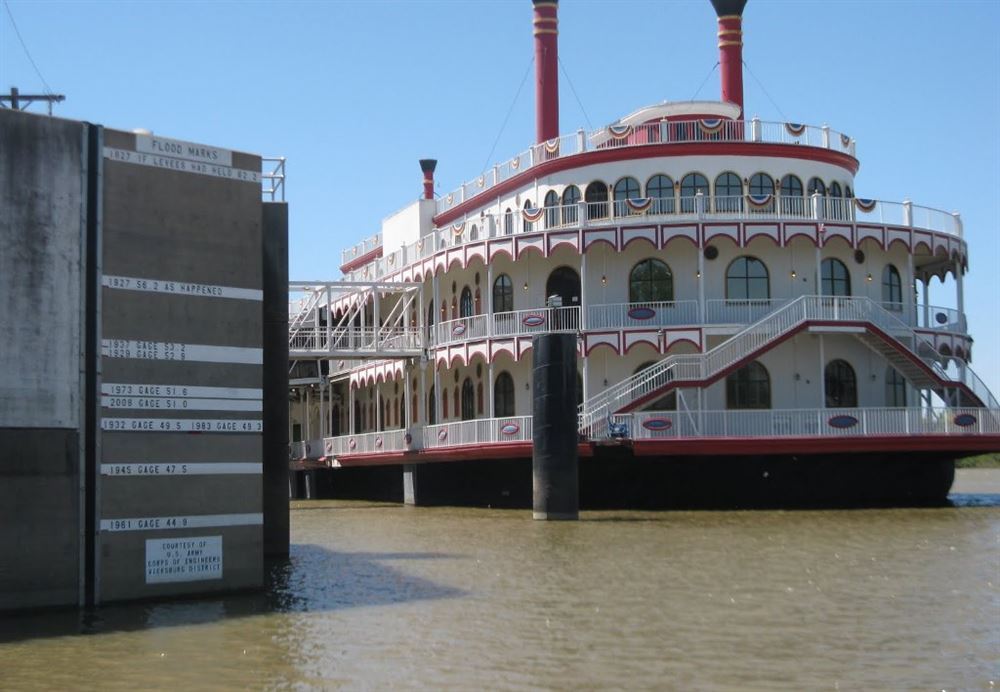
Day 6 — Memphis → Vicksburg
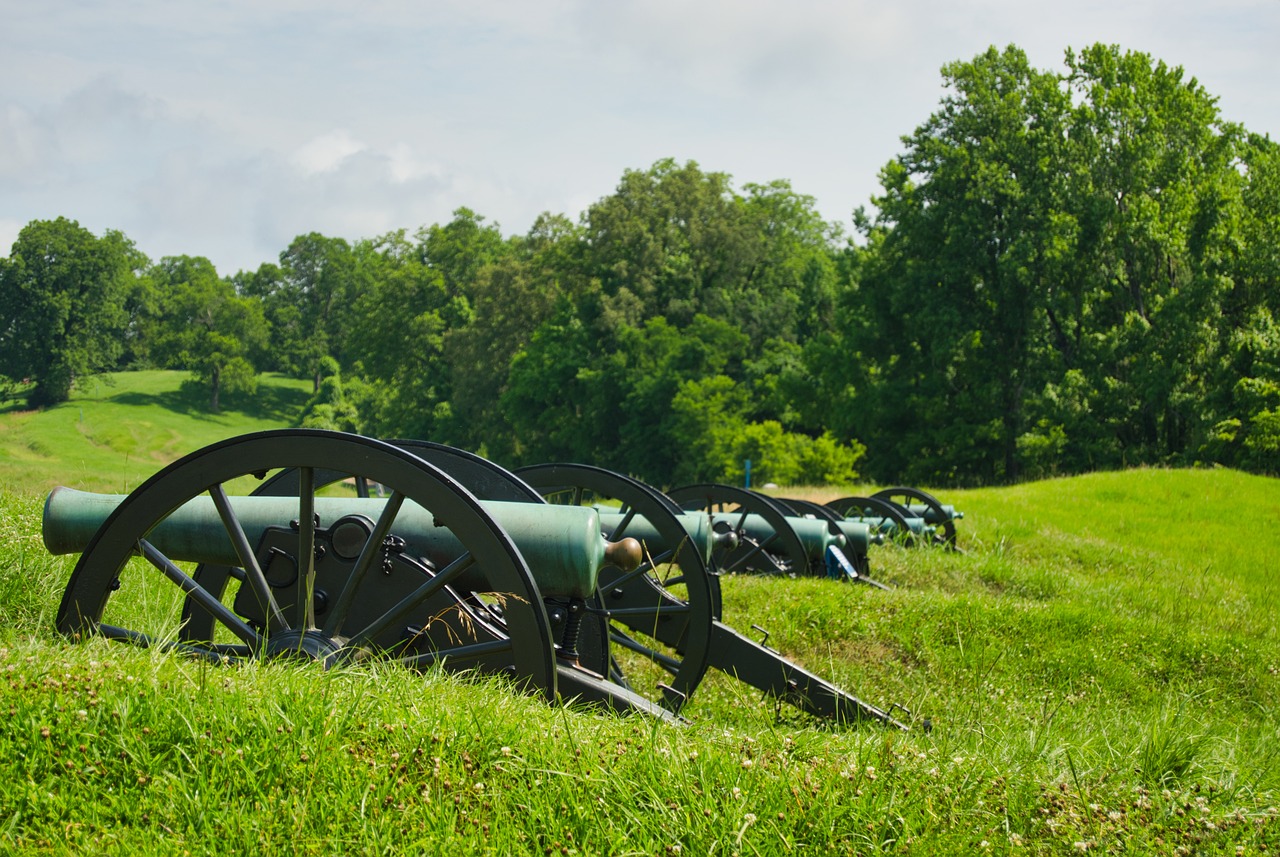
Vicksburg owes its fame to the eponymous Siege that, as well as the Battle of Gettysburg, sealed the fate of the Civil War. A pleasant harbour town by the Mississippi River, Vicksburg boasts a fine historic centre with several Victorian houses.
Car
Day 7 — Vicksburg → New Orleans
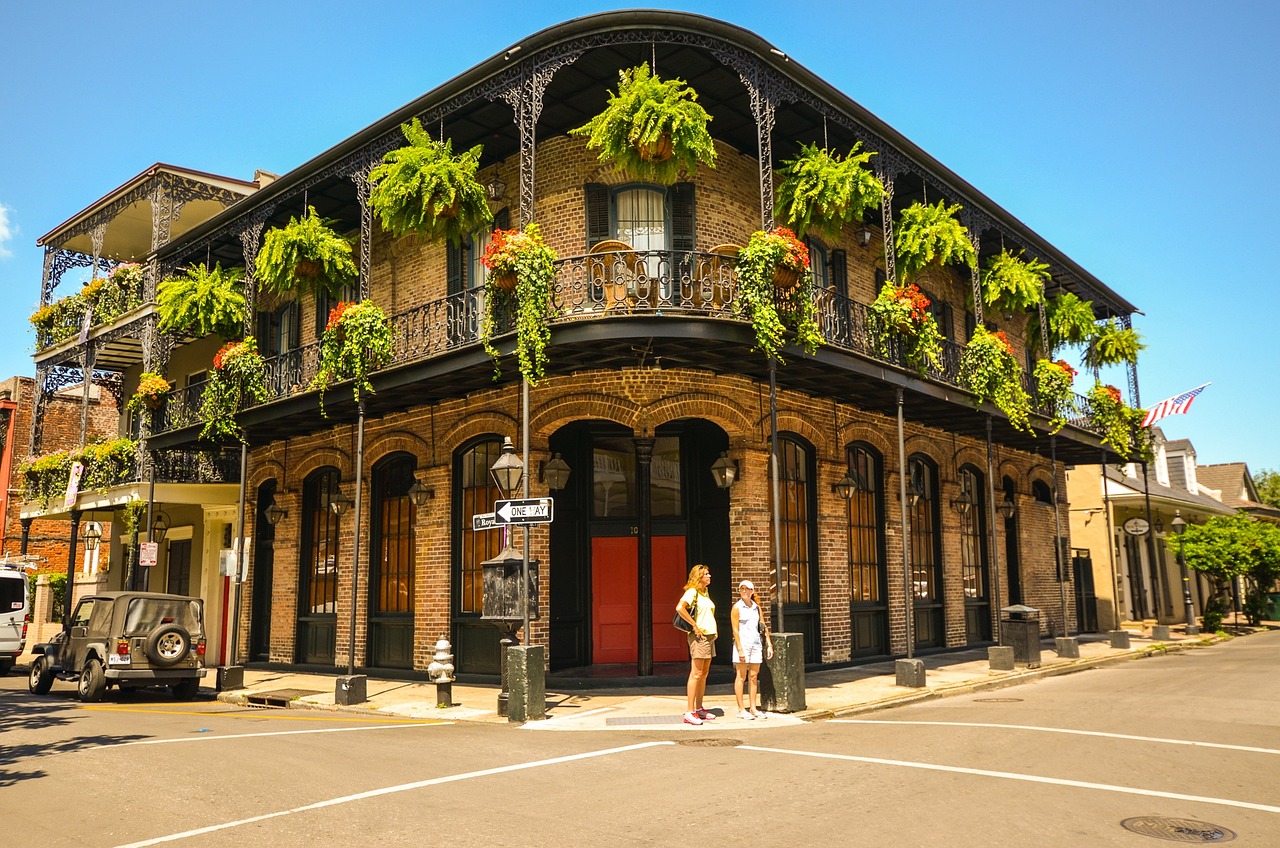
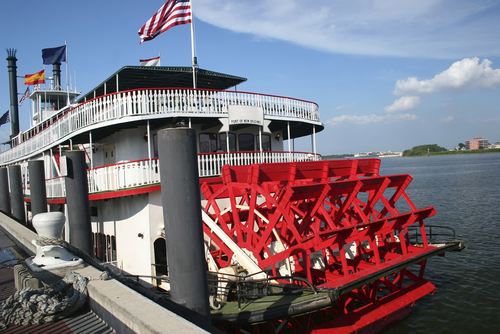
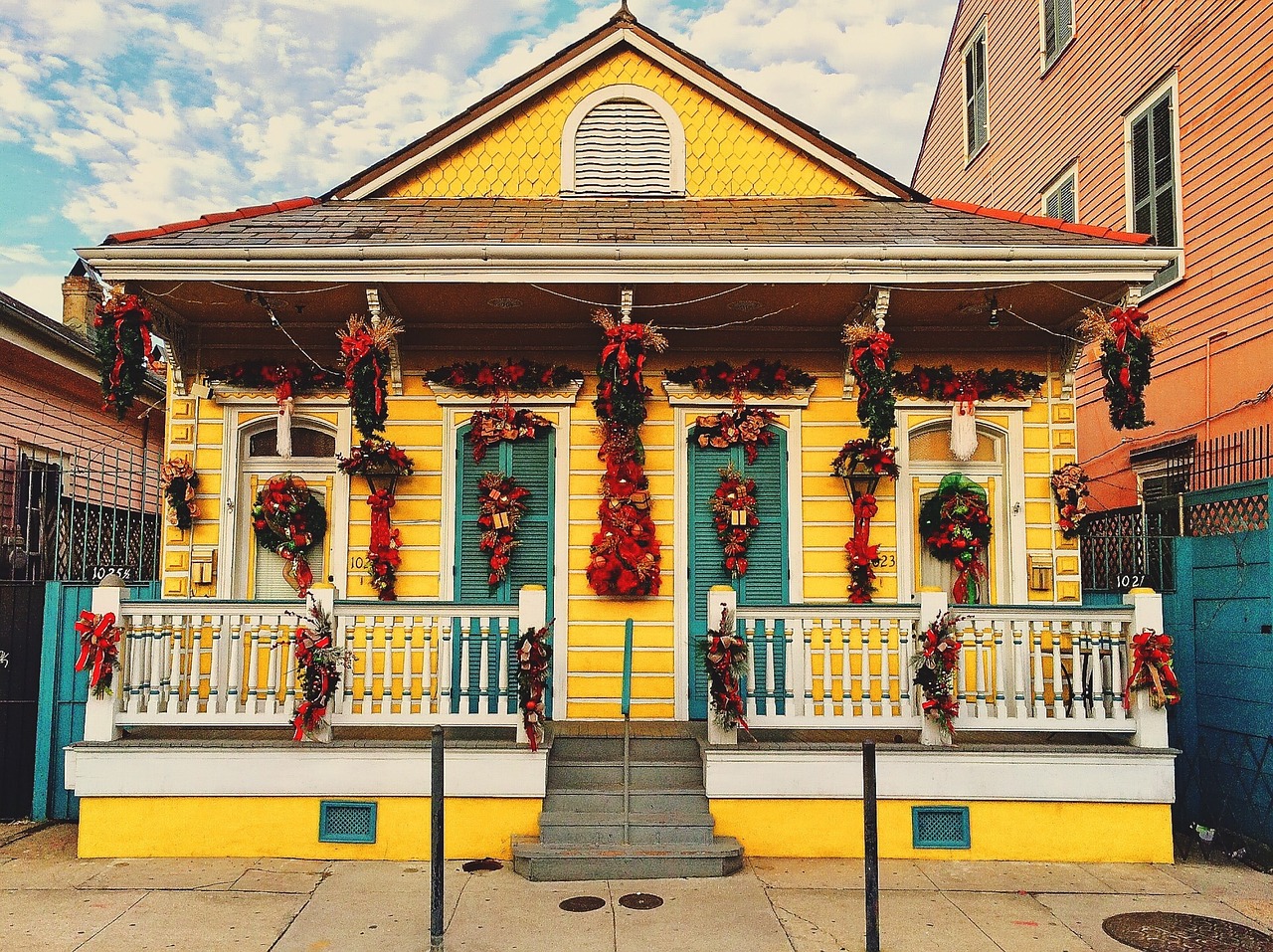
Inhabited by the creole aristocracy descended from Spanish and French settlers, New Orleans embraces a bend in the Mississippi River. At the center of it all is the French Quarter, decadent but still alive, with narrow bustling streets and hidden courtyards. Stop for a few days to soak up the atmosphere, taste the beignets & café au lait at Café du Monde, discover Bourbon Street at night, excessive, raucous, infamous, with music pouring out of every window; board the St Charles streetcar to reach the seductive Garden District and stroll among elegant homes and majestic trees. Exploring the surrounding area, with an airboat tour in a nearby swamp or a visit to a historic plantation, completes the vision of a nostalgic and fascinating South.
Car
Day 9 — New Orleans → Birmingham
Birmingham, in Alabama, is the city where music and the fight for civil rights come together. In the Alabama Jazz Hall of Fame, you can find the Carver Theatre where some great performers of the genre have performed; it is recommended to spend an evening in one of the city's juke joints. A visit to the Civil Rights District is a must, where you can find the 16th Street Baptist Church, bombed by the KKK in 1963, Kelly Ingram Park, where demonstrations were held in the 1960s, and the moving Birmingham Civil Rights Institute, which illustrates the history of the struggle for civil and human rights.
Car
Day 10 — Birmingham → Chattanooga
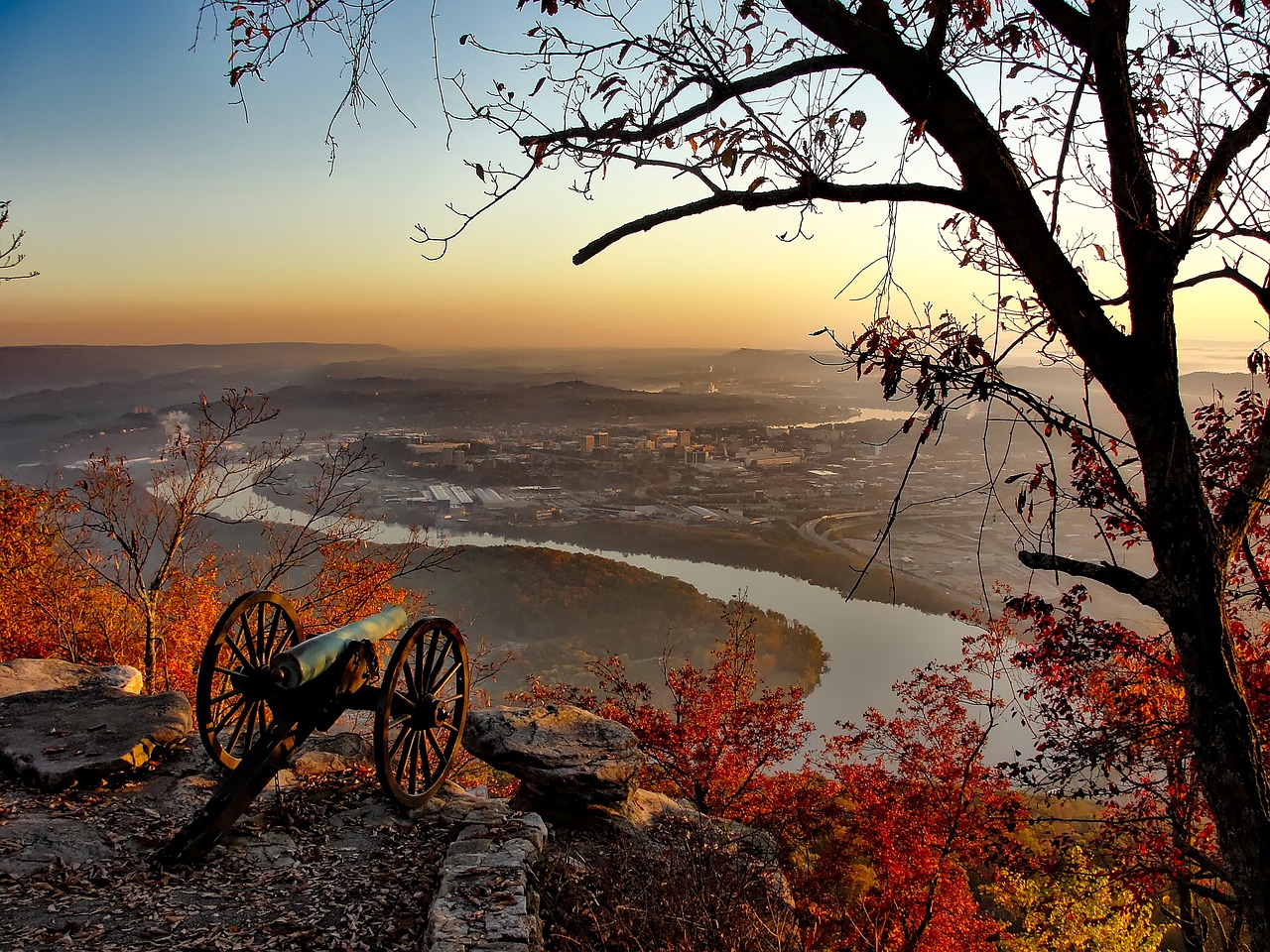
The Noog, that came to fame thanks to Glen Miller’s 1941 “Chattanooga choo choo”, is a very pleasant, green town. Its historic district is charming, its cuisine quite noteworthy; long, cozy walks along the Tennessee riverbank are especially enjoyable. Every year, more than 500,000 music lovers rush to the Chattanooga Riverband Festival, dedicated to rock, country, urban and bluegrass music.
Car
Day 11 — Chattanooga → Nashville
Nashville – aka Music City, USA, draws millions of music enthusiasts every year to visit the Country Music Hall of Fame, the Grand Ole Opry, the Ryman Auditorium and the Johnny Cash Museum – the shrines of country and pop music. Nashville and its surroundings are also brimming with typical honky-tonks. The city overlooks the Cumberland river, making for very pleasant riverbank walks.
Car
Day 12 — Nashville → Louisville
Louisville is synonymous with Churchill Downs, the venue where the Kentucky Derby, a famous English thoroughbred horse race held annually, takes place. It is also known for bourbon, which has been produced here since 1780, and to this day, one-third of the world's bourbon distillation occurs here. Whiskey Row is a block that stretches from 101 to 133 W. Main Street, once home to the offices of local bourbon distilleries, which transported their barrels to the Louisville market. Originally slated for demolition in 2011, Whiskey Row was instead saved and restored, and today it houses luxury apartments, restaurants, and shops. Don't miss the Muhammad Ali Center, a $60 million museum founded in 2005, dedicated to Louisville's most famous son, the renowned boxer Cassius Clay. For beautiful views of Louisville and the Ohio River, book a cruise aboard the Belle of Louisville, a steamboat from 1914.
Midwest and Travel South: great music, great rivers — NAAR