Miami›Key West (Lower Keys)›Everglades National Park›Naples›Sarasota›Crystal River+2 Altro
Riepilogo del tour
Durata11 Giorni / 10 notti
ItinerarioMiami → Pensacola
Tappe8 Destinazioni
Itinerario del Tour
Caricamento mappa...
Florida Beaches from Miami to Pensacola — NAAR
Itinerary
Giorno 1 — Miami
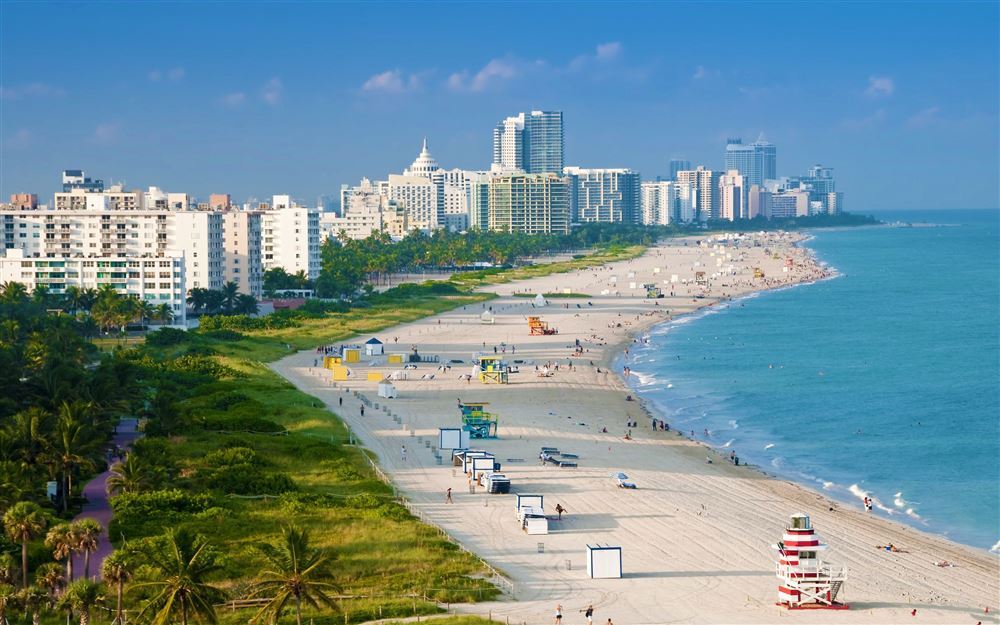
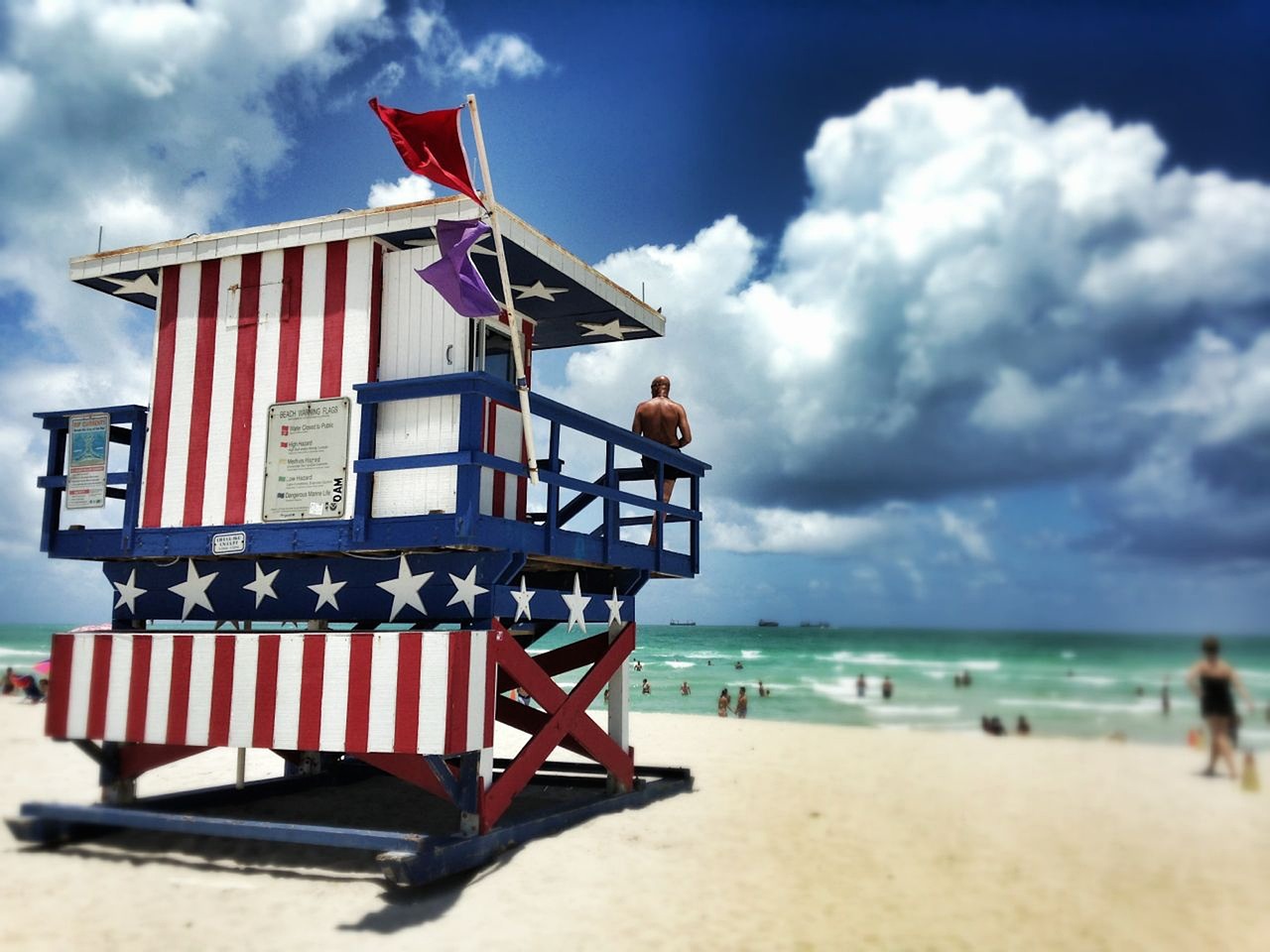
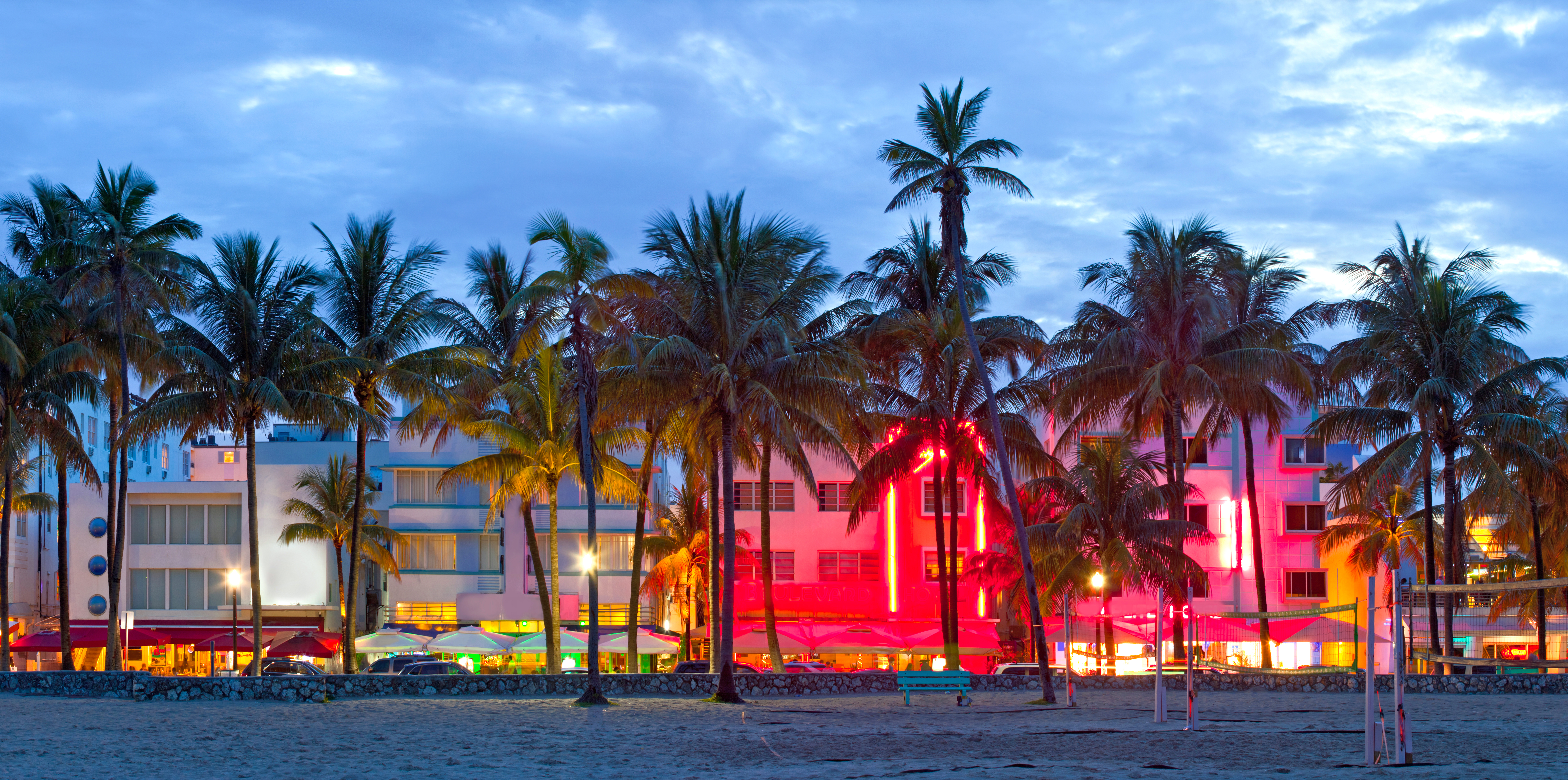
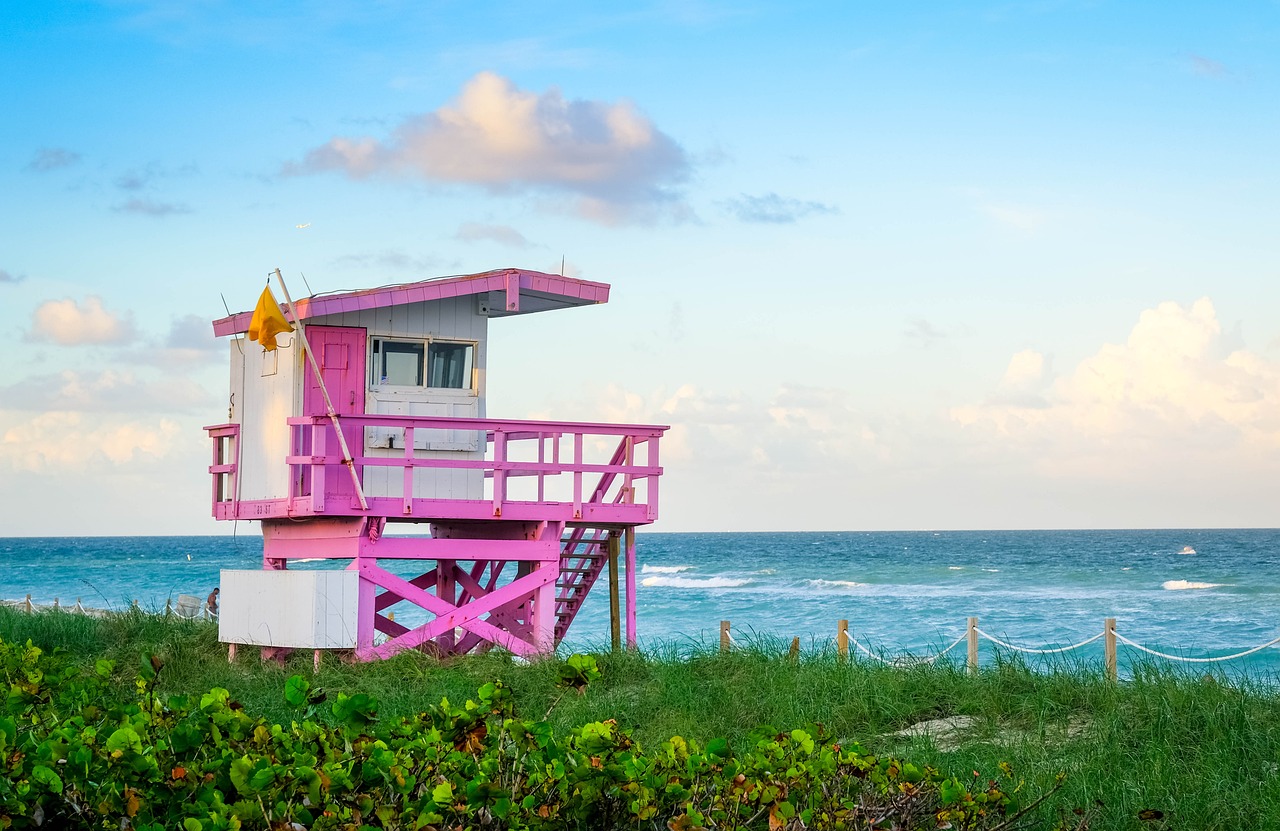
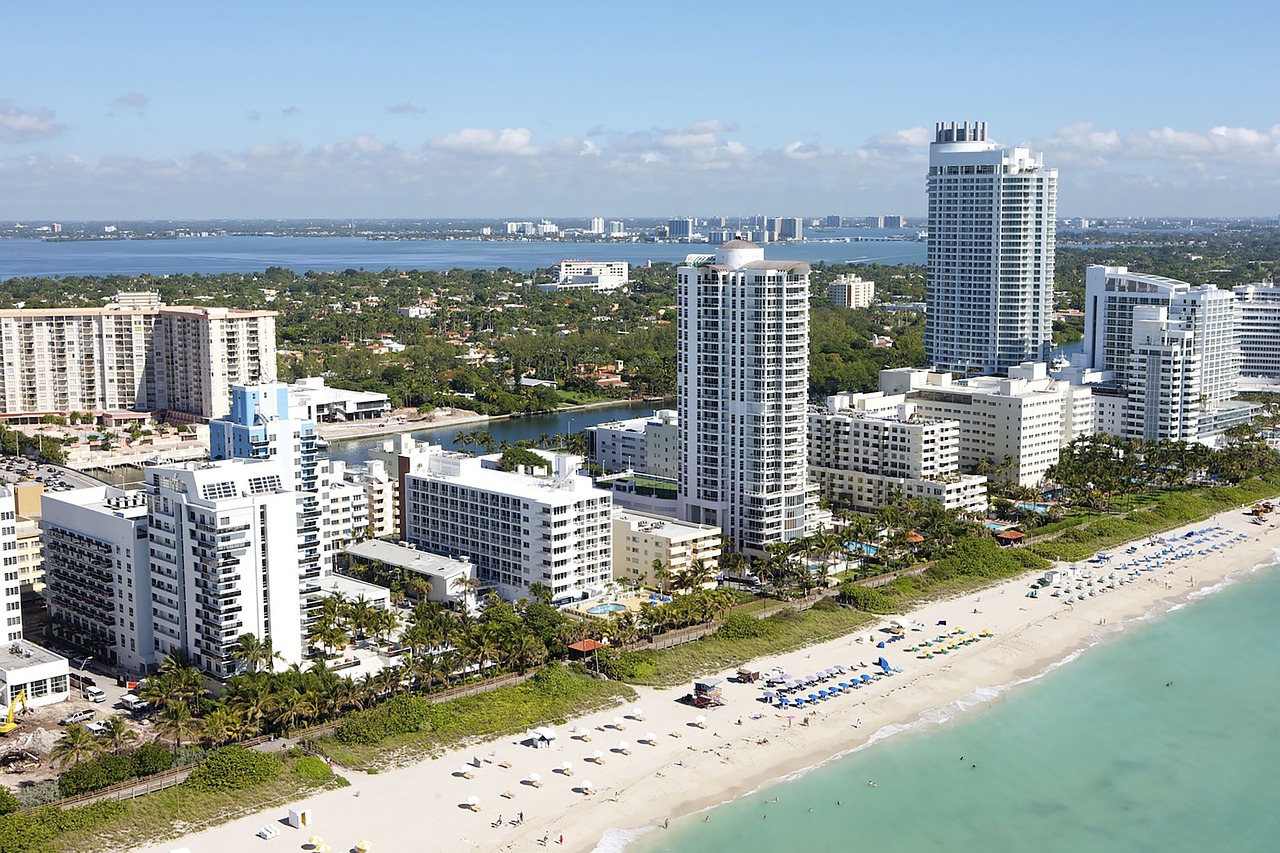
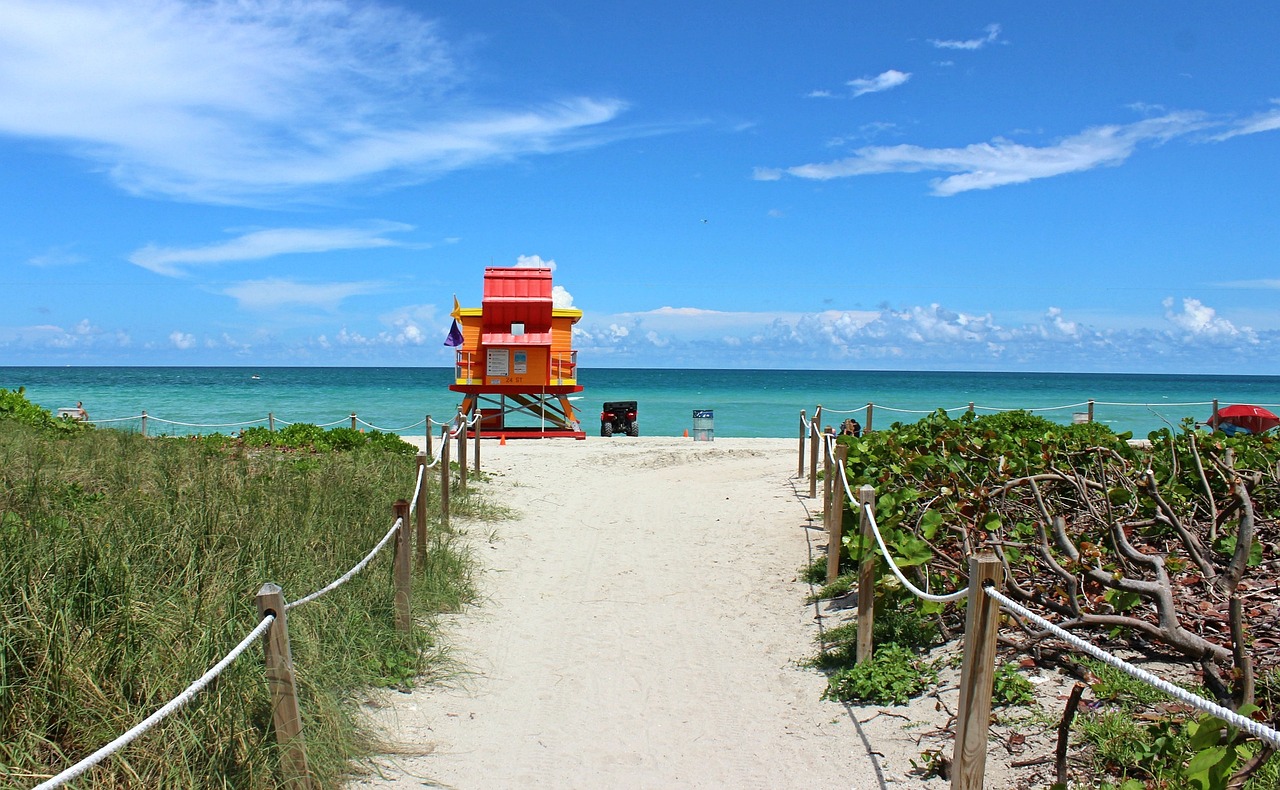
Miami stretches along the south-eastern coast of Florida, overlooking turquoise waters and blessed by a subtropical climate that makes it one of the most beloved seaside destinations in the United States. A glamorous and deeply Latin city, it blends the energy of its beaches with an effervescent cultural and nightlife scene. Its emblem is Miami Beach, the barrier island linked to the mainland by scenic causeways, home to the historic district of South Beach. Here, along Ocean Drive, the famous pastel-coloured Art Déco buildings line up beside open-air restaurants and white-sand beaches dotted with brightly painted lifeguard cabins. The neighbourhood of Little Havana, heart of the Cuban community, offers the city's most authentic flavour: along Calle Ocho the air fills with salsa music, the scent of coffee and cigars, while the cafés serve traditional Caribbean dishes. Further north, the Design District and Wynwood reign as the realm of contemporary art and street art, with spectacular murals and avant-garde galleries. Modern Downtown, with its mirror-clad skyscrapers, looks out over Biscayne Bay, from where boat excursions set off towards exclusive islands and floating residential enclaves. Miami is also a gateway to extraordinary natural wonders: a short distance away lie the Everglades, a boundless park of marshes and mangroves teeming with alligators, and the Florida Keys, the coral archipelago reaching south along a scenic overseas highway. Between beaches, luxury shopping, fusion cuisine and an atmosphere that pulses day and night, Miami invites you to live the very best of the American tropical lifestyle.
Auto
Giorno 3 — Miami → Key West (Lower Keys)
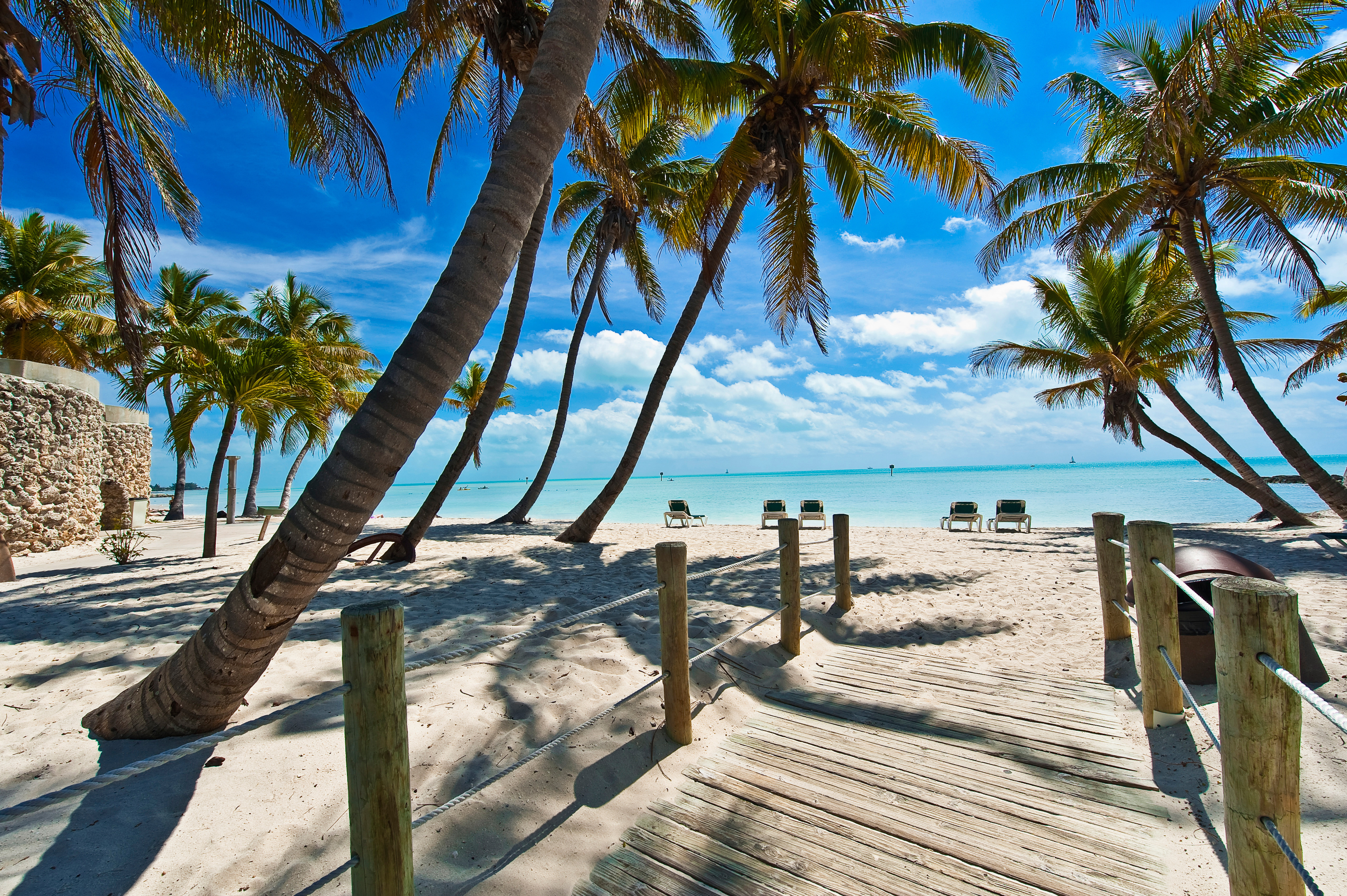
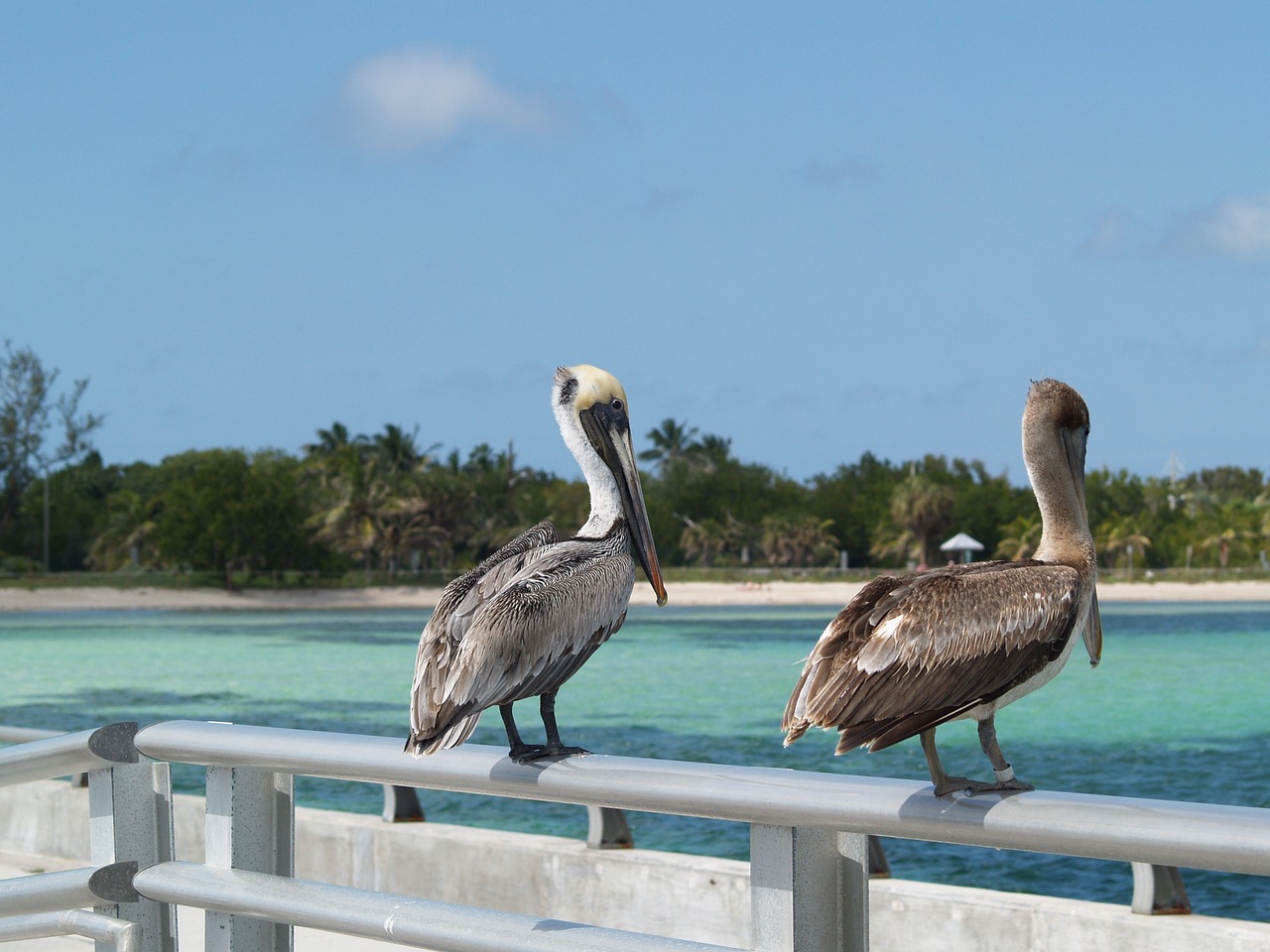
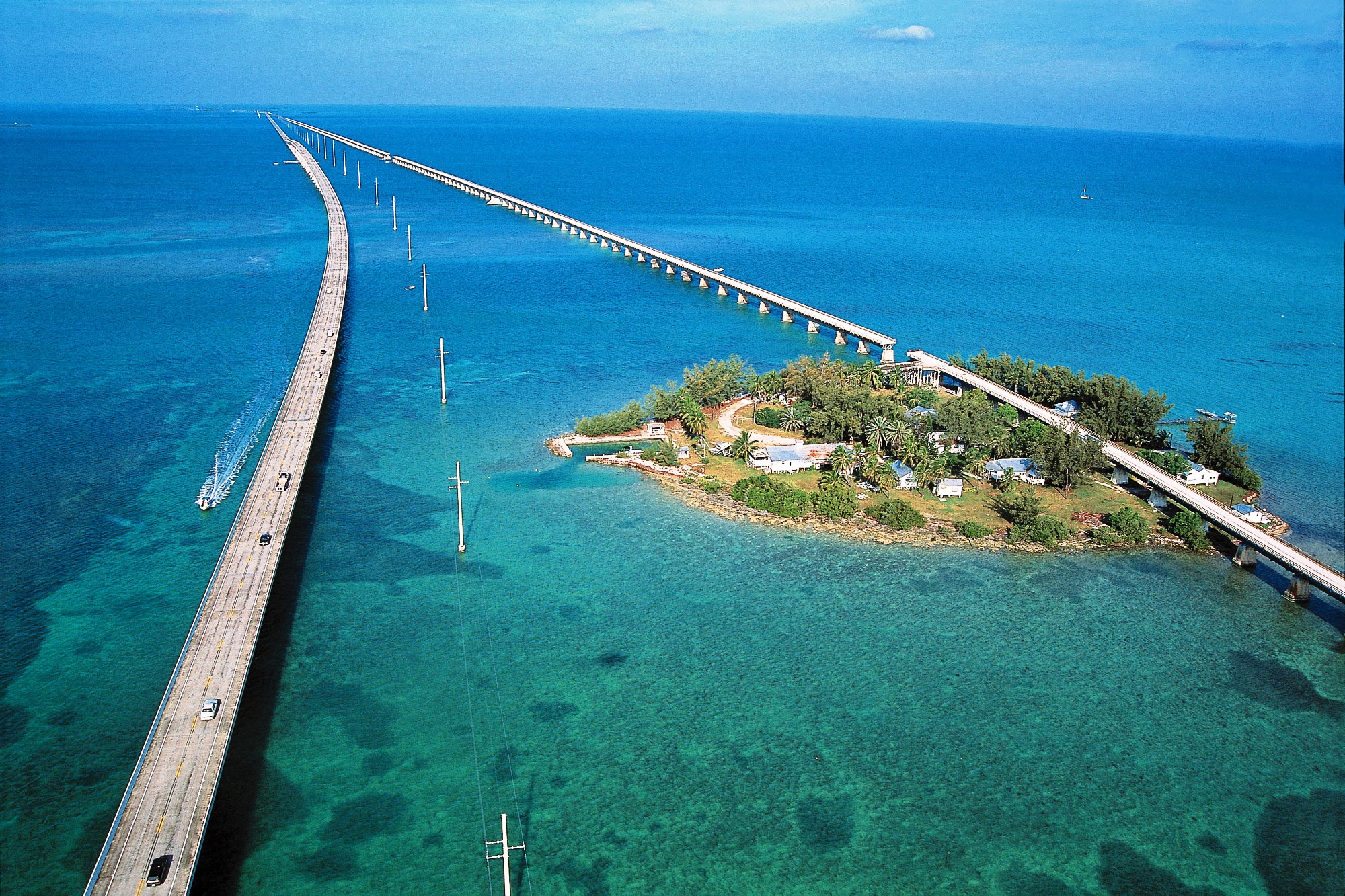
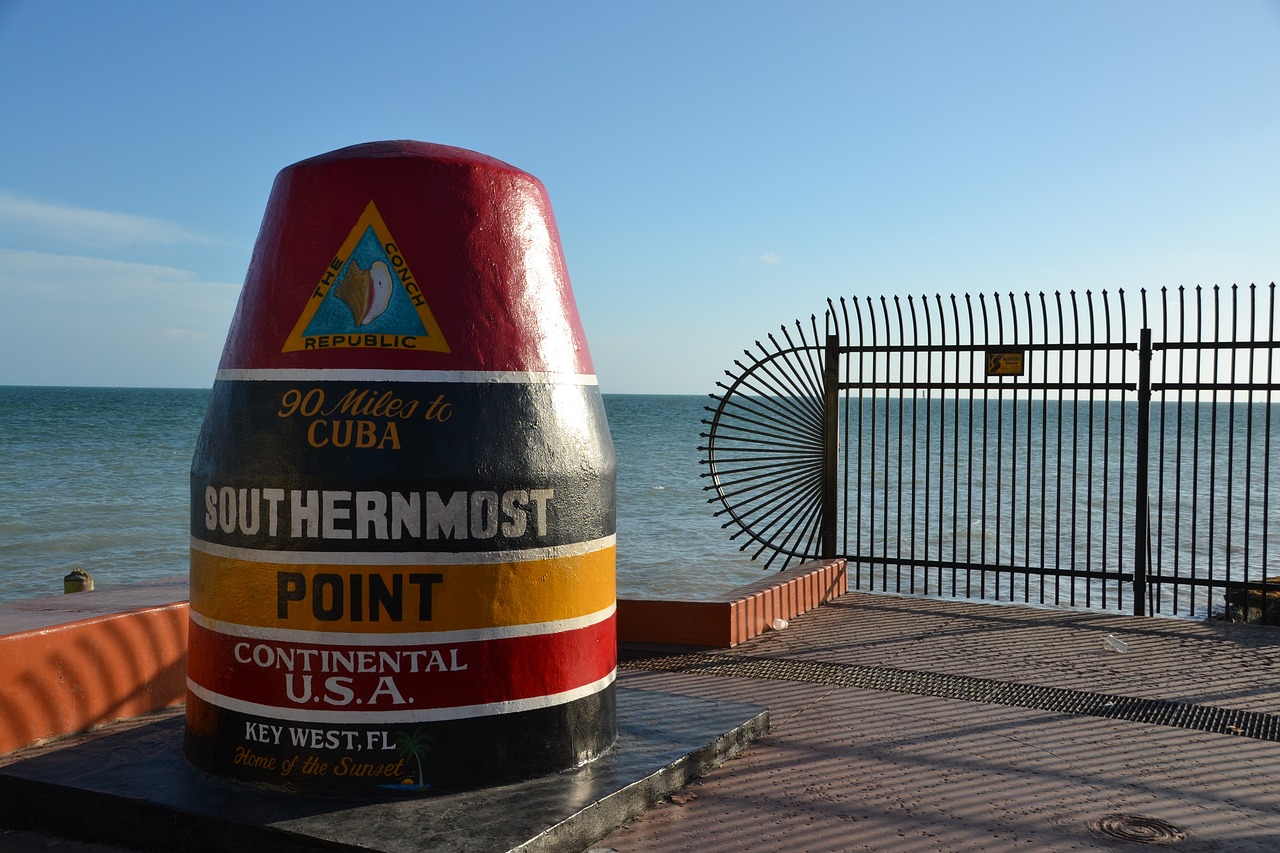
Only one road, the Overseas Highway, with an endless series of bridges, connects these long and narrow islets from the Atlantic to the Gulf of Mexico. Key West closes the Florida Keys archipelago to the south, the southernmost point of the continental United States only 90 miles from Cuba, where the Atlantic meets the Gulf of Mexico. Linked to the mainland by the scenic Overseas Highway, which glides over the sea for more than 160 kilometres, it is an island with a Caribbean soul and a free spirit. The streets of Old Town are lined with colonial wooden houses, including the Hemingway Home where the writer lived with his six-toed cats. Each evening Mallory Square celebrates the sunset with street performers and music. Crystal-clear waters invite snorkelling along the only living coral reef in North America, while local cuisine offers conch fritters and the inevitable key lime pie. Amid pastel colours and a bohemian atmosphere, Key West is an invitation to the tropical dolce vita.
Auto
Giorno 5 — Key West (Lower Keys) → Everglades National Park
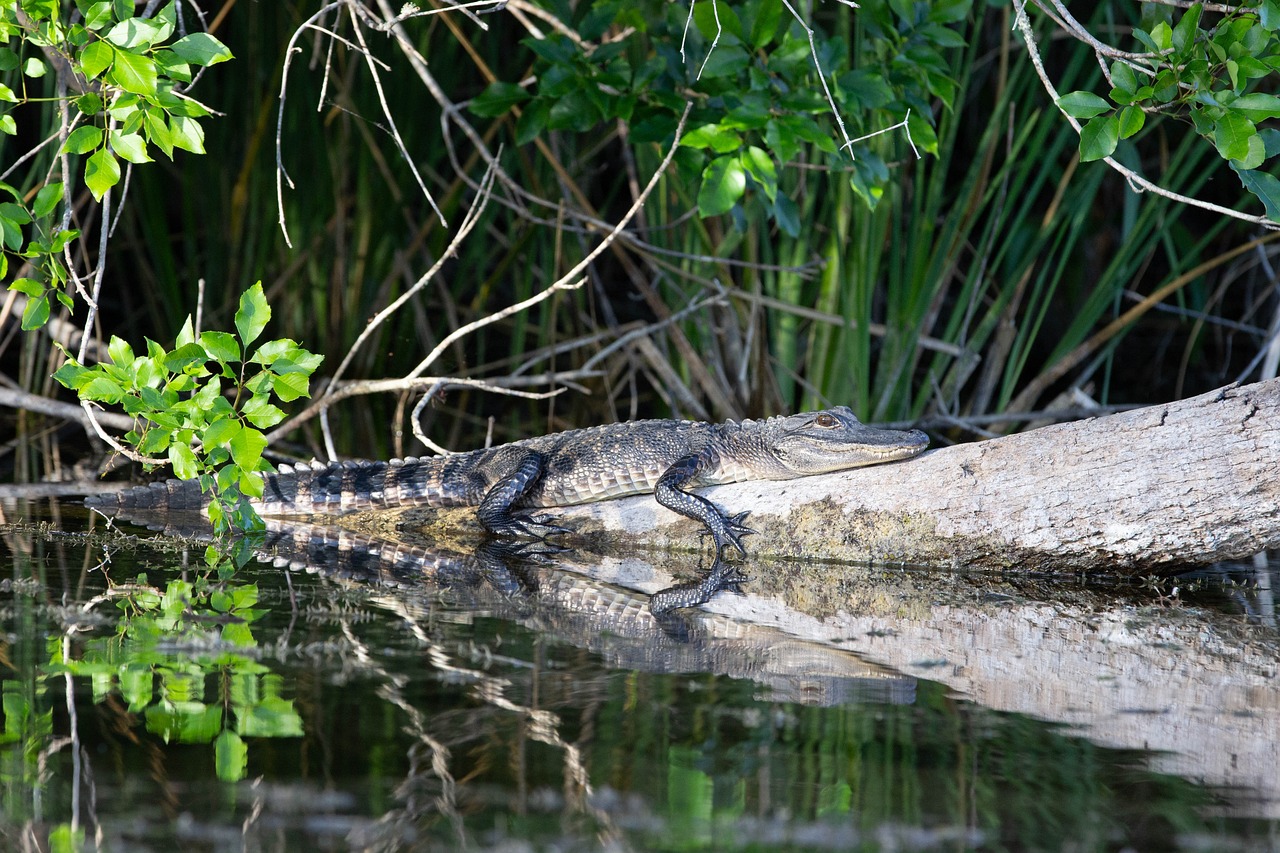
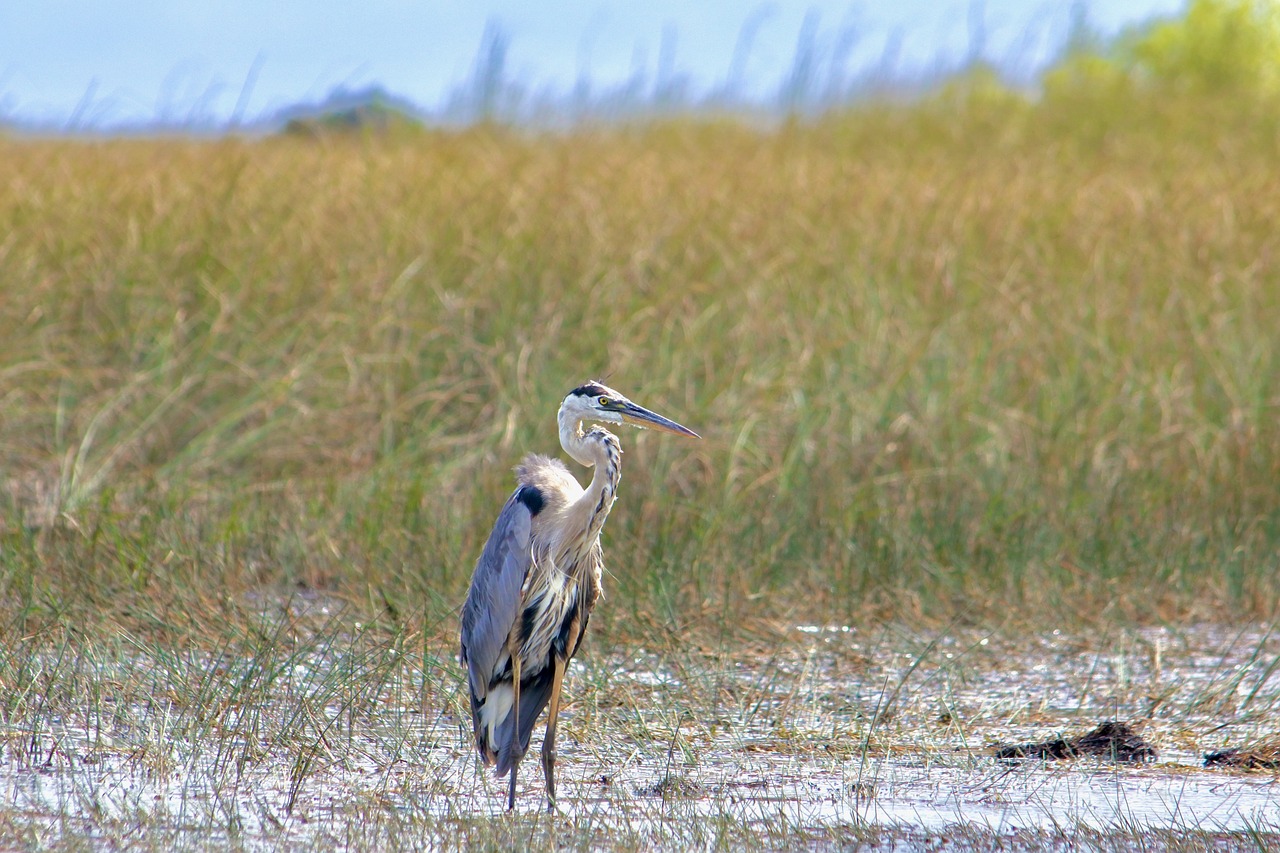
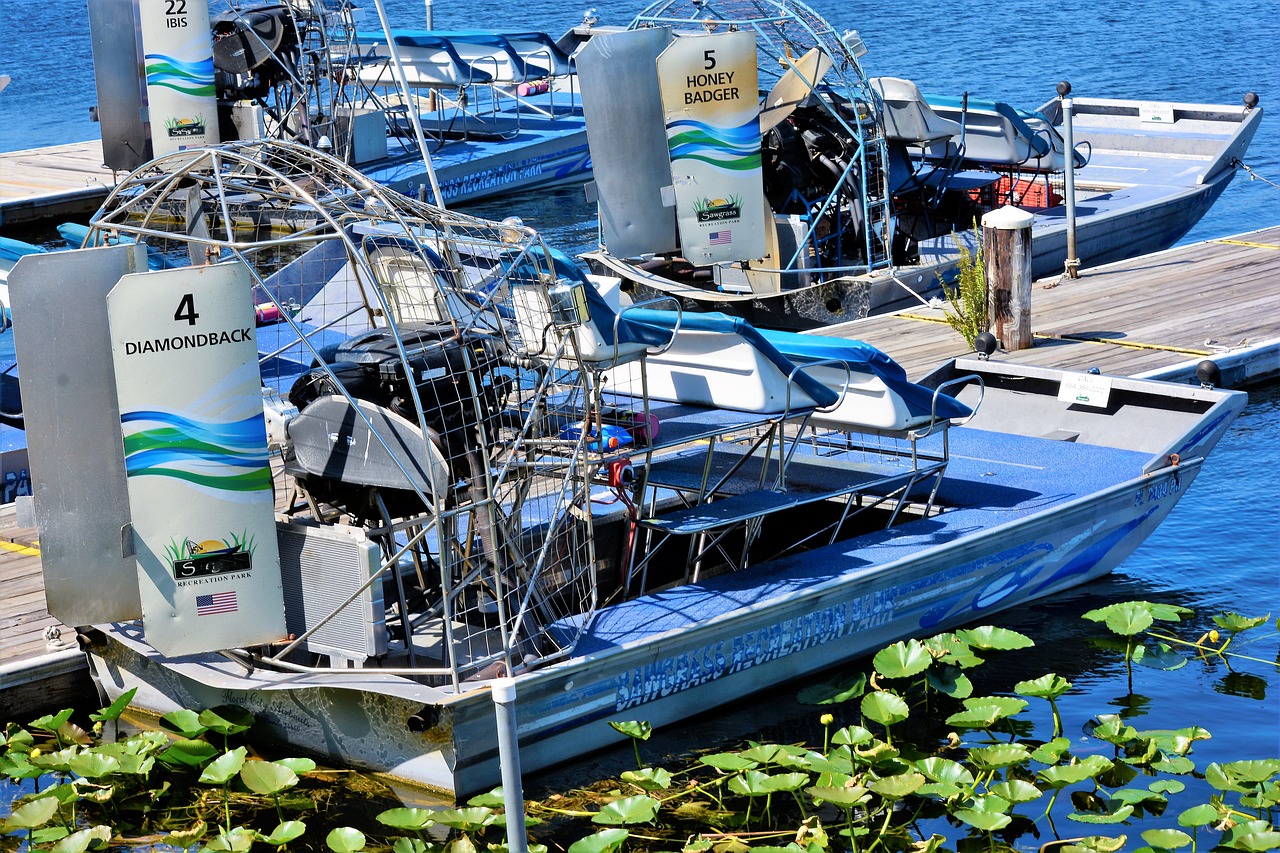
Only one road, the Overseas Highway, with an endless series of bridges, connects these long and narrow islets from the Atlantic to the Gulf of Mexico. The Everglades extend into the far south of Florida, in a vast and unique ecosystem of marshes, mangroves and freshwater prairies protected as a national park. Nicknamed the river of grass, they are the realm of alligators, manatees, herons and an extraordinary tropical biodiversity. Among airboat tours, raised boardwalks and silent canals, they offer total immersion in subtropical wild nature. It is a UNESCO World Heritage Site.
Altro
Giorno 6 — Everglades National Park → Naples
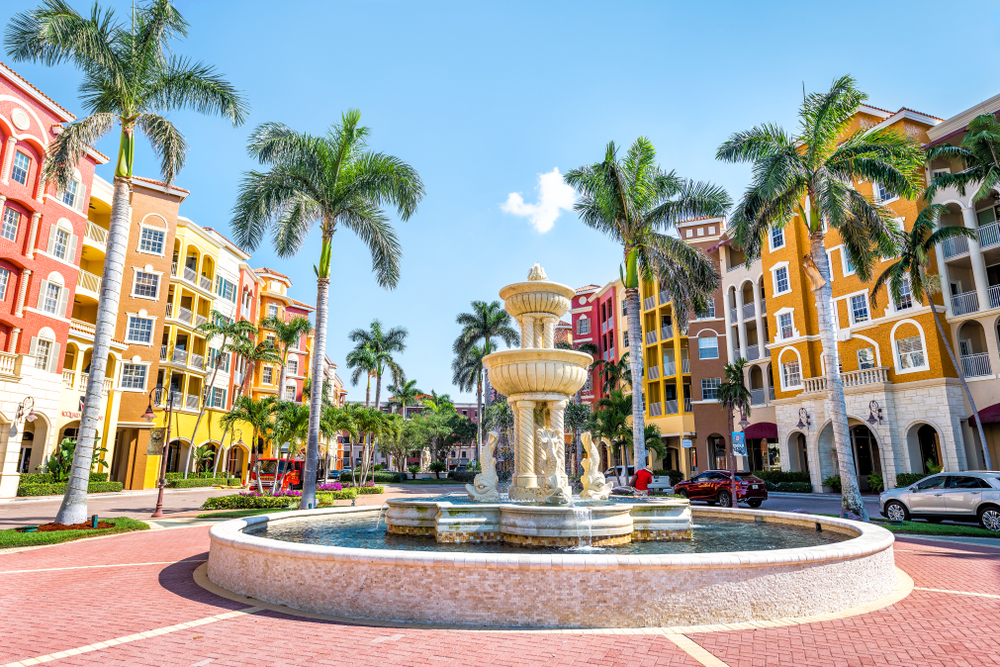
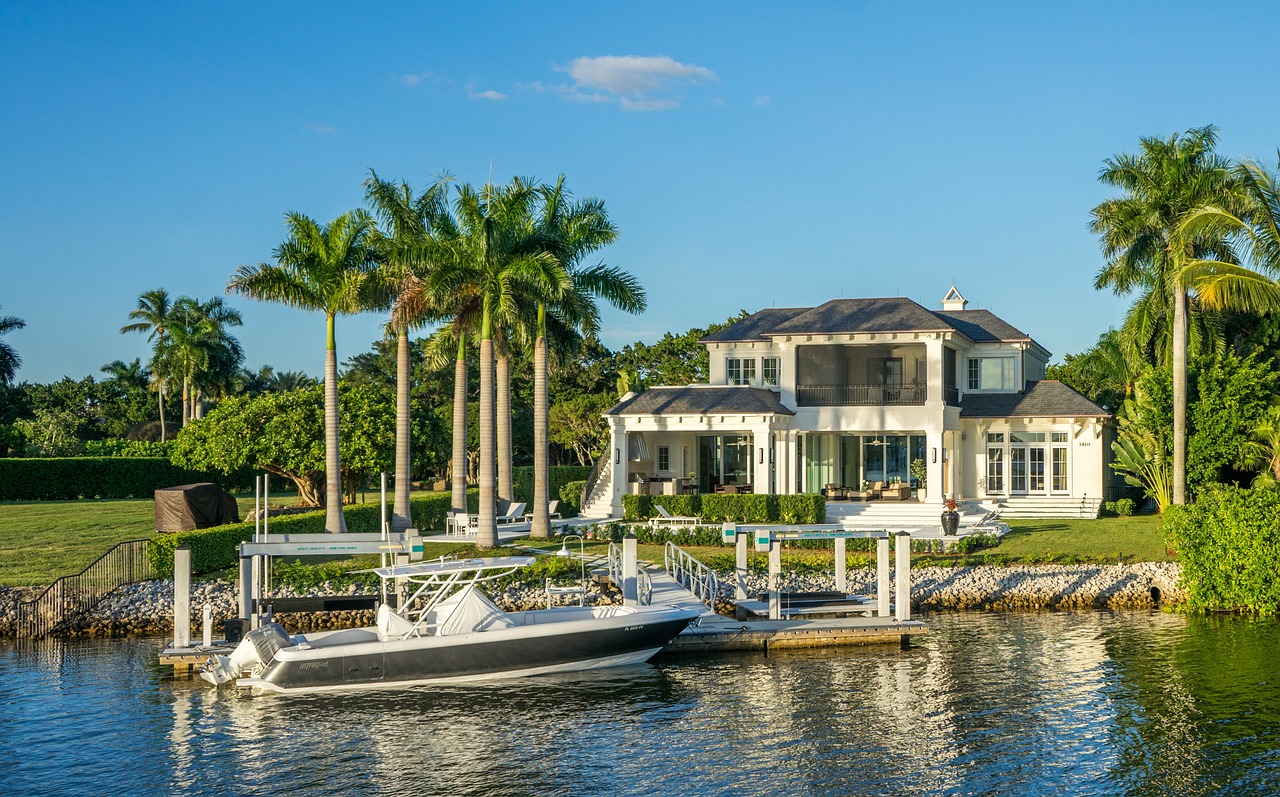
Naples stretches along the southwestern coast of Florida, a refined seaside resort facing the Gulf of Mexico. Its beaches of fine white sand, lapped by calm warm waters, are famous for the sunsets that set the sky ablaze each evening, admired from the city's long pier. Elegant Fifth Avenue South and Third Street South are home to boutiques, art galleries and fine restaurants, while tropical gardens and palms set the town's unhurried rhythm. A short distance away open the vast expanses of the Everglades and the Big Cypress preserve, realm of alligators, manatees and extraordinary wildlife, explored by boat or aboard the characteristic airboats. Golf, fishing and sunset cruises round out the appeal of a sophisticated destination. Naples is the most elegant and relaxed face of Florida's Gulf Coast.
Auto
Giorno 7 — Naples → Sarasota
Sarasota rises on Florida's Gulf Coast, a refined seaside town blending white-sand beaches, culture and a laid-back atmosphere. Its emblem is Siesta Key, repeatedly named among America's finest beaches for its powder-soft, dazzling white sand, perfect for long sunset walks and swims in the warm Gulf waters. At the heart of city life stands The Ringling, the legacy of circus magnate John Ringling: the opulent Venetian-style mansion Ca' d'Zan overlooking the bay, an art museum with Baroque masterpieces and a museum devoted to circus history form a unique complex. Nearby, the Marie Selby Botanical Gardens hold an extraordinary collection of orchids and epiphytes among mangroves and waterfront gardens. The historic Towles Court district, with its colourful houses turned into galleries and studios, captures the city's artistic soul, while downtown offers fresh seafood restaurants, Gulf catch and a lively cultural scene of theatres and festivals. Sarasota is the ideal destination for those seeking sea, art and the good life under the Florida sun.
Altro
Giorno 8 — Sarasota → Crystal River
a different and surprising day in the "other Florida". After a stop in Tarpon Springs, a Greek community famous for sponge fishing, you visit the Crystal River spring, a source of turquoise waters surprisingly clear and inhabited by friendly manatees. Crystal River is a picturesque town on the Gulf coast of north-central Florida, famed worldwide as one of the few places where it is possible to swim with manatees. Each winter hundreds of these gentle marine mammals gather in the warm-water springs of Kings Bay and Three Sisters Springs, creating a unique nature experience. The area also offers kayaking, snorkelling and fishing among crystalline springs and mangroves. Between manatees, transparent waters and protected nature, Crystal River is an authentic sanctuary of Floridian aquatic wildlife.
Altro
Giorno 9 — Crystal River → Apalachicola
Apalachicola faces the bay of the same name along Florida's Forgotten Coast, an authentic fishing village famous for its prized oysters. The historic centre preserves period houses, cotton warehouses and workshops, while the harbour and pristine estuaries teem with life. Empty beaches and Gulf sunsets complete its charm. Apalachicola is the ideal destination for those seeking maritime traditions, the freshest seafood and the genuine atmosphere of Florida's forgotten coast.
Altro
Giorno 10 — Apalachicola → Pensacola
Pensacola stretches along Florida's western coast, a city of Spanish origin famous for its bright white sand beaches and emerald waters. The historic centre, with its colonial houses and forts, tells five centuries of different rule, while the naval air station hosts the Blue Angels aerobatic team. Pensacola Beach and the Gulf Islands National Seashore shoreline invite swimming, snorkelling and relaxation. Pensacola is the perfect destination for those seeking white beaches, colonial history and the sun of the Gulf of Mexico.