Giorno 2 — Salta → Purmamarca
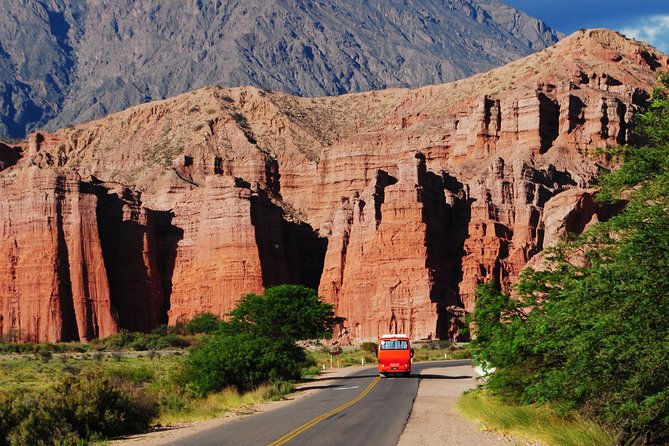
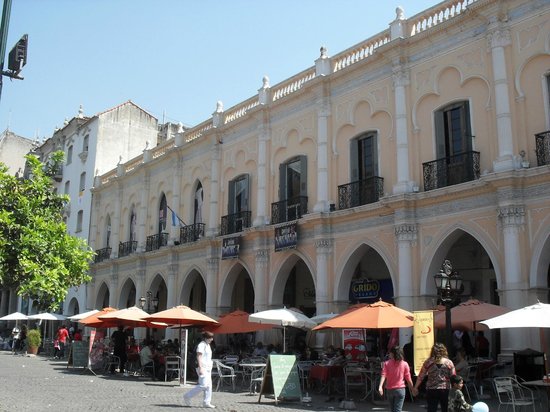
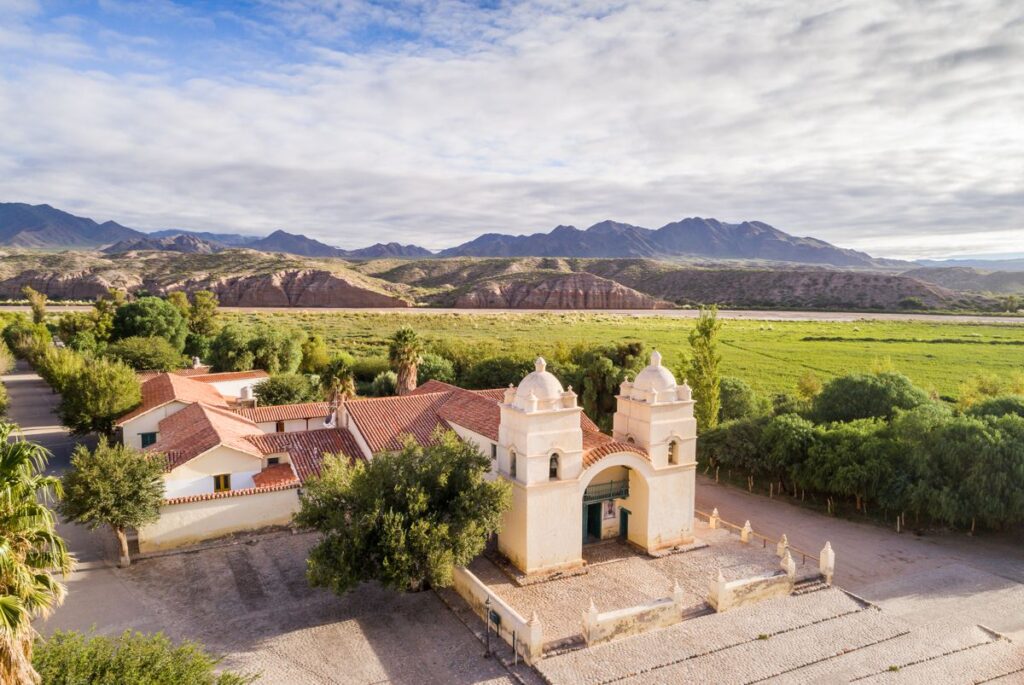
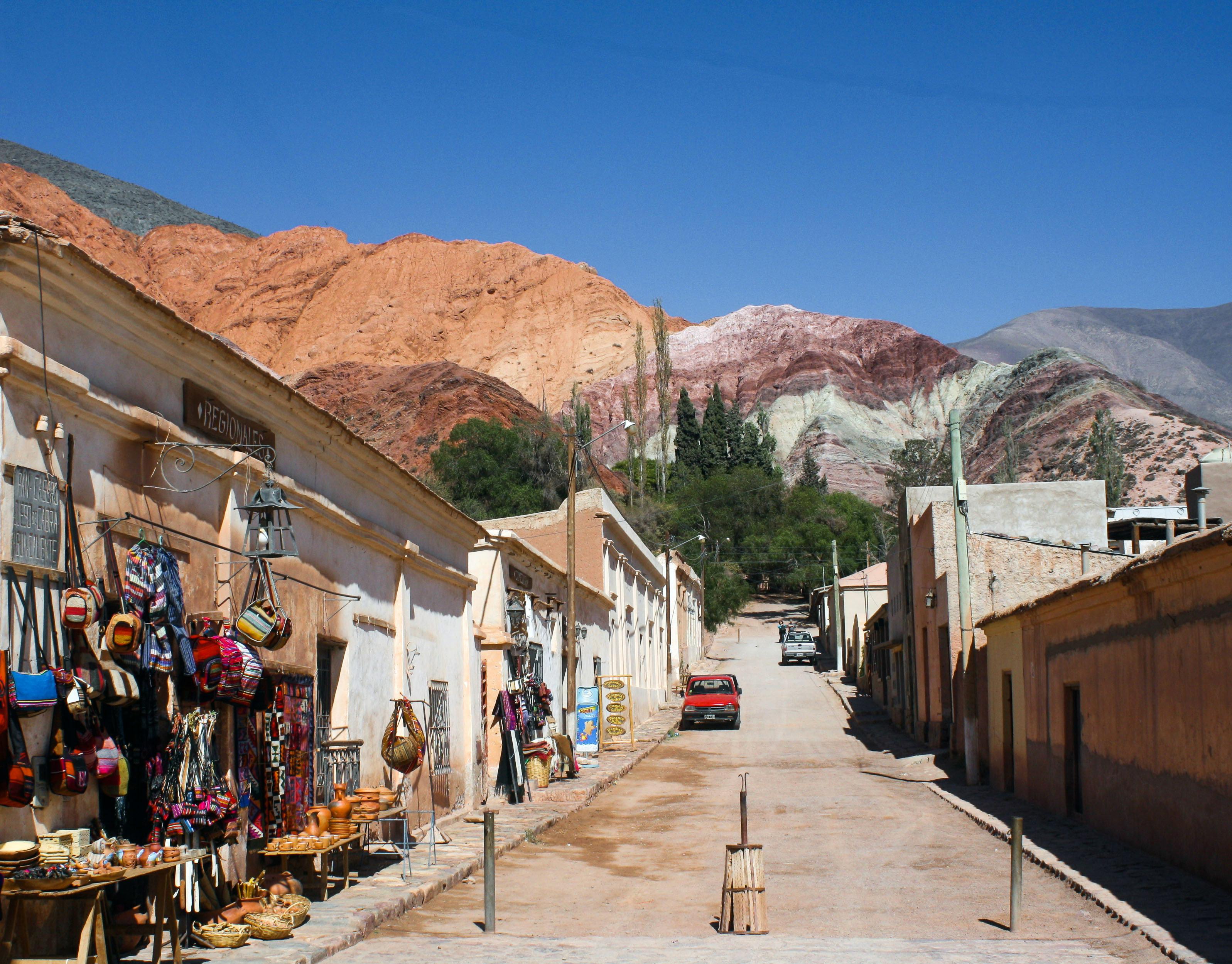
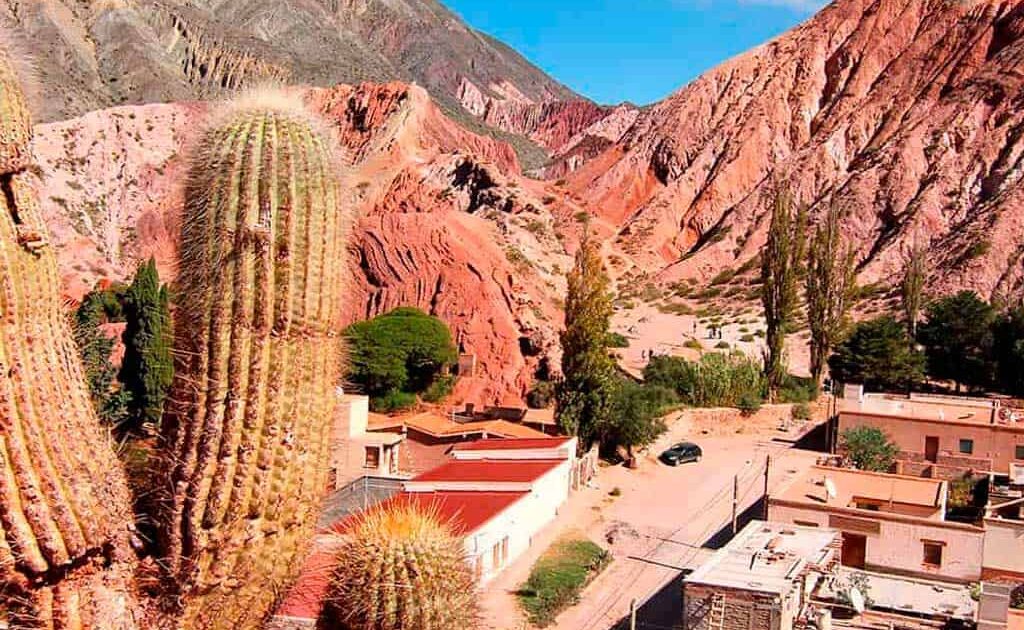
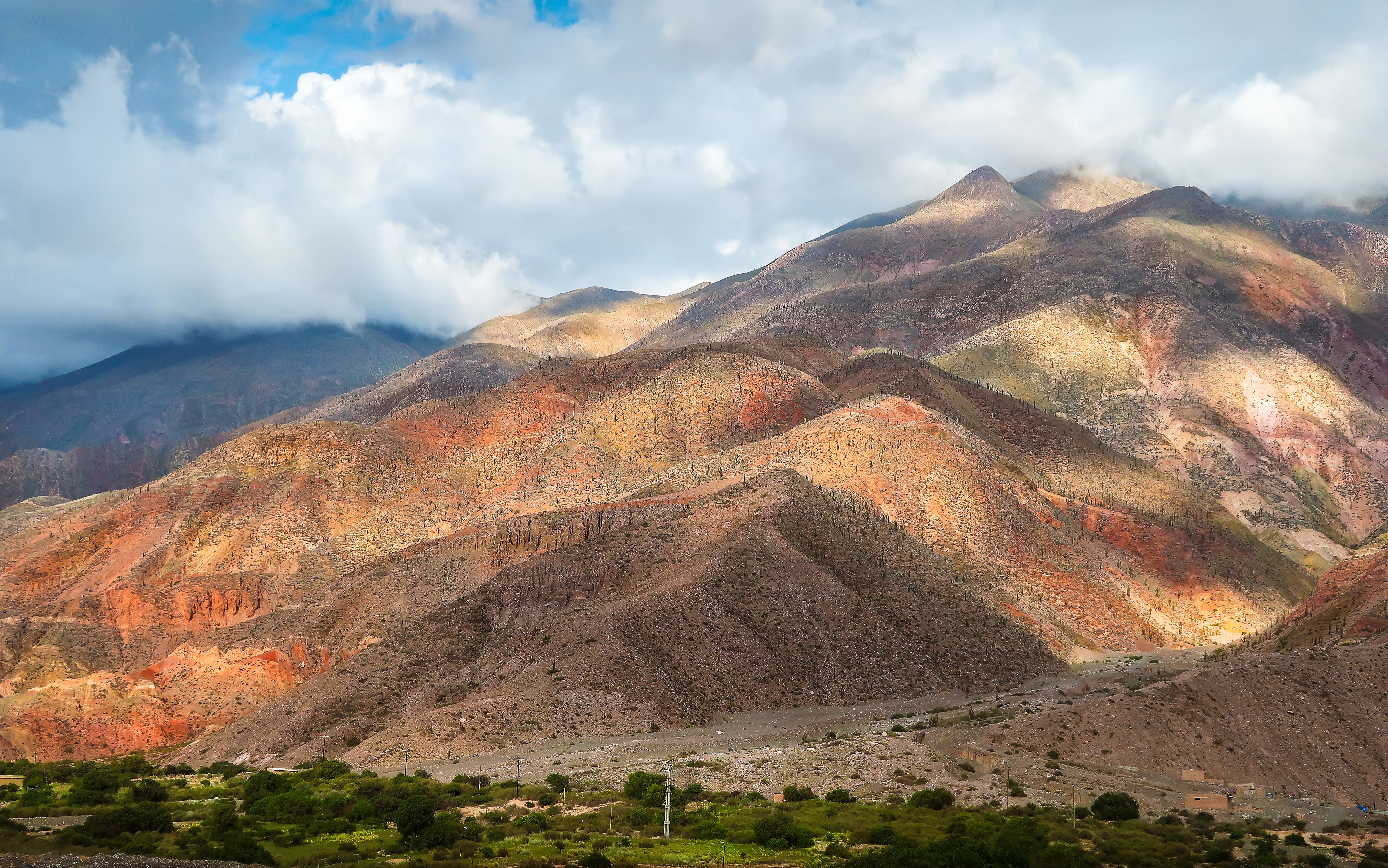
During the journey from Salta to Purmamarca, you cross the majestic Andes Mountains, with breathtaking panoramic views of canyons, valleys, and snow-capped peaks. Along the way, it is possible to stop in picturesque villages and towns, where you can immerse yourself in the culture and traditions of local communities. A stop at the Quebrada de las Conchas is highly recommended: located roughly halfway between Salta and Purmamarca, this gorge features a series of spectacular rock formations, including the famous Amphitheatre. Before arriving in Purmamarca, you can also stop in Tilcara to visit the Pucará, an ancient fortified settlement built by pre-Columbian Indigenous peoples. Purmamarca is a small adobe village in the Quebrada de Humahuaca, the Andean valley of north-western Argentina declared a UNESCO World Heritage Site in 2003. At 2,324 metres above sea level, the village clusters around a colonial square shaded by an ancient algarrobo tree, with the seventeenth-century church of Santa Rosa de Lima looking towards the Cerro de los Siete Colores — the hill of seven colours, the symbol of the village and of the Quebrada itself.
The colours of the Cerro are the result of millions of years of superimposed geological deposits: pink, purple, orange, green, ochre yellow and brick red alternate in horizontal bands that shift in tone throughout the day. The craft market under the square's arcades offers textiles, ceramics and jewellery from the Kolla indigenous communities. Purmamarca is also the starting point for the Cuesta de Lipán, the plateau road that climbs towards the Puna and the Salina Grande, the great salt flat at 3,400 metres.