Brand USA - Great American West: from Minneapolis to the Rockies — NAAR
Itinerary
Day 1 — Minneapolis
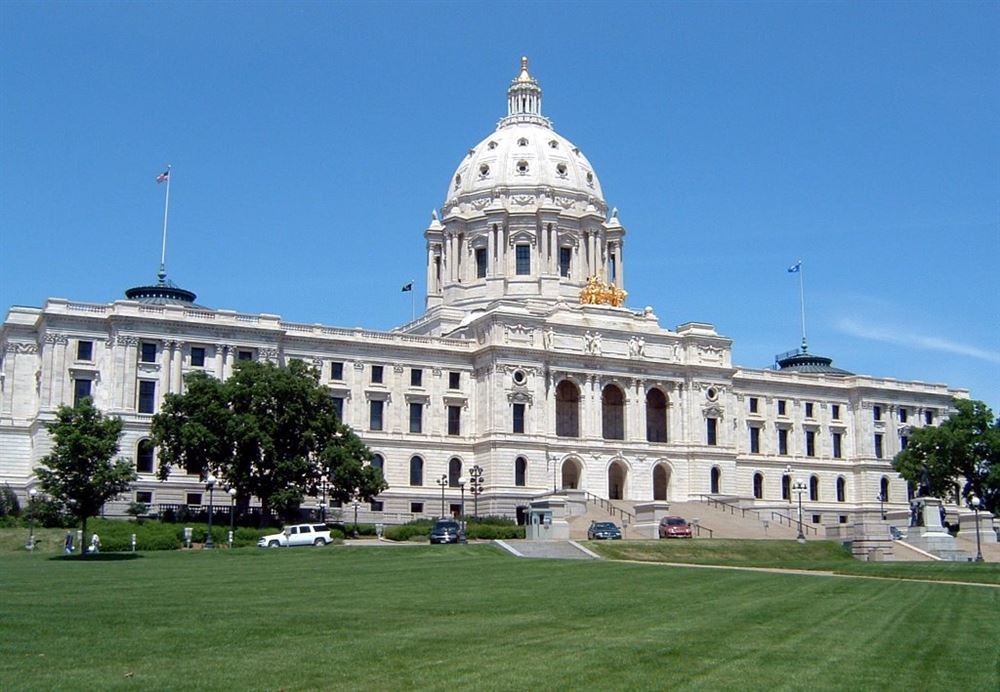
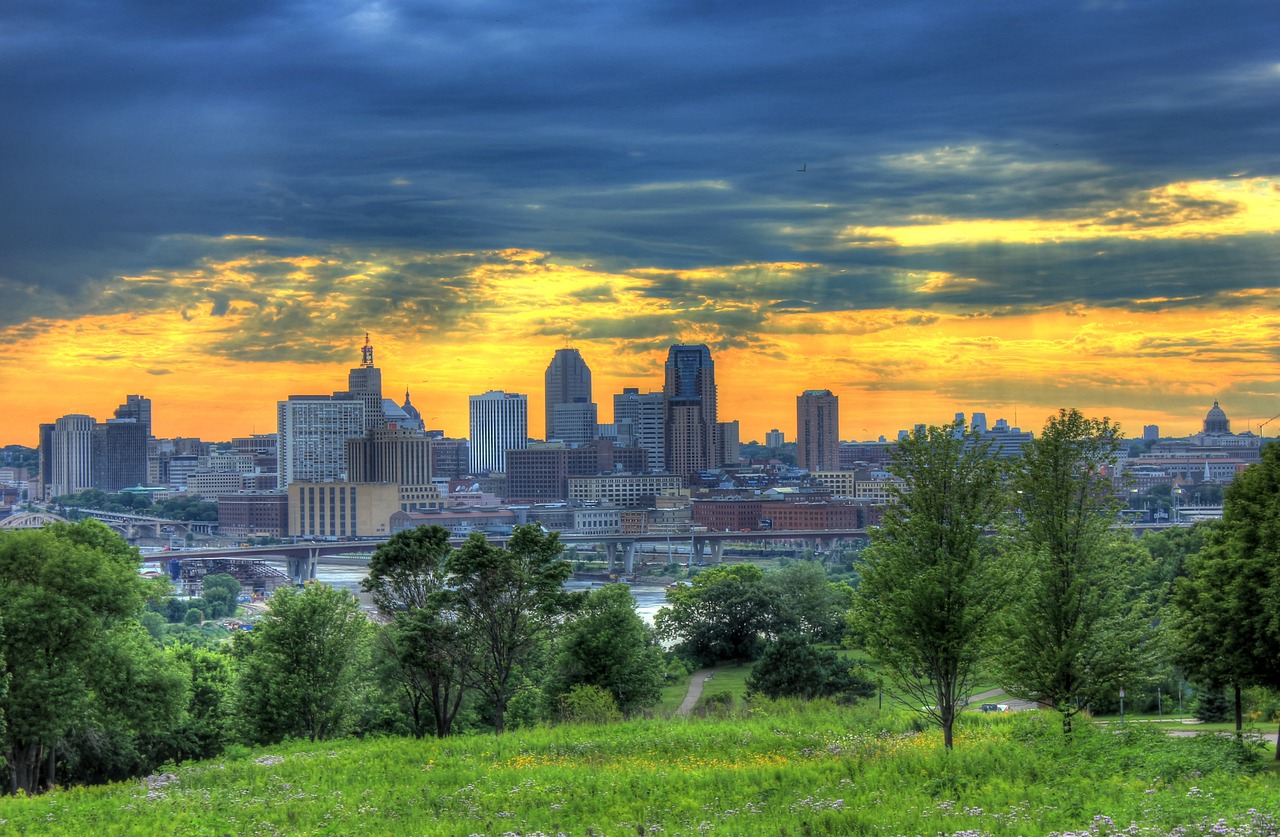
Known as the Twin Cities, Minneapolis and St. Paul are facing each other on opposite banks of the Mississippi River. St. Paul, the state capital, is home to the Minnesota Symphony Orchestra. Must-see attractions include the Italian Renaissance-style Capitol designed by Cass Gilbert, the architect of the United States Supreme Court in Washington, the cathedral modeled after St. Peter's in Rome, and the Victorian houses along Summit Avenue. The city is also famous for its Carnival celebrations, especially for the enormous ice sculptures. Minneapolis has gained international recognition for its dedication to the arts. A visit to the Guthrie Theater, one of the best repertory theaters in the United States, is a must.
Car
Day 2 — Minneapolis → Sioux Falls
Sioux Falls, the largest city in South Dakota, is an important agricultural, banking, and commercial center in the area and boasts a total of 64 casinos.
Car
Day 3 — Sioux Falls → Mt Rushmore
Entering the scenic region of the Black Hills, you will find the Crazy Horse Memorial and Mount Rushmore in close proximity to each other. The first one, a monument embedded in the rock representing the Sioux Chief Crazy Horse, has been under construction since 1948 and, once completed, will be 195 meters long and 172 meters tall. On the side of the second one, the gigantic effigies of four great American presidents are carved: Washington, Jefferson, Lincoln, and Theodore Roosevelt.
Car
Day 4 — Mt Rushmore → Rapid City
At the entrance of the scenic region of the Black Hills, Rapid City was born as a camp during the gold rush. Renowned for shopping at Prairie Edge, a magnificent store of authentic Native American art, and RCC Western Stores, one of the largest and oldest western merchandise stores in the nation.
Car
Day 5 — Rapid City → Cody
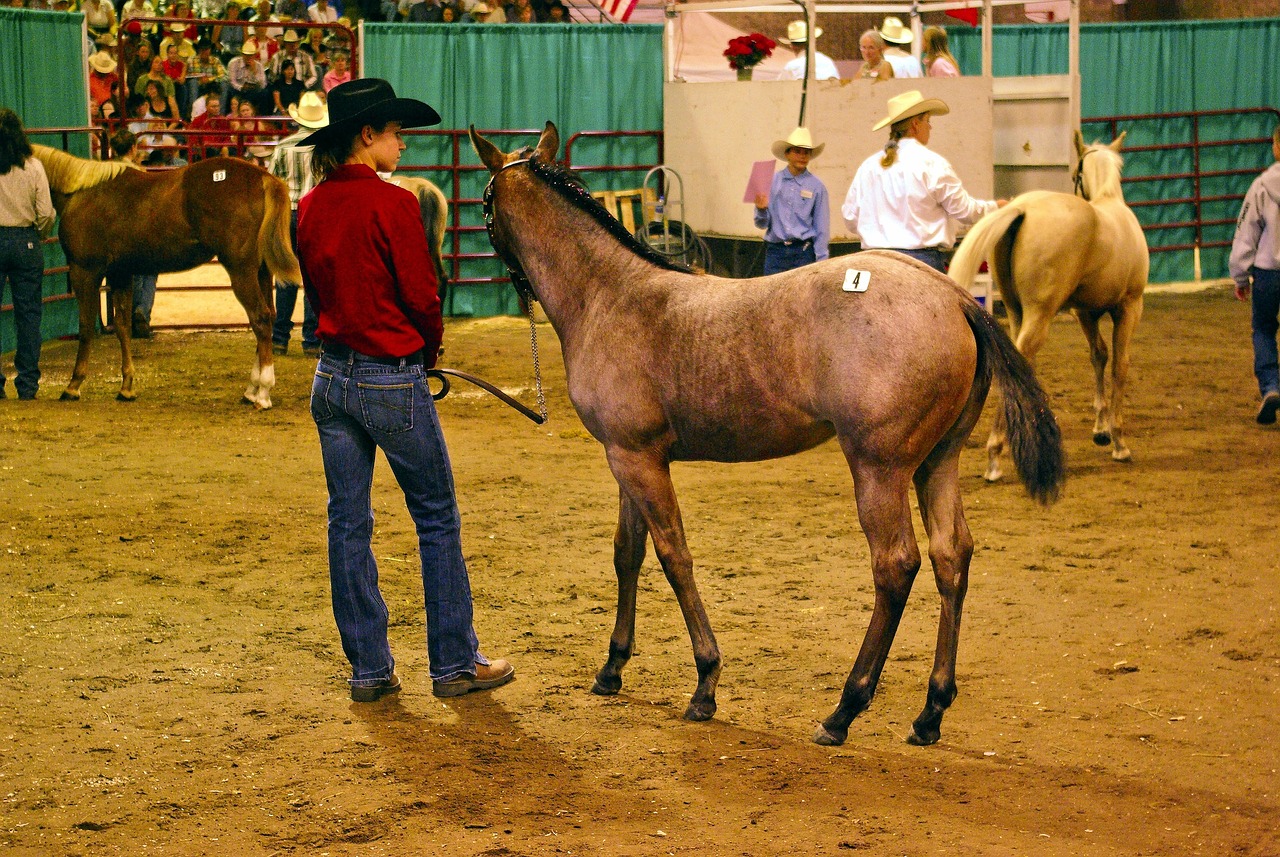
Charming town with a wild west atmosphere, its main attractions are the Buffalo Bill Historical Center, the most comprehensive museum of the old west, and the rodeo that takes place every evening from June to August.
Car
Day 6 — Cody → Yellowstone National Park
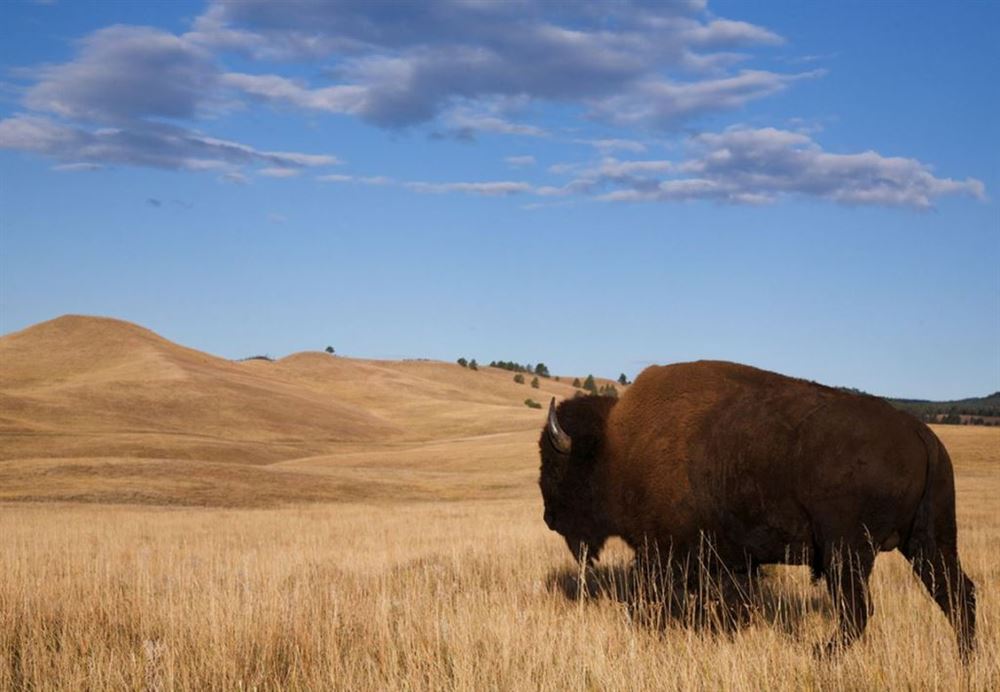
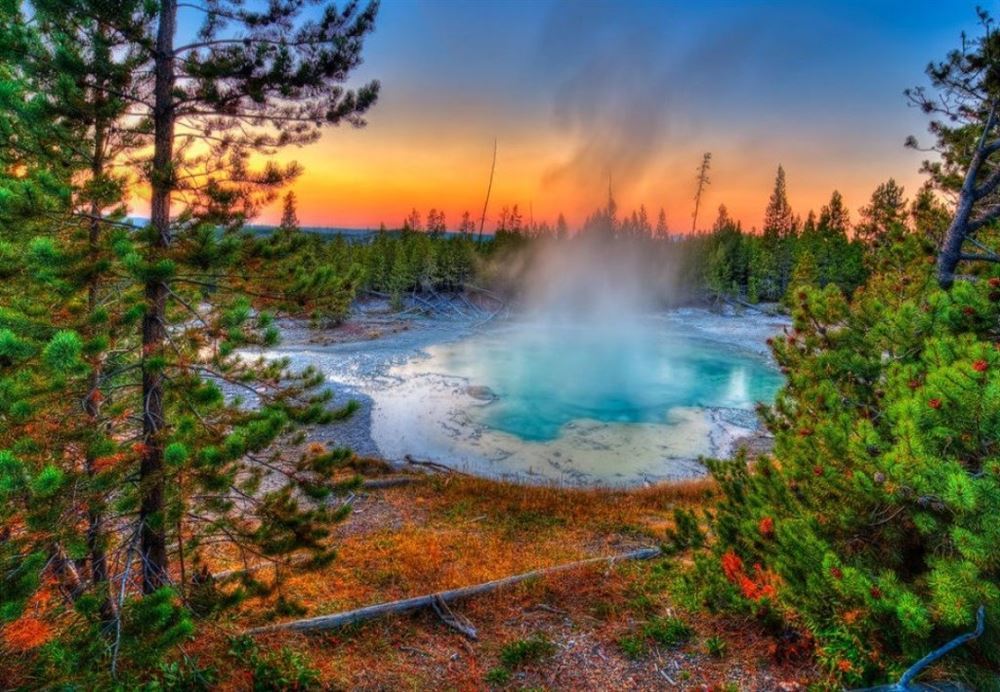
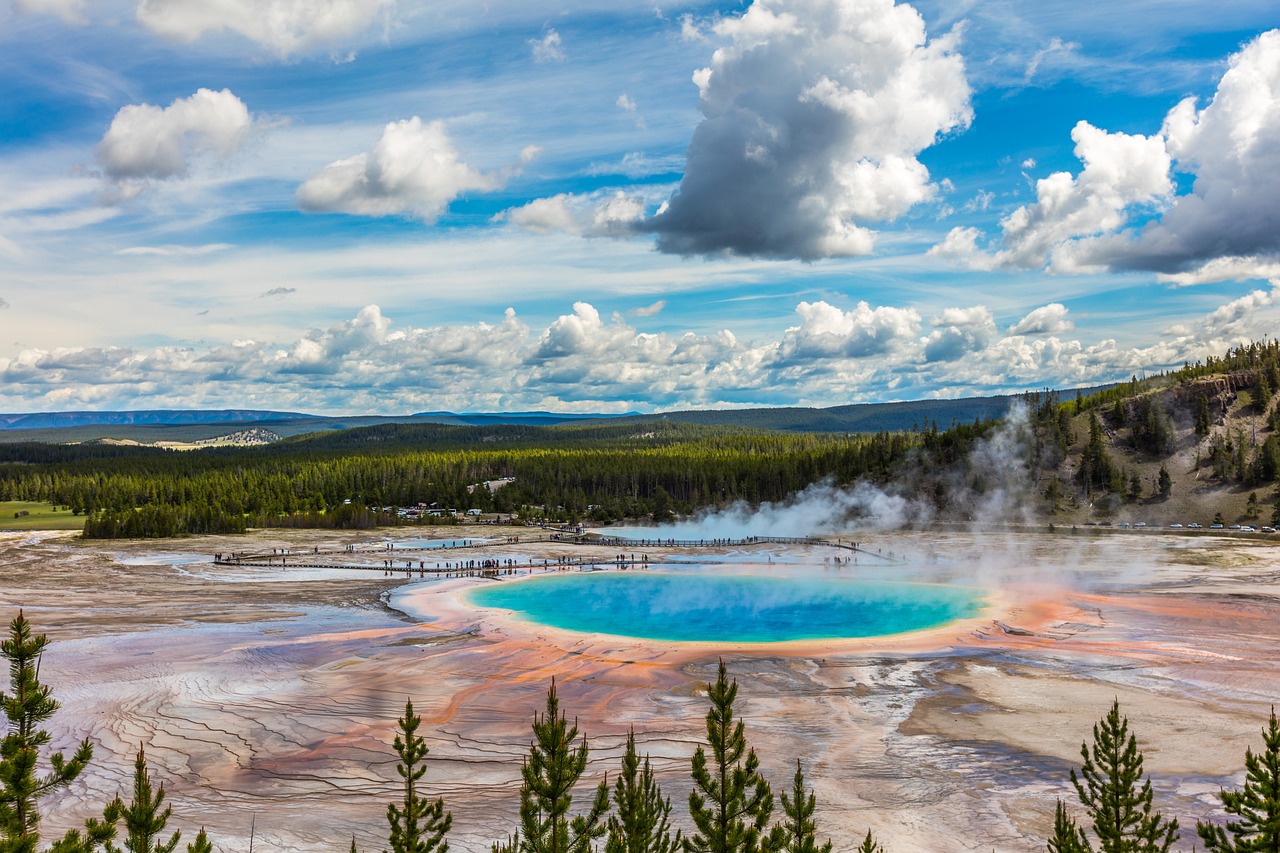
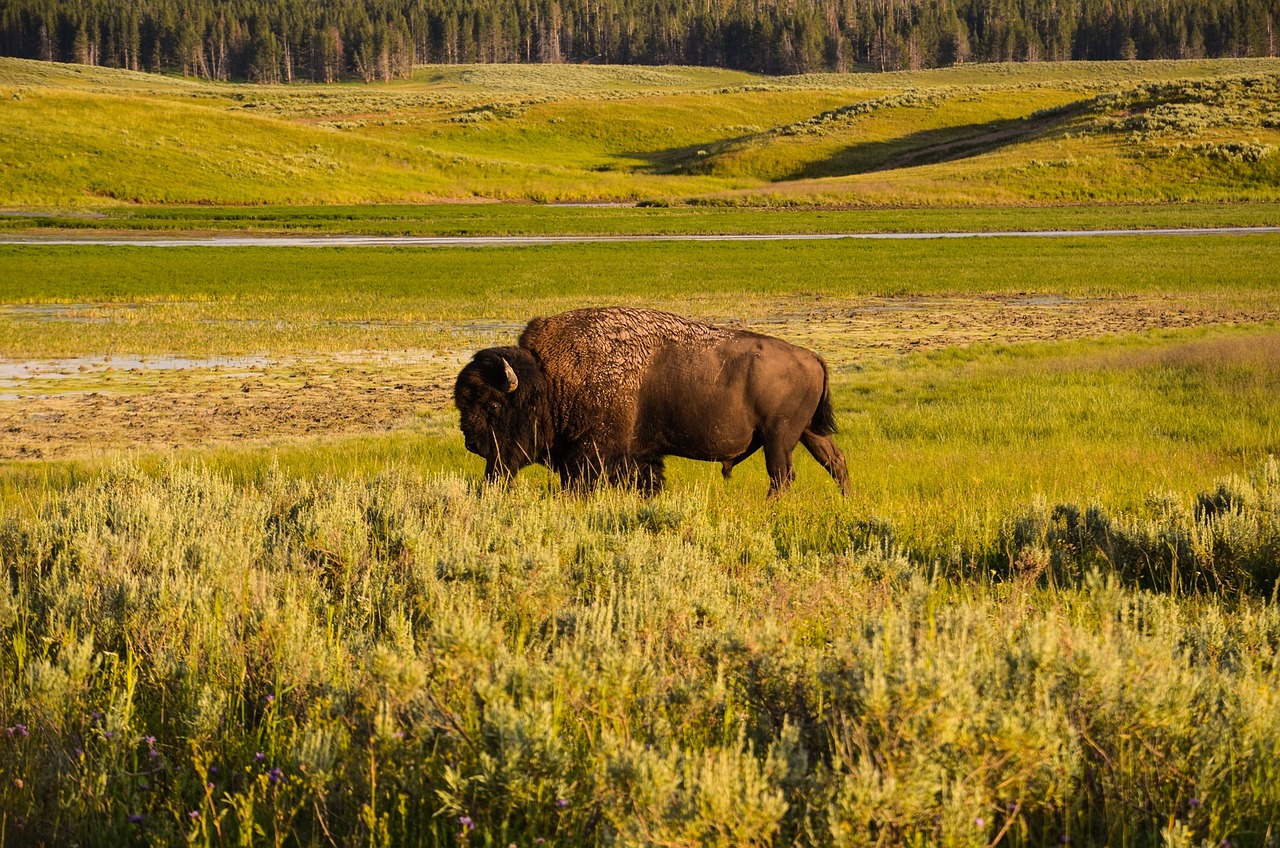
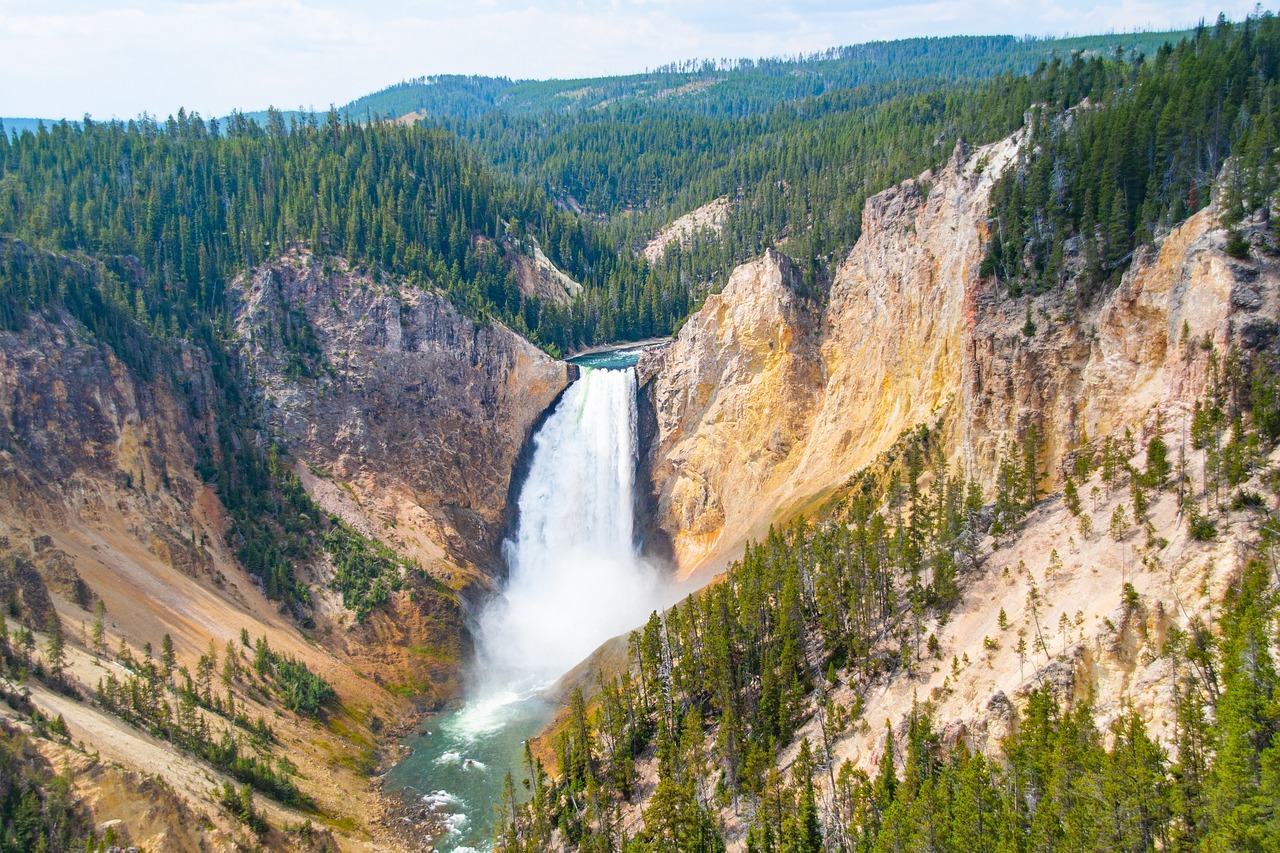
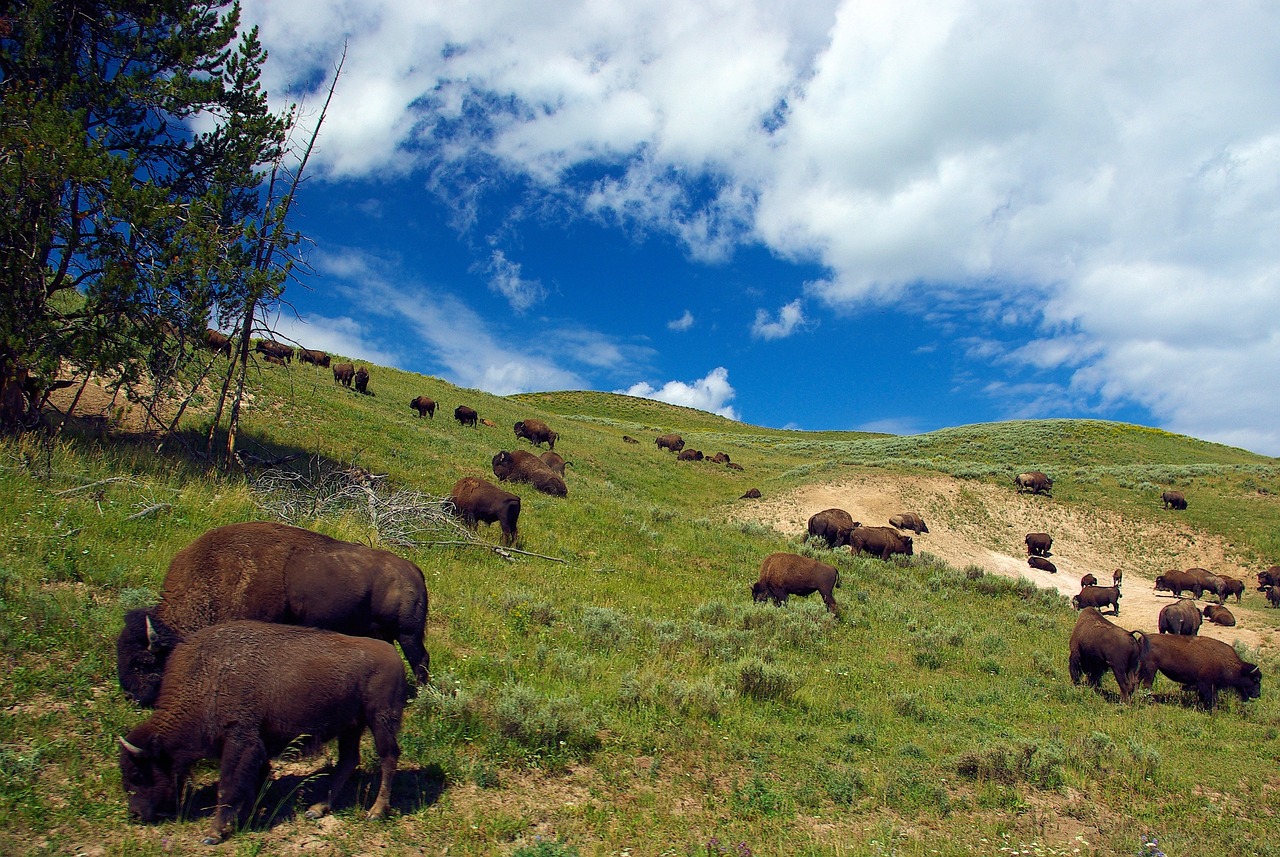
Continue along the Buffalo Bill Cody Scenic Byway, down the Shoshone river and through the tallest mountains and forests in Wyoming. An outstanding variety of landscapes will unfold before you: vast fields of wild sage, forests of firs, and glaciers, where moose, deer, mountain goats, grizzlies and brown bears roam free. Yellowstone is one of the largest parks in the USA, and the oldest national park in the world (it was opened in 1872). What truly makes it unique, though, is its enormous central area, which is in fact the huge caldera of a dormant volcano (the last eruption dates back to 640,000 years ago). Thousands of geysers outburst in the caldera, and several other geothermal features can be seen there – hot springs, mudpots, acid lakes. The area is also home to many animal species, including bears, wolves, bison, moose, deer, cougars and coyotes.
Car
Day 8 — Yellowstone National Park → Glacier National Park
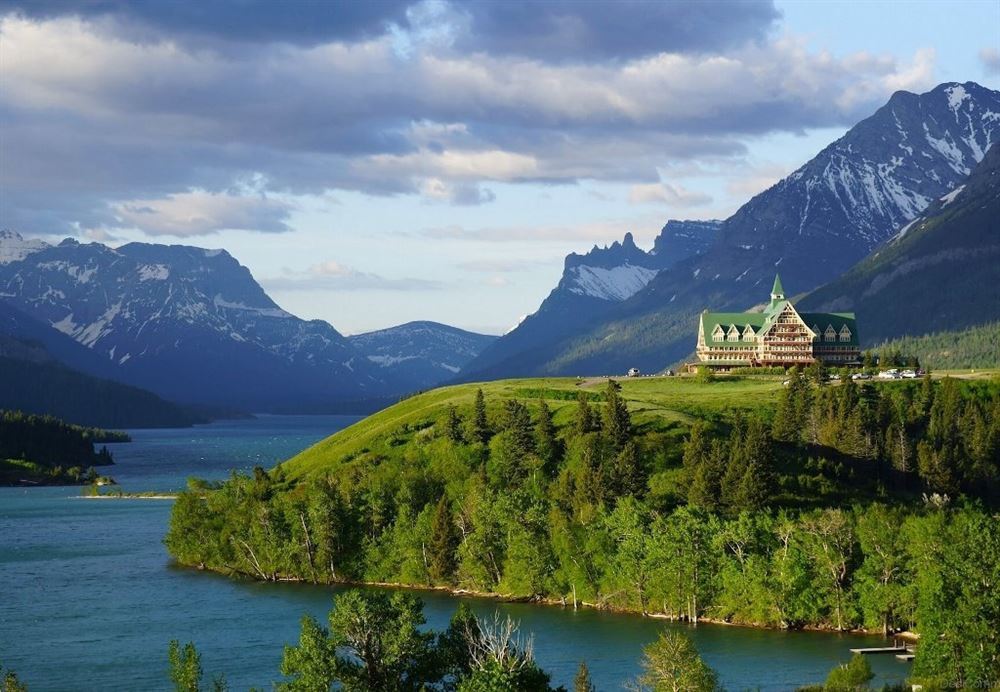
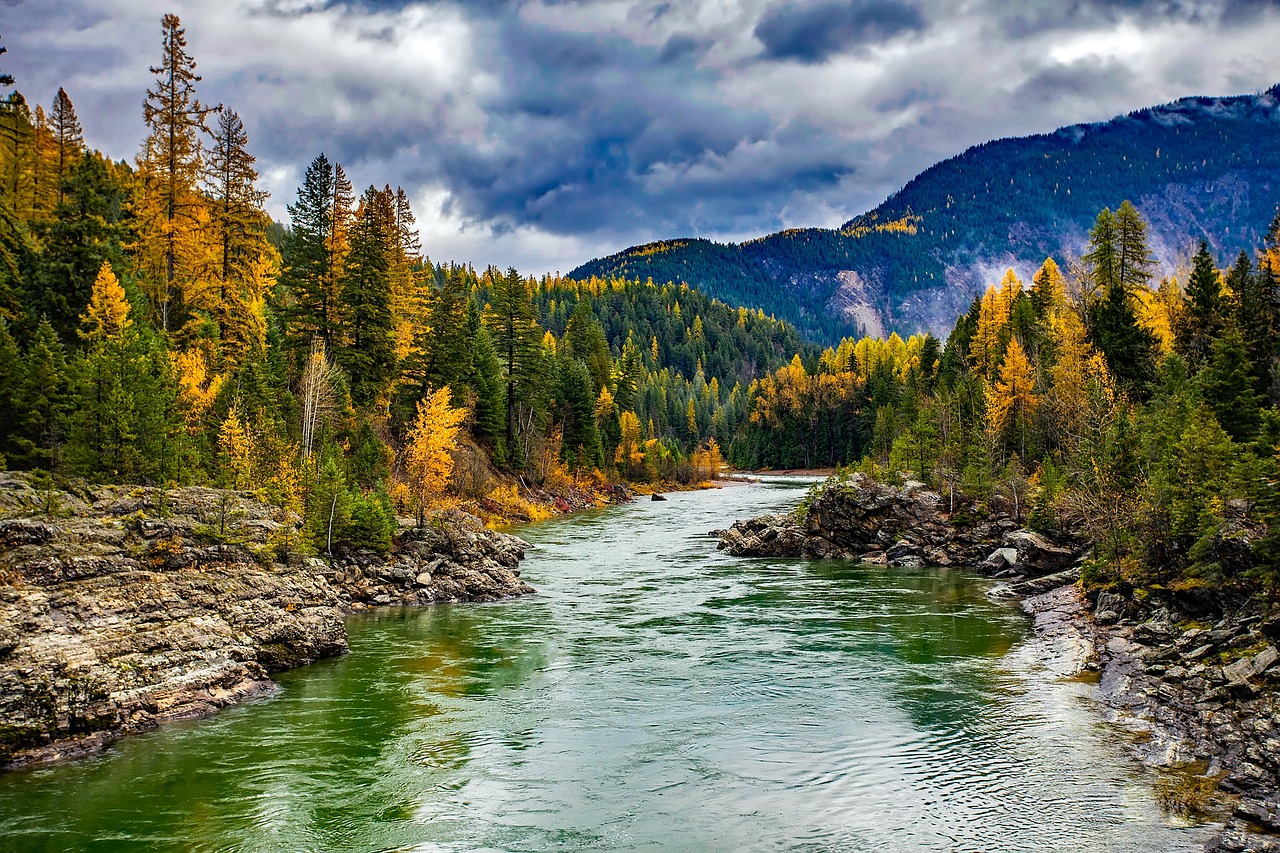
Two thousand lakes, rivers, forests, majestic mountains, here is Glacier National Park, a UNESCO World Heritage Site, a paradise also for wild animals, mountain goats, bighorn sheep, brown bears and grizzly bears, wolves and cougars. The name does not derive so much from the existing glaciers, few, small and retreating, but from the enormous expanse of ice that created its valleys during the last ice age, about 20,000 years ago. Only one road crosses it, Going-to-the-Sun Road, an 80 km long road, one of the most picturesque in the country, with stunning views at every turn.
Car
Day 10 — Glacier National Park → Great Falls
In Great Falls, at the confluence of the Missouri and Sun rivers, you will find the Lewis and Clark National Historic Trail Visitor Center, where you can discover the adventurous expedition of Lewis and Clark, the first Americans to reach the Pacific coast overland in the early 19th century.
Car
Day 11 — Great Falls → Billings
Billings is the largest city in the state of Montana. Surrounded by seven mountain ranges, it allows you to explore the surrounding wilderness, visit museums that trace the history and culture of the Old West, as well as the Moss Mansion, designed by the same architect responsible for the construction of the Waldorf Astoria and Plaza hotels in New York.
Car
Day 12 — Billings → Theodore Roosevelt National Park South Unit
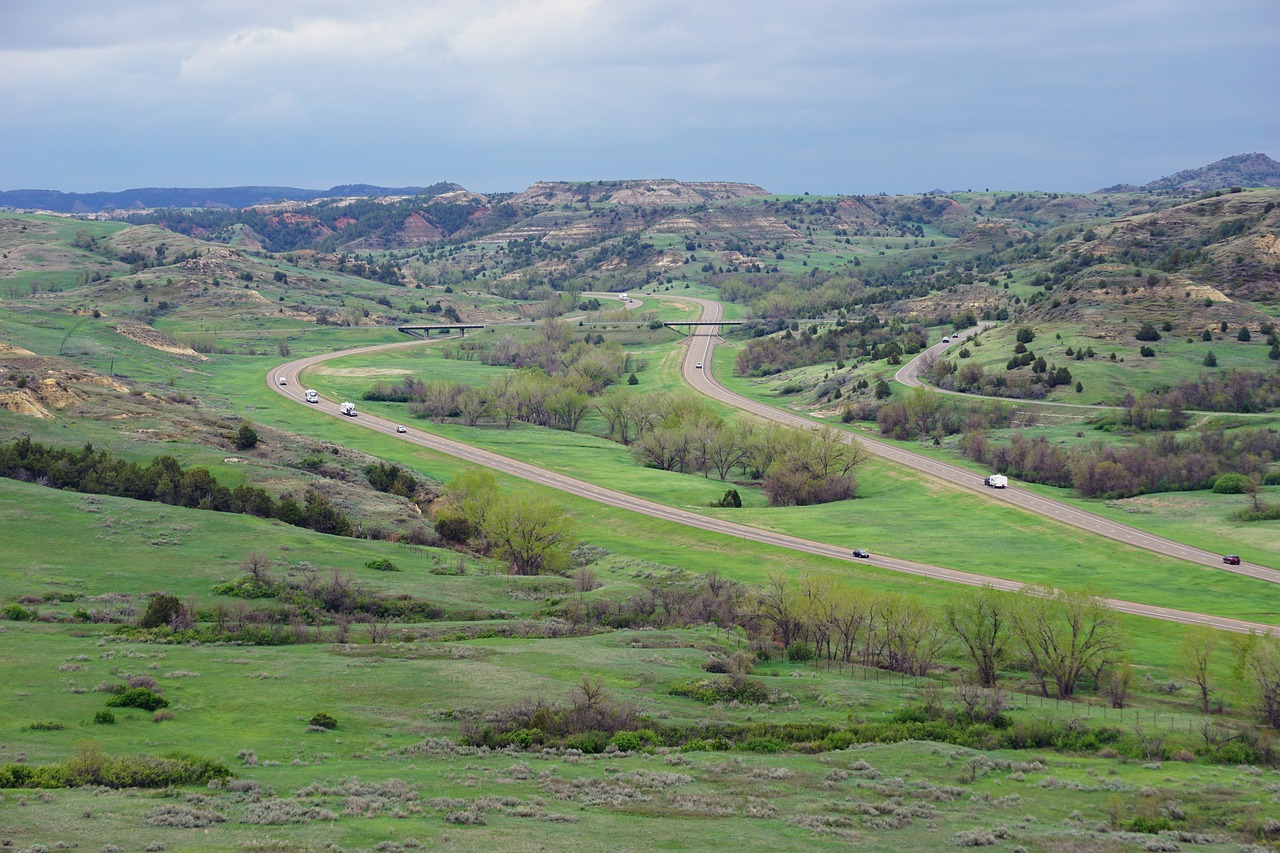
The Theodore Roosevelt National Park, named after the 26th American president, is a large protected natural area that covers 285 square kilometers of Badlands, an old sedimentary layer carved by the Little Missouri River into picturesque and bizarre ravines, where layers of a thousand colors from blue to orange are exposed to view. The park is divided into 3 sections, connected to each other by the Maah Daah Hey trail: the South Unit, the largest, the North Unit, smaller and more remote, and the Elkhorn Ranch, where the president lived in his younger years and which separates the two units.
Car
Day 13 — Theodore Roosevelt National Park South Unit → Bismarck
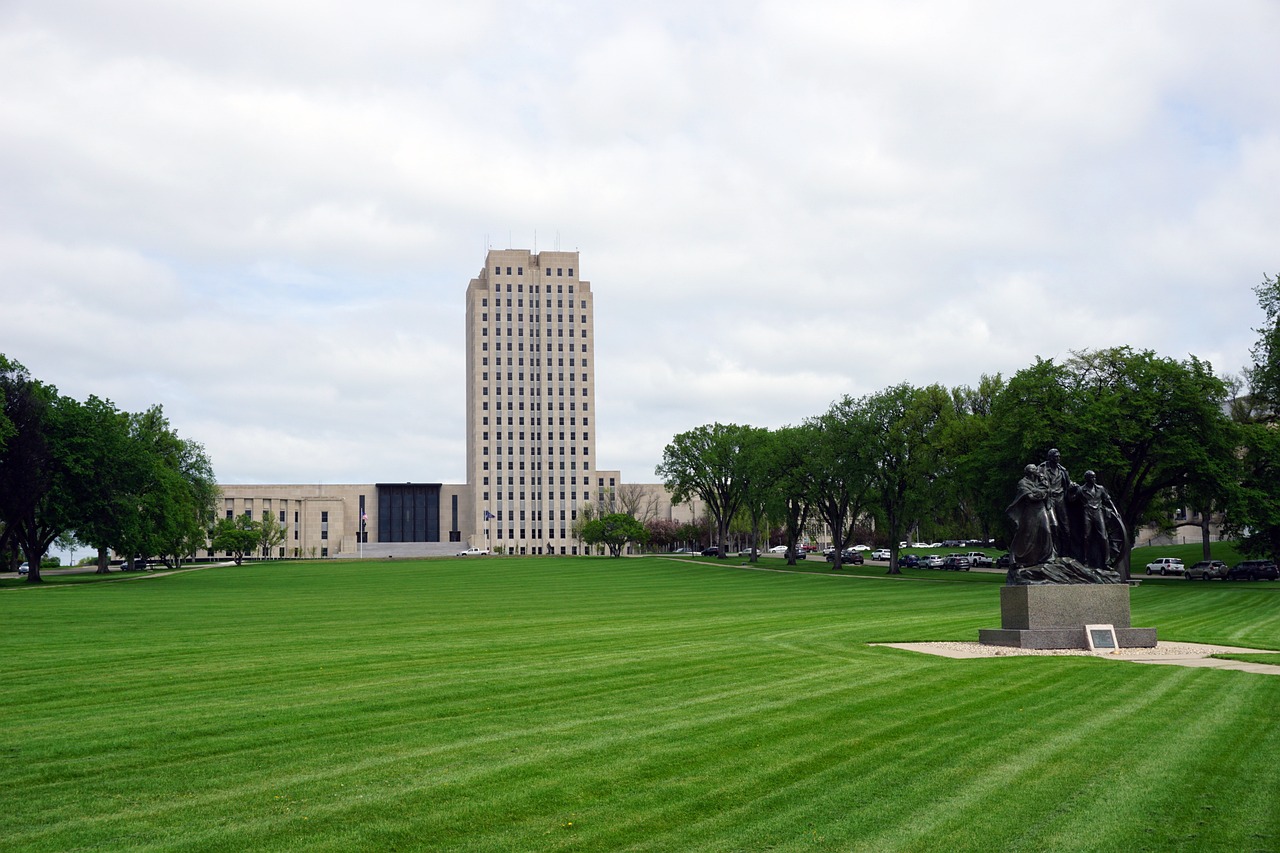
Bismarck, the capital of North Dakota, is a pleasant town with the interesting North Dakota Heritage Center and a modern Capitol with an Observation Deck. A short distance away is Fort Abraham Lincoln, from where General Custer departed with the 7th Cavalry for Little Bighorn. The Missouri River divides Bismarck from Mandan, the historic part, where you can visit the earthlodges, the typical dwellings of the affiliated Mandan, Hidatsa, and Arikara Native American tribes.
Car
Day 14 — Bismarck → Fargo
Fargo, made famous by the renowned film starring Frances McDormand and later by the eponymous television series, is a bustling town with excellent local breweries. Just a short distance away is Fort Ramson State Park, which is home to a portion of the North Country National Scenic Trail.