Giorno 3 — Swakopmund → Damaraland
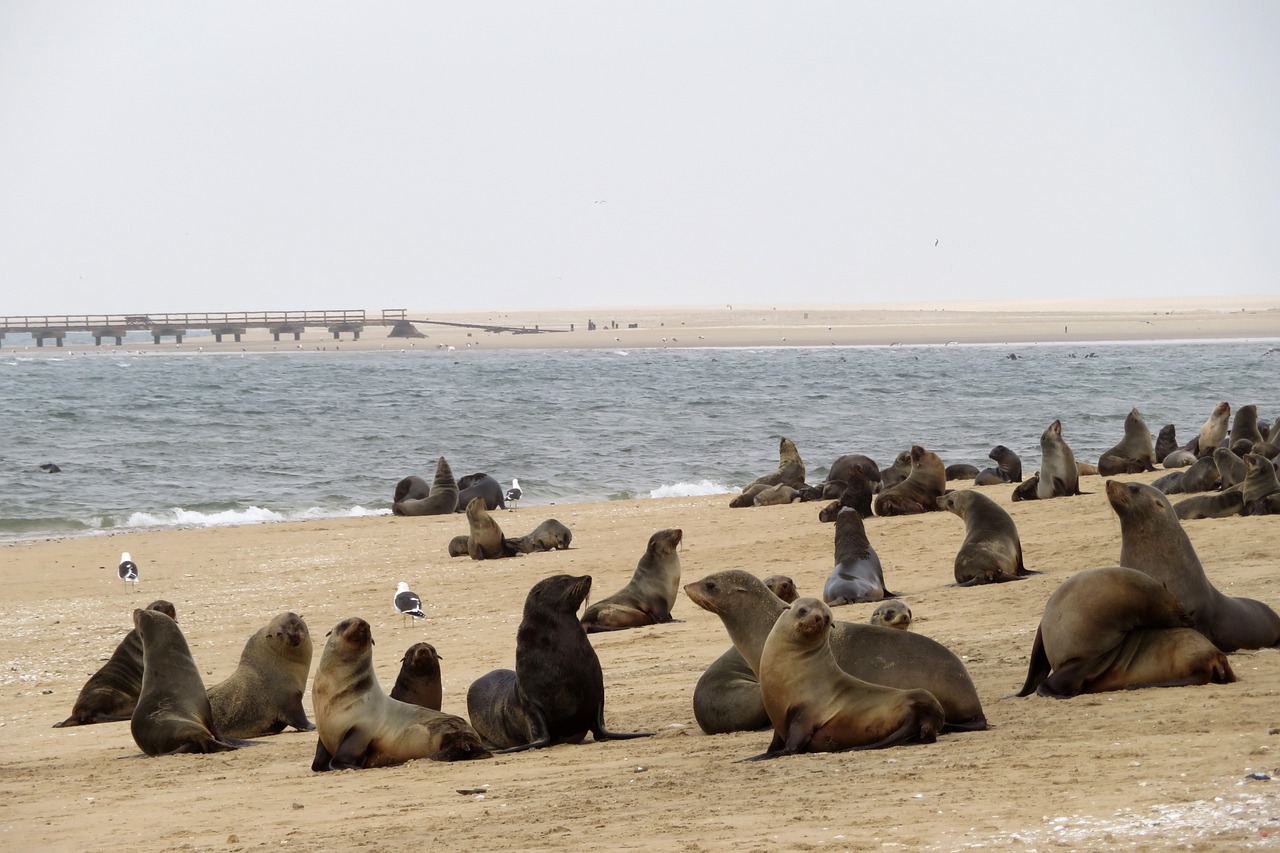
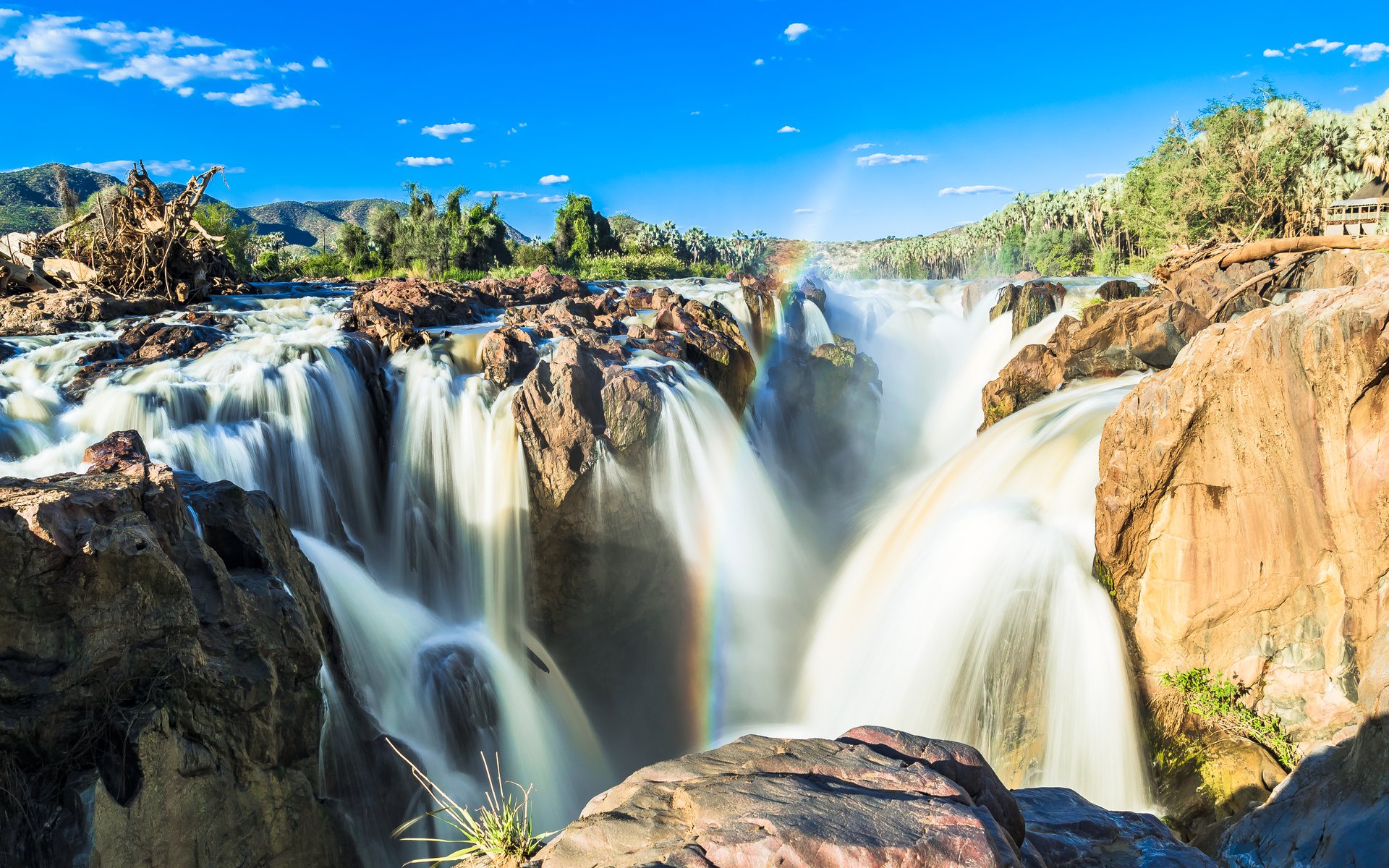
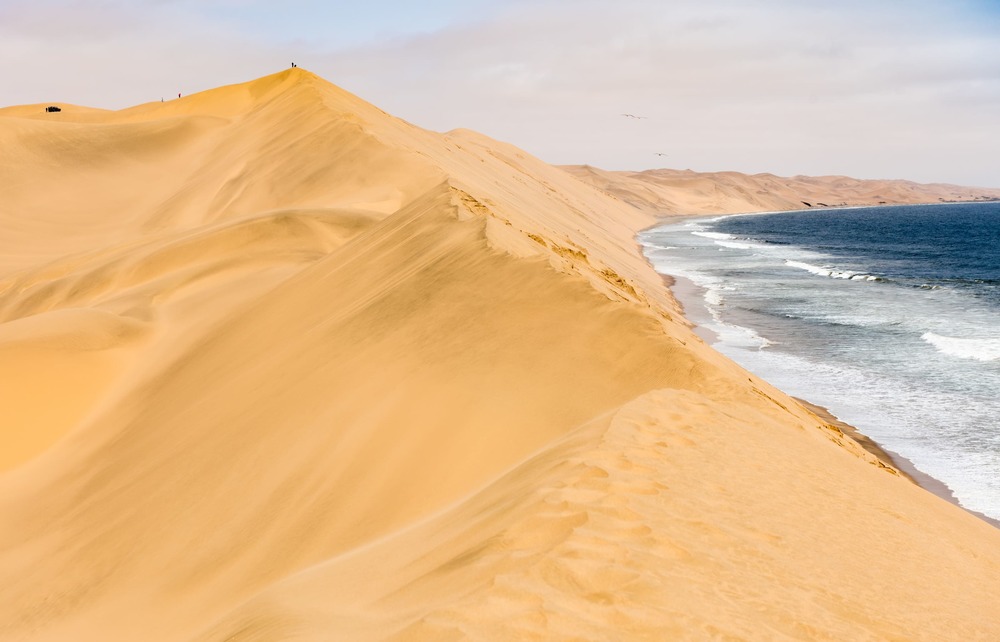
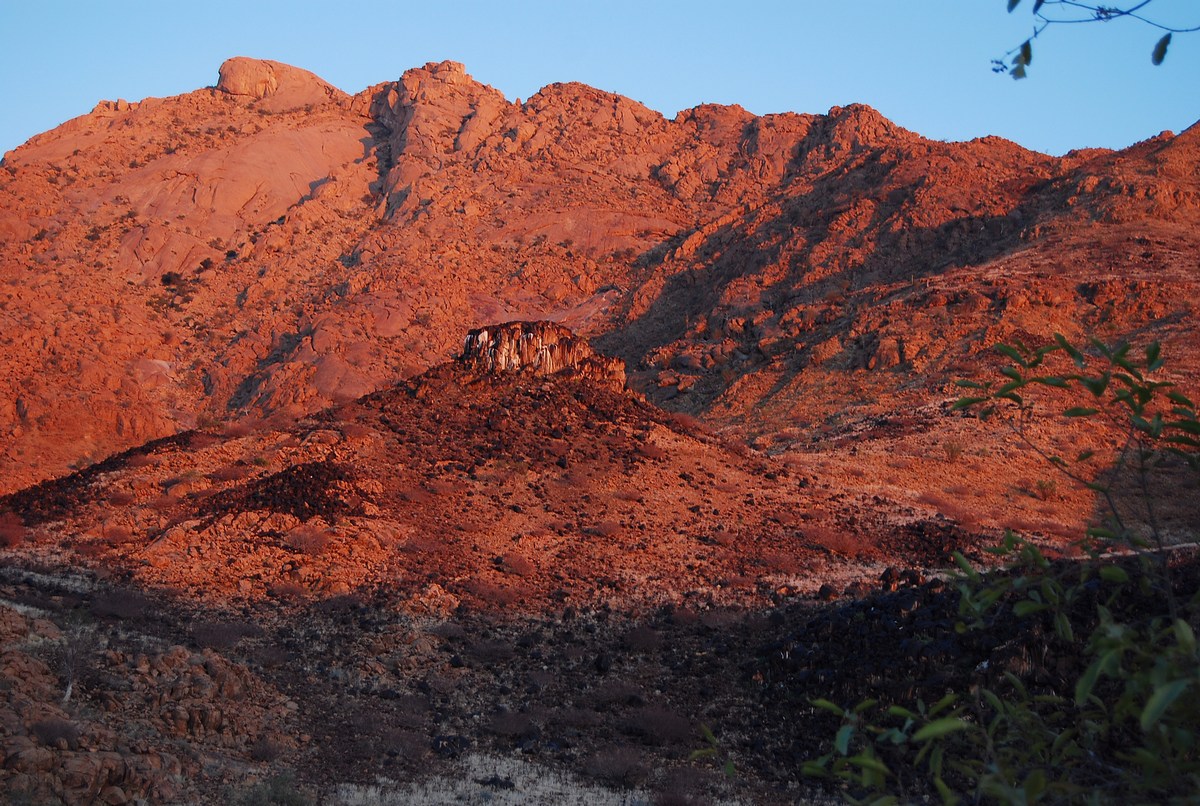
Leaving behind the cool coastal climate of Swakopmund, your journey quickly leads into the rugged and expansive landscapes of Namibia’s interior. The Atlantic breeze gives way to dry air and wide-open terrain shortly after departure. A worthwhile stop can be made at Cape Cross, home to one of Africa’s largest seal colonies. Alternatively, the route via Henties Bay leads inland through barren plains and striking rock formations. As you move further from the coast, the scenery changes dramatically, with rugged mountains, dry riverbeds, and a profound sense of isolation shaping the landscape. A highlight along the way is the Brandberg region, Namibia’s highest mountain, known for its ancient rock art, including the famous “White Lady.” Entering Damaraland, the surroundings become even more raw and untouched. This region is renowned for its unique scenery, rare desert-adapted elephants, and impressive geological formations – a truly memorable destination.
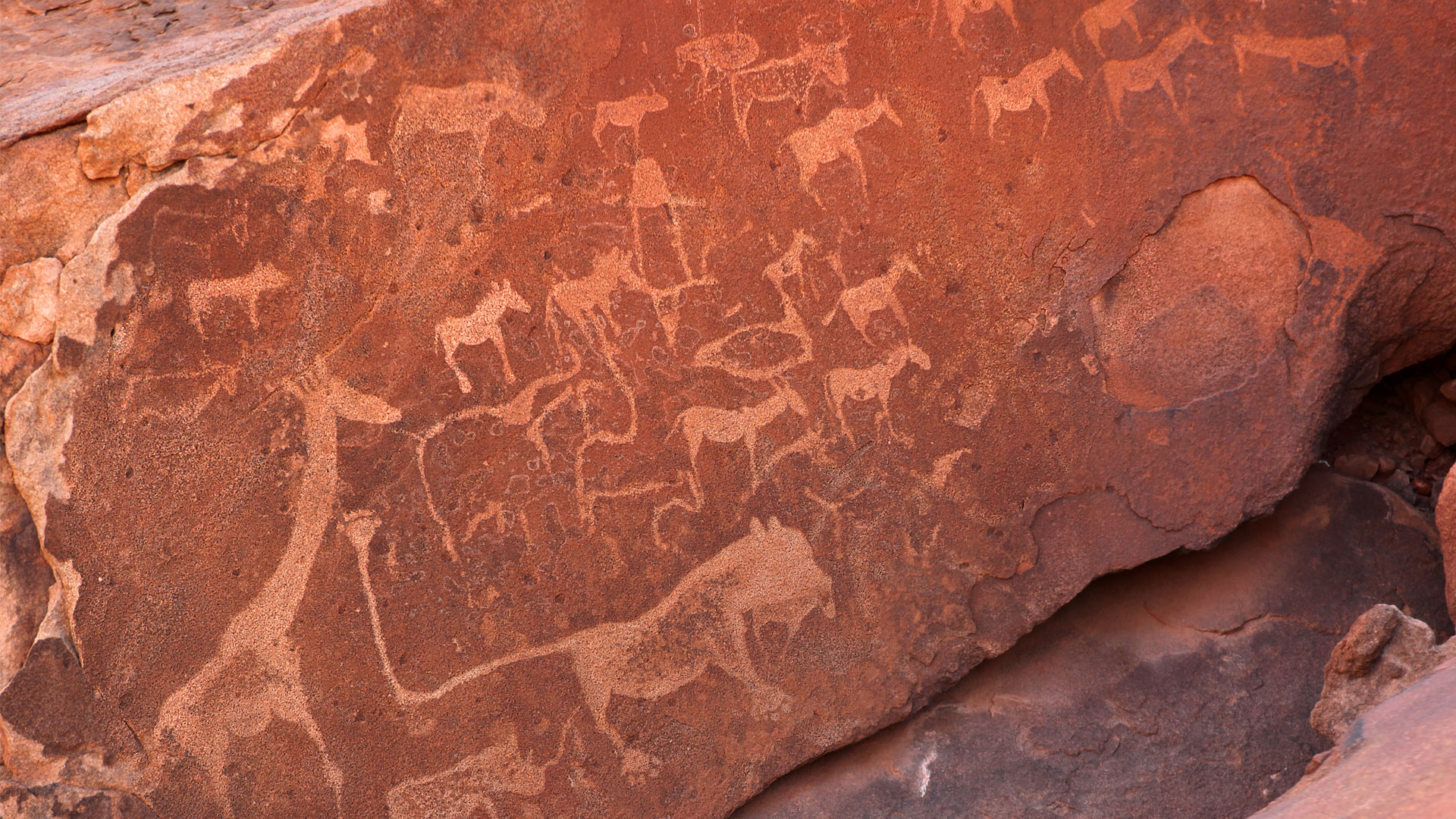
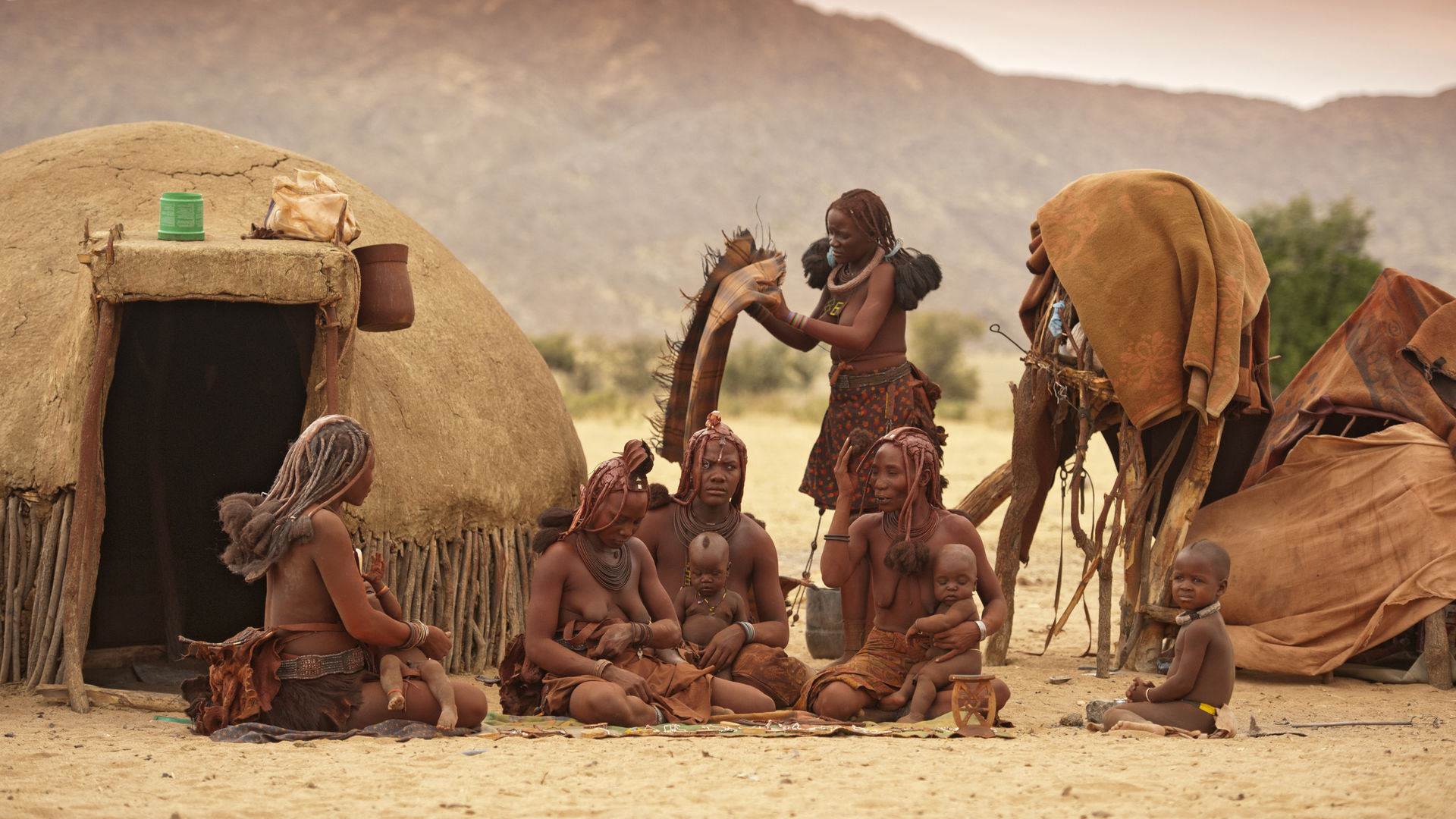
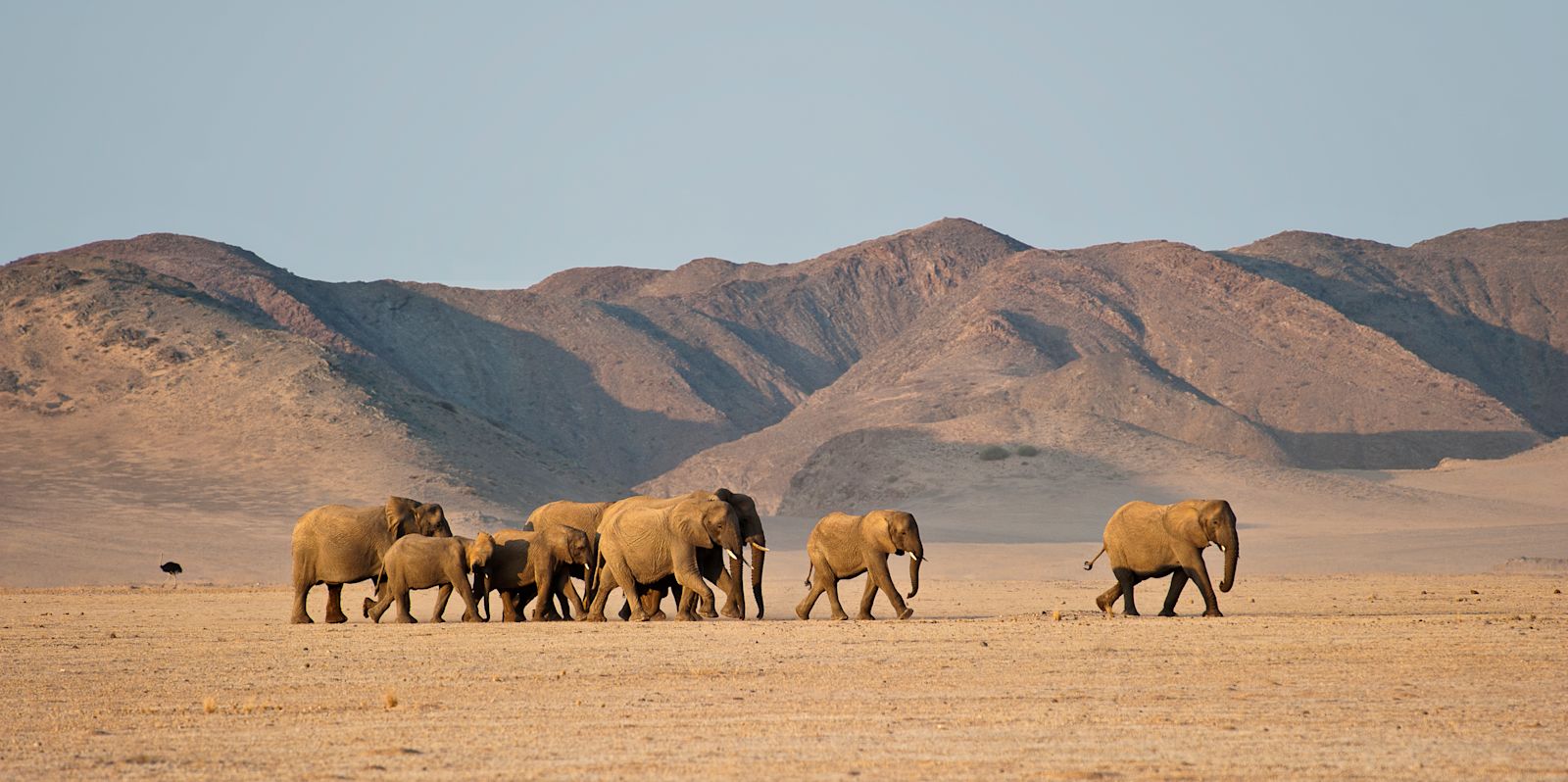
. Damaraland is one of Namibia's most spectacular and untamed regions, a vast desert plateau in the centre-west of the country inhabited by the Damara people and traversed by landscapes of rare primordial beauty. Red granite mountains, valleys carved by seasonal rivers, rocky canyons and endless plains succeed one another for hundreds of kilometres, forming a scene of silent grandeur. This land preserves some of Namibia's most extraordinary heritage: at Twyfelfontein lies one of Africa's largest rock art complexes, with around 2,500 engravings and paintings made by the San people up to 6,000 years ago, designated a UNESCO World Heritage Site in 2007. The Burnt Mountain and the Organ Pipes, near Twyfelfontein, offer striking geological formations — columns of black dolerite rising from the ground like petrified organ pipes. Damaraland is also one of the few places in the world where it is possible to spot desert-adapted elephants — a population that has evolved to travel dozens of kilometres in search of water along seasonal riverbeds — and black rhinos roaming free in their natural habitat. The region's exclusive lodges, often built in perfect harmony with the landscape, organise walking-based tracking of these large mammals with specialist guides. Palmwag, in the northern part, serves as the base for safaris across an enormous private concession. Damaraland is best explored in a self-drive 4x4 or as part of a Namibian circuit linking Swakopmund, Etosha and the north of the country.
_20260415122218.png)
_20260415122219.png)
_20260415122220.png)
_20260415122220.png)
_20260225162837.png)


_20260225163328.png)
_20260225163328.png)
_20260225163328.png)
