Giorno 7 — Chena Hot Springs → Valdez
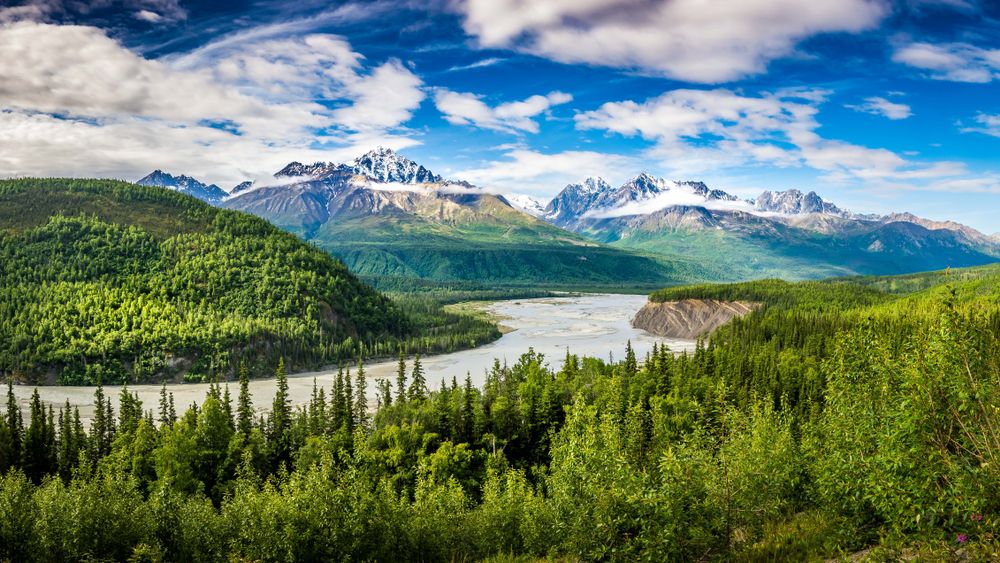
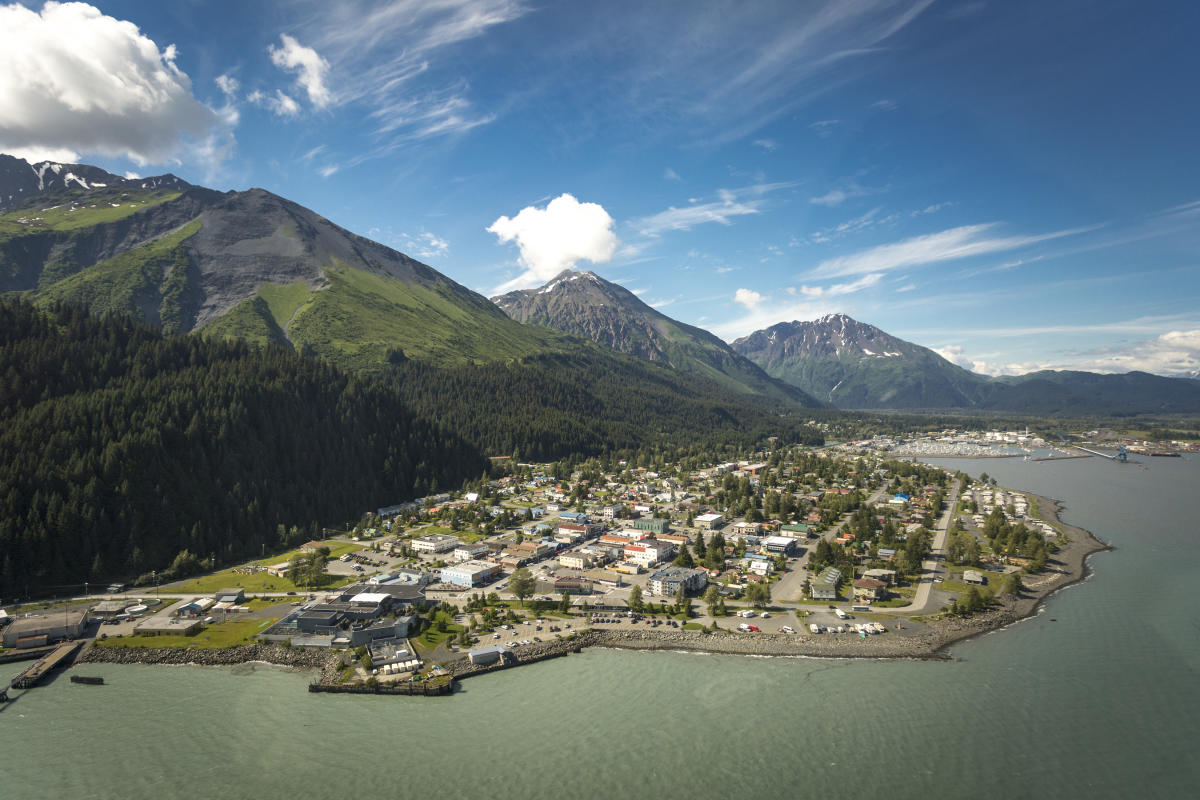
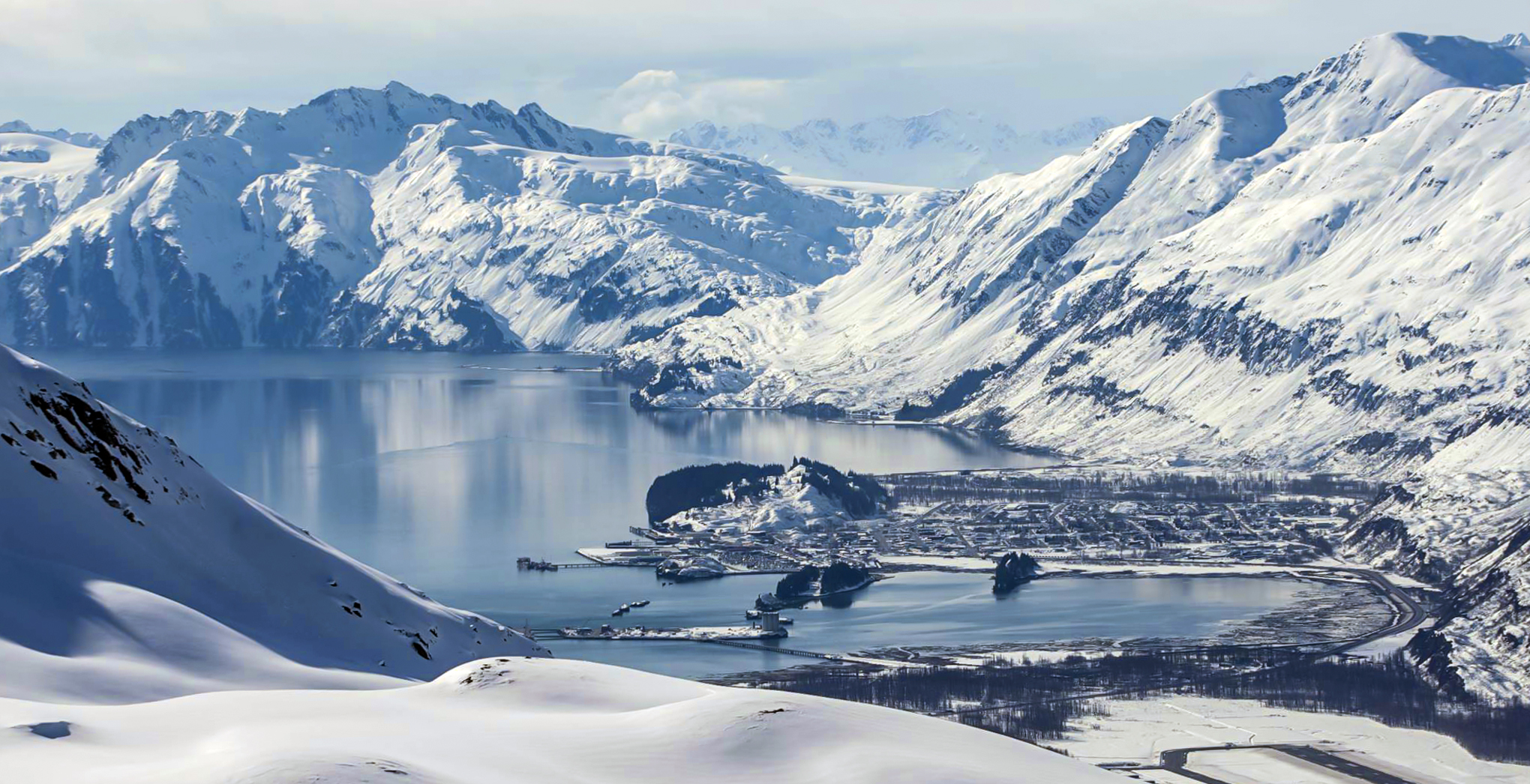
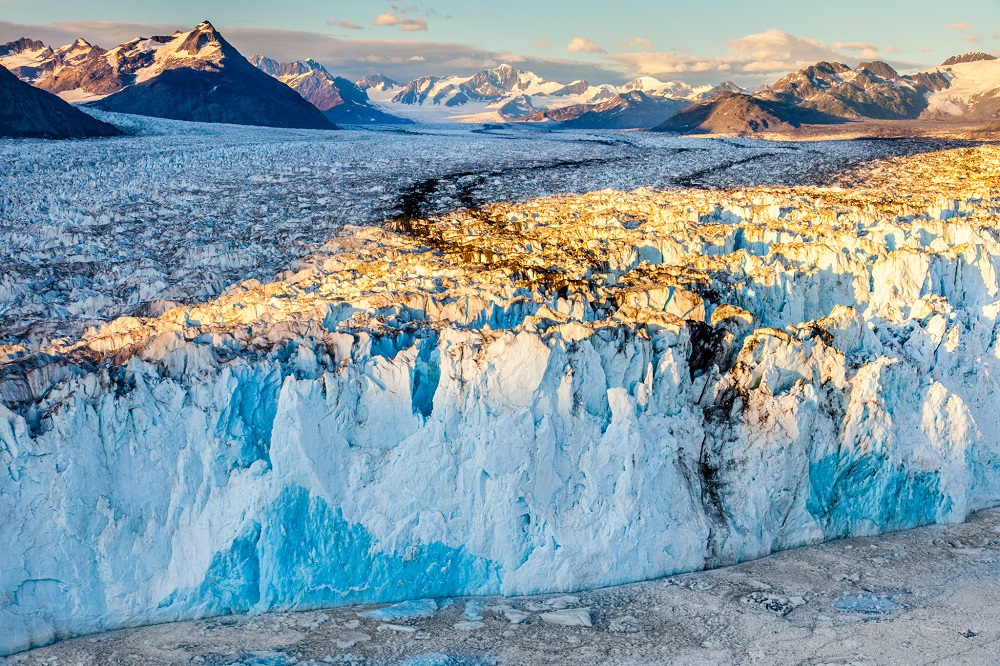
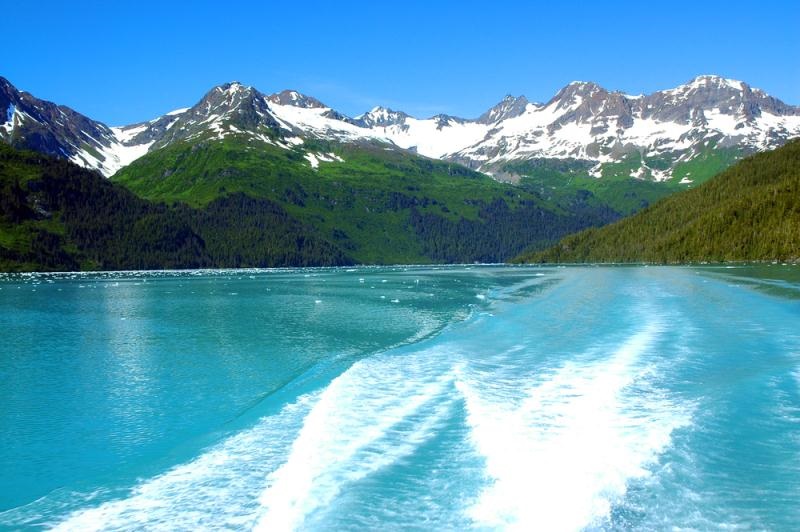
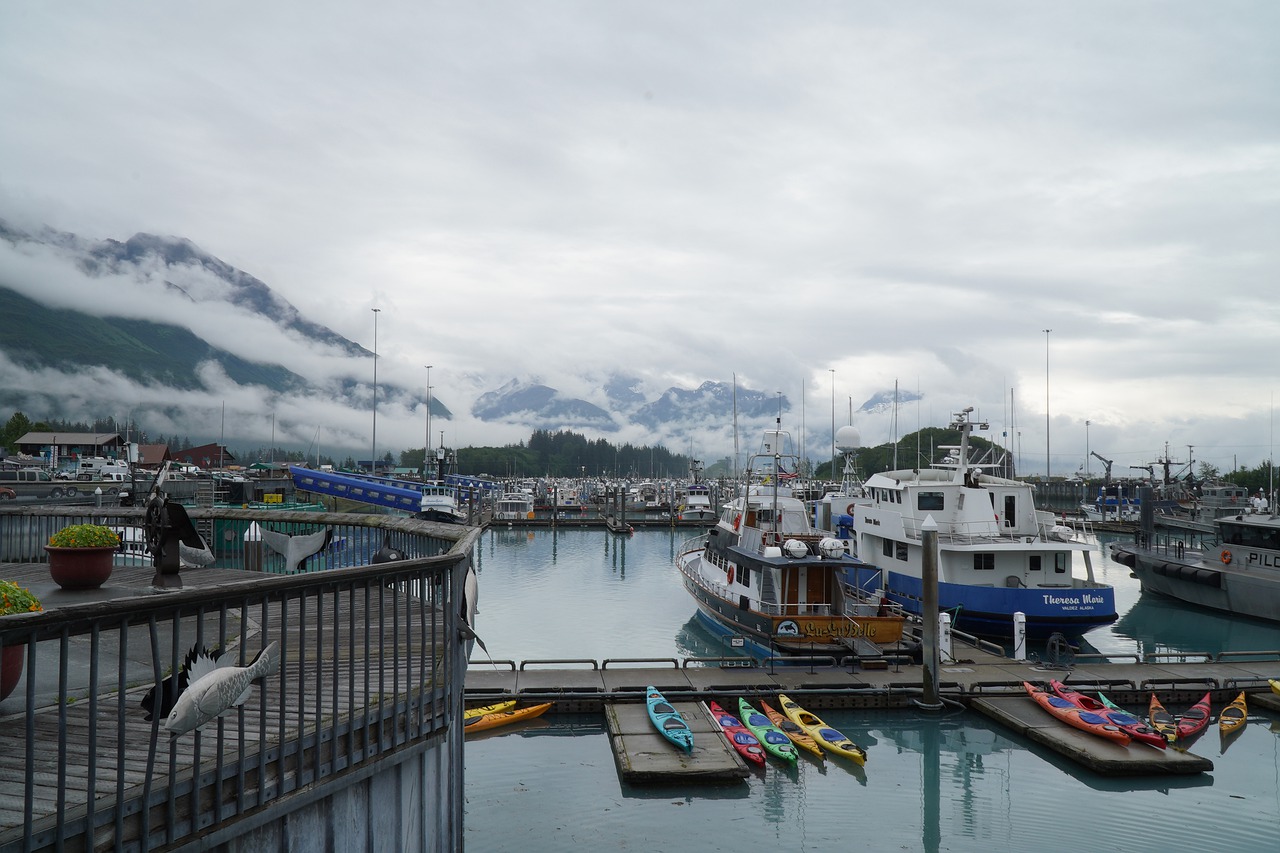
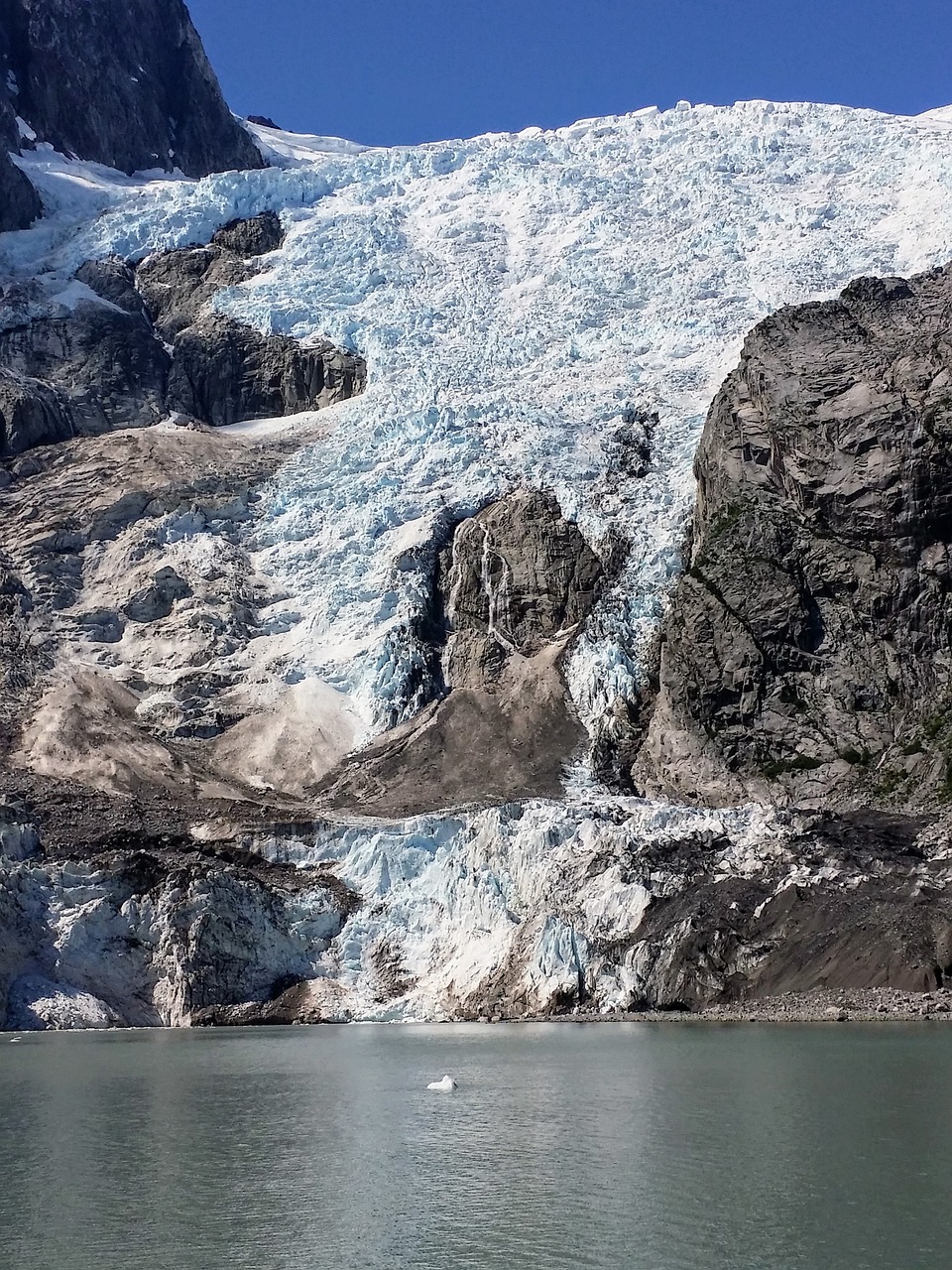
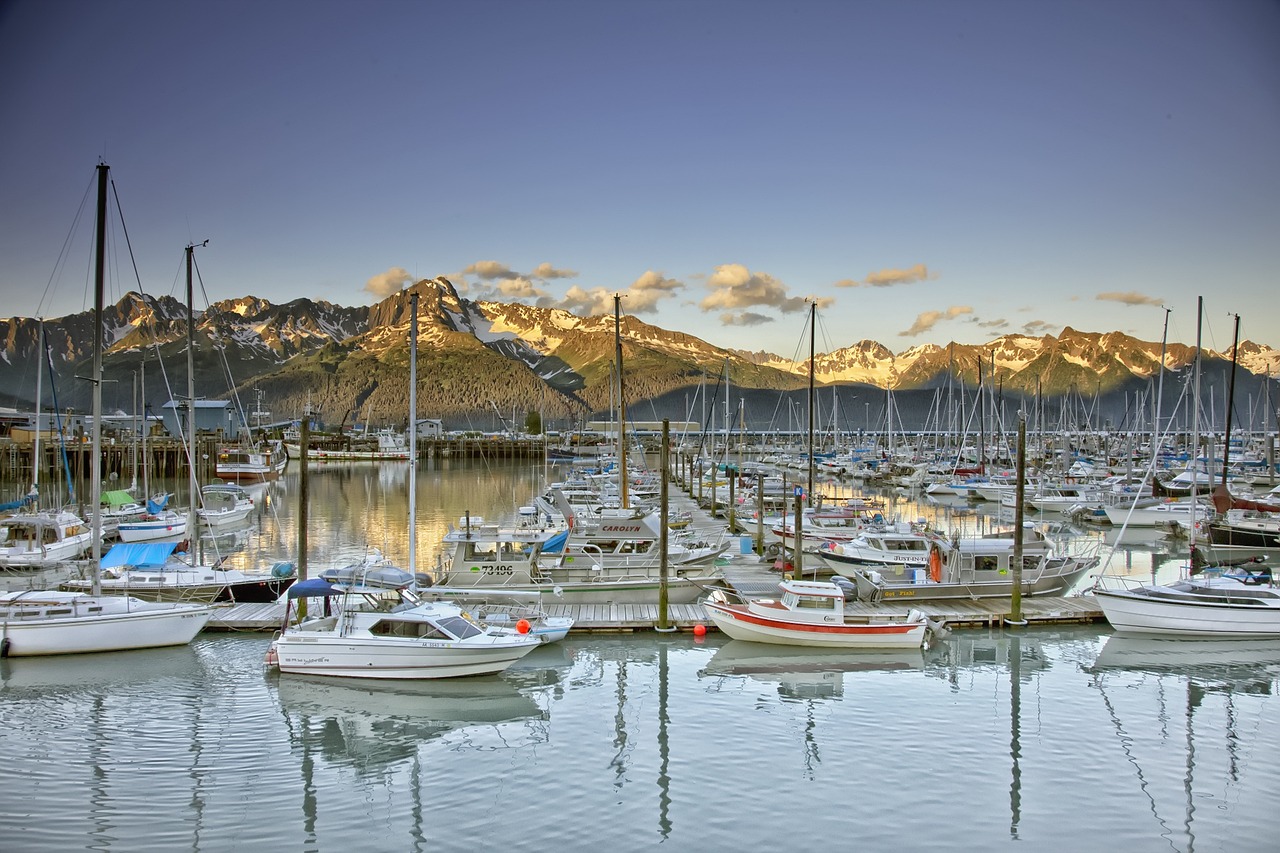
Breakfast, Early in the morning departure for Valdez following the Richardson Highway via Thompson Pass, in a landscape of green forests. Stop at Rika's Roadhouse, a historic building near an important ford of the Tanana River, close to Delta Junction, and at the Bridal Veil and Pony Tail waterfalls in the Keystone Canyon, a gorge with almost vertical walls, reaching heights of almost 200 meters in some places., The Richardson Highway is a very scenic route, with beautiful views of the Chugach Mountains and the Alaska Range, and some of the best views of Alaska's glaciers. The road is wide, paved, and in decent condition. You can also see the trans-Alaska pipeline, which runs from Prudhoe Bay on the Arctic Ocean to the terminal in Port Valdez (1300 km). The Richardson Highway was the first known route in Alaska for gold prospectors in 1898, known as the Valdez to Eagle Trail. Prospectors again traveled the trail in 1902, this time heading to Fairbanks. The route from Valdez to Fairbanks became an important inland route, and in 1910 the trail was widened under the direction of Gen. Wilds P. Richardson, the first chairman of the Alaska Road Commission. In the 1920s, it was adapted for cars and paved in 1957., arrival at Valdez, In the heart of Prince William Sound and surrounded by some of the highest coastal mountains in the world, there is Valdez, a town of 5,000 inhabitants in an extraordinarily picturesque environment, 490 km east of Anchorage and 585 km south of Fairbanks. The center of Valdez is the small boat harbor on the waterfront. From there, it extends for about ten walkable blocks towards the mountains and Mineral Creek Canyon, while the nearby Egan Drive, Main Street, turns into Richardson Highway and heads north towards Thompson Pass. Visible across the bay is the Trans-Alaska Pipeline terminal with its enormous storage tanks, each containing nine million barrels of oil. Valdez's location in Prince William Sound makes it an outdoor paradise. It is less than 40 km east of the Columbia Glacier, a popular day trip destination, and there are glaciers aplenty all around, breathtaking mountain landscapes, an abundance of marine wildlife, and opportunities for outdoor adventure, from halibut and salmon fishing to kayaking among icebergs and seals. Fishermen can participate in fishing trips or take boat tours to see the Meares Glacier and the Columbia Glacier, the second largest glacier in North America with a front as tall as a football field. Thanks to those steep coastal mountains, thrill-seekers can go rafting on the Lowe River through the impressive Keystone Canyon in summer, and heli-skiing and ice climbing in winter. Valdez's most terrible moment was the Good Friday earthquake of 1964. The tsunami that followed the earthquake destroyed the entire historic site of the town. The community was rebuilt on a more stable rocky substrate 7 km to the west and flourished during the construction of the TransAlaska Pipeline Terminal in the 1970s.. Accommodation,