Brand USA - Travel South: Texas and Music of the South — NAAR
1 / 20
Brand USA - Travel South: Texas and Music of the South
Suggested Itineraries19 Giorni
Dallas, USA
Dallas›Austin (TX)›San Antonio›Houston›Lafayette›New Orleans+7 Altro
Abstract
We propose the itineraries studied by the experts of BRAND USA, with their original and targeted advice to discover the new and famous or hidden beauties of this great country. Often these are not complete itineraries, but just a few stops that you can complete as you wish. As with all our recommended itineraries, you can create a trip by modifying the number of nights, adding or removing stops, selecting hotels, cars, motorcycles, flights, excursions, and services. ***PLEASE NOTE*** Original texts in Italian by Brand USA
Itinerary
Giorno 1 — Dallas
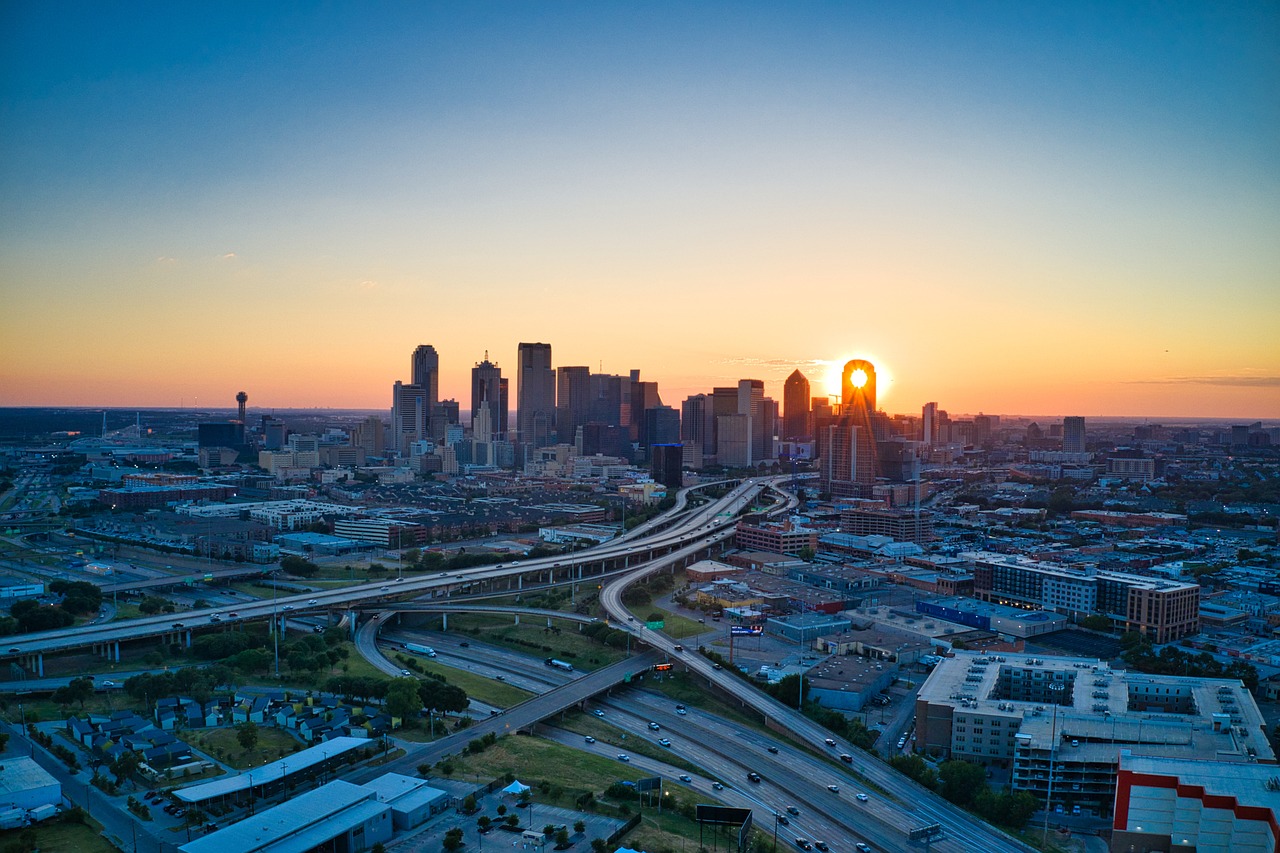
Get away from Downtown Dallas and discover the historic Deep Ellum, once a notorious area and now one of the largest entertainment districts in Texas, with over thirty live music venues on its various blocks, such as the huge The Bomb Factory where famous singers perform. The musical history of Deep Ellum dates back to the early twentieth century, when the neighborhood was the mecca of blues and jazz, with artists like Blind Lemon Jefferson, Huddie "Lead Belly" Ledbetter, and Bessie Smith. Since the 1970s, the area has experienced a period of economic decline, but recently the music scene has become vibrant again. The opening of the concert venue Trees in the 1990s further revitalized the neighborhood, attracting famous bands like Nirvana, Pearl Jam, and Radiohead. Today, Deep Ellum, famous worldwide, attracts everyone who wants to attend concerts, meet artists, shop, and enjoy good food. Experience the area at its liveliest during the Deep Ellum Arts Festival, a three-day street event held in April.,
Giorno 2 — Dallas
Free day,
Auto
Giorno 3 — Dallas → Austin (TX)
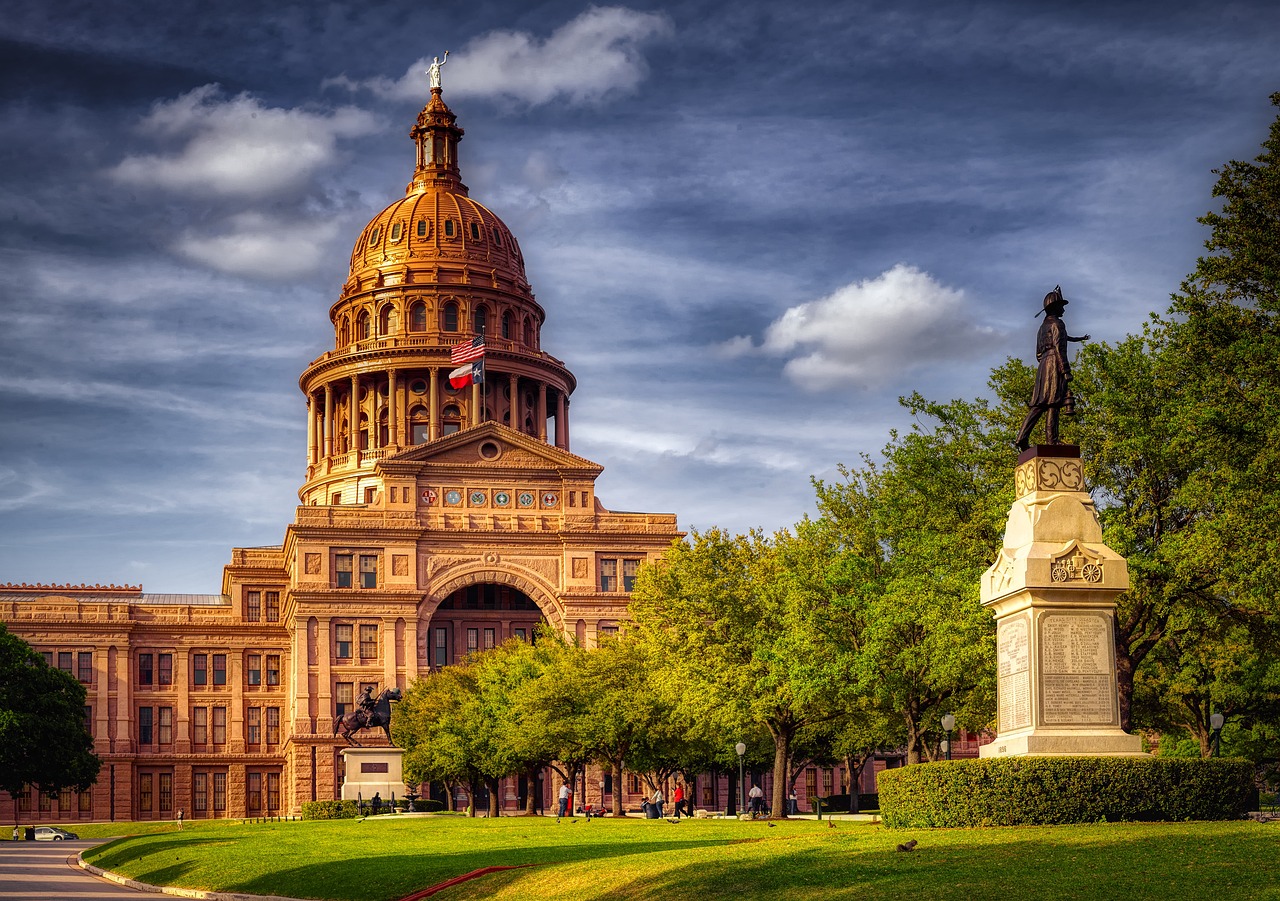
No matter what evening you arrive in Austin, you will surely find a place to listen to live music of various genres. Thanks to the over two thousand musicians who contribute to the city's soundtrack, you will soon understand why Austin is considered the live music capital of the world. The television show "Austin City Limits" debuted in the mid-1970s and still today directs attention to this city that has given fame to artists such as Janis Joplin, Jamestown Revival, and Stevie Ray Vaughan. Since 1987, the annual South by Southwest music festival has hosted thousands of talented musicians and fans from all over the world. Austin is home to large arenas, such as the Paramount Theatre, which hosts important stops on world tours, but also more traditional venues, such as the Continental Club, the Sahara Lounge, and the Nook Amphitheater, where local bands perform. Rainey Street, Sixth Street, and the South Congress neighborhood are certainly among the most popular entertainment areas.,
Giorno 4 — Austin (TX)
Free day,
Auto
Giorno 5 — Austin (TX) → San Antonio
It is worth stopping in San Antonio for its lively and diverse music scene. The city, known primarily for tejano and heavy metal genres, also has deep jazz roots, which are expressed in venues such as the Shadowland Ballroom and the Plaza Hotel. The main arenas that host stops on famous tours are the AT&T Center and the Paper Tiger; however, smaller clubs in the urban oasis offer live music nights for all tastes.,
Auto
Giorno 6 — San Antonio → Houston
Continue towards Houston, a famous launching pad for many artists such as Lyle Lovett, ZZ Top, and Destiny's Child. For live music, there are venues like the Continental Club, which originated in Austin and now holds a prominent role on Main Street, a popular destination to end the evenings. The historic Fitzgerald's, once a Polish dance hall a century ago, hosts an open mic night for aspiring musicians on Wednesdays, while established bands perform live on Fridays and Saturdays. One of the newer destinations in Houston is the White Oak Music Hall, where famous bands like the Lumineers have played since its opening in 2016. You can choose between three stages, indoor or outdoor, with spectacular views of downtown and the Little White Oak Bayou.,
Auto
Giorno 7 — Houston → Lafayette
Along the Gulf of Mexico coast, make a stop in Port Arthur to visit the Museum of the Gulf Coast, home to the "Hall of Fame" that celebrates hometown hero Janis Joplin and other icons of the Gulf Coast such as Clarence "Gatemouth" Brown, ZZ Top, and Edgar and Johnny Winter. Then continue on to Lafayette, a lively city in central-southern Louisiana, colonized by French Canadians in the 18th century and known as the capital of Cajun Country. In local venues, bands play Cajun and zydeco melodies, and there are many cultural festivals for you to attend.,
Auto
Giorno 8 — Lafayette → New Orleans
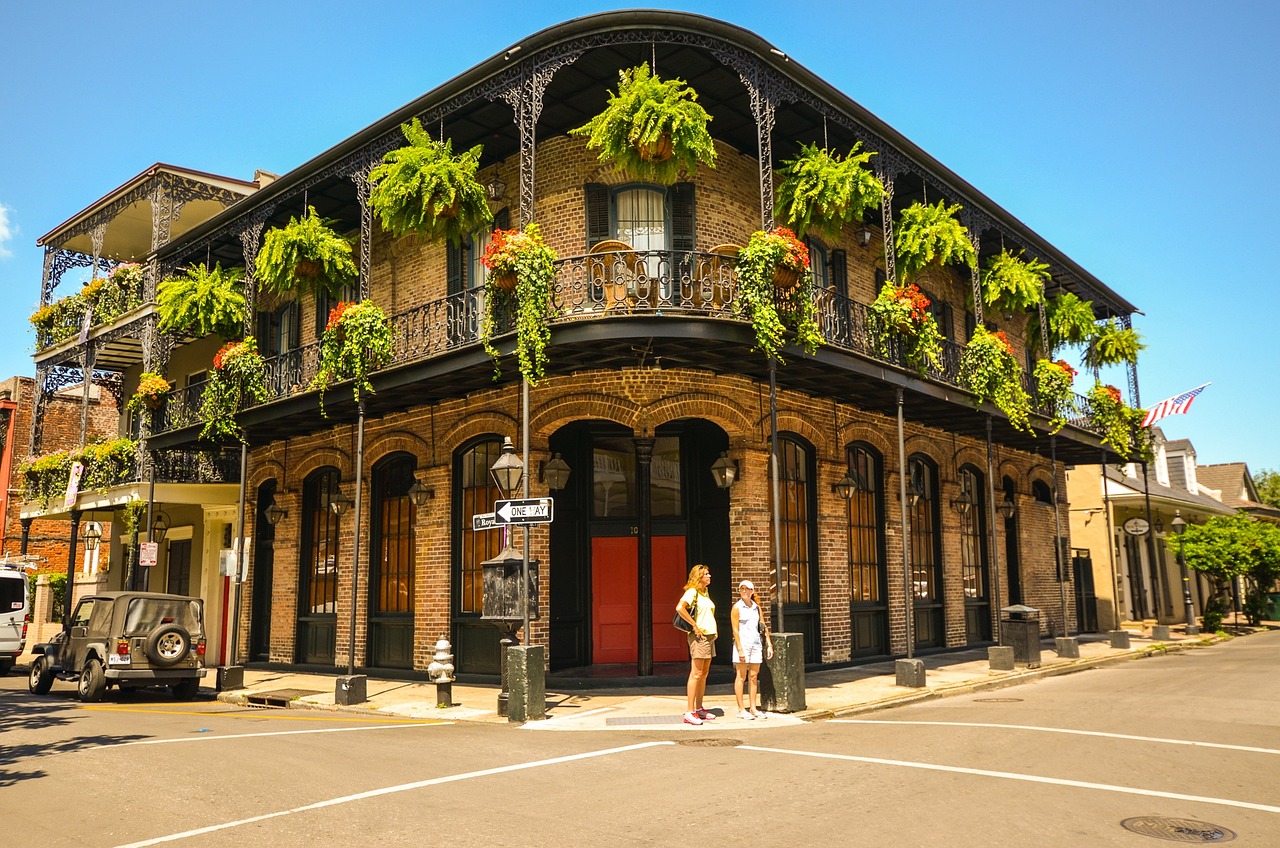
Today's stage takes you to New Orleans, a city with deep musical roots. In clubs and on street corners, you can witness a wide range of performances, from jazz to Afro-Cuban rhythms, dixieland, rhythm and blues, and zydeco. At Preservation Hall, fabulous musicians take turns playing traditional New Orleans jazz in a very intimate atmosphere. Try to arrive early at venues that only have standing room or book one of the limited number of seats in advance. Another hub for live performances is Frenchmen Street, which includes a series of venues like the Spotted Cat Music Club, where up to three jazz bands perform every night. Visit the New Orleans Jazz National Historical Park, which will provide you with more information about this city, the birthplace of jazz. The cuisine and cocktail culture are essential elements of New Orleans' spirit. From outdoor cafes to upscale restaurants, you can enjoy endless interpretations of local dishes, such as powdered sugar-covered beignets, aromatic jambalaya, and spicy, smoked Andouille sausage. Plan your trip to coincide with the Jazz & Heritage Festival or Mardi Gras.,
Giorno 9 — New Orleans
Free day,
Auto
Giorno 10 — New Orleans → Indianola
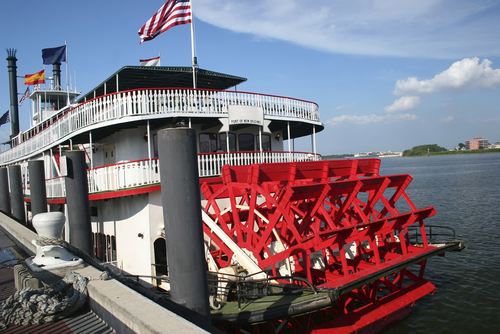
Follow the Mississippi River heading north along the Mississippi Blues Trail and stop in Baton Rouge, the capital of Louisiana, a perfect place to discover the eclectic culture of the state. Baton Rouge boasts over 300 years of history, many of which are encapsulated in delicious food, unique architecture, and its distinct culture. Continue along the Mississippi Blues Trail through Natchez, Vicksburg, and Indianola, the region known as the Mississippi Delta. In Indianola, explore the history of the blues told in the B.B. King Museum, dedicated to the legendary singer and guitarist; here you will also learn how African Americans created this genre of music while working in cotton fields and playing in juke joints.,
Auto
Giorno 11 — Indianola → Birmingham
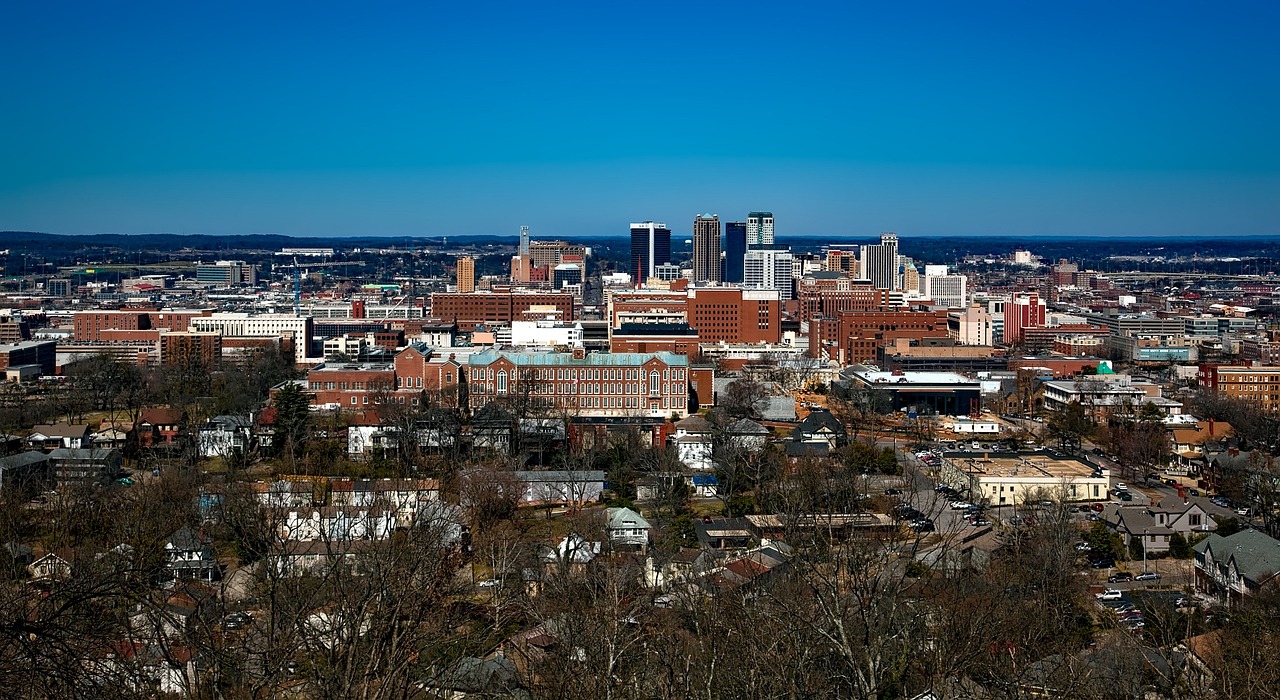
Leaving Indianola, make a small detour north of the Mississippi Blues Trail to visit Dockery Farms in Cleveland, which offers further insight into the birth of the Blues. Among the African Americans who worked there in the early 20th century was Charlie Patton, a pioneer of the blues. At the next stop, Tupelo, spend some time at the birthplace of Elvis Presley. The house where the "King of Rock and Roll" was born is part of a complex that includes a chapel, a museum, and a park. Continue on to Birmingham, where jazz is still thriving in downtown nightclubs like Ona's Music Room, where you might be lucky enough to catch a performance by owner Ona Watson, the youngest artist inducted into the Alabama Jazz Hall of Fame. For an authentic experience, visit one of the last remaining juke joints and listen to well-known artists and locals performing on Saturday nights at Gip's Place in nearby Bessemer.,
Auto
Giorno 12 — Birmingham → Chattanooga
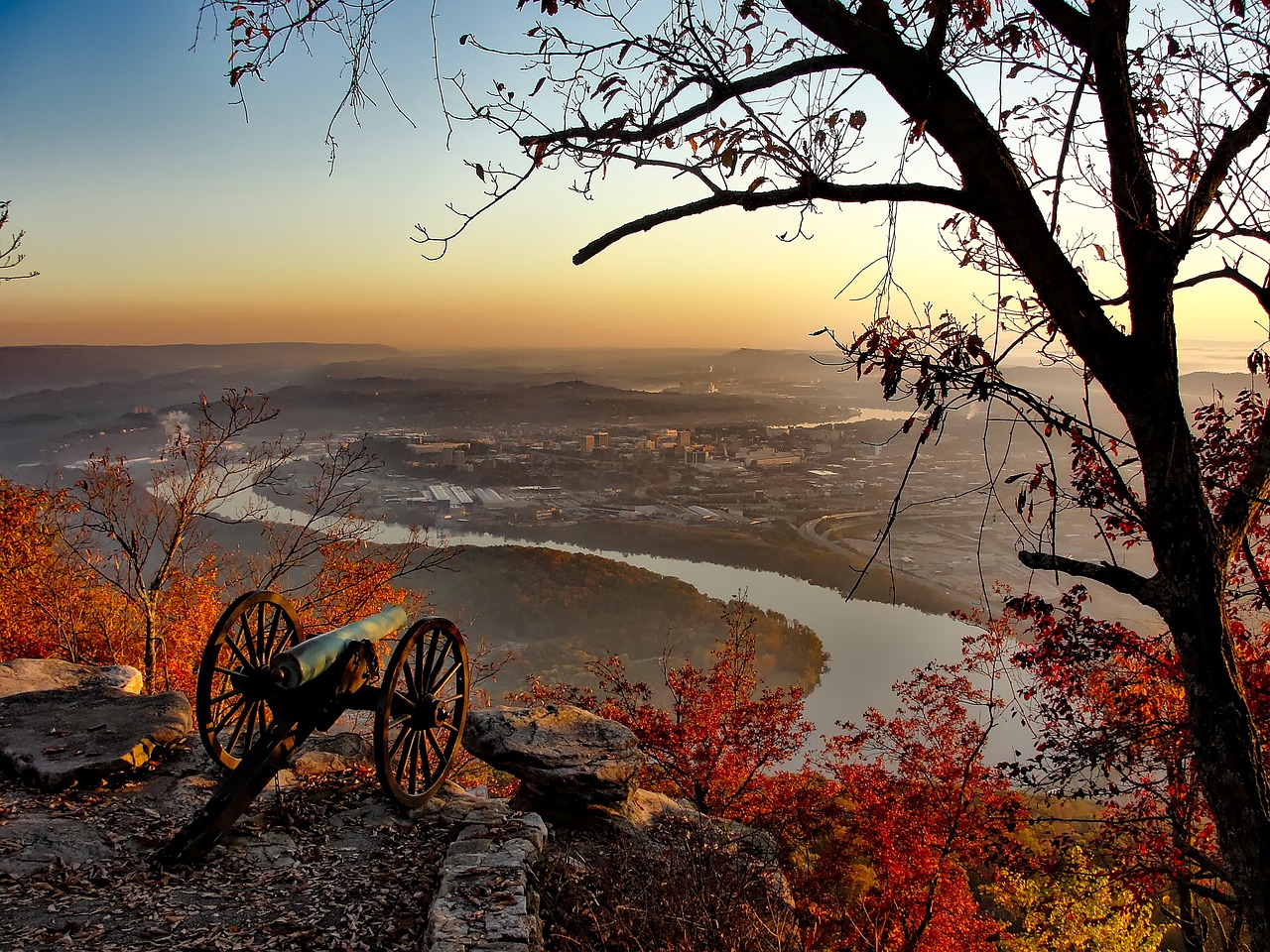
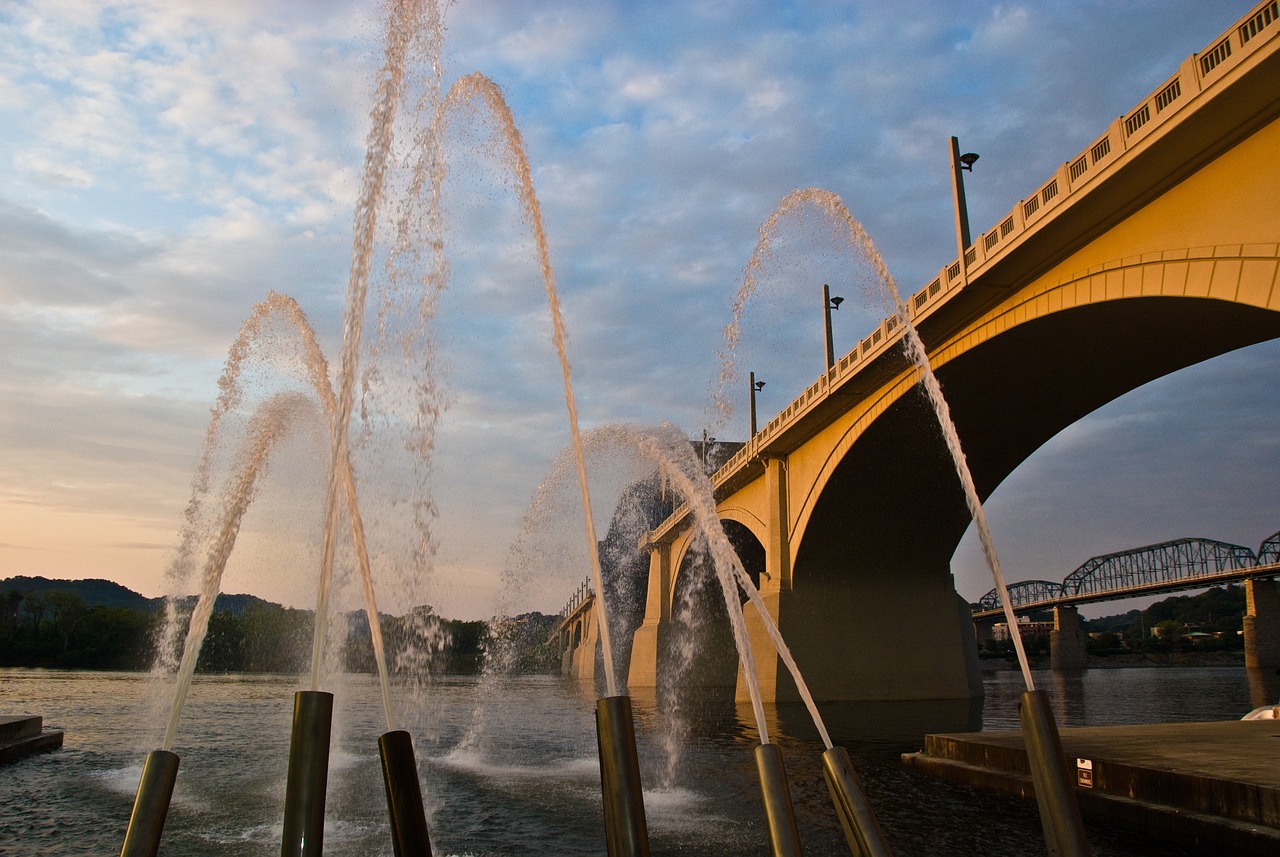
Before leaving Birmingham, make a stop at the Art Deco building that houses the Alabama Jazz Hall of Fame, a museum that celebrates jazz artists associated with this state for various reasons. Inside, you will find the Carver Theatre, where many of the genre's greatest performers have performed. You will participate in a historical jazz music tour featuring legends such as Nat King Cole, Lionel Hampton, and Duke Ellington. Two hours north by car, you will cross the border into the state of Georgia before reaching Chattanooga, where Bessie Smith was born and Usher grew up. Don't miss the Songbirds Guitar Museum, which opened in 2017, to admire guitars built between the 1920s and 1970s.,
Auto
Giorno 13 — Chattanooga → Gatlinburg
The state of Tennessee is known for its musical history and the destinations associated with it, which is why Gatlinburg will certainly not disappoint you. Every summer, artists and music enthusiasts come to Gatlinburg for the Smoky Mountains Songwriters Festival. The best songwriters in the music industry compete for an award. In addition to great music, Gatlinburg also offers various venues, such as its distilleries, where you can listen to live music while sipping on spirits. Treat yourself to a traditional meal at Atrium Pancakes, where breakfast and brunch are served, and try the apple fritters or the cutlet with sauce. Finish your trip by visiting the Dollywood theme park in Pigeon Forge, where you can explore the complex and the water park, with lots of shows and attractions. The park also offers on-site accommodations for those who wish to stay longer. To welcome back country star Dolly Parton, participate in the annual Dolly's Homecoming Parade. If you are a music lover, consider planning a visit during the annual Dollywood Barbeque & Bluegrass Festival.,
Auto
Giorno 14 — Gatlinburg → Atlanta
Step out of the musical path of Gatlinburg to explore the Great Smoky Mountains National Park. Located on the border between Tennessee and North Carolina, the park offers hiking trails through forests and wildflowers, along streams and rivers with waterfalls and spectacular viewpoints. Once you have finished this visit, head to Georgia to discover the college town of Athens, indissolubly linked to bands like R.E.M. and the B-52s. Numerous shows are still hosted at the Morton Theatre, opened as a vaudeville theater in 1910, and a venue for music legends such as Duke Ellington and Louis Armstrong. Continue on to Atlanta, a famous destination for contemporary hip hop and rhythm and blues. Little Five Points has long been a trendy spot, and the Variety Playhouse is a great venue to enjoy live music and events.,
Giorno 15 — Atlanta
Free day,
Auto
Giorno 16 — Atlanta → Savannah
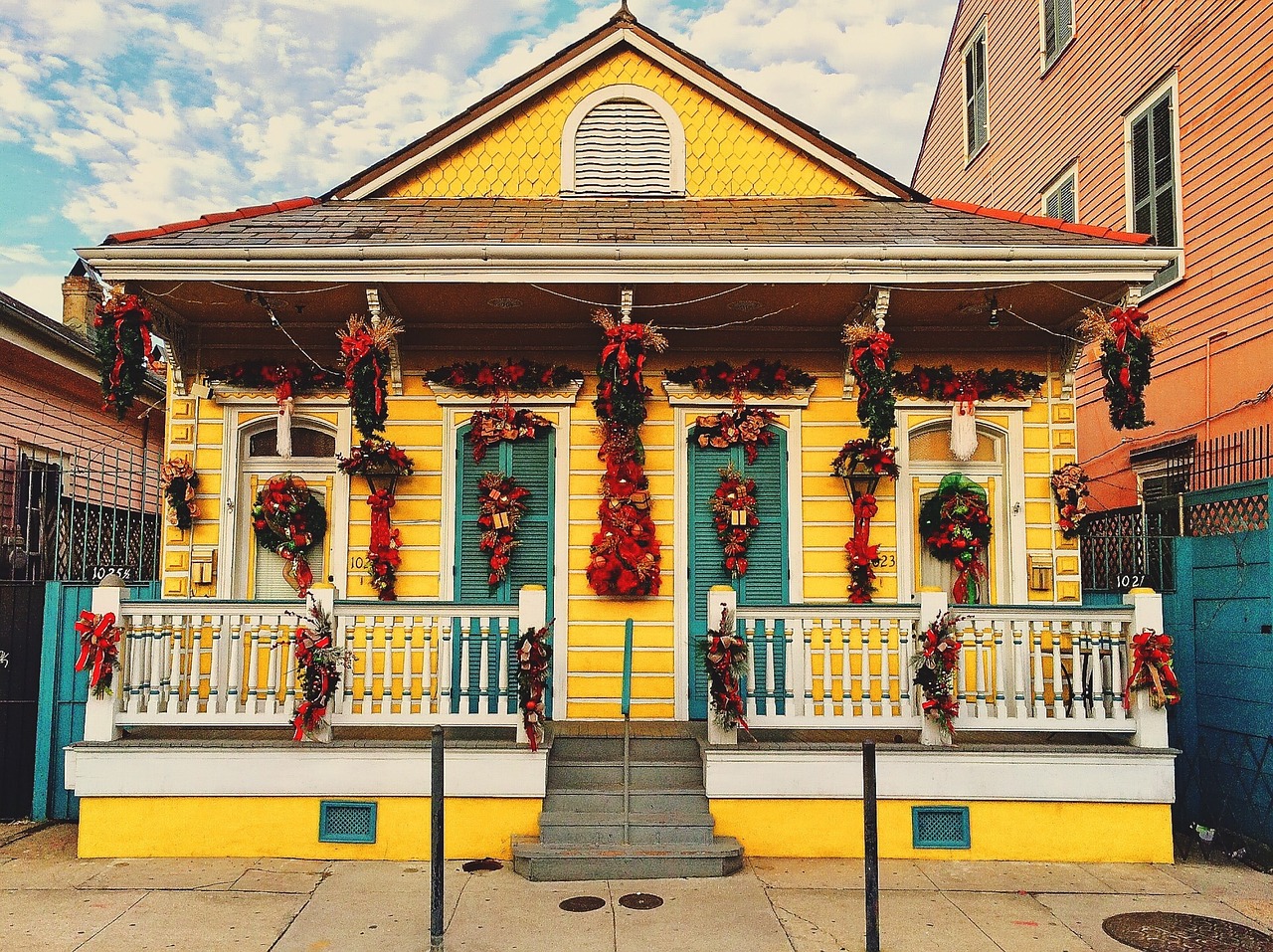
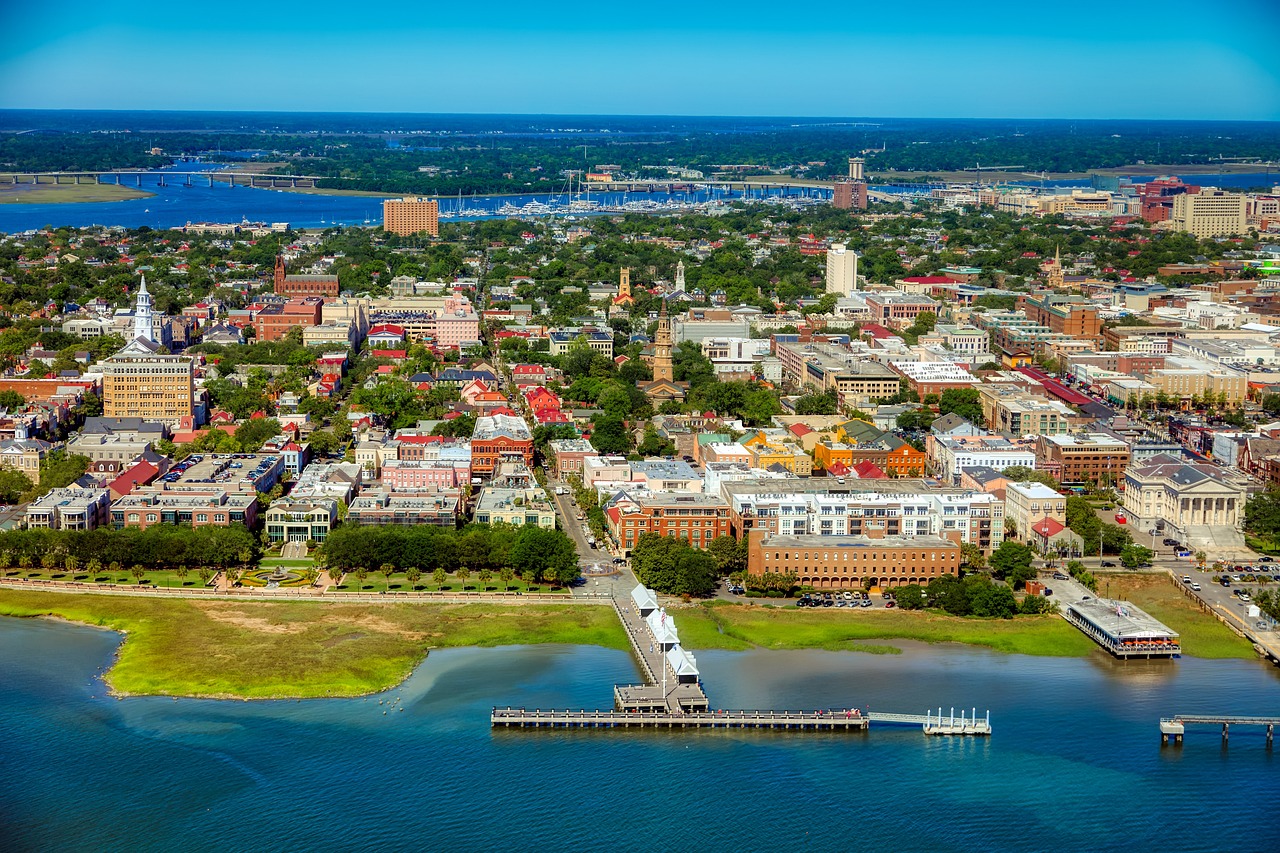
The colorful villas dating back to the period before the Civil War, with elaborate iron gates, are the symbol of Charleston. Take a walking tour along the cobblestone streets to discover everything about these homes, their gardens, and the Battery, Charleston's historic waterfront. The name Charleston might remind you of the famous dance from the ragtime era in the early 1900s, which gave rise to the jazz rhythms of the 1920s. Grammy Award-winning singer Darius Rucker, who was born in this city, even named one of his albums "Charleston, SC 1966". The renovation of the Charleston Music Hall, also known as The Tower Depot, in the 1990s has given the city a top-quality live music venue. For a more laid-back evening, visit the bars in the historic downtown area or the taverns along the waterfront and enjoy performances by talented musicians on stage.,
_20260429145656.png)
_20260429145657.png)
_20260429145657.png)