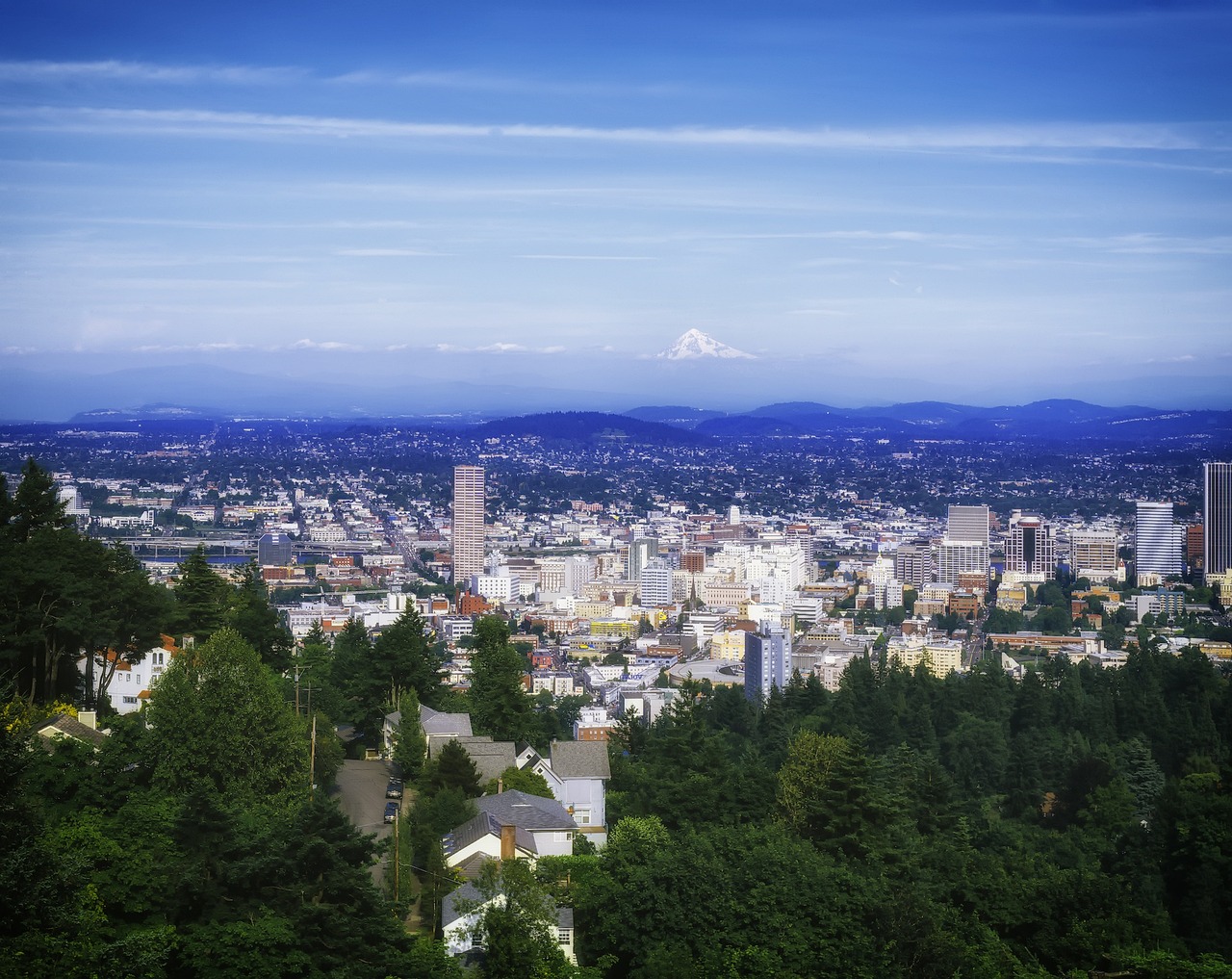
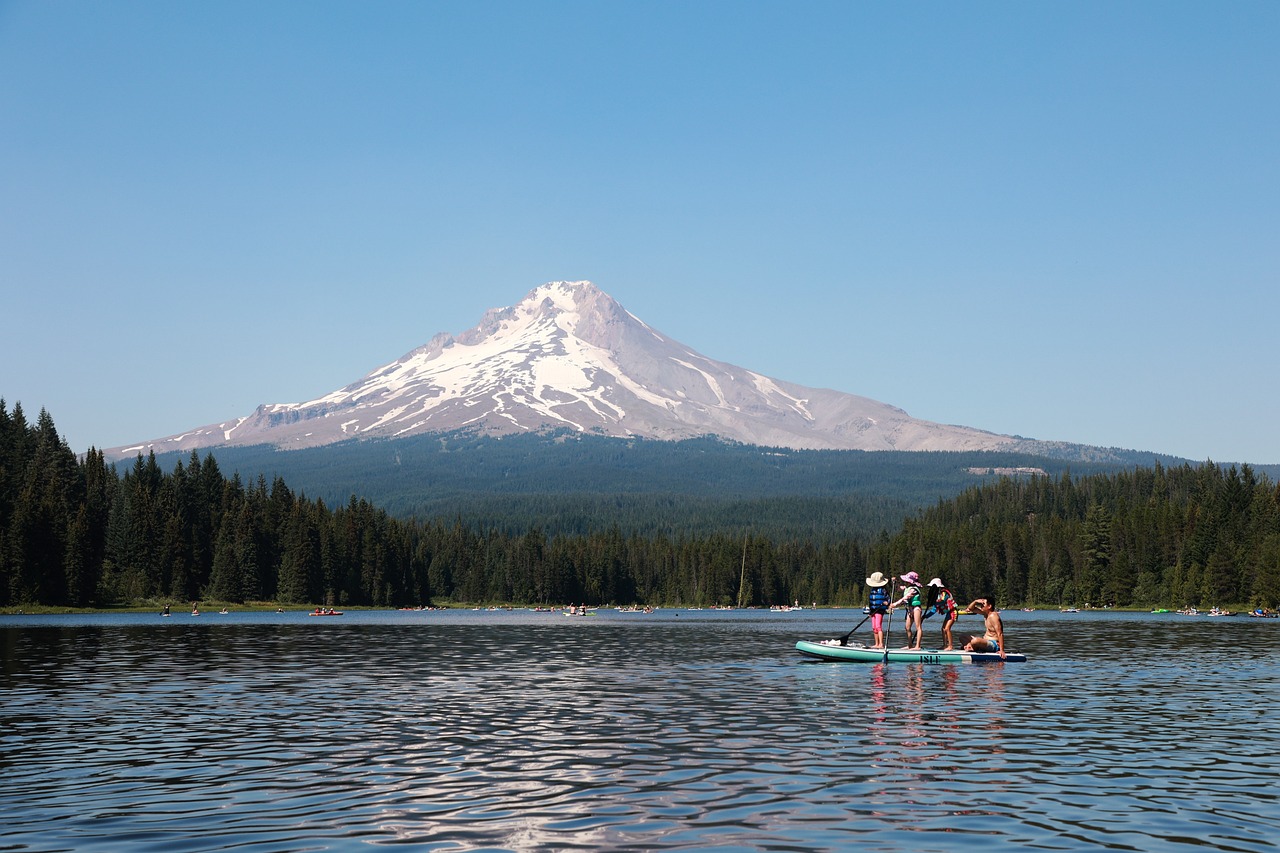
Portland rises at the confluence of the Willamette and Columbia rivers in Oregon, the capital of the Pacific Northwest's indie and green culture. Nicknamed the "City of Roses" for its splendid gardens, it keeps a bohemian charm built on artisan coffee, microbreweries and markets. The legendary Powell's City of Books is the world's largest independent bookshop, while the Portland Japanese Garden and the International Rose Test Garden offer moments of pure calm. The city is surrounded by prodigious nature: snow-capped Mount Hood to the east, the spectacular Columbia River Gorge with its waterfalls to the west, and nearby the famed Willamette Valley of Pinot Noir wines. Between creative food trucks and a nonconformist spirit, Portland is a city to be savoured slowly.
Auto
Giorno 3 — Portland → Astoria
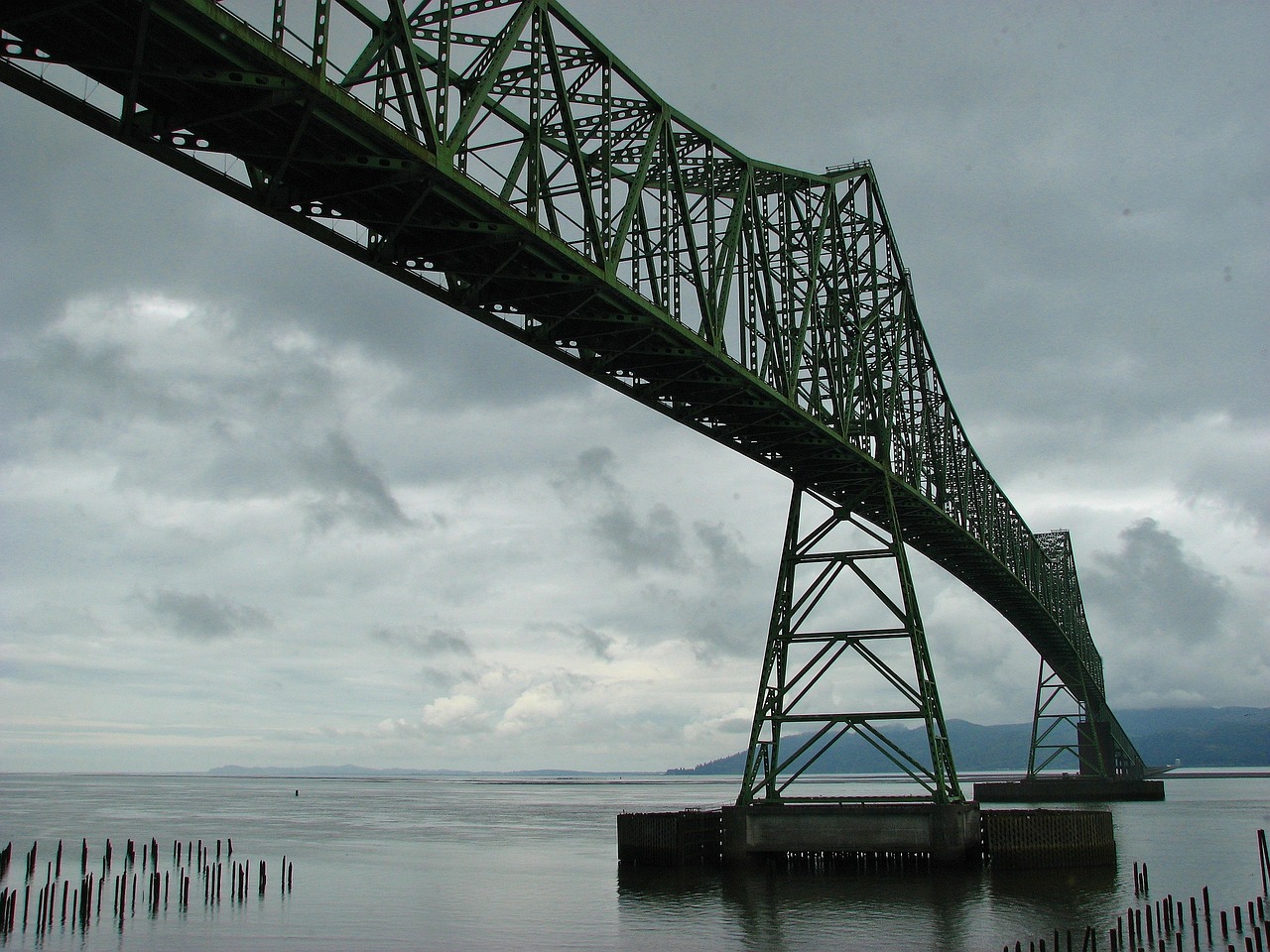
Astoria sits at the mouth of the Columbia River, where its waters meet the Pacific Ocean, and is the oldest US town west of the Rockies. Its skyline is crowned by the Astoria Column, a painted tower offering sweeping views over river, bridge and forests. The waterfront with its old piers, the Columbia River Maritime Museum and the Victorian houses tell of a past of fishing, trade and film. A gateway to the wild beaches of northern Oregon, Astoria charms with its misty, seafaring atmosphere.
Auto
Giorno 4 — Astoria → Newport
Newport is a lively seaside town on the central Oregon coast, where the Pacific Ocean meets rugged cliffs and windswept beaches. Its picturesque bayfront, alive with fishing boats, sea lions and seafood restaurants, is its beating heart. The town is home to the Oregon Coast Aquarium, among the most renowned in the country, and the Yaquina Head Lighthouse, set within a natural reserve rich in seabirds and tide pools. Between seafood tastings, walks on the sand and gray-whale sightings offshore, Newport offers the genuine, wild atmosphere of the Pacific Northwest coast.
Auto
Giorno 6 — Oregon Dunes National Monument → Bend
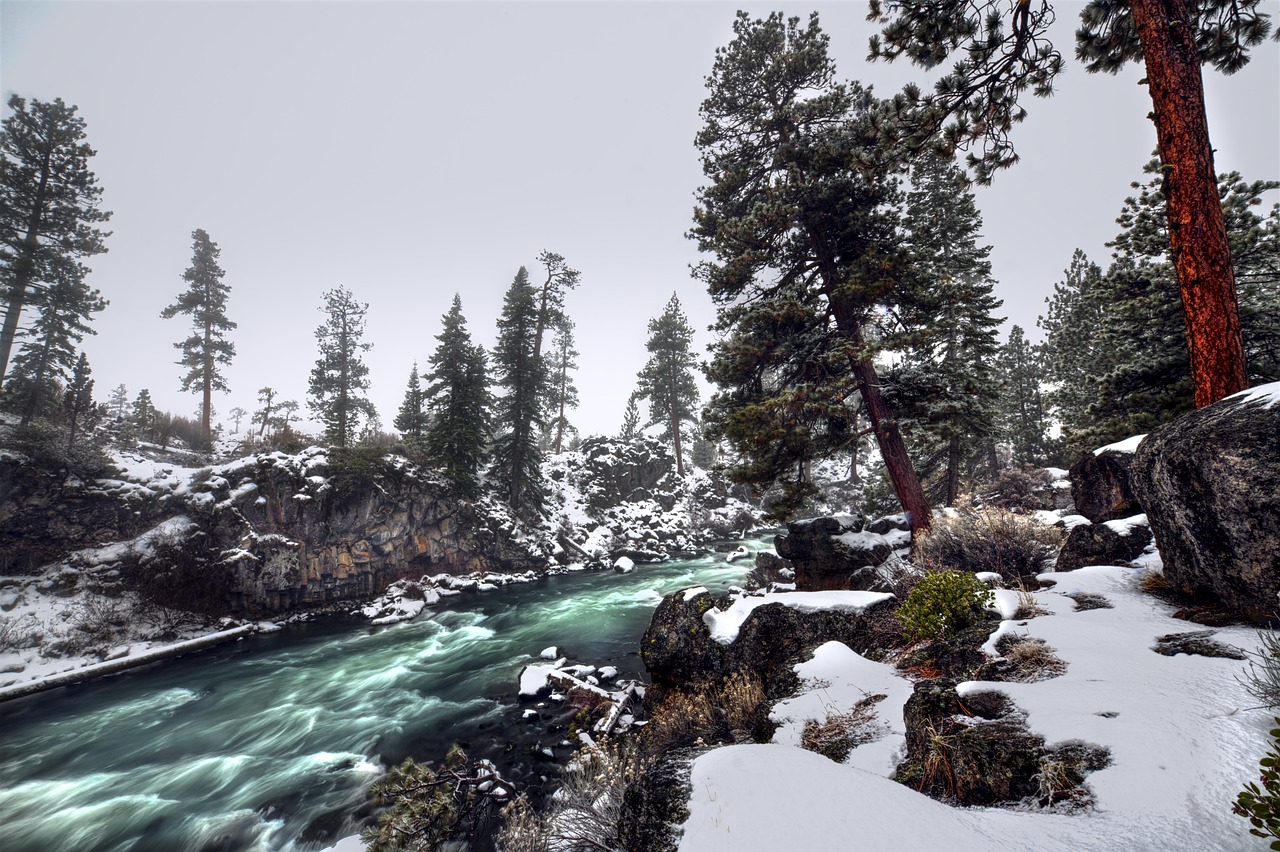
Bend is a lively town in central Oregon, spread along the Deschutes River at the foot of the Cascade Mountains, become one of the outdoor capitals of the Pacific Northwest. Surrounded by volcanoes, forests and alpine lakes, it offers skiing, mountain biking, kayaking, climbing and hiking in every season. The town boasts a flourishing craft-brewery scene along the famous Bend Ale Trail and a lively historic centre. Sunny for much of the year, it is a paradise for lovers of nature and adventure. Between volcanoes, river and beer, Bend is the active heart of Oregon.
Auto
Giorno 7 — Bend → Crater Lake
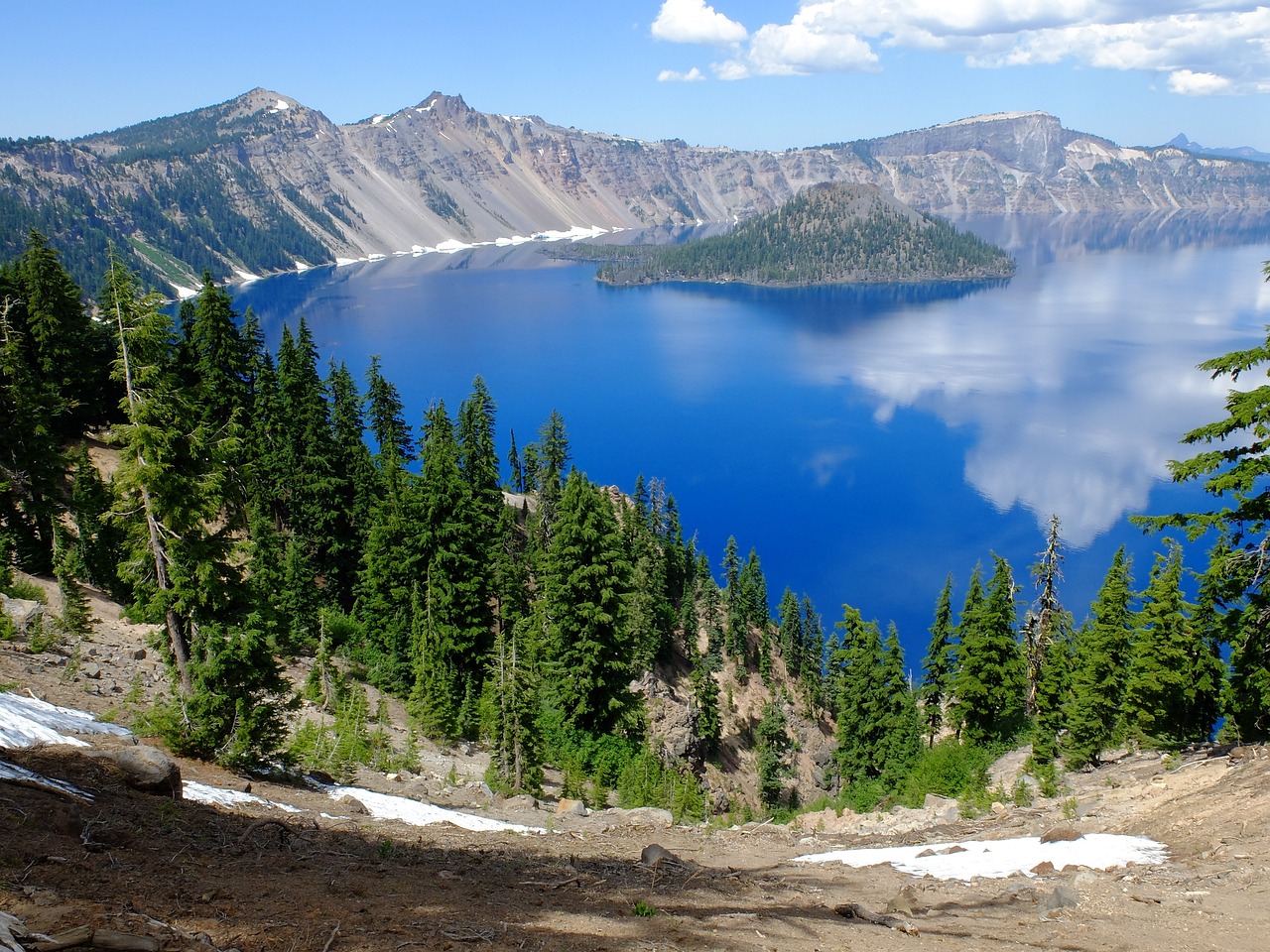
Crater Lake astonishes in southern Oregon with its lake of intensely blue water, the deepest in the United States, cradled in the caldera of an ancient volcano. The heart of the national park of the same name, it delivers breathtaking views from the crater rim and from the volcanic islet of Wizard Island. Trails, scenic drives and winter snow make it a wonder in every season. Crater Lake is a geological masterpiece of rare, hypnotic beauty.
Auto
Giorno 9 — Redwood National Park → Mendocino (CA)
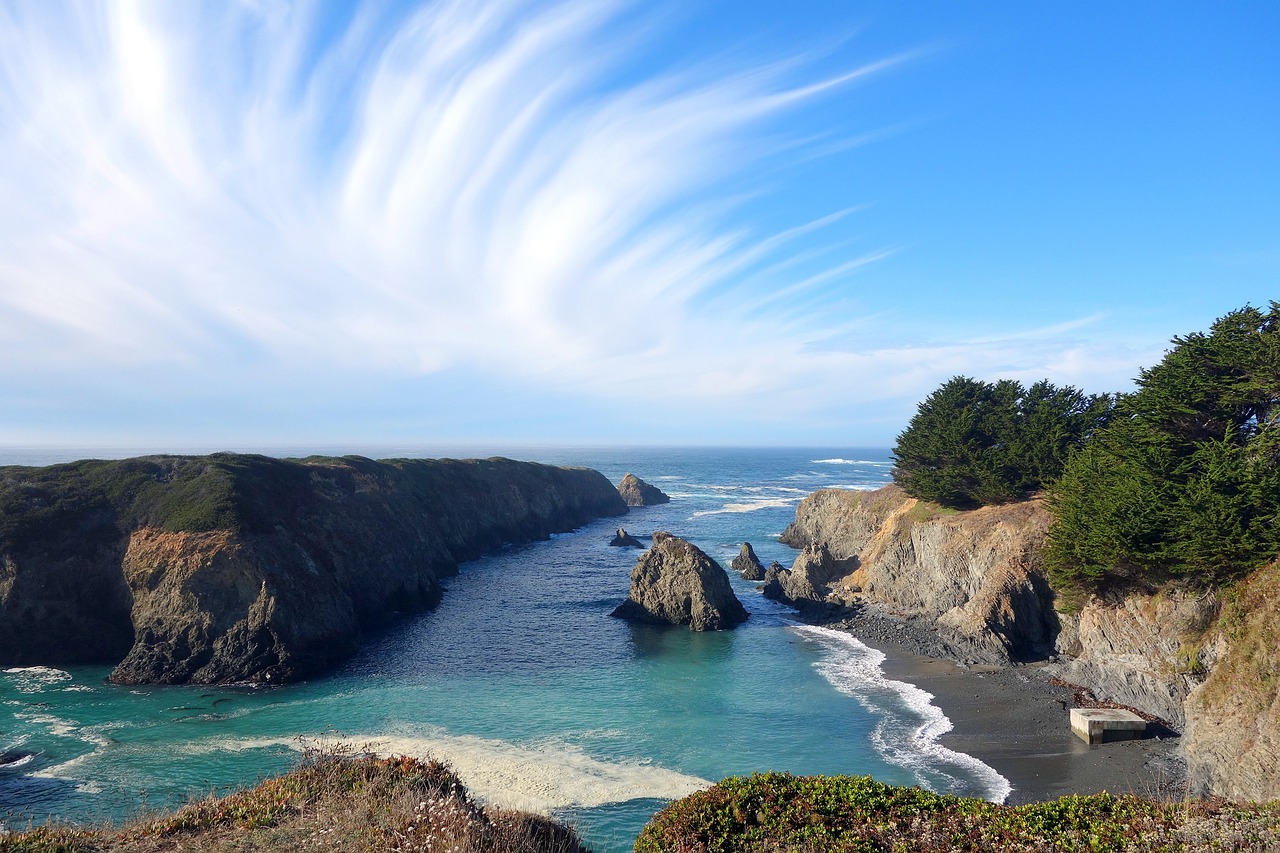
Sheer cliffs plunging into the ocean, Victorian-style wooden houses and redwood forests: Mendocino is one of the most evocative gems of California's northern coast. This small artistic village, perched on a headland battered by the Pacific wind, preserves the bohemian atmosphere that made it a refuge for painters and writers, with art galleries, period bed & breakfasts and artisan workshops. The trails of Mendocino Headlands State Park run along spectacular bluffs where passing whales can be spotted, while inland stretch forests of giant redwoods and the county's vineyards, renowned for their Pinot Noir wines. Along the coast one discovers hidden beaches, historic lighthouses and the famous Glass Beach. Mendocino is the ideal destination for those seeking a romantic, timeless stay among wild nature, art and the unmistakable charm of the most authentic California.
Auto
Giorno 11 — Cloverdale → Bodega Bay
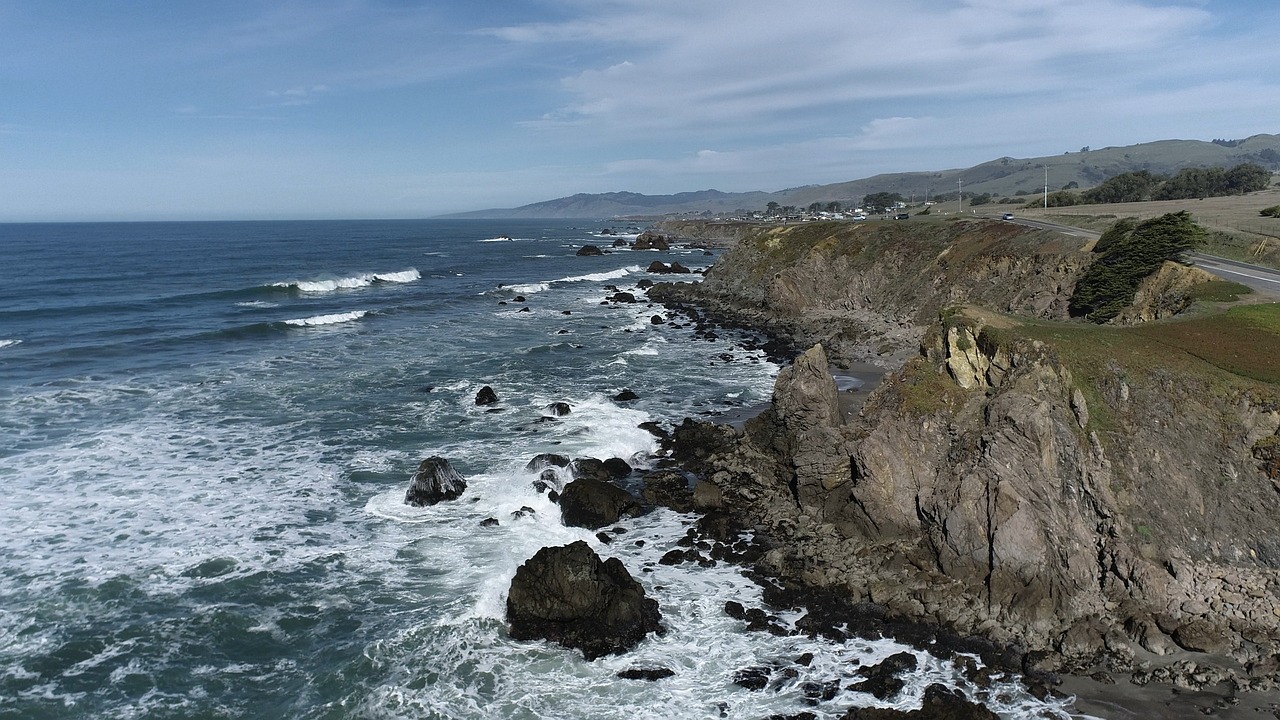
Bodega Bay gathers around an inlet on the Sonoma coast of California, a small fishing harbour made famous by Alfred Hitchcock's film "The Birds". The quiet bay offers seal and seabird watching, hikes along the cliffs and fresh tastings of oysters and crab. The trails of Bodega Head deliver spectacular views over the Pacific Ocean. Bodega Bay is a coastal pause with wild, cinematic charm.