Cape Town, Garden Route, Route 62 & Winelands — NAAR
1 / 20
Cape Town, Garden Route, Route 62 & Winelands
Suggested Itineraries13 Giorni
Cape Town, South Africa
Cape Town›Hermanus›Mossel Bay›Knysna›Oudtshoorn›Montagu +1 Altro
Riepilogo del tour
Durata13 Giorni / 12 notti
ItinerarioCape Town → Cape Town
Tappe7 Destinazioni
Itinerario del Tour
Caricamento mappa...
Characteristics
A self-drive travel proposal that allows you to choose the hotels, car, and services you prefer. No services are included: you can also modify the stops and the number of nights as you wish. The hotels and visits mentioned in the itinerary are just a suggestion. Multiple itineraries can be combined, adding domestic flights where necessary.
Itinerary
Giorno 1 — Cape Town
Free day, we recommend visiting della città, Discovered in 1652 by the Dutch, who used it as a supply base for their ships bound for the East, Cape Town is now considered one of the most multifaceted cities in the world. It is dominated by landscapes of extraordinary beauty, where sea, mountains and countryside merge into a unique whole that leaves everyone speechless.
The tour begins at Table Mountain, which offers a magnificent view of the city. However, the ascent by cable car is subject to weather conditions; moreover, between July and August, the facility is closed for annual maintenance. Alternatively, you can climb Signal Hill and then continue with an orientation tour of the city.,
Giorno 2 — Cape Town
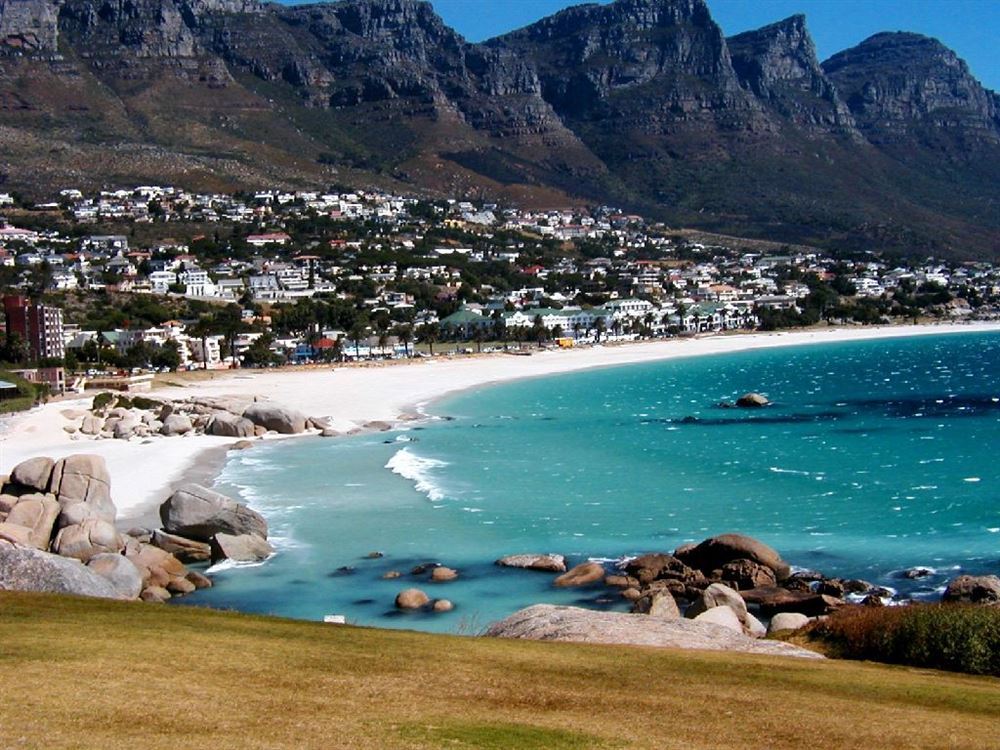
Free day, we recommend visiting Penisola del Capo, Cape Town is located on a spectacular mountainous peninsula that extends into the ocean. From the city, you can follow the Atlantic coast through the suburbs, beaches, and the Twelve Apostles promontory. In Hout Bay, you can embark on a cruise to Seal Island, an island inhabited by hundreds of Cape fur seals and cormorants. Then, you can drive along Chapman's Peak Drive, which with its 114 curves in 9 km is one of the most spectacular coastal roads in the world (subject to closure in bad weather). You will arrive at Cape Point, the famous Cape of Good Hope, the extreme tip of the peninsula where the Atlantic Ocean and the Indian Ocean meet. The first land you encounter south of the Cape is Antarctica; you can reach it by cable car. You will then reach Simon's Town for a seafood lunch. Visit the nearby Boulders Beach to see the rare African penguins, which are at risk of extinction.,
Giorno 3 — Cape Town
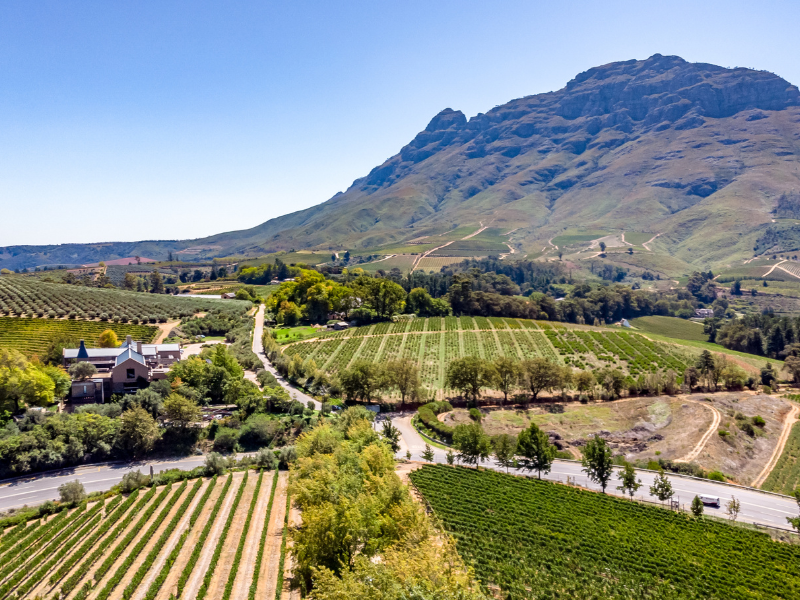
Free day, we recommend visiting Regione dei Vigneti, South Africa has long been a renowned producer of quality wines, especially in the Winelands area, literally "the lands of wine". The plateau, which extends from Cape Town inland and gradually rises in altitude, is a renowned wine region, considered by experts to be the best in South Africa. The magnificent mountain ranges that surround Stellenbosch and Franschhoek contribute to creating an ideal microclimate for vineyards. The first colonial settlements in this region date back to the second half of the 17th century, when the Dutch founded Stellenbosch and the French Huguenots settled in Franschhoek. Both of these cities are rightly proud of their young and innovative chefs, many of whom work at the wineries, and in recent years the region has become the driving force behind South African cuisine. Although it has long been overshadowed by the two nearby cities, the emerging Paarl deserves to be visited. Within a radius of 60 km from Cape Town, in the valleys and on the hills, the traditional Cape Dutch architecture of the Dutch settlers is in perfect harmony with the natural environment. To fully experience the Winelands, with its 600 wineries, the refined gastronomic tradition imported from Europe and enriched by local flavors, luxurious cottages and elegant boutique hotels scattered among the vineyards and the cities of Franschhoek, Stellenbosch, and Paarl, it is recommended to stay at least one night.,
Auto
Giorno 4 — Cape Town → Hermanus
Free day, Hermanus is a city in the Western Cape famous for whale watching in Walker Bay, especially between July and October. Occasionally, Humpback, Bryde's, and Minke whales can be seen, but the bay is mainly frequented by Southern Right whales. The best viewing points are the cement paths that run along the cliff from New Harbour to Grotto Beach. There are explanatory signs at three of the best observation points - Gearing's Point, Die Gang, and Bientang's Cave. In Hermanus, you can also find the Fernkloof Nature Reserve, which has over 1600 different plant species. It is worth taking a walk in the Fernkloof or Vogelgat reserves for the beautiful panoramic views they offer. Along the famous Cliff Path, Hermanus' most famous trail, you can follow the wild coast to Grotto Beach (12 km), between the sea and the mountains. It is also possible to join organized walks. In the Hemel-en-Aarde Valley, there are many visitable vineyards and the picturesque villages of Arniston, Stanford, and Elim.,
Auto
Giorno 5 — Hermanus → Mossel Bay
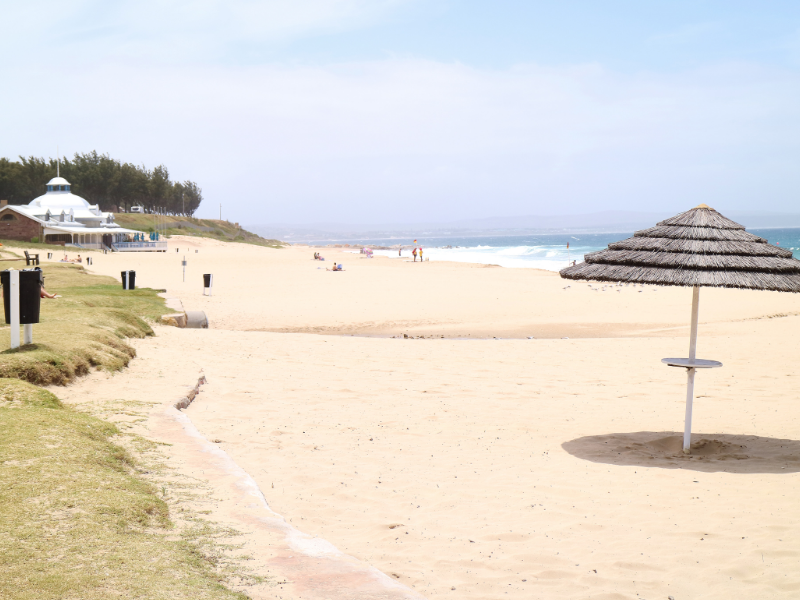
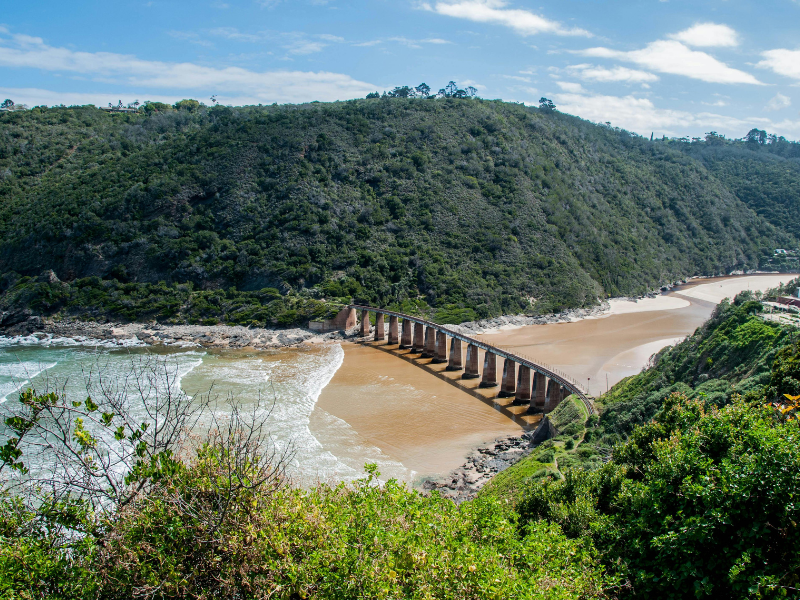
Free day, From Hermanus, if you haven't been there yet, you can make a detour to reach Cape Agulhas, the southernmost point of the African continent. Continue to Knysna, making stops in Mossel Bay, with its curious post office built in a tree, in Wilderness to see the Kaaimans River Bridge, in Sedgefield for its lagoon and for the unmissable Wild Oats market on Saturday morning., Pernottamento a Mossel Bay,
Auto
Giorno 6 — Mossel Bay → Knysna
Free day, The Garden Route is a narrow stretch of coastal plain between Mossel Bay and the mouth of the Storms River, 200 km of forests, mountains, rivers that flow into the ocean between rocky shores, beaches, and coves., Knysna boasts the most spectacular views of the Garden Route: on one side, the lagoon framed by the Karoo mountains, and on the other, the Indian Ocean crashing against the foot of the towering red cliffs. The presence of the ocean is constant and immense.,
Giorno 7 — Knysna
Free day, we recommend visiting Knysna, 90-minute cruise to Knysna Heads, the scenic strait that connects the bay to the ocean.,
Auto
Giorno 8 — Knysna → Oudtshoorn
Free day, Oudtshoorn is a city located in the Western Cape region and is known for being the ostrich farming capital of the world. The city is surrounded by the beautiful Outeniqua and Swartberg mountains, which offer spectacular landscapes and numerous outdoor activities such as hiking, horseback riding, and mountain biking. Today, Oudtshoorn's ostrich farms have evolved and become a popular tourist attraction. Visitors can see ostriches up close and learn more about their life and behavior. Oudtshoorn is also famous for its limestone caves, the Cango Caves, which are located about 30 kilometers from the city and are open to the public for guided tours. These caves are considered among the largest and most spectacular in the world.,
Auto
Giorno 9 — Oudtshoorn → Montagu
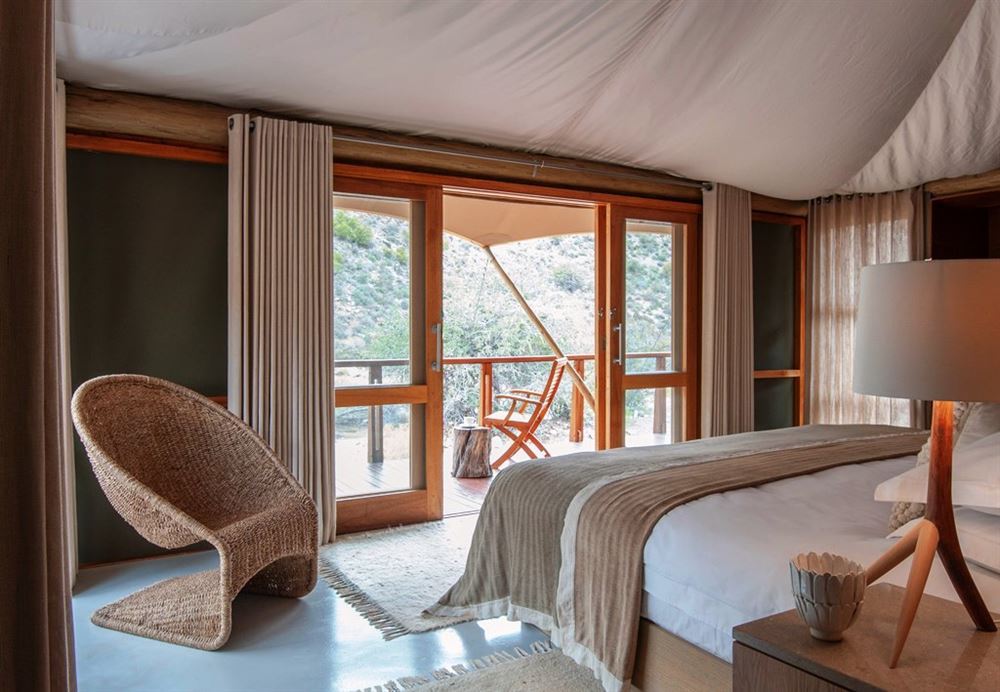
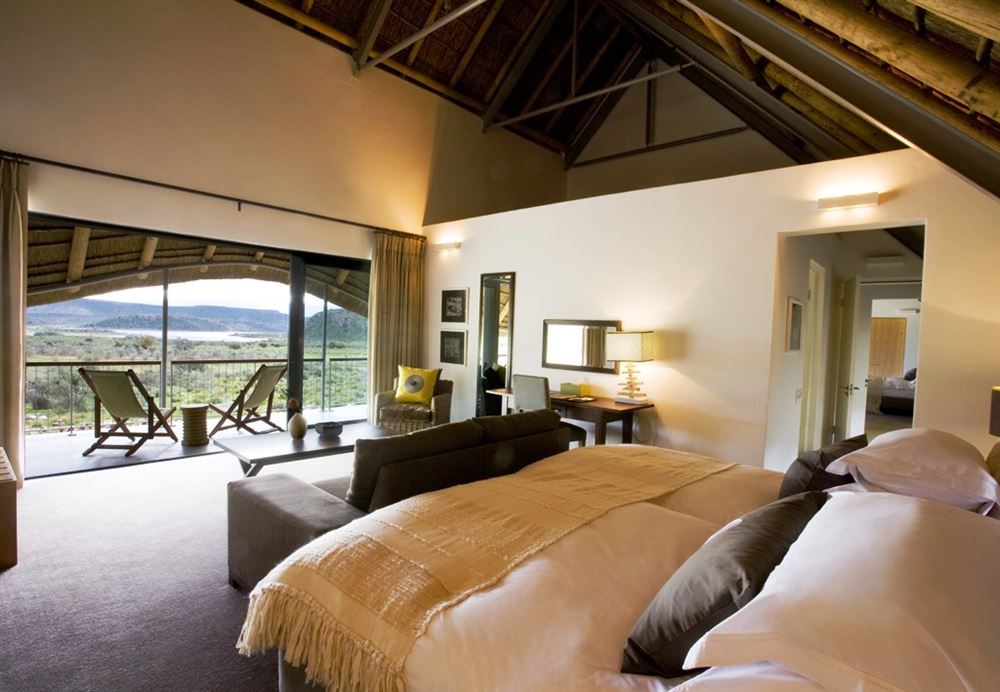
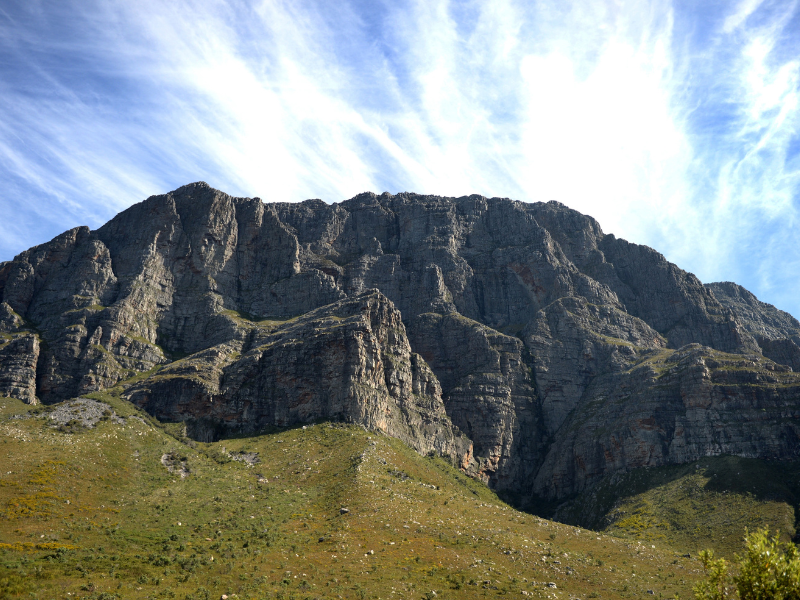
You travel along Cape Route 62, the mountain version of the Garden Route, less known but equally scenic, through ancient forests and vineyards, mountains and countryside, historic villages like Montagu., We recommend staying at the Sanbona Reserve: Sanbona is a private Malaria Free reserve of 54,000 hectares immersed in the breathtaking and fascinating semi-desert landscapes of the Karoo, a sort of Arizona in Africa, only 3 hours by car from Cape Town, making it ideal for those with limited time to visit South Africa. As a sister reserve to the well-known Shamwari reserve, Sanbona is engaged in ambitious projects for the conservation of the natural environment and wildlife. It is home to a wide variety of animal species, including all of the Big 5, among which a small group of white lions, the "stars" of the reserve, stand out. Characterized by an excellent level of service and great cuisine, Sanbona has 3 lodges: Dwyka Tented Lodge (9 luxurious tents surrounded by rock formations with ensuite facilities and air conditioning), Tilney Manor (6 suites in a very intimate setting), and Gondwana Family Lodge (12 suites suitable for families).,
Giorno 10 — Montagu
During the stay in the reserve, two daily photo safaris are scheduled; accompanied by an experienced ranger and a skilled tracker, the sighting of the Big Five is likely.,
Auto
Giorno 11 — Montagu → Stellenbosch
At dawn departure for the last photosafari., departure in the late morning for, Stellenbosch owes its name to the former governor of the Cape, Simon van der Stel, who established this settlement on the banks of the Eerste River in 1679. Stellenbosch is therefore the second oldest settlement in South Africa. The town is located between the impressive Simonsberg mountains and the more modest Papegaaiberg ("Parrot Mountain") and is a beautiful university town with tree-lined avenues, where students whiz by on bicycles among the white Dutch-style buildings. With its numerous outdoor cafes and restaurants, it is an ideal environment to explore on foot. Many important wineries are located here and it is home to some of the country's best restaurants, such as Rust en Vrede, Jordan, and Terroir, among the best in South Africa. Among the oldest wine estates, located about 10 km from the town, is Spier, founded in 1692. Today it offers a wide range of activities, in addition to wine tasting. Other wineries to consider are Delheim, Thelema, Tokara, and Blaauwklippen.,
Auto
Giorno 12 — Stellenbosch → Cape Town
Day available. We recommend visiting Franschhoek before returning to Cape Town., Hidden among the mountains of Drakenstein Groot, the Franschhoek Wine Route is considered the "gourmet" capital of South Africa. Franschhoek, which means "French Corner," is the land that Simon van der Stel gave to the Huguenots who were fleeing religious persecution in France in 1688, and it is still influenced by French culture in winemaking, cuisine, art, and design. The Franschhoek Wine Valley has 43 wineries, ranging from popular brands like Boschendal and L'Ormarins to small artisanal producers like My Wyn (pronounced "My Vayn") and Black Elephant Vintners. Most of the vineyards in Franschhoek grow Sauvignon Blanc, Merlot, Chardonnay, and Semillon grapes.,
_20260505144141.png)
_20260505144141.png)
_20260505144141.png)
_20260505144758.png)
_20260505144758.png)
_20260505144758.png)
_20260505144758.png)
_20260505144759.png)
_20260604170940.png)
_20260604170941.png)
_20260604171011.png)
_20260604171011.png)