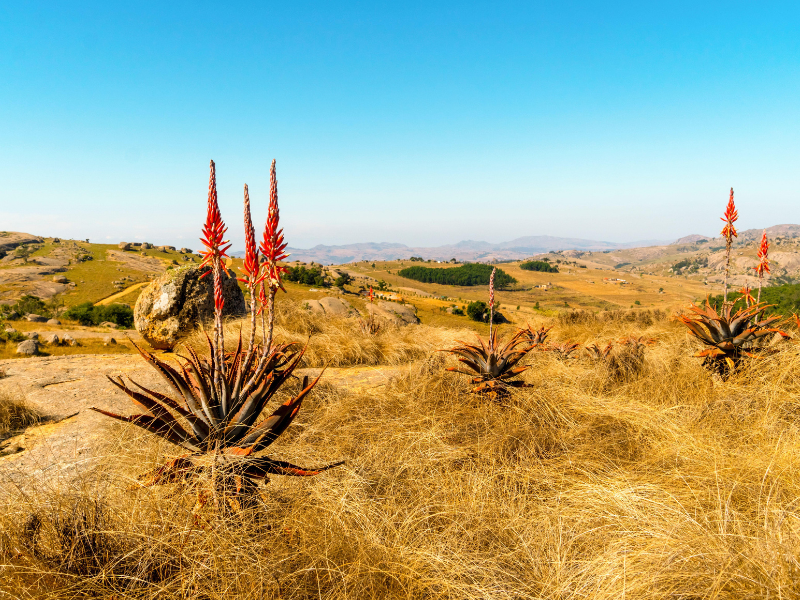
Giorno 6 — Mpumalanga/Panorama Route → Kruger National Park
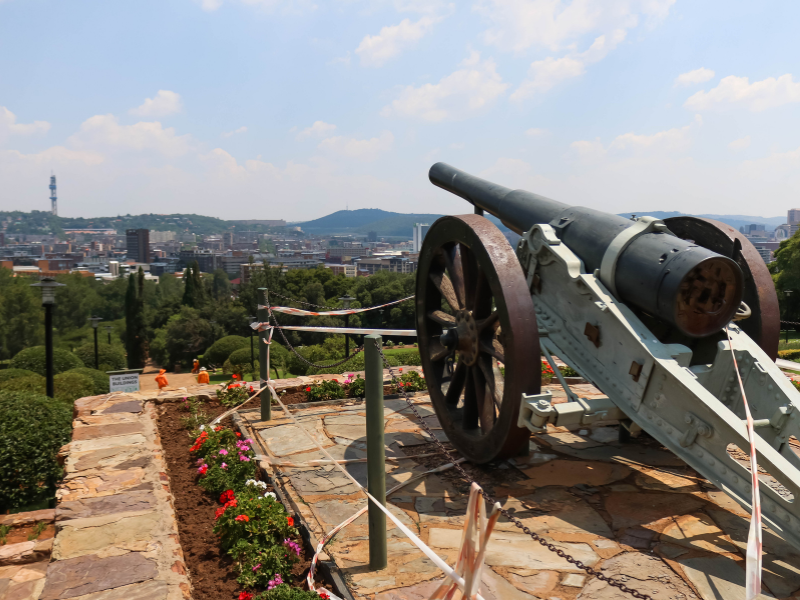
The Panorama Route itinerary winds from the rugged Drakensberg mountain range to Kruger National Park, passing through sites such as God's Window, Bourke's Luck Potholes, the Three Rondavels, the Mac Mac Falls, and the Blyde River Canyon: a succession of mountain streams, rolling hills, spectacular waterfalls, and imposing mountain gorges. The towns of Lydenberg and White River are located at the beginning of the Panorama Route. Other small towns include Sabie, Graskop, Orighstad, Hoedspruit, and Hazyview. The most famous is Pilgrim's Rest, a kind of living museum dedicated to the gold rush era. Blyde River Canyon is one of the largest in the world, stretching 20 km long and reaching depths of up to 700 m: God's Window is its most spectacular viewpoint. Other notable sites include Bourke's Luck Potholes, giant potholes carved over millions of years by the rotating movement of water; the Three Rondavels, rocky mesas with a shape reminiscent of African conical roof constructions; and the summit of Long Tom Pass, the mountain pass named after the cannon used by the Boers during the Anglo-Boer War. Along the way, you can stop at small art galleries and local craft shops. The Panorama Route also offers a wide choice of places to stop for a meal or a snack. The Greater Kruger is one of the most extraordinary protected ecosystems in Southern Africa. It includes the famous Kruger National Park, covering 19,500 km² and stretching nearly 350 km from north to south, making it one of the largest and most iconic national parks on the continent, as well as a series of exclusive adjoining Private Game Reserves and Nature Reserves, including Kapama, Karongwe, Klaserie, Manyeleti, Moditlo, Sabi Sand, Timbavati and Thornybush, which share unfenced borders with the park. This allows wildlife to move freely across a vast protected area of more than two million hectares.
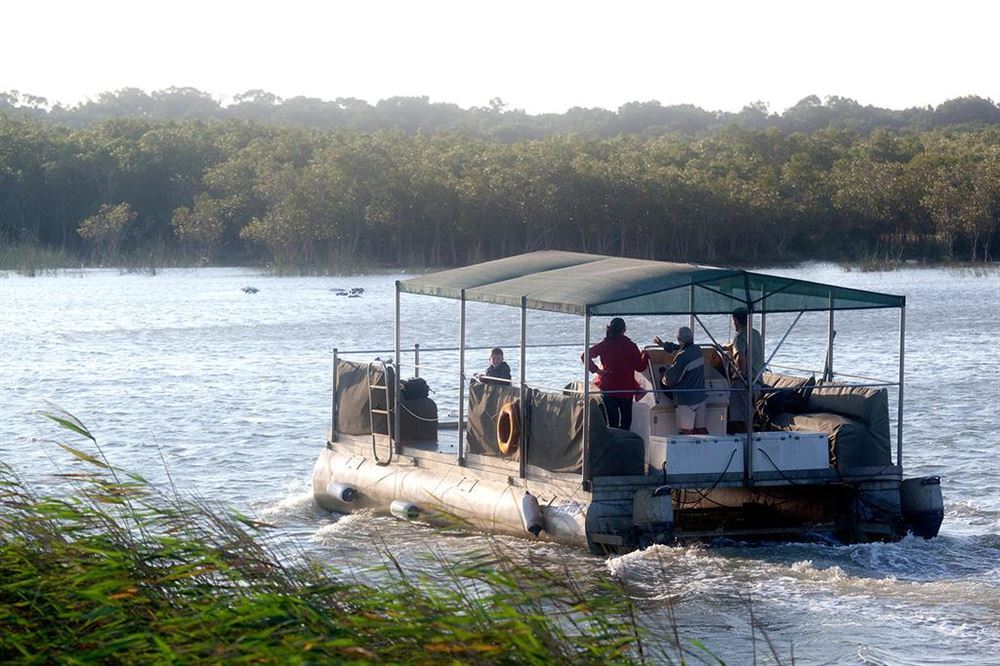
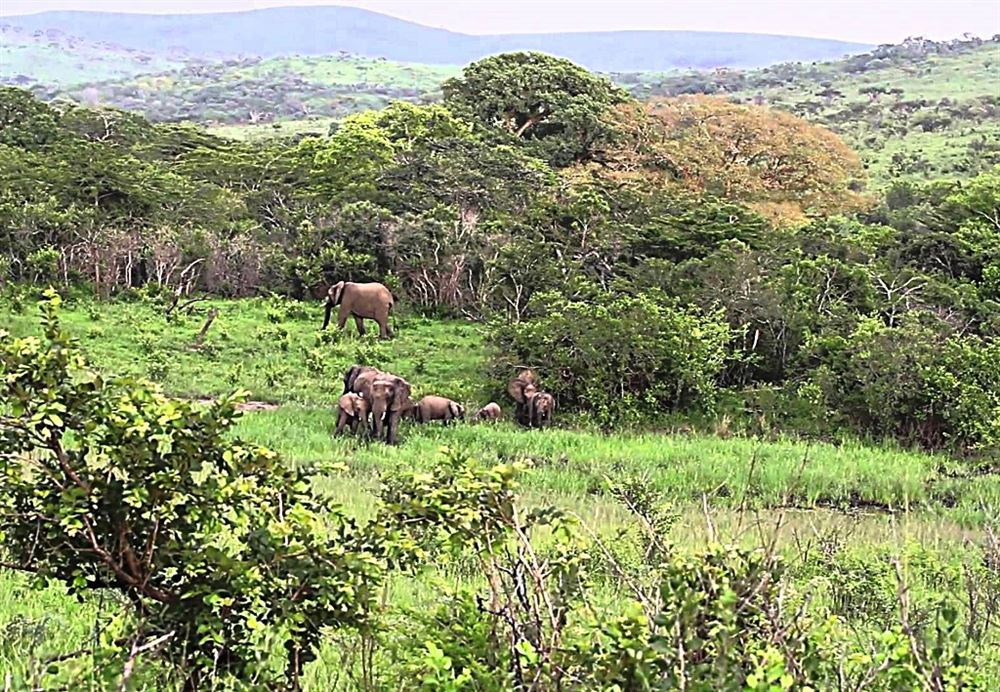
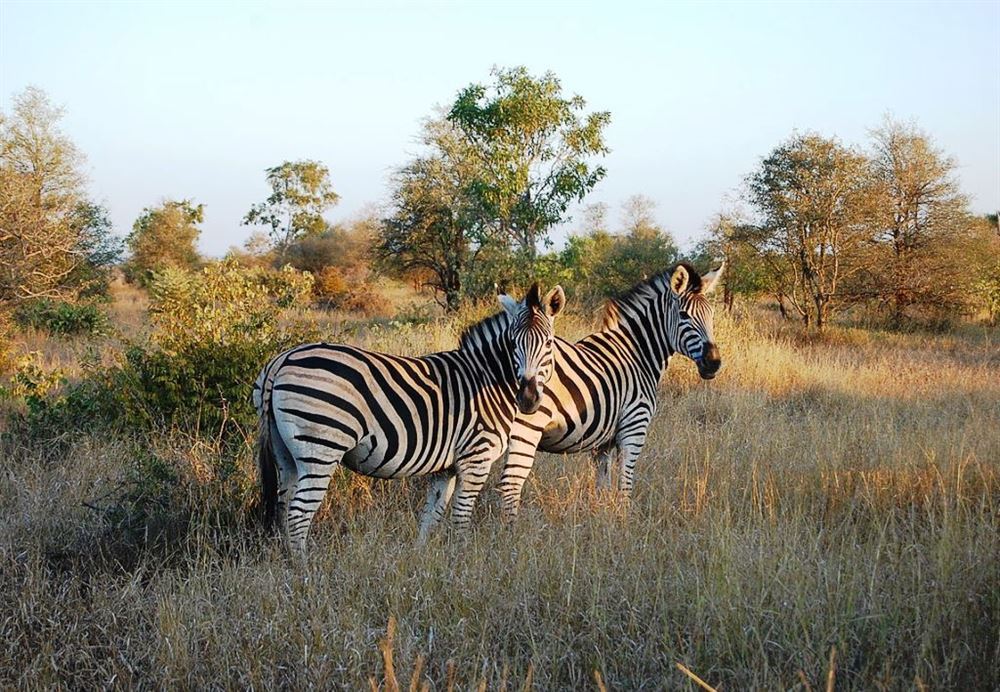
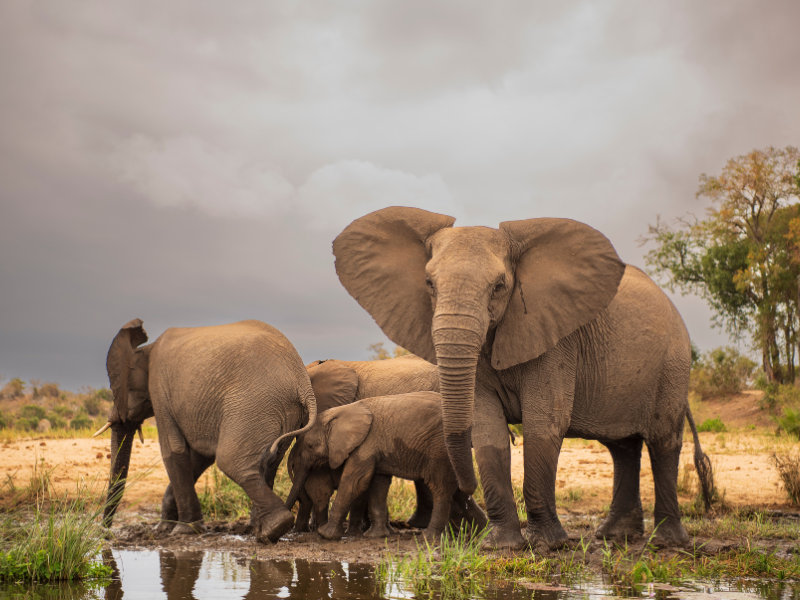
The region is home to the legendary Big Five – lion, leopard, elephant, rhino and buffalo – together with cheetahs, giraffes, hippos, wild dogs, antelopes and over 500 bird species, set within a diverse landscape of savannahs, riverine forests and ancient granite outcrops.
The Private Game Reserves offer a more exclusive safari experience compared to the national park: limited vehicle numbers, highly skilled guides and the possibility of off-road driving allow for close encounters with wildlife, always respecting the natural environment. These are complemented by early morning and sunset game drives, guided bush walks and luxury lodges immersed in the wilderness, delivering an authentic and immersive safari experience.
The Greater Kruger is accessed through the official gates of Kruger National Park. The area is served by Hoedspruit (Eastgate) Airport, Kruger Mpumalanga International Airport (Nelspruit) and Skukuza Airport, with regular flights from major South African cities. The Greater Kruger is the essence of the African safari: a vast and untouched wilderness where nature still dictates the rhythm of life, and every outing delivers unforgettable moments.
_20260505143923.png)
_20260505143924.png)
_20260505143924.png)
_20260505143924.png)
_20260505143924.png)
_20260505143924.png)
_20260505143925.png)
_20260505143925.png)
_20260520172359.png)
_20260520172400.png)
_20260520172400.png)
_20260604170857.png)
_20260604170857.png)
_20260604170857.png)