Atlanta rises among the wooded hills of Georgia, the dynamic capital of the New South and a symbol city of the civil rights movement. Here Martin Luther King Jr. lived and preached: his memorial, birthplace and the Ebenezer Baptist Church form an intense and moving trail. Downtown pulses around the Georgia Aquarium and the World of Coca-Cola, while the Midtown district hosts museums and the lush Piedmont Park. The BeltLine, a former railway turned green walkway, links lively neighbourhoods such as Old Fourth Ward and Inman Park, full of street art, breweries and markets. Southern cuisine reigns supreme, from fried chicken to soul food specialities. The economic and cultural heart of the Southeast, Atlanta welcomes visitors with energy, history and warmth.
Auto
Giorno 2 — Atlanta → Birmingham
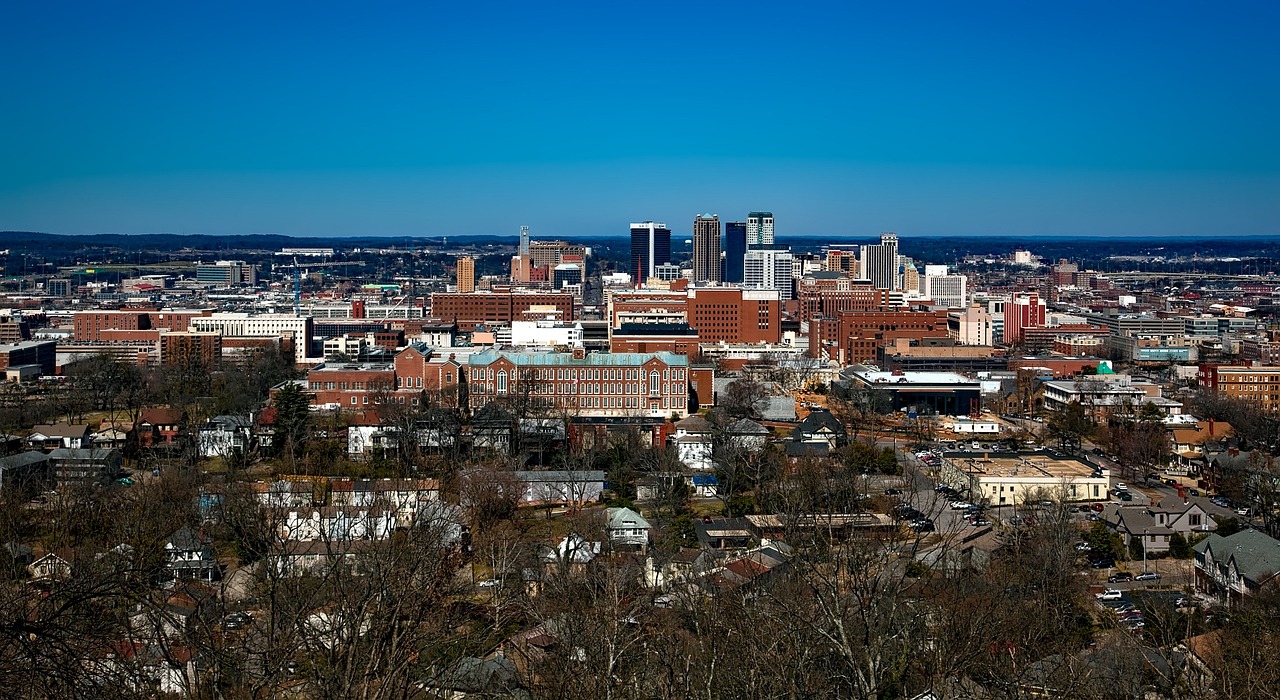
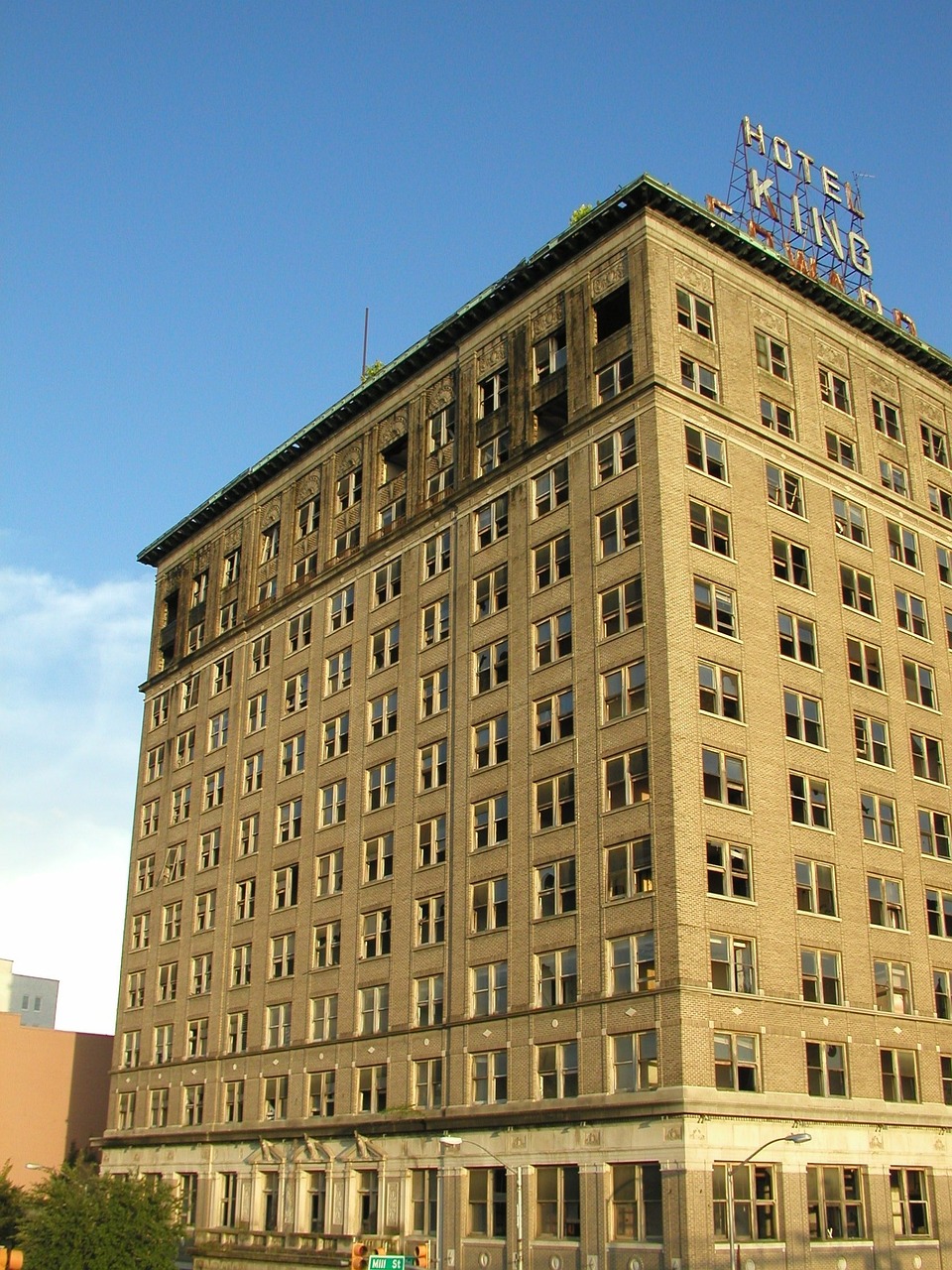
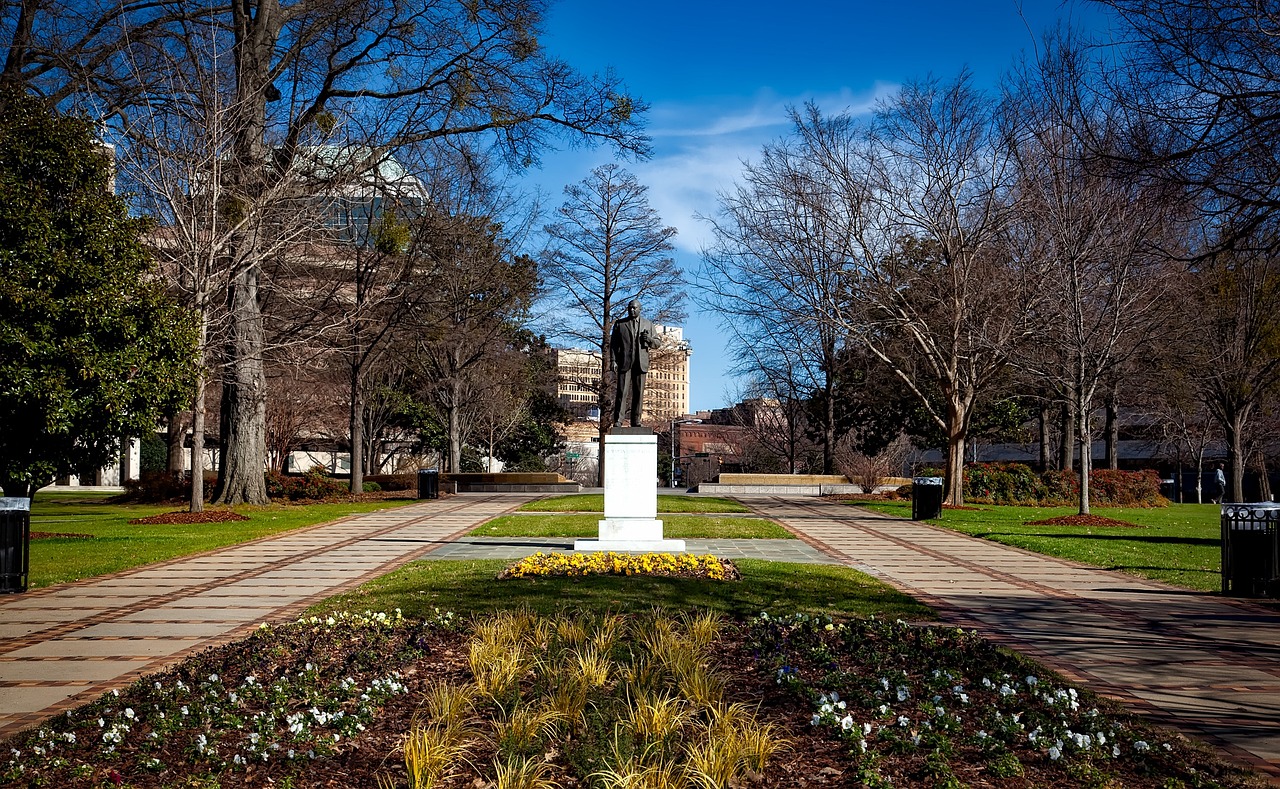
Birmingham is the largest city in Alabama, founded in the 19th century as a steel hub and today known above all as a nerve centre of the civil rights movement. The Birmingham Civil Rights Institute and the historic Sixteenth Street Baptist Church recall the struggles of the 1960s. The statue of Vulcan, the largest cast-iron statue in the world, looks over the city from atop Red Mountain. Between industrial heritage, historical memory and a lively Southern food scene, Birmingham tells a crucial chapter of American history.
Auto
Giorno 3 — Birmingham → Memphis
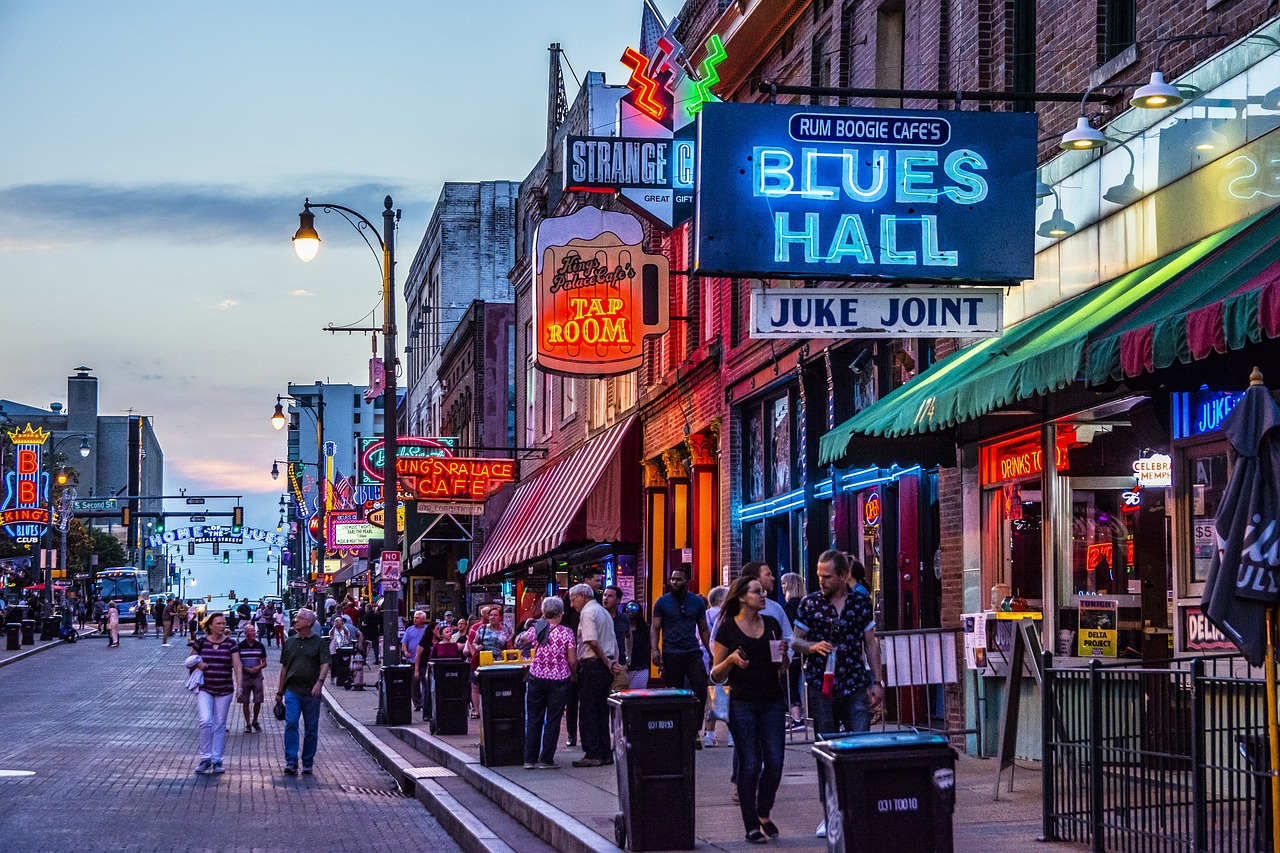
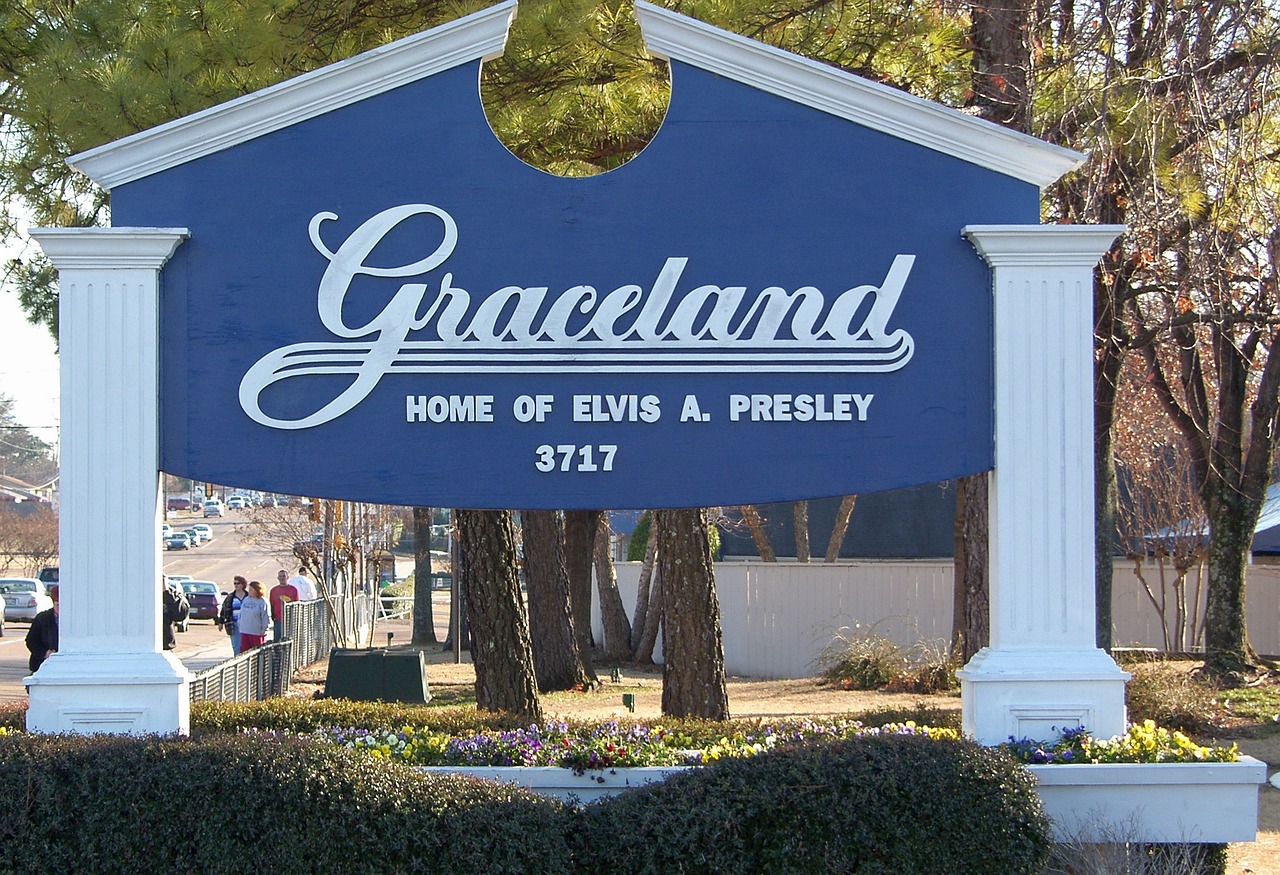
Memphis rises along the Mississippi River in southwestern Tennessee and is the acknowledged cradle of American music, from blues to rock'n'roll. The city's beating heart is Beale Street, where live music venues come alive each evening amid blues notes and the aroma of grilled ribs. Nearby stands Graceland, Elvis Presley's mansion turned museum, while Sun Studio preserves the recording rooms where legends such as Elvis and Johnny Cash were born. A moving and unforgettable visit is the National Civil Rights Museum, set in the Lorraine Motel where Martin Luther King was assassinated. The barbecue capital of Tennessee, Memphis tempts the palate with its famous smoked ribs. A city with a deep soul, where music and history intertwine at every corner.
Auto
Giorno 5 — Memphis → Little Rock
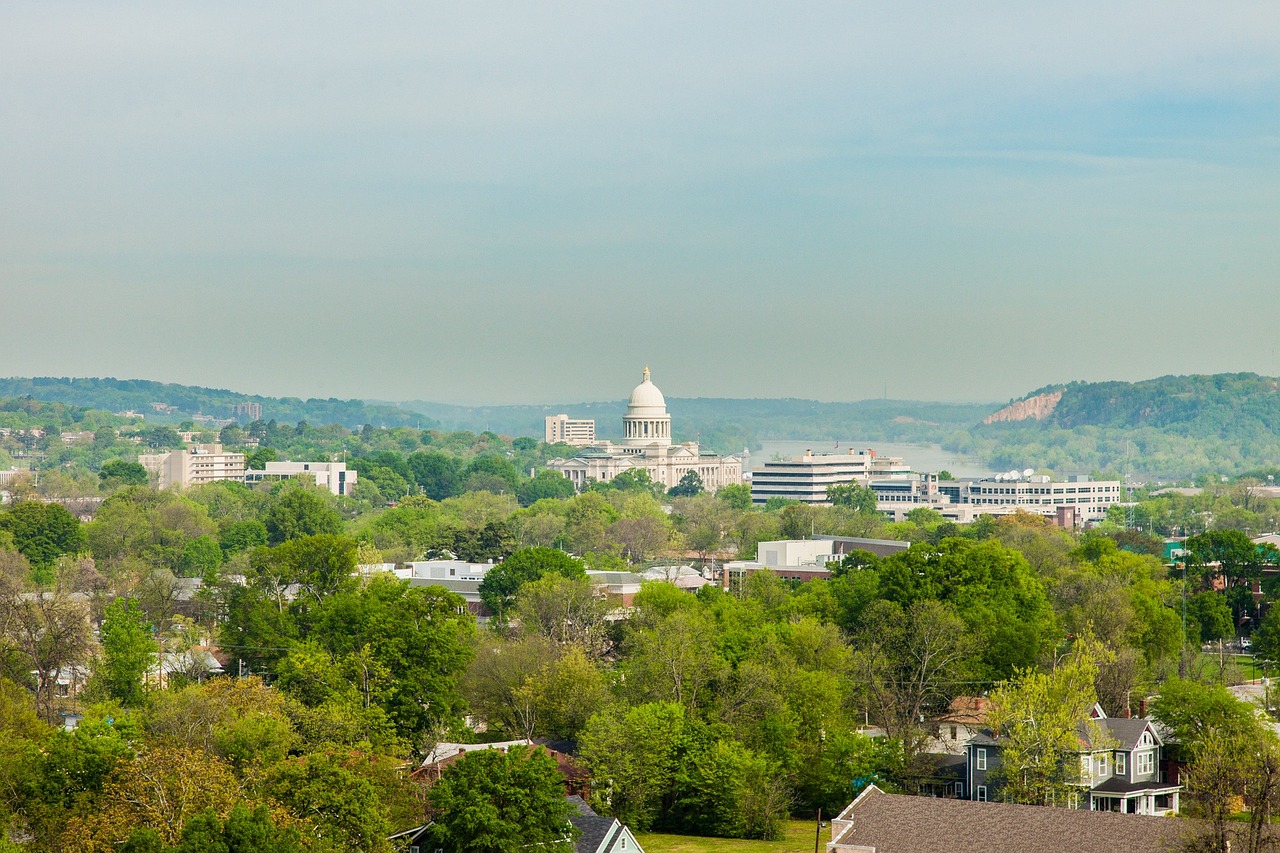
Little Rock holds in Arkansas the role of state capital, a city on the Arkansas River rich in Southern history and culture. Here stand Little Rock Central High School, a symbol of the civil rights struggle, and the Clinton Presidential Library dedicated to the forty-second president. The River Market District animates the centre with restaurants and museums. Little Rock is a crossroads of memory and renewal in the heart of the American South.
Auto
Giorno 6 — Little Rock → Jackson (MS)
Jackson is the capital of Mississippi, founded along its namesake river in the heart of the Deep South, a city with a crucial role in the history of the civil rights movement. The Mississippi Civil Rights Museum and the house-museum of activist Medgar Evers recount fundamental chapters of this struggle. A cradle of the blues and Delta music, it preserves a deep cultural heritage, while the State Capitol and historic districts attest to its past. The novel (later turned into a film) "The Help" is set here.
Auto
Giorno 7 — Jackson (MS) → Montgomery
Montgomery is the capital of Alabama, a city crucial in American history both as the first capital of the Confederacy and as a cradle of the civil rights movement. Here Rosa Parks refused to give up her bus seat in 1955 and Martin Luther King led the famous boycott. The Dexter Avenue Baptist Church, the Rosa Parks Museum and the moving National Memorial for Peace and Justice recount its memory. Between historic heritage, monuments and a deep civil legacy, Montgomery is a capital that holds fundamental chapters of the history of the United States.