USA and Canada: major cities and the Atlantic coast — NAAR
Itinerary
Day 1 — New York
New York: the largest city in the USA, and the most captivating one. Its core is the island of Manhattan, thriving with many microcosms and different lifestyles: Harlem, Central Park, the city’s outstanding museums, its iconic skyscrapers, the ethnic neighborhoods in Lower Manhattan – Chinatown, the Jewish district, and what’s left of Little Italy –; restored SoHo, Tribeca and the Village, good as new; and Wall Street, where business means business.
Car
Day 4 — New York → Cape Cod
In 1602 this narrow, hook-shaped peninsula was aptly named Cape Cod due to the prodigious amount of cod that could be fished off the coast of Provincetown. Today Cape Cod is a delicate ecosystem of beaches, dunes and salt marshes dotted with charming old towns looking just the way they did one hundred years ago.
Car
Day 5 — Cape Cod → Boston
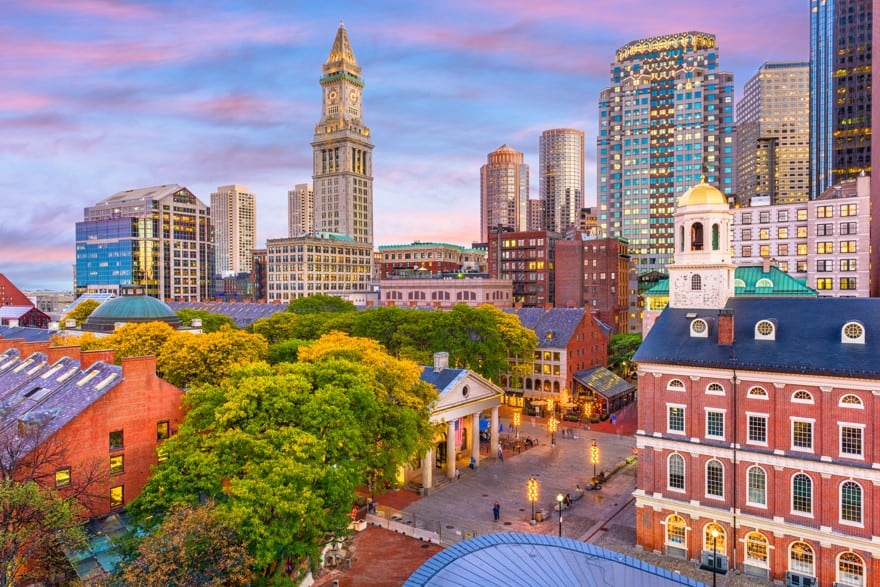
The capital city of Massachusetts, Boston is a happy mixture of present and past: the wide avenues of the modern part of the city blend into the narrow, snakelike lanes of the old colonial town; futuristic skyscrapers rise next to historic buildings. Boston was built in 1630 around the Boston Common – a pasture then used to graze local livestock – and, during the following century, became the core of the American Revolutionary War against Great Britain. After independence was declared, Boston kept on thriving as a trading and culture centre.
Car
Day 7 — Boston → Bar Harbor
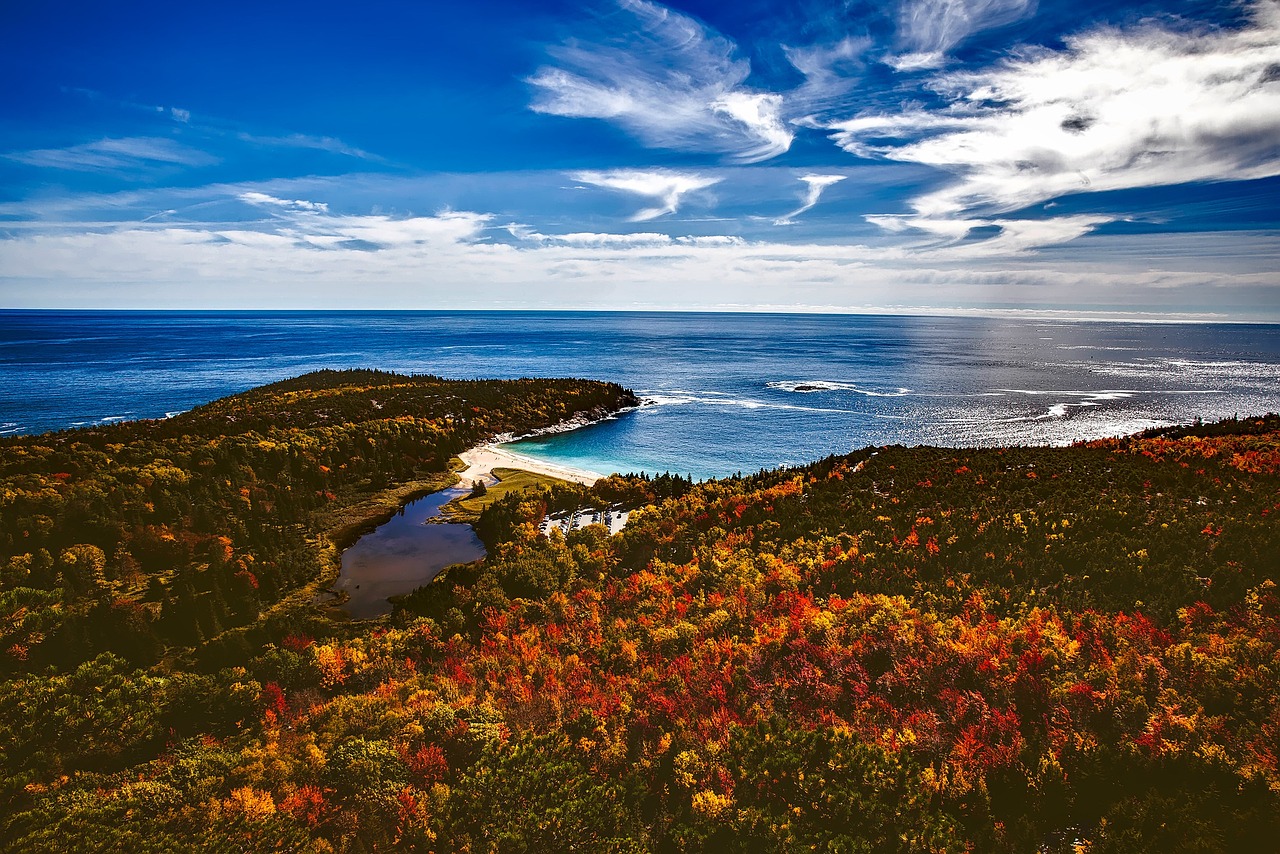
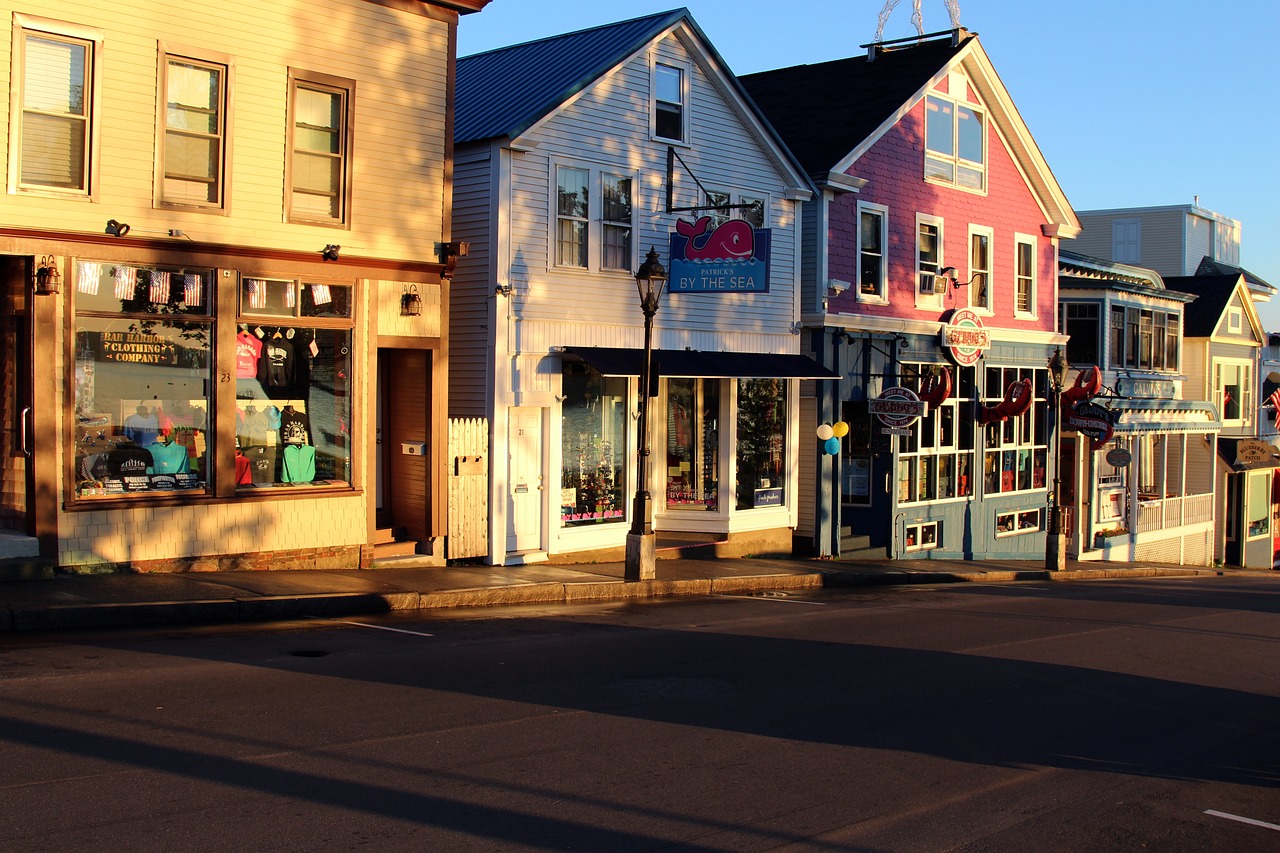
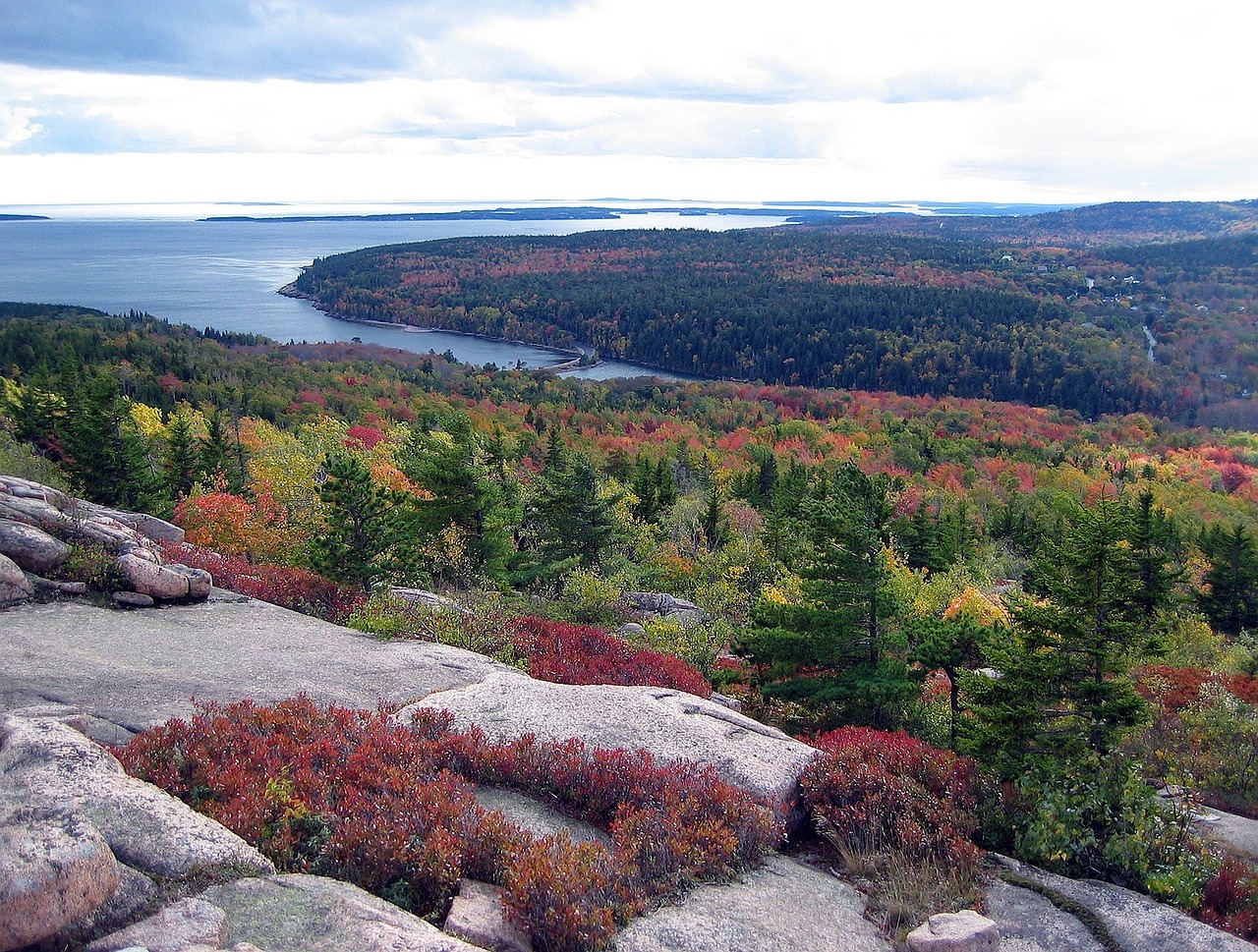
A bridge connects the mainland to this little town, rising on Mount Desert Island. Formerly a fashionable resort for early 20th century millionaires, today Bar Harbor is a popular holiday spot, its old mansions having been converted into hotels. During the summer its harbor is a favourite departure point for offshore fishing and whale watching. From Bar Harbor you can also visit the nearby Acadia National Park. The coast is rugged, as it typically is in Maine, peninsulas are covered in woods and dotted with small villages and lighthouses overlooking the ocean.
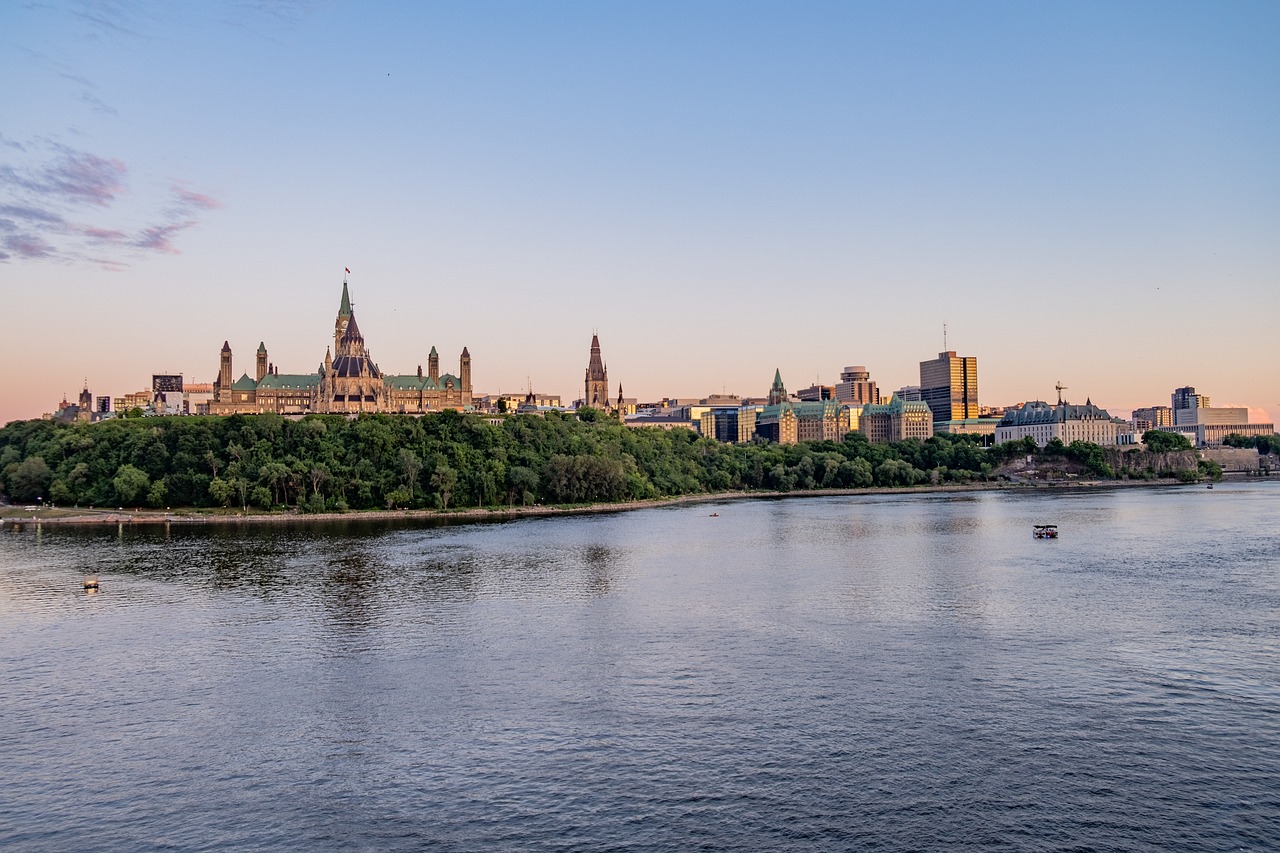
The journey between the two cities is a short and pleasant one through the province of Ontario and Quebec. Ottawa, the capital city of Canada, stands between the British identity of Toronto and the French heritage of Montreal – both physically and historically. It’s one of the most unique cities in the country. The seat of the Canadian Parliament and a cultural centre of importance, Ottawa is a pleasant town, brimming with parks.
Car
Day 14 — Ottawa → Toronto
The journey from Ottawa to Toronto leads through picturesque countryside, past rivers and small villages. You pass by the Rideau Canal, a UNESCO World Heritage Site, and cities such as Kingston, with its fascinating history. As you approach Toronto, the rural setting gives way to the dynamic skyline of the city, the economic and cultural heart of Canada. Toronto is the capital of the province of Ontario and the largest city in Canada. Located on the shores of Lake Ontario, Toronto is an important financial, cultural and multi-ethnic centre. The city is known for its iconic skyscrapers, including the CN Tower, which was the world's tallest freestanding structure for many years. The city is home to numerous museums, art galleries and theatres, as well as being the seat of many prestigious universities and research institutions. It is also renowned for its green spaces, such as High Park and the Toronto Islands.
The city is culturally diverse, with a wide range of ethnic communities and a rich arts scene. It is home to a variety of museums, theatres, restaurants and shops that reflect the diversity of its population. The Chinatown district, Little Italy, Greektown and Little India are just some of the cultural enclaves that contribute to making Toronto a cosmopolitan place. For sports fans, the city is also home to professional sports teams such as the Toronto Raptors (NBA) and the Toronto Maple Leafs (NHL).
The city's main areas of interest are: the Downtown area with the CN Tower, Eaton Center and skyscrapers, the Waterfront, and in addition to the technical districts also Cabbagetown (famous for its Victorian houses) Kensington Market, Little Portugal.
Car
Day 15 — Toronto → Niagara Falls
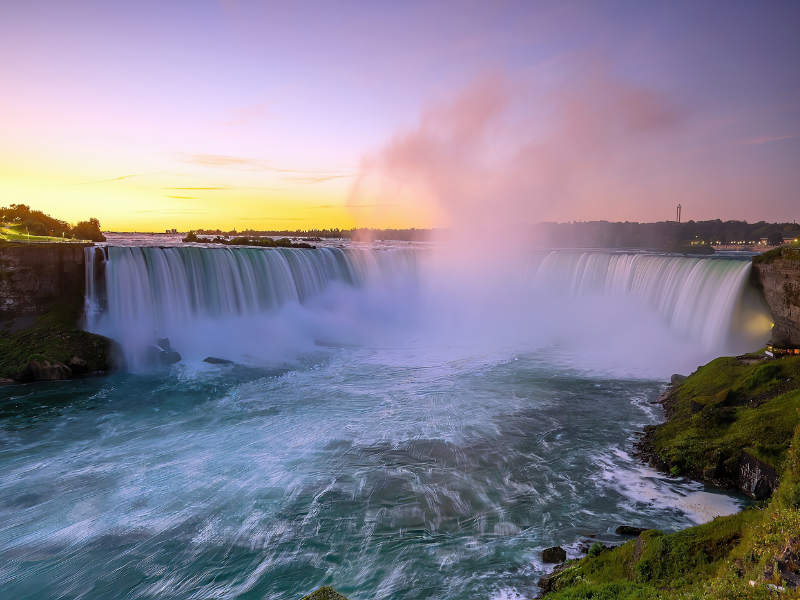
You follow the western coast of Lake Ontario. You might have seen them a million times in pictures or on TV, but rest assured – the real thing will leave you speechless. The border between Canada and the USA crosses the river Niagara; not far from the falls, the small Goat Island floats in the middle of the river, thus creating two different waterfalls: the American Falls on the USA side, with a crest line of about 320 m; and the famous Horseshoe Falls, twice as wide, on the Canadian side. Winter makes the landscape even more breathtaking, with the waterfalls turning into massive ice walls. A ferry-boat cruise at the foot of the Falls is a must-do. We recommend climbing to the top of Skylon Tower at night to see the floodlit waterfalls from above. A one-day stay is more than enough.
Car
Day 16 — Niagara Falls → Harrisburg
Harrisburg is the capital city of Pennsylvania – as small as a gem and quite as charming.
Other
Day 17 — Harrisburg → Washington DC
Washington DC is the capital city of the United States – and its very political heart. Washington is a monumental city, with impressive white-marble buildings, memorials and some of the very best museums. It also boasts extremely pleasant residential districts, dotted with antique houses, parks and gardens, making for a lively, multicultural city.
Other
Day 19 — Washington DC → Philadelphia
Philadelphia is America at its very heart. True to its name, which means “city of the brotherly love”, it’s one of the most ethnically diverse cities in the USA. The tour's must-see is an outside view of Independence Hall – a UNESCO World Heritage Site – and Liberty Bell, commemorating Philadelphia’s key role in the Nation’s history.