Travel South: icons of the south in Louisiana, Mississippi and Alabama
Suggested Itineraries12 Giorni
New Orleans, USA
New Orleans›Lafayette›Natchez›Clarksdale›Memphis›Birmingham+2 Altro
Riepilogo del tour
Durata12 Giorni / 11 notti
ItinerarioNew Orleans → New Orleans
Tappe8 Destinazioni
Itinerario del Tour
Caricamento mappa...
Travel South: icons of the south in Louisiana, Mississippi and Alabama — NAAR
Itinerary
Giorno 1 — New Orleans
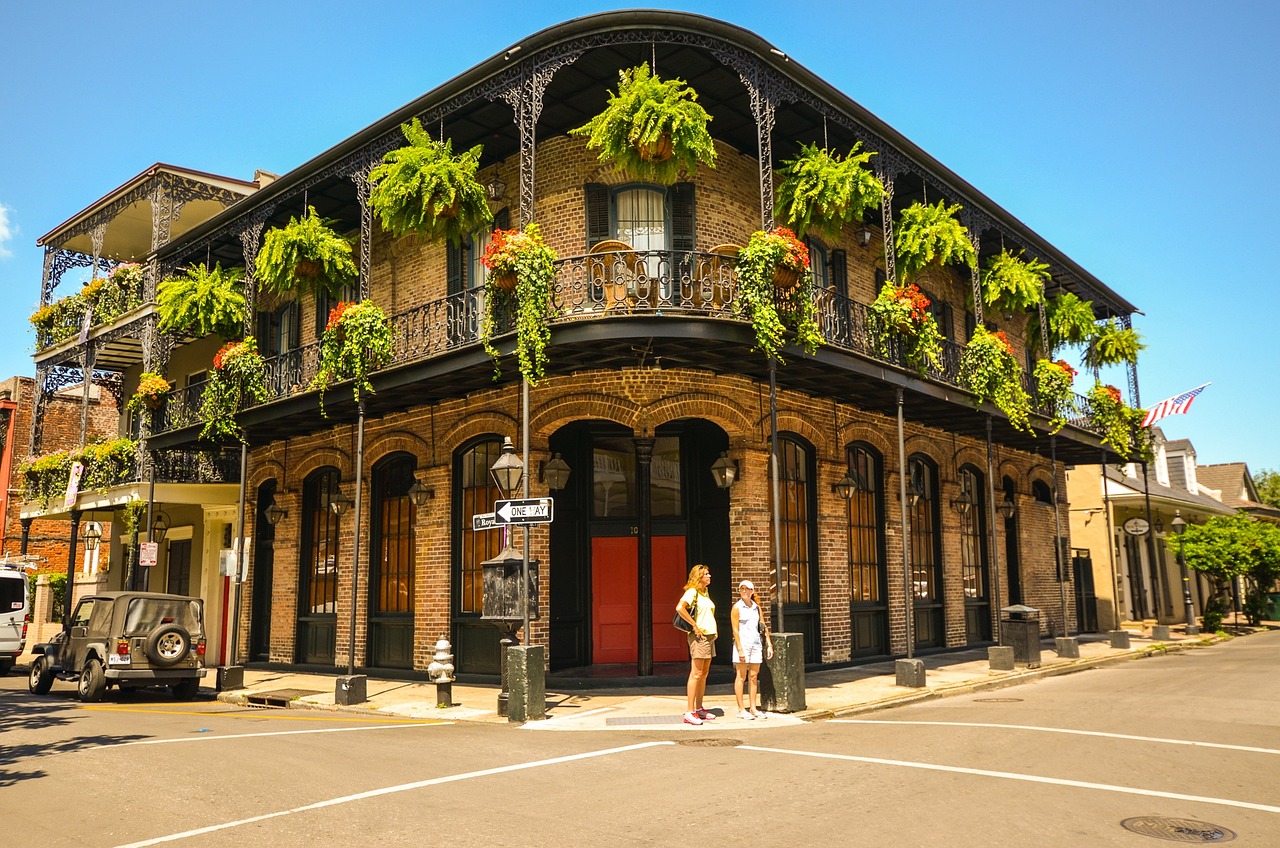
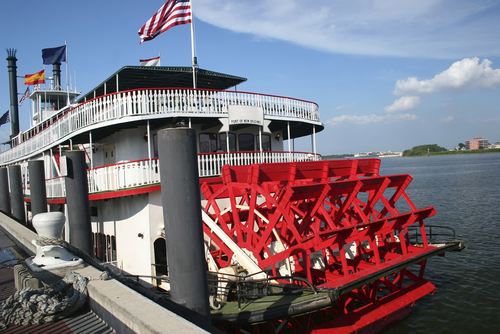
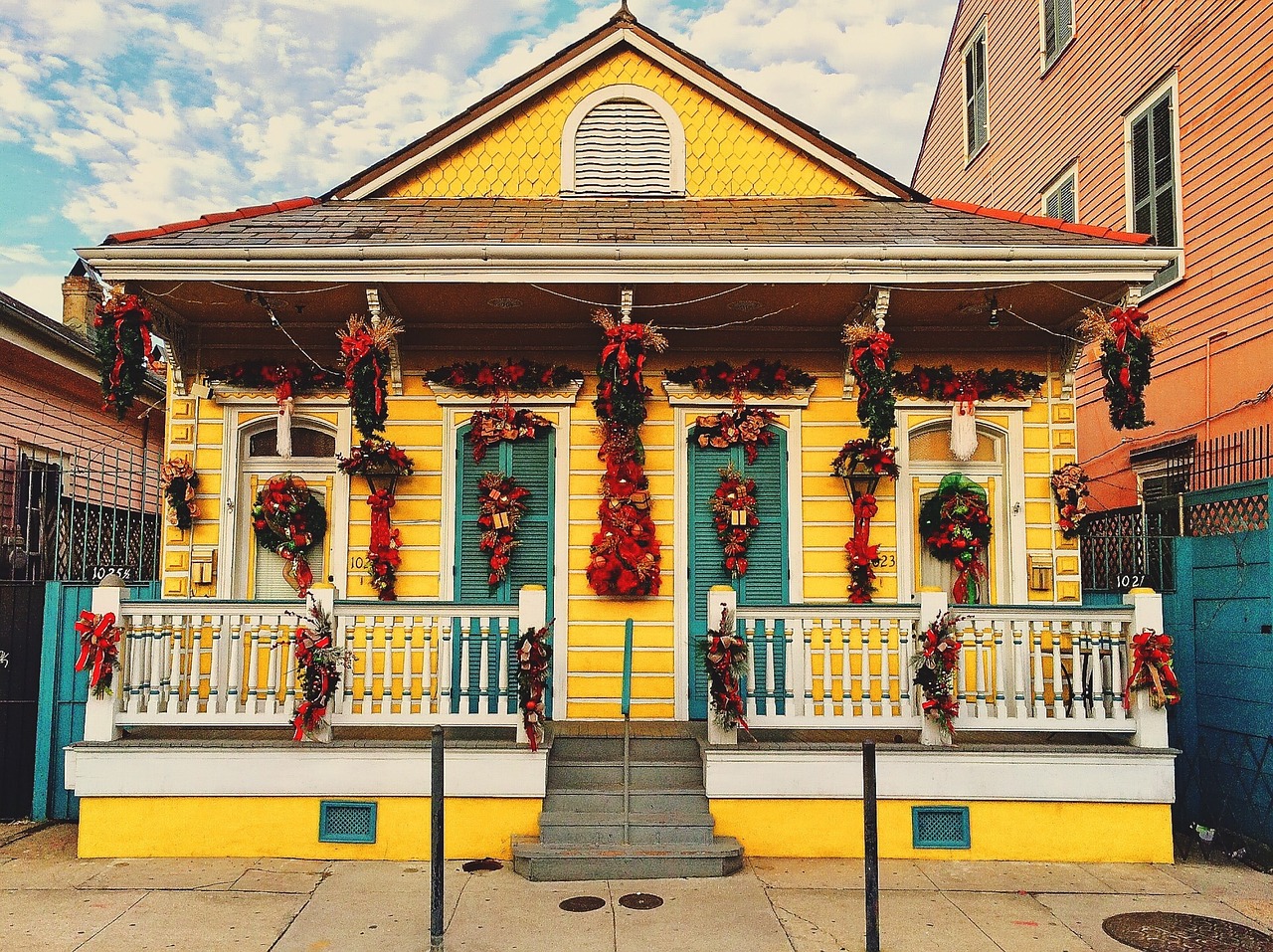
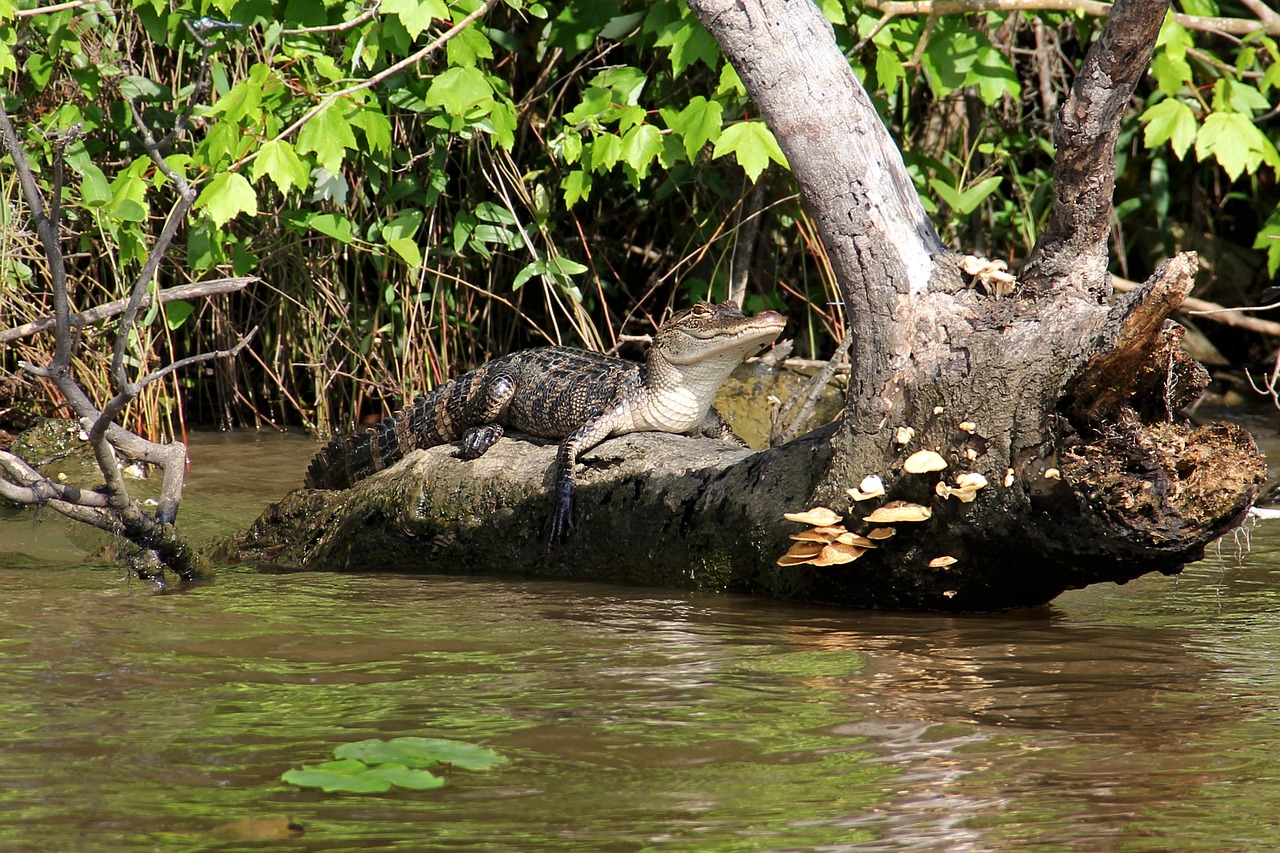
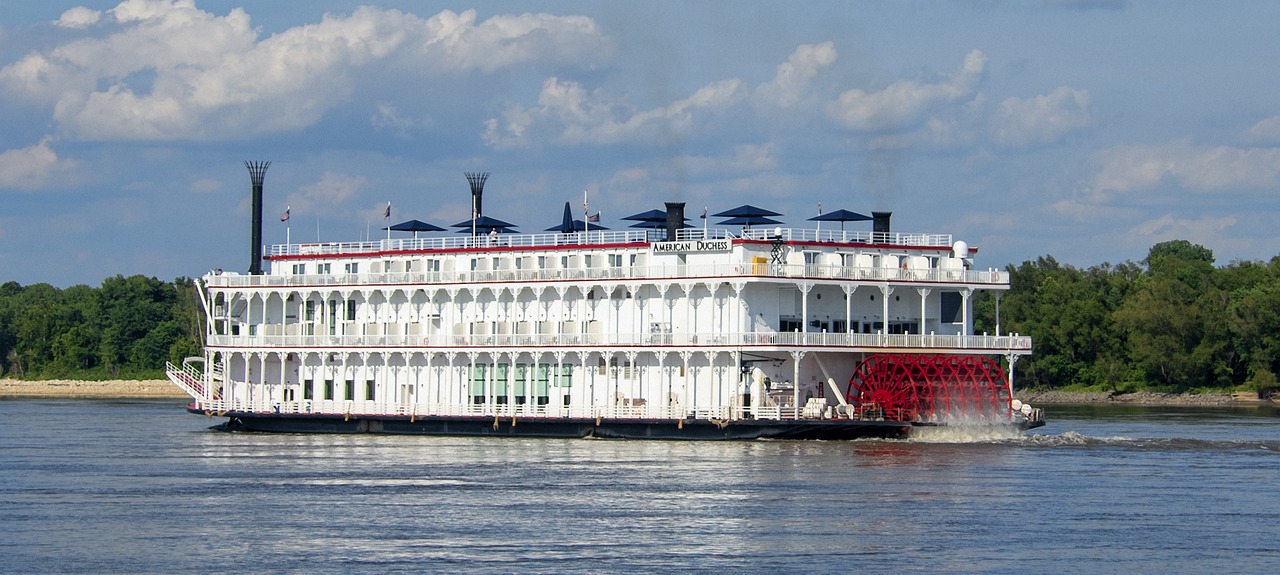
New Orleans sprawls along the bends of the Mississippi River, in the humid heart of Louisiana, a city unlike any other in the United States, a melting pot of French, Spanish, African and Creole cultures that gave birth to jazz and an unmistakable identity. Its most famous core is the French Quarter, the oldest district, where wrought-iron balconies overlook cobbled streets and Jackson Square opens before St. Louis Cathedral. From Bourbon Street, with its nightspots and music spilling from every doorway, you reach the more refined Royal Street, lined with art galleries and antique shops. A few steps away, the French Market blends stalls, flavours and tradition, while the Café du Monde serves its sugar-dusted beignets alongside chicory coffee. Beyond the centre, the Garden District reveals sumptuous antebellum mansions set among centuries-old oaks, easily explored aboard the historic St. Charles Avenue streetcar. The city lives for music: the clubs of Frenchmen Street keep live jazz alive, the legacy of Louis Armstrong, and every February Mardi Gras turns the streets into a riot of floats, masks and parades. The local cuisine is an experience in itself: gumbo, jambalaya, po' boys and crawfish tell the story of Creole and Cajun fusion in every dish. Along the banks of the Mississippi, paddlewheel steamboats evoke the golden age of river travel, while nearby the historic plantations and the mysterious swampy bayous, explored by boat among cypress trees and alligators, offer unforgettable day trips. With its syncopated rhythms, spiced aromas and a soul at once festive and melancholic, New Orleans enchants all who pass through.
Auto
Giorno 4 — New Orleans → Lafayette
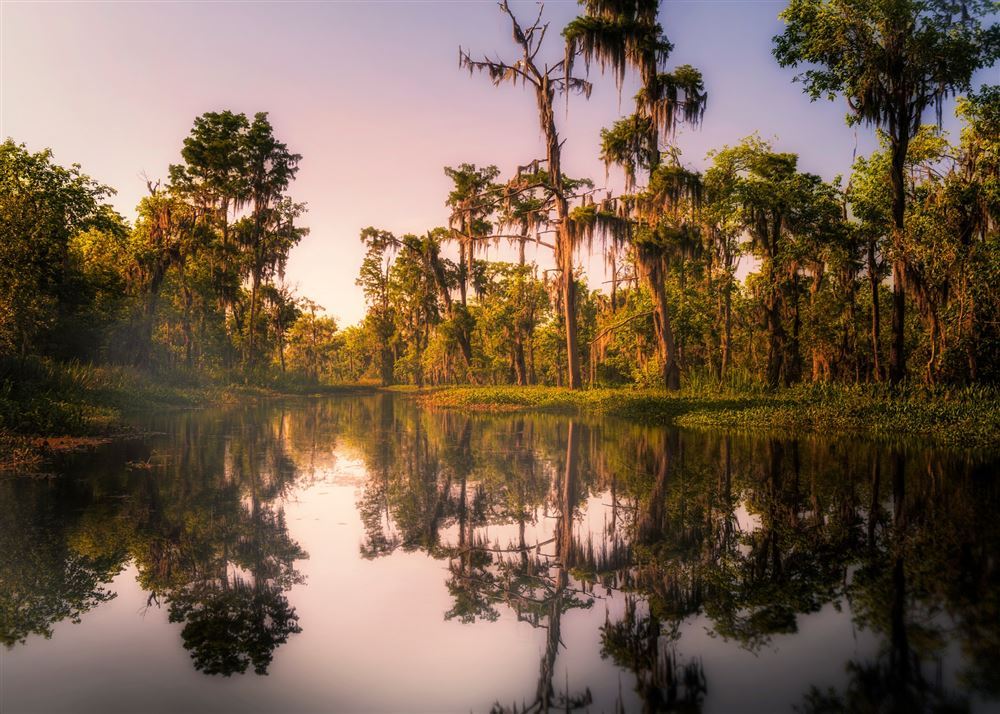
The beating heart of the Cajun Country, Lafayette is the capital of Cajun and Creole culture in southwest Louisiana. Founded by the descendants of the French Acadians deported from Canada, the city pulses to the rhythm of zydeco music and Cajun waltzes that animate its venues and traditional ballrooms. Here the French language survives on signs and in conversation, while cuisine reigns supreme: gumbo, jambalaya, crawfish étouffée and boudin are savoured in family restaurants and at the festivals that punctuate the year, foremost among them the Festival International de Louisiane. Not to be missed are Vermilionville and the Acadian Village, living museums that recreate the life of the Acadian communities among stilt cabins and crafts. All around stretches the landscape of the bayous, swamps explored by boat among bald cypresses and alligators.
Auto
Giorno 5 — Lafayette → Natchez
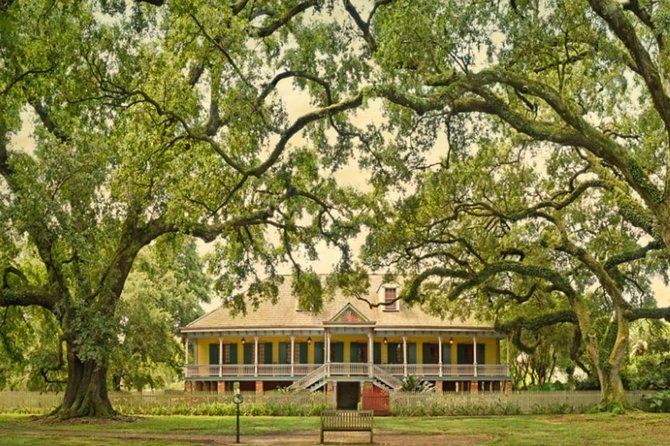
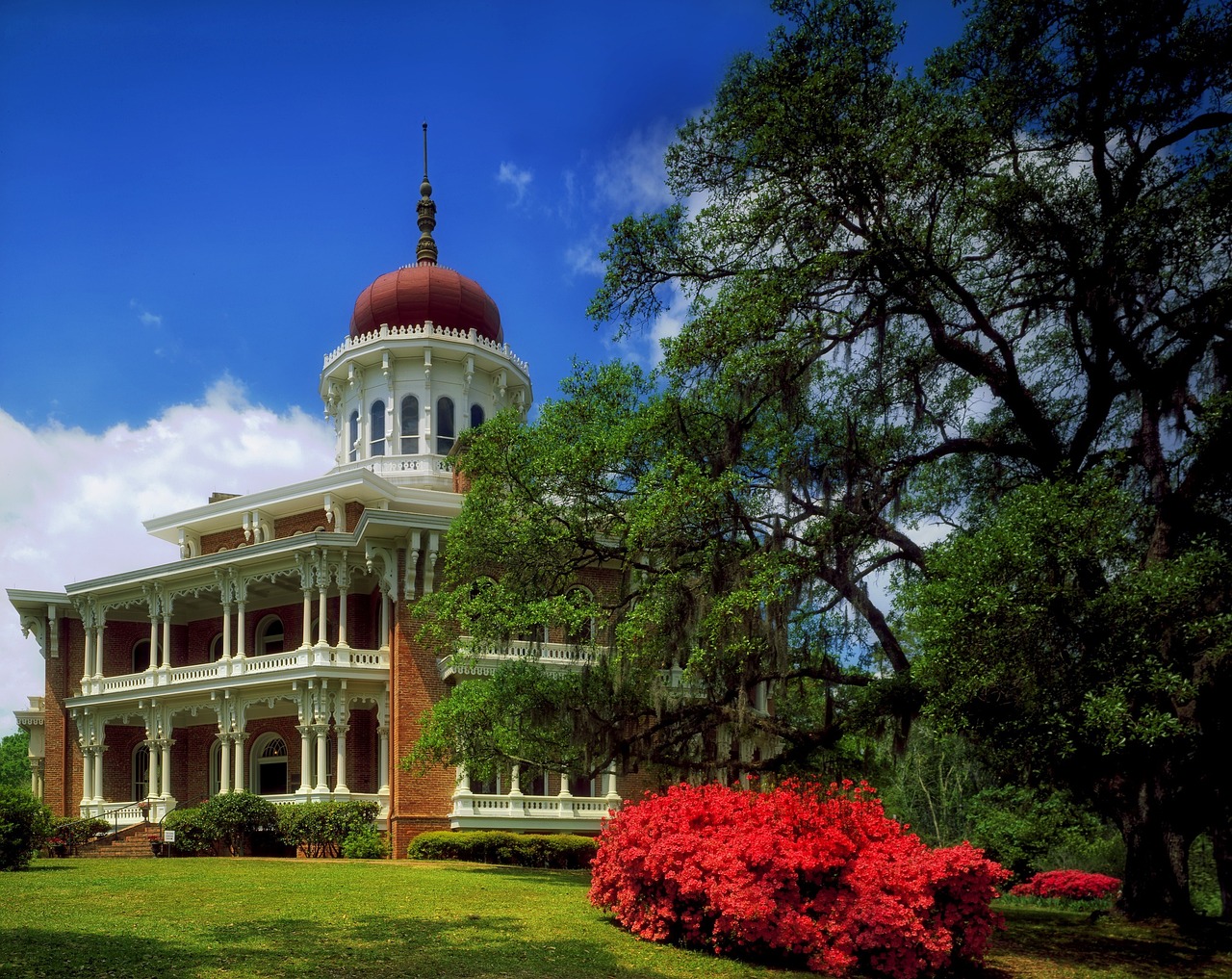
Natchez looks out from a high bluff overlooking the Mississippi River, a Deep South town renowned for its extraordinary heritage of antebellum mansions. Along its shaded streets survive splendid pre-war residences: Stanton Hall, a sumptuous neoclassical villa framed by magnolias, and Longwood, an octagonal home left unfinished when the Civil War broke out and today a haunting witness to an interrupted age. At the foot of the bluff, along the river, stretches the old quarter of Natchez Under-the-Hill, once a lively hub of boatmen and traders and now dotted with bars and restaurants facing the water. From here begins the historic Natchez Trace Parkway, a scenic route winding through woods and ancient Native American trails all the way to Tennessee. Between Creole cuisine, sunsets over the Mississippi and an air of bygone days, Natchez tells the romantic, complex story of the Old South.
Auto
Giorno 6 — Natchez → Clarksdale
Clarksdale is regarded as the cradle of the Delta blues, set in the fertile cotton plains of north-western Mississippi. Here, according to legend, Robert Johnson met the devil at the famous "Crossroads," and today clubs such as Ground Zero and the Delta Blues Museum keep the musical tradition alive. The nights resound with guitars and harmonicas among old railway stations and juke joints.
Auto
Giorno 7 — Clarksdale → Memphis
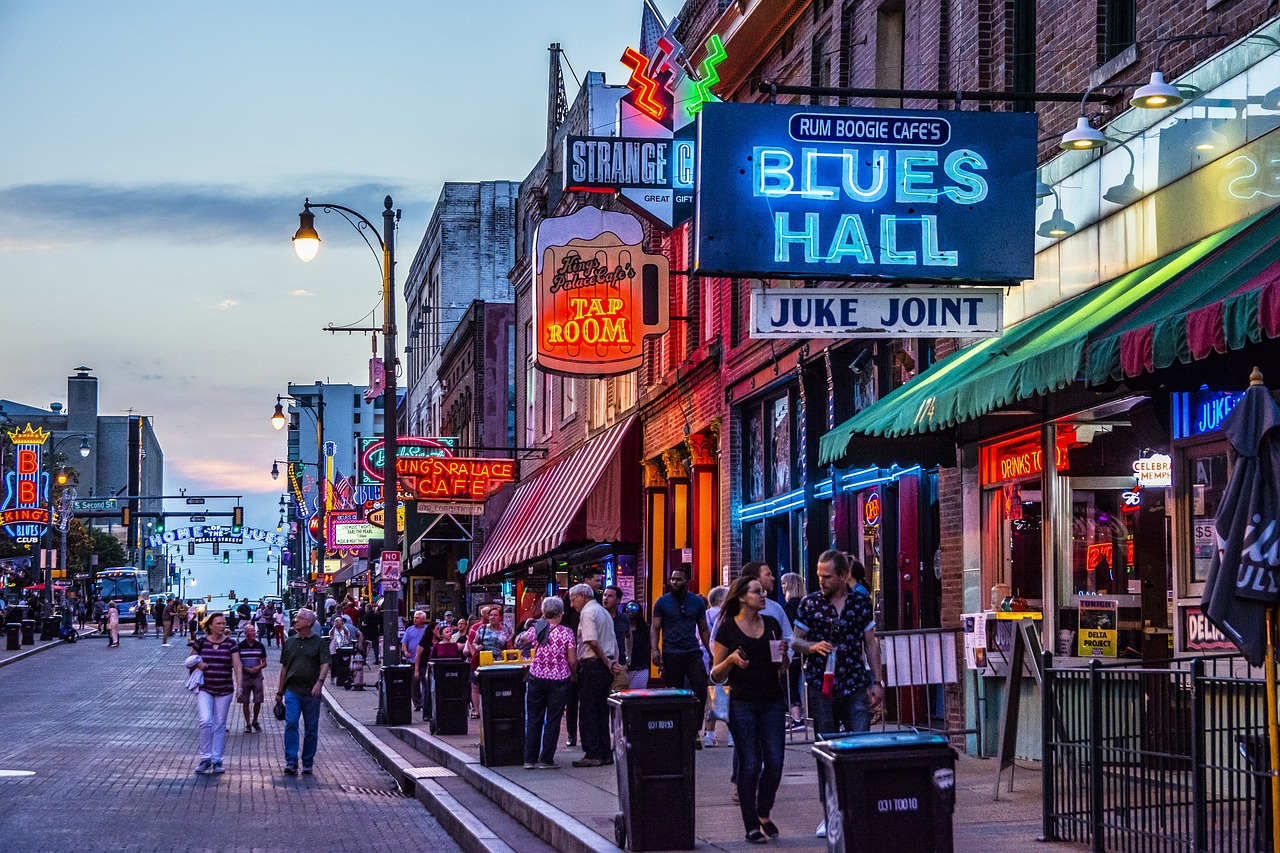
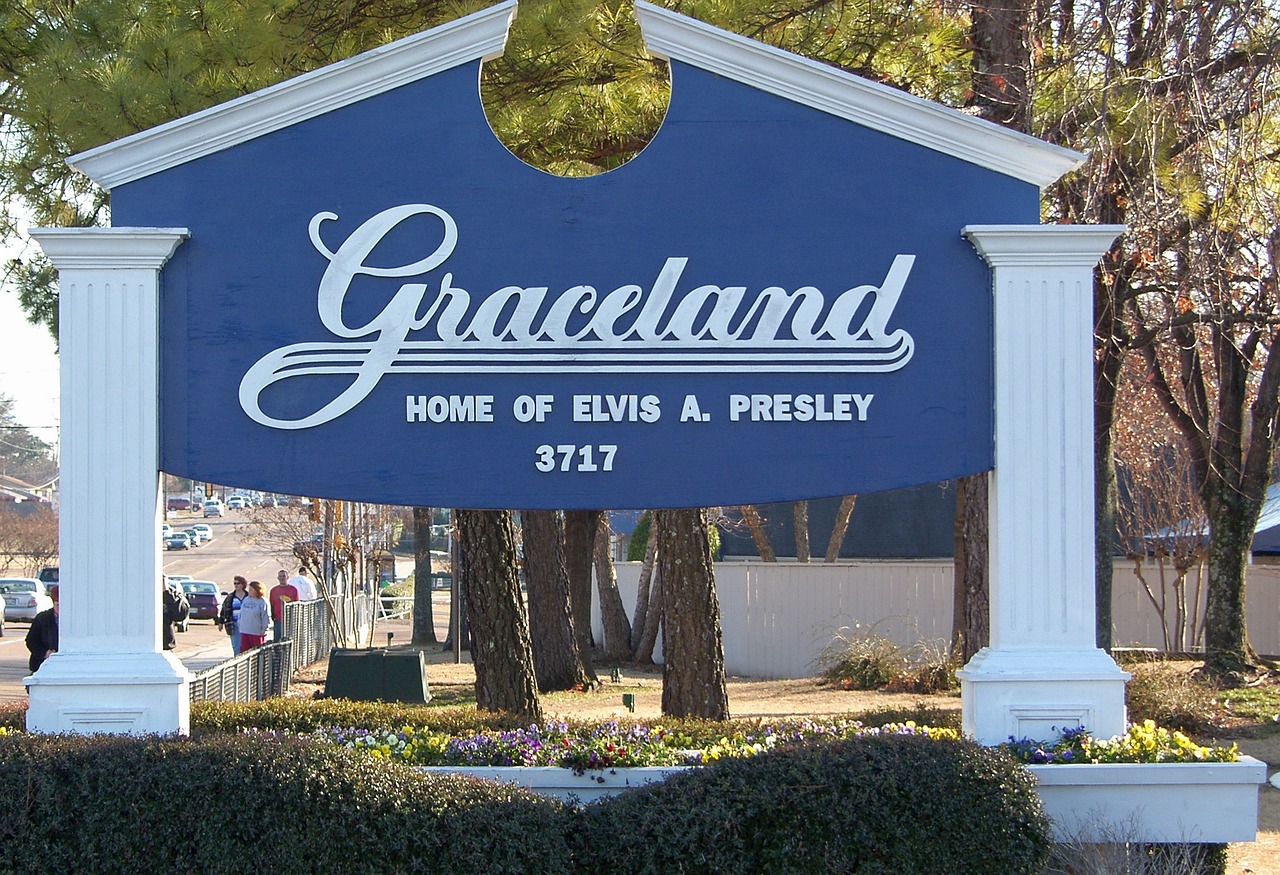
Memphis rises along the Mississippi River in southwestern Tennessee and is the acknowledged cradle of American music, from blues to rock'n'roll. The city's beating heart is Beale Street, where live music venues come alive each evening amid blues notes and the aroma of grilled ribs. Nearby stands Graceland, Elvis Presley's mansion turned museum, while Sun Studio preserves the recording rooms where legends such as Elvis and Johnny Cash were born. A moving and unforgettable visit is the National Civil Rights Museum, set in the Lorraine Motel where Martin Luther King was assassinated. The barbecue capital of Tennessee, Memphis tempts the palate with its famous smoked ribs. A city with a deep soul, where music and history intertwine at every corner.
Auto
Giorno 8 — Memphis → Birmingham
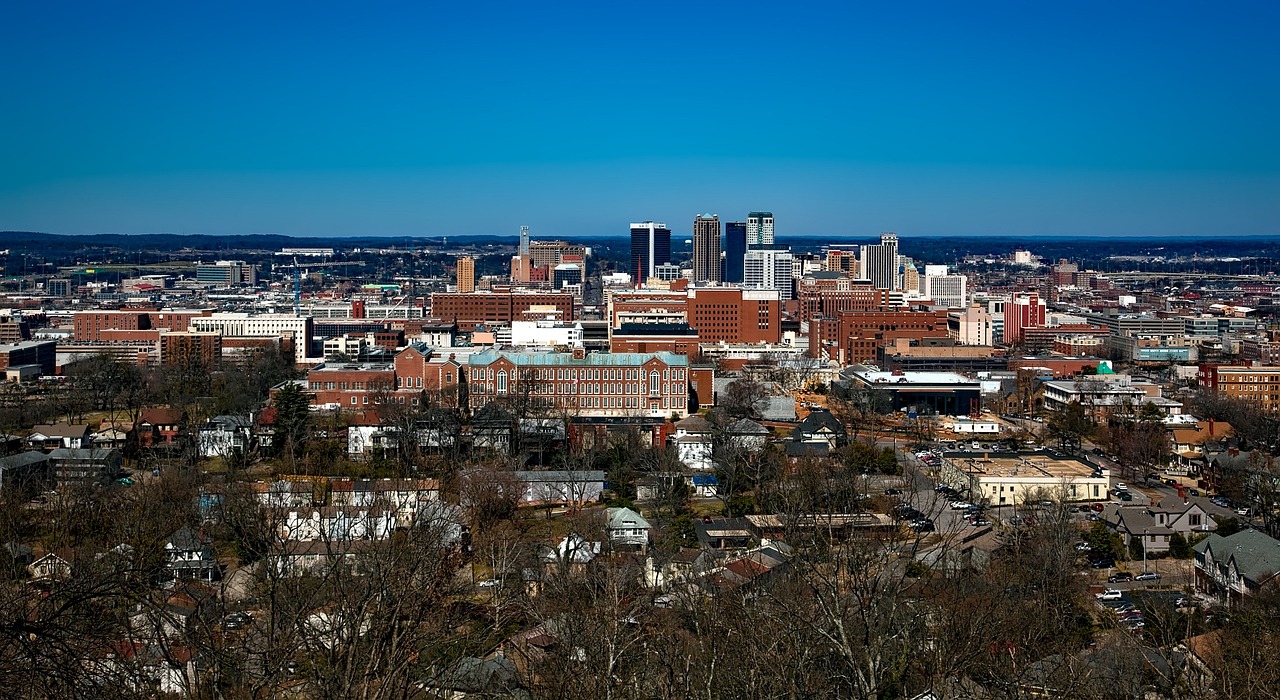
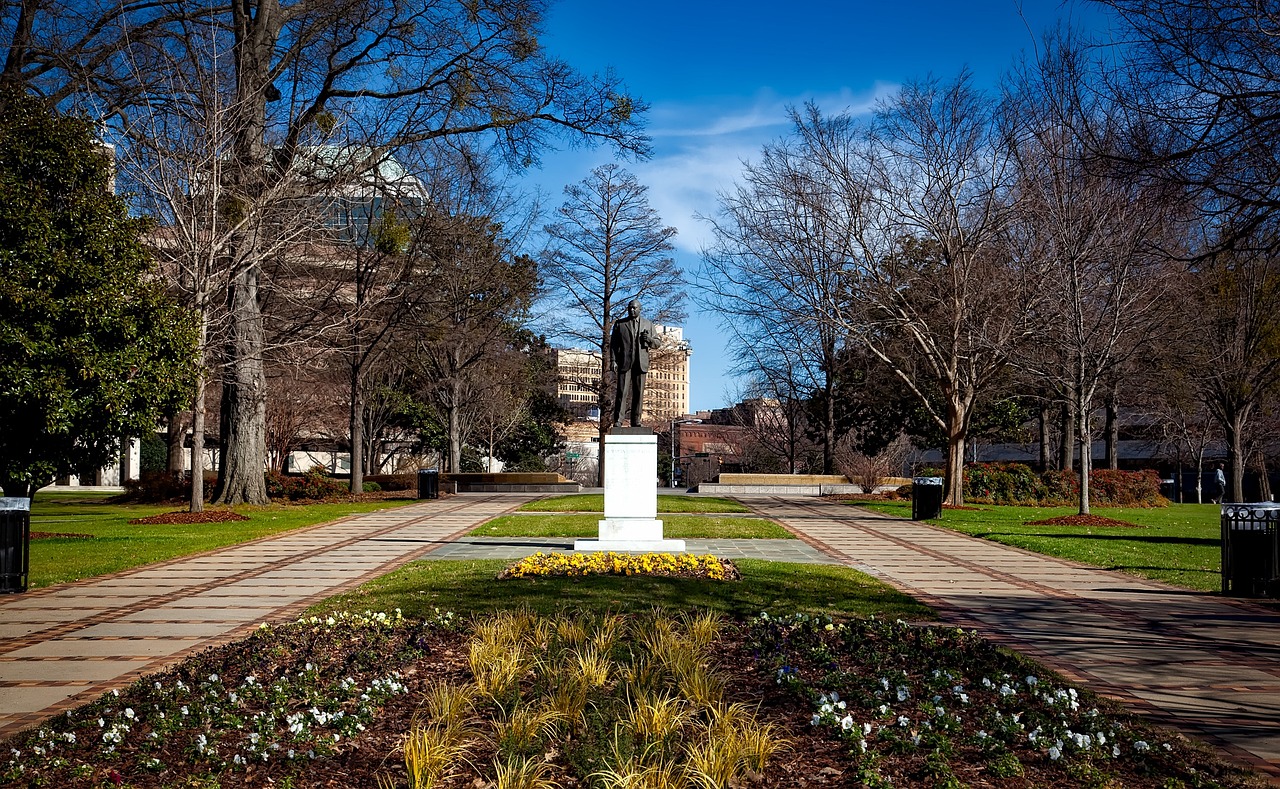
Birmingham is the largest city in Alabama, founded in the 19th century as a steel hub and today known above all as a nerve centre of the civil rights movement. The Birmingham Civil Rights Institute and the historic Sixteenth Street Baptist Church recall the struggles of the 1960s. The statue of Vulcan, the largest cast-iron statue in the world, looks over the city from atop Red Mountain. Between industrial heritage, historical memory and a lively Southern food scene, Birmingham tells a crucial chapter of American history.
Auto
Giorno 9 — Birmingham → Montgomery
Montgomery is the capital of Alabama, a city crucial in American history both as the first capital of the Confederacy and as a cradle of the civil rights movement. Here Rosa Parks refused to give up her bus seat in 1955 and Martin Luther King led the famous boycott. The Dexter Avenue Baptist Church, the Rosa Parks Museum and the moving National Memorial for Peace and Justice recount its memory. Between historic heritage, monuments and a deep civil legacy, Montgomery is a capital that holds fundamental chapters of the history of the United States.
Auto
Giorno 10 — Montgomery → Mobile
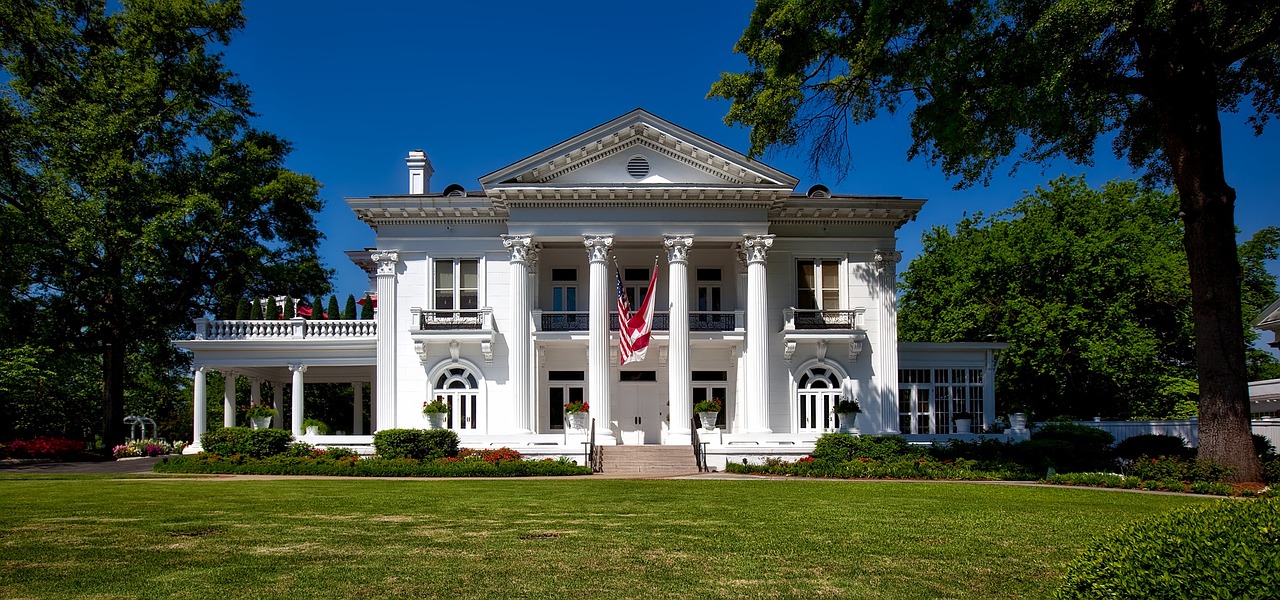
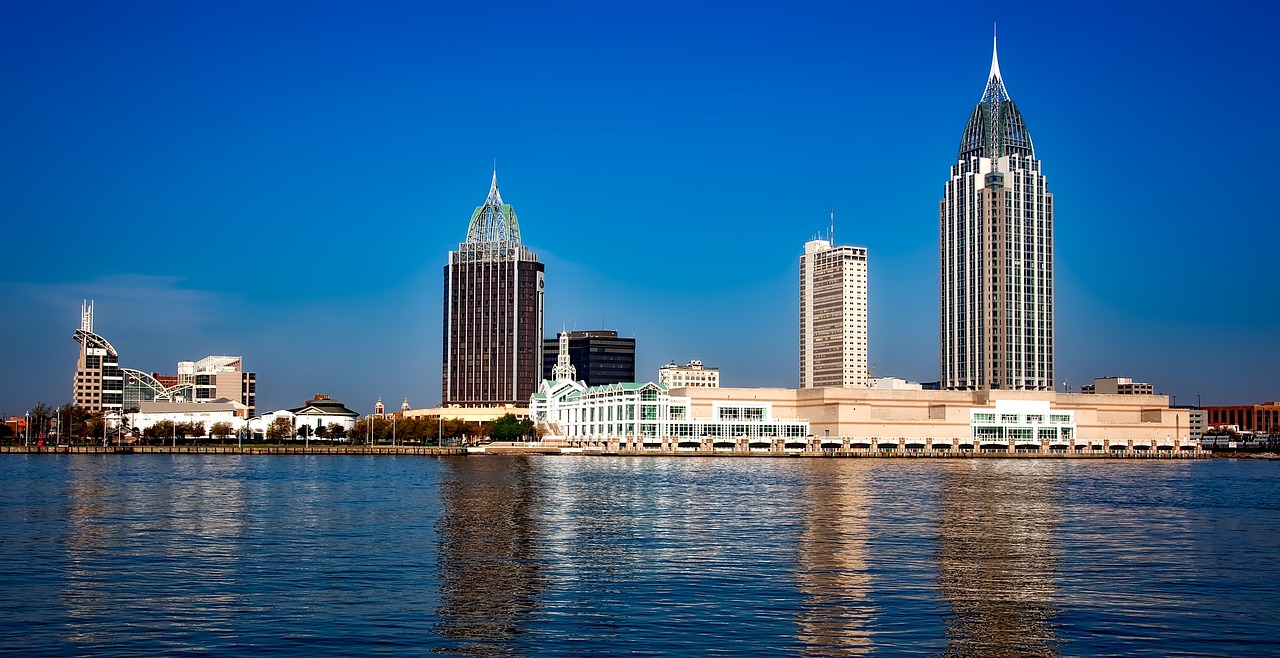
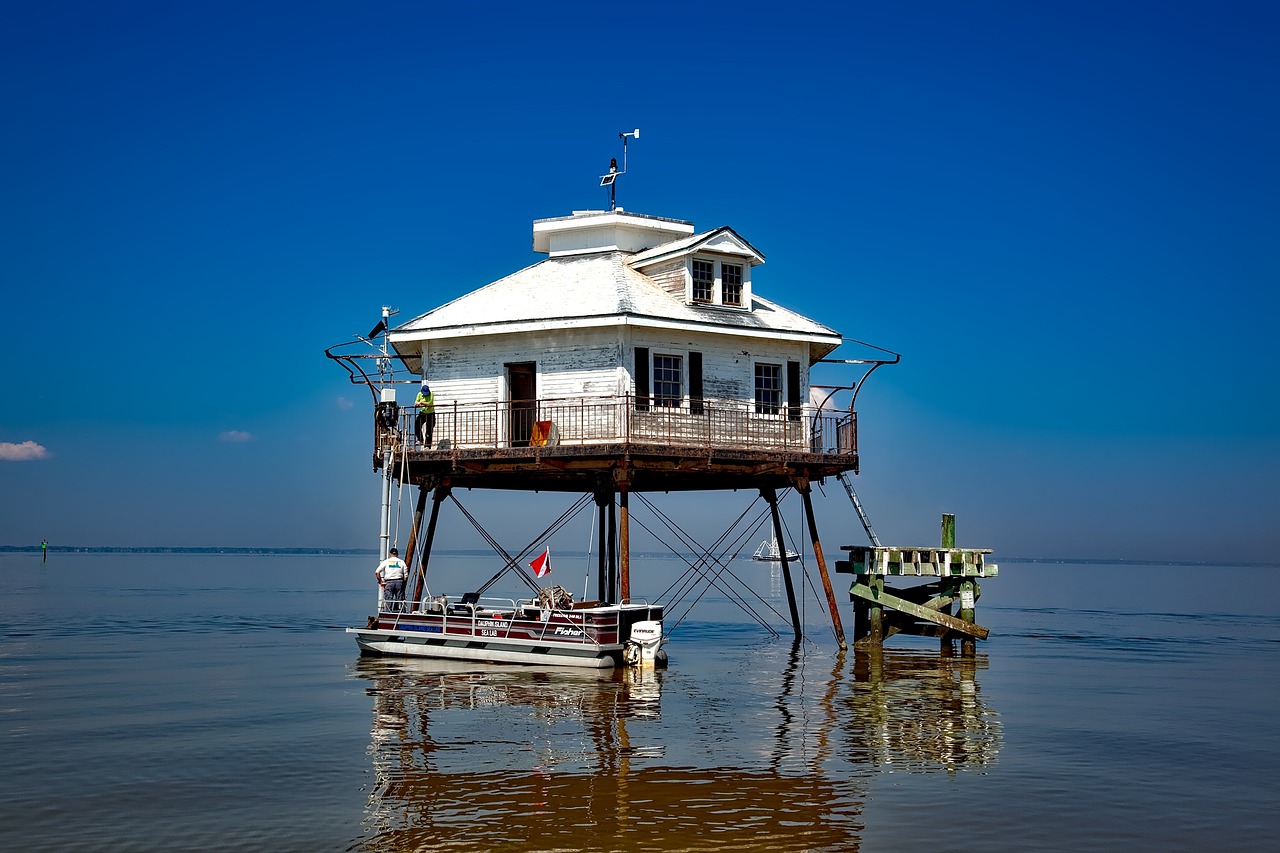
Mobile is the oldest city in Alabama, founded by the French in 1702 and set on its namesake bay opening onto the Gulf of Mexico. It claims to have originated the oldest Mardi Gras celebration in the United States, still lived today with great passion. Its historic centre preserves elegant antebellum mansions shaded by oaks and azaleas, while the battleship USS Alabama is moored as a museum. Between French heritage, the atmosphere of the Deep South and festive traditions, Mobile is a gem on Alabama's Gulf coast.