Memphis›Nashville›Gatlinburg›Asheville›Raleigh›Outer Banks+3 Altro
Riepilogo del tour
Durata14 Giorni / 13 notti
ItinerarioMemphis → Charlotte
Tappe9 Destinazioni
Itinerario del Tour
Caricamento mappa...
Itinerary
Giorno 1 — Memphis
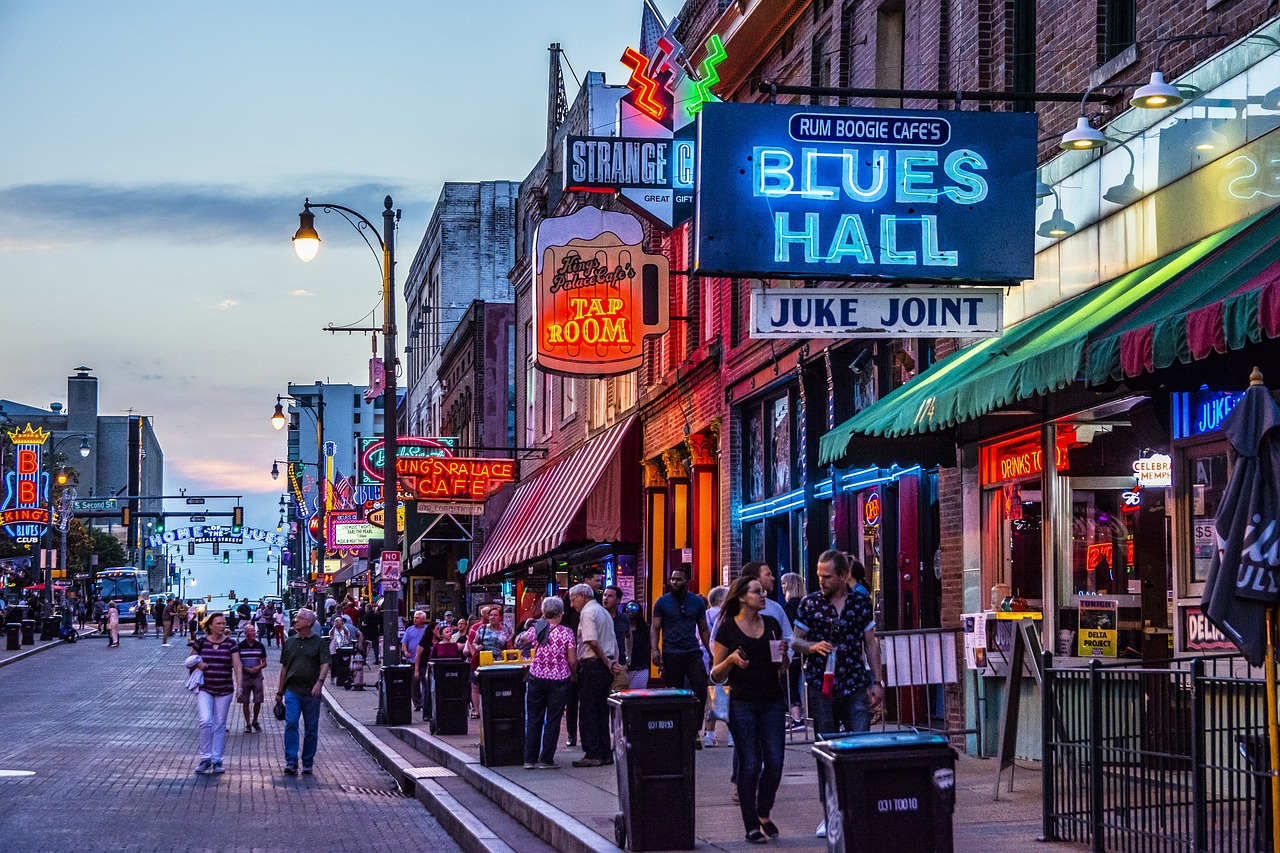
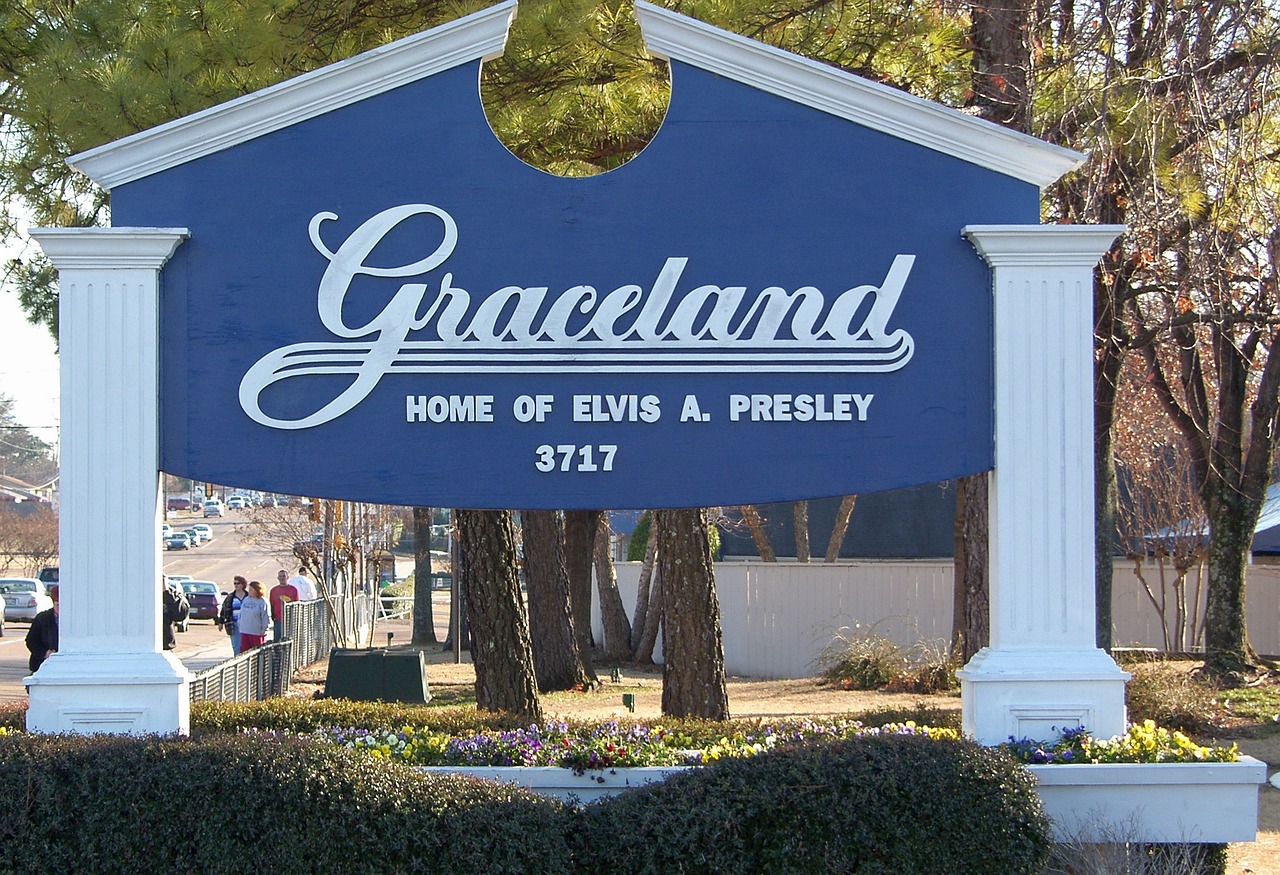
Memphis rises along the Mississippi River in southwestern Tennessee and is the acknowledged cradle of American music, from blues to rock'n'roll. The city's beating heart is Beale Street, where live music venues come alive each evening amid blues notes and the aroma of grilled ribs. Nearby stands Graceland, Elvis Presley's mansion turned museum, while Sun Studio preserves the recording rooms where legends such as Elvis and Johnny Cash were born. A moving and unforgettable visit is the National Civil Rights Museum, set in the Lorraine Motel where Martin Luther King was assassinated. The barbecue capital of Tennessee, Memphis tempts the palate with its famous smoked ribs. A city with a deep soul, where music and history intertwine at every corner.
Auto
Giorno 3 — Memphis → Nashville
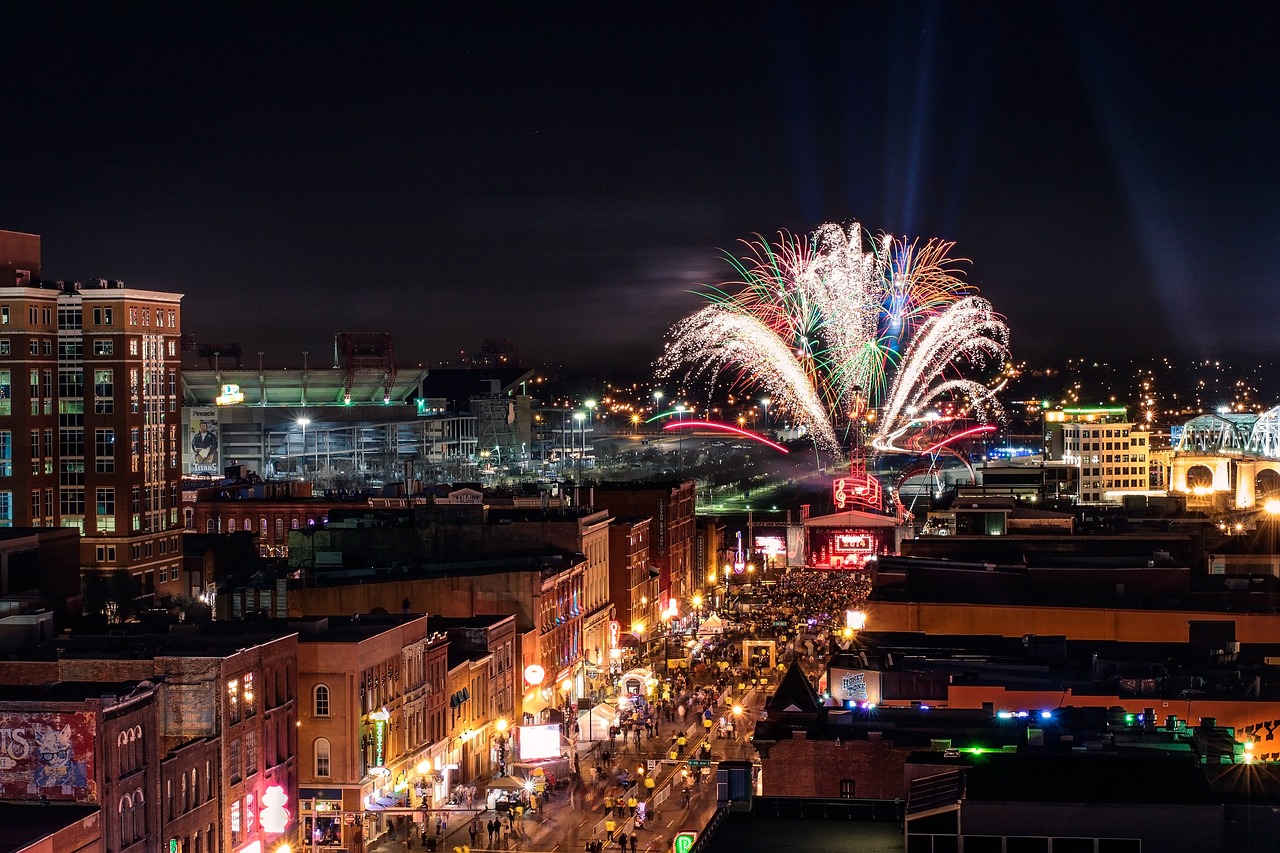
Nashville rises on the banks of the Cumberland River in the state of Tennessee, and has earned worldwide its nickname of "Music City": it is the undisputed capital of country music, but also a lively crossroads where history, Southern cuisine and an ever-buzzing cultural scene come together. Its beating heart is Lower Broadway, where the neon signs of the honky-tonks light up a street that never sleeps: guitar chords and live voices pour from the venues at every hour, in a succession of free stages that launched the careers of many artists. A short walk away stand the temples of musical tradition, from the Country Music Hall of Fame and Museum to the famed Ryman Auditorium, dubbed "the mother church of country music", and the Grand Ole Opry, the longest-running live radio broadcast in America. Heading toward the civic centre you reach the Tennessee State Capitol, while amid the greenery of Centennial Park stands a striking surprise: the Parthenon, a full-scale replica of the Athenian temple that earned the city the label "Athens of the South". The neighbourhoods tell other Nashvilles: The Gulch, a former railway district now dotted with murals and trendy restaurants; Germantown, with its brick houses and most refined tables; East Nashville, bohemian and creative, a realm of coffee shops and independent boutiques. Food is a chapter of its own: hot chicken, spicy fiery fried chicken, is the city's emblem, served alongside barbecue, biscuits and the fine bourbon of Tennessee's distilleries. Between impromptu concerts, historic distilleries and the contagious energy of its streets, Nashville is lived to the rhythm of music, from dawn until deep into the night.
Auto
Giorno 5 — Nashville → Gatlinburg
Gatlinburg nestles among the Appalachian Mountains of eastern Tennessee, a lively tourist town and the main gateway to Great Smoky Mountains National Park, the most visited park in the United States. Its pedestrian Parkway teems with attractions, restaurants and craft shops, while the aerial tramway and observation tower offer views of the misty peaks. Nearby, waterfalls, trails and pristine forests await hikers. Between grand nature, family fun and mountain traditions, Gatlinburg is the lively, welcoming, and kitsch heart of the Smoky Mountains.
Auto
Giorno 6 — Gatlinburg → Asheville
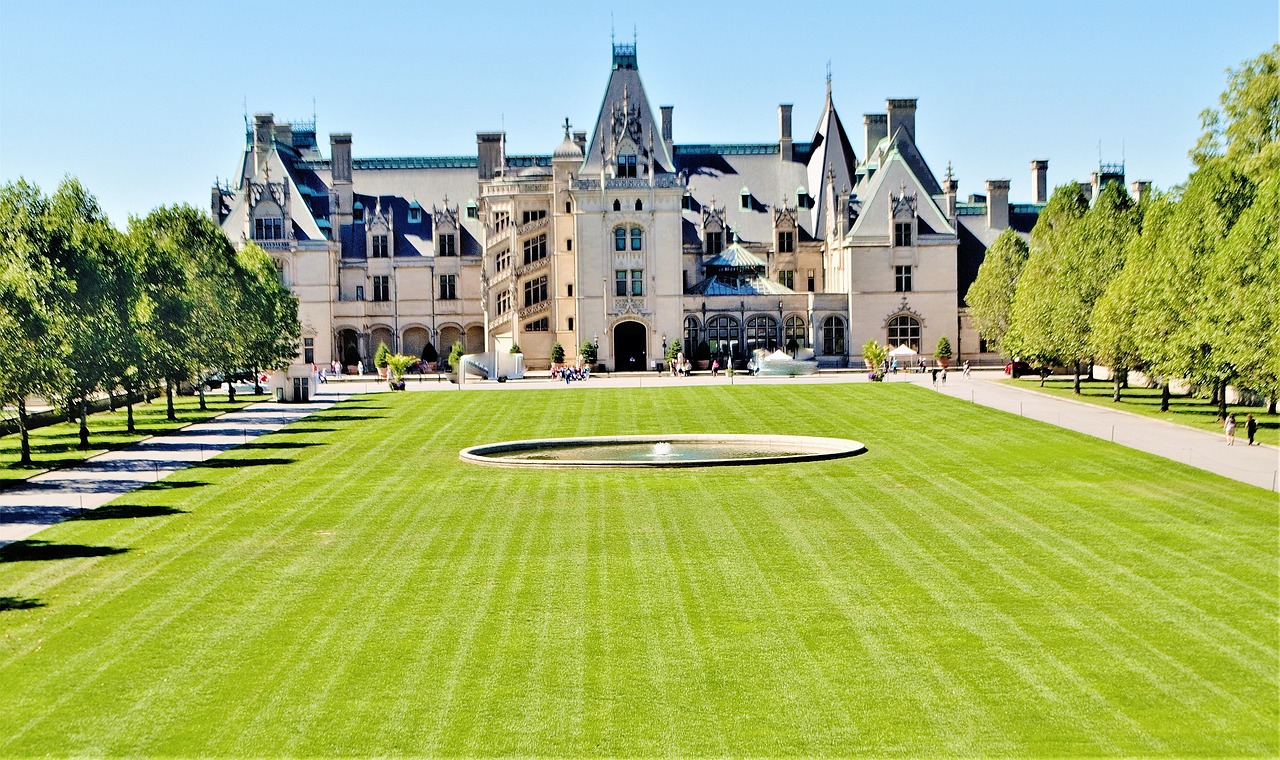
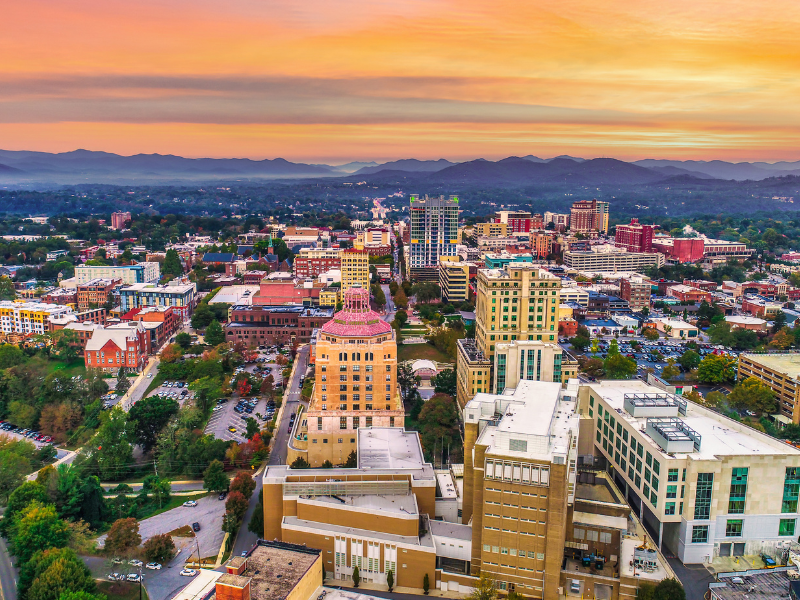
At the foot of the Blue Ridge Mountains, in western North Carolina, Asheville blends wild nature with a lively arts and food scene. Its most famous landmark is the Biltmore Estate, a sumptuous French Renaissance-style mansion built by the Vanderbilt family and surrounded by gardens designed by Frederick Law Olmsted. The Art Deco downtown, among the best preserved in the South, teems with galleries, craft shops and microbreweries that have made the city a beer capital. The nearby River Arts District houses artists' studios, while the scenic Blue Ridge Parkway leads to Appalachian peaks, waterfalls and forests. Asheville is the perfect destination for those seeking art, the outdoors and the relaxed atmosphere of the Southern mountains.
Auto
Giorno 7 — Asheville → Raleigh
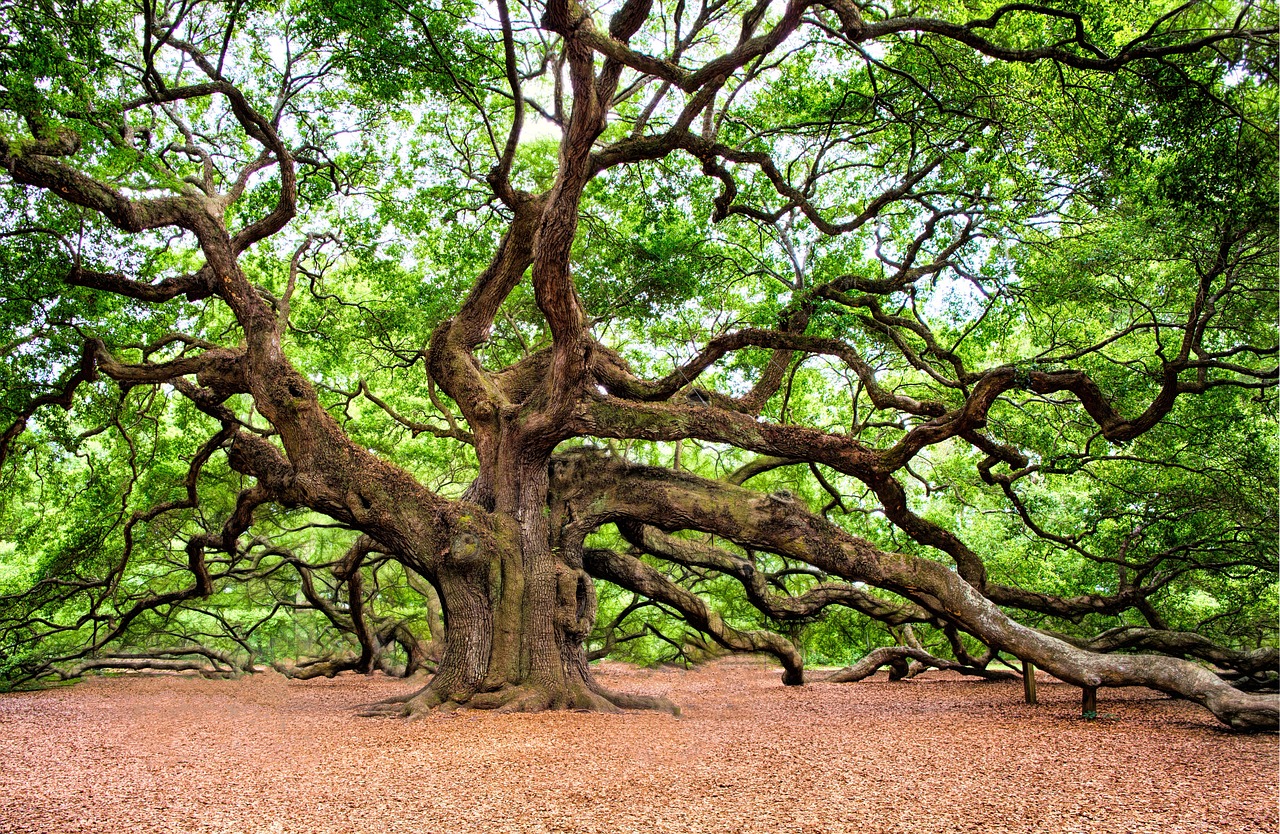
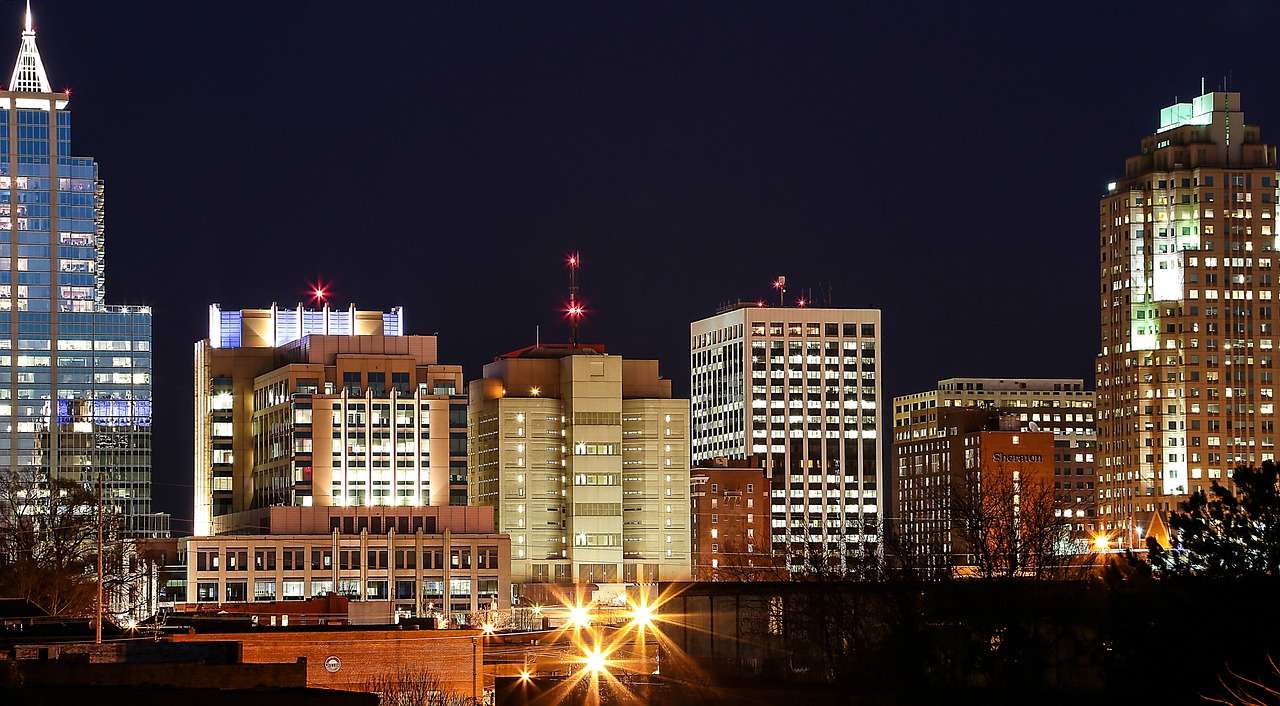
Raleigh is the capital of North Carolina, a dynamic and leafy city nicknamed the "City of Oaks" for its tree-lined avenues. Part of the famous Research Triangle, it boasts first-rate free museums such as the North Carolina Museum of Art and the natural sciences museum, alongside a lively food and university scene. Parks, historic neighbourhoods and craft breweries enliven the centre. Raleigh is the ideal destination for those seeking culture, innovation and the welcoming atmosphere of the American New South.
Auto
Giorno 10 — Outer Banks → Myrtle Beach
Myrtle Beach is the most famous seaside resort in South Carolina, the heart of the 'Grand Strand', over 90 kilometres of Atlantic beaches dotted with resorts, amusement parks and golf courses. Its lively oceanfront Boardwalk, the SkyWheel observation wheel and its shows make it a vibrant, family-friendly destination. A golf capital of the Southeast, it boasts dozens of courses among dunes and lakes. Between golden beaches, entertainment, mini-golf and a timeless holiday mood, Myrtle Beach embodies the classic American seaside vacation on the Atlantic coast.
Auto
Giorno 11 — Myrtle Beach → Charleston
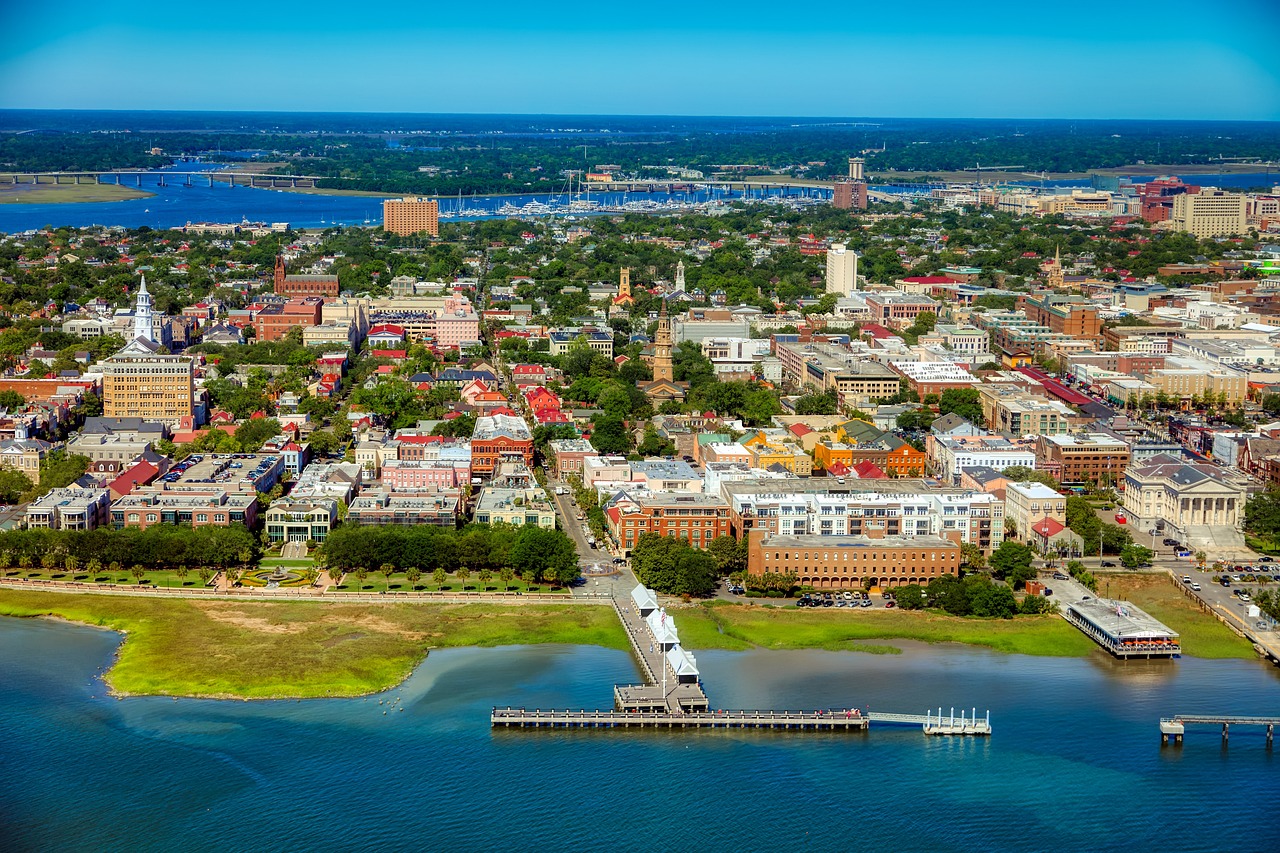
Leave Myrtle Beach and travel 30 minutes south along the coast, towards the southern end of the Grand Strand. You will arrive at the cozy and peaceful Pawley's Island. Famous for its cypress wood cottages and rich in expansive marshlands, rivers, and oceanfront parks, it is a perfect destination for outdoor enthusiasts. Continue south along the pristine coastline and cross the Francis Marion National Forest until you reach Charleston. A jewel of the Deep South, Charleston enchants with its pastel-coloured houses, shady porches and cobbled streets where time seems to stand still. Along the famous Rainbow Row stand colourful façades overlooking the harbour, while the French Quarter and the area around Battery Park reveal historic mansions, blooming gardens and churches with soaring steeples. The city preserves the memory of its colonial past and the surrounding plantations, now open to visitors among centuries-old oaks draped in Spanish moss. Renowned for its warm hospitality and refined Lowcountry cuisine — from shrimp and grits to she-crab soup — Charleston also tempts with the nearby beaches of Sullivan's Island and Folly Beach. Romantic and elegant, it is the sweetest essence of the American South.
Auto
Giorno 13 — Charleston → Charlotte
Charlotte, the most populous city in North Carolina, blends the energy of a dynamic financial centre with the warmth typical of the American South. Its modern skyline, dominated by the skyscrapers of the Uptown district, reflects the city's role as one of the country's leading banking hubs, yet just a short distance away you'll find leafy neighbourhoods, tree-lined avenues and a welcoming atmosphere. Among its attractions are museums such as the Mint Museum and the Bechtler, the NASCAR Hall of Fame celebrating America's passion for motor racing, and lively districts like NoDa and South End, full of galleries, craft breweries and restaurants. The surroundings, with lakes and gentle hills, invite hiking and outdoor activities. Between culture, sport and Southern hospitality, Charlotte is a surprising and ever-growing urban destination.
_20251030153115.jpg)
_20260429145546.png)
_20260429145546.png)
_20260429145656.png)
_20260429145657.png)
_20260429145657.png)

_20260429145507.png)
_20260429145507.png)
_20260429145506.png)
_20260429145506.png)