Porto›Guimaraes›Chaves›Monforte de Lemos e Ribeira Sacra›Lugo›La Coruna+3 Altro
Riepilogo del tour
Durata13 Giorni / 12 notti
ItinerarioPorto → Viana do Castelo
Tappe9 Destinazioni
Itinerario del Tour
Caricamento mappa...
Beyond the Borders: Norte de Portugal & Galicia — NAAR
Itinerary
Giorno 1 — Porto
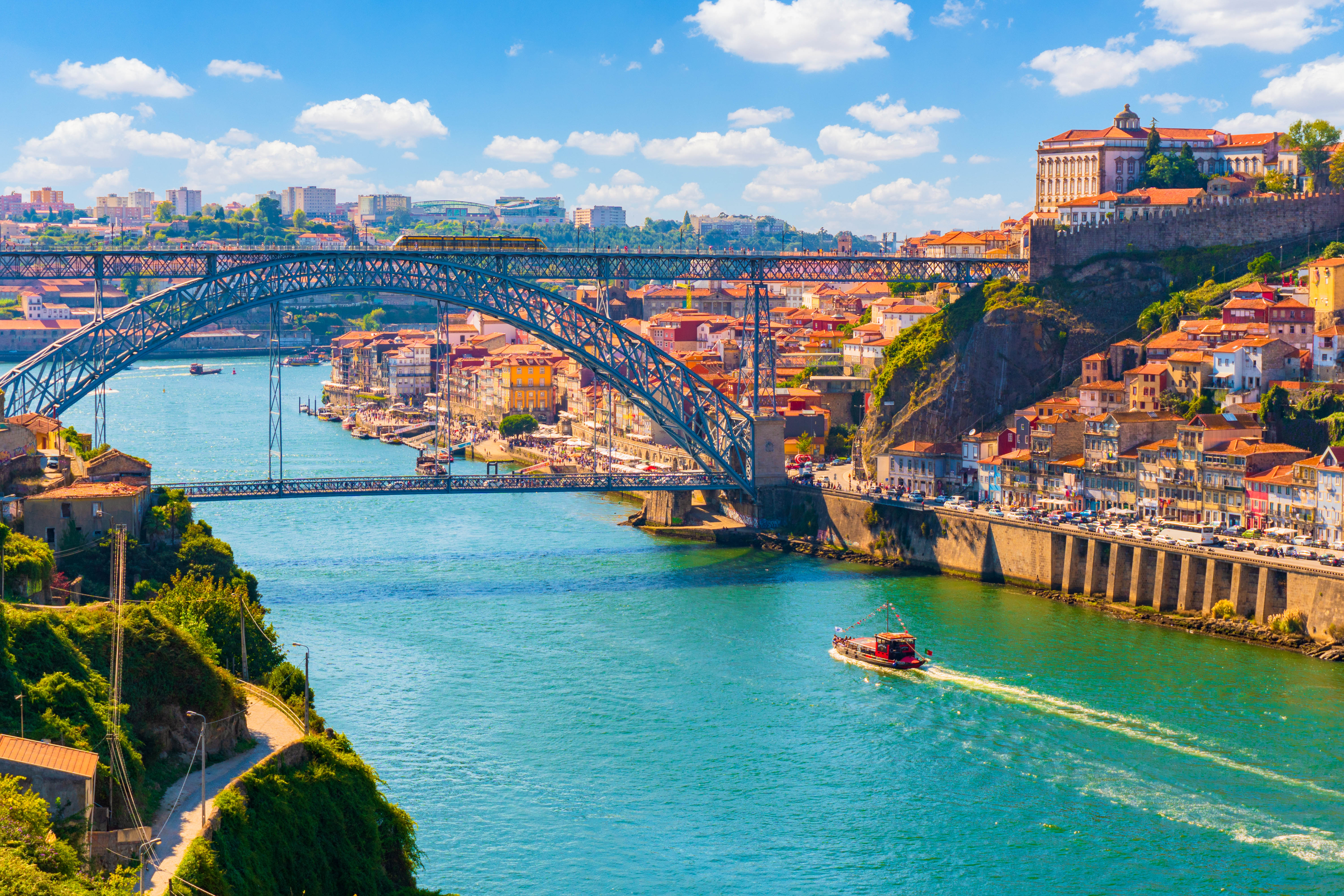
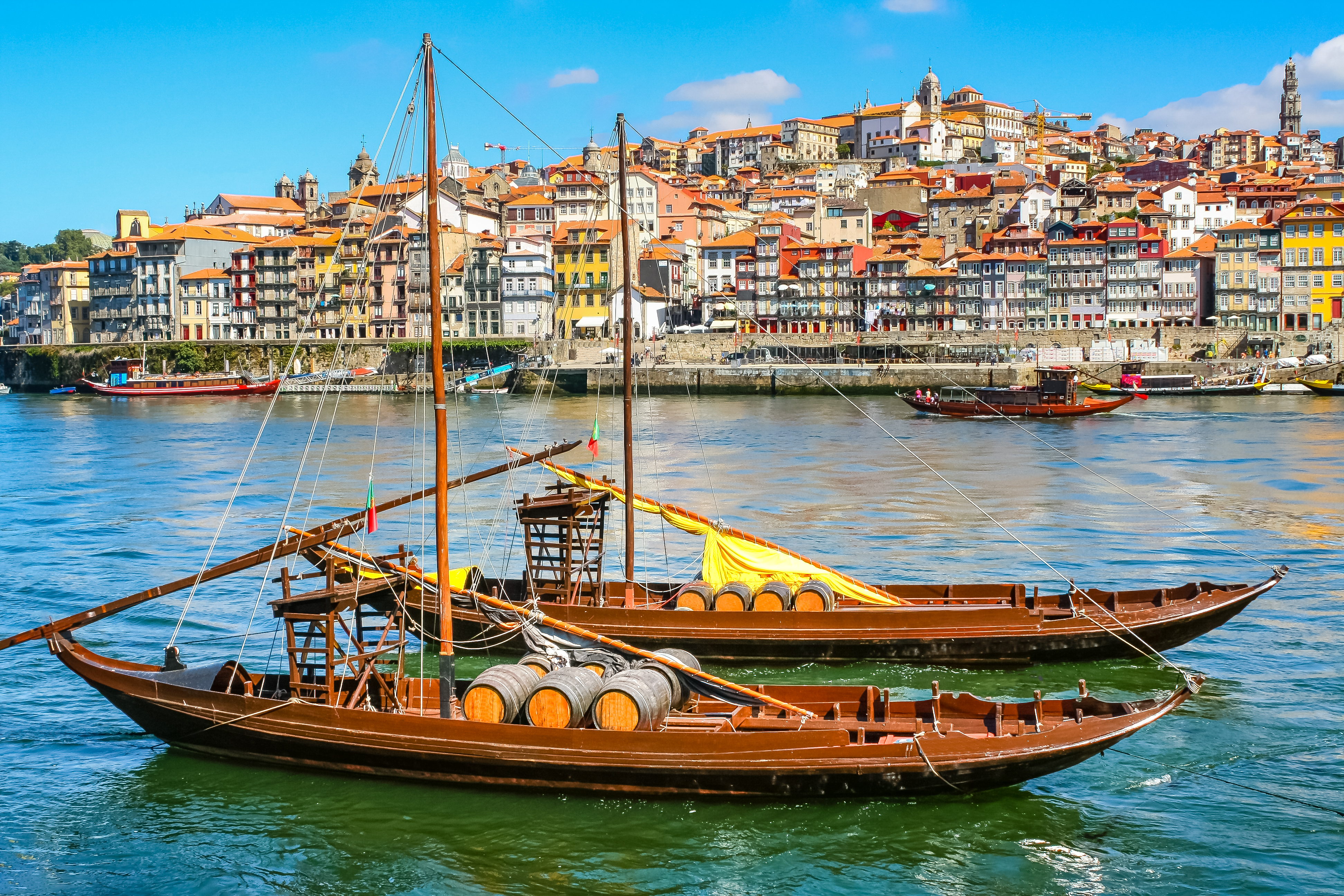
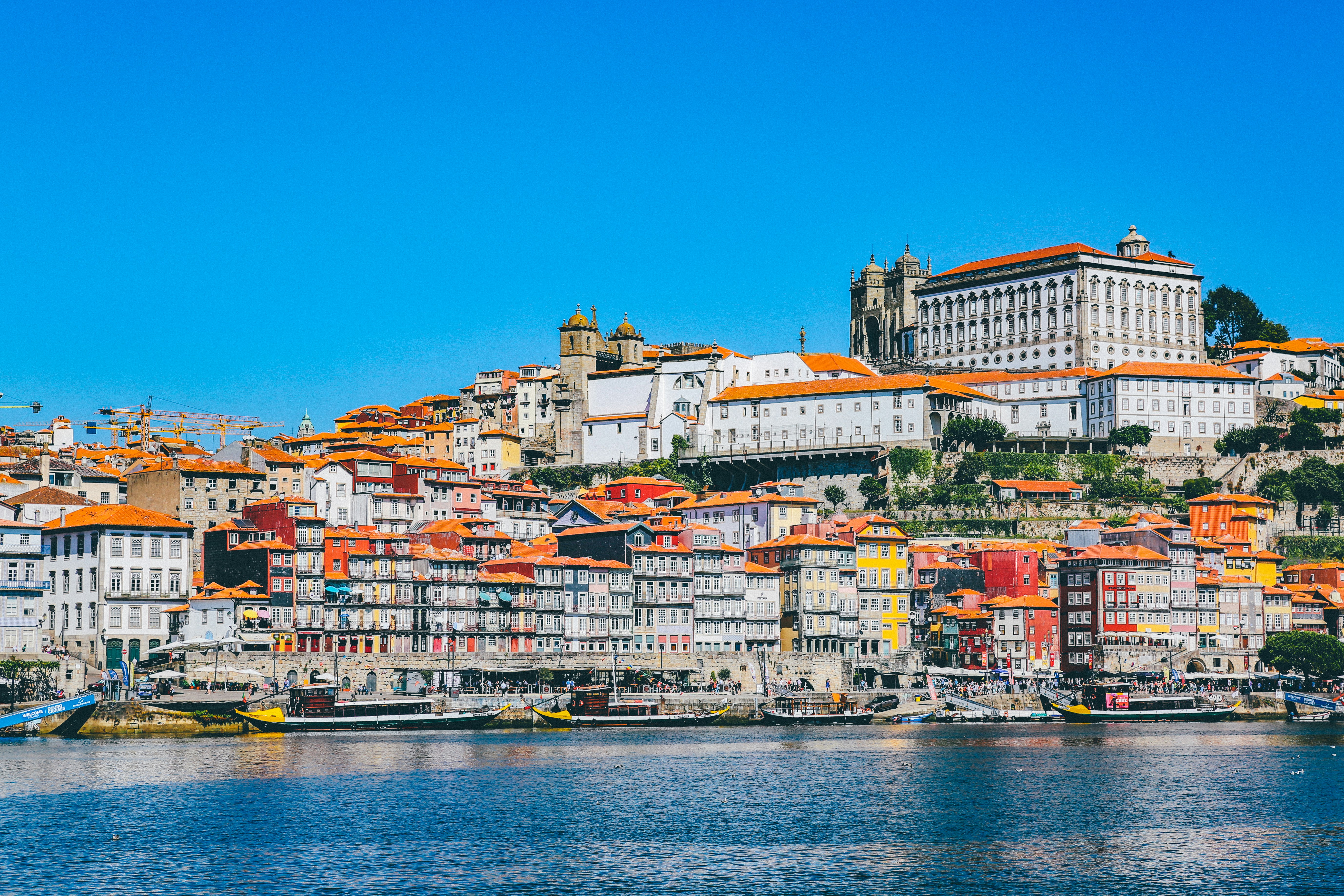
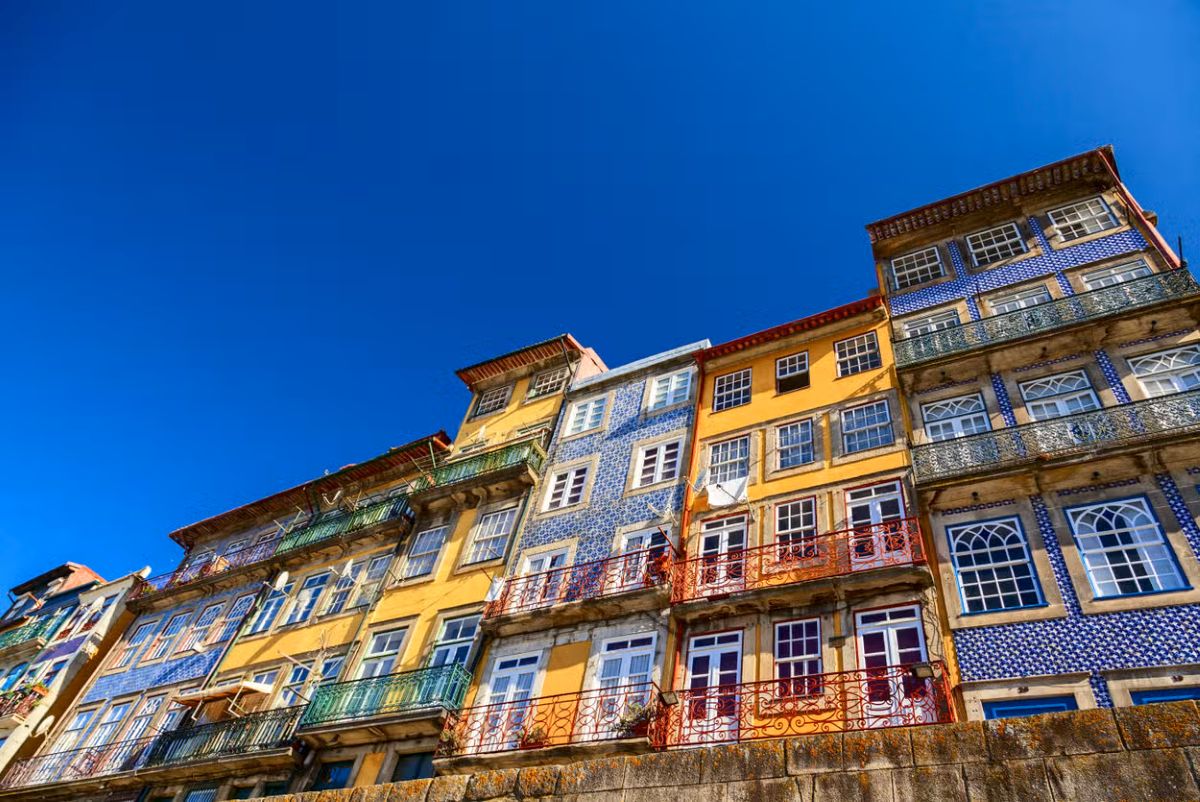
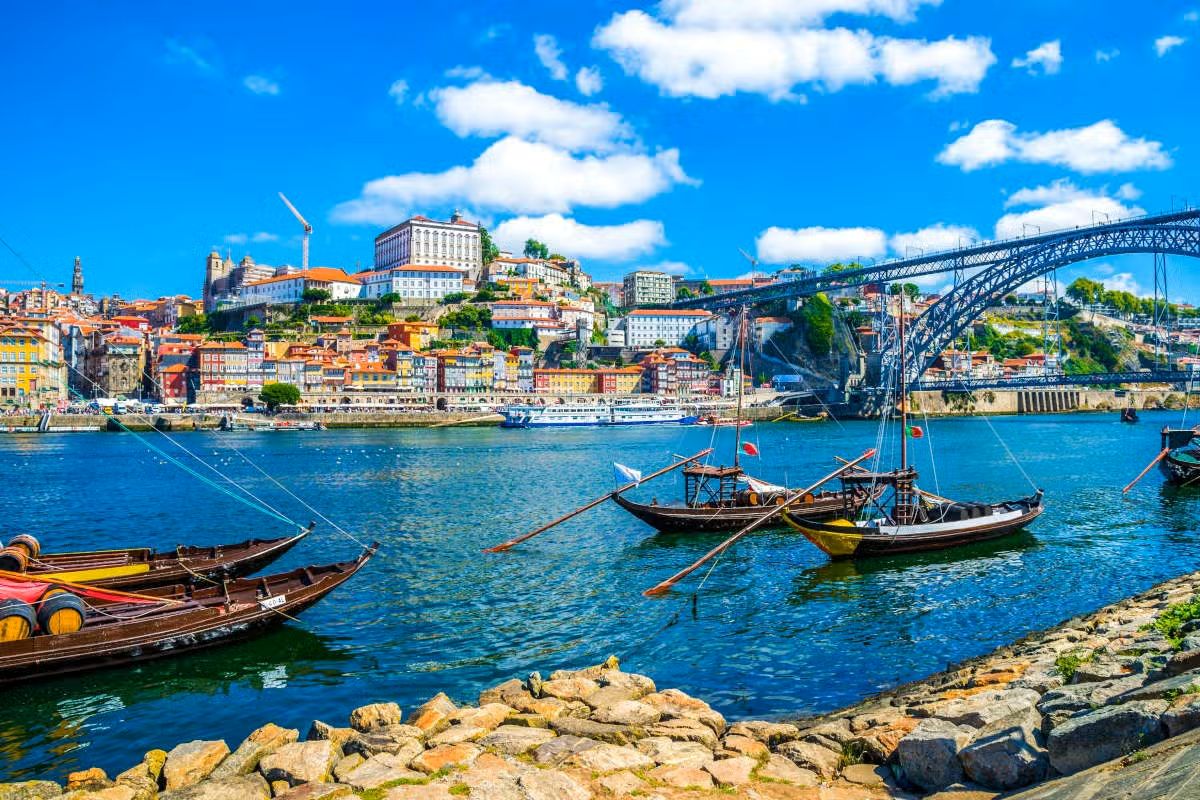
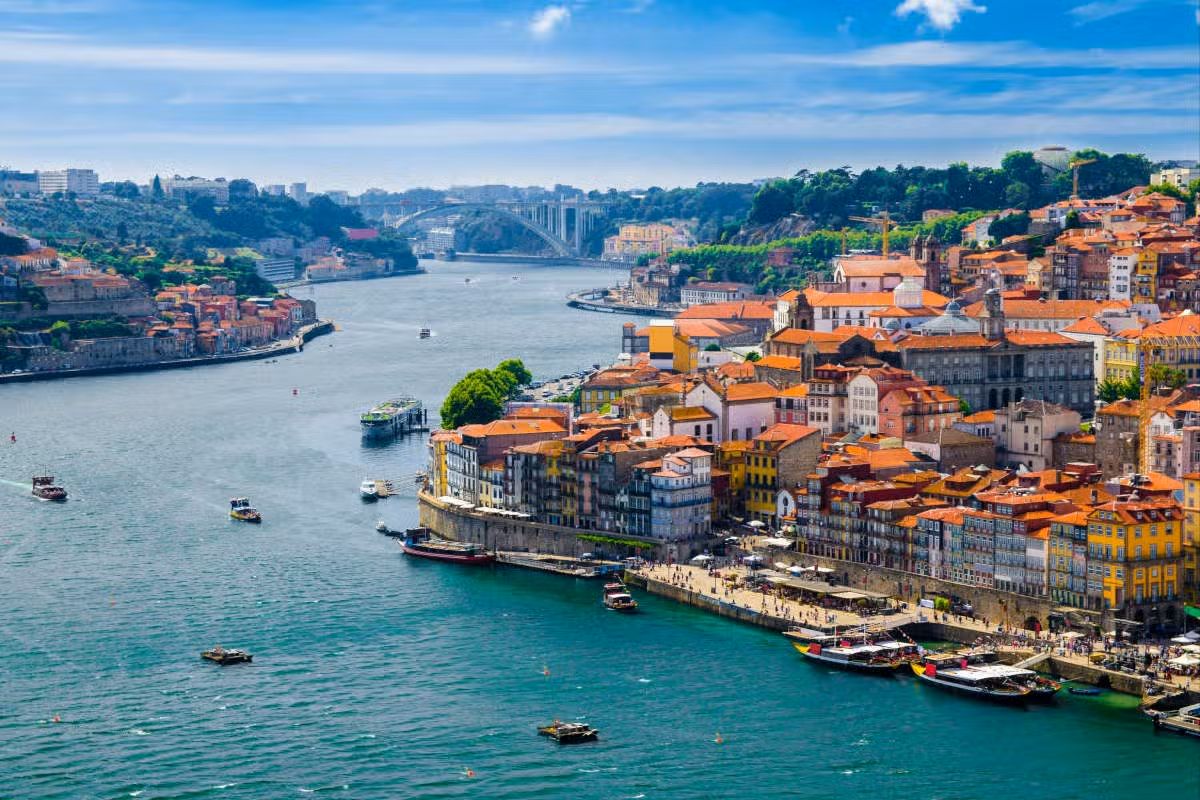
Porto is a true postcard image of Portugal, where history and modernity blend in an original way. Renowned worldwide for its wine and cultural heritage, the city offers a dynamic atmosphere that captivates every visitor. Its historic center, a UNESCO World Heritage Site, invites you to get lost in narrow streets, admire the striking azulejos, and discover iconic landmarks such as the Clérigos Tower, Porto Cathedral, and São Bento Station, known for its remarkable tile panels depicting the history of Portugal. The banks of the Douro River provide one of the city’s most emblematic landscapes, with the Ribeira district full of traditional restaurants and lively terraces overlooking the famous Port wine cellars of Vila Nova de Gaia. Crossing the Dom Luís I Bridge is an essential experience, offering spectacular panoramic views over Porto and the Douro. Porto is also a cultural and creative hub, home to notable museums and galleries such as the Serralves Foundation, Casa da Música, and the Soares dos Reis National Museum. Its vibrant gastronomy is another defining feature, with the francesinha standing out as the city’s signature dish, best enjoyed with a glass of Port wine or a craft beer. With a rich offer of events, traditional markets, and a lively nightlife, Porto perfectly combines authenticity and innovation, making it one of Europe’s most sought-after destinations for tourism and leisure.
Auto
Giorno 3 — Porto → Guimaraes
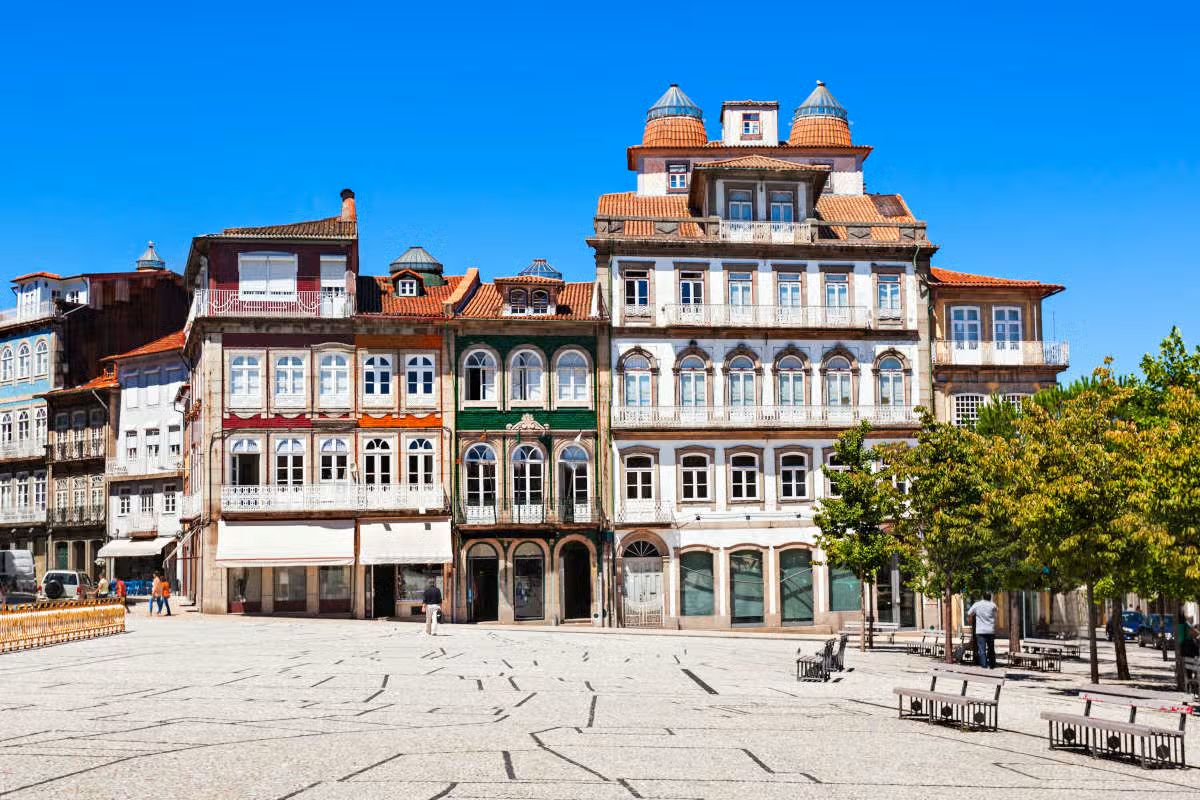
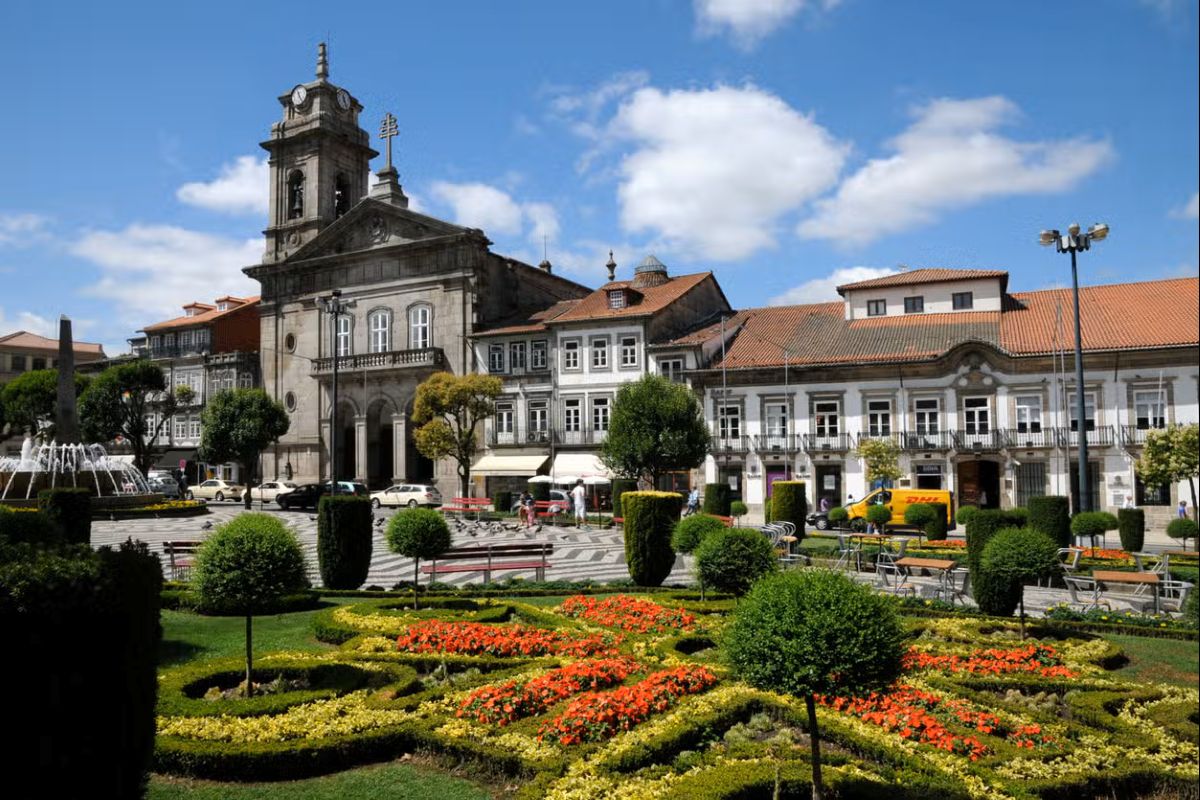
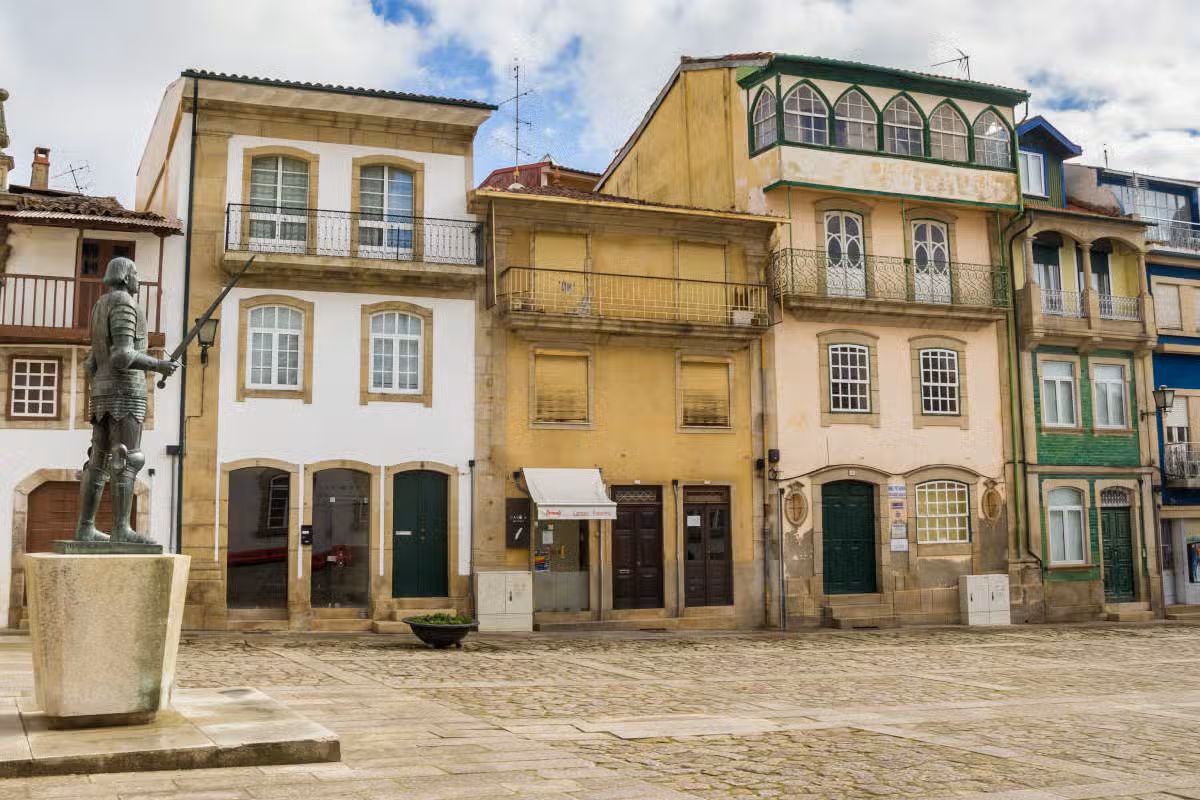
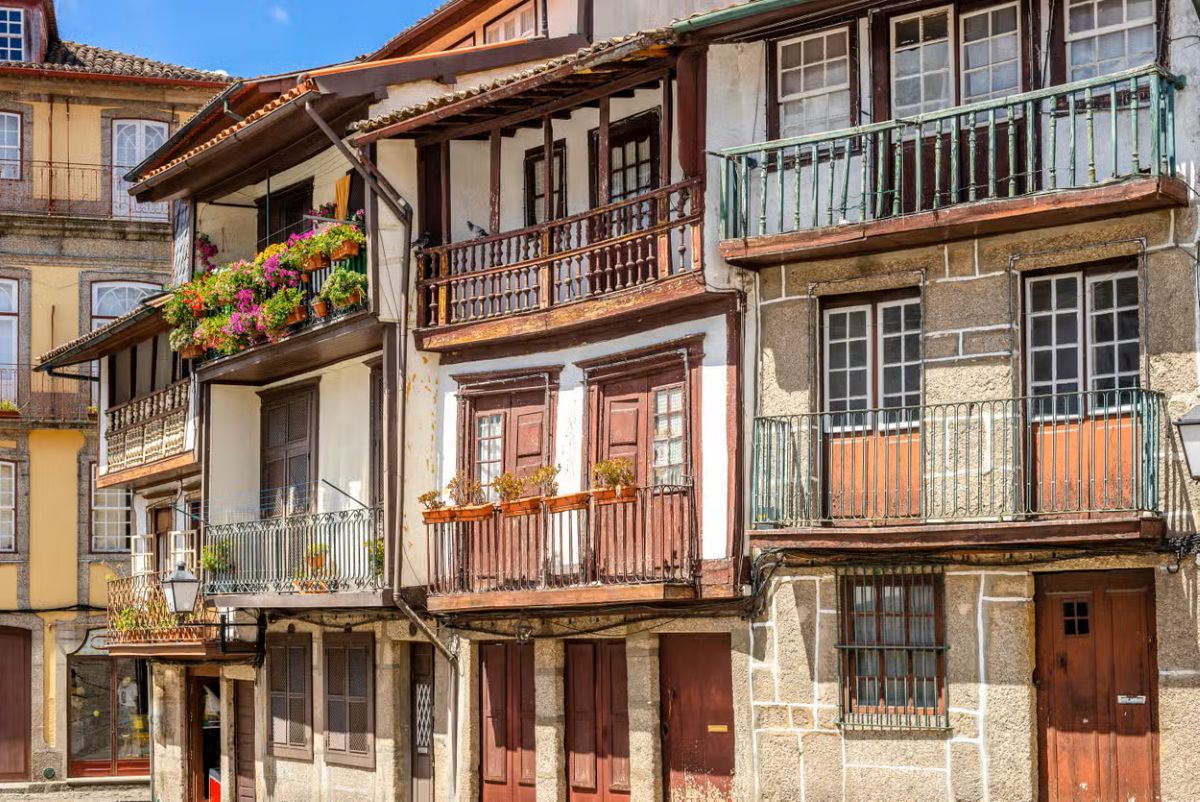
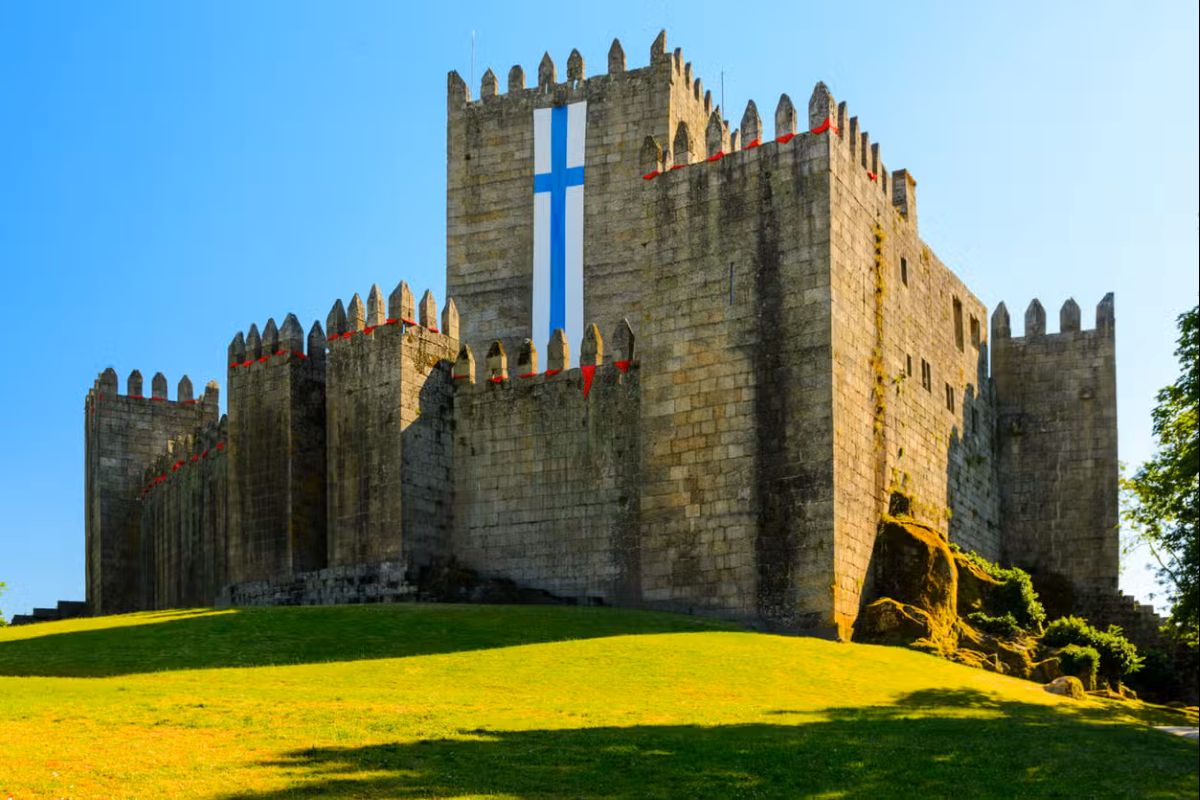
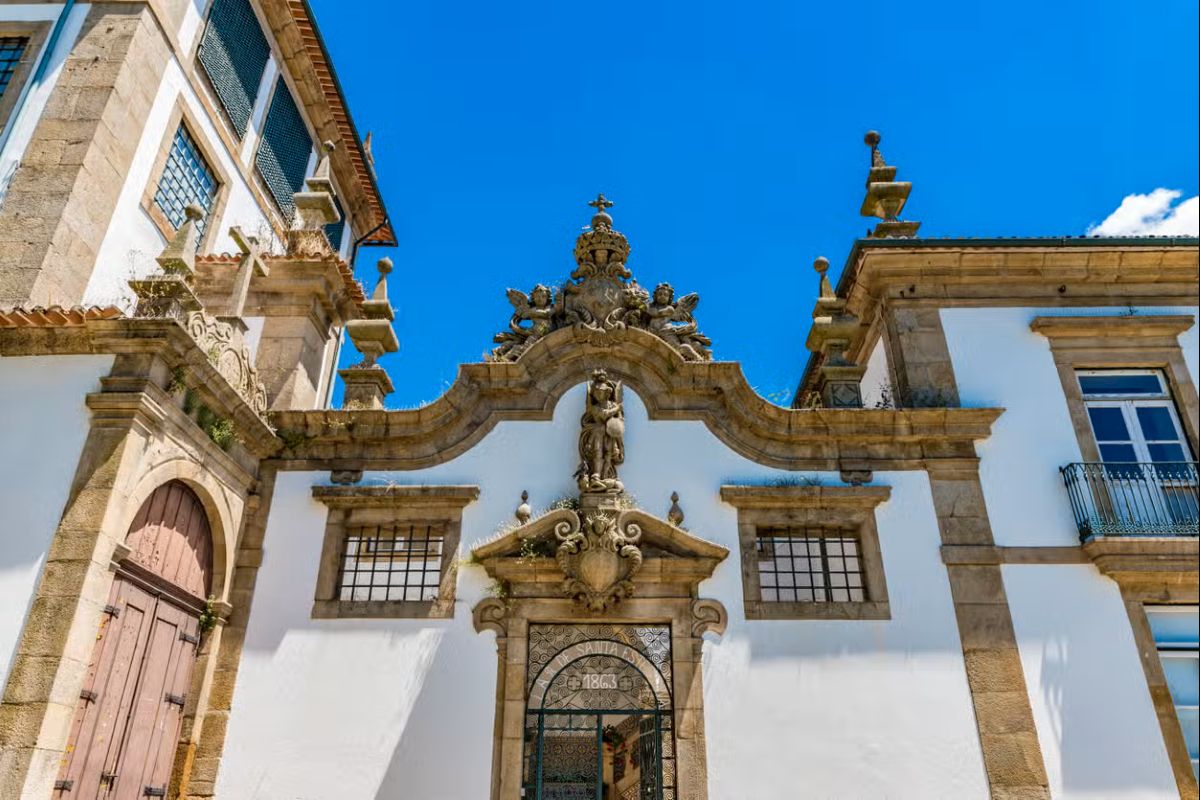
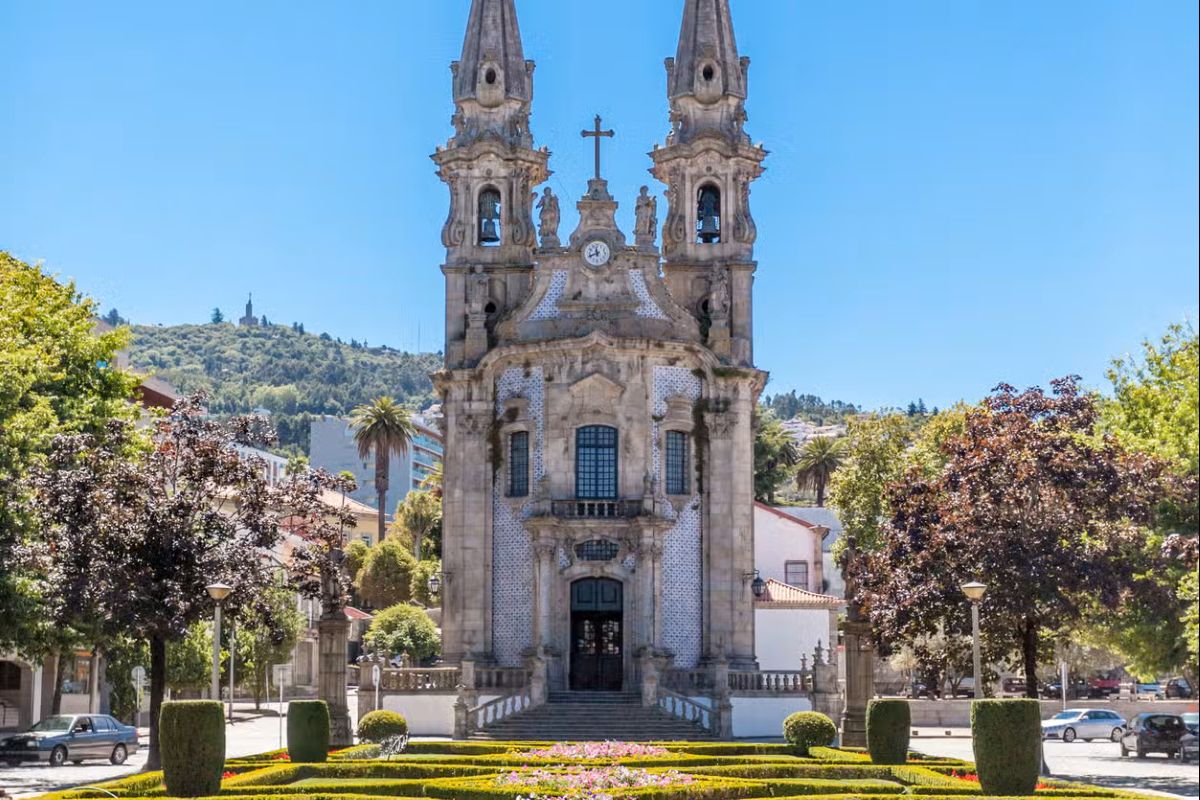
Guimarães is known as the birthplace of Portugal, closely linked to the formation of the nation’s identity. Its historic center, a UNESCO World Heritage Site, preserves the area within the old city walls with well-preserved medieval architecture. The urban fabric stands out for noble houses, arches, and granite streets that reflect centuries of history in a compact and harmonious setting. At its core lies Largo da Oliveira, featuring the Collegiate Church of Nossa Senhora da Oliveira and the Padrão do Salado, while nearby squares such as Praça de Santiago retain the atmosphere of an old pilgrimage route. Heading up toward the castle, visitors encounter the Palace of the Dukes of Braganza, the Chapel of São Miguel, and the 10th-century Guimarães Castle, a symbol of Portugal’s foundation.
.
Auto
Giorno 4 — Guimaraes → Chaves
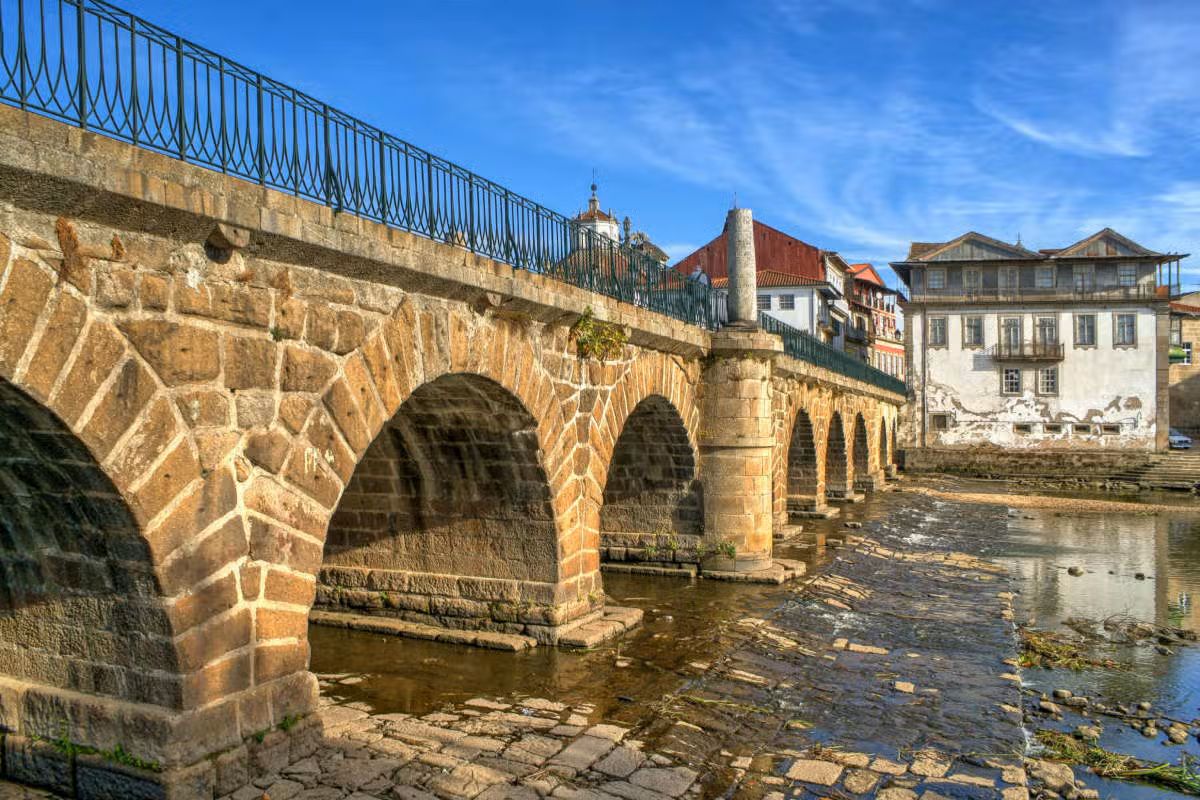
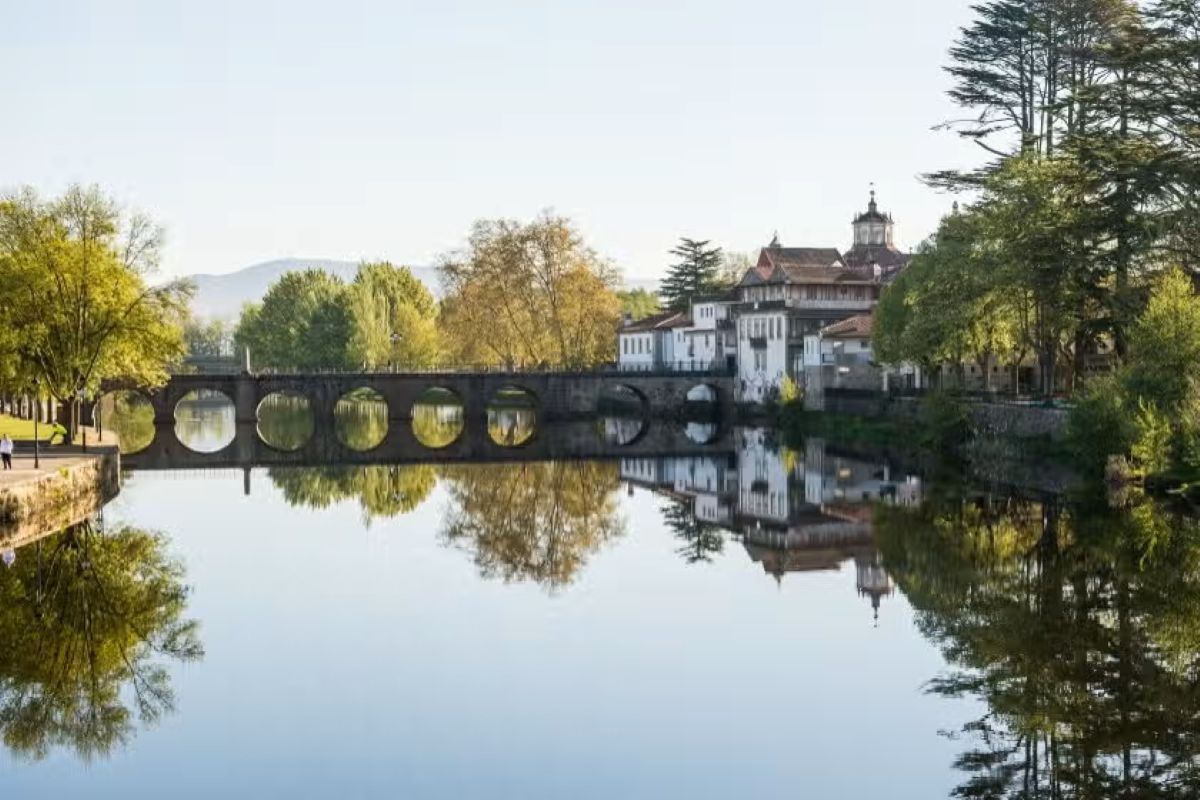
Chaves, on the upper Tâmega near Spain, was known in Roman times as Aquae Flaviae for its thermal waters, among the hottest in Europe. The city retains a strong strategic character, visible in its castle, medieval walls, and Roman bridge. It resisted Castilian annexation and later Napoleonic invasions. Today it is famous for its thermal spa and Trás-os-Montes cuisine, especially smoked sausages and ham, reflecting its rich rural heritage.
Auto
Giorno 5 — Chaves → Monforte de Lemos e Ribeira Sacra
A monumental town in the south of the province of Lugo, Monforte de Lemos gathers around a hill crowned by the castle keep, a Benedictine monastery and the Parador, from where the gaze sweeps across the Galician countryside. The town is home to the Colegio de Nuestra Señora de la Antigua, nicknamed the "Galician Escorial", which preserves precious works of art, including paintings attributed to El Greco. All around stretches the Ribeira Sacra, one of Spain's most striking wine regions, where the Sil and Miño rivers carve deep canyons terraced with vineyards clinging to vertiginous slopes and dotted with ancient Romanesque monasteries. Between river cruises, heroic wines and breathtaking landscapes, it is an ideal destination for those seeking nature, history and authenticity.
Auto
Giorno 6 — Monforte de Lemos e Ribeira Sacra → Lugo
Lugo rises in the green heart of Galicia with its deep Roman roots, renowned for its extraordinary walls, the only ones in the world to preserve their entire Roman circuit and, for this reason, a UNESCO World Heritage Site. Stretching over two kilometres and walkable along their parapet path, the walls embrace a lively historic centre dominated by the Catedral de Santa María and animated by squares and taverns. Founded as Lucus Augusti, the city also holds remains of Roman baths and mosaics, while its culinary tradition of octopus and Ribeira Sacra wines makes it a flavourful stop along the Camino Primitivo. To walk its walls at sunset is to cross two thousand years of history in a single glance.
Auto
Giorno 7 — Lugo → La Coruna
A lively seaside resort on the north-western tip of Galicia, where the Atlantic shapes a wind-swept peninsula, La Coruña is a port city famous for the Tower of Hercules, the only Roman-era lighthouse still in operation in the world and a UNESCO World Heritage Site. Its most distinctive feature is the glassed-in galleries of the buildings facing the harbour, which have earned it the nickname "city of glass". The Ciudad Vieja, the old town, holds intimate squares and Romanesque churches such as Santiago and Santa María del Campo. Along the shore stretch the broad urban beaches of Riazor and Orzán, the heart of city life. Renowned for its seafood cuisine and Atlantic atmosphere, La Coruña invites you to wander between ocean, history and light.
Auto
Giorno 8 — La Coruna → Santiago de Compostela
Capital of Galicia, Santiago de Compostela is one of the most important sacred cities in Europe, the final destination of the Camino de Santiago walked for centuries by pilgrims from every corner of the world. Its magnificent historic centre, a UNESCO World Heritage Site, is a weave of paved streets, arcades and granite squares, often gleaming with rain. Its beating heart is the majestic Cathedral, a Romanesque masterpiece with its sumptuous baroque Obradoiro façade, which by tradition holds the relics of the apostle James. Around it open solemn squares such as the Praza do Obradoiro and the Praza da Quintana, amid convents, palaces and the ancient university. Its lively streets invite you to discover Galician cuisine, from octopus "a feira" to Albariño wines, set against the vibrant atmosphere of a young, cosmopolitan city. Between spirituality, history and Galician warmth, Santiago welcomes all who arrive as if at the end of a journey.
Auto
Giorno 10 — Santiago de Compostela → Vigo
Known for its deep bond with the sea, Vigo is Galicia's most populous city and the region's main port, an ideal base from which to explore the Rías Baixas. Its old heart, the Casco Vello, slopes down to the sea with cobbled lanes, lively squares and markets where you can taste the celebrated oysters of A Pedra. The city is the gateway to the Cíes Islands, a protected archipelago within the Atlantic Islands Maritime-Terrestrial National Park, where Rodas beach stretches between clear waters and sandy dunes. All around, the Rías Baixas alternate sheltered inlets, fishing villages and vineyards of Albariño, Galicia's white wine par excellence, perfect alongside the freshest seafood. Between ocean, flavours and enchanting islands, Vigo invites you to discover the most authentic Galicia.
Auto
Giorno 11 — Vigo → Viana do Castelo
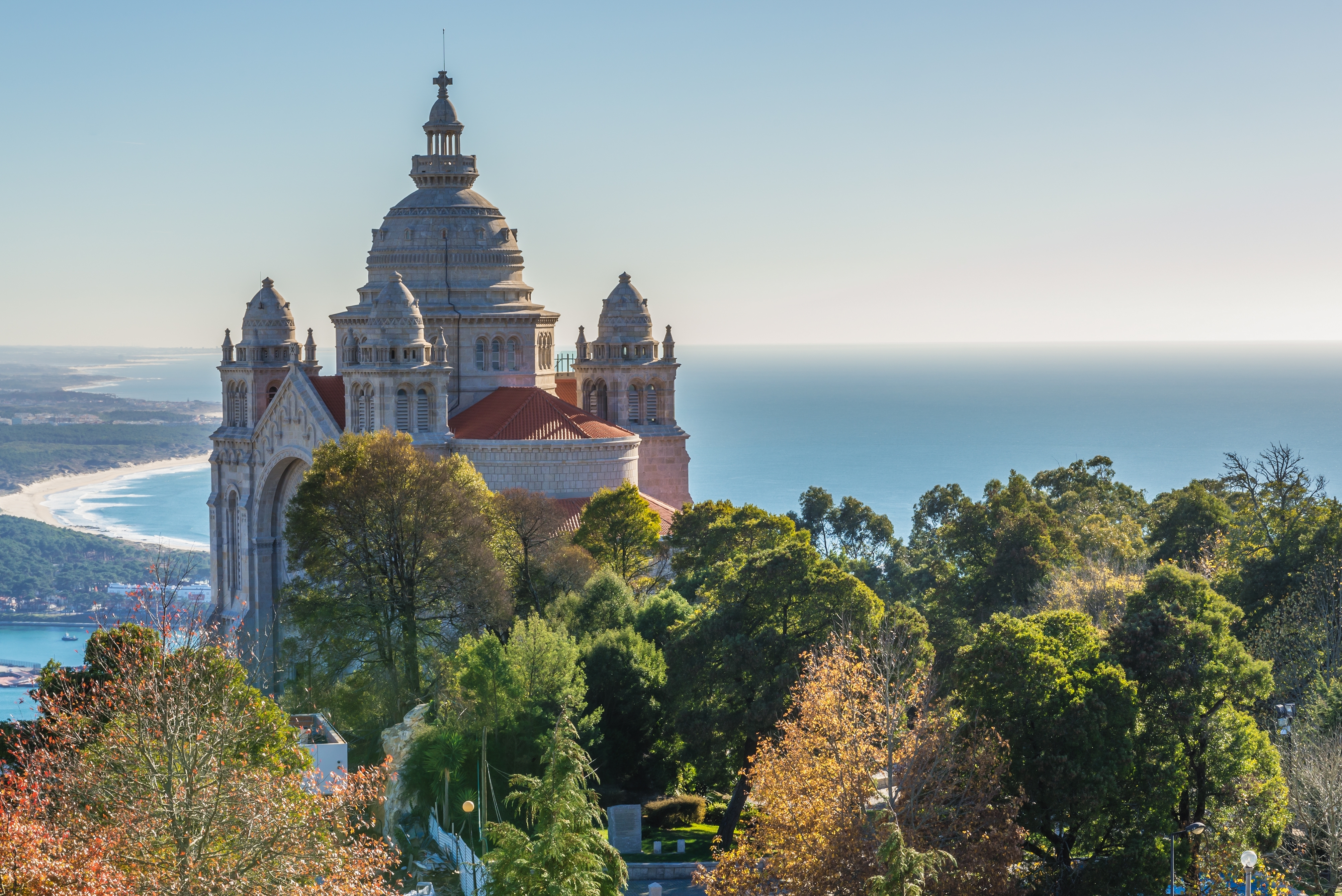
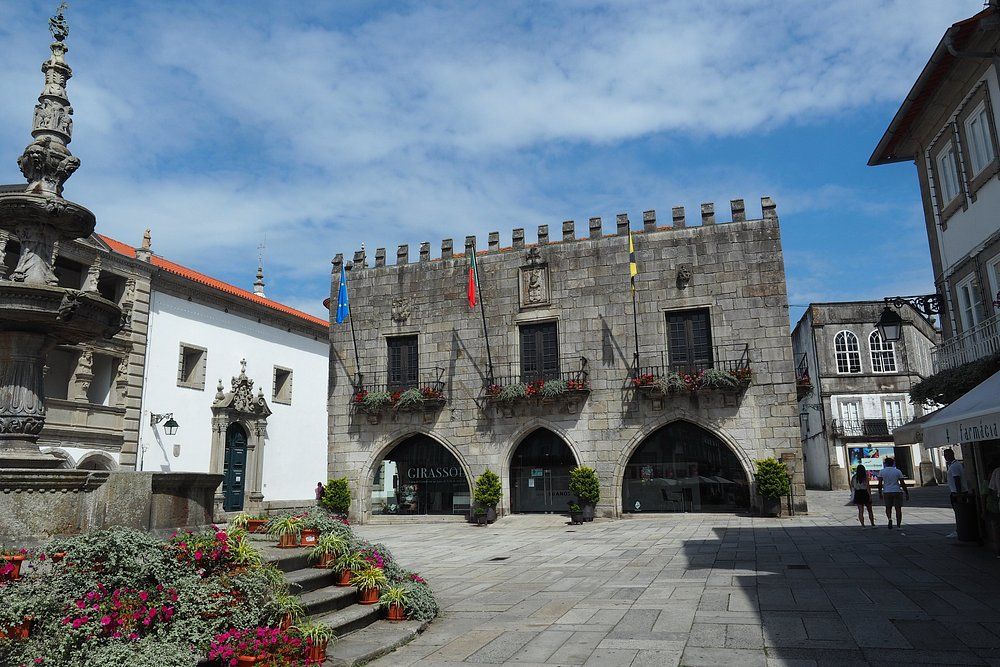
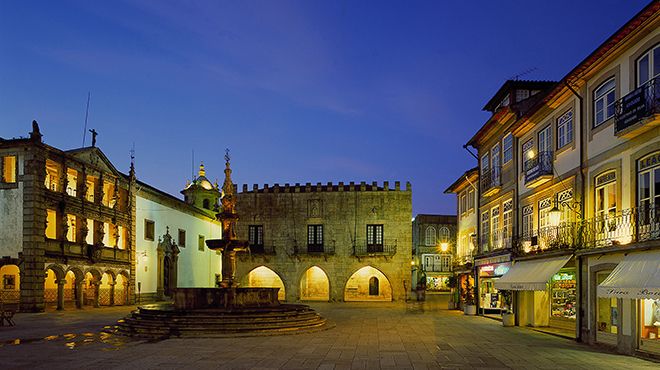
Viana do Castelo lies at the mouth of the Lima River, opening onto the Atlantic and ranking among northern Portugal’s most scenic cities. Its historic centre reflects a strong maritime identity, shaped by fishing traditions and elegant civic architecture. The hilltop Sanctuary of Santa Luzia offers sweeping views over the coastline and river estuary. The city is deeply rooted in Minho culture, traditional costumes, and vibrant popular festivals.
_20250424141603.jpg)