Norte de Portugal Complete: Porto, Douro Valley, Trás-os-Montes & Minho
Suggested Itineraries12 Giorni
Porto, Portugal
Porto›Guimaraes›Viana do Castelo›Parco nazionale di Peneda-Gerês›Braganza›Vila Nova de Foz Coa+1 Altro
Riepilogo del tour
Durata12 Giorni / 11 notti
ItinerarioPorto → Douro Valley
Tappe7 Destinazioni
Itinerario del Tour
Caricamento mappa...
Norte de Portugal Complete: Porto, Douro Valley, Trás-os-Montes & Minho — NAAR
Itinerary
Giorno 1 — Porto
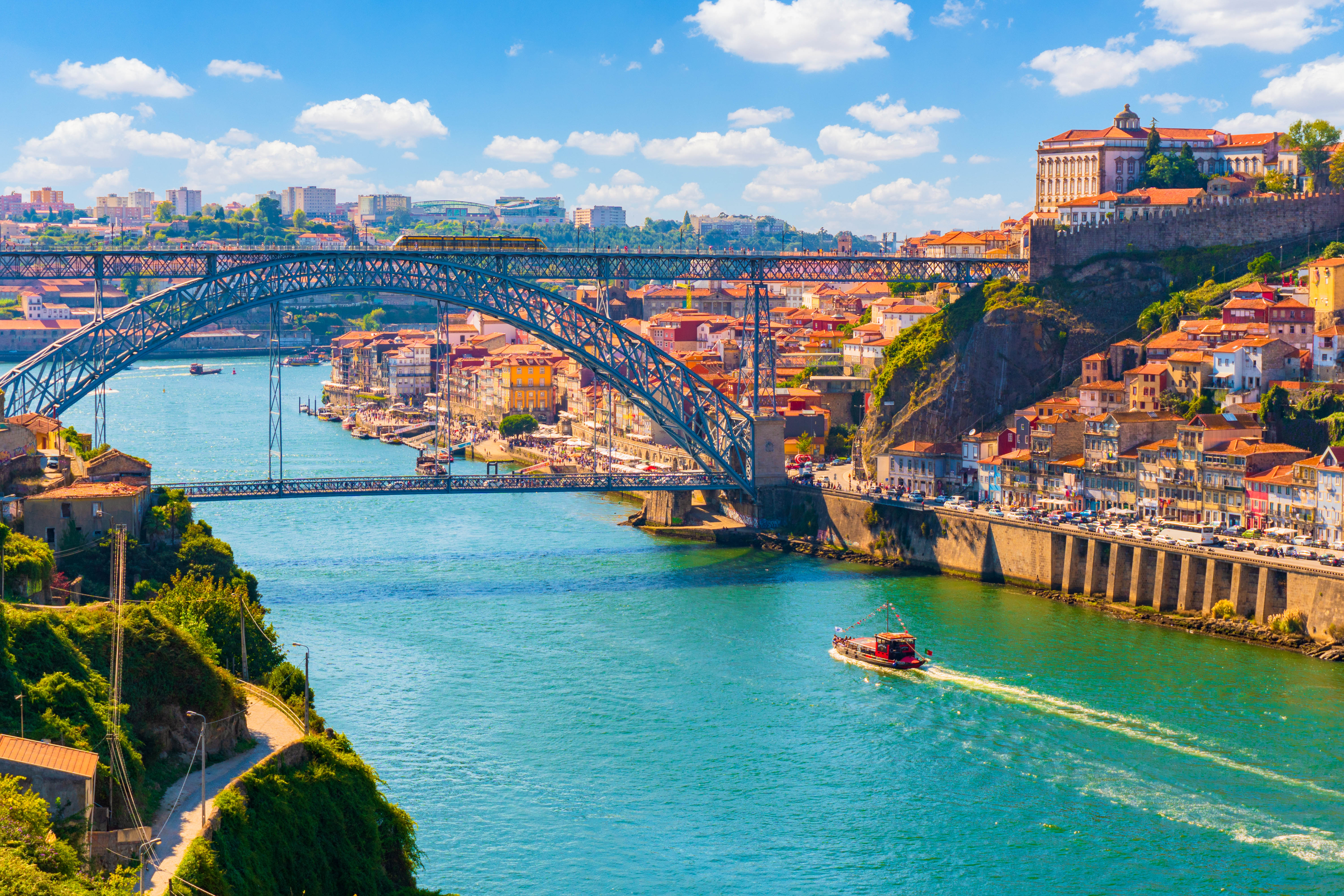
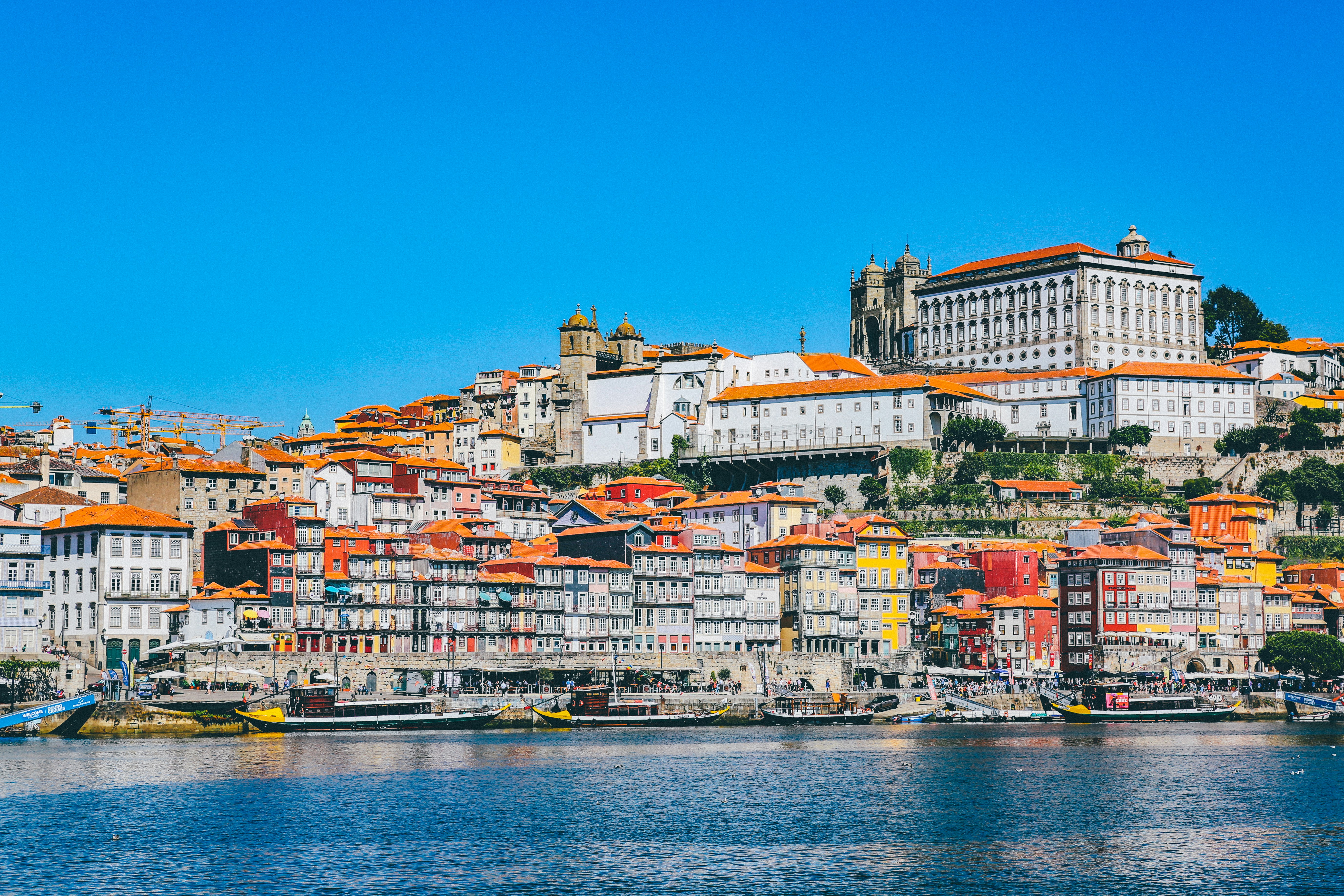
Porto is a true postcard image of Portugal, where history and modernity blend in an original way. Renowned worldwide for its wine and cultural heritage, the city offers a dynamic atmosphere that captivates every visitor. Its historic center, a UNESCO World Heritage Site, invites you to get lost in narrow streets, admire the striking azulejos, and discover iconic landmarks such as the Clérigos Tower, Porto Cathedral, and São Bento Station, known for its remarkable tile panels depicting the history of Portugal. The banks of the Douro River provide one of the city’s most emblematic landscapes, with the Ribeira district full of traditional restaurants and lively terraces overlooking the famous Port wine cellars of Vila Nova de Gaia. Crossing the Dom Luís I Bridge is an essential experience, offering spectacular panoramic views over Porto and the Douro. Porto is also a cultural and creative hub, home to notable museums and galleries such as the Serralves Foundation, Casa da Música, and the Soares dos Reis National Museum. Its vibrant gastronomy is another defining feature, with the francesinha standing out as the city’s signature dish, best enjoyed with a glass of Port wine or a craft beer. With a rich offer of events, traditional markets, and a lively nightlife, Porto perfectly combines authenticity and innovation, making it one of Europe’s most sought-after destinations for tourism and leisure.
Auto
Giorno 3 — Porto → Guimaraes
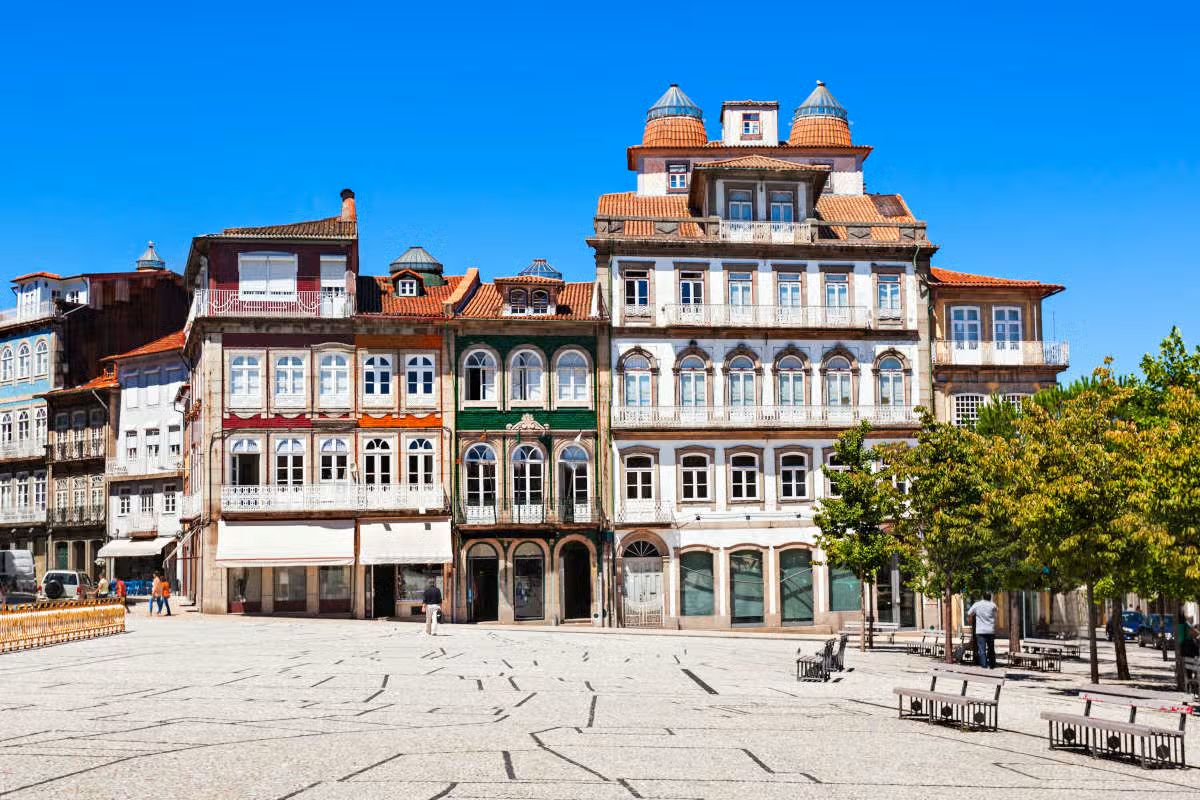
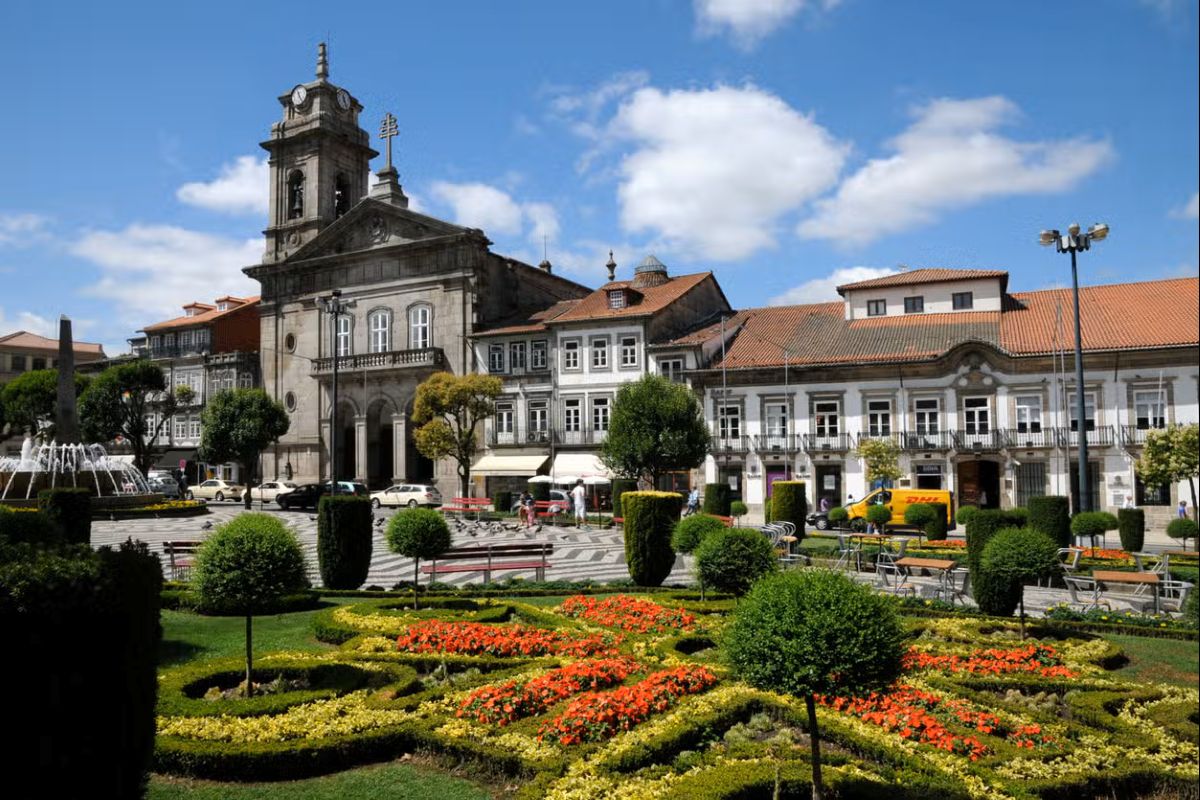
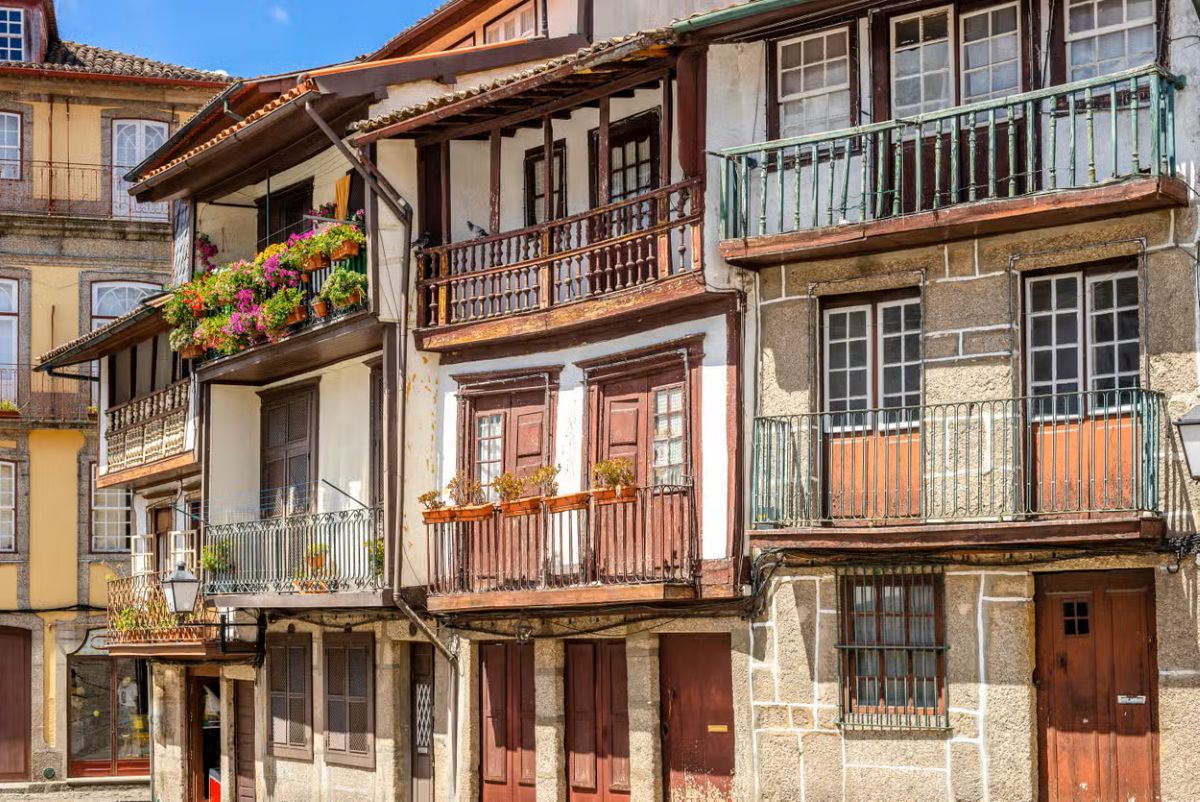
Guimarães is known as the birthplace of Portugal, closely linked to the formation of the nation’s identity. Its historic center, a UNESCO World Heritage Site, preserves the area within the old city walls with well-preserved medieval architecture. The urban fabric stands out for noble houses, arches, and granite streets that reflect centuries of history in a compact and harmonious setting. At its core lies Largo da Oliveira, featuring the Collegiate Church of Nossa Senhora da Oliveira and the Padrão do Salado, while nearby squares such as Praça de Santiago retain the atmosphere of an old pilgrimage route. Heading up toward the castle, visitors encounter the Palace of the Dukes of Braganza, the Chapel of São Miguel, and the 10th-century Guimarães Castle, a symbol of Portugal’s foundation.
.
Auto
Giorno 4 — Guimaraes → Viana do Castelo
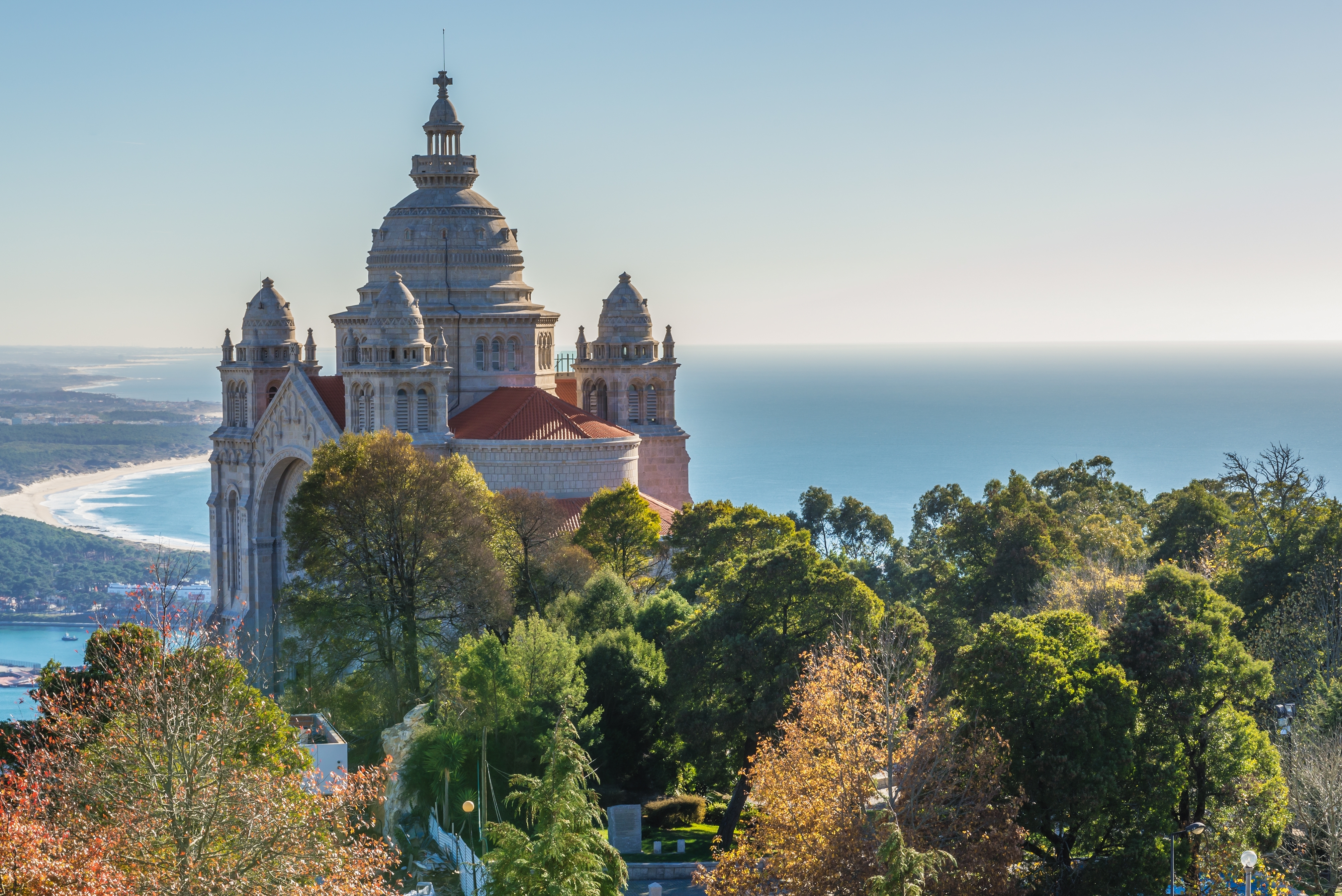
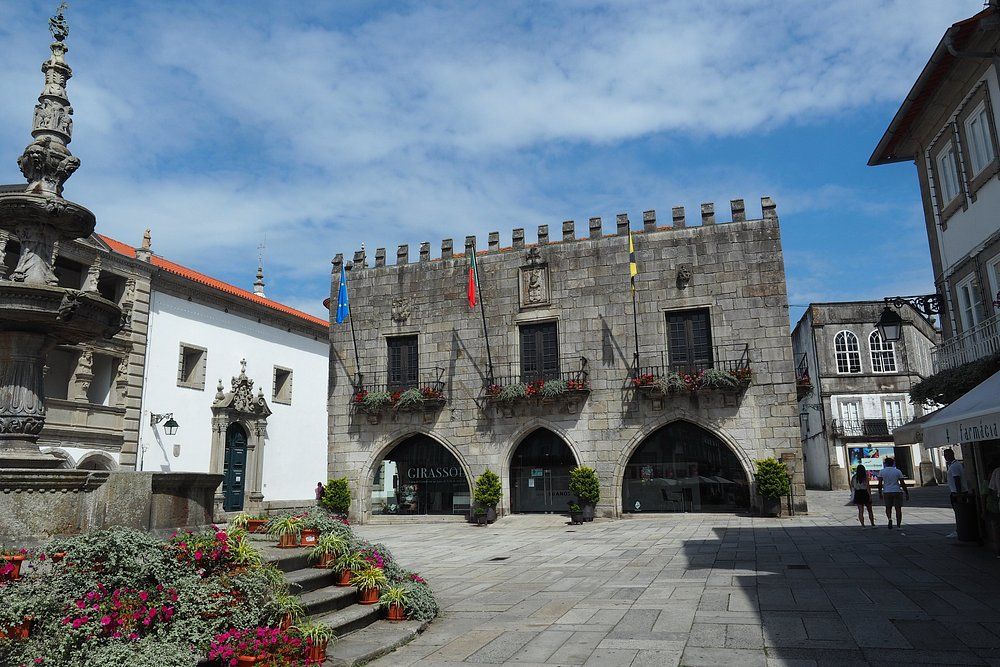
Viana do Castelo lies at the mouth of the Lima River, opening onto the Atlantic and ranking among northern Portugal’s most scenic cities. Its historic centre reflects a strong maritime identity, shaped by fishing traditions and elegant civic architecture. The hilltop Sanctuary of Santa Luzia offers sweeping views over the coastline and river estuary. The city is deeply rooted in Minho culture, traditional costumes, and vibrant popular festivals.
Auto
Giorno 5 — Viana do Castelo → Parco nazionale di Peneda-Gerês
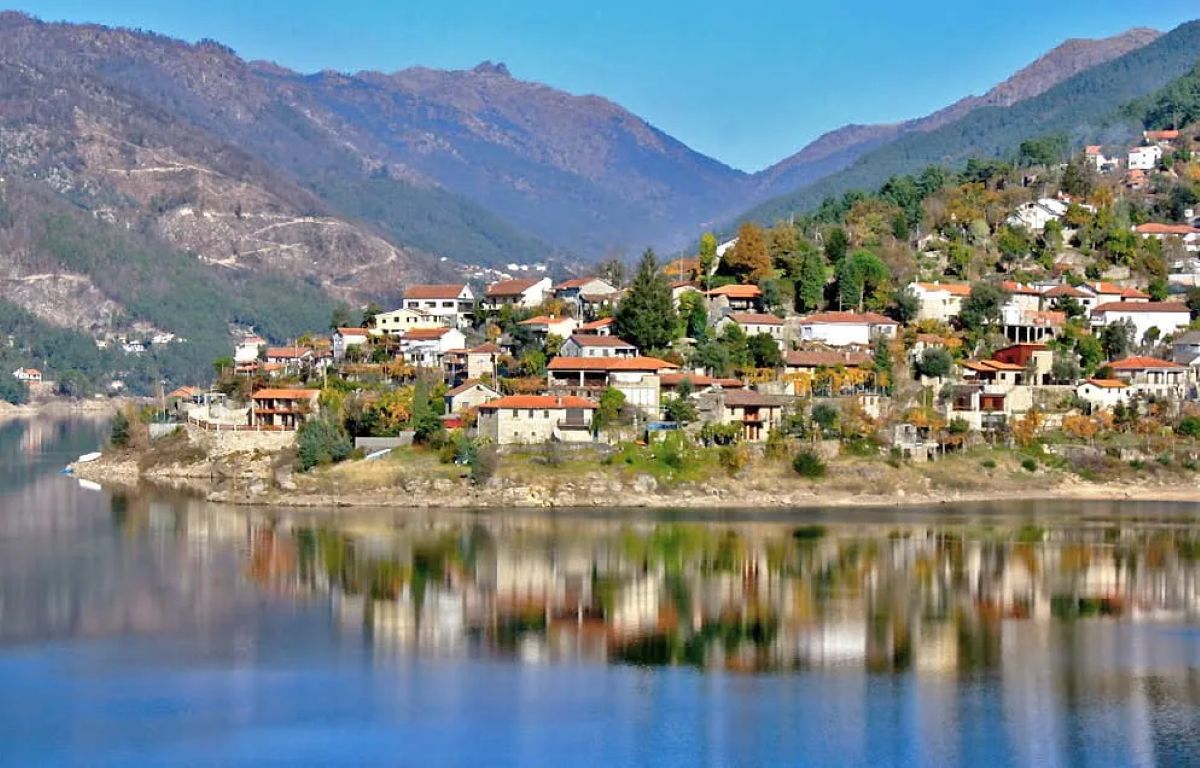
Peneda-Gerês National Park, between Alto Minho and Trás-os-Montes in northern Portugal, is the country’s only national park, established in 1971. It covers around 703 km² across the granite massifs of Peneda, Soajo, Amarela, and Gerês, with deep valleys, oak and pine forests, and more than one hundred stone villages where traditional rural life is still present. In community settlements such as Pitões das Júnias and Tourém, ancient practices linked to mountain living and seasonal transhumance between “brandas” and “inverneiras” remain visible. The landscape combines rivers, waterfalls, and reservoirs such as Caniçada, and is home to garrano horses, deer, and the Iberian wolf. Historic paths, including the Roman Geira road, and hiking trails cross a territory where nature and culture are deeply intertwined. Activities range from trekking to kayaking and canyoning in suitable areas of the Serra do Gerês. It is advisable to always check in advance access conditions, guided visits, and updated information through official park entry points and sources.
Auto
Giorno 6 — Parco nazionale di Peneda-Gerês → Braganza
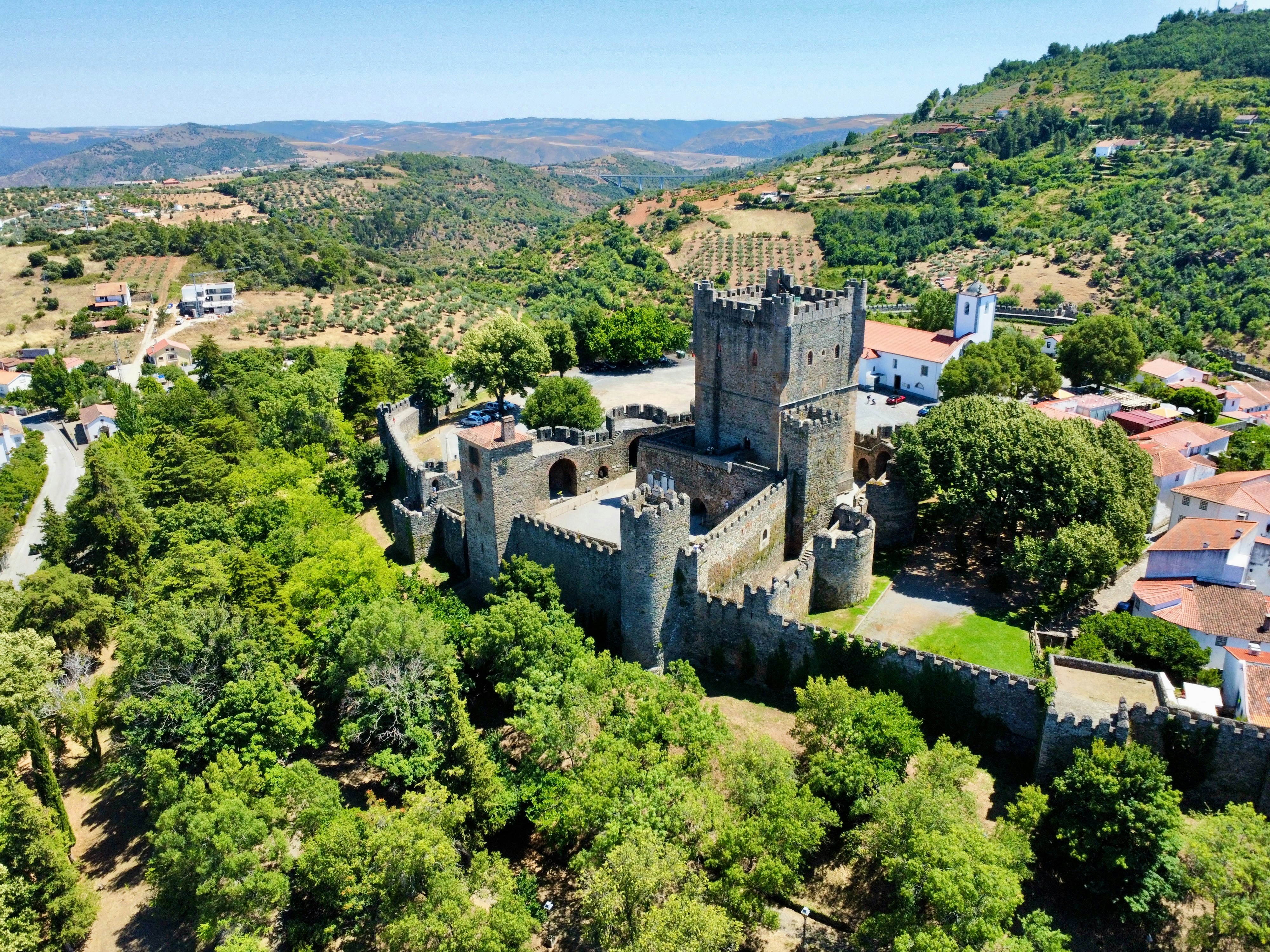
Bragança lies in the far northeast of Portugal and preserves a medieval historic center dominated by its castle and the Domus Municipalis, a rare example of civic Romanesque architecture. Its origins date back to the 12th century, later giving rise to the powerful House of Bragança, which became Portugal’s royal dynasty in 1640. Once an episcopal and noble center, its legacy is visible in churches, museums, and the nearby Montesinho Natural Park.
Auto
Giorno 8 — Braganza → Vila Nova de Foz Coa
Vila Nova de Foz Côa lies on the “terra quente” plateau in the Upper Douro and is famous for the Côa Valley rock engravings, a UNESCO site since 1998. The Paleolithic figures carved into the cliffs show ancient human presence. Sites such as Canada do Inferno and Penascosa can only be visited with the Côa Valley Archaeological Park, through guided tours by reservation. The Côa Museum complements the visit with exhibitions and valley views. It is advisable to check in advance opening times and access conditions.
Auto
Giorno 9 — Vila Nova de Foz Coa → Douro Valley
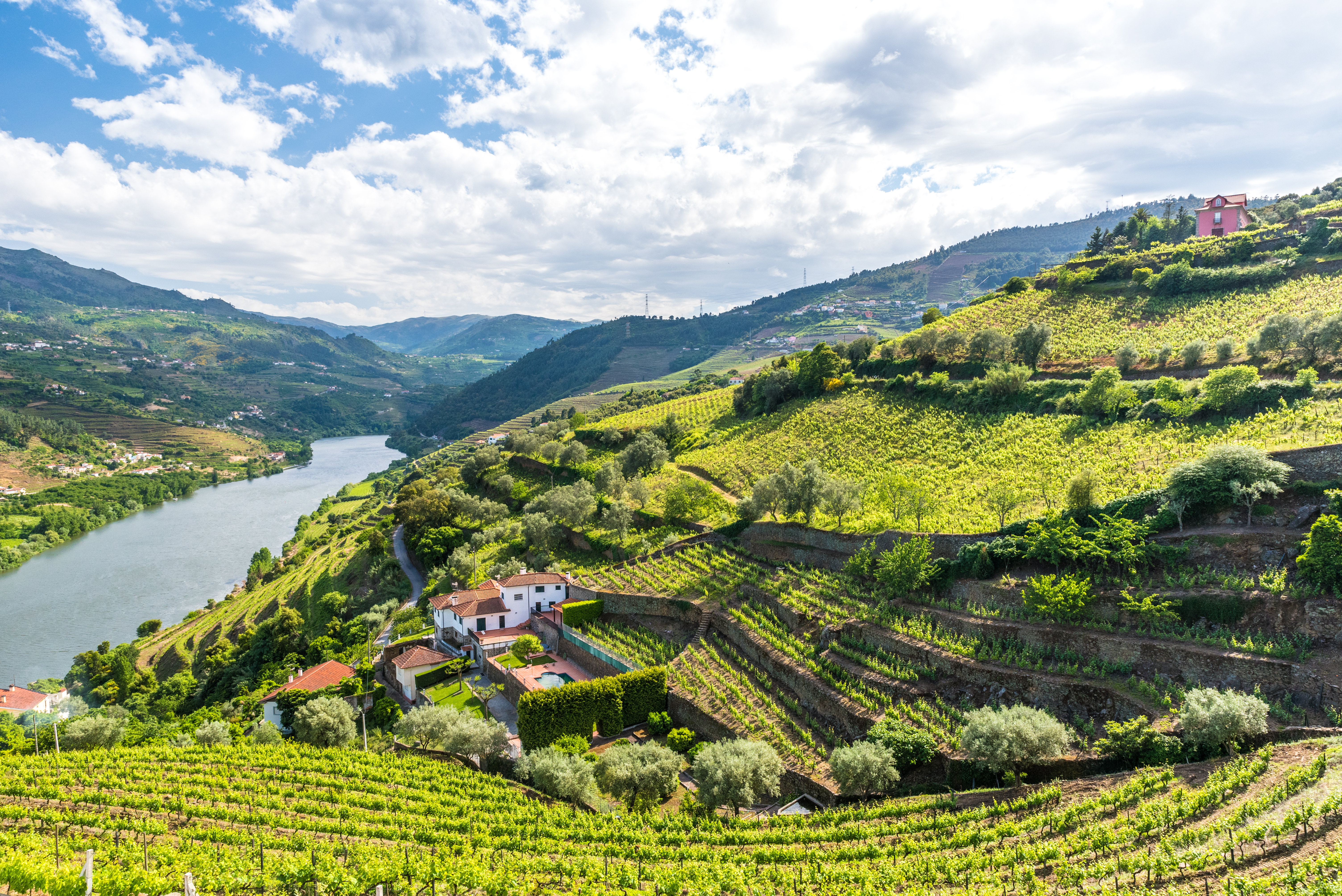
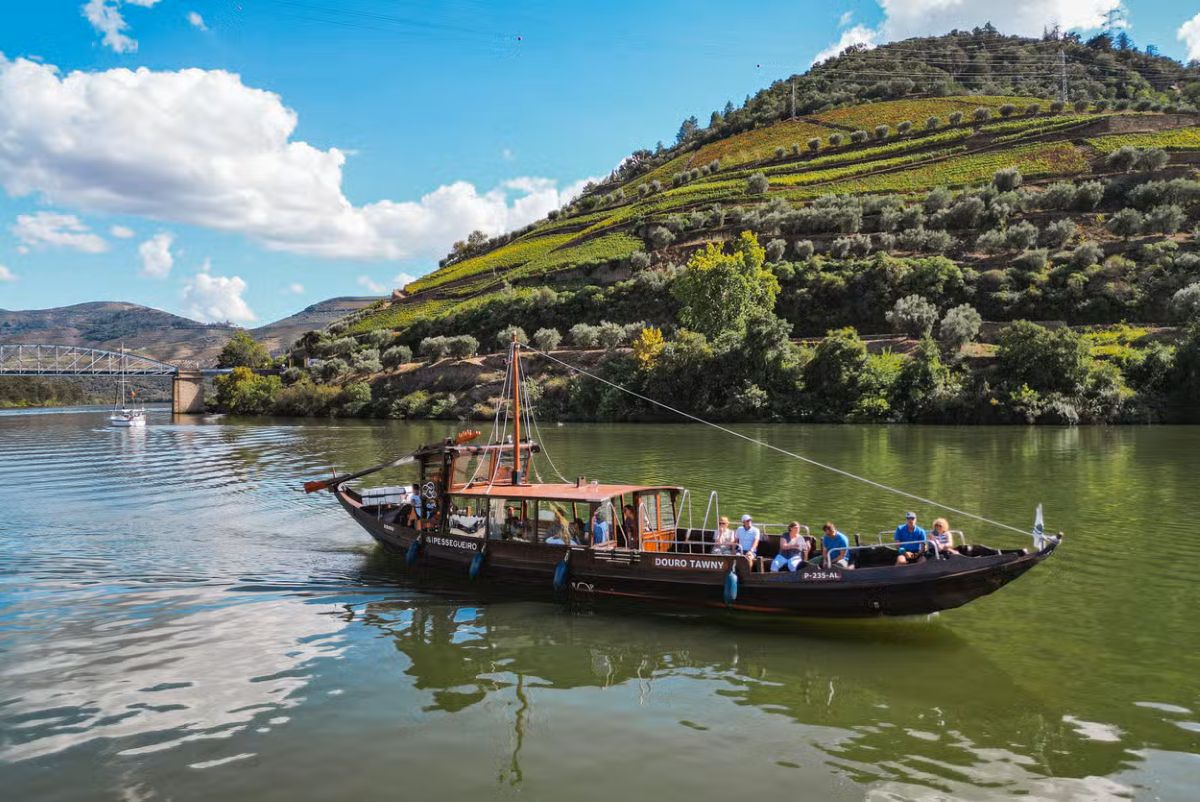
The Douro Valley is one of Portugal’s most iconic landscapes, where the river carves a natural corridor between terraced vineyards, steep hills, and historic villages. A UNESCO World Heritage Site, it is also one of the world’s oldest wine regions, renowned for Port wine and Douro wines. Shaped over centuries by nature and human work, the landscape extends along the river from Porto to the eastern border with Spain.
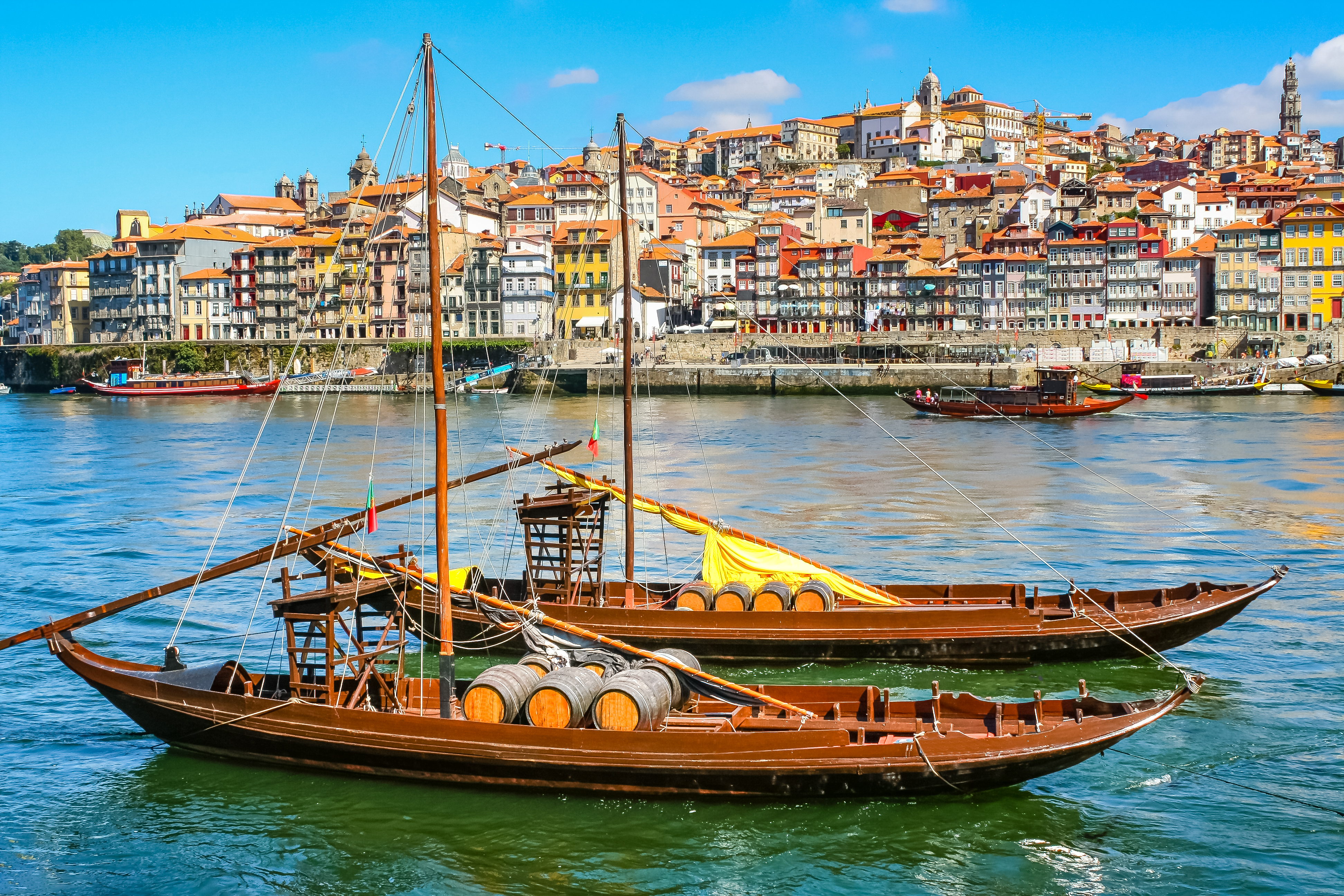
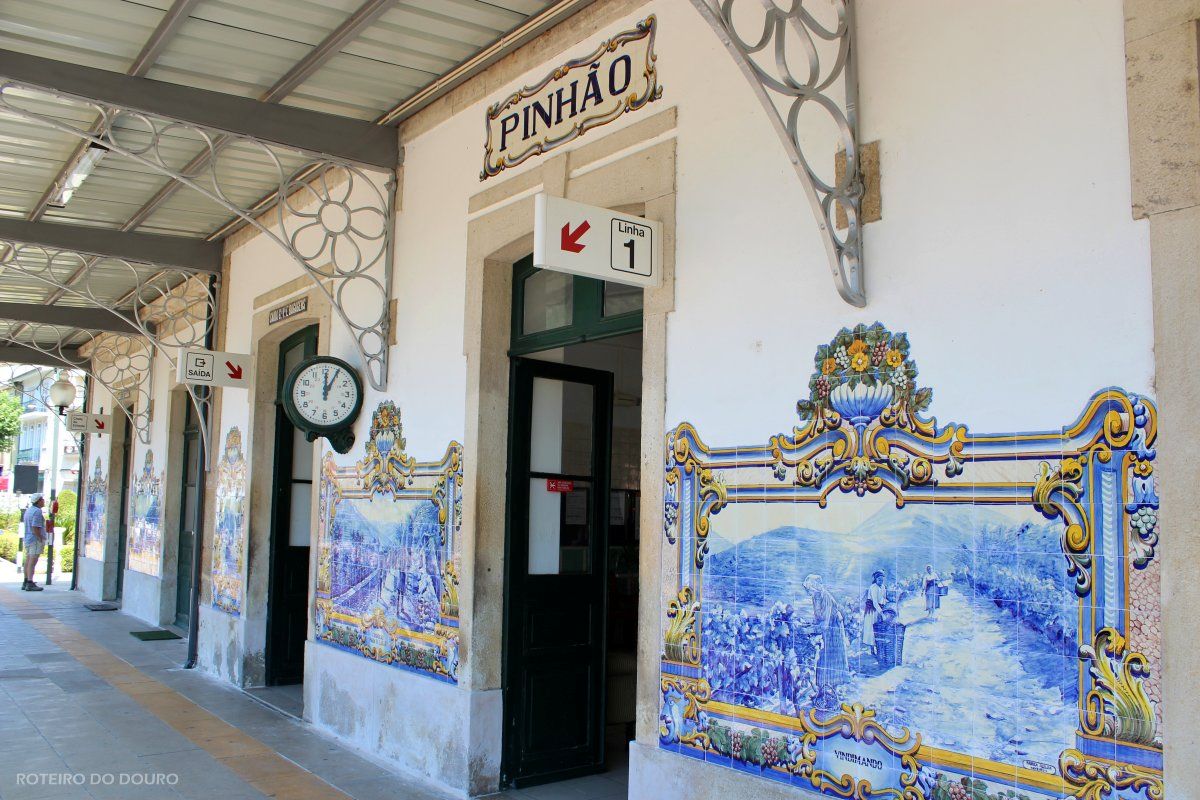
The journey often begins in Vila Nova de Gaia, home to historic Port wine cellars and the traditional navigations of the barcos rabelos, once used to transport wine barrels along the river. Upstream, towns such as Peso da Régua, a key wine centre, and Pinhão, known for its azulejo-covered railway station, define the heart of the region. Scenic routes like the EN222 road and the Douro railway line offer continuous views over vineyards and river bends.
Notable viewpoints such as São Leonardo da Galafura, Casal de Loivos, and São Salvador do Mundo provide sweeping panoramas over the river gorges. Further east, toward Barca d’Alva, the landscape becomes wilder as it enters the Douro International Natural Park, a protected border area marked by cliffs and rich biodiversity.
Douro culture is deeply connected to viticulture and historic quintas, where wine production and rural traditions continue. The gastronomy is simple and authentic, based on local ingredients and regional recipes that accompany the area’s wines. River cruises, scenic trains, and vineyard routes allow visitors to experience the valley from multiple perspectives. It is advisable to check official sources for train and navigation timetables and frequencies, as well as cellar opening times.
_20250424140856.jpg)