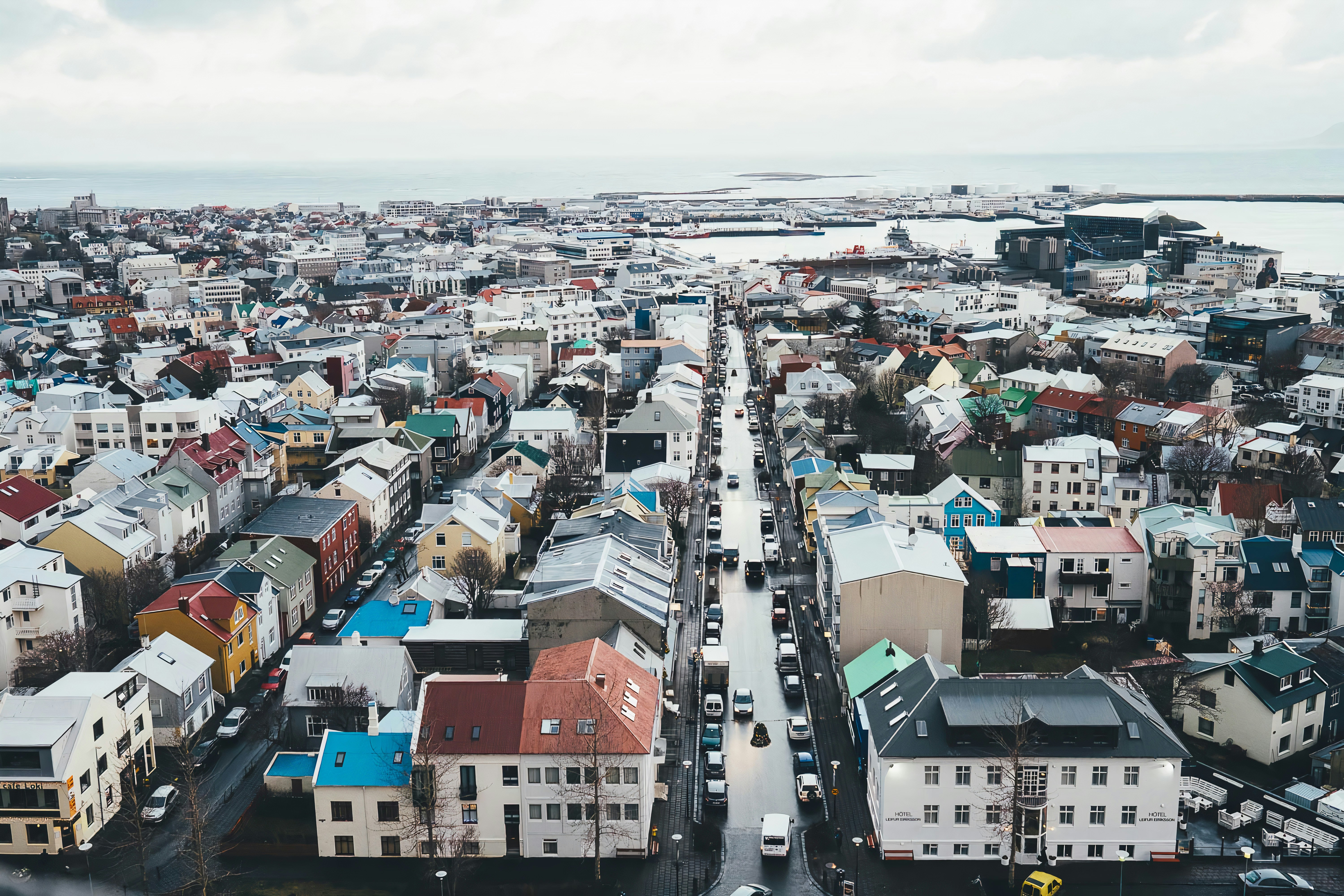
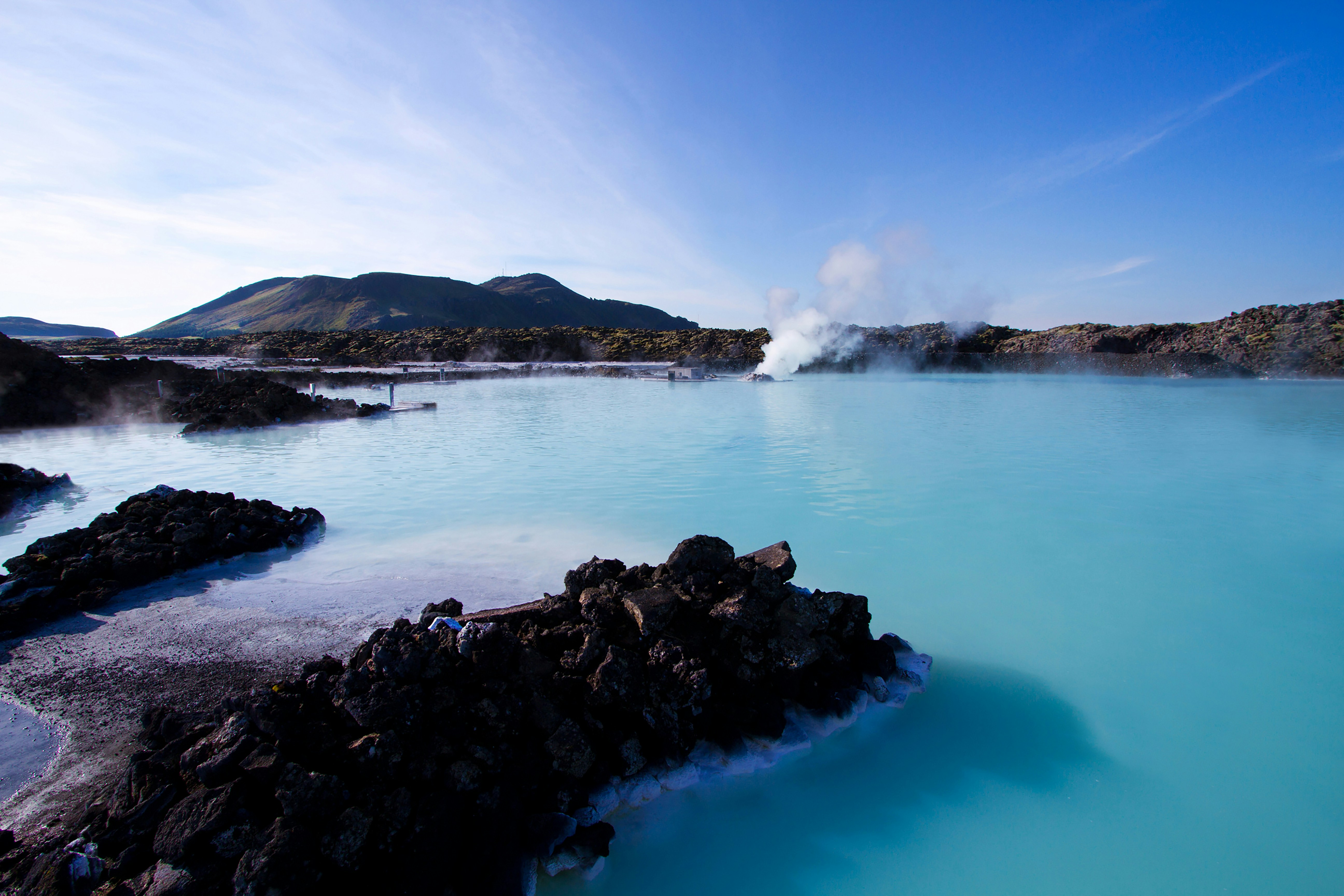
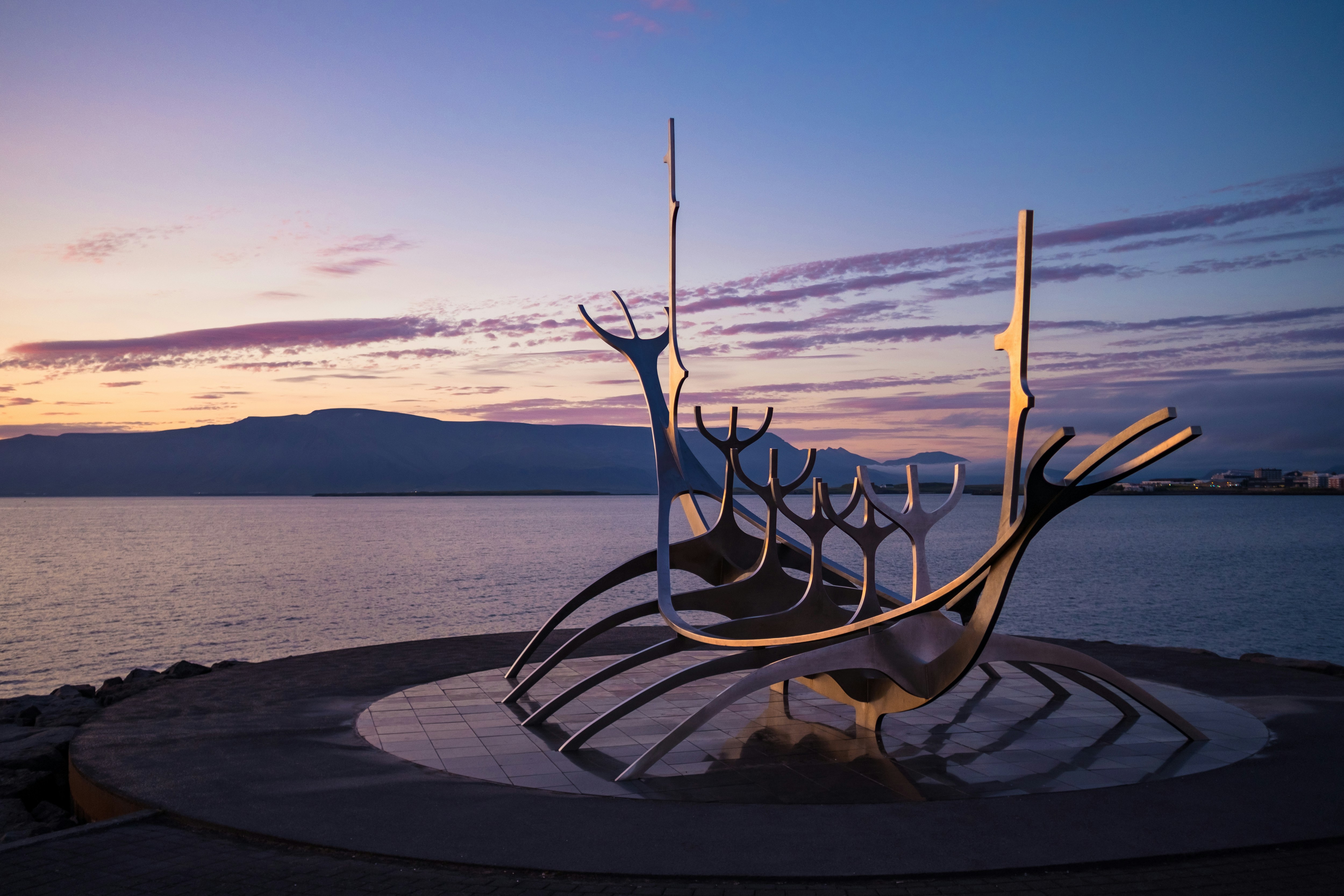
Reykjavík is the world''s northernmost capital, a compact and colourful city spread between Faxaflói Bay and the snow-streaked profile of Mount Esja. The heart of city life beats along Laugavegur, the main shopping street, and through the lanes of the Old Town, where houses clad in corrugated iron painted red, yellow and turquoise crowd around Lake Tjörnin, alive with waterbirds. The skyline is dominated by Hallgrímskirkja, the Lutheran church with expressionist lines inspired by basalt columns, whose tower offers sweeping views over rooftops, sea and mountains. On the waterfront the Harpa concert hall and conference centre glitters behind a honeycomb glass façade that catches the northern light, while a little further on the Sólfar sculpture (the “Sun Voyager”) traces its steel skeleton against the fjord. Culture carries a weight out of all proportion to the city''s size: the National Museum of Iceland tells eleven centuries of history from the Vikings onward, the Reykjavík Art Museum and the studio-house of sculptor Einar Jónsson round out the picture, while live-music venues and famous cafés come alive on summer evenings, when the sun never sets. Reykjavík also runs on warm geothermal water: open-air pools such as Laugardalslaug are social institutions, and the geothermal beach at Nauthólsvík allows bathing even in winter. The city is the ideal base for the Golden Circle — Þingvellir, Geysir and the Gullfoss waterfall — and for trips in search of the northern lights or whales out in the bay. Between Nordic design, a cuisine that reinvents fish, lamb and foraged ingredients, and an outsized creative energy, Reykjavík is a vibrant gateway to the whole of Iceland.
Auto
Giorno 3 — Reykjavík → Selfoss
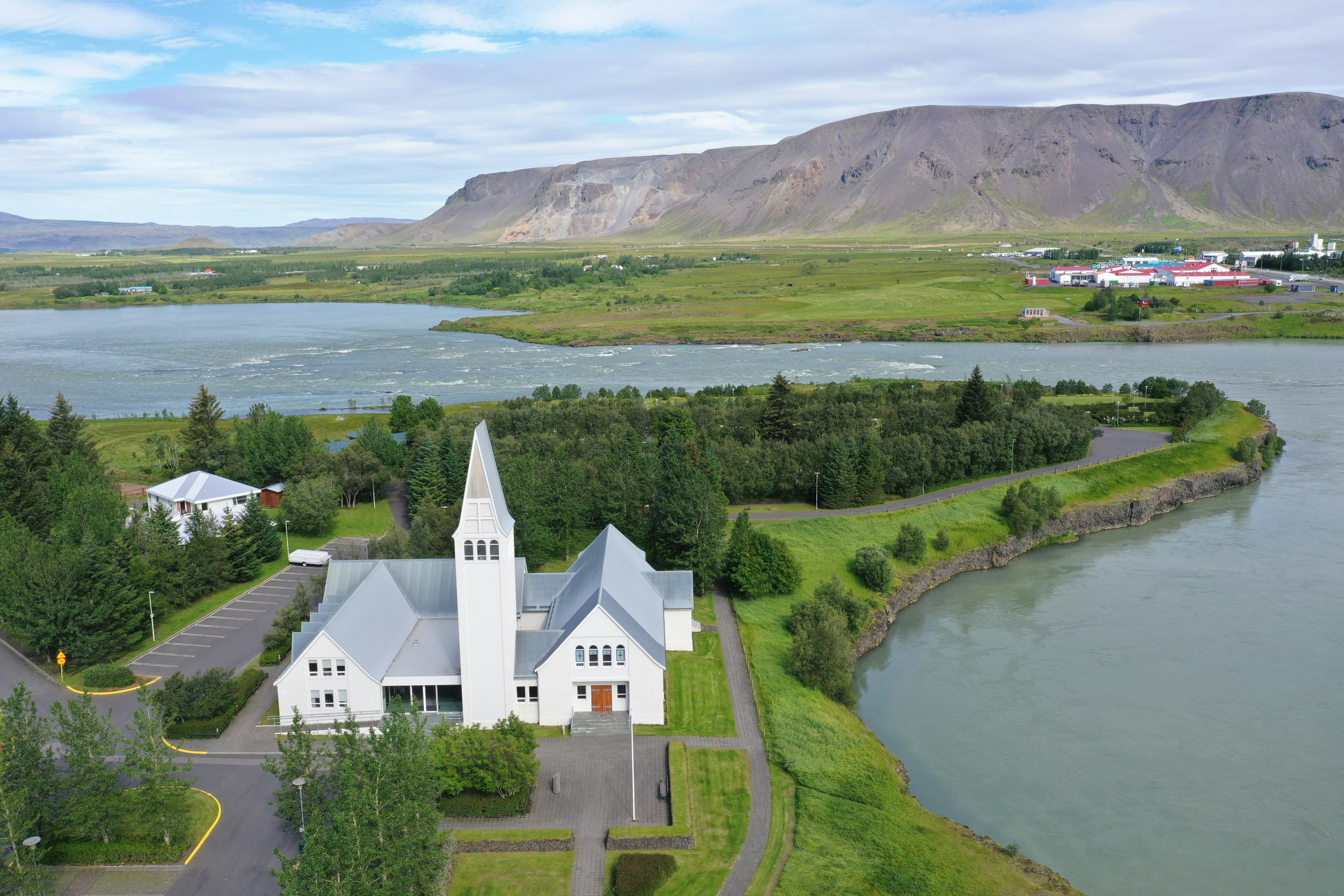
The main town of southern Iceland, Selfoss spreads along the banks of the Ölfusá river, crossed by a suspension bridge that has long been the town''s emblem. Grown as an agricultural and trading hub, it is today a convenient base for travellers driving Route 1 and the Golden Circle. The town centre, redeveloped around a square of buildings with façades rebuilt in traditional style, is home to cafés and shops, while all around stretch fertile plains dotted with farms and Icelandic horses. From here the Seljalandsfoss and Skógafoss waterfalls, the Geysir geothermal area and Þingvellir park are all within easy reach. Selfoss is a practical, peaceful base for exploring some of the country''s most famous natural wonders.
Auto
Giorno 6 — Suðurland → Vík í Mýrdal
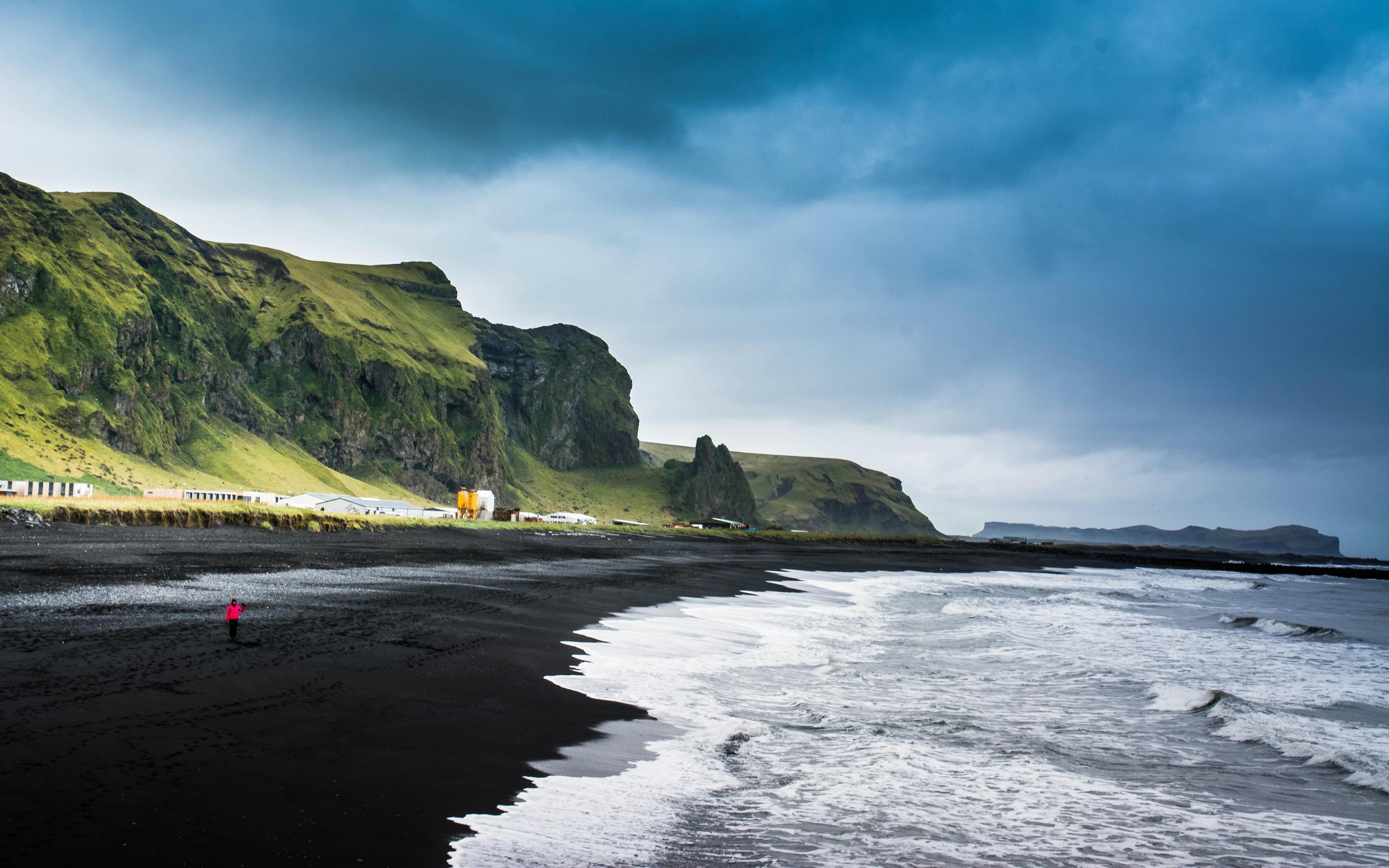
Vík í Mýrdal is Iceland''s southernmost village, gathered between steep green cliffs and the Atlantic Ocean, in the shadow of the subglacial volcano Katla. The little white church with its red roof, perched on the hilltop, is the village''s postcard image. A few steps separate the settlement from the famous black-sand beach of Reynisfjara, where the basalt columns of the Hálsanefshellir cave and the Reynisdrangar sea stacks rise from the waves — a beautiful but dangerous shore, to be admired from a distance because of its sneaker waves. Vík is an ideal base for exploring the south coast: the Skógafoss and Seljalandsfoss waterfalls, the Dyrhólaey headland with its rock arch, and the puffin colonies. Suspended between glacier, volcano and ocean, it is one of the country''s most striking places.