Giorno 7 — Puerto Varas
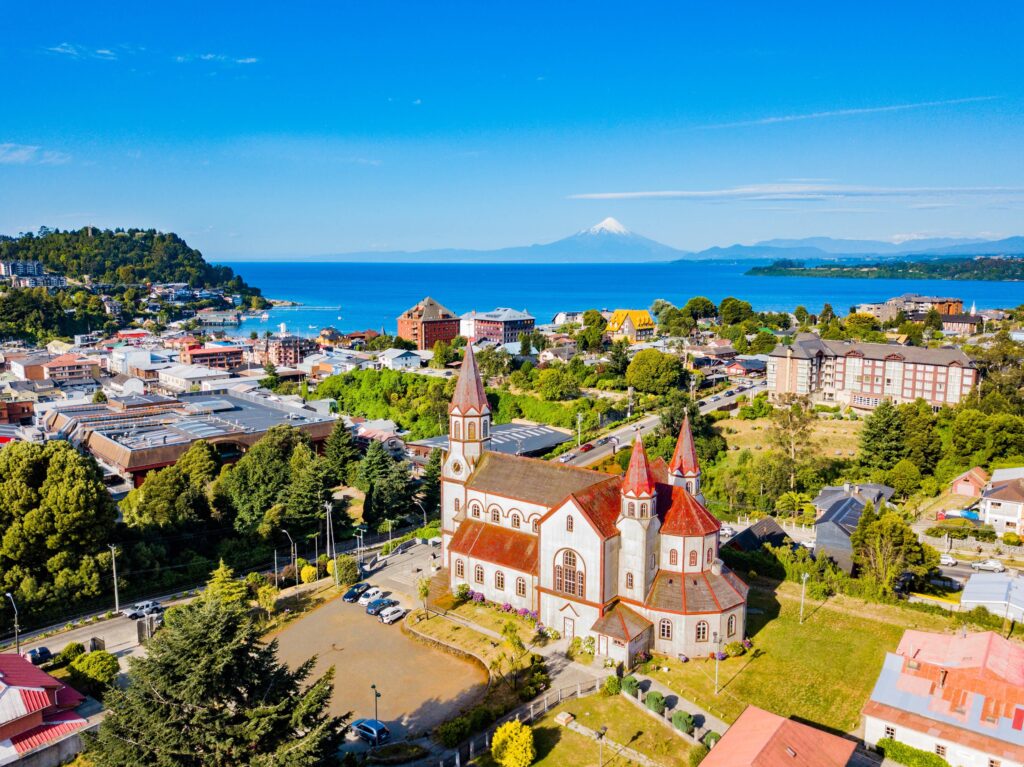
Breakfast, full day tour of Isola di Chiloé, The Isla Grande de Chiloé is the largest island in South America. Divided by the gentle hills of the Coastal Range, the eastern and western coasts of Chiloé are two separate worlds. To the west, there are stretches of beaches, dunes, and temperate rainforests; to the east, there are the fragmented islands of the Chiloé Archipelago, protected from the storms of the Pacific, intensely cultivated, and home to fishermen, farmers, and artisans. Isolated from the increasingly prosperous colony of central Chile by vast territories of impenetrable forests and hostile indigenous people, the first settlers of Chiloé depended entirely on the Viceroyalty of Lima for their subsistence. Once a year, they were visited by a ship that provided them with scarce and expensive items and supplies, which they sold for a pittance. Over the course of two centuries, the Spanish population mixed with the indigenous people, learning to make the most of the scarce natural resources, while the Jesuits built schools and elegant wooden churches, now protected as national monuments. A rich mythology of elves, sea monsters, and ghost ships is another peculiar characteristic of the island. Today, Chiloé combines wild nature with peasant and maritime culture and is famous for its fish, woolen crafts, and the warmth of its people. Fishing, hiking, cycling, and birdwatching are among the most popular activities. The town of Castro, with its fleet of yellow fishing boats and houses on stilts to survive the tides, is easily accessible and offers good tourist services., typical lunch, return to Puerto Varas, Pernottamento a Puerto Varas,