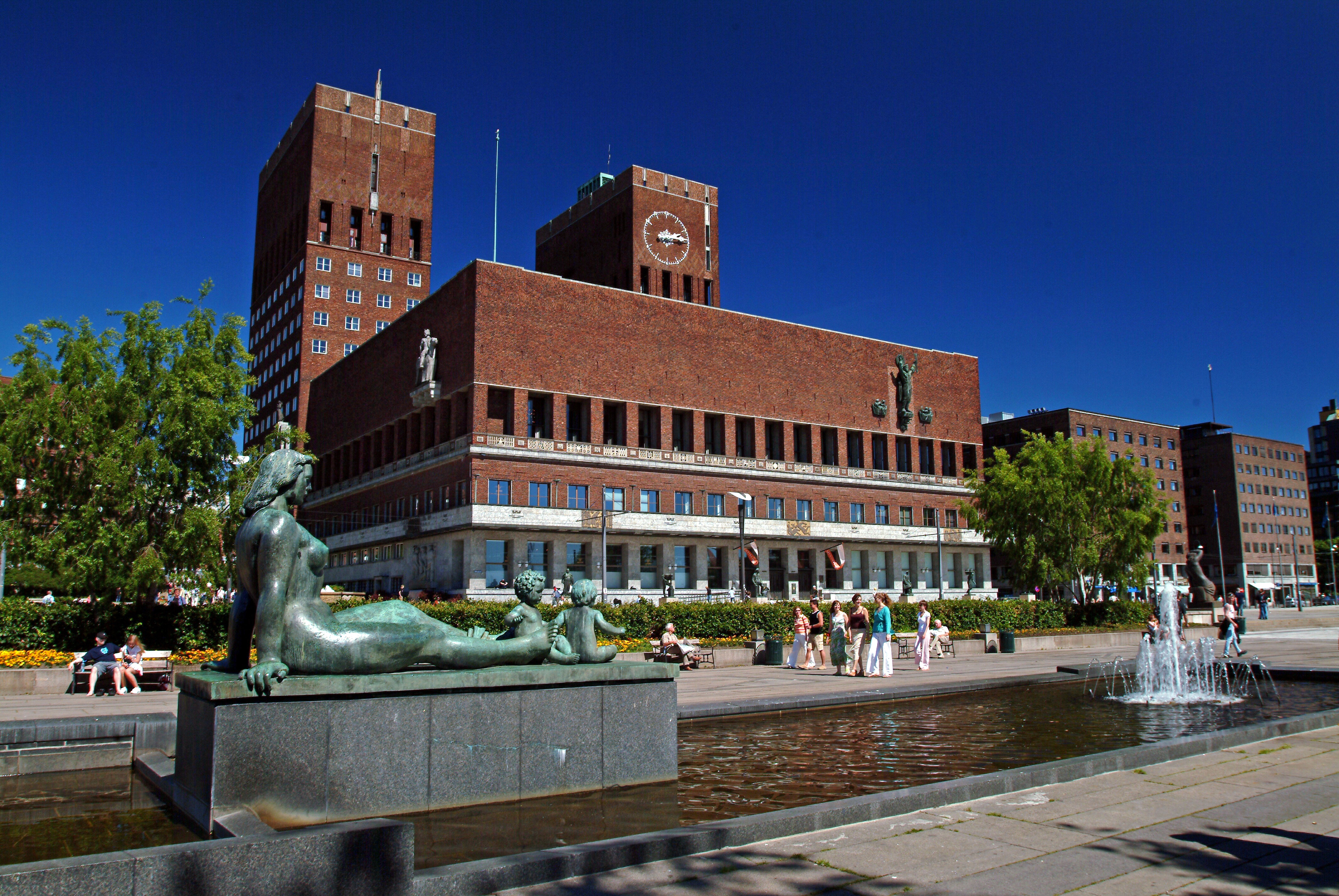
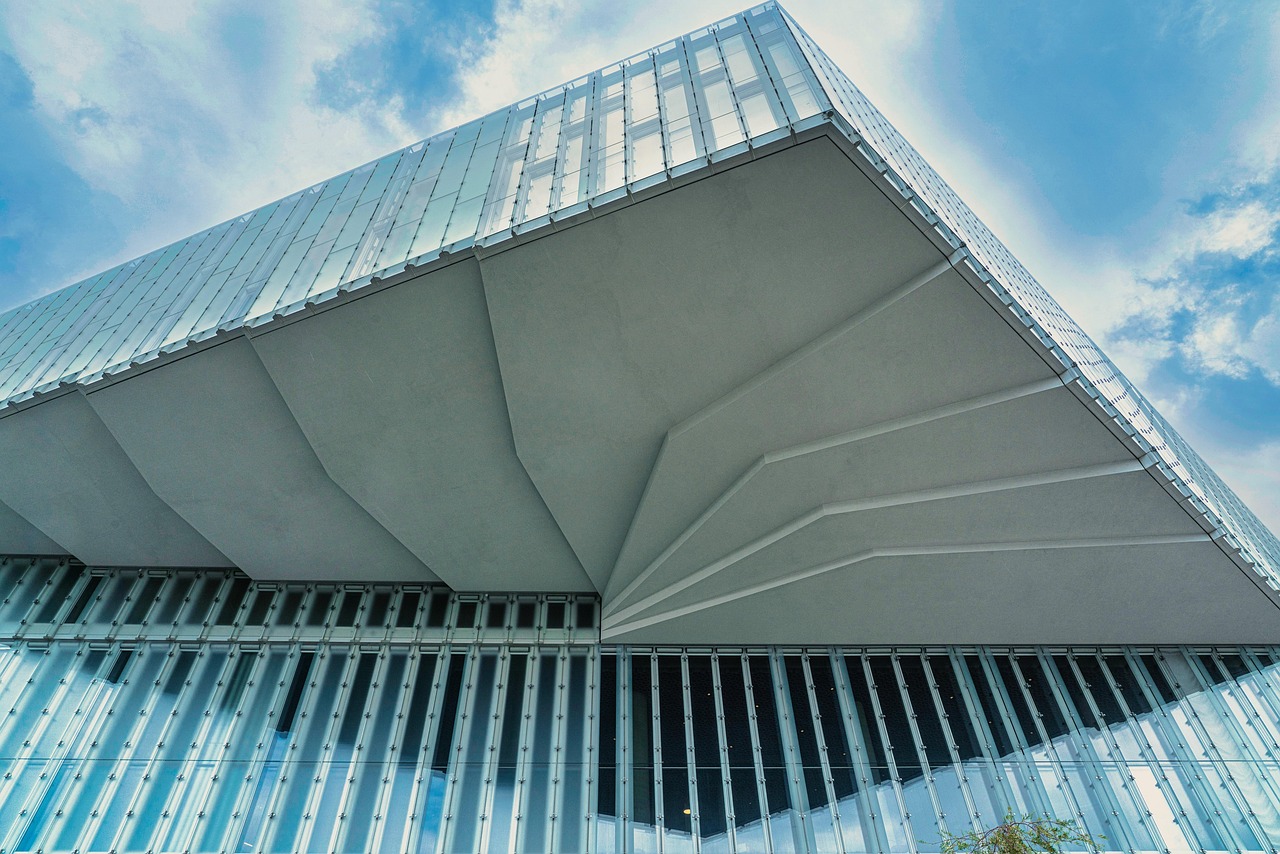
Oslo lies at the head of a fjord scattered with islands, framed by wooded hills and glittering water, and is the capital of Norway: an elegant, walkable city where Scandinavian design, culture and nature live in perfect balance. Its historic heart is Karl Johans gate, the pedestrian avenue running from the central station to the Royal Palace (Slottet), flanked by the National Theatre and the University. Nearby stands Akershus Fortress (Akershus festning), the medieval castle overlooking the harbour and recalling eight centuries of history. The reborn waterfront has turned the Aker Brygge district and the modern Tjuvholmen peninsula into a string of restaurants, galleries and seafront promenades. Here too rises the celebrated Opera House (Operahuset), whose sloping white marble roof descends to the water like an iceberg you can walk up. Oslo is a remarkable capital of museums: the Munchmuseet holds the works of Edvard Munch, creator of "The Scream", while a ferry to the Bygdøy peninsula reaches the Viking Ship Museum, the Fram Museum (the polar expedition ship) and the Kon-Tiki Museum. Not to be missed is Vigelandsparken, the park gathering hundreds of sculptures by Gustav Vigeland. For nature lovers, the Holmenkollen hill offers its famous ski jump and sweeping fjord views, while the forests of Nordmarka invite hiking and cross-country skiing just minutes from the centre. In summer, boats reach the fjord islands for days of sun and swimming, while the food scene blends fresh seafood, covered markets such as Mathallen and a lively coffee culture. Between fjord and forest, Oslo is best savoured slowly, letting the constant dialogue between city and nature surprise you.
Auto
Giorno 3 — Oslo → Lillehammer
Lillehammer stretches along the northern shores of Lake Mjøsa, Norway’s largest lake, where wooded valleys and gentle slopes form a scene of alpine calm. The town owes its worldwide fame to the 1994 Winter Olympic Games, which left it sporting facilities still in use today and the lively spirit of a snow-sports capital. Its beating heart is Storgata, the cheerful pedestrian street dotted with cafes, shops and colourful wooden houses, while nearby the Maihaugen open-air museum gathers more than a hundred historic buildings that recreate Norwegian rural life of the past. In winter the slopes and ski jumps draw skiers and enthusiasts, while in the warmer months the lake and surrounding forests invite hikes and days out in the open air. Lillehammer brings together sport, tradition and nature in a single destination of genuine charm.
Auto
Giorno 4 — Lillehammer → Ålesund
Ålesund unfolds across an archipelago of islands facing the ocean, celebrated as Norway's most beautiful Art Nouveau town. Rebuilt after the fire of 1904 in refined Jugendstil style, it boasts turrets, floral ornaments and colourful façades mirrored in the harbour's canals. From the Aksla viewpoint, reached by climbing 418 steps or by car, the eye sweeps over elegant rooftops, the surrounding islands and the Sunnmøre Alps on the horizon. The town is also the gateway to the majestic Geirangerfjord, a UNESCO World Heritage Site with its plunging waterfalls, and a departure point for open-sea excursions. Between distinctive architecture, the flavours of the freshest seafood and grand scenery, Ålesund charms with its sophisticated maritime allure.
Auto
Giorno 5 — Ålesund → Sogndal
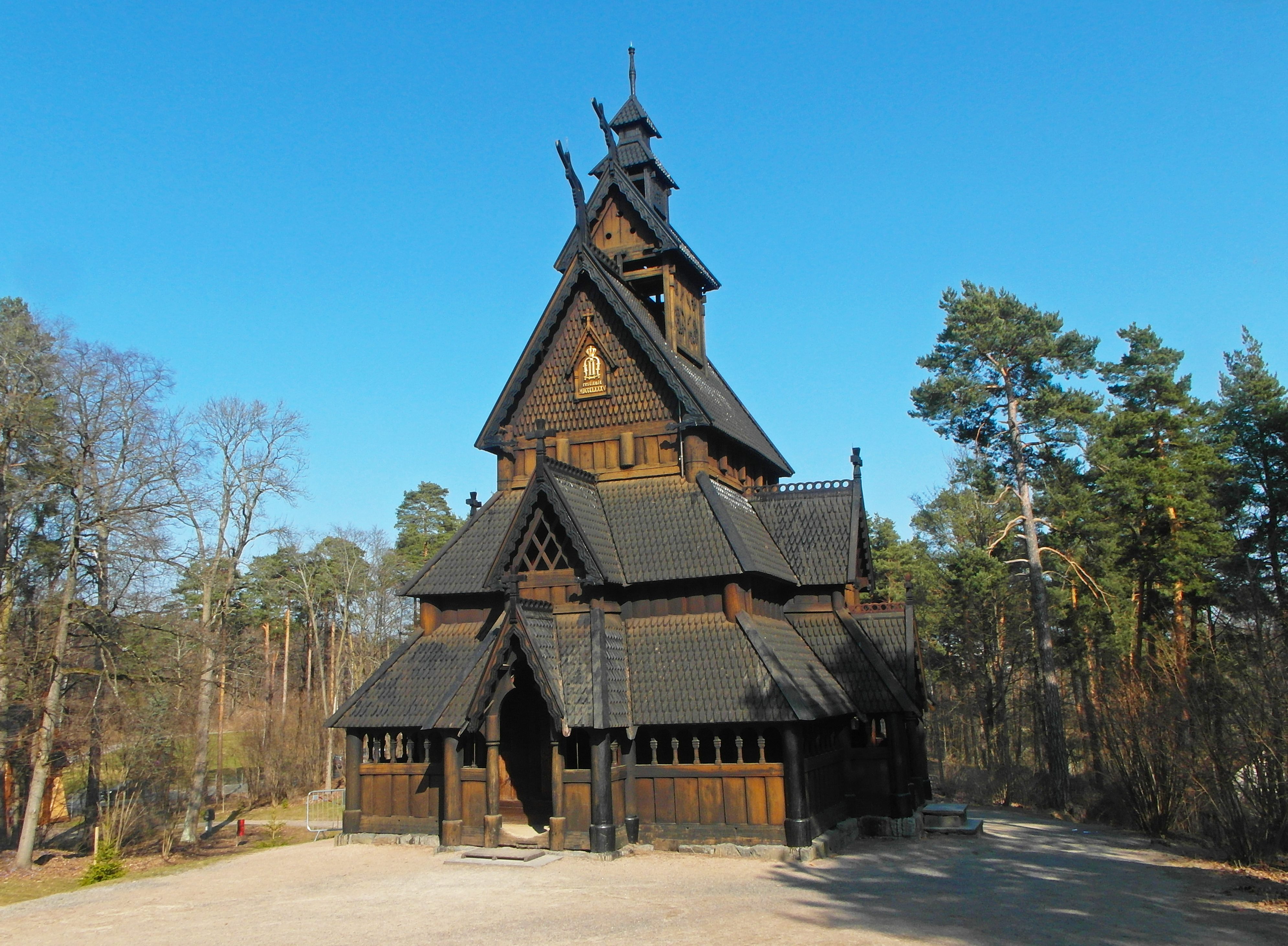
Sogndal nestles among the arms of the Sognefjord, Norway's longest and deepest fjord, in a green valley of orchards and waterfalls. A lively town thanks to its university, it makes an ideal base for exploring some of the region's finest treasures. A few kilometres away, the Urnes stave church — the country's oldest wooden church and a UNESCO World Heritage Site — enchants with its Viking carvings, while the Jostedalsbreen glacier, the largest in mainland Europe, offers guided ice hikes and spectacular arms such as the Nigardsbreen. The emerald waters of the Nærøyfjord, also UNESCO-listed, are easily reached for boat trips beneath dizzying cliffs. Among blossoming apple groves, silent fjords and high-mountain trails, Sogndal is the beating heart of fjord Norway.
Auto
Giorno 6 — Sogndal → Bergen
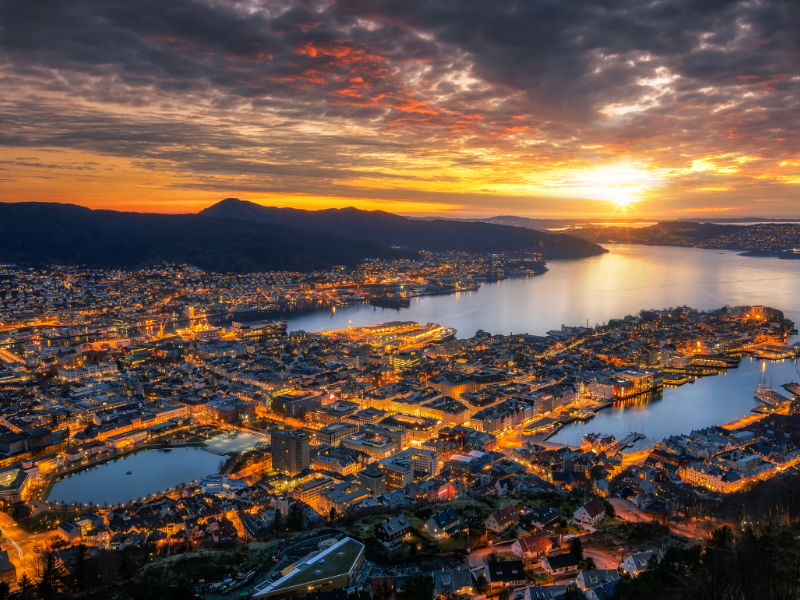
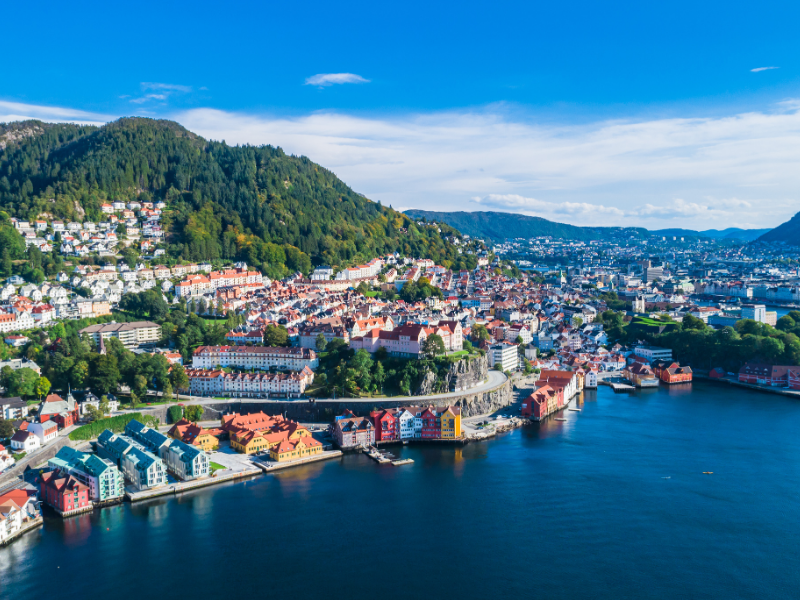
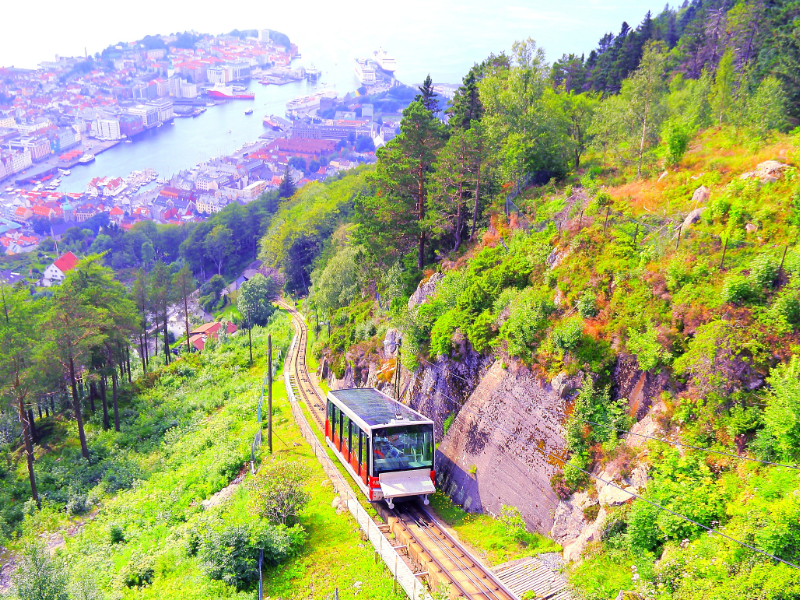
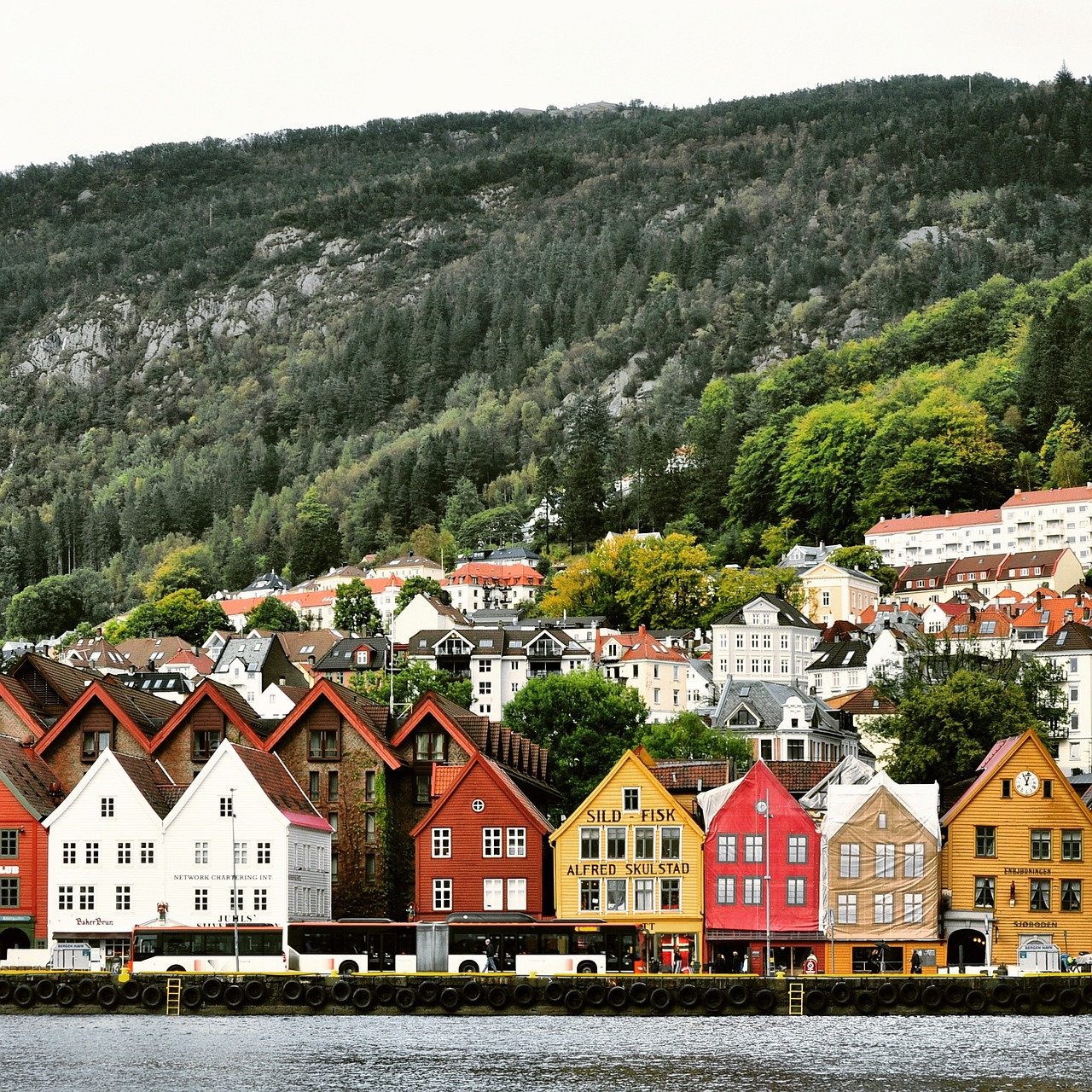
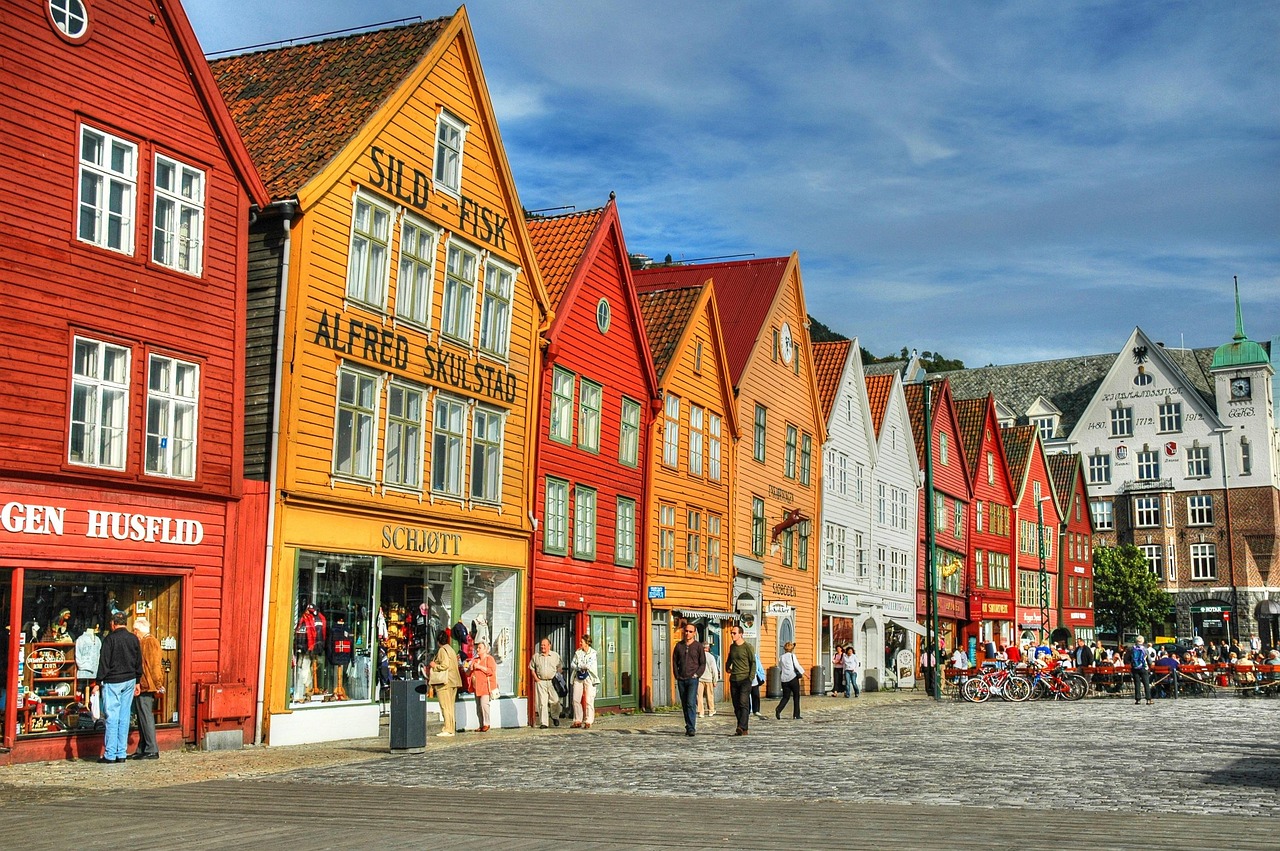
Bergen rises among seven hills and the fjords of the western coast, the gateway to Norway's most spectacular scenery. The kingdom's ancient capital and a thriving Hanseatic port, it preserves in the Bryggen district its famous colourful wooden houses lining the harbour, today a UNESCO World Heritage Site. Wander the narrow lanes of the old merchant warehouses, ride the Fløibanen funicular up Mount Fløyen for sweeping views over rooftops, islands and open sea, and browse the stalls of the Fisketorget, the historic fish market where you can taste salmon, king crab and seafood soups. Bergen is also the ideal starting point for exploring the great fjords, from the Sognefjord to the Hardangerfjord, with their sheer cliffs and waterfalls. A city of rain and light, Bergen blends Nordic elegance with a maritime soul in a lively, welcoming atmosphere.
Auto
Giorno 8 — Bergen → Stavanger
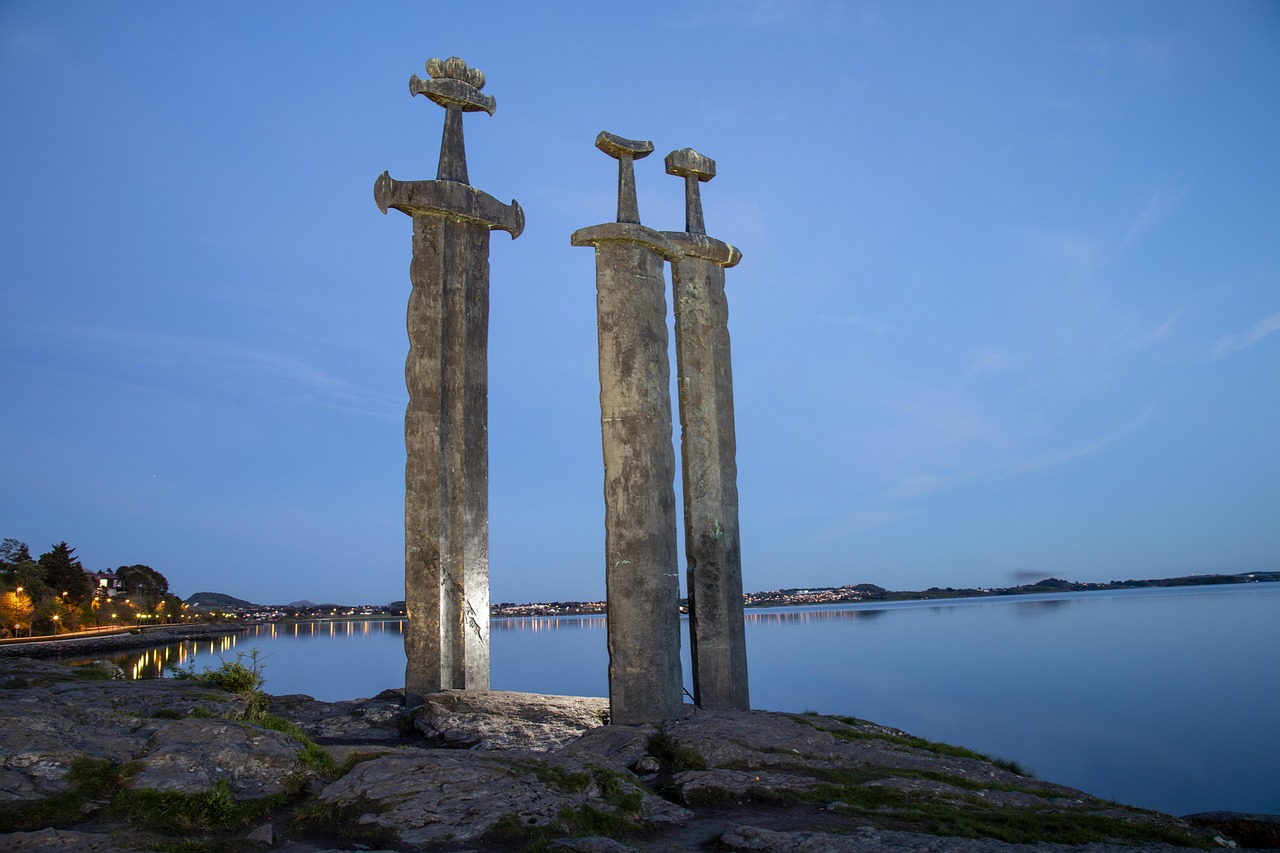
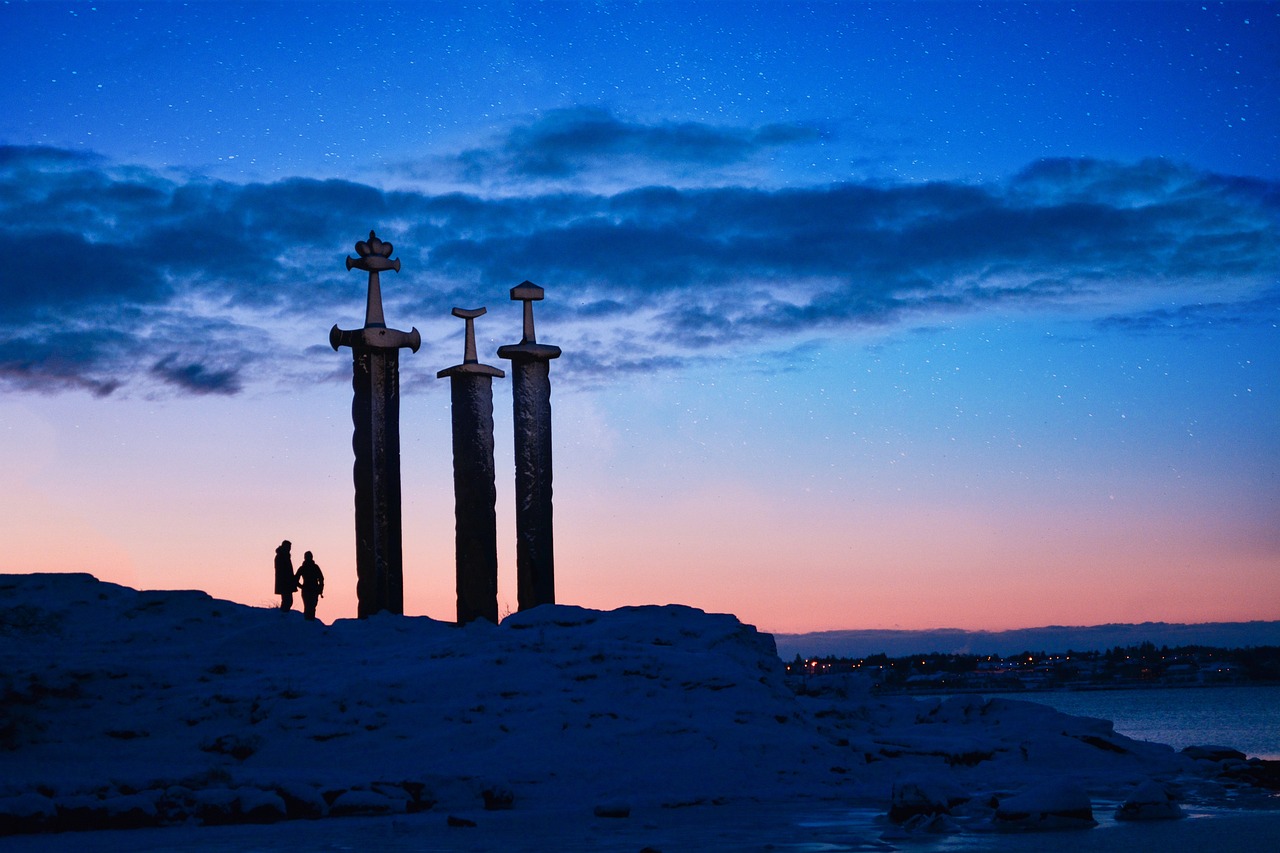
Stavanger rises on Norway’s south-western coast, where a lively harbour and a strikingly harmonious old town look out over the North Sea. The Gamle Stavanger district preserves one of the best-kept ensembles of white wooden houses in Europe: more than 170 dwellings from the 18th and 19th centuries, lining cobbled lanes between flower pots and period lamps. Around the fish market and the quays the city’s seafaring soul comes alive, while the Norsk Oljemuseum and the canning museum tell the story of the two industries that shaped it. Above all, Stavanger is the gateway to the Lysefjord: from here excursions set off towards Preikestolen, the famous rock pulpit suspended more than 600 metres above the fjord. Between culture, nature and maritime tradition, Stavanger proves an ideal base for exploring the great landscapes of southern Norway.