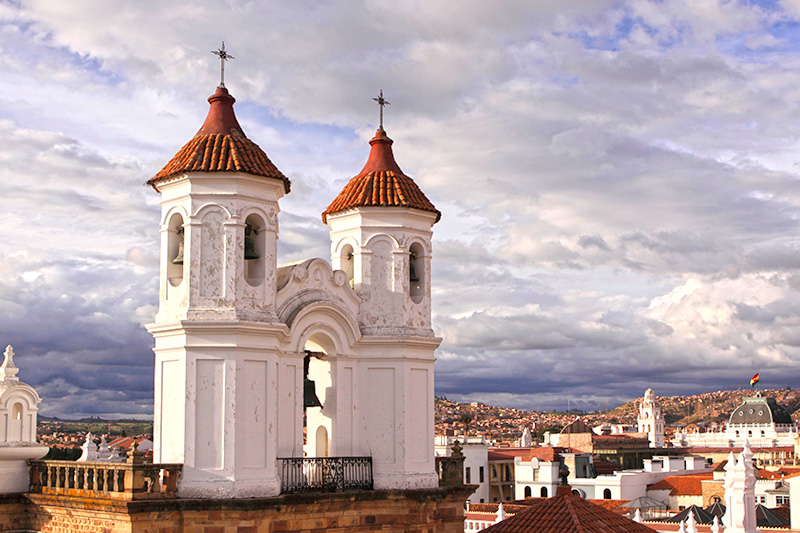
Sucre enchants with a historic centre of lime-washed mansions that have earned it the nickname "the white city" and a place on the UNESCO World Heritage list. Constitutional capital of Bolivia, it preserves colonial churches and convents, elegant courtyards and the bright, palm-shaded Plaza 25 de Mayo. Among its most significant buildings are the Casa de la Libertad, where Bolivian independence was signed, and the many bell towers that rise above the rooftops. Set in a temperate valley at 2,800 metres, it enjoys a mild climate year-round. Nearby lie sites with dinosaur footprints and colourful indigenous markets. Refined and peaceful, Sucre is one of the country's most beautiful cities.
Auto
Giorno 2 — Sucre → Potosì
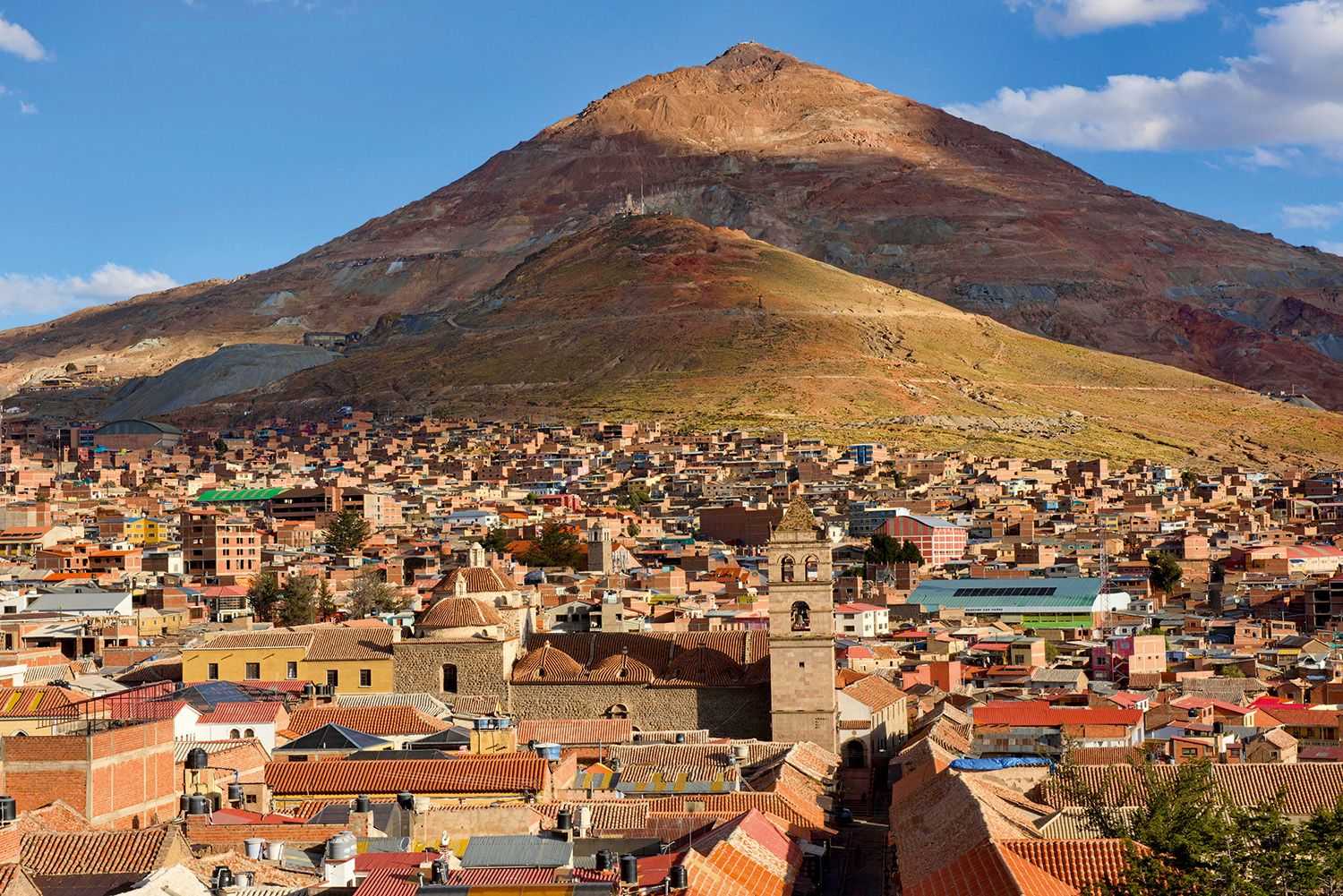
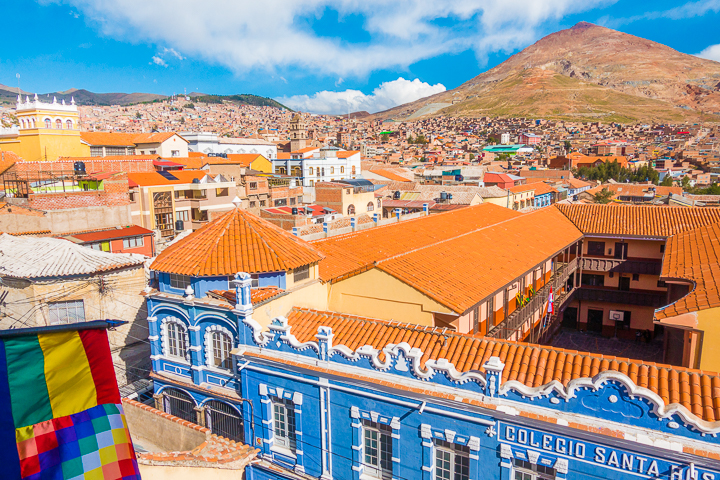
Potosí clings to the slopes of Cerro Rico at over 4,000 metres, one of the highest inhabited cities in the world. A UNESCO World Heritage Site, it was during colonial centuries one of the planet's wealthiest places thanks to the silver mined from its mountain, which fuelled the empires of Europe. That past survives in richly decorated baroque churches, noble mansions and above all the Casa Nacional de la Moneda, the former royal mint now a museum. The mines of Cerro Rico remain active and can be visited, a living and stark testament to Andean mining history. Between thin air and imposing architecture, Potosí tells a decisive chapter of the American continent.
Auto
Giorno 3 — Potosì → Colchani
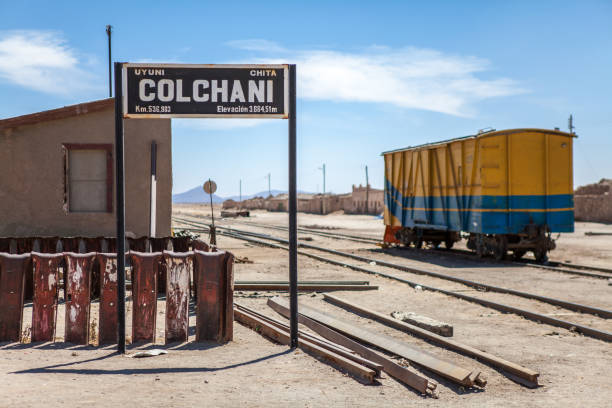
Colchani is a small village set on the eastern edge of the Salar de Uyuni, a traditional centre for processing the salt harvested from the great white expanse. Here families gather, dry and package the salt using methods passed down through generations, and numerous stalls sell handicrafts and objects carved from salt blocks. The village is the most common entry point to the salar and is home to a few hotels built entirely from salt bricks. From here four-wheel drives head out into the blinding immensity of the desert. Plain and authentic, Colchani offers a close-up look at life on the margins of the great salt lake.
Auto
Giorno 4 — Colchani → Uyuni
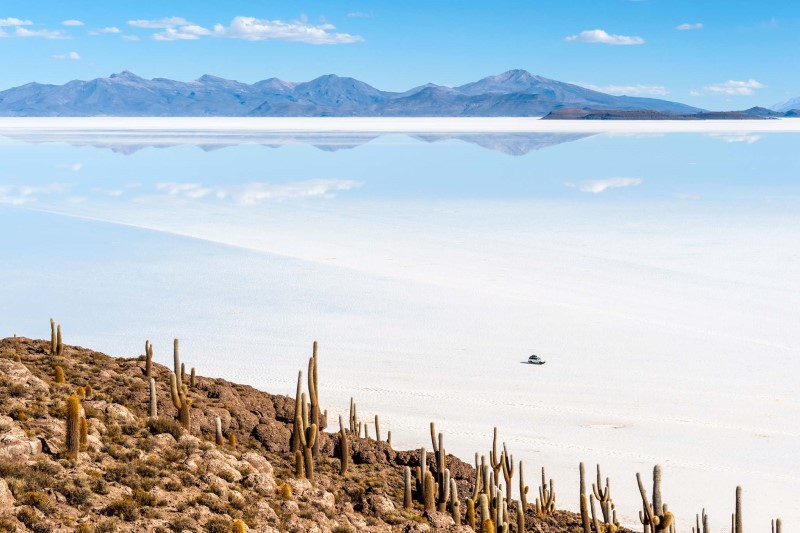
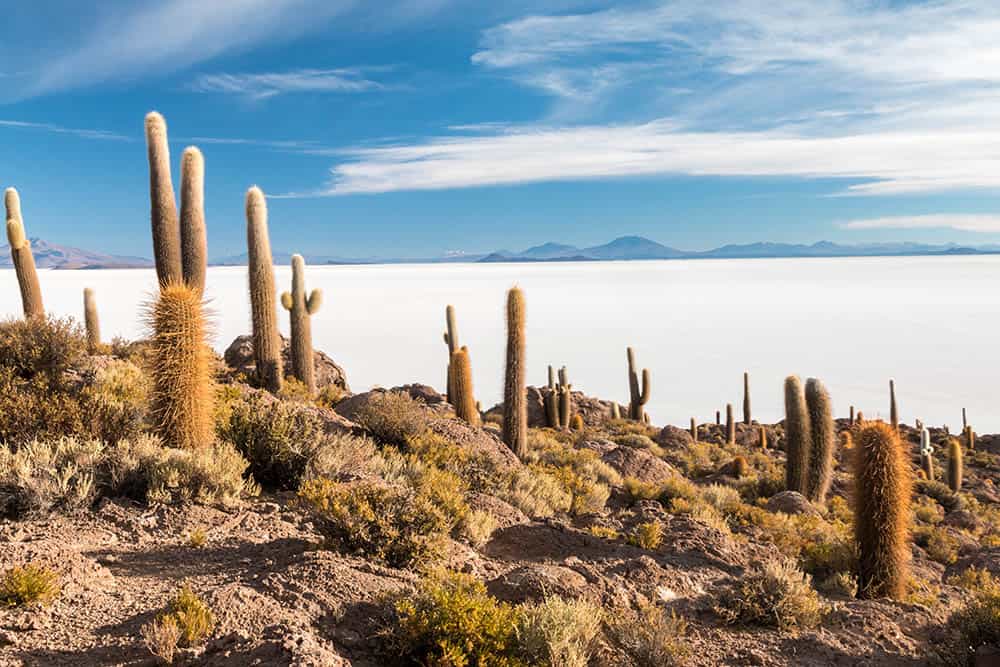
Uyuni is the gateway to the planet's largest salt flat, the Salar de Uyuni, a blinding white expanse stretching over ten thousand square kilometres at nearly 3,700 metres above sea level. In the rainy season a film of water turns the surface into a perfect mirror that reflects the sky, creating the illusion of walking among the clouds; in the dry season the famous hexagonal polygons of salt crust emerge. From the town, four-wheel drives set out for Isla Incahuasi, studded with giant cacti, and the nearby Cementerio de Trenes, where rusting old locomotives recall the region's mining past. An ideal starting point for tours toward the coloured lagoons of the southwest, Uyuni offers surreal, unforgettable landscapes.
Volo
Giorno 5 — Uyuni → La Paz
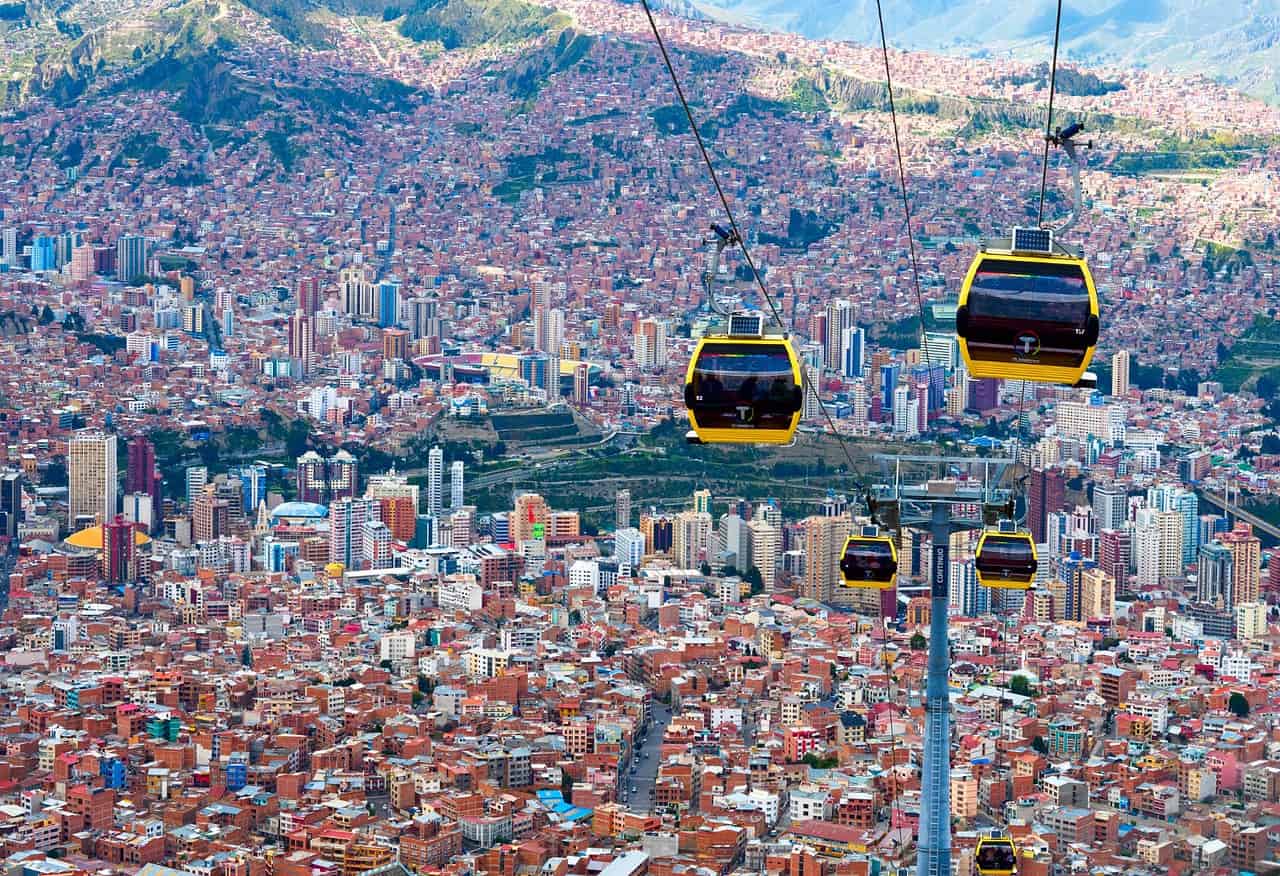
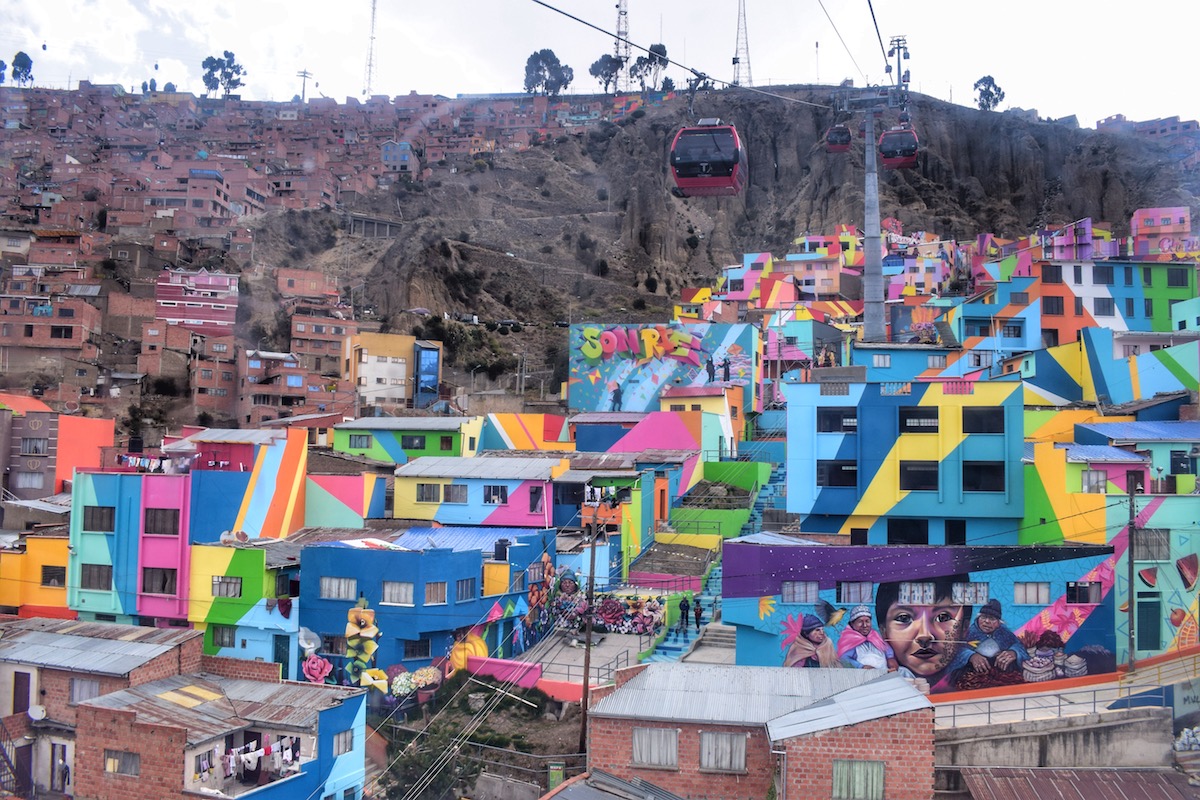
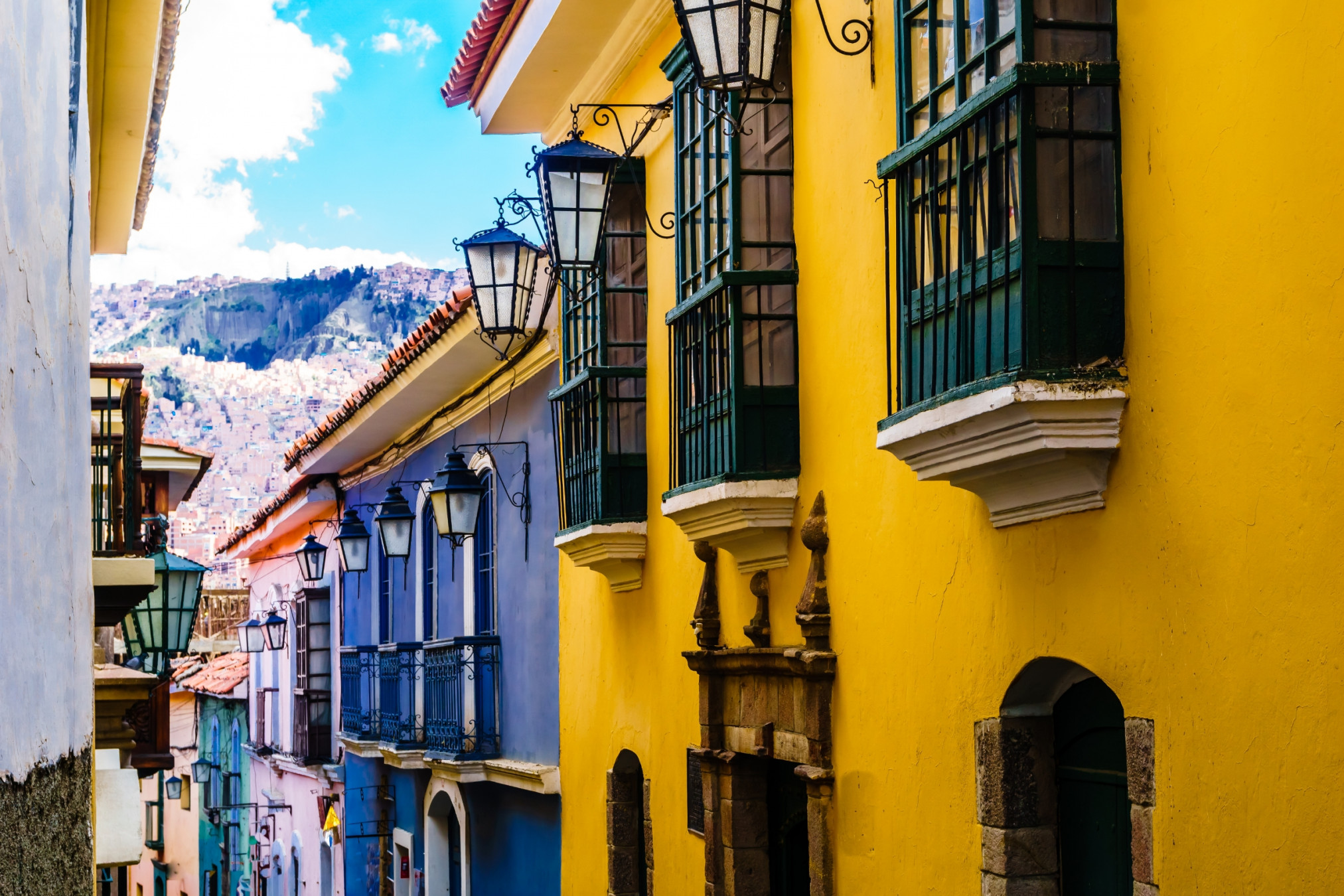
La Paz astonishes at first glance, spread across a vast bowl at over 3,600 metres and ringed by densely built slopes that climb toward the altiplano, watched over by the snow-capped peak of Illimani. Seat of the Bolivian government and the highest of the world's major capitals, it thrives on lively contrasts: downtown towers stand beside indigenous markets where Aymara women in bowler hats and full skirts sell herbs, textiles and produce. The Mercado de las Brujas (witches' market) displays charms and traditional remedies, while the cobbled colonial lane of Calle Jaén gathers small museums and cafés. The Mi Teleférico cable-car network links the neighbourhoods, gliding above the city with sweeping views up to El Alto. Just outside, the Valle de la Luna amazes with its eroded clay spires. Between street food, steaming salteñas and an authentic Andean energy, La Paz proves an intense destination, an ideal gateway to the wonders of the highlands.