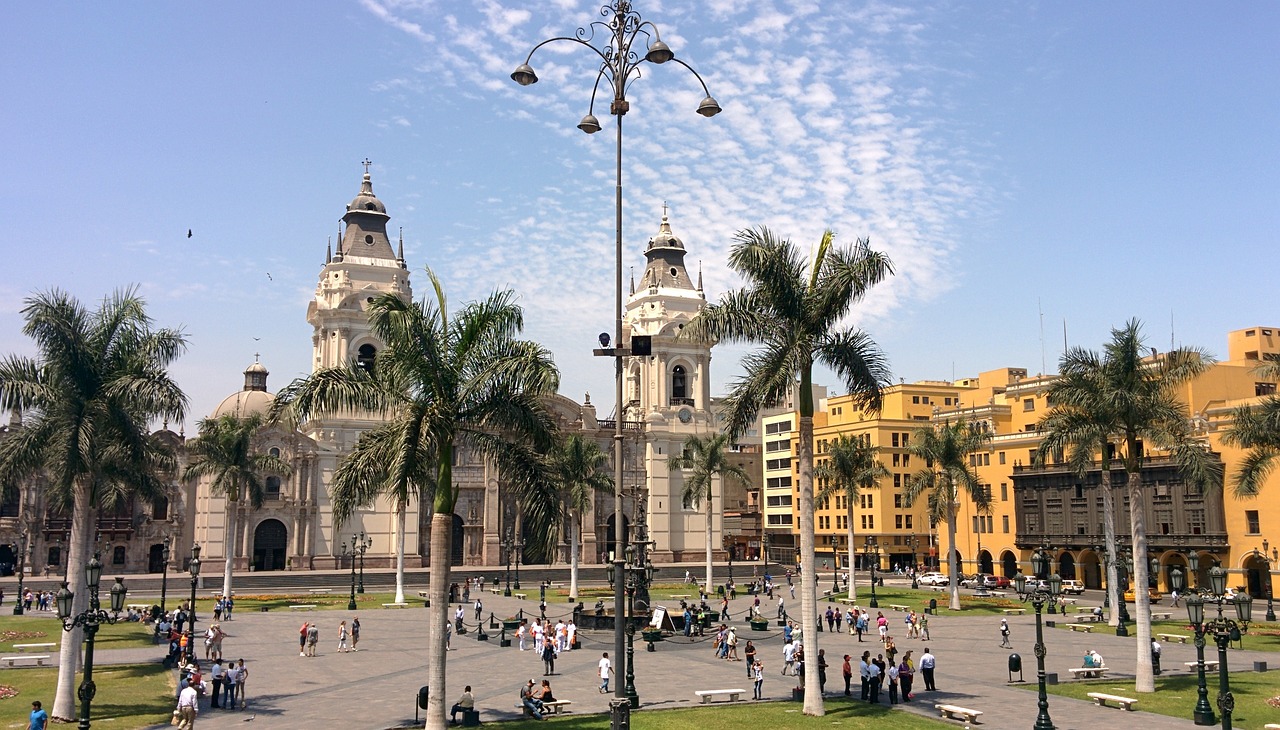
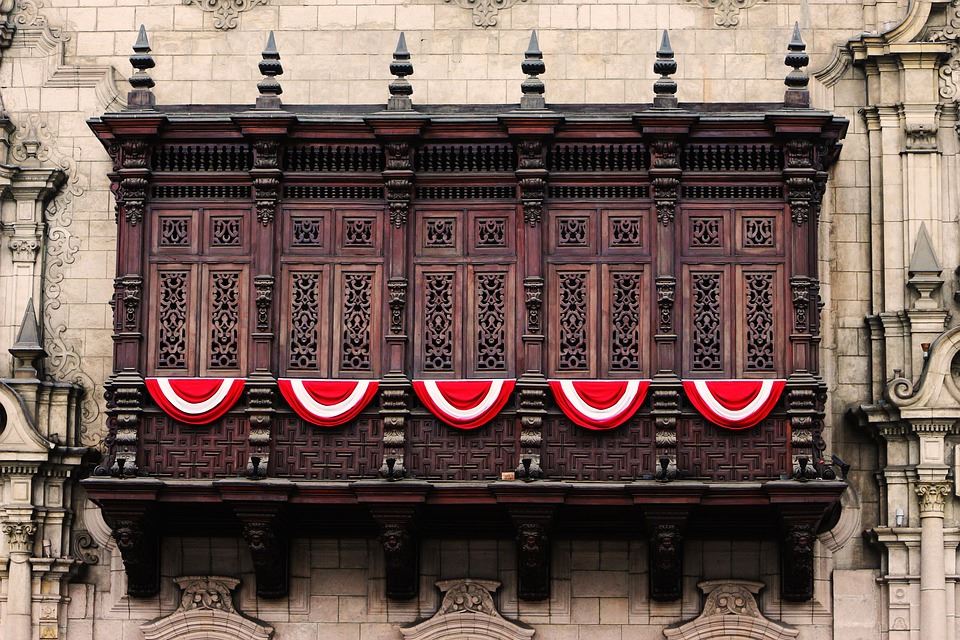
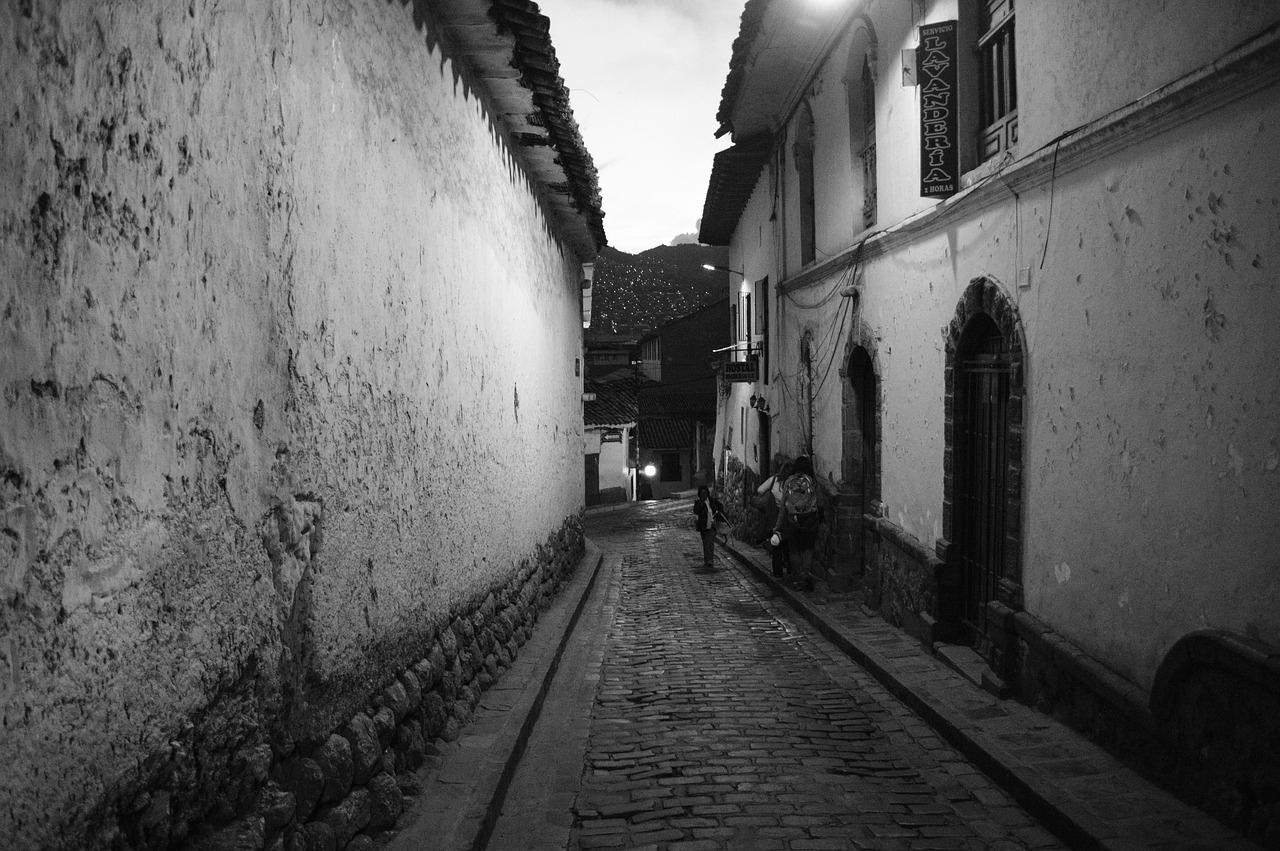
Founded in 1535, in the days of the Conquest Lima used to be one of the wealthiest, mightiest cities in in South America. Its historic centre (UNESCO World Heritage Site) still boasts the beautiful Plaza Mayor, with the old palaces of politic and religious life. The soul of the city, however, has drifted to the modern towns of Miraflores and San Isidro, and to the lively sea town of Barranco.
Flight
Day 2 — Lima → Arequipa
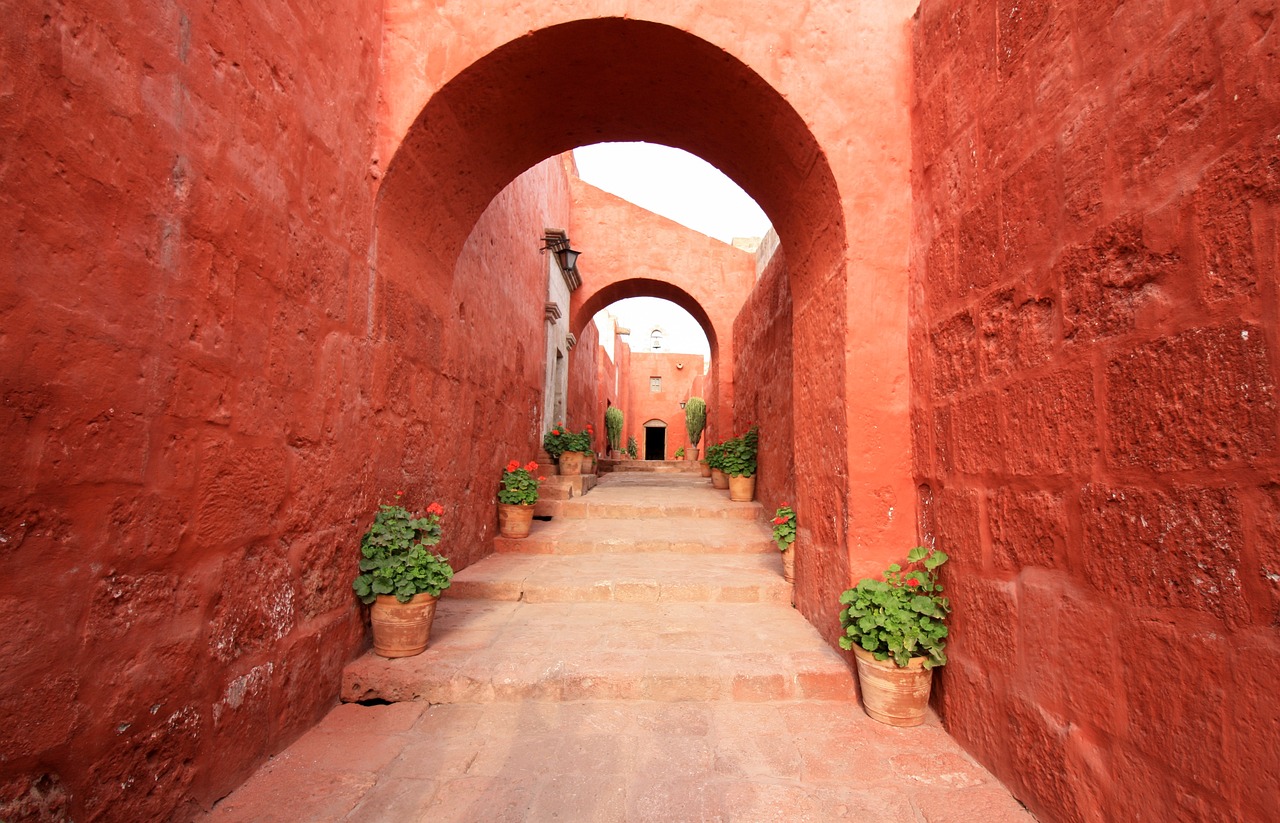
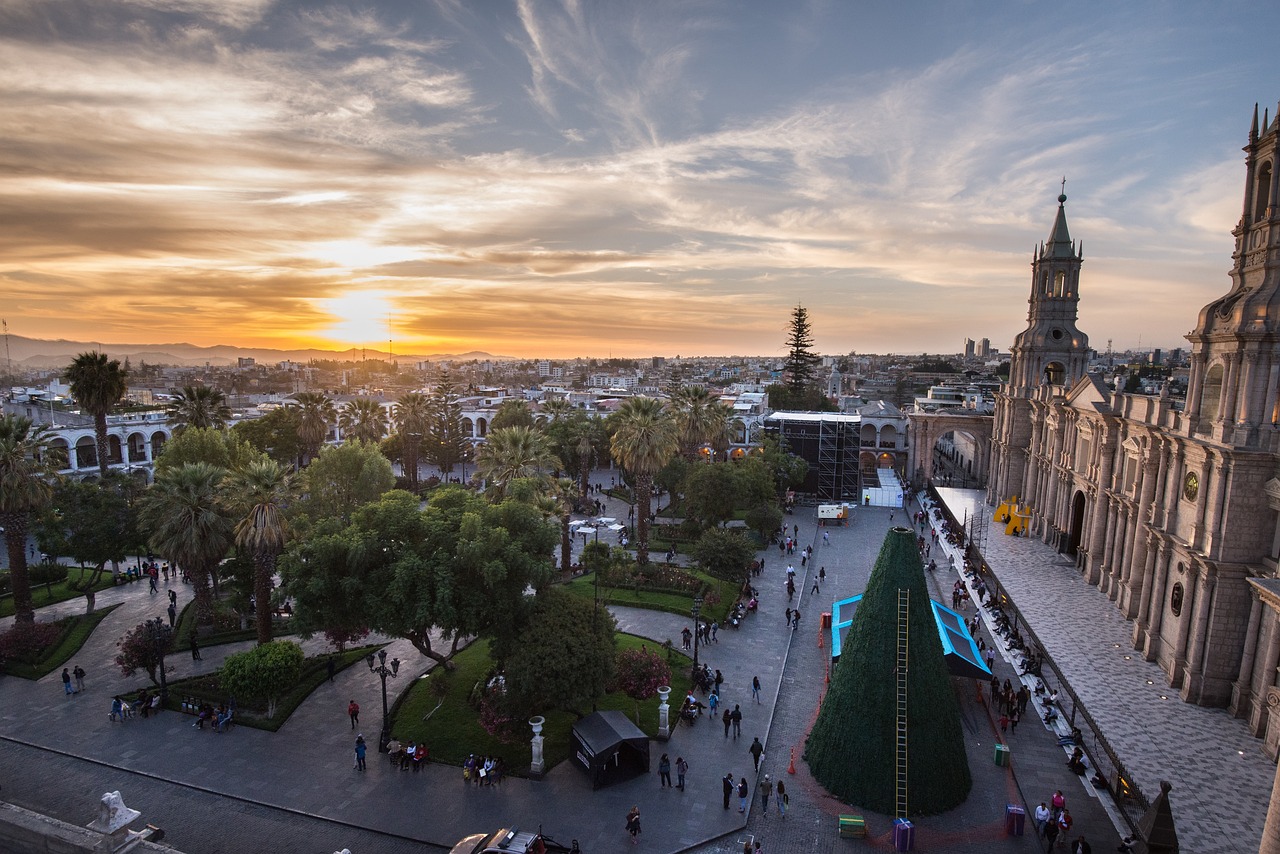
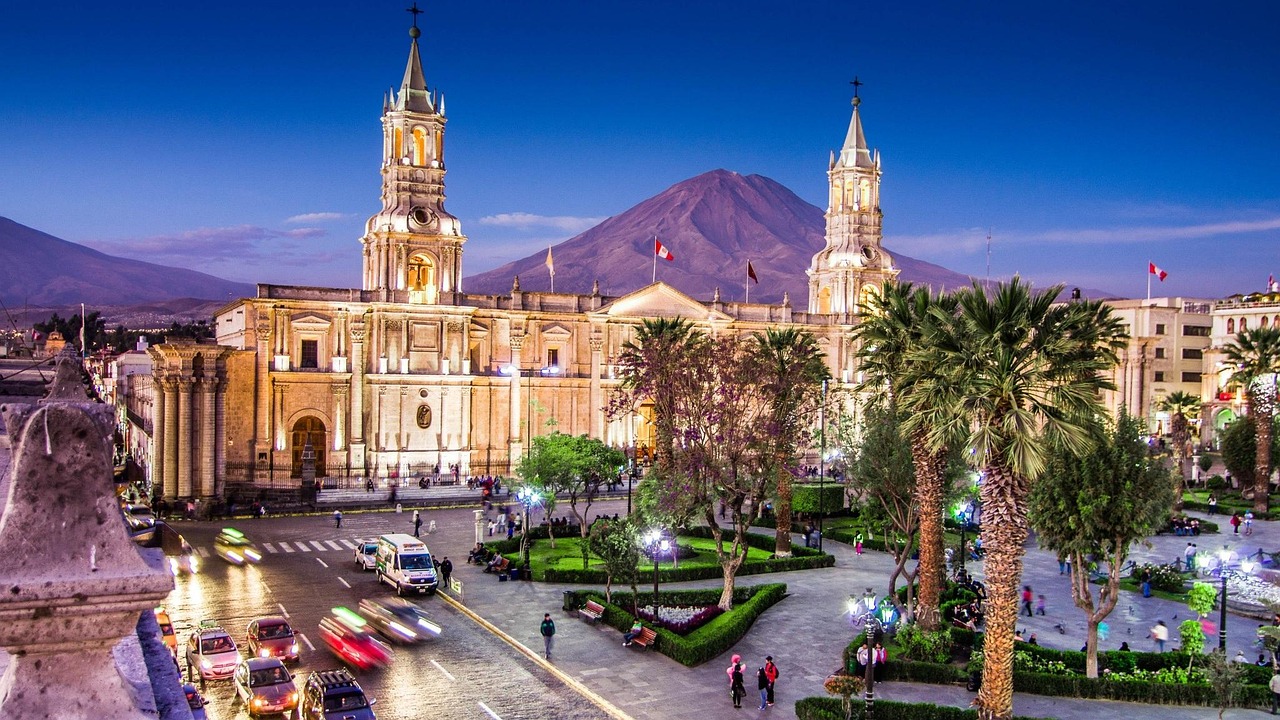
Arequipa, rising between the imposing volcanoes El Misti (5,821 m) and Ampato (6,288), is Peru’s second city, and a major business and cultural centre. It owes its long-standing fame to its stunning, high-rise location (2,335 m a.s.l.), to its mild weather, and to its beautiful colonial buildings made of lava stone. Its historic centre is a UNESCO World Heritage Site.
Car
Day 3 — Arequipa → Puno
The road to Puno runs across a wild, beautiful landscape, with the occasional lake, village, and small herd of grazing llamas and alpacas. There will be a few photo stops, including the Lagunillas pass (4,410 m) to see the pink flamingos in the lagoon. Puno, rising on the border with Bolivia at a height of 3,810 m, overlooks Lake Titicaca. Though not exceptionally interesting in itself, the town makes for the perfect base to visit the rest of the region.
Car
Day 5 — Puno → Cuzco
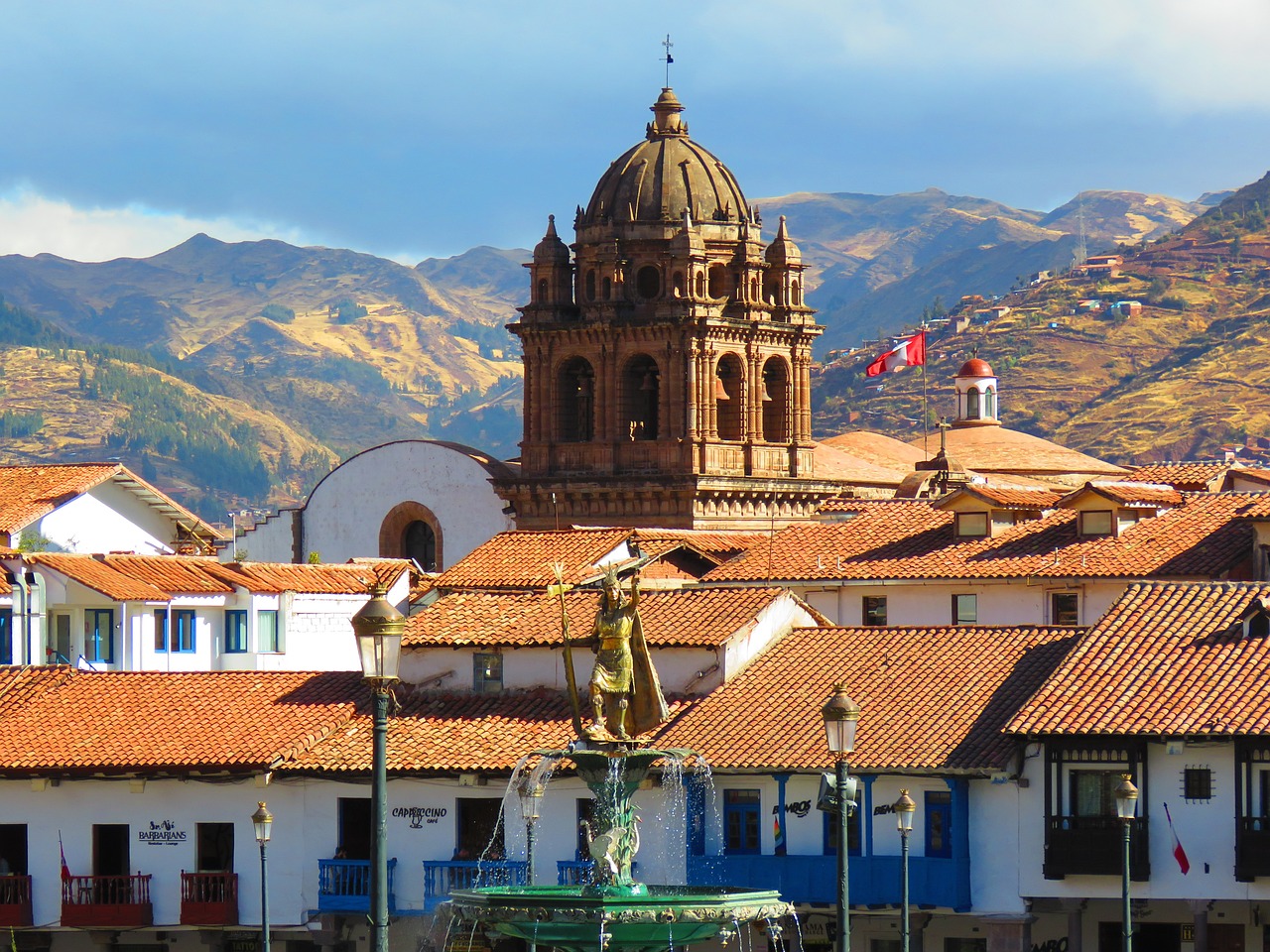
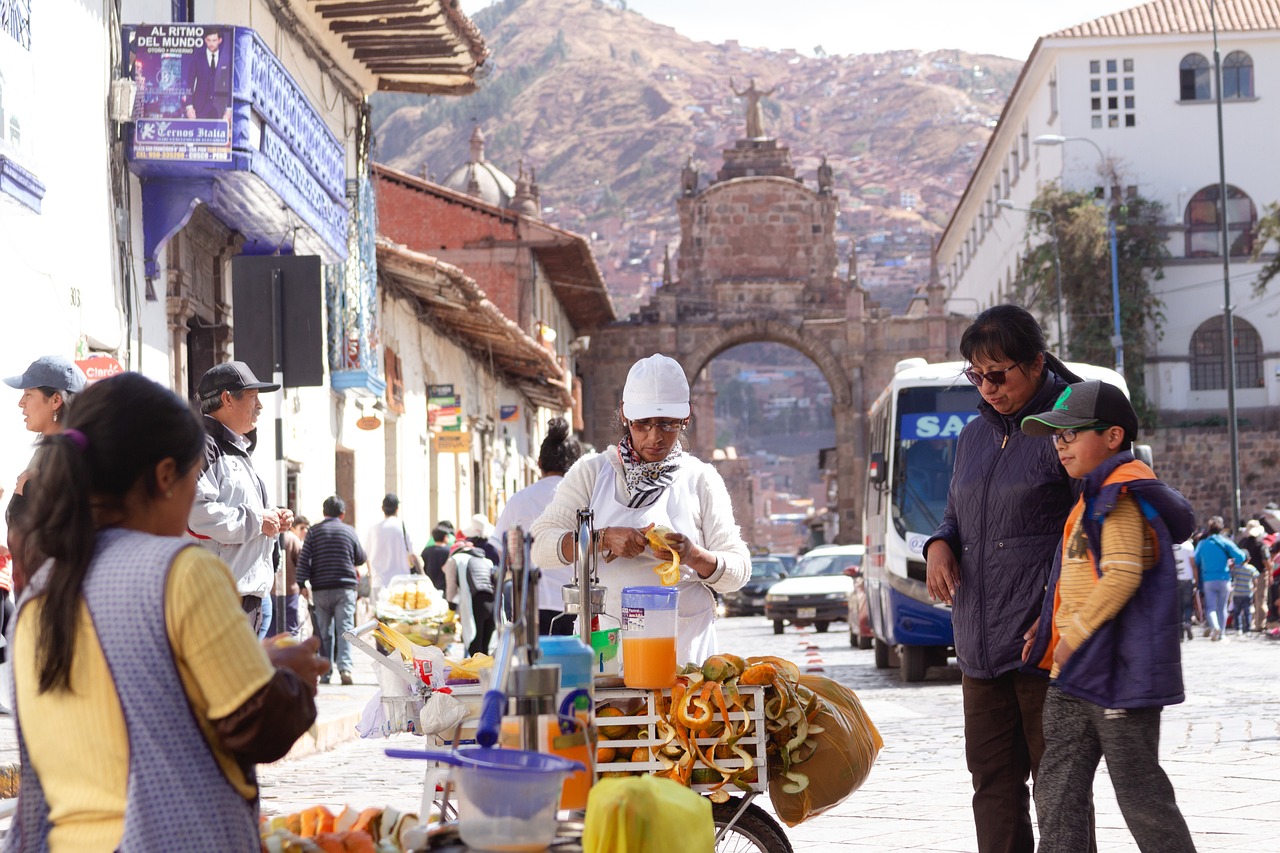
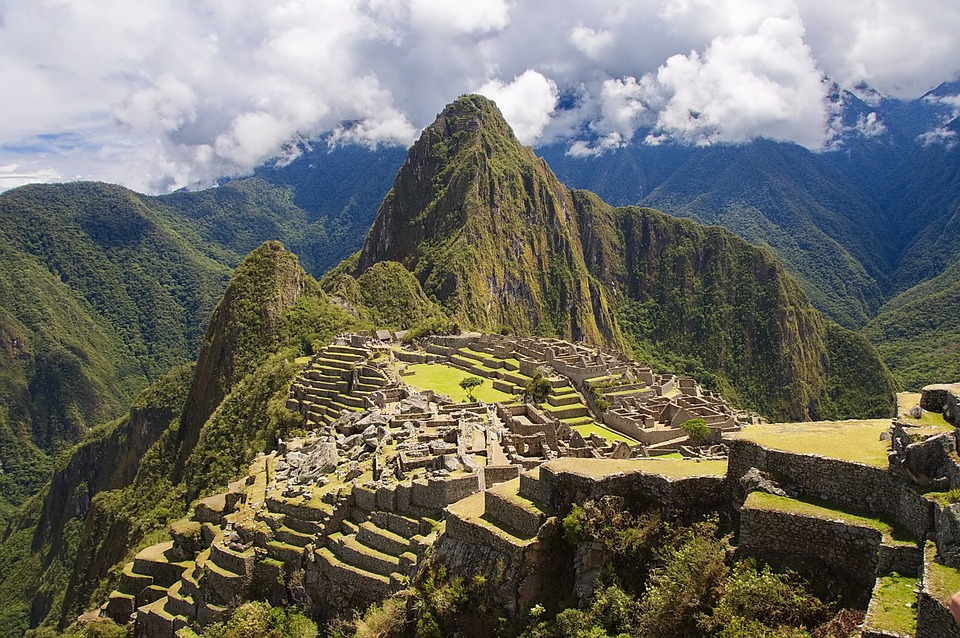
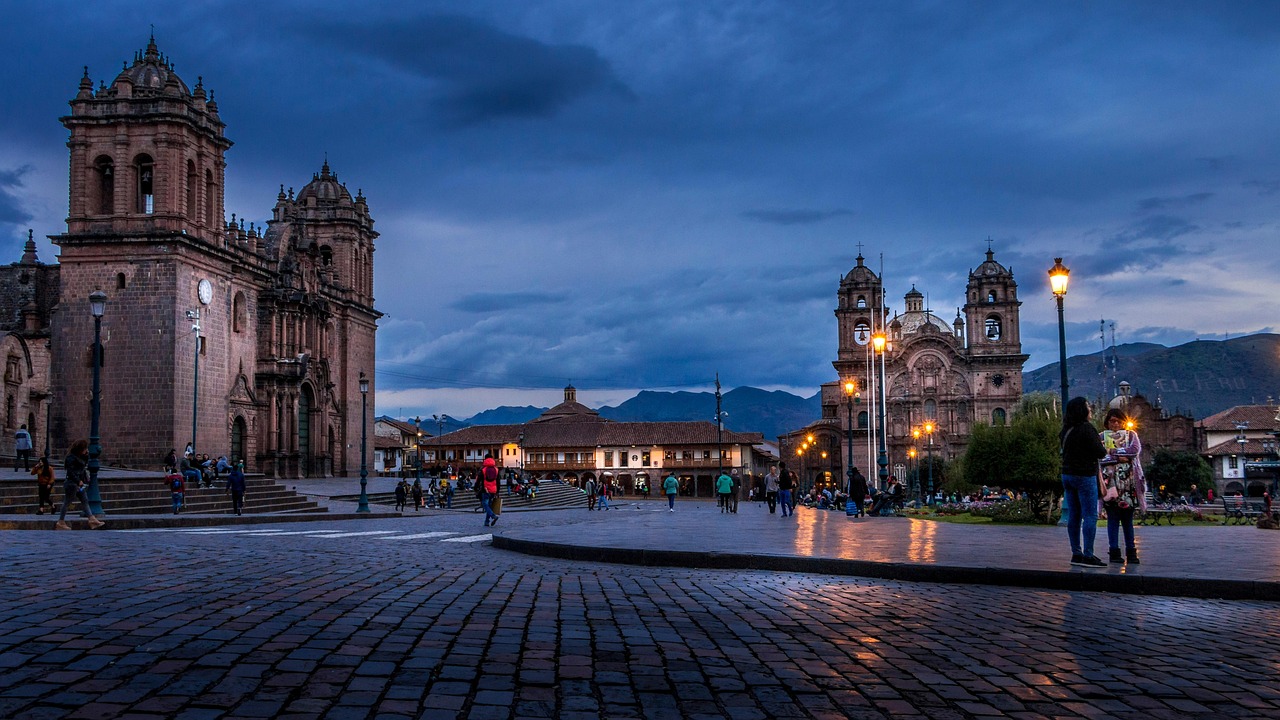
We cross the Andes, passing a stunning variety of landscapes. Stop at Raqchi, known for the massive walls of an Inca temple built to appease the wrath of the god Viracocha; at the provincial Andahuaylillas, featuring a beautiful 17th-century colonial church; and at the village of Pucarà , famous for its colourful ceramics. The top altitude reached during the journey is 4,335 m, at the La Raya pass. Rising at an height of 3,400 m, Cuczo, once the capital of the Inca empire, was rebuilt by the Spaniards on the vestiges of its ancient palaces, using the remains of the Inca temples and edifices. Today, Cuzco is a lively, fascinating town. Even in the busy summer months, when the Sacred Valley literally swarms with tourists, it preserves its charm.
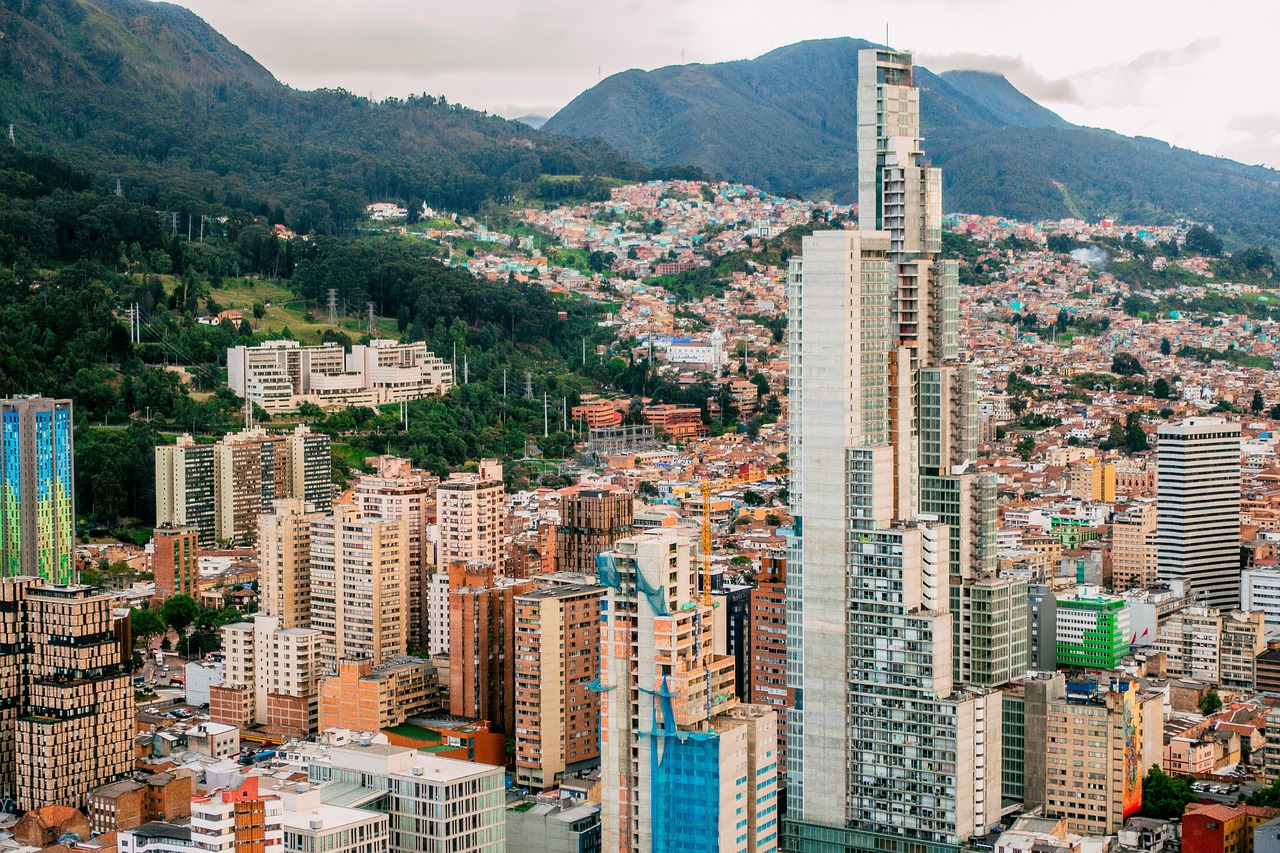
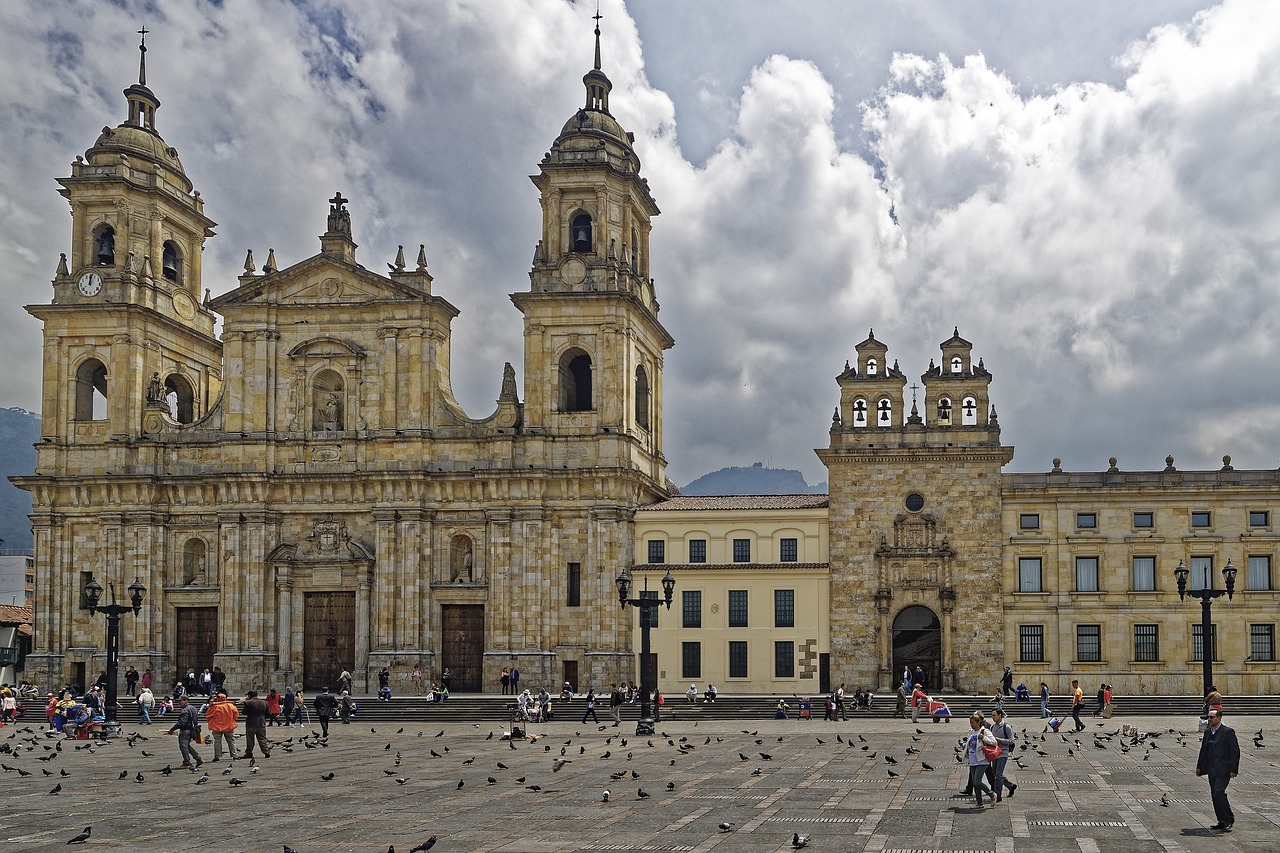
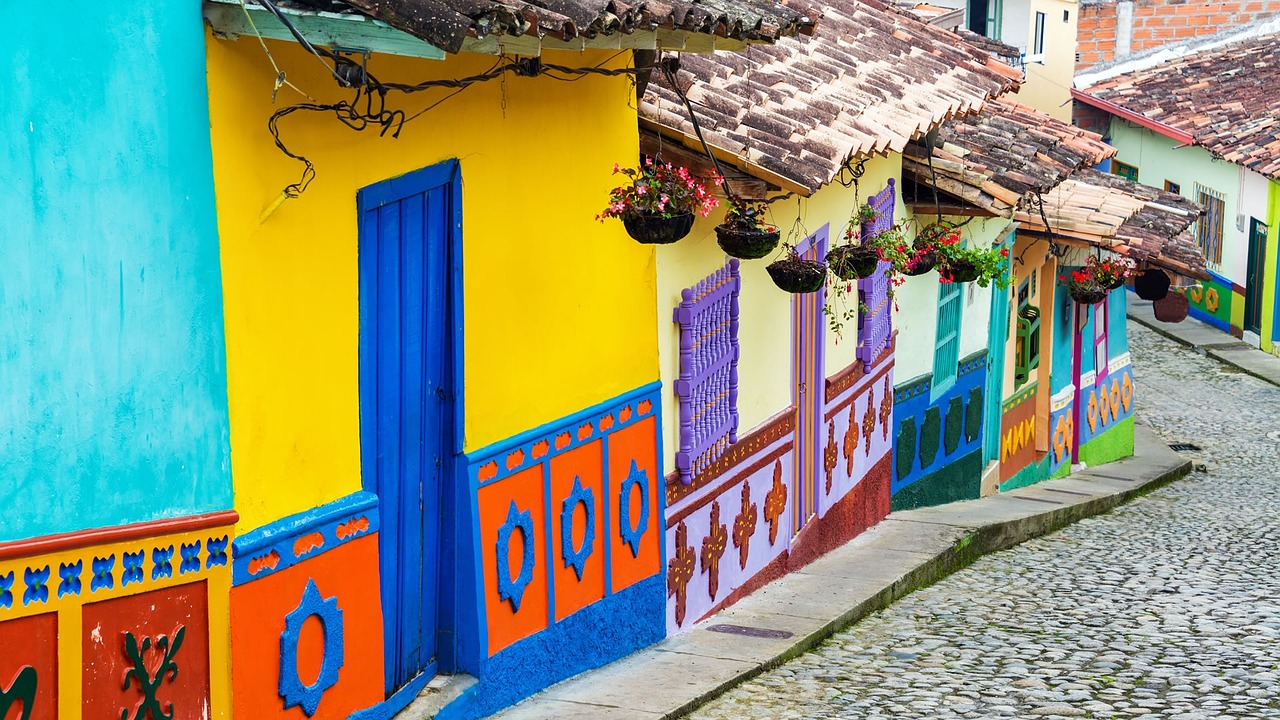
Bogotá is the capital of Colombia, located in the center of the country on a vast plateau in the Andes at 2,600 meters above sea level. It has a population of nearly eight million people from all over the world. It is a city that reflects the cultural diversity of Colombia, being the most important cultural center in the country and a place rich in sites to visit and activities to do. Declared World Book Capital by UNESCO and Ibero-American Capital of Culture by UCCI, Bogotá has become one of the most important cities on the continent, with large green public spaces, squares, modern streets, and avenues. Bogotá is a city of permanent art exhibitions from all eras, religious, scientific, and technological museums, as well as many interactive spaces.
Flight
Day 11 — Bogota → Armenia
Armenia is the gateway to the Eje Cafetero region. The "coffee triangle" is formed by the departments of Caldas, QuindÃo, and Risaralda and seduces visitors with the aroma of coffee plantations, the delights of its landscape, and the hospitality of its inhabitants. The best coffee in the world is produced in this area. In the "coffee triangle," it will be possible to visit typical farms, theme parks, golf courses, coffee plantations, thermal resorts, places for extreme sports, and ecological trails. The stunning landscapes of the Coffee Triangle were declared a UNESCO World Heritage Site in 2011.
Flight
Day 14 — Armenia → Cartagena de Indias
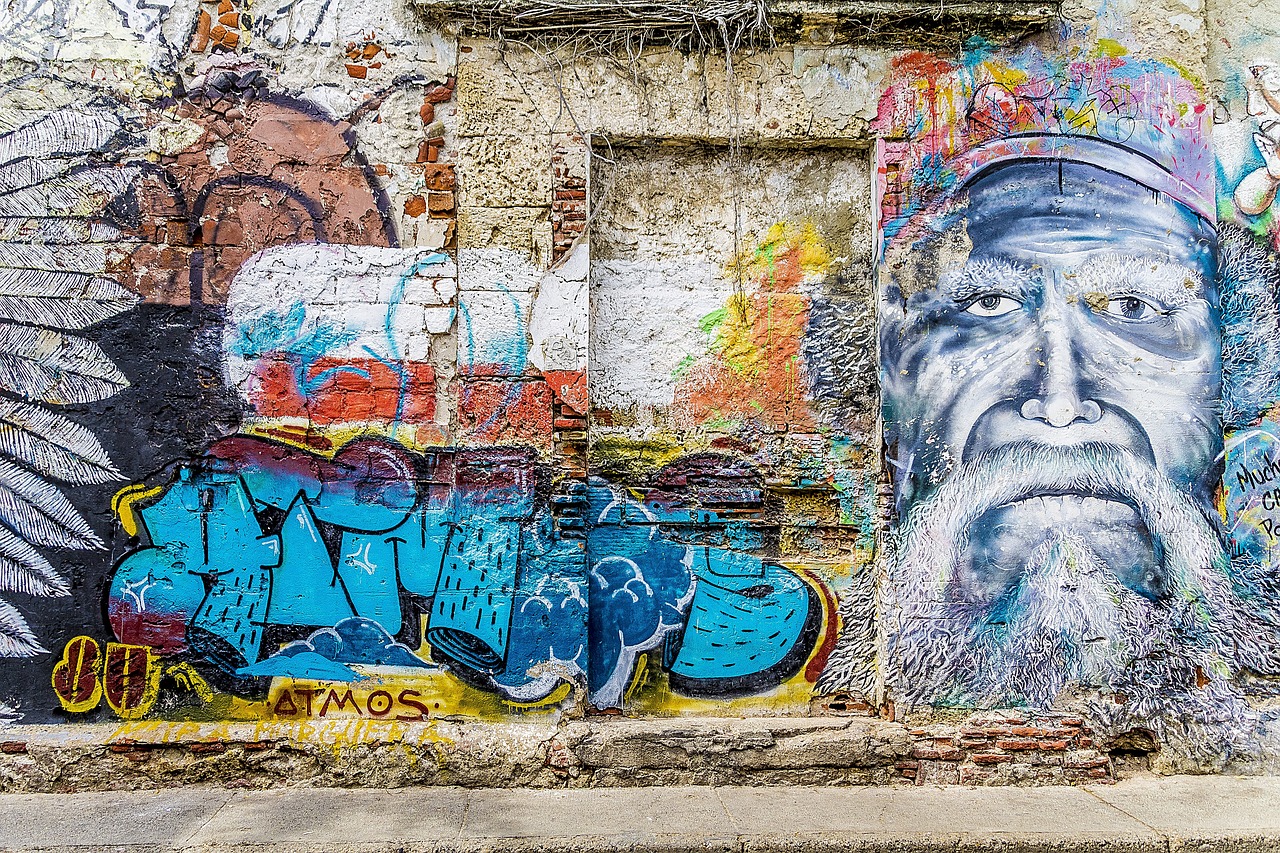
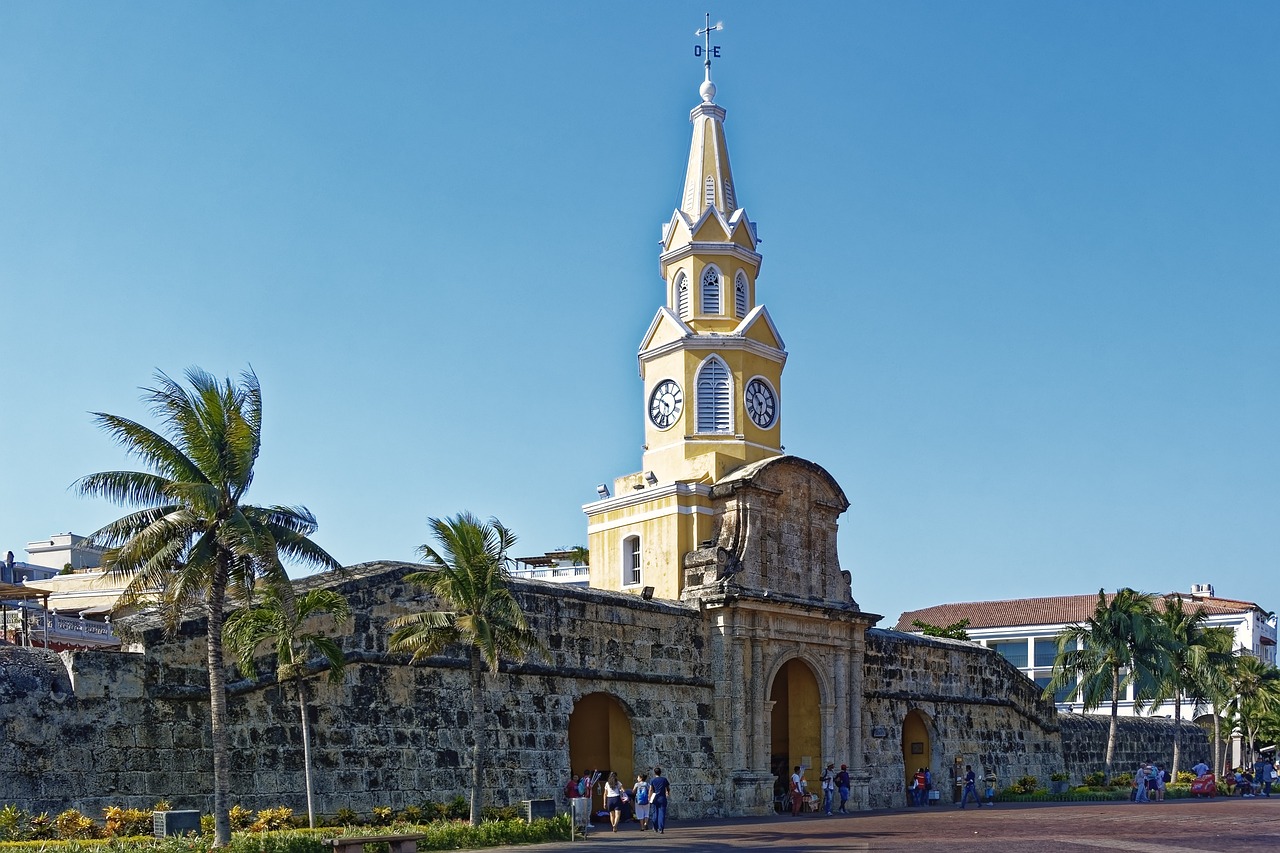
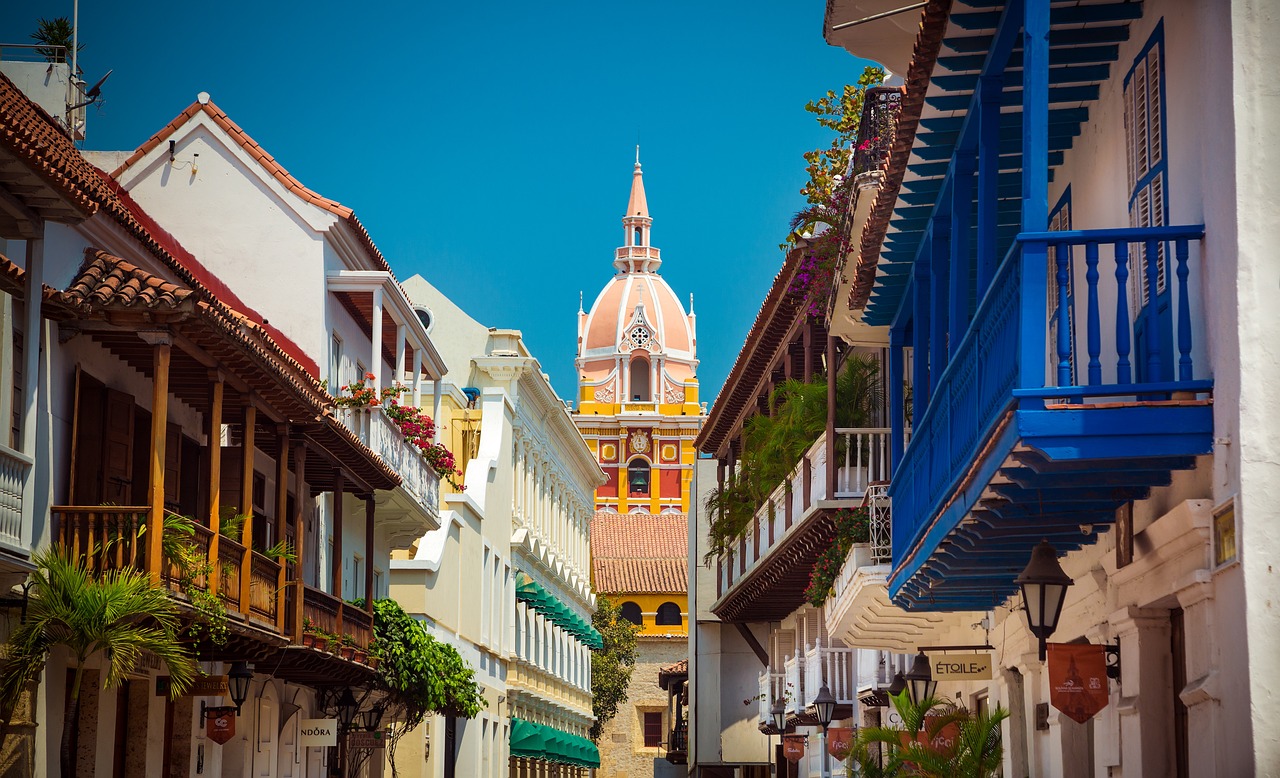
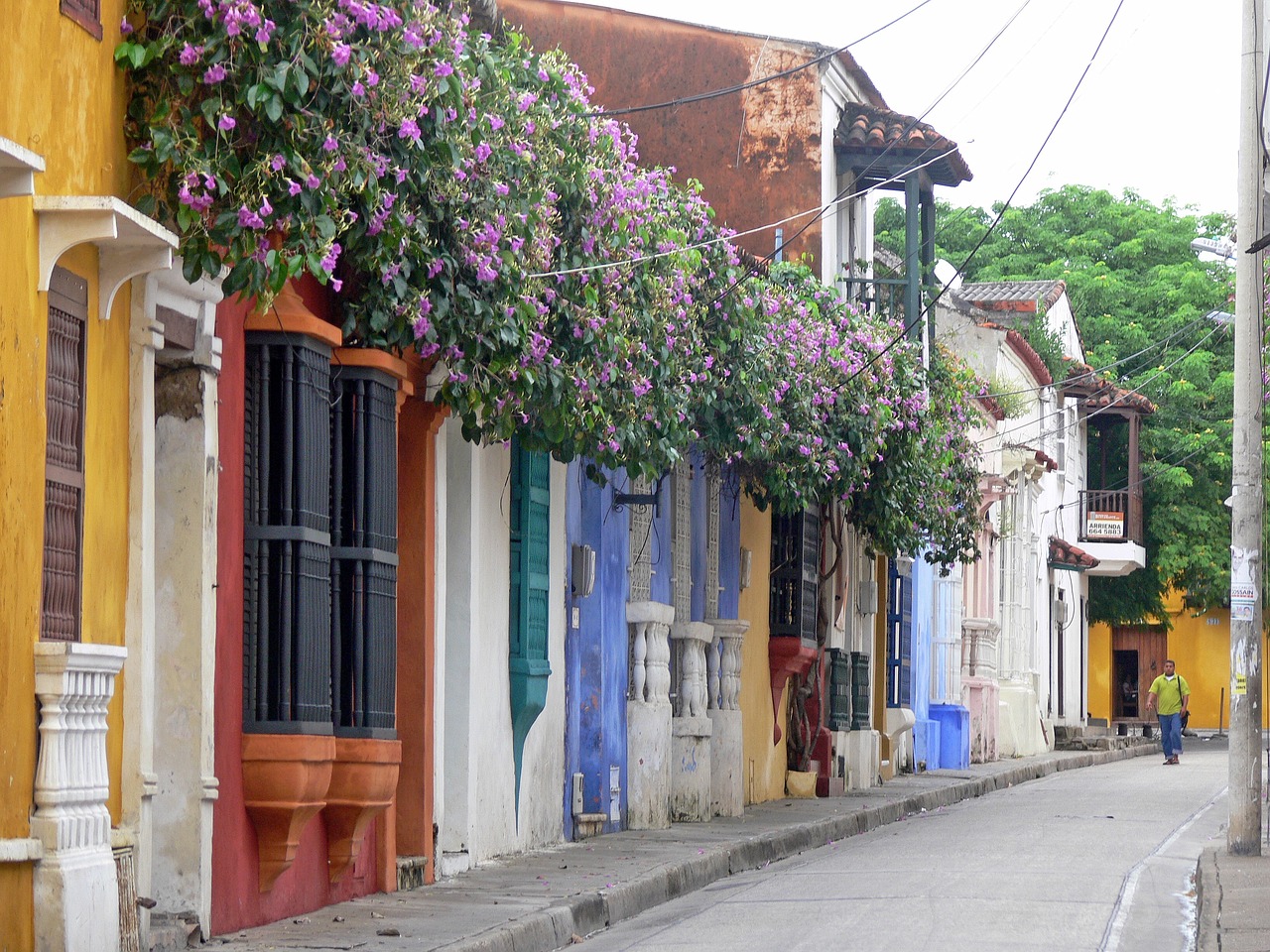
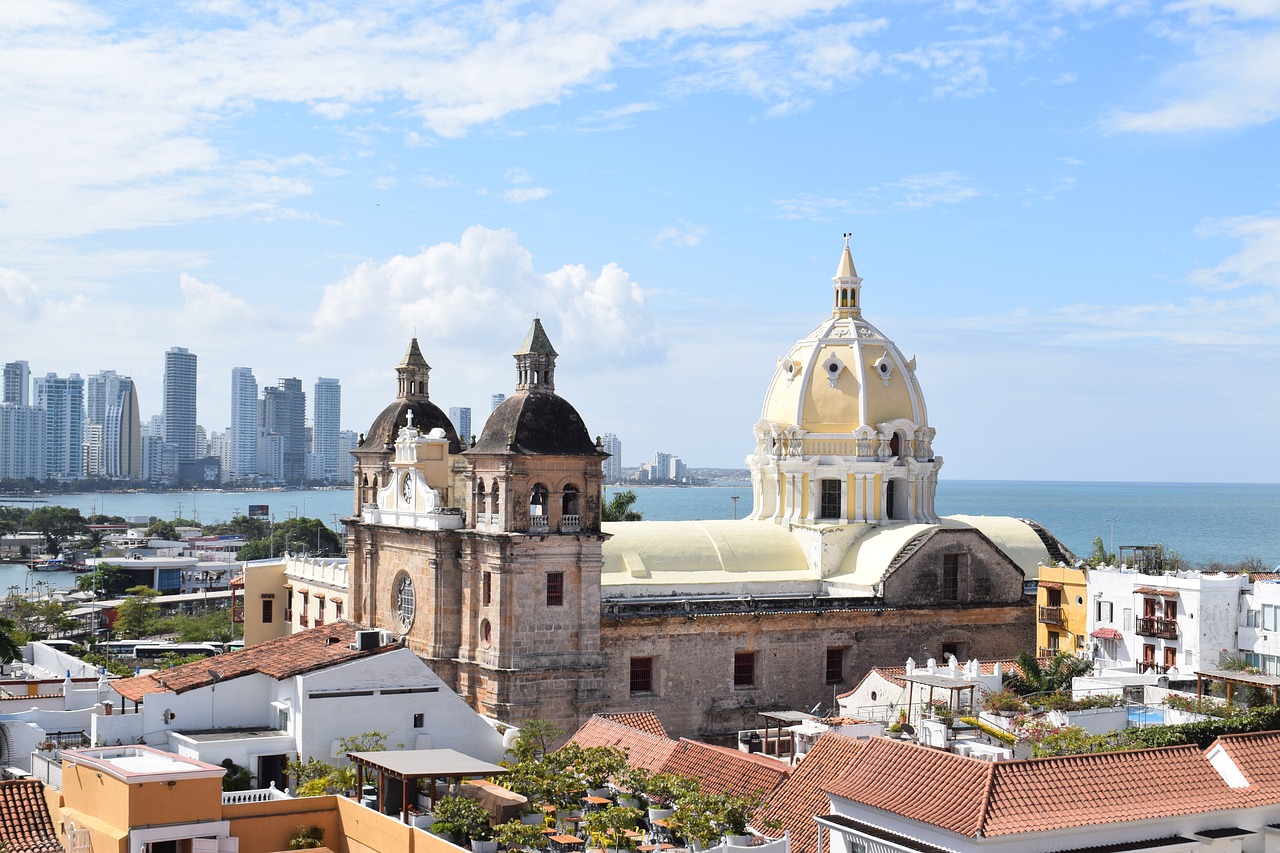
Cartagena is rich in culture, history, charm, and mystery. Cartagena is an open-air jewel, and in every corner, you can breathe history and poetry, especially in the old city, full of pastel-colored palaces and balconies and window cornices in bright white. Not to be missed are the Fortress of San Felipe, the Monastery of San Pedro Claver, and the Monastery of La Popa, from where you can admire a beautiful panorama. Among the best museums to visit are the Naval Museum, the Museum of Modern Art, and the Gold Museum with many pre-colonial artifacts. The nightlife is very lively thanks to its numerous bars, pubs, nightclubs, restaurants, and cafes.
Train
Day 16 — Cartagena de Indias → Islas del Rosario
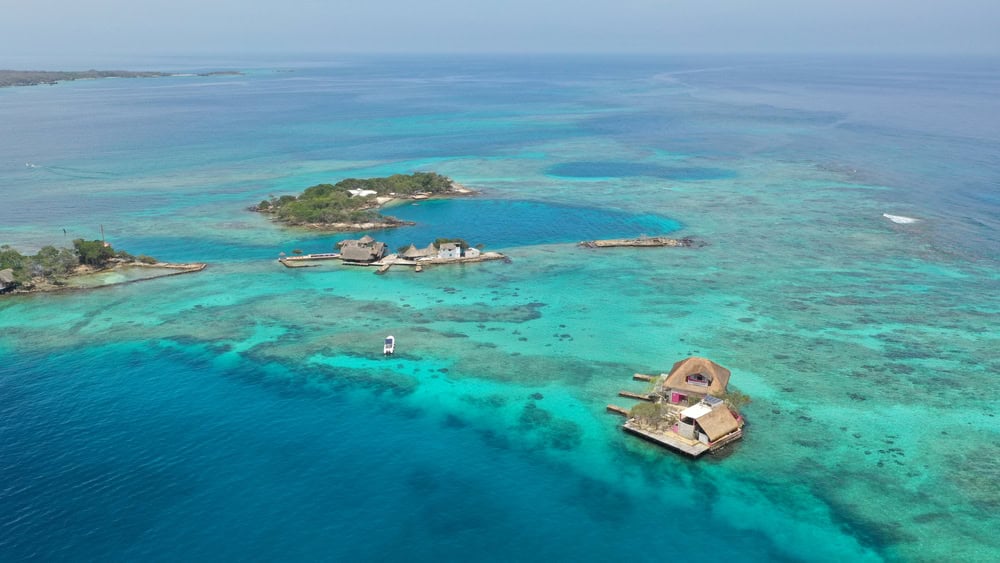
The Rosario Archipelago consists of 27 small coral reef islands, and since 1977, a National Park called Corales del Rosario has been established to protect the extraordinary natural heritage of indigenous animals and plants such as mollusks, corals, algae, crustaceans, fish, and seabirds. The largest islands are Isla Grande and Isla del Rosario.
Grand tour of Peru and Colombia with an extension to the Rosario Islands — NAAR