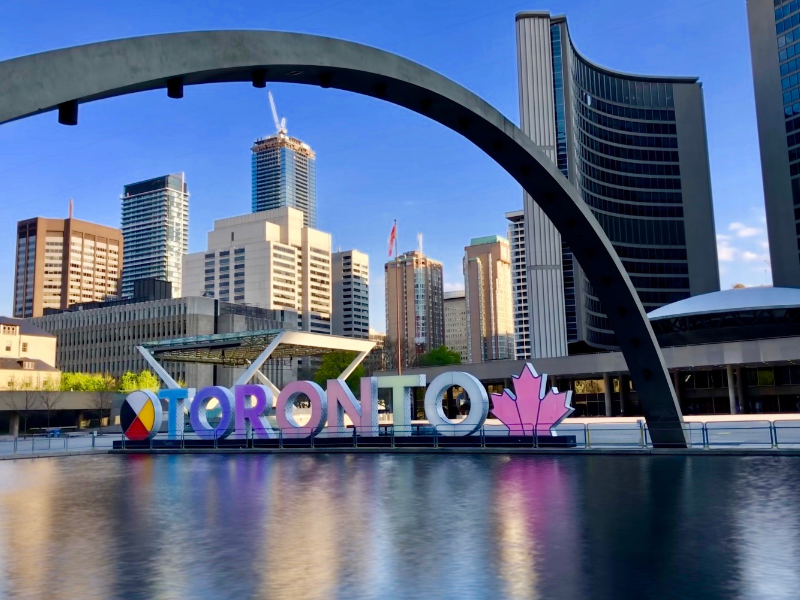
Toronto, Canada's largest city, stretches along the shores of Lake Ontario with a skyline dominated by the soaring CN Tower, the metropolis's symbol, from whose top a dizzying panorama unfolds. Cosmopolitan and multicultural, the city is a mosaic of ethnic neighbourhoods such as Chinatown, Little Italy and Kensington Market, where cultures and flavours from around the world coexist. The centre pulses with life around Yonge Street, the Financial District and the Distillery District, with its Victorian brick buildings now home to galleries, cafés and shops. Among the attractions are the Royal Ontario Museum, the Art Gallery of Ontario and the modern lakefront, from which ferries depart for the Toronto Islands. The city is also an ideal base for reaching the nearby Niagara Falls. Dynamic, welcoming and ever-growing, Toronto is a metropolis open to the world, a showcase of Canadian diversity and modernity.
Auto
Giorno 3 — Toronto → Killarney
The drive from Toronto to Killarney Provincial Park offers a journey through some of Ontario's most picturesque scenery. Starting in Toronto, you pass through the town of Barrie, located on Lake Simcoe, a popular place for outdoor recreation. Continuing north, Highway 400 becomes the Trans-Canada Highway (Highway 69), and the landscape becomes wilder and more forested. This part of the drive passes through the Muskoka region, famous for its lakes and cottages.
Continuing further north, you reach the town of Sudbury, an important mining center. The last part of the journey is characterized by narrower and more winding roads that pass through dense forests and skirt the shores of Georgian Bay.
After about 4-5 hours of total travel from Toronto, we finally arrive at Killarney Provincial Park. This park is renowned for its white quartz rock formations, crystal clear lakes and vast forests, offering a wide range of outdoor activities such as hiking, canoeing and camping. Killarney is a charming and remote Ontario village, set along the northern coast of Georgian Bay at the entrance to the magnificent Killarney Provincial Park. An old fishing village reachable only by water for centuries, it preserves an authentic and isolated atmosphere, famous for its historic fish and chips stand facing the lighthouse. The surrounding park is famous for its spectacular white quartzite hills, the La Cloche Mountains, and for the crystalline turquoise lakes set in the wilderness, a paradise for canoeing and hiking. The landscapes inspired the famous painters of the Group of Seven. Between turquoise waters, white hills and calm, Killarney embodies the wild, pristine beauty of northern Ontario.
Auto
Giorno 5 — Manitoulin Island → Algonquin Park
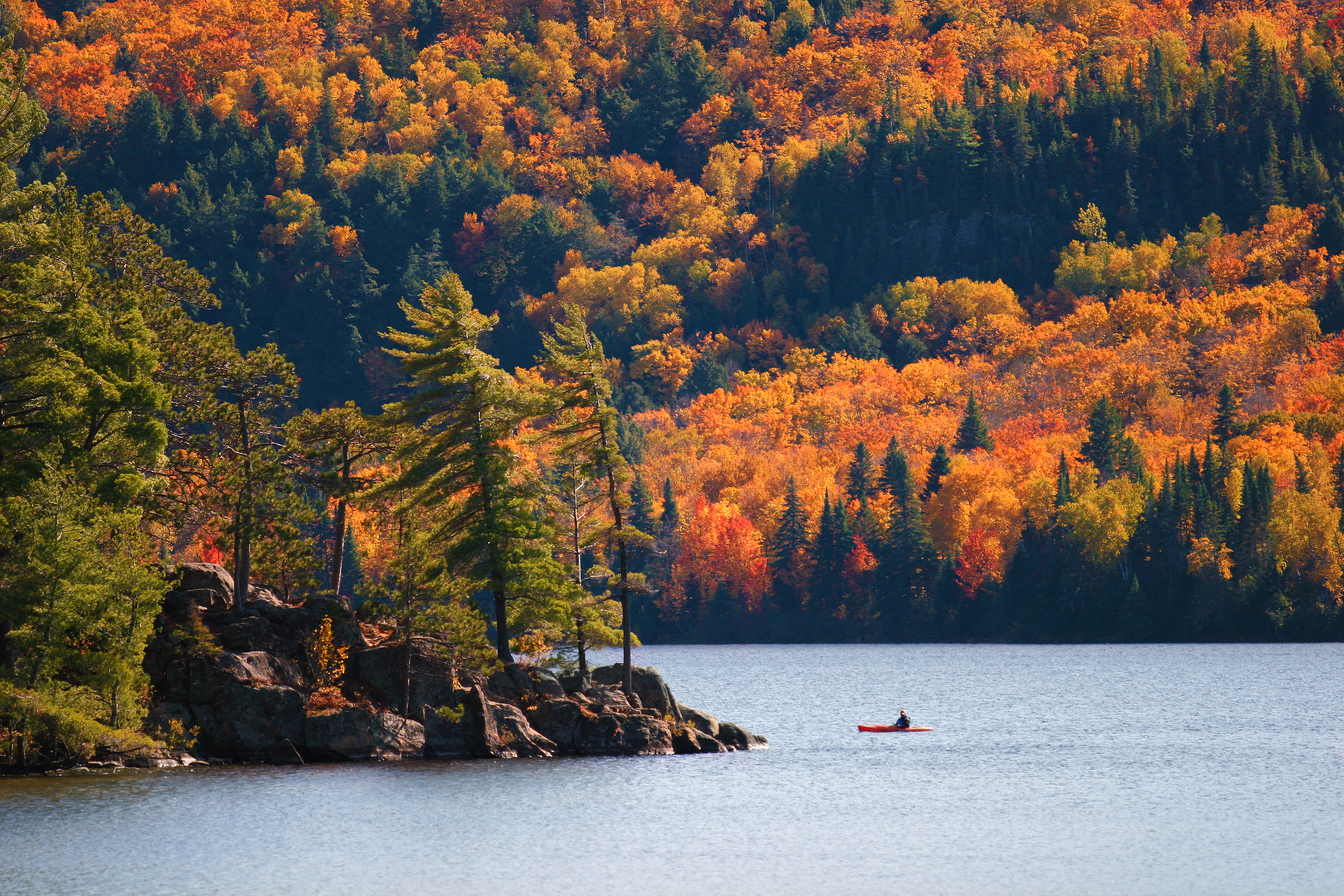
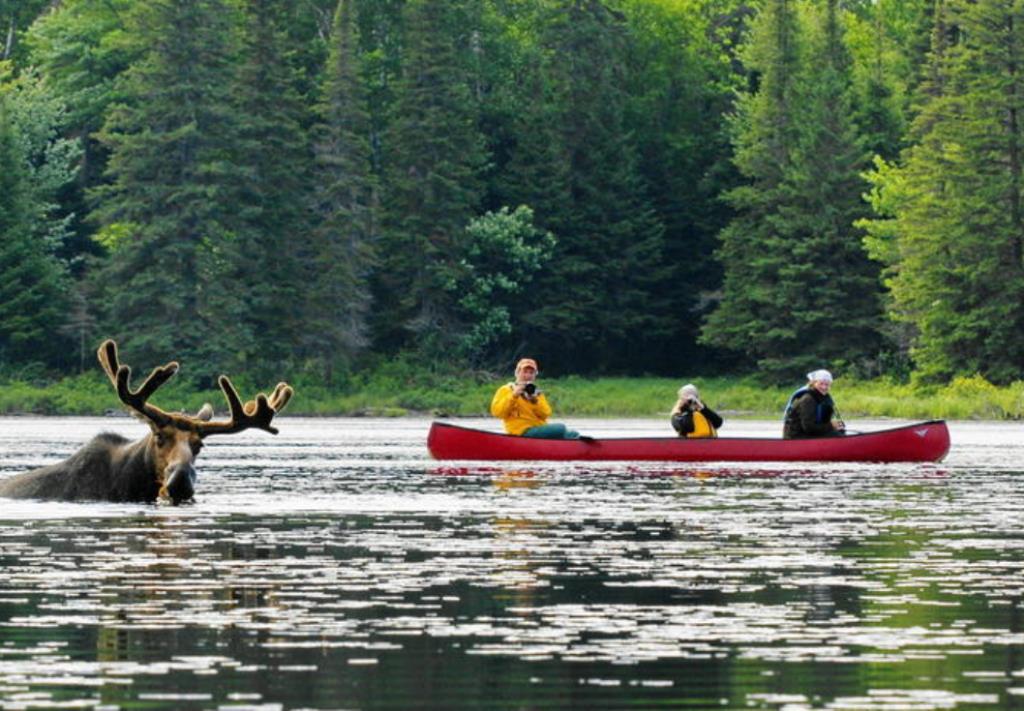
Algonquin Park is Ontario's oldest and most famous provincial park, a vast sanctuary of wilderness made of thousands of crystalline lakes, endless forests and winding rivers, a temple of Canadian outdoor adventure. A canoeing paradise, it is crossed by countless water routes that let you explore the wilderness in total immersion, paddling from lake to lake and camping under the stars. Its forests host moose, beavers, wolves and rich birdlife, while loons fill the evenings with their call. In autumn the foliage turns the maple woods into a riot of reds and golds. The park inspired the famous painters of the Group of Seven. Between lakes, canoeing and primordial nature, Algonquin Park embodies the wild soul of Ontario.
Auto
Giorno 7 — Algonquin Park → Ottawa
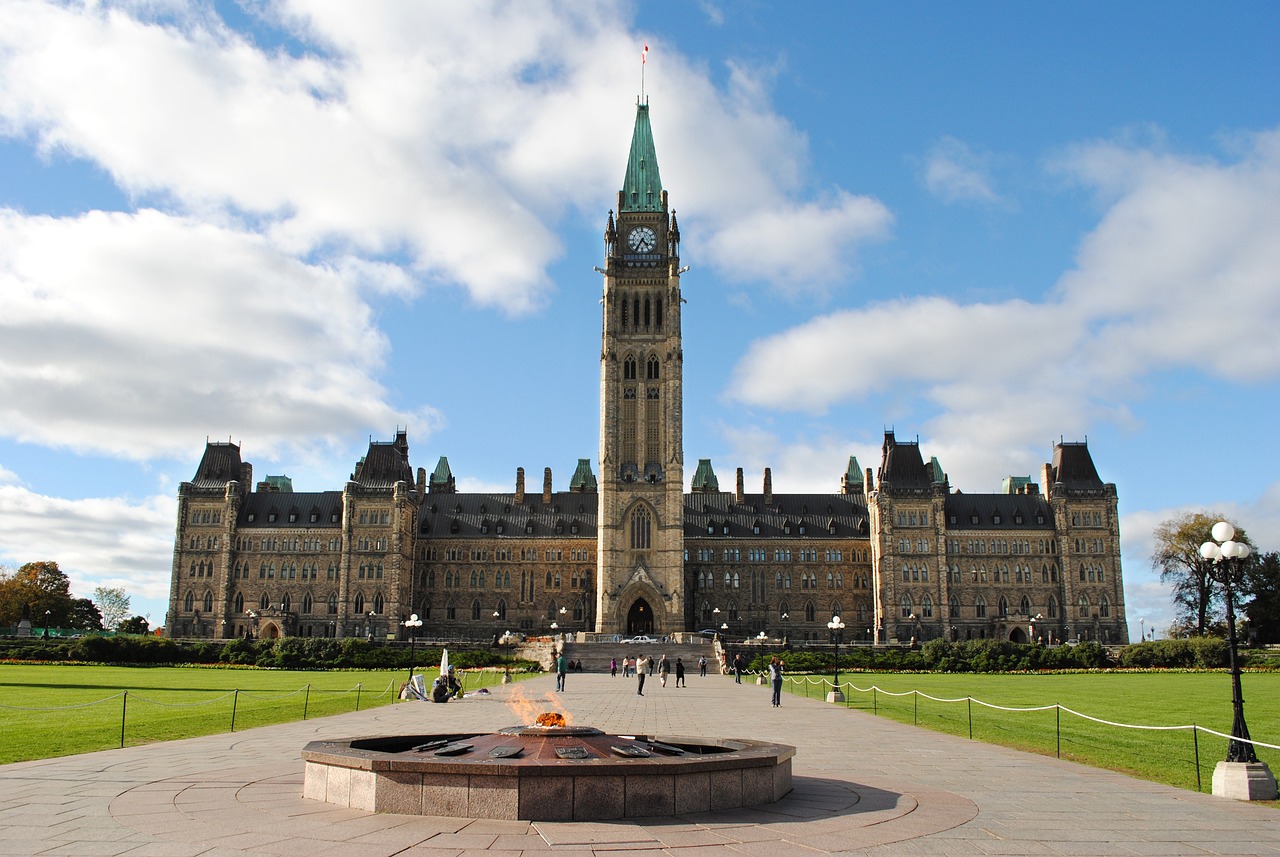
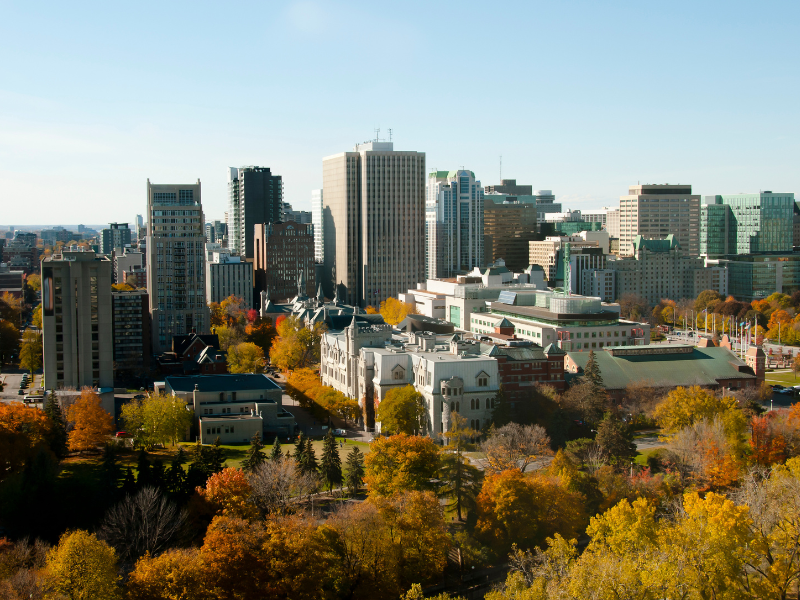
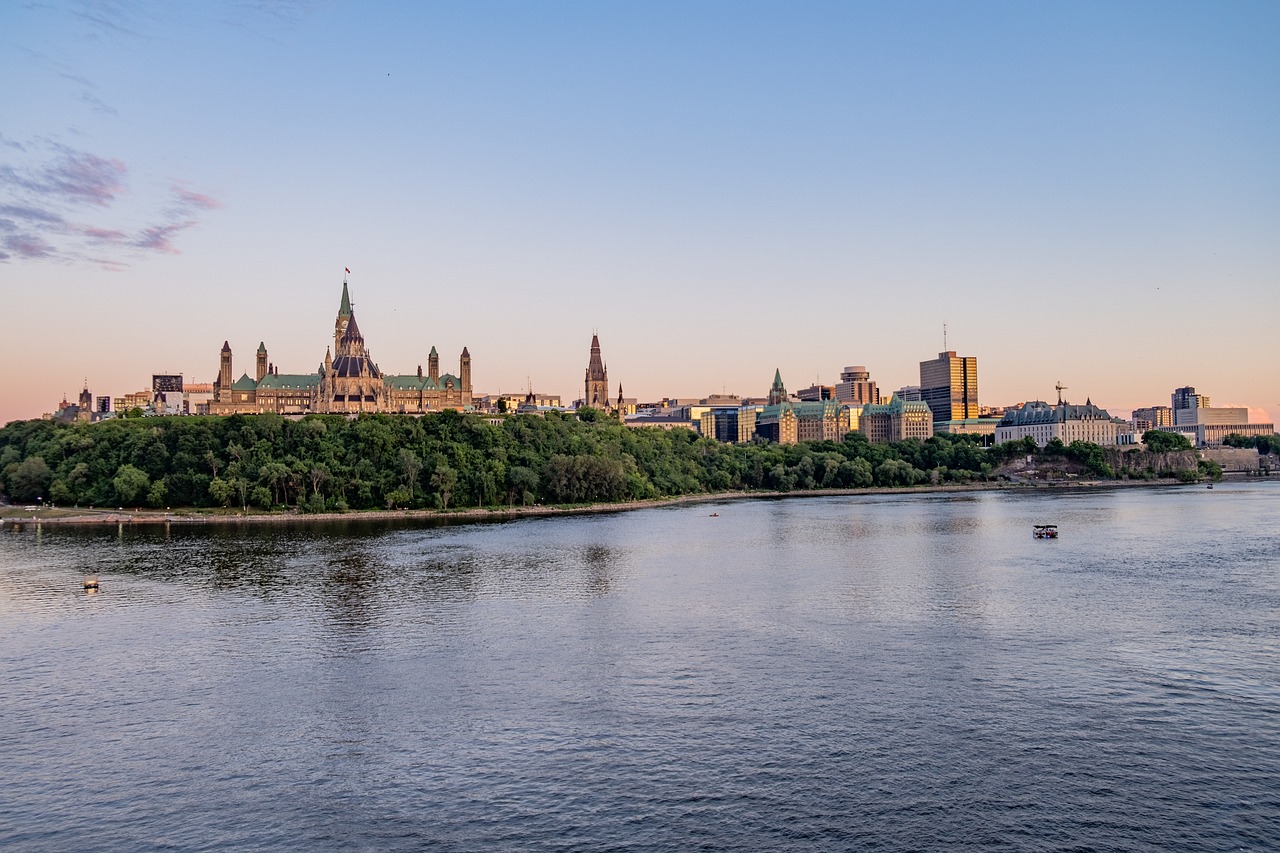
Starting from the park, one travels through the beautiful Muskoka area and past small villages and quaint towns such as Whitney and Barry's Bay. Continuing eastward, you pass through lush forests, rivers and lakes, with occasional scenic stops ideal for taking in the scenery. The stage offers a mix of natural beauty and rural views before arriving in the vibrant and historic city of Ottawa, with its museums, art galleries and iconic Parliament Hill. Ottawa, Canada's capital, lies on the banks of its namesake river, on the border between Ontario and Québec, and is an elegant, orderly city rich in museums and national monuments. Its symbol is Parliament Hill, with the majestic neo-Gothic Parliament buildings and the Peace Tower dominating the river. The Rideau Canal, recognised as a UNESCO World Heritage Site, crosses the city and in winter becomes the world's longest ice-skating rink. Ottawa hosts some of the country's most important museums, from the National Gallery of Canada to the Canadian Museum of History across the river. The lively ByWard Market offers fresh produce, restaurants and bars. Bilingual and cosmopolitan, rich in green spaces and cultural life, Ottawa is a human-scale capital where history, politics and culture meet in a refined and welcoming atmosphere.
Auto
Giorno 8 — Ottawa → Kingston
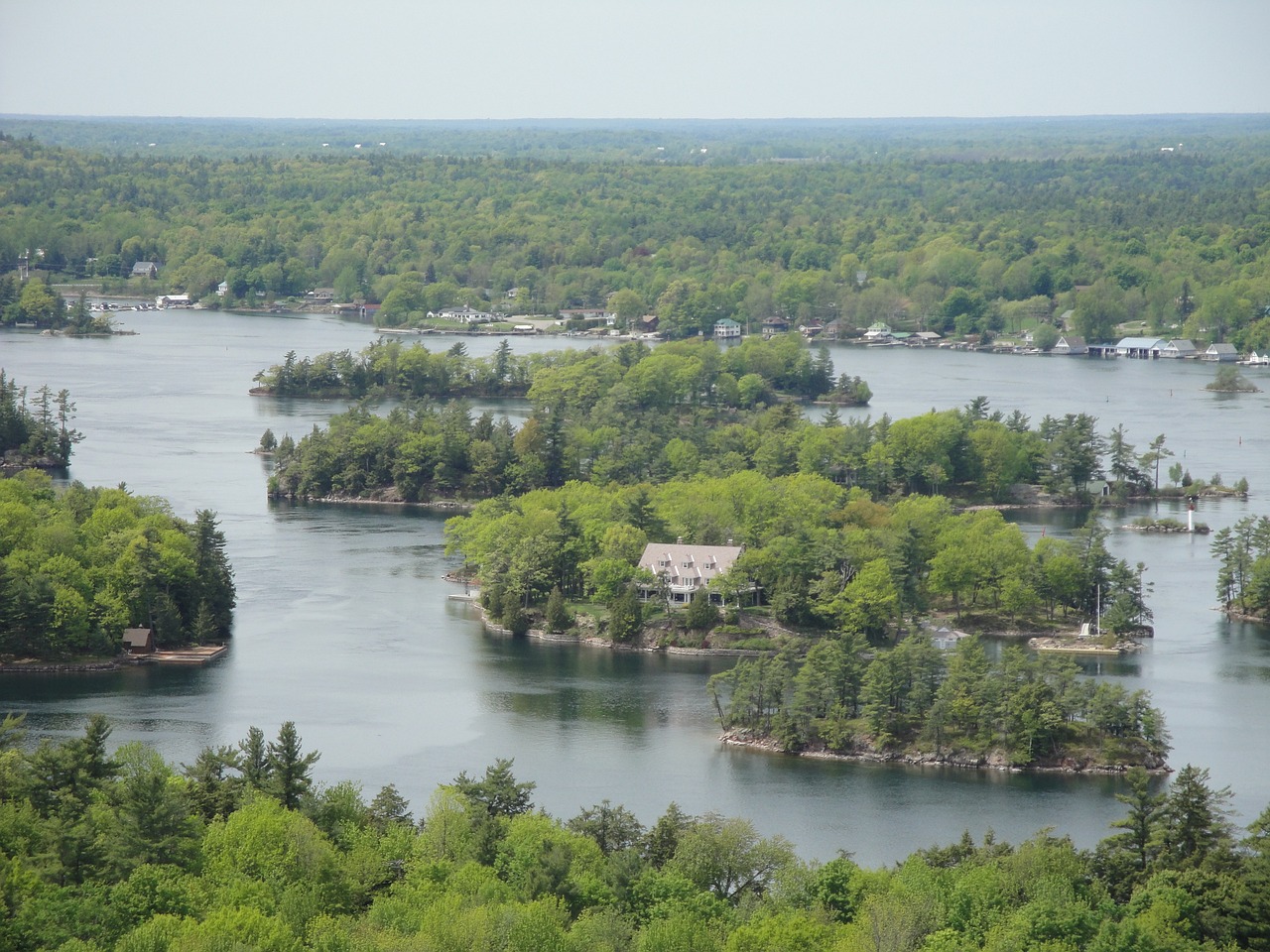
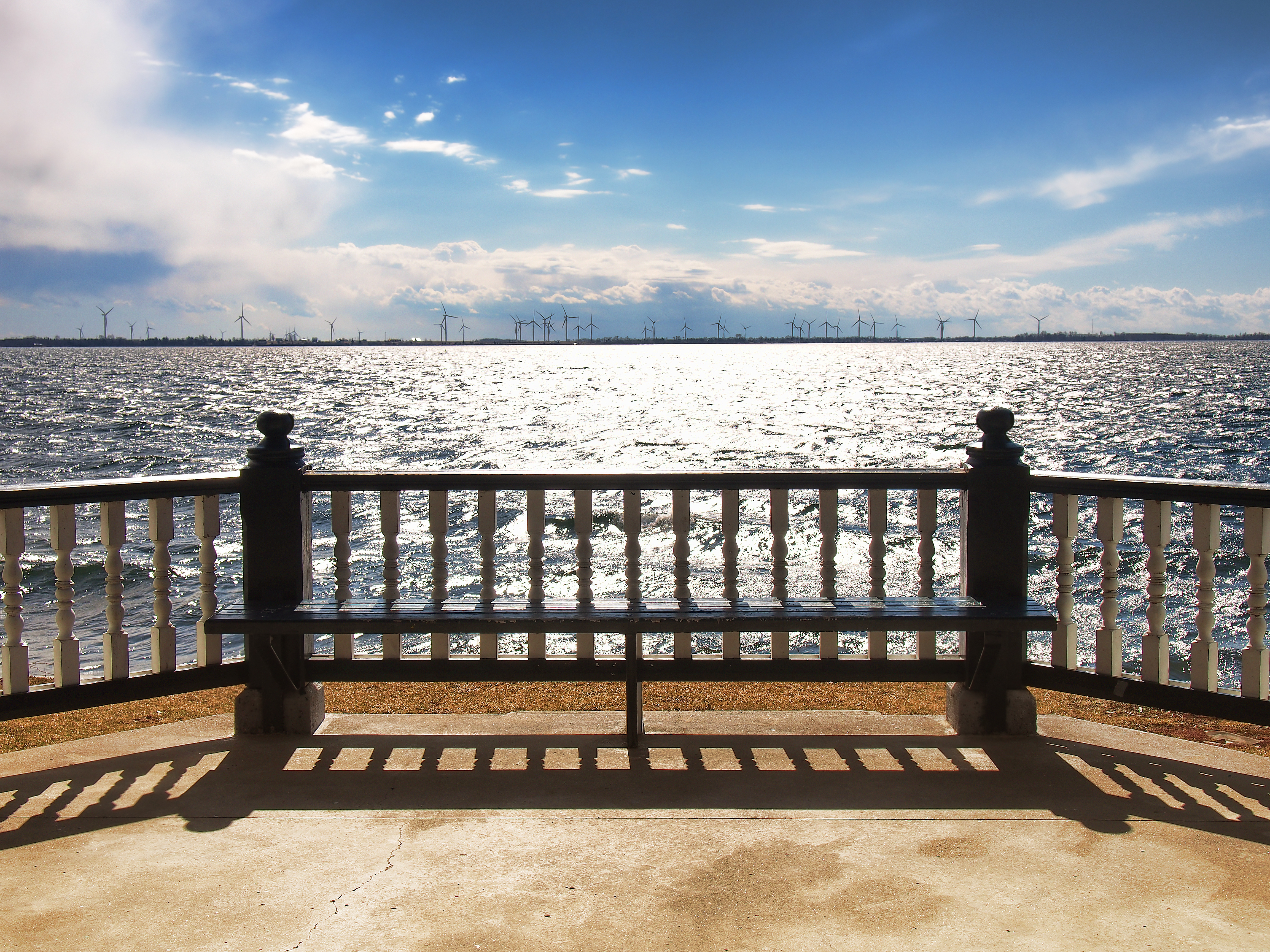
The route from Ottawa to Kingston runs along the scenic Trans-Canada Highway 401 and offers a fascinating combination of nature and history. The approximately 200-kilometer journey passes through beautiful rural areas, skirting idyllic lakes and rivers. In Kingston, travelers can visit the historic downtown area, filled with impressive attractions such as Fort Henry and Queen's University. Along the way, it is worth stopping at the Rideau Canal, a UNESCO World Heritage Site, and picturesque villages along the way. Kingston is an elegant historic city in Ontario, located on the shores of Lake Ontario where the St Lawrence River begins, at the entrance to the famous Thousand Islands archipelago. Once Canada's first capital, it preserves numerous limestone buildings that earn it the nickname "Limestone City", including the city hall and Fort Henry, an imposing fortress designated a UNESCO World Heritage Site along with the Rideau Canal. The city boasts a lively university life, a charming historic centre rich in restaurants and cafés, and a picturesque lakefront. From Kingston, cruises set off among the Thousand Islands, scattered with islets and mansions. Its refined atmosphere and historic heritage make it a fascinating stop. Between history, lake and fortifications, Kingston is one of Ontario's most charming cities, ideal for lovers of heritage and river landscapes.
Auto
Giorno 9 — Kingston → Niagara Falls
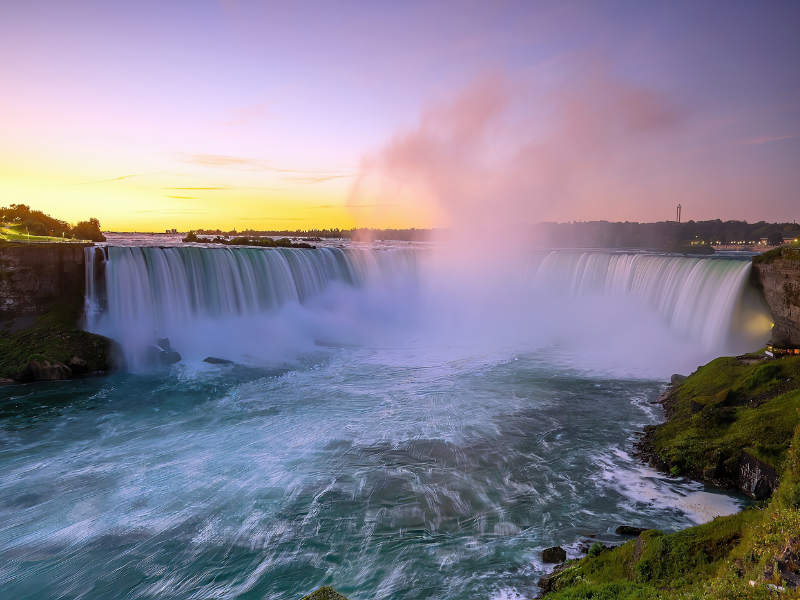
The journey proceeds along the northeast coast of Lake Ontario. Niagara Falls, on the Canadian side, offers the most spectacular view of the famous Niagara Falls, among the most renowned and visited in the world. The imposing Horseshoe Falls plunge with power, creating clouds of spray and rainbows, in a scene of grandiose nature. Sightseeing boats carry visitors to the foot of the falls, while walkways and viewing terraces allow them to be admired from every angle, by day and night, when they are lit with light displays. The town that hosts them offers attractions, casinos, observation towers and a lively atmosphere. Nearby, the wine region and picturesque Niagara-on-the-Lake enrich the visit. Thrilling and overwhelming, Niagara Falls is one of North America's most iconic natural wonders, capable of leaving every visitor breathless.
_20260331114347.png)
_20260331114347.png)
_20260528121235.png)
_20260528121235.png)
_20260528121235.png)
_20260512154556.png)
_20260512154556.png)
_20260512154556.png)
_20260512154557.png)
_20260512154557.png)
_20260512154557.png)