Notes
BAGGAGE: One medium-size baggage (max. 20 kg) per person is allowed. Storage room is extremely limited on Japanese trains. In the event of your luggage being shipped separately to your final destination, you are suggested to bring along a carry-on baggage with any personal belonging you might need during the trip (including toiletries for the nights)., ROOMS: a double room is a room with two beds. Double beds are very rare in Japan and several hotels do not provide them. We are thus unable to grant you a double bed at the time of reservation. Triple rooms are double rooms plus an extra bed, typically smaller than the other two. Triple rooms are subject to availability at the time of reservation. Please note that single rooms can be extremely small. Special requests for smoking, communicating, adjoining, high floor, low floor rooms etc. are always upon request and the service is never to be intended as guaranteed.
TRAVEL DOCUMENTS: before the start of the tour, all the participants must make sure they possess the required documents to enter the destination countries, and that such documents are comprehensive and valid.
HOTEL, CHECK-IN: rooms are usually assigned starting from 3pm. Earlier check-in is at the hotel’s discretion. If you request earlier assignation, you must book an extra night at the beginning of your stay.
HOTEL, CHECK-OUT: rooms must be left in the morning (the exact time will be provided by the hotel). Supplements for late check-outs amount to an extra night's charge
FINAL HOTEL LIST: as in the travel documents
HOTEL / ITINERARY, CHANGES: The Organizing Body reserves the right to substitute the itinerary and/or the hotels to alternative of a similar or superior category in the event of unplanned circumstances, and if the safe and normal proceeding of the tour is threatened. Furthermore, when in the impossibility for all of the travellers to stay at the same hotel, the group will be split amidst several hotels of the same category.
MEALS: not included when not specified
PUNCTUALITY: you are advised to be punctual. No refund is issued to passengers failing to meet at designated time., REFUNDS: If the tour or any part thereof cannot be conducted due to Force Majeure or Vis Majeure, the Company shall not be responsible to give any refund; also, no refund will be given for any portions of the tour unused by the traveler
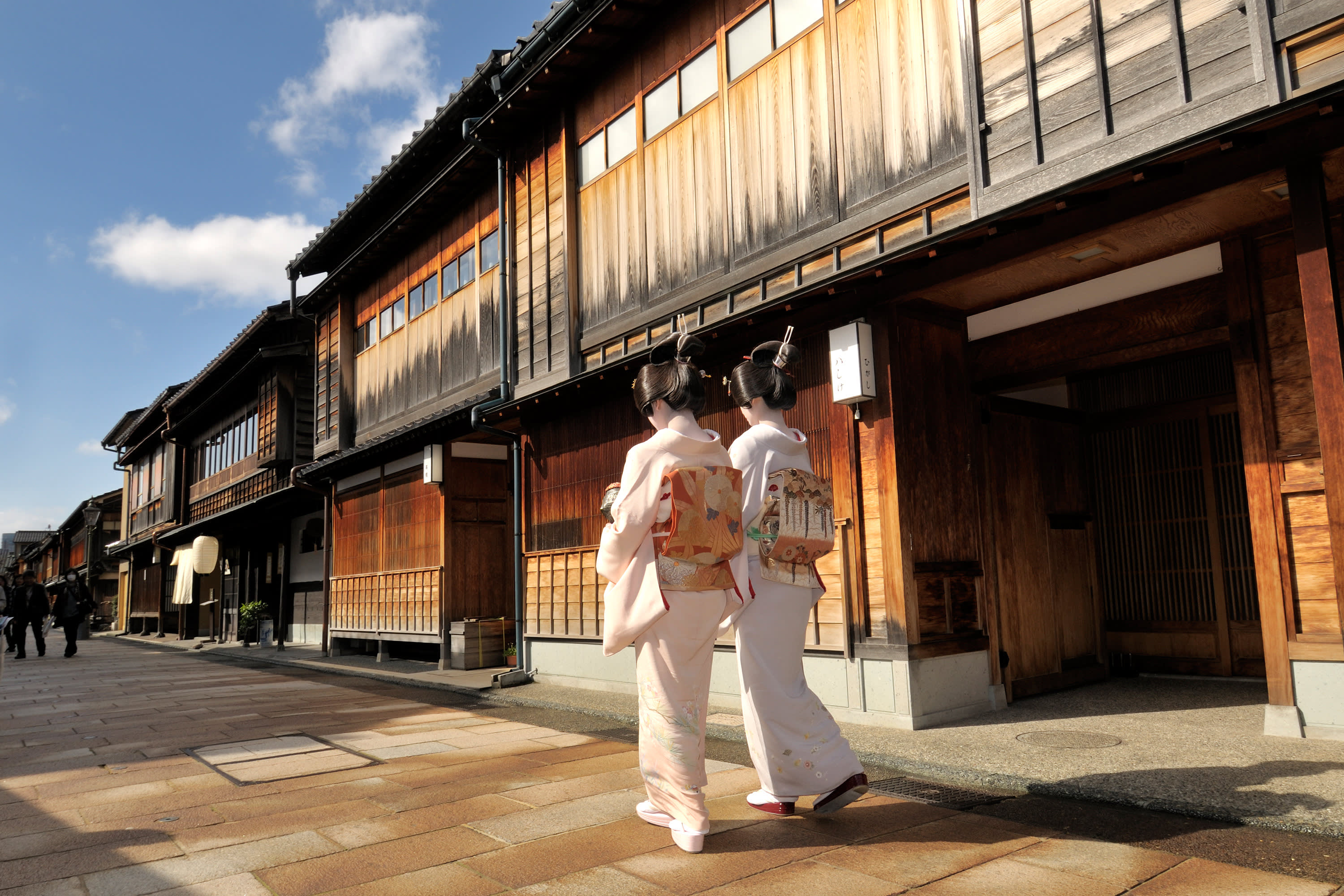
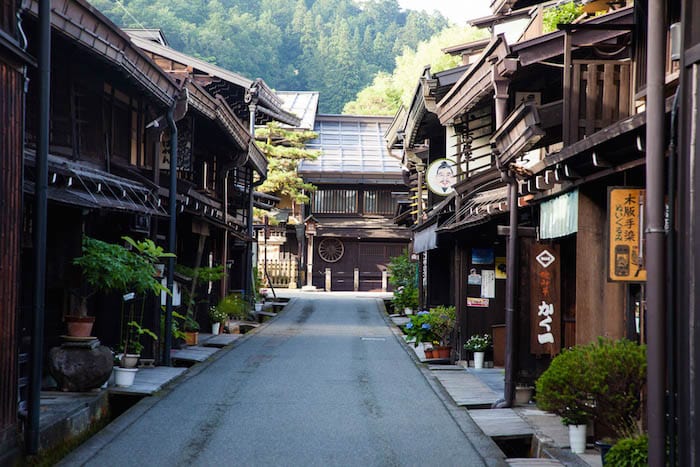
STOP IN KAMAKURA OR HAKONE: if you want to visit Kamakura while travelling from Tokyo to Kyoto, you must take the JR Yokosuka Tokaido train from Tokyo to Yokohama; then the JR Yokosuka train for Kamakura. You must go back to Yokohama to take the Hikari Shinkansen for Kyoto. To go to Hakone: get off the train in Odawara and purchase a 2-day Hakone Free Pass - including transfers from/to the Odawara station, a cruise on the lake and cable car rides. transfer by Shinkansen from Odawara to Kyoto., RYOKAN: A journey back in time. Nothing recreates the atmosphere, beauty, and simplicity of ancient Japan better than these wooden inns with sliding paper doors, perfect gardens, delicious meals, and a rejuvenating immersion in hot springs. Typically, ryokans are small, one or two-story buildings with about ten rooms. There is also a hybrid, Western version, where only the rooms are in Japanese style, not the building. The schedule is strict: you arrive between 3 and 5 pm, dinner is served between 5 and 7 pm, and the next day you check out by 8 am. In ryokans, only Japanese is spoken, you enter without shoes, and you sleep on the floor. The person who welcomes you, usually a woman in a kimono, offers you plastic slippers and accompanies you to your room, where the first thing you will notice is the absence of a bed: a futon, which serves as a blanket and mattress, is unrolled on a traditional straw mat (tatami) of standard size (90 cm x 180 cm). After a hot cup of tea, you can appreciate the peace and solitude, and maybe the view of a beautiful garden. Some ryokans have rooms with private bathrooms, otherwise, you can immerse yourself in the communal hot spring (onsen) outside and then wear the provided cotton kimono (yukata). But the highlight of the stay is the kaiseki dinner, an elaborate presentation with many tiny dishes of garden vegetables, raw fish (sashimi), cooked or grilled fish, tempura, and regional specialties. Each preparation is a small work of art. You can order beer or sake (never included). The next morning, when you wake up, breakfast will consist of fish, vegetable broth, dried seaweed, rice, and other dishes. Fresh and rejuvenated, you will be ready to continue your journey.,