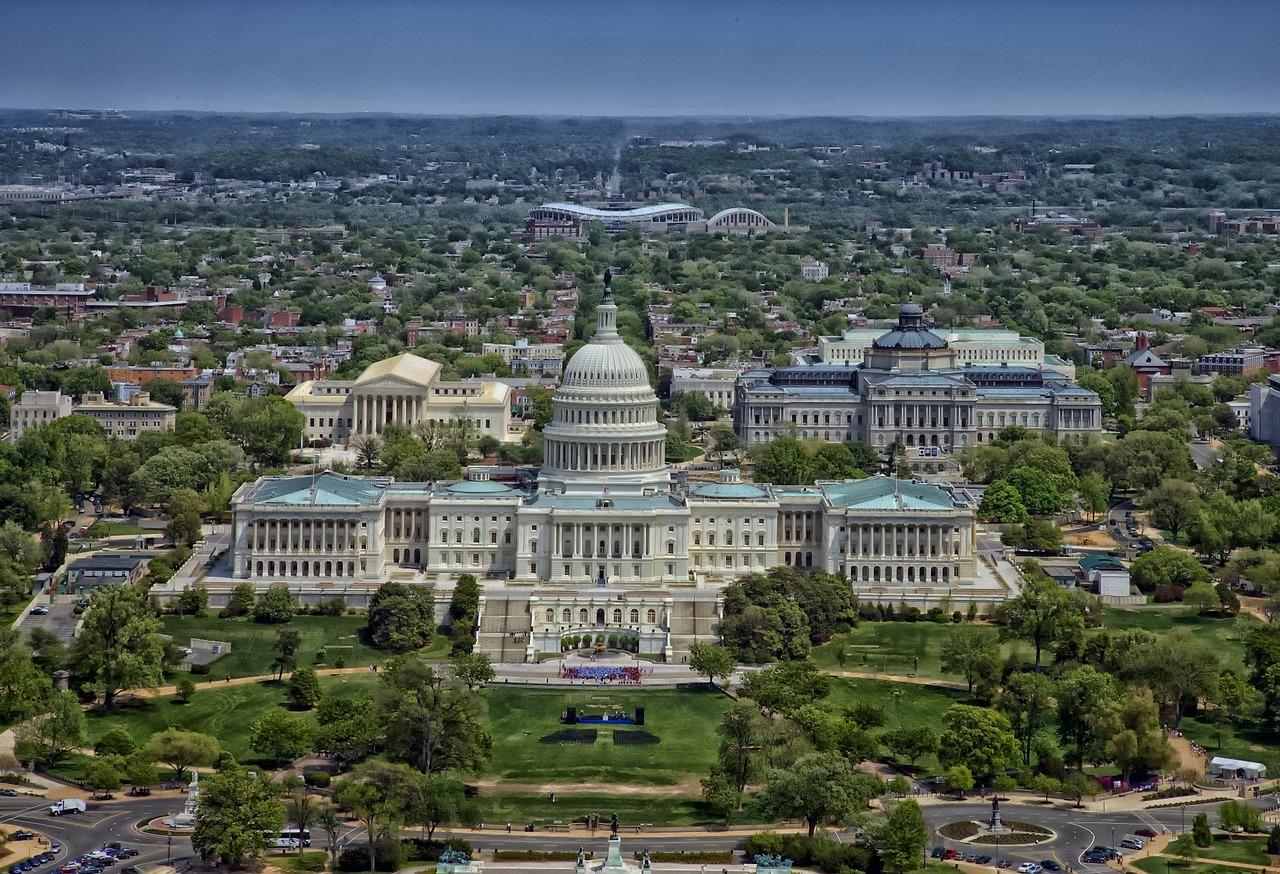
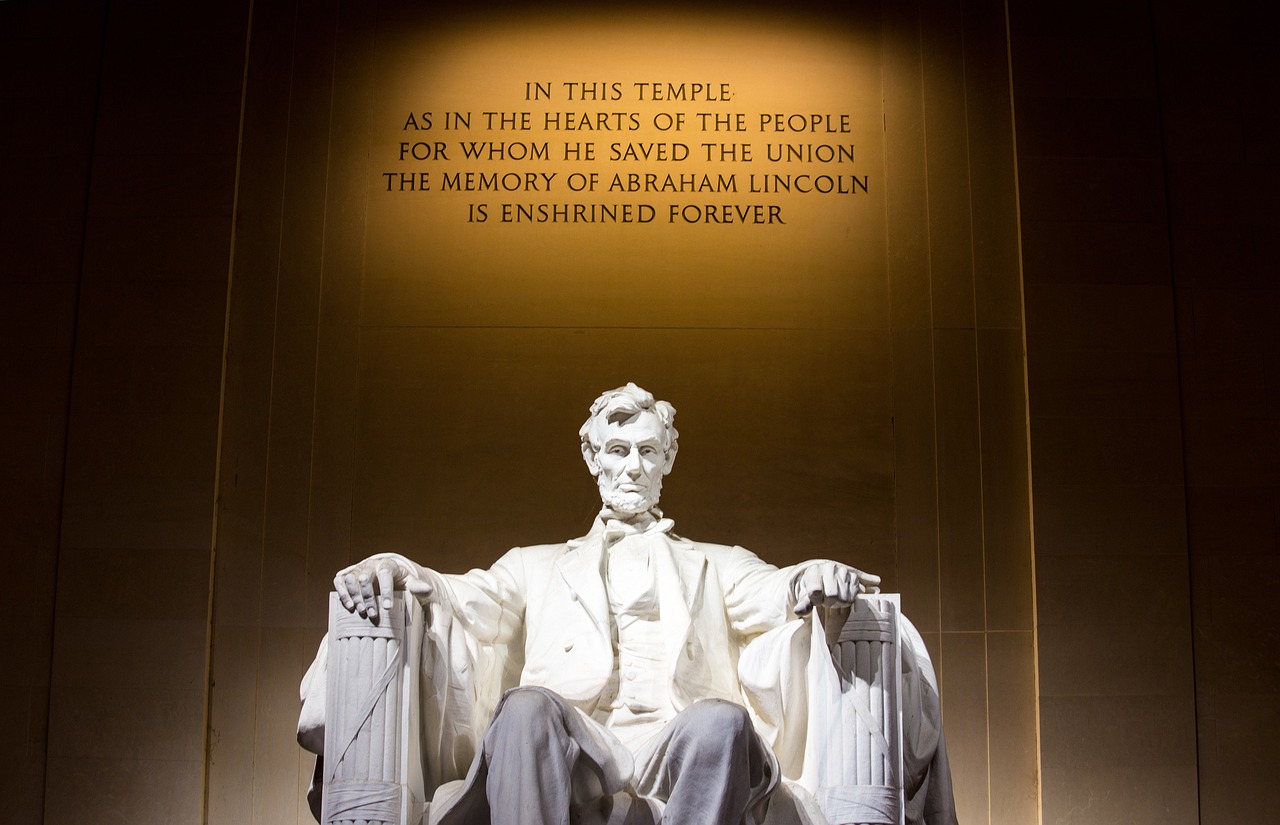
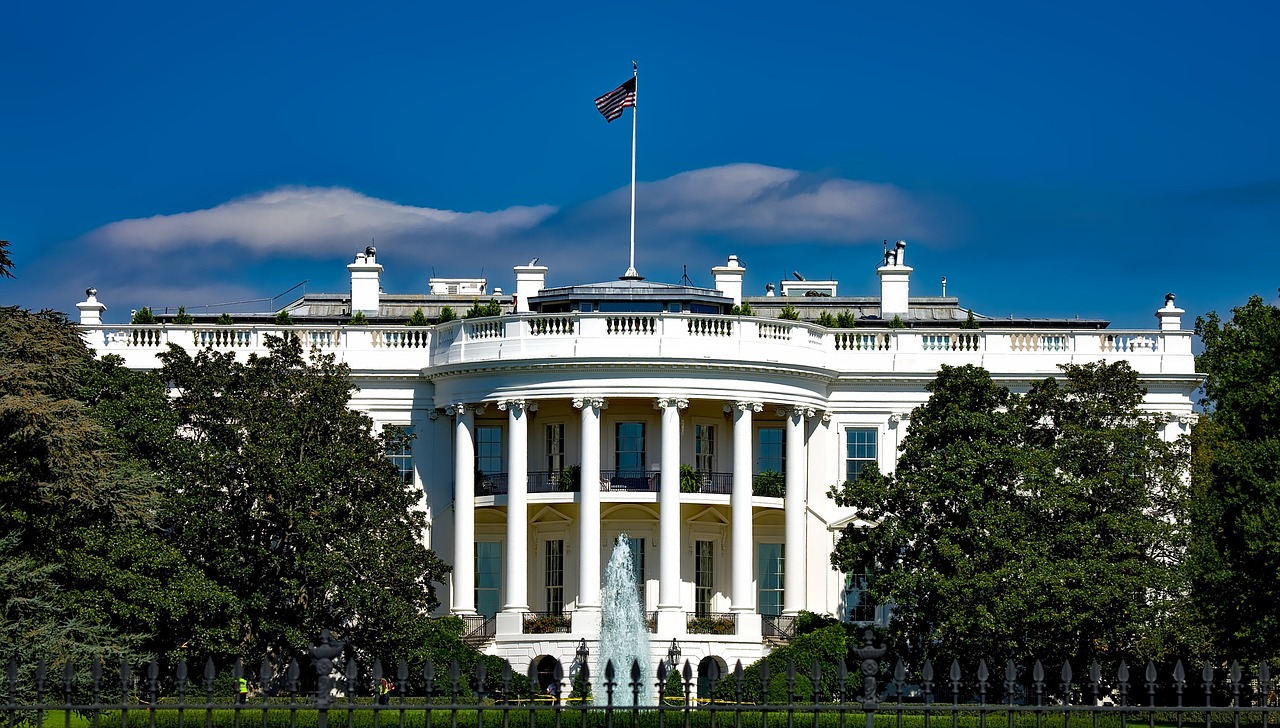
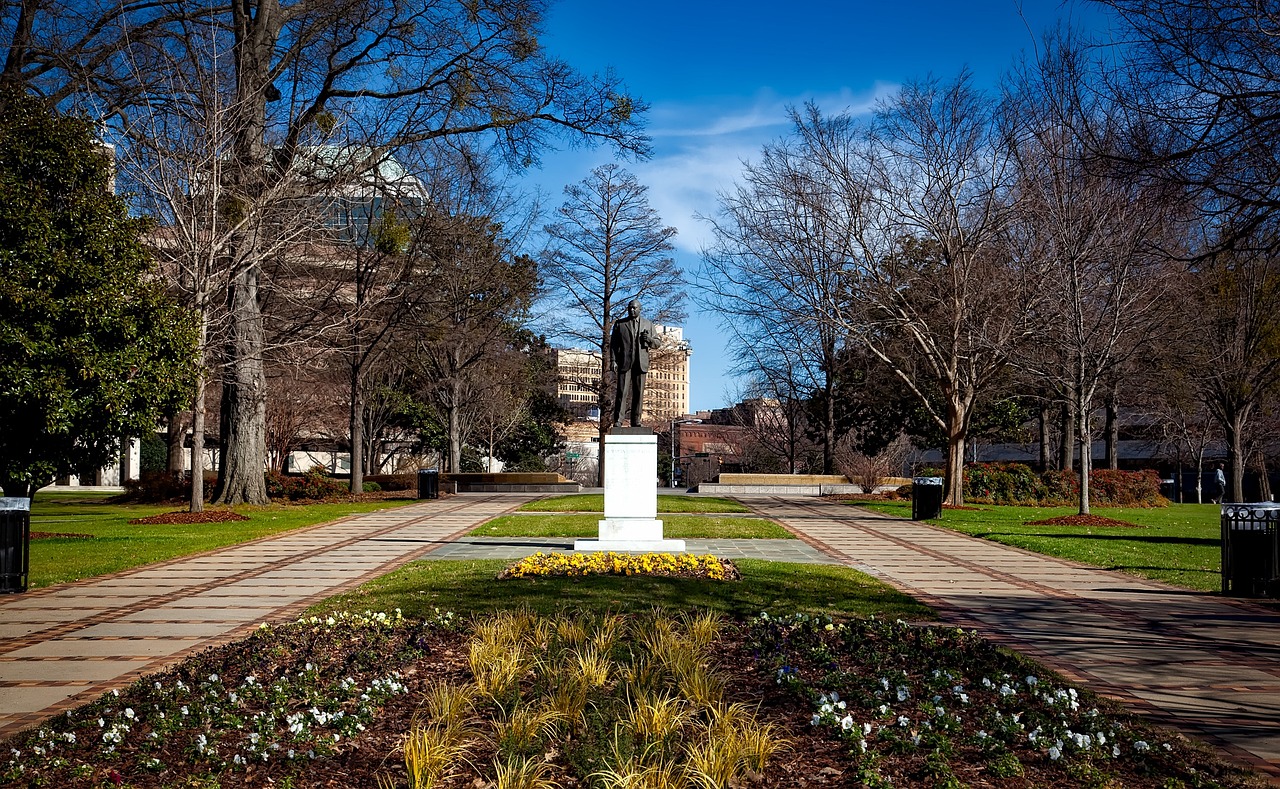
Washington DC is the capital city of the United States – and its very political heart. Washington is a monumental city, with impressive white-marble buildings, memorials and some of the very best museums. It also boasts extremely pleasant residential districts, dotted with antique houses, parks and gardens, making for a lively, multicultural city.
Car
Day 3 — Washington DC → Outer Banks
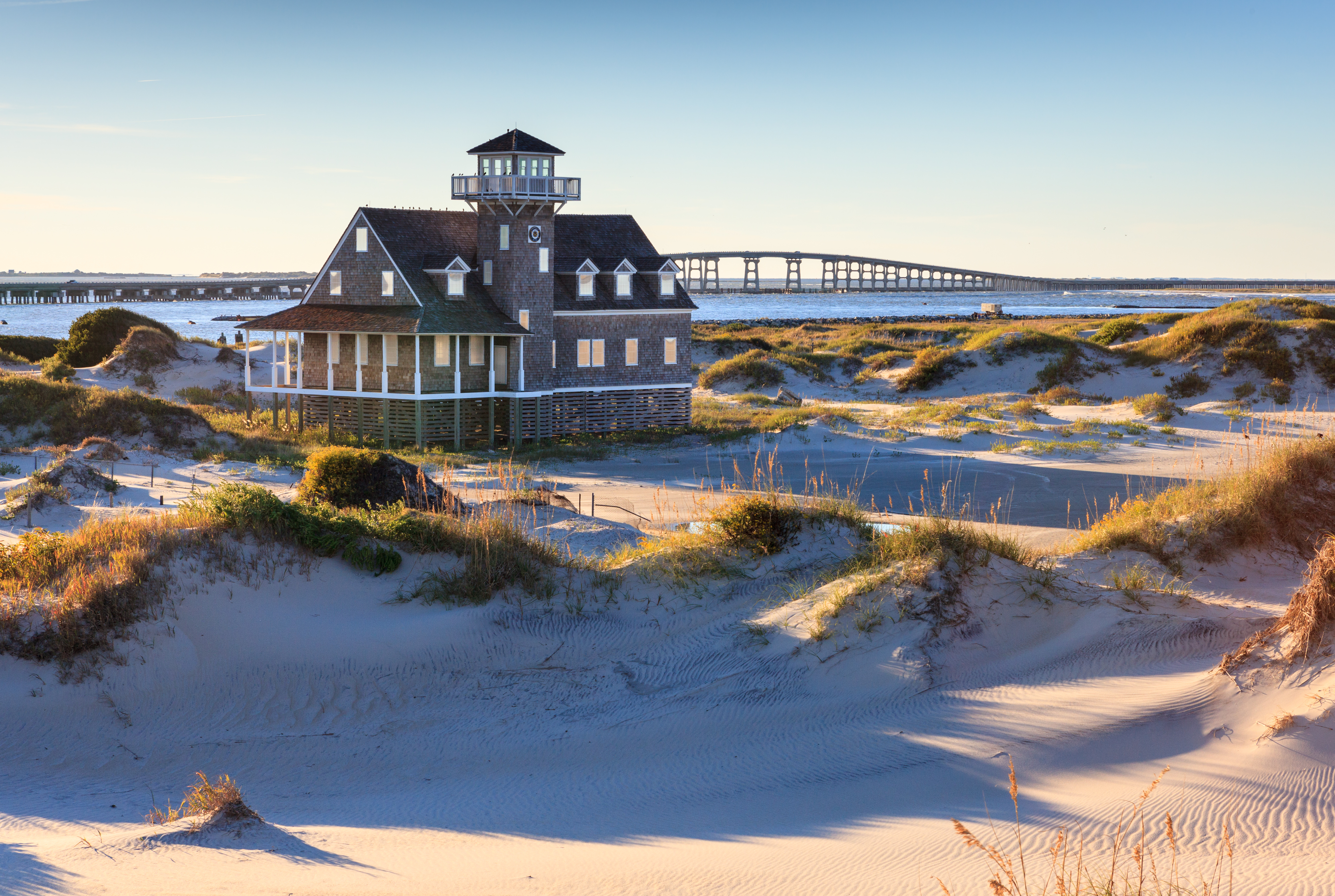
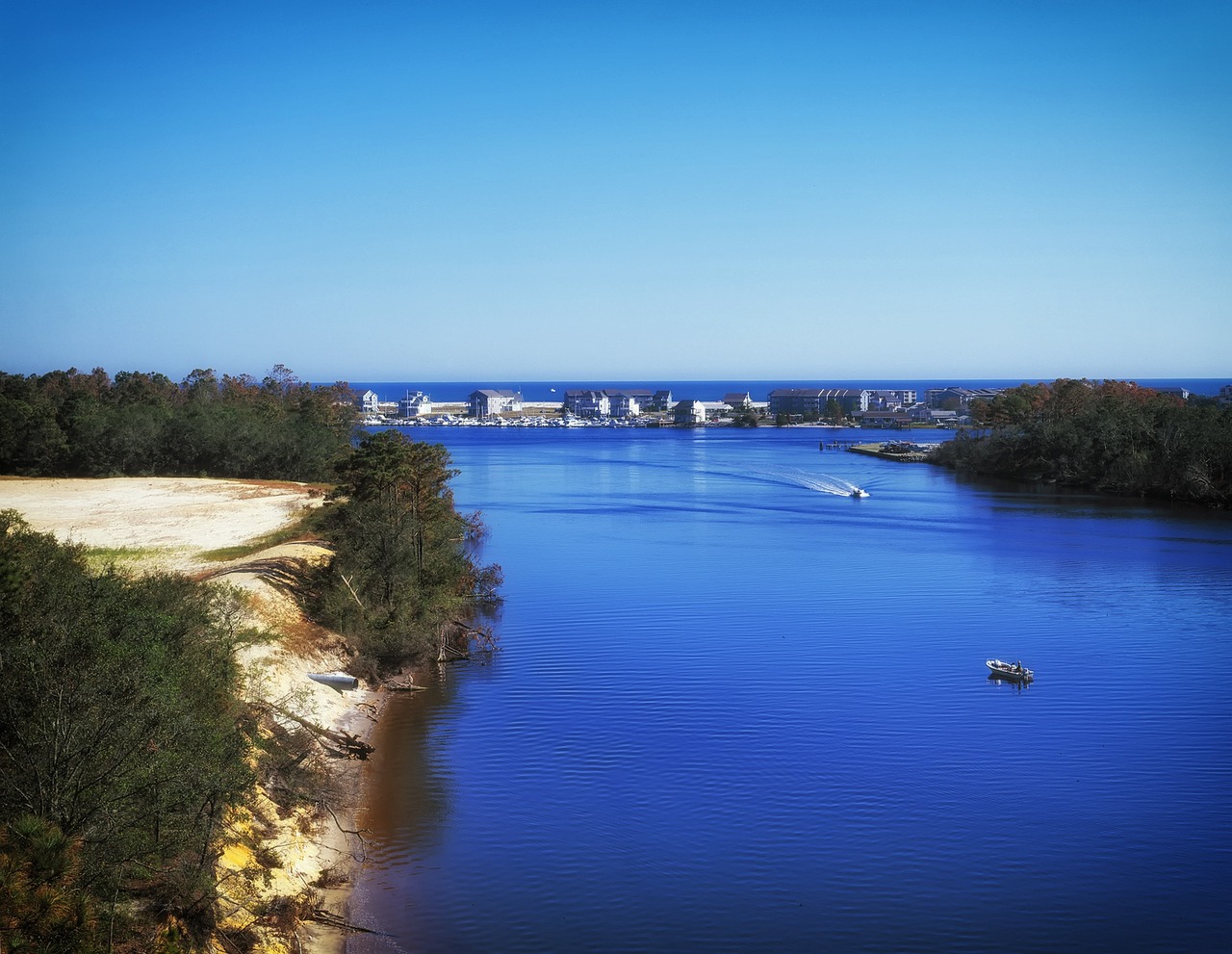
The North Carolina coast stretches for over 480 km and is protected for 320 km by a chain of islands that form a sort of barrier and dotted with picturesque lighthouses. This is still a relatively undeveloped part of the coast, with strips of sand separated from the mainland by narrow channels and connected by bridges and ferries, where even in high season it is still possible to find uncrowded beaches. The main islands in this northern part of the Outer Banks are Bodie, Roanoke, Hatteras, and Ocracoke, where coastal towns with a rich colonial history, old forts, and oceanfront lighthouses can be found. There are also trails for birdwatching enthusiasts and museums related to the area's history, such as the one in Kitty Hawk, where the Wright brothers took their first flight in 1903. Further south, near Wilmington, we find the Crystal Coast, the historic Cape Fear, and the Brunswick Islands.
Car
Day 6 — Wilmington (NC) → Charleston
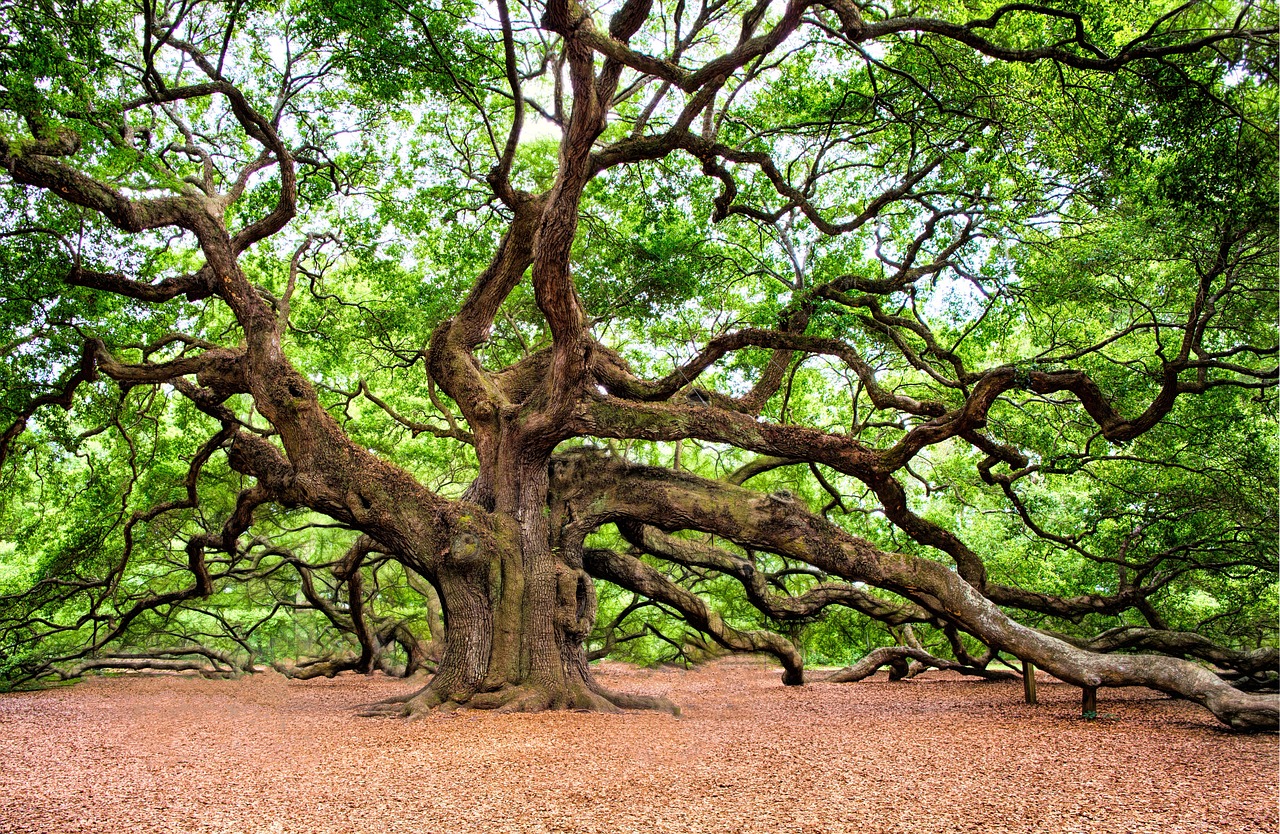
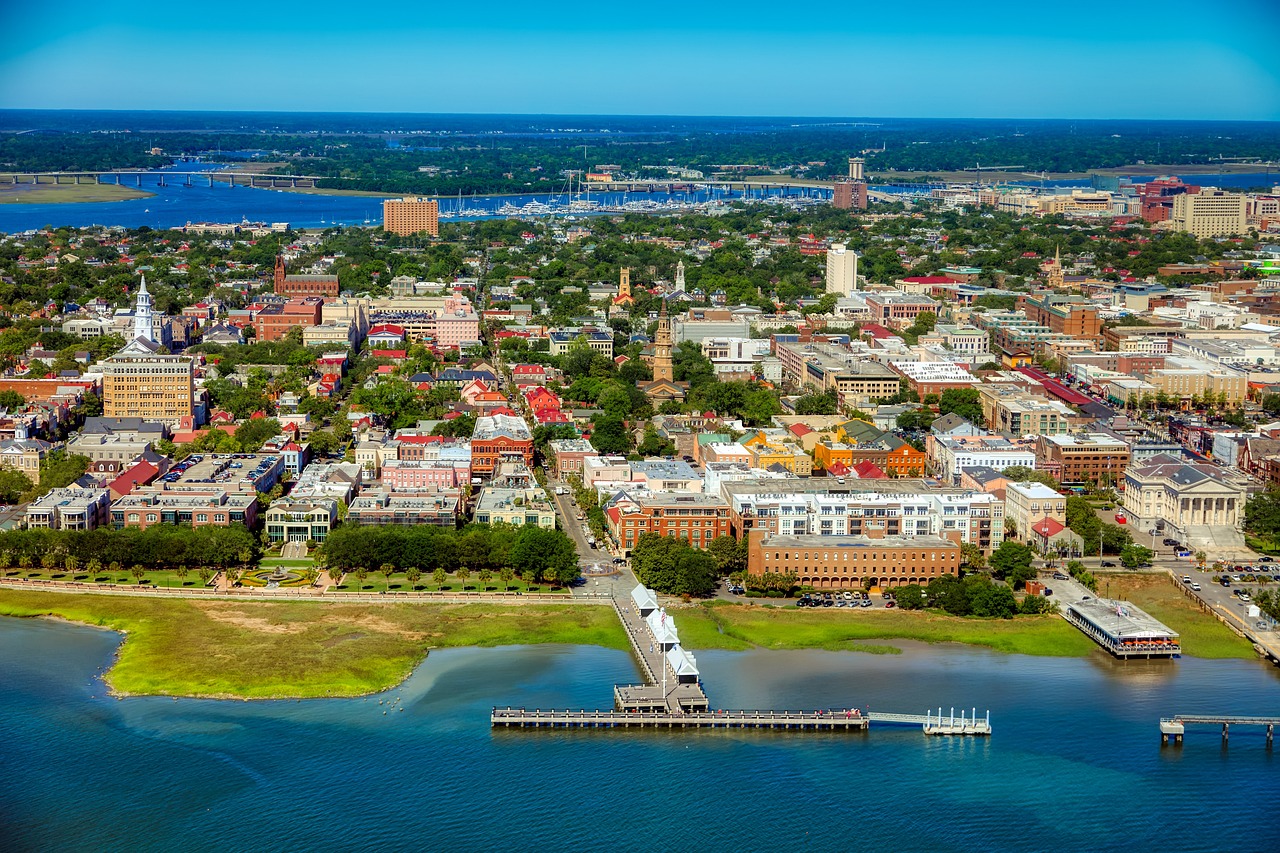
Charleston is one of the most elegant cities in the USA, with nineteenth-century mansions dating back to before the Civil War, warm hospitality, century-old trees, and azalea gardens. In three centuries of history, the city has survived hurricanes, fires, earthquakes, and the Civil War, which broke out here on April 12, 1861. Not to be missed is a visit to the typical villas, decorated with wrought iron and painted in different colors, the Battery, the historic waterfront, the City Market, where you can buy baskets made of hemp from the ancient rice fields, a plantation at Middleton Place, and the Fort Sumter National Monument, where the American Civil War began.
Car
Day 8 — Charleston → Charlotte
Charlotte is the largest city in North Carolina, despite not being the capital, which is Raleigh, with half the population. Currently, it holds an interesting record: it is the second city in the United States in terms of the number of banks, to the point that the local economy is essentially based on financial activities. Not to be missed for car enthusiasts is the NASCAR Hall of Fame, for sports fans a game of the famous local football, basketball, or baseball teams, and for those who prefer culture, the international Craft + Design collection at the Mint Museum Uptown.
Car
Day 9 — Charlotte → Cherokee (NC)
In Cherokee, at the southern entrance of the Great Smoky Mountains National Park, you will find the eponymous Indian Reservation, where during the summer months, performances are held depicting the tragic history of this people, the infamous Trail of Tears, the forced exodus to Oklahoma.
Car
Day 11 — Townsend → Nashville
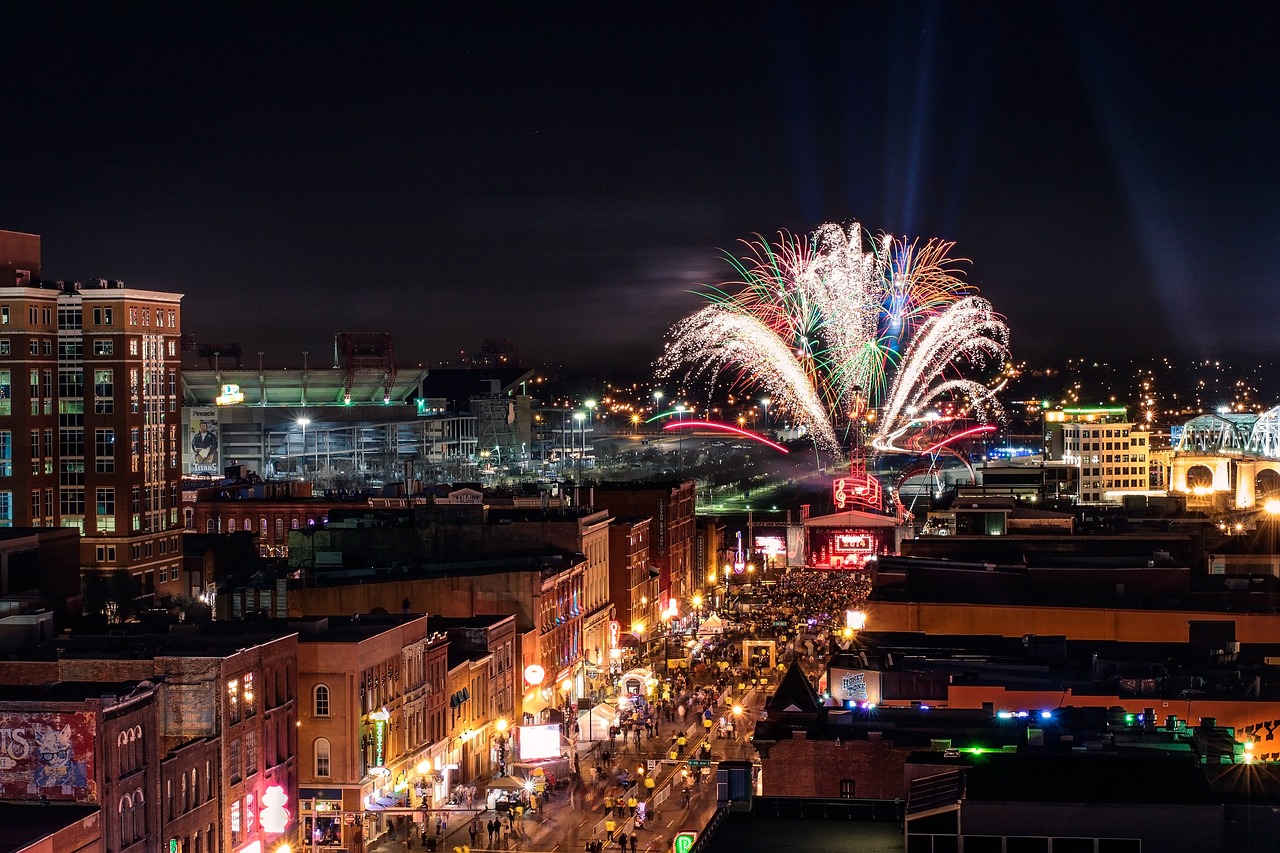
Nashville – aka Music City, USA, draws millions of music enthusiasts every year to visit the Country Music Hall of Fame, the Grand Ole Opry, the Ryman Auditorium and the Johnny Cash Museum – the shrines of country and pop music. Nashville and its surroundings are also brimming with typical honky-tonks. The city overlooks the Cumberland river, making for very pleasant riverbank walks.
Car
Day 13 — Nashville → Birmingham
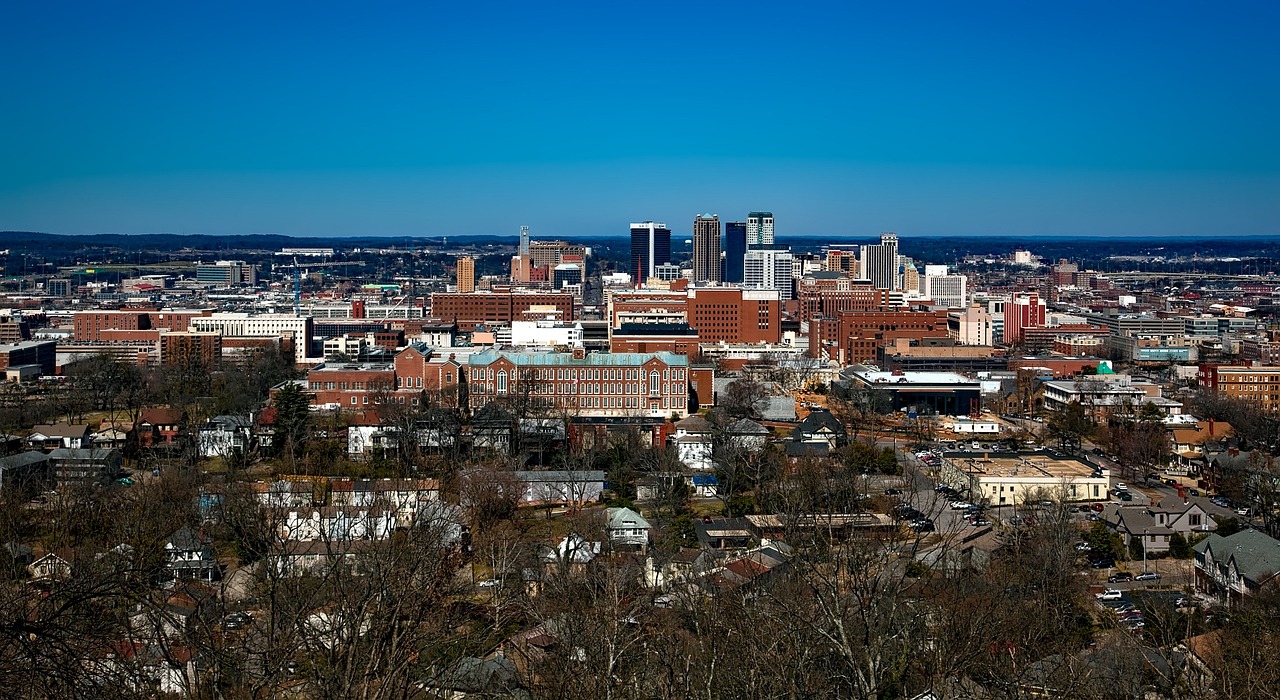
Birmingham, in Alabama, is the city where music and the fight for civil rights come together. In the Alabama Jazz Hall of Fame, you can find the Carver Theatre where some great performers of the genre have performed; it is recommended to spend an evening in one of the city's juke joints. A visit to the Civil Rights District is a must, where you can find the 16th Street Baptist Church, bombed by the KKK in 1963, Kelly Ingram Park, where demonstrations were held in the 1960s, and the moving Birmingham Civil Rights Institute, which illustrates the history of the struggle for civil and human rights.
Car
Day 14 — Birmingham → Orange Beach
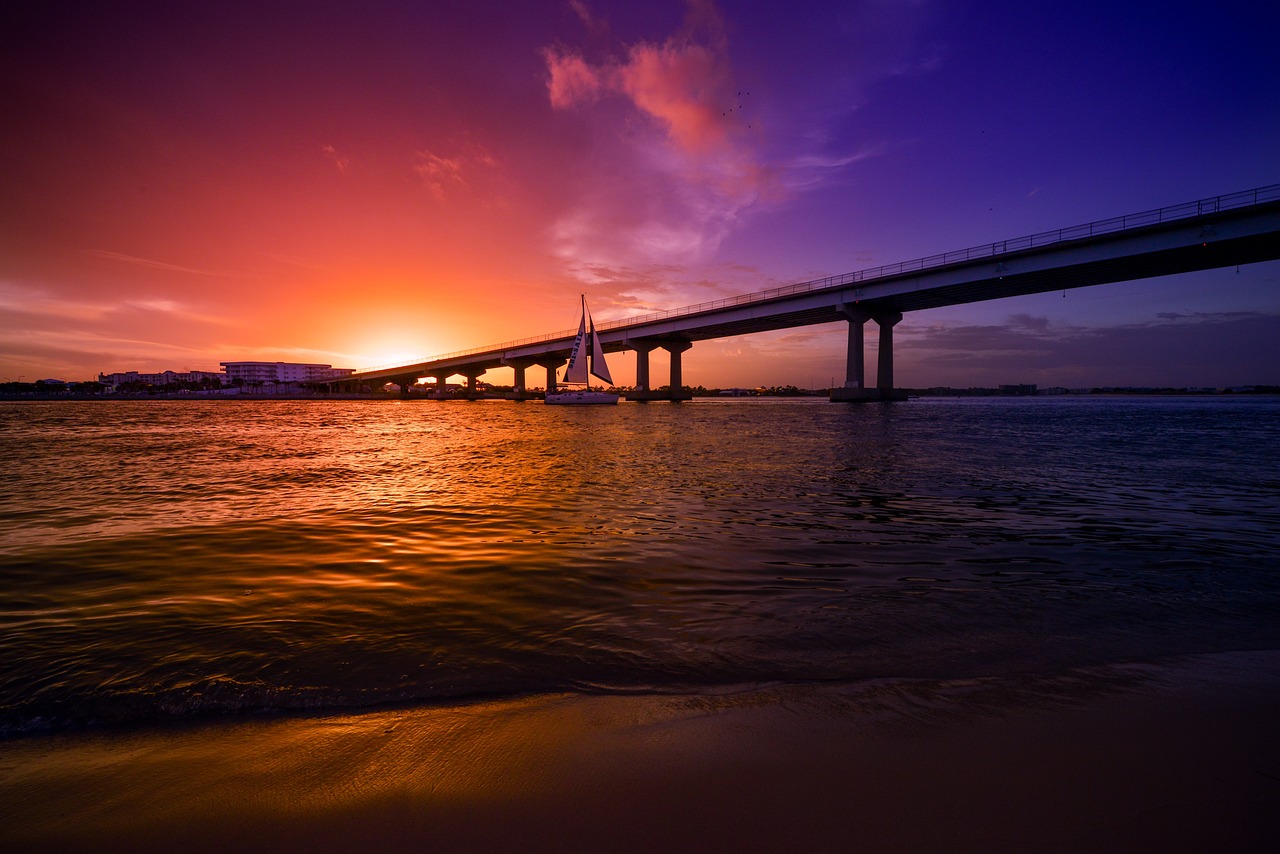
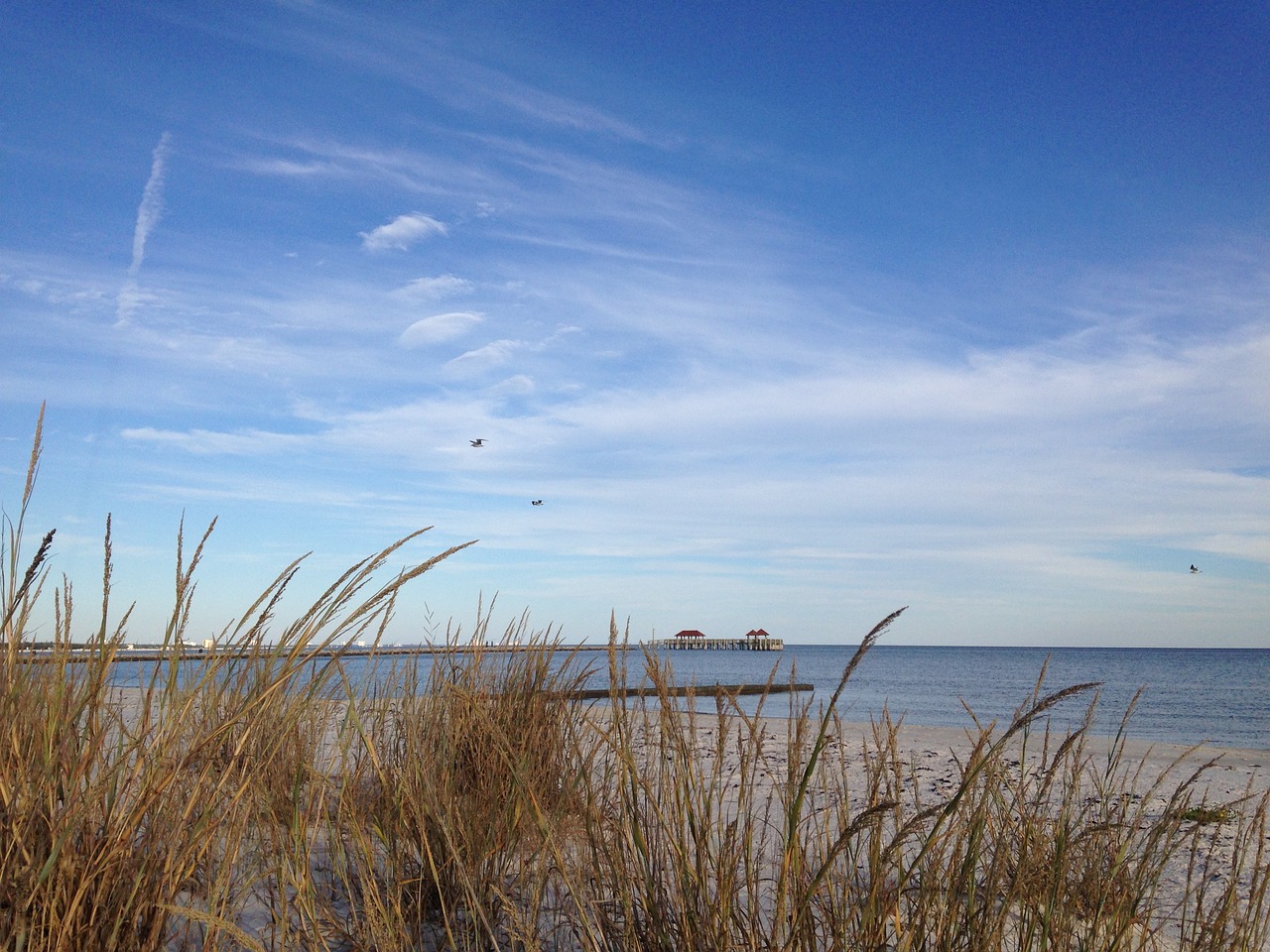
The coast of Alabama is less than 100 km long, but in such a short stretch it offers wide beaches with white sand, backed by wild dunes and overlooking an emerald green sea. There are two main towns, Orange Beach and Gulf Shores, which offer visitors typical shops, malls, local breweries, and excellent restaurants.
Car
Day 15 — Orange Beach → Biloxi
Biloxi is located along the approximately 150 km of Gulf Coast in Mississippi. The curiosity of this part of the coast is the number of large Las Vegas-style casinos that coexist with quiet and sleepy fishing villages, which have always been the basis of the local economy. The casinos in Biloxi were rebuilt after Hurricane Katrina, while other areas, such as the nearby town of Gulfport, have not fully recovered yet. For those with more cultural interests, a visit to the historic residence of Beauvoir, the Biloxi Lighthouse, and the Ohr-O'Keefe Museum should not be missed.
Car
Day 16 — Biloxi → New Orleans
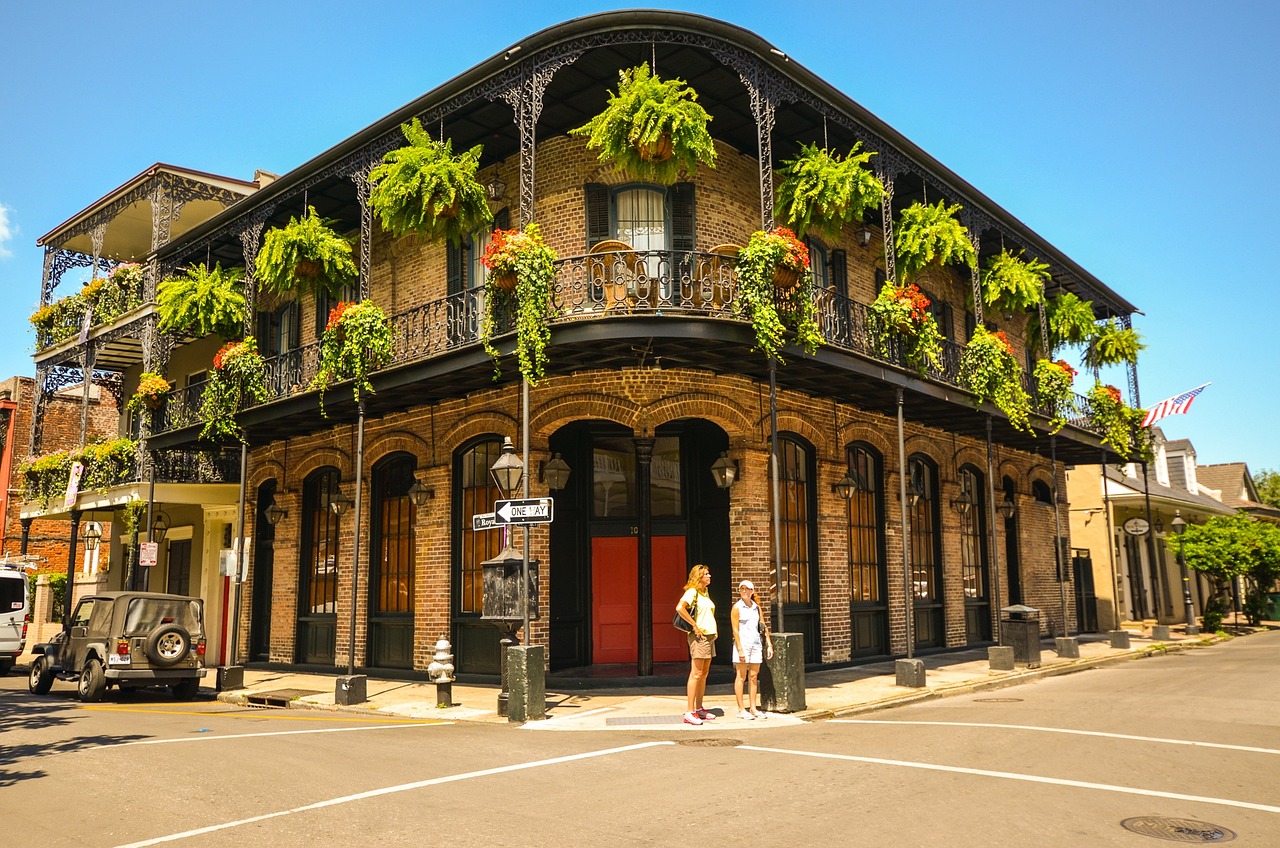
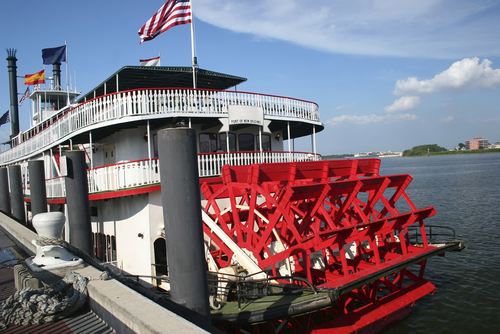
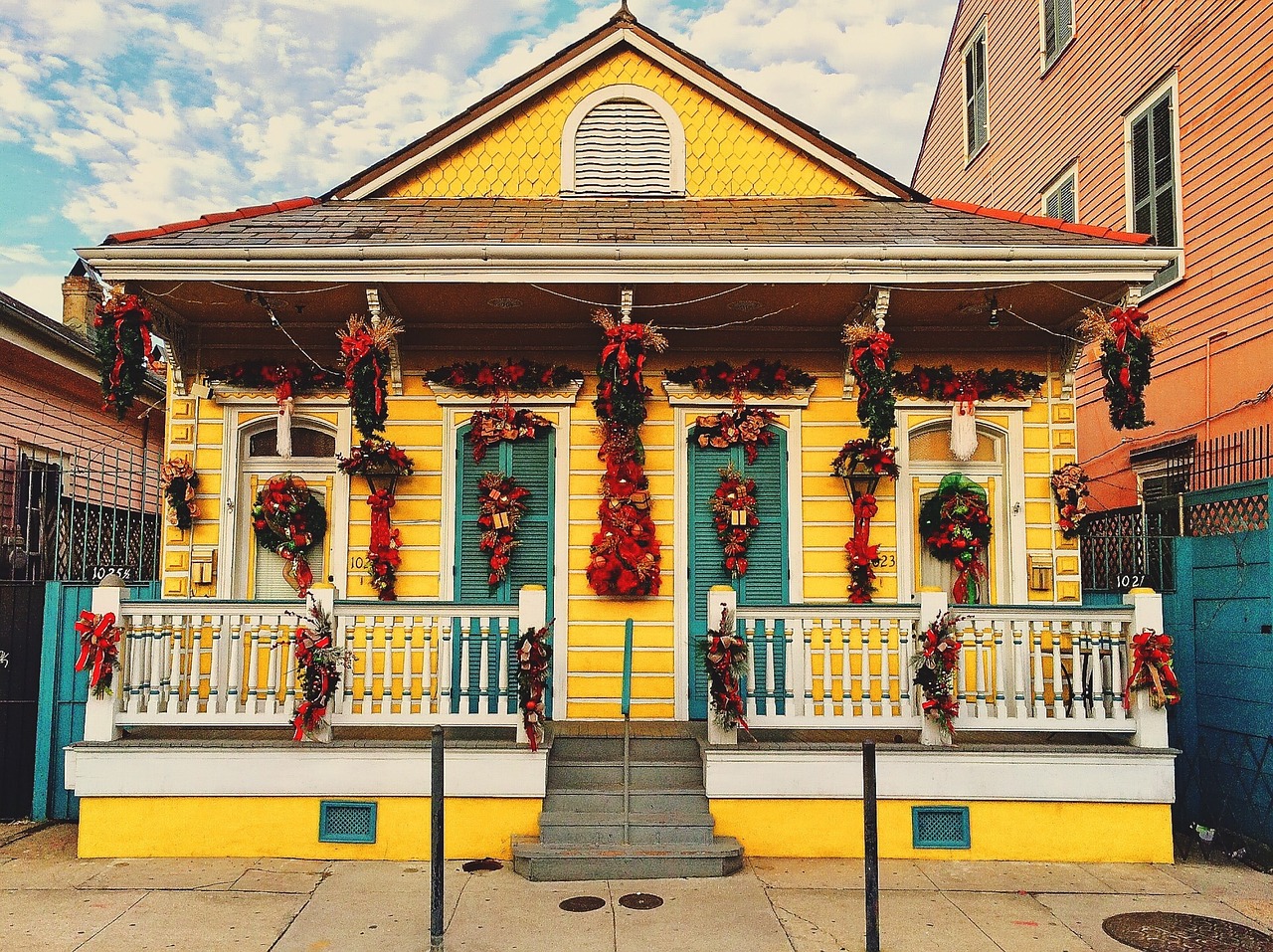
Inhabited by the creole aristocracy descended from Spanish and French settlers, New Orleans embraces a bend in the Mississippi River. At the center of it all is the French Quarter, decadent but still alive, with narrow bustling streets and hidden courtyards. Stop for a few days to soak up the atmosphere, taste the beignets & café au lait at Café du Monde, discover Bourbon Street at night, excessive, raucous, infamous, with music pouring out of every window; board the St Charles streetcar to reach the seductive Garden District and stroll among elegant homes and majestic trees. Exploring the surrounding area, with an airboat tour in a nearby swamp or a visit to a historic plantation, completes the vision of a nostalgic and fascinating South.
Travel South - GRAN TOUR DEL SUD DALL'ATLANTICO AL GOLFO DEL MESSICO — NAAR