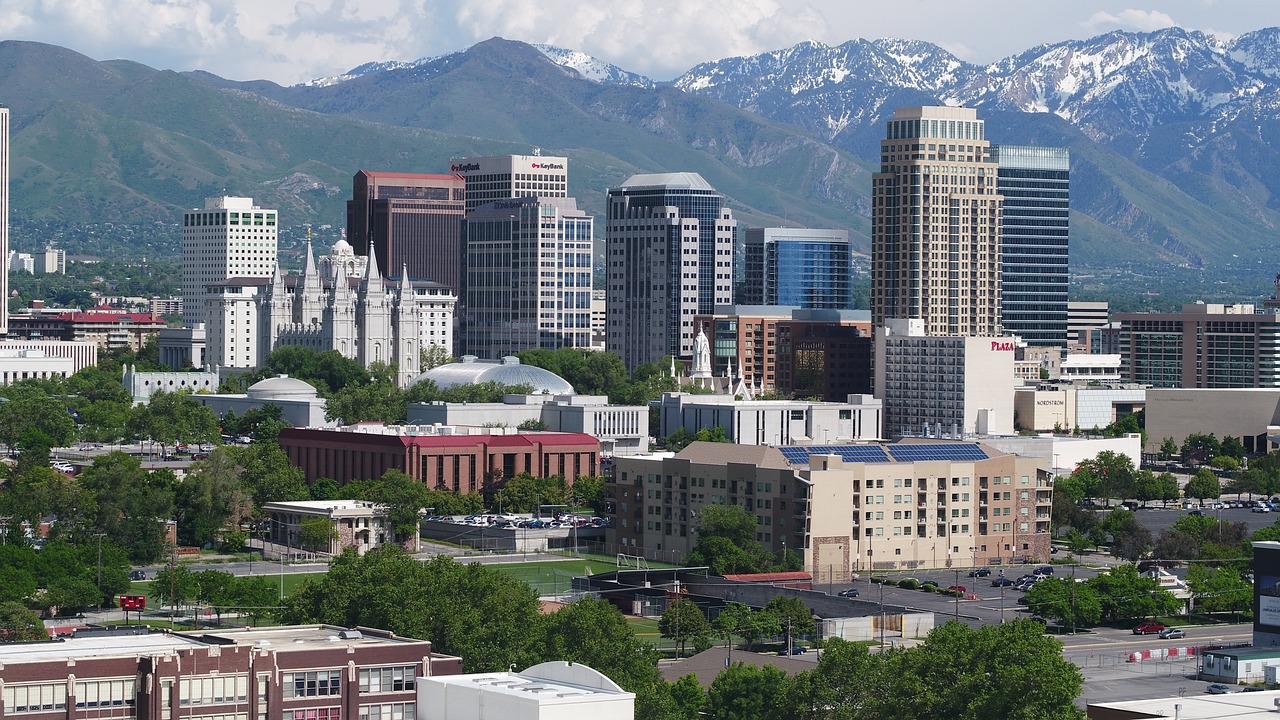
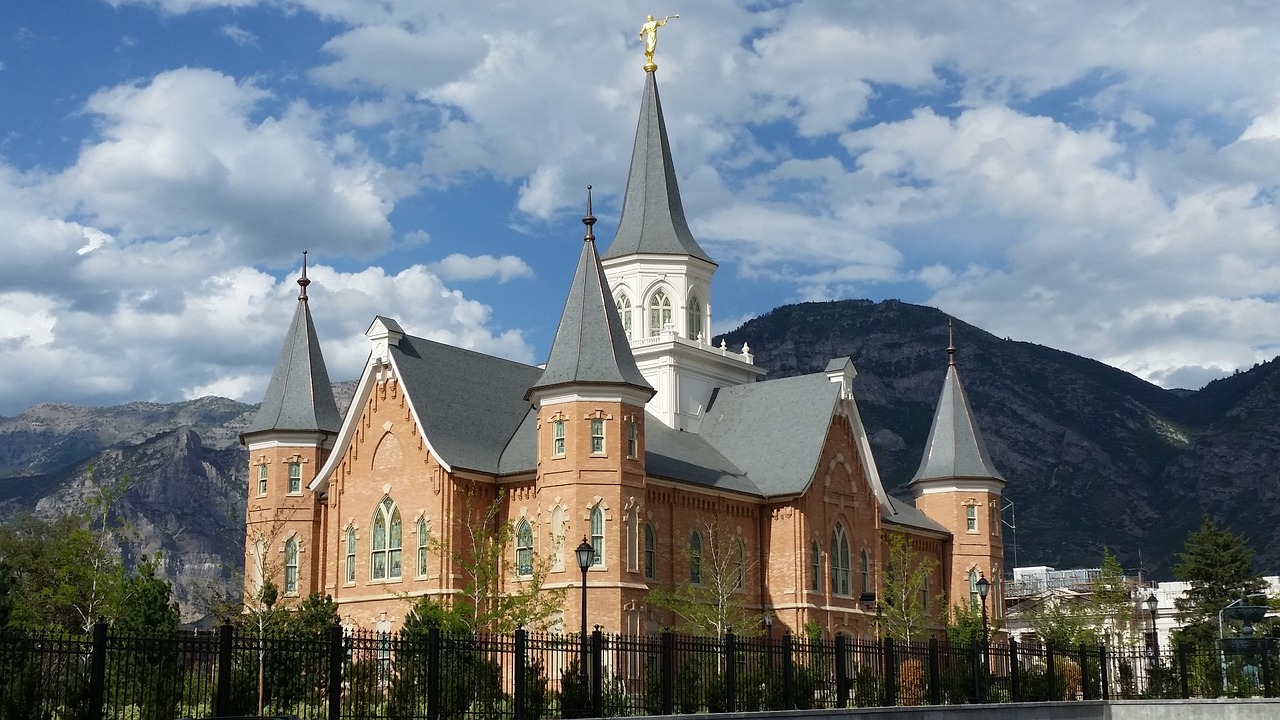
Salt Lake City is the vibrant, urban heart of Utah. Nestled within a valley, at an elevation of 1320 m above sea level, the capital city of Utah is surrounded by the peaks of the Wasatch Mountains. Founded by Mormons in 1847, It hosted the 2002 Olympic Winter Games. Start your visit in the historic and spiritual heart of Salt Lake City, Temple Square. Nearby you’ll find a variety of eateries and bars, and you can shop at City Creek Center, which boasts more than 100 stores and restaurants. You should not miss the Campus district.
A quick trip on TRAX, SLC’s light rail system, takes you from city center to the University of Utah campus district, home to Red Butte Garden and Arboretum and the Natural History Museum of Utah.
Car
Day 3 — Park City → Moab
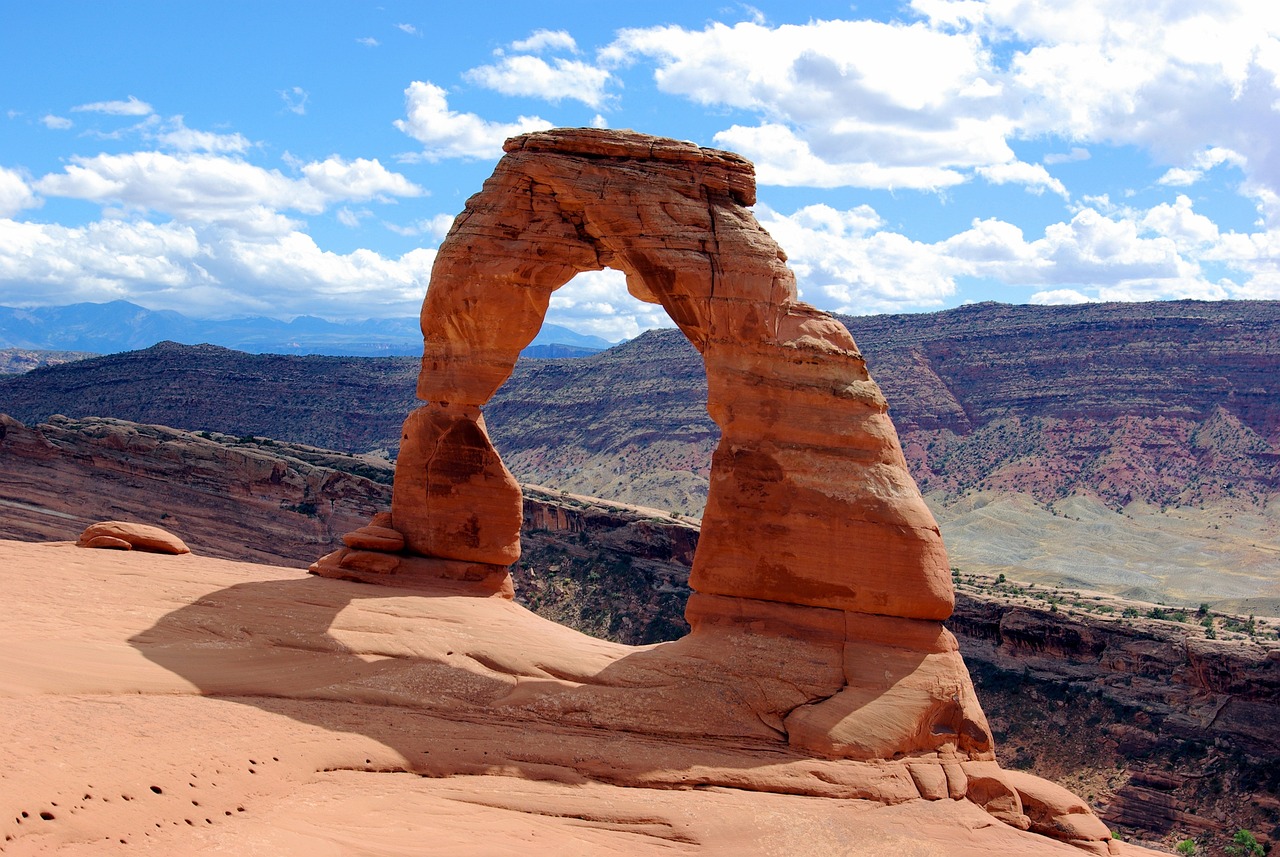
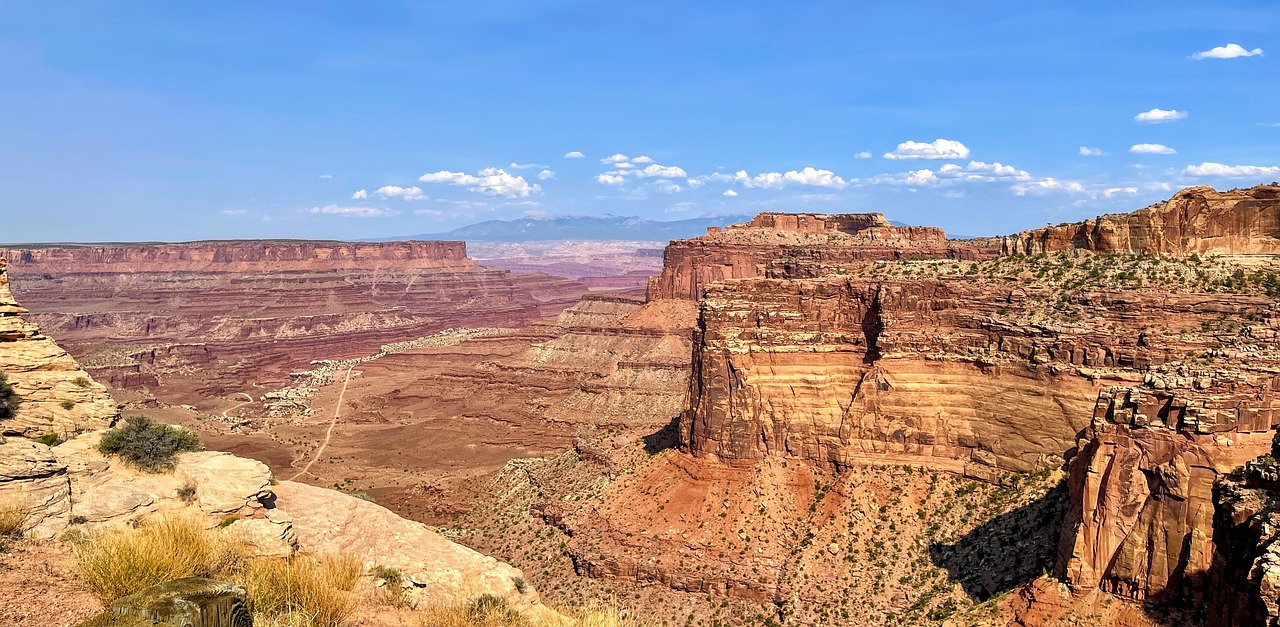
The village of Moab stands at the very heart of the canyon region. Moab is the starting point to explore the national parks of Arches and Canyonlands, or to go rafting down the rapids of the Colorado river.
Car
Day 5 — Moab → Monument Valley
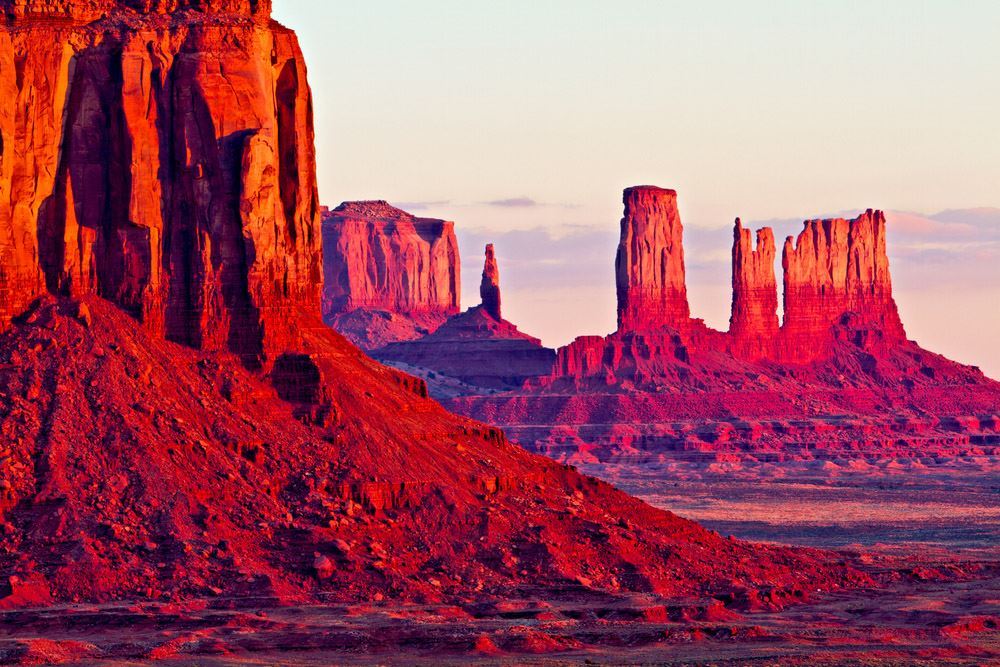
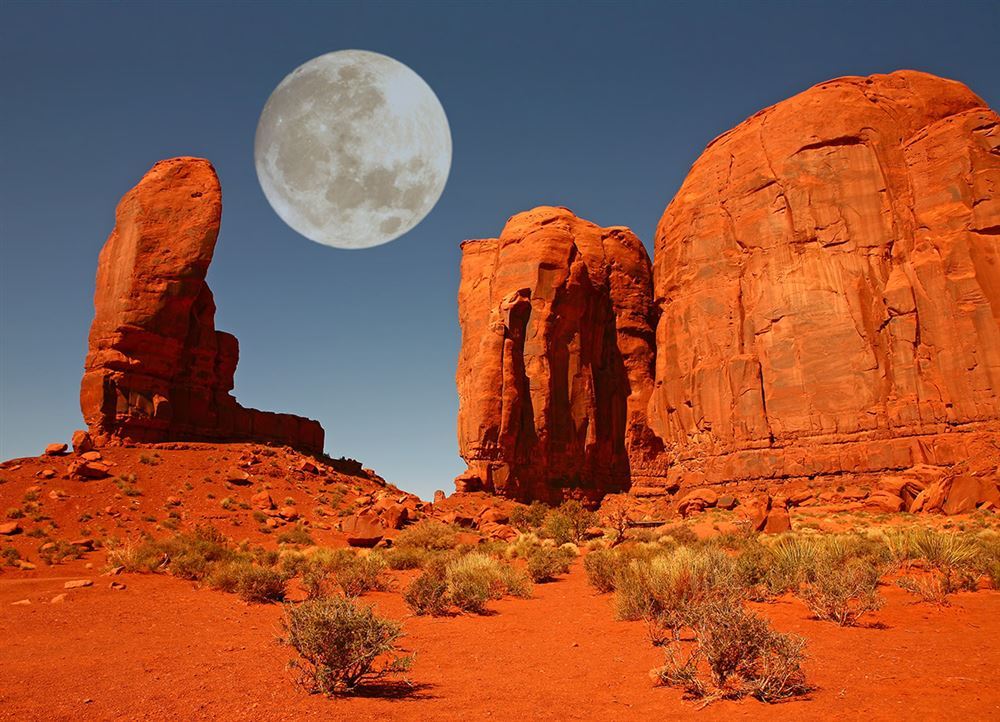
The Utah scenery gets more and more impressive as you proceed southwards. The road twists up and down a primeval rocky landscape, through petrified dunes, bizarre shapes – like the sombrero stone that gave the town of Mexican Hat its name – , and the serpentine meanders hollowed out by the San Juan River. Monument Valley is arguably the most famous landscape of the American West – and possibly the most breathtaking one. The red sandstone crests, jutting out from the desert, were the iconic setting of numberless blockbusters – above all “Stagecoach” (1939). The park stretches over the land of the Navajo Nation, between Utah and Arizona.
Car
Day 6 — Monument Valley → Page (Lake Powell)
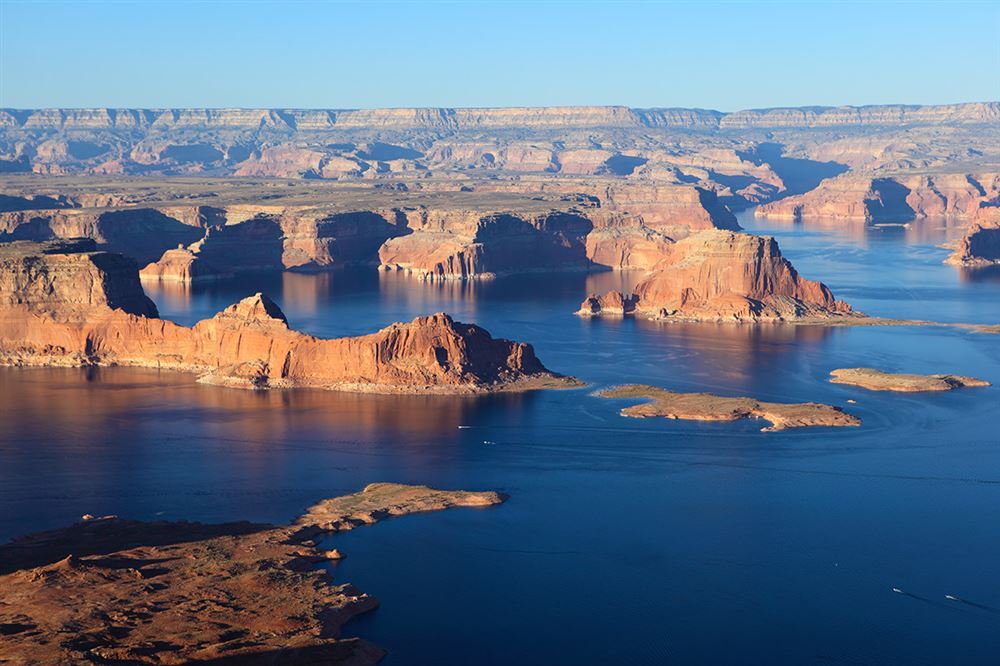
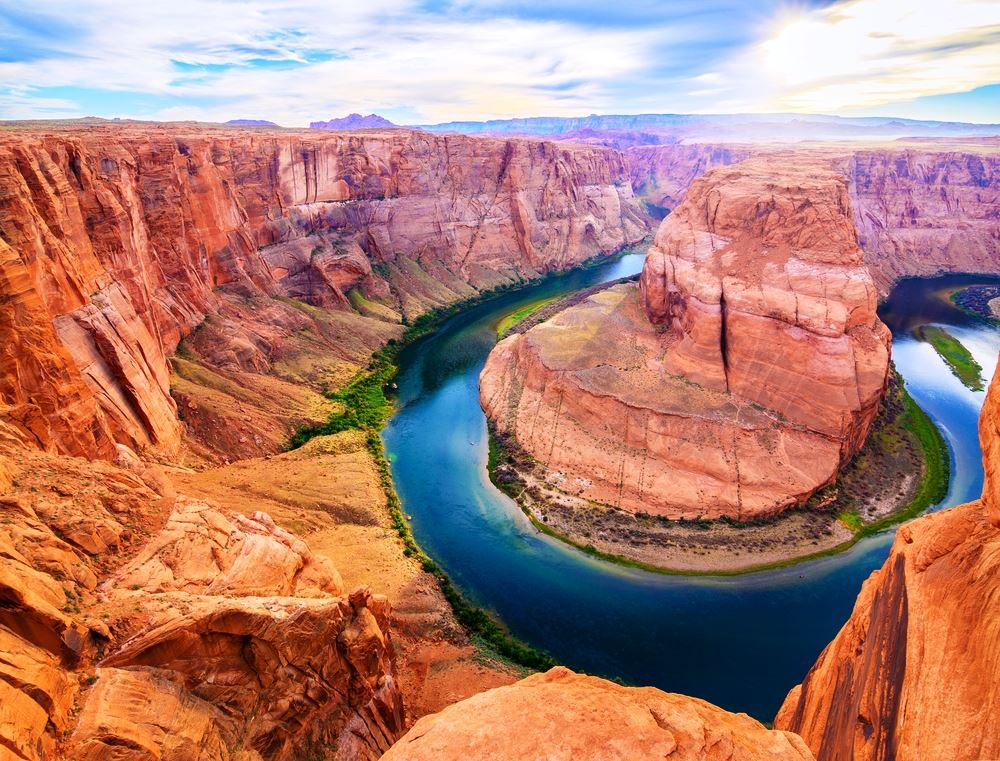
State Route 98, the Navajo Mountain Scenic Road, is a 58-mile route that stretches across part of the vast Navajo Reservation. The road takes its name from Navajo Mountain, a peak that is sacred to several tribes including the Navajo, Hopi and Paiute. The road begins at U.S. 160 a few miles northeast of Cow Springs and makes its way across desert grasslands punctuated with sandstone formations and views of Navajo Mountain. Along the way, sheep and horses graze lazily under bright blue sky. Vegetation is sparse but many of these plants play a significant role in Navajo culture. Yucca plant roots are used to make shampoo and the fruits are boiled and eaten. Other plants are used as dye for wool or to make medicinal teas. At approximately mile 18, the road continues past the Shonto Plateau and the turnoff to Navajo Mountain. A pullout provides scenic views of Navajo Mountain and the surrounding area. From here, the road curves west with more beautiful views of windswept bluff and red sandstone formations. The small community of Kaibito is located just off the road and has a small general store. The final section of the road heads northwest toward the town of Page and breathtaking Lake Powell but don't rush the journey. This scenic route feels like a step back in time and captures the incredible stark beauty of Navajo country. Before arriving at Page you should make a stop at Horseshoe Bend, just 5 miles south of downtown Page. The outlook at Horseshoe Bend is easily reached on a gently graded 2.5-km trail from a free parking lot. The path is mostly sand over hard-packed dirt. Bring water. Lake Powell was formed when the Glen Canyon Dam was erected on the Colorado river. The reservoir, surrounded by an immense desert, makes for a striking landscape – its turquoise water clashing with soaring cliffs made of red sandstone.
Car
Day 7 — Page (Lake Powell) → Zion National Park
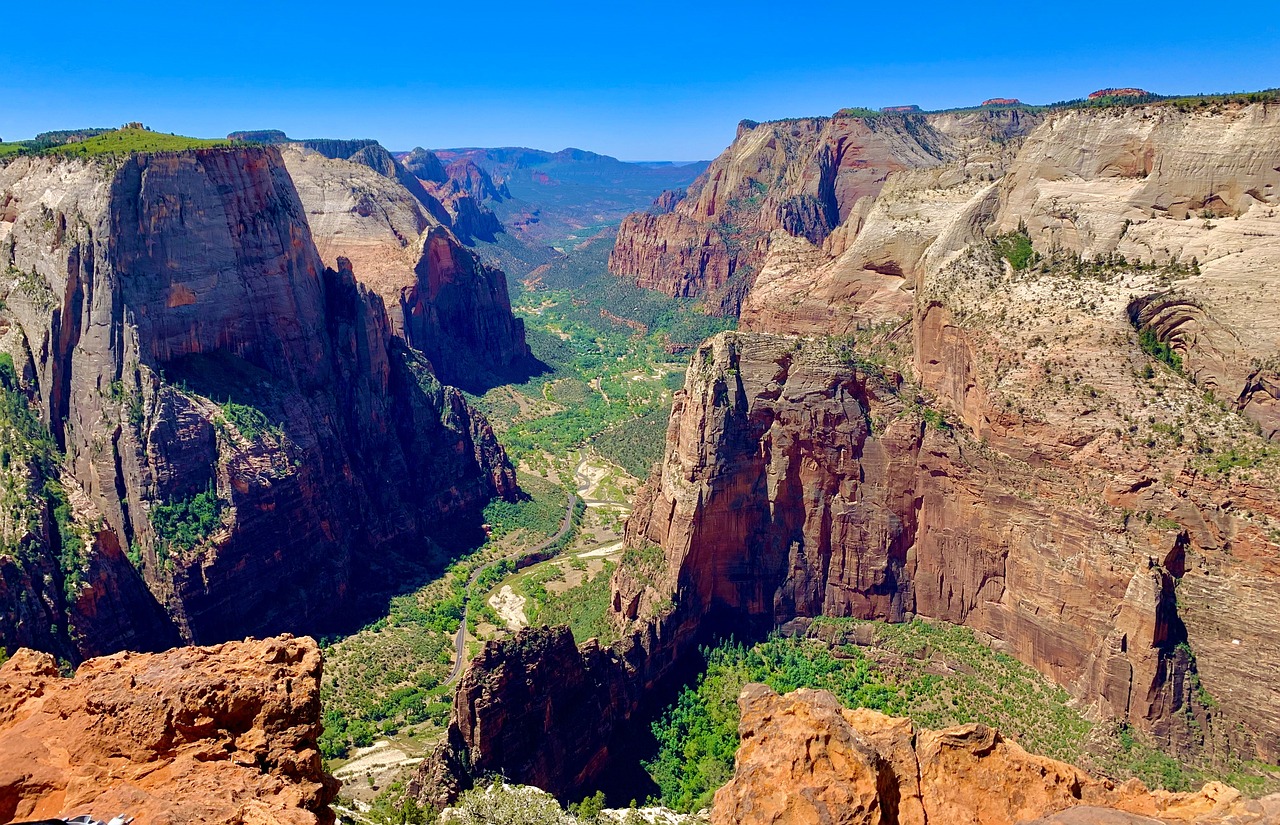
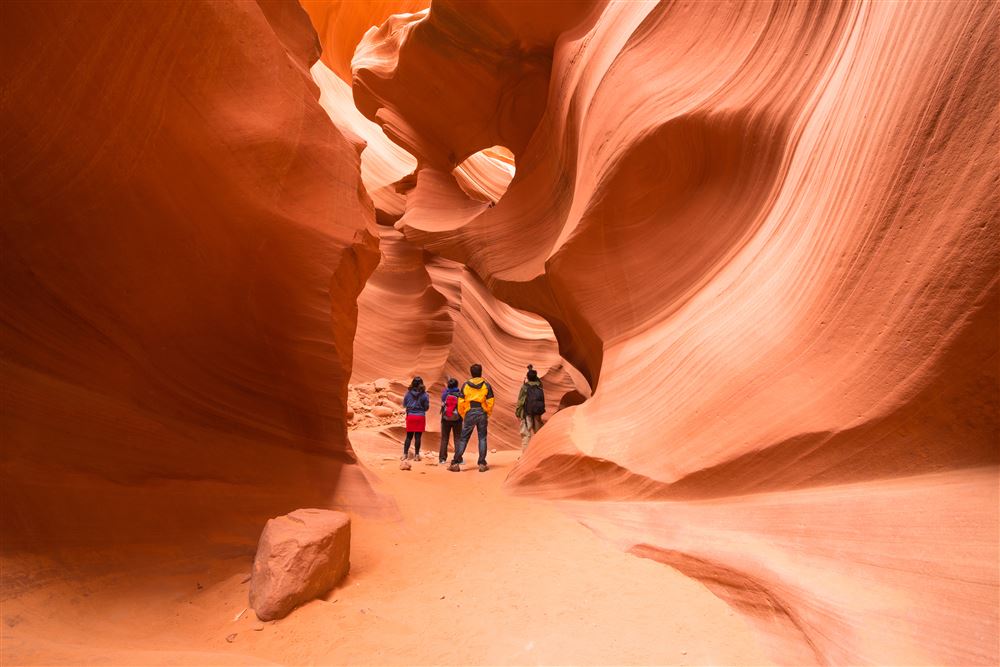
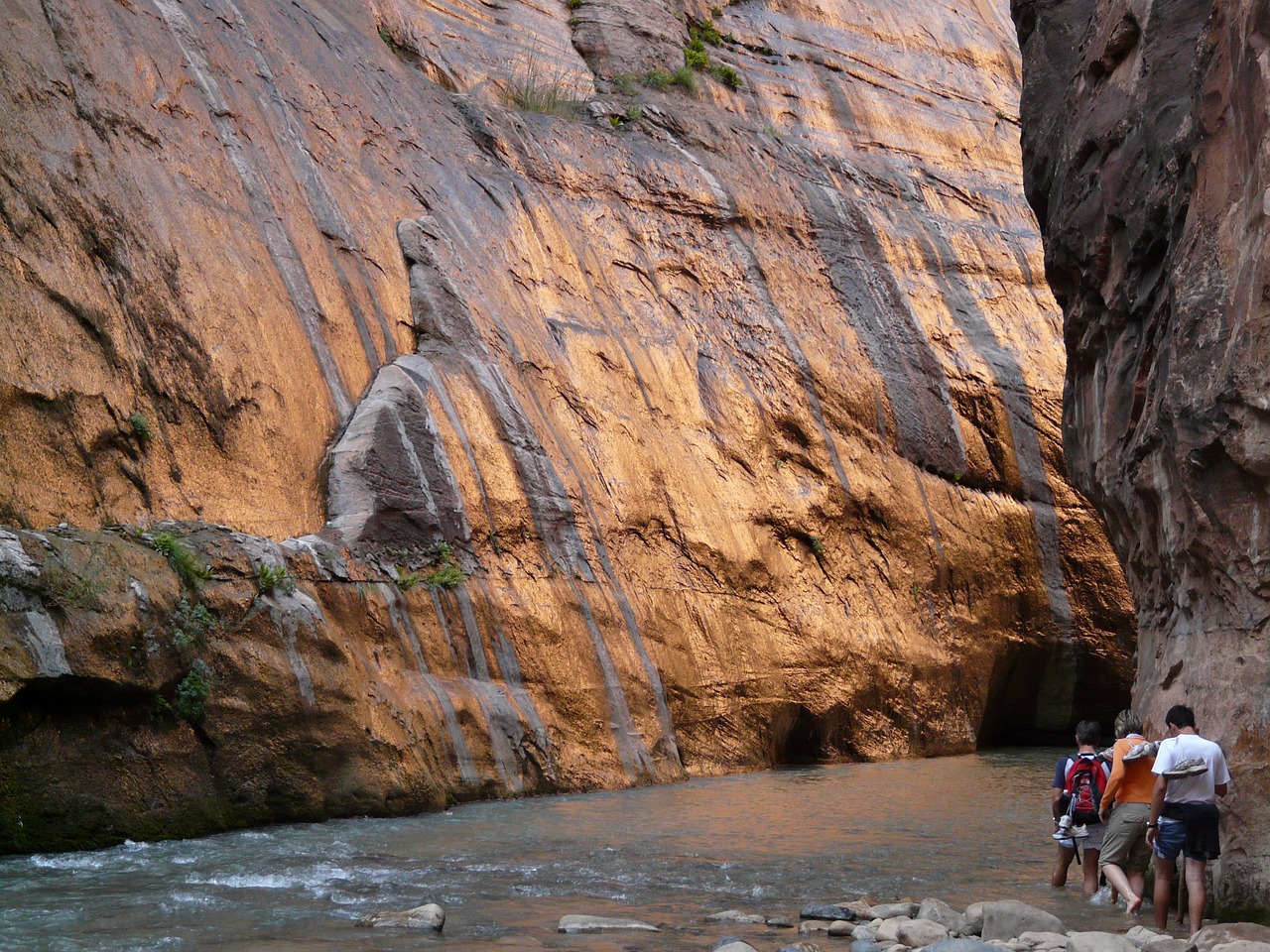
For the first leg of your trip today - Page to Kanab - you can choose two different routes: the quicker Route 89 that crosses the Colorado River by the Glen Canyon Dam Bridge. Or you can follow the longer Route 89A, the Fredonia-Vermillion Cliffs Scenic Byway, crossing the Colorado River on the Marble Canyon bridge (take a walk on the bridge that affords a spectacular view of the water 470 feet below), passing through the stunning Vermilion Cliffs National Monument and the all American village of Fredonia. Along the way look out for the endangered California condor! Route 89A ends in Kanab and from here you follow RT 89 until you get to Mount Carmel Junction, before turning left into Route 9 to get to the spectacular Zion National Park. Majestic red-stone precipices, petrified dunes eroded by the wind: welcome to Zion National Park, where jaw-dropping views surprise you at every corner.
Car
Day 8 — Zion National Park → Bryce Canyon National Park
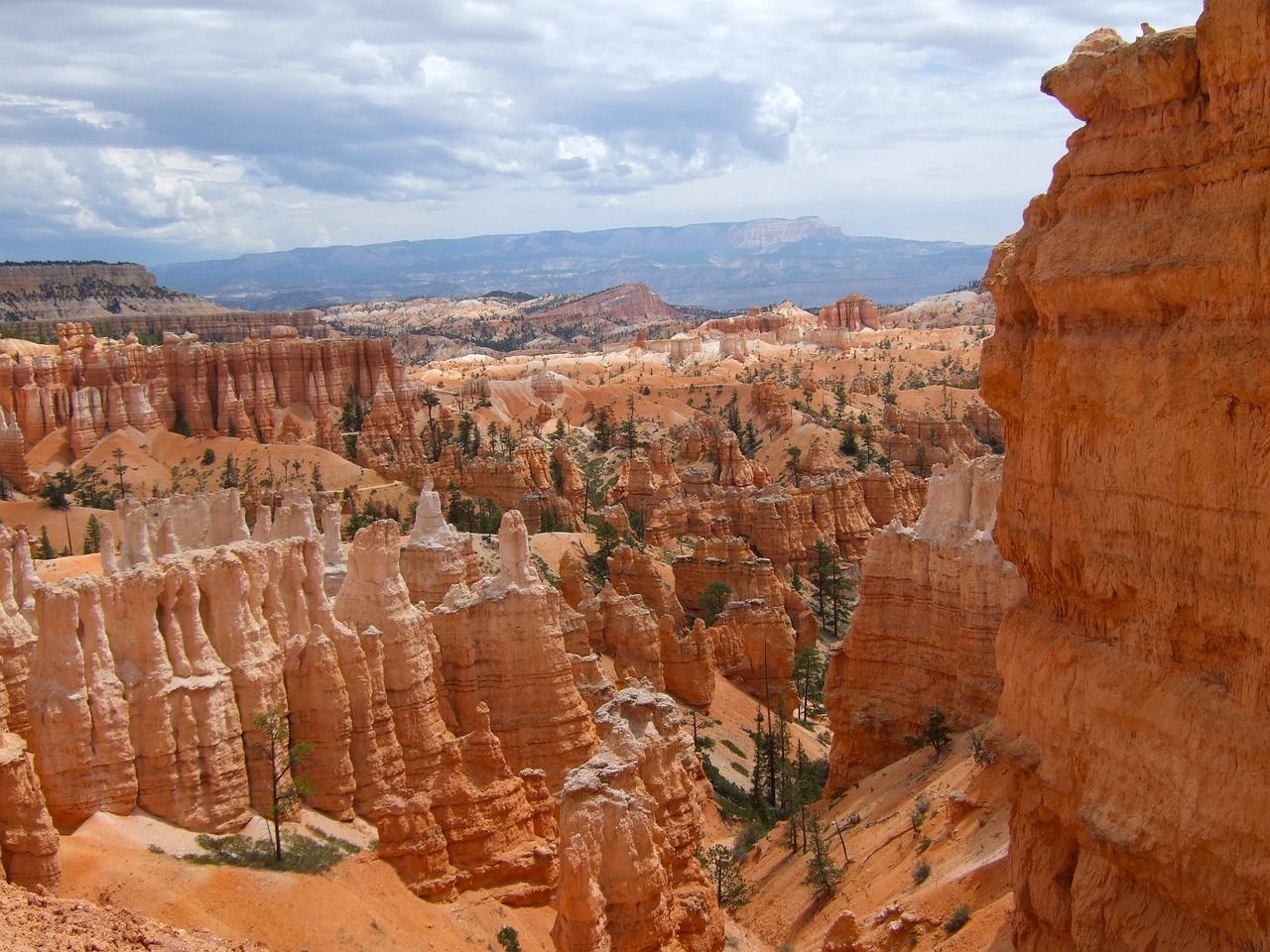
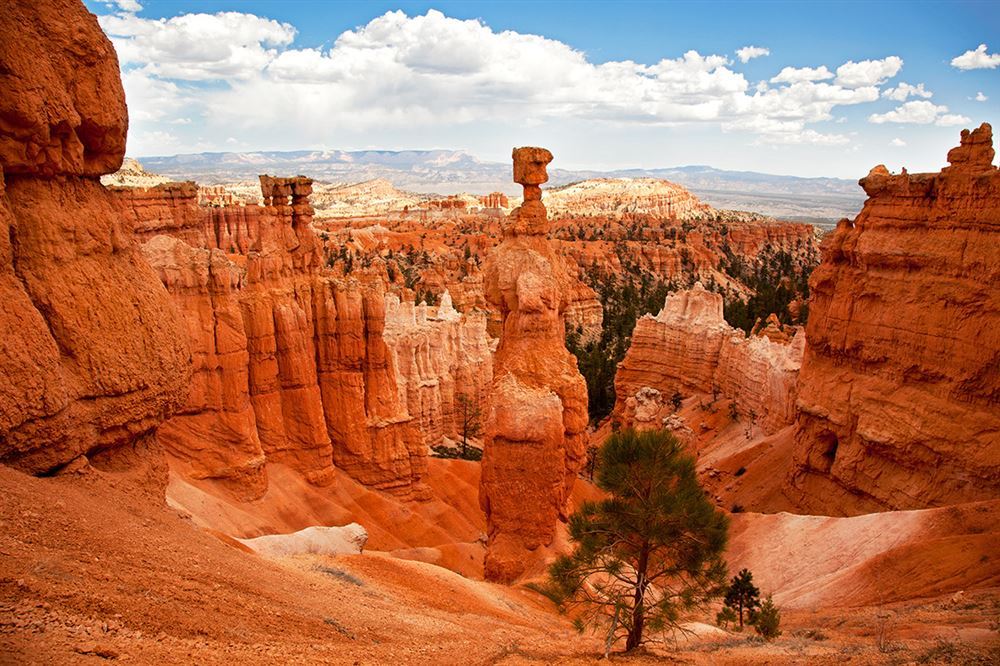
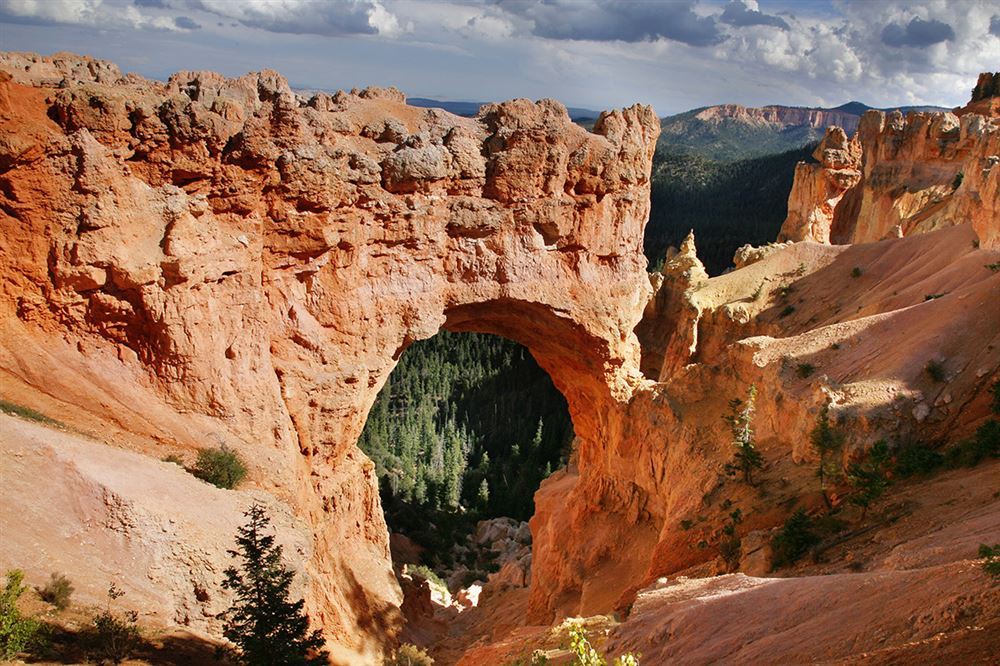
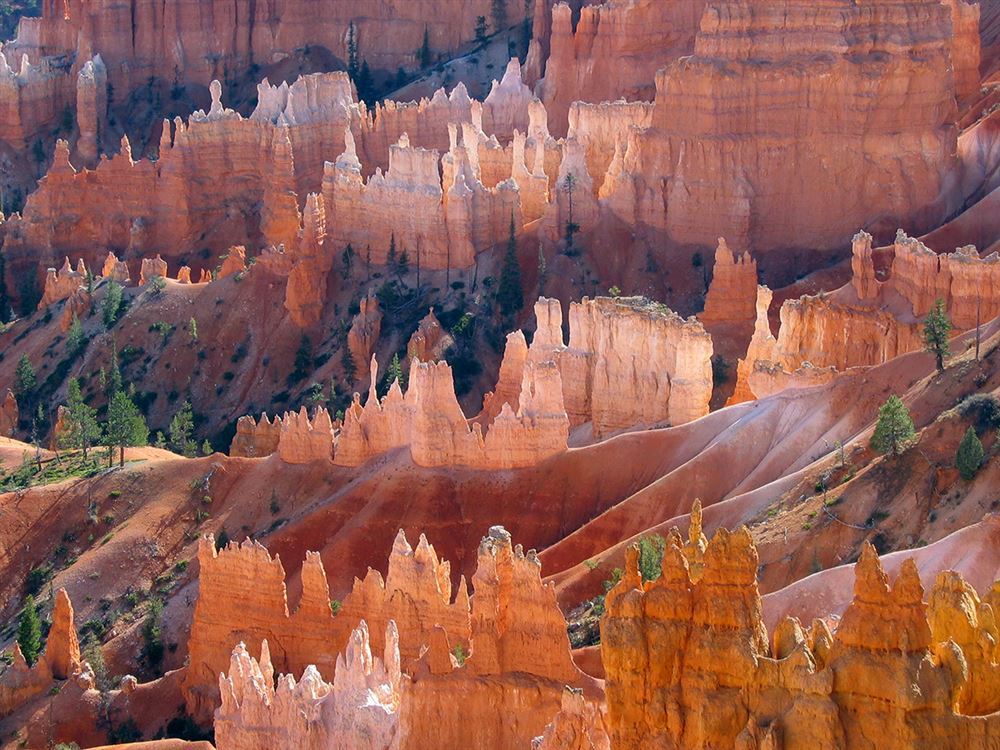
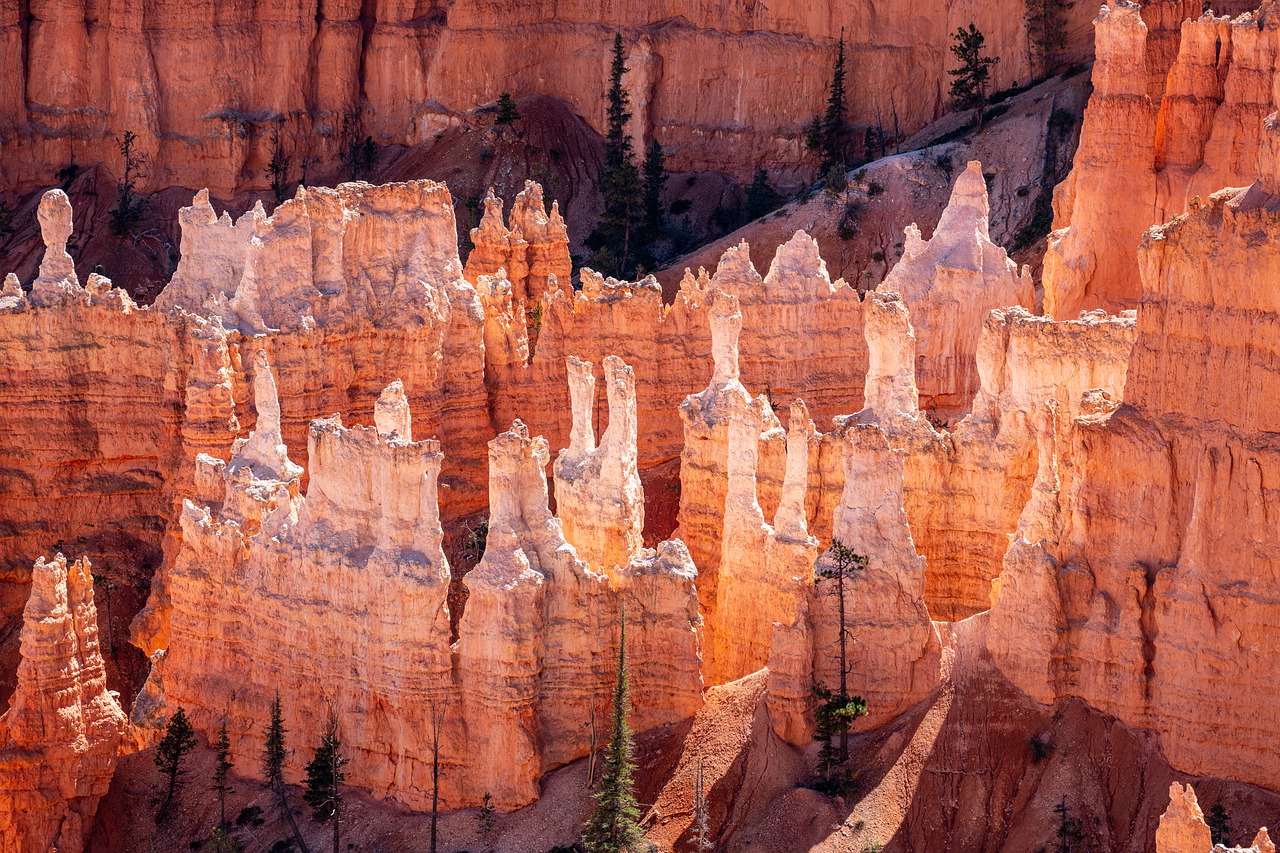
Less than two hours away from Zion is Bryce National Park. Bryce Canyon is, in fact, not a canyon: it’s a breathtaking natural amphitheatre full of spires and arches and pinnacles, jutting out in dazzling colours against the sky, moulded by the rain and frost in bizarre shapes to create a unique mountainscape.