CAPE TOWN, HERMANUS , WINELANDS e PARCO KRUGER — NAAR
Itinerary
Day 1 — Cape Town
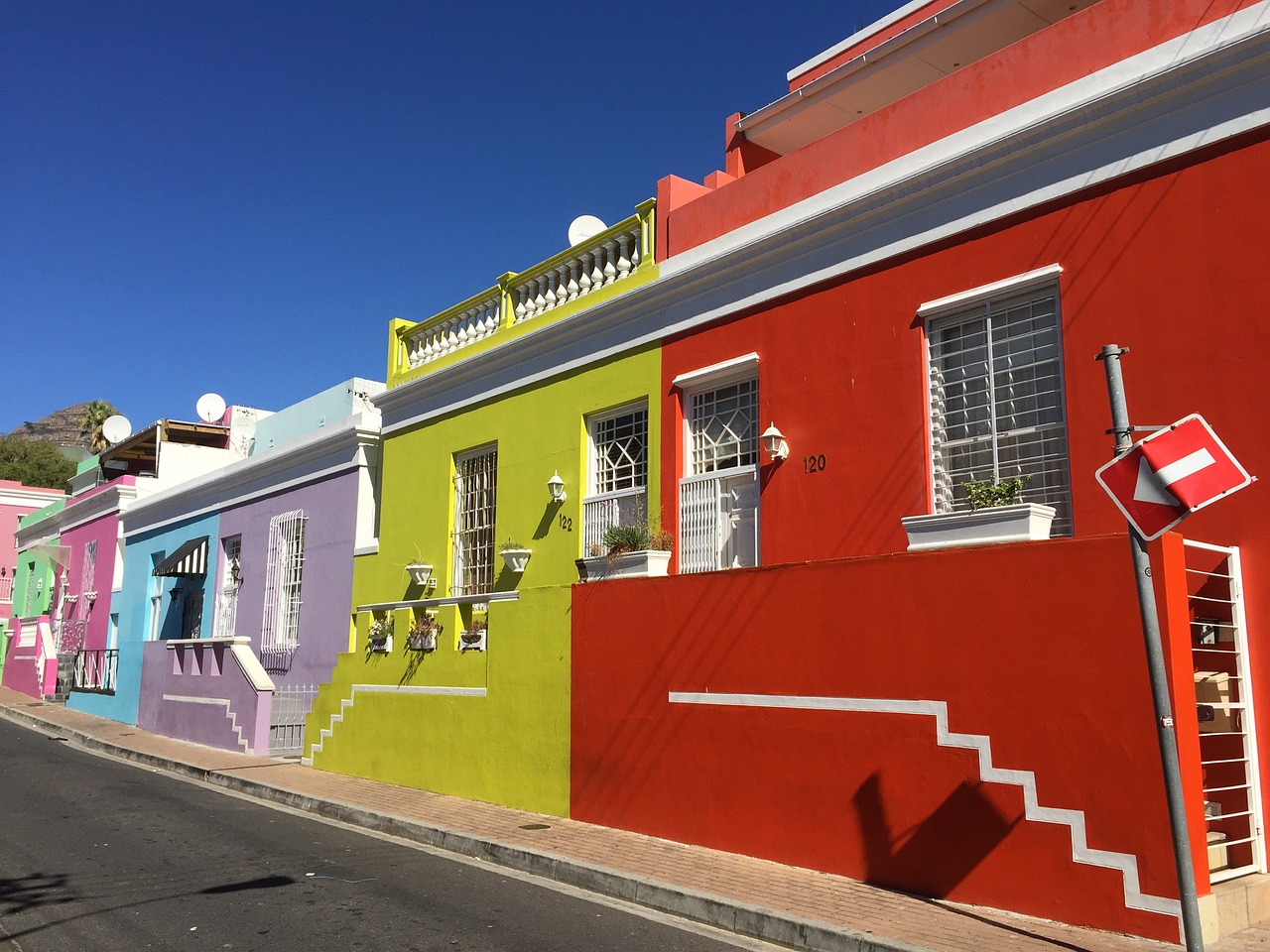
One of the best ways to really explore Cape Town is by car. The city has some of the most amazing roads, which wind around the mountains and offer stunning sea views.
Here are a few drives you can take to really soak up the splendour of Cape Town.
Chapman’s Peak: Chappies is the classic Cape Town scenic drive. In fact, it’s been used in dozens of car commercials, so look out for it next time you read a magazine or watch TV. The drive winds around the mountains above the Atlantic, with endless ocean views. There are places to stop and check the view too. Stard in Nordhoek and drive the M6 to Hout Bay with fish ‘n chips at Mariner’s Wharf.
Car
Day 4 — Cape Town → Hermanus
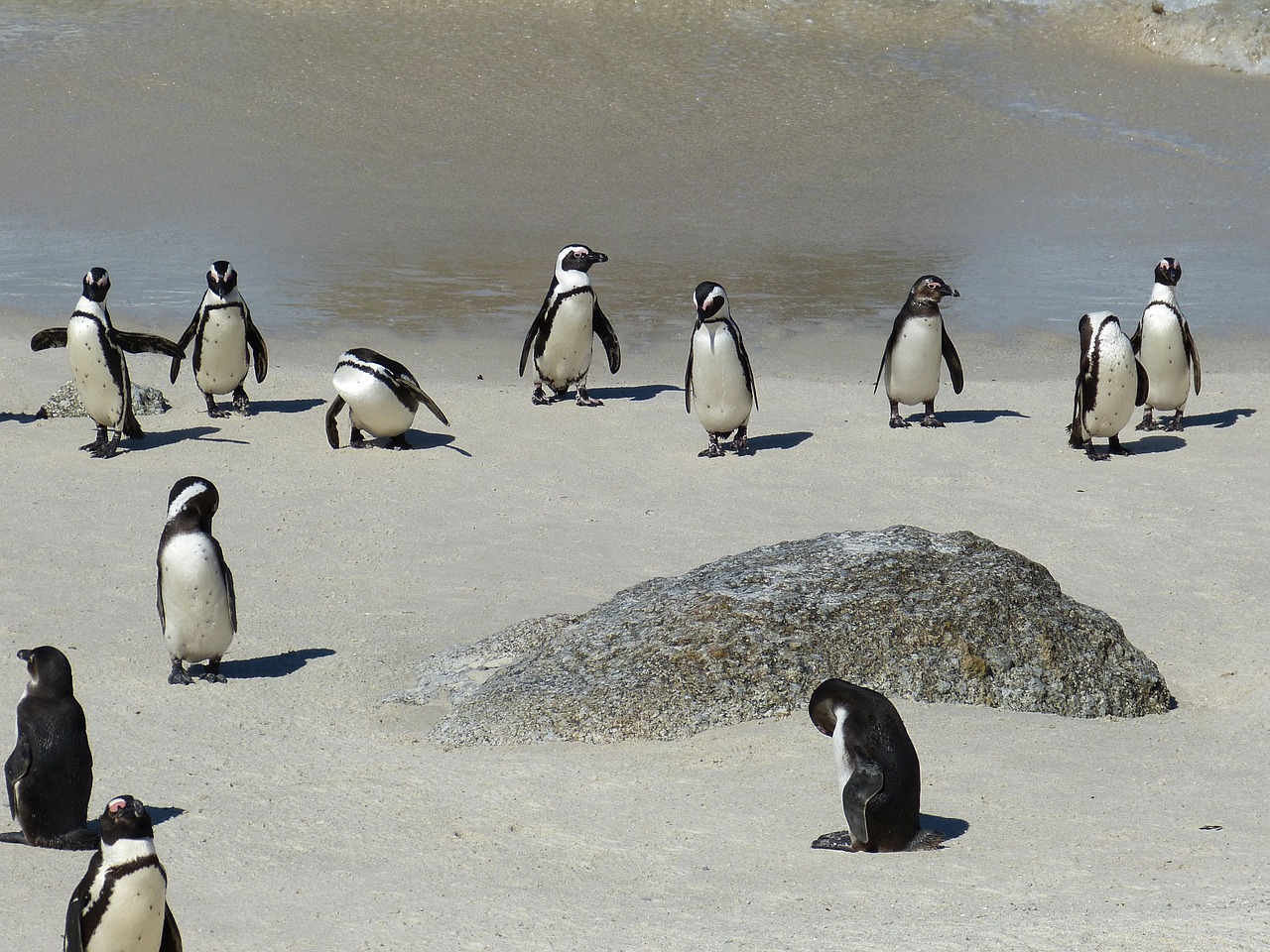
After taking the N2 out of Cape Town towards Somerset West, take the R44 off-ramp and turn right to the Strand. Turn right onto Beach Road and stop at the beach which has made the Strand a popular destination for visitors. Continue on Beach Road which will rejoin the R44 to Gordon’s Bay, which has a picturesque small harbour. Continue on the R44 until just before Betty’s Bay and turn right at the signpost to Stony Point Penguin Colony. If you reach Betty’s Bay, you have gone too far! This really is a must – one of only three breeding colonies of jackass penguins on mainland South Africa exists here.
Rejoin the R44 and not much further on you will see the Harold Porter Botanical Gardens on your left. You can have tea, lunch or pack your own picnic and walk around the cultivated fynbos gardens. Maybe take a hike on one of the nature trails – really beautiful. Have your binoculars ready if you are a birdwatcherBetty’s Bay is well known for its beautiful, lonely beach, which is backed by flower covered dunes in the spring. The Kleinmond area is renowned for whale sightings during whale season (August to November). To reach the view sites, turn right onto 13th Street, and drive down to Beach Rd .
After Kleinmond, the R44 will merge with the R43 – turn right towards Hermanus.
You will pass the sign for Onrus, a small town on your right. The beach at Onrus is ideal for the family. Flanked by a lagoon it provides an ideal playground for children. The Onrus beach is also a favorite place for local surfers. The Milkwood Restaurant overlooks the beach and has been cited as the best seafood restaurant in Hermanus. Hermanus is a Western Cape town famous for its whale watching in Walker Bay, particularly between July and October: Humpback, Brydes, and Minke whales make occasional appearances, but the bay is essentially frequented by Southern Right whales. The best vantage points are the concrete cliff paths which ring the rocky shore from New Harbour to Grotto Beach. There are interpretation boards at three of the popular vantage points (Gearing’s Point, Die Gang and Bientang’s Cave). Hermanus is also home to the beautiful Fernkloof Nature Reserve, which holds over 1600 different plant species. Take a trek through nature reserves like Fernkloof or Vogelgat with their incredible views and hiking trails that suit every fitness level. At the world-famous Cliff Path, the most popular trail in Hermanus, you can walk about 12 km through rugged coastline all the way to Grotto beach. With the sea in front of you and the mountains at your back, you will not only spot some whales, but sooth your soul at the same time as well. Remember, there are always guided walks available if you prefer some company. There are also numerous wine farms in the Hemel-en-Aarde Valley to visit and the picturesque villages of Arniston, Stanford, and Elim are only a day's excursion away.
Car
Day 6 — Winelands → Kruger National Park
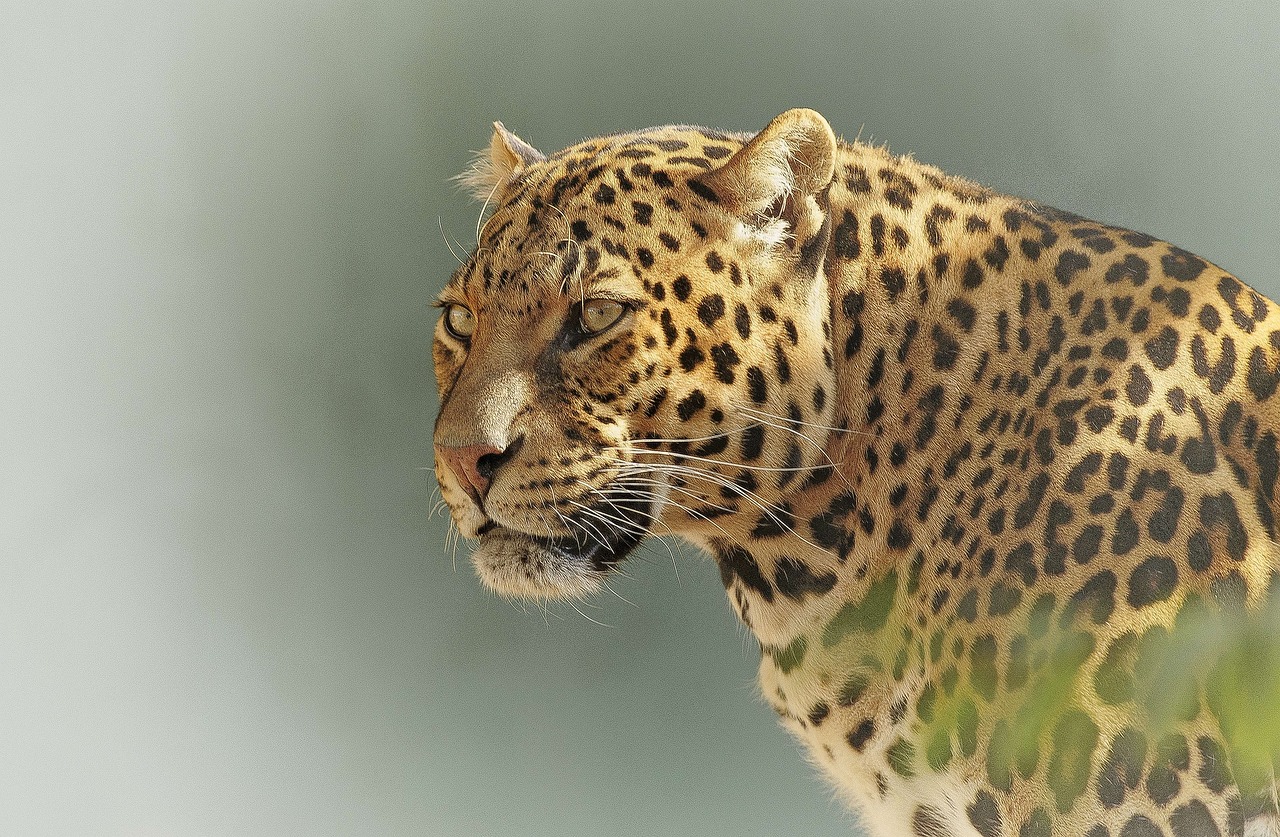
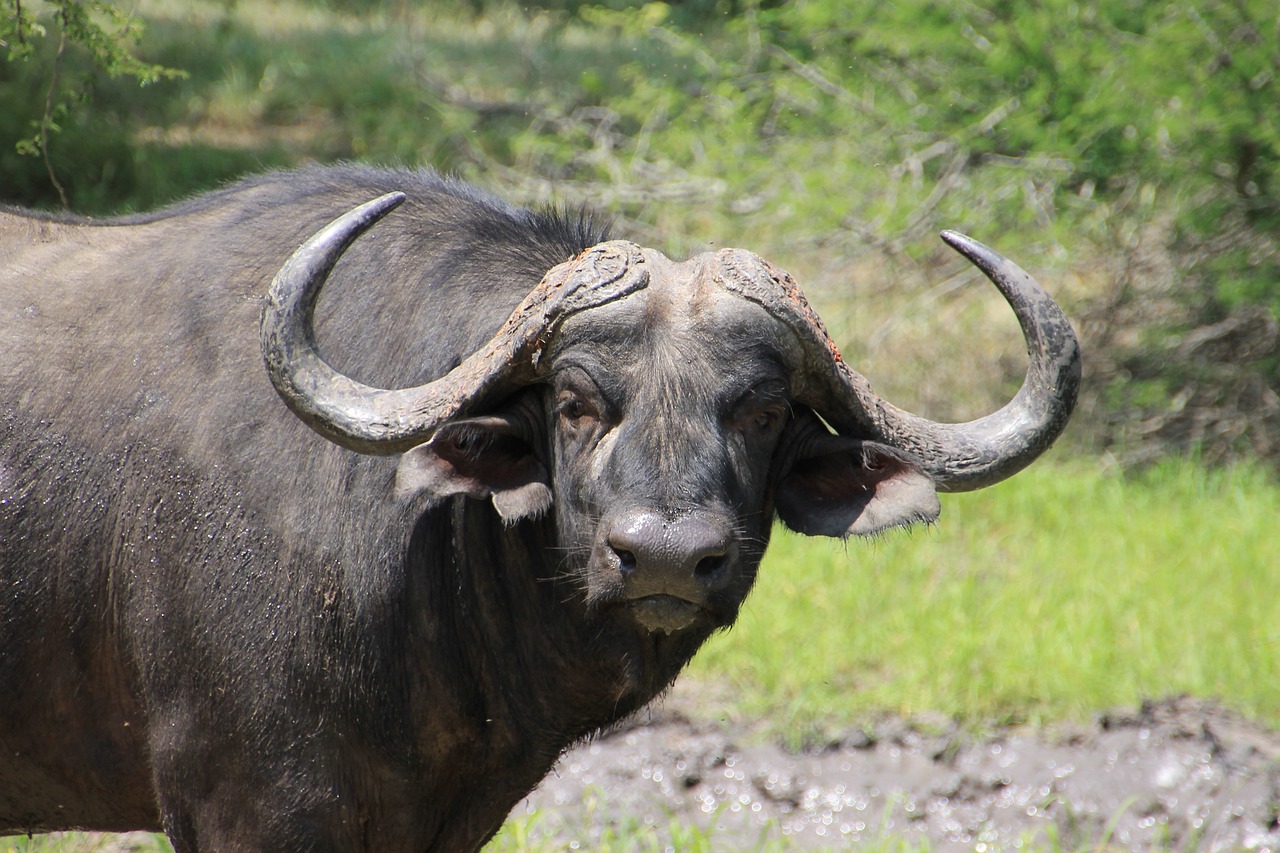
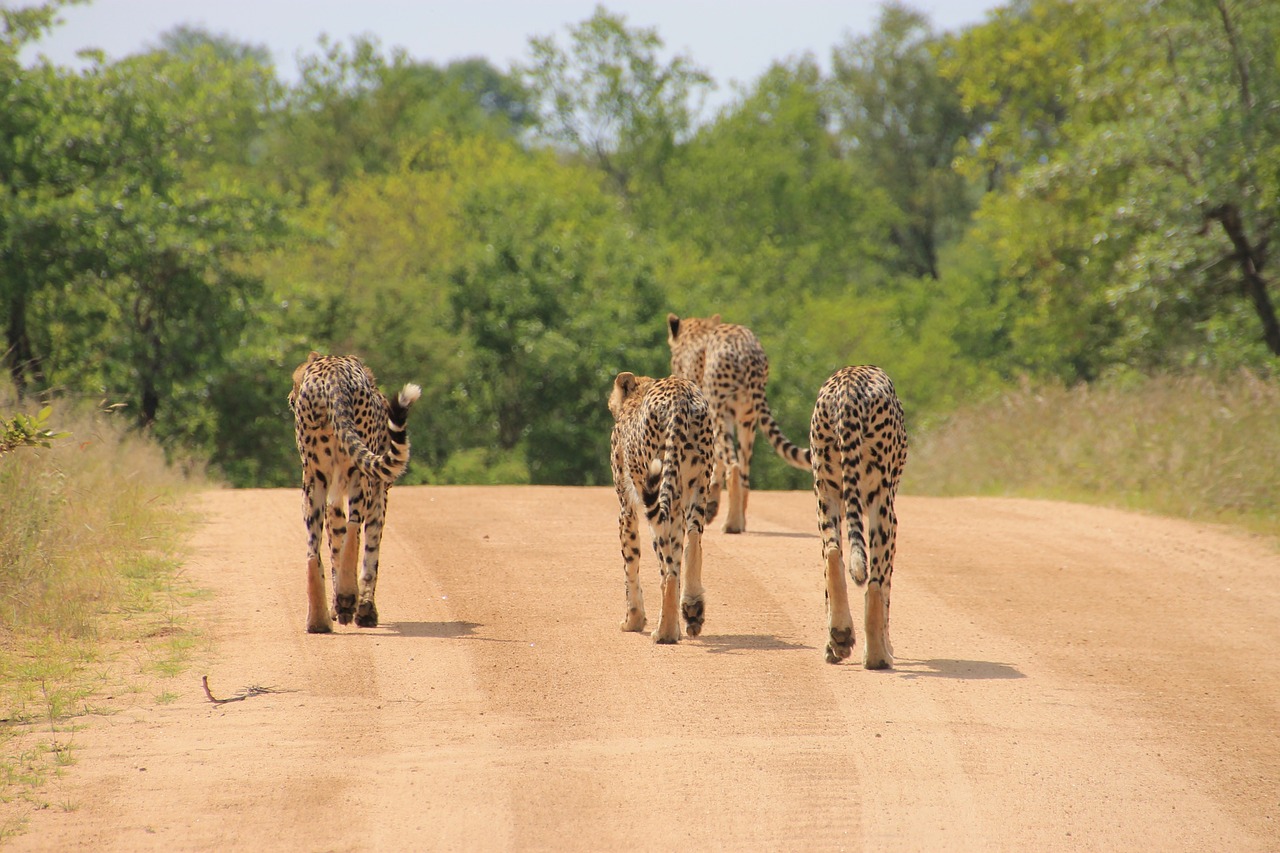
Kruger National Park is the centerpiece of South African tourism, a vast area rich in wildlife that stretches for over 400 km across the provinces of Limpopo and Mpumalanga. But the region inhabited by large African animals extends beyond the public part into a large number of private reserves, often very expensive and exclusive, which form the Greater Kruger and where the circulation during photo safaris is not limited to roads, but open to the entire accessible territory by off-road vehicles. The distinction between Kruger National Park and Greater Kruger obviously does not concern the animals, which freely and indifferently roam both the national park and the private reserves. In any case, the adventure and the extraordinary natural environment will thrill you.