Giorno 1 — Buenos Aires
Buenos Aires is one of the great metropolises of the southern hemisphere, a city that blends European architecture with a Latin American soul in a unique and unmistakable amalgam. Founded on the banks of the Río de la Plata, the Argentine capital extends for dozens of kilometres through a fabric of neighbourhoods, each with a distinct personality and its own piece of history, culture and everyday porteño life.
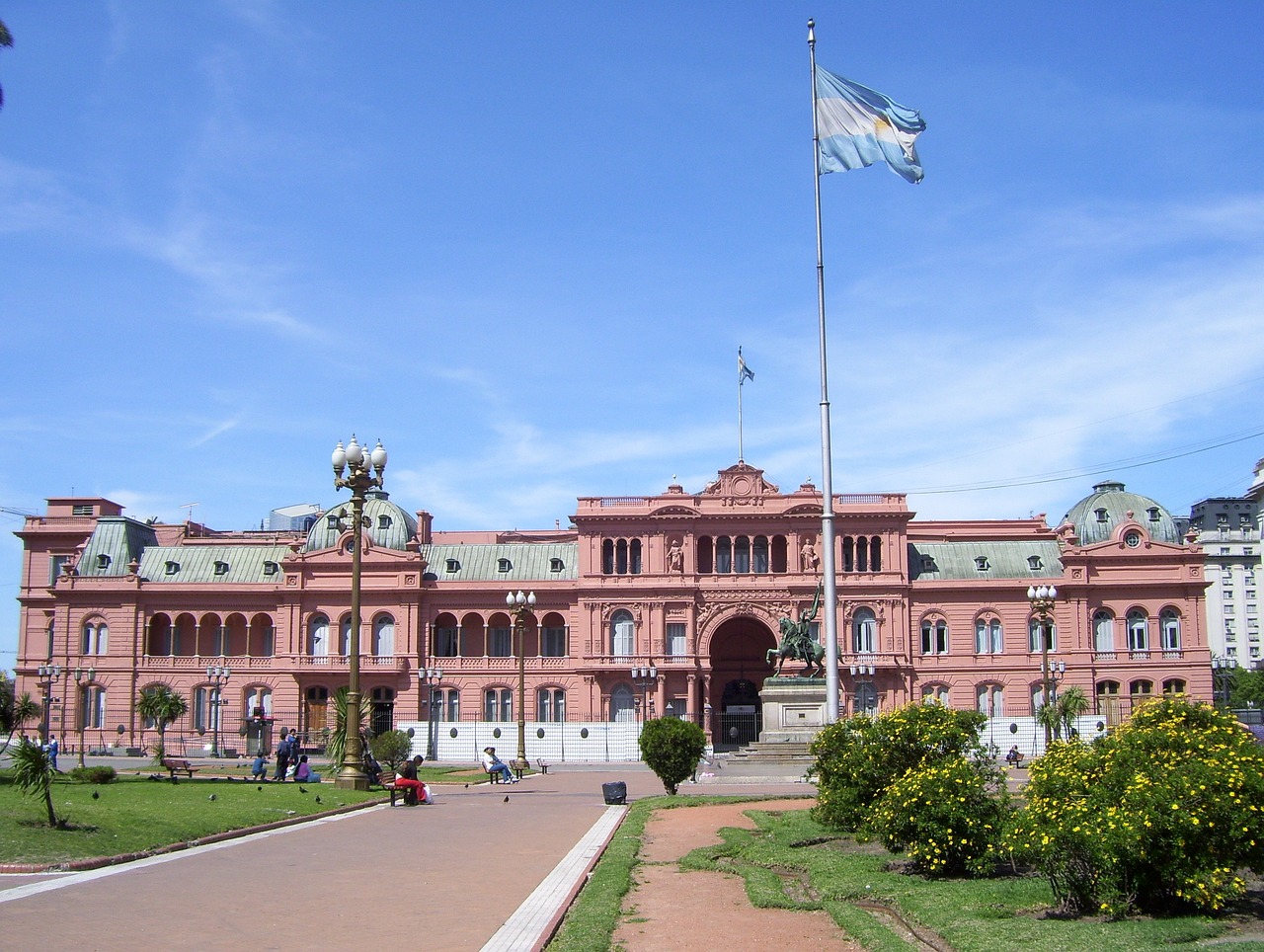
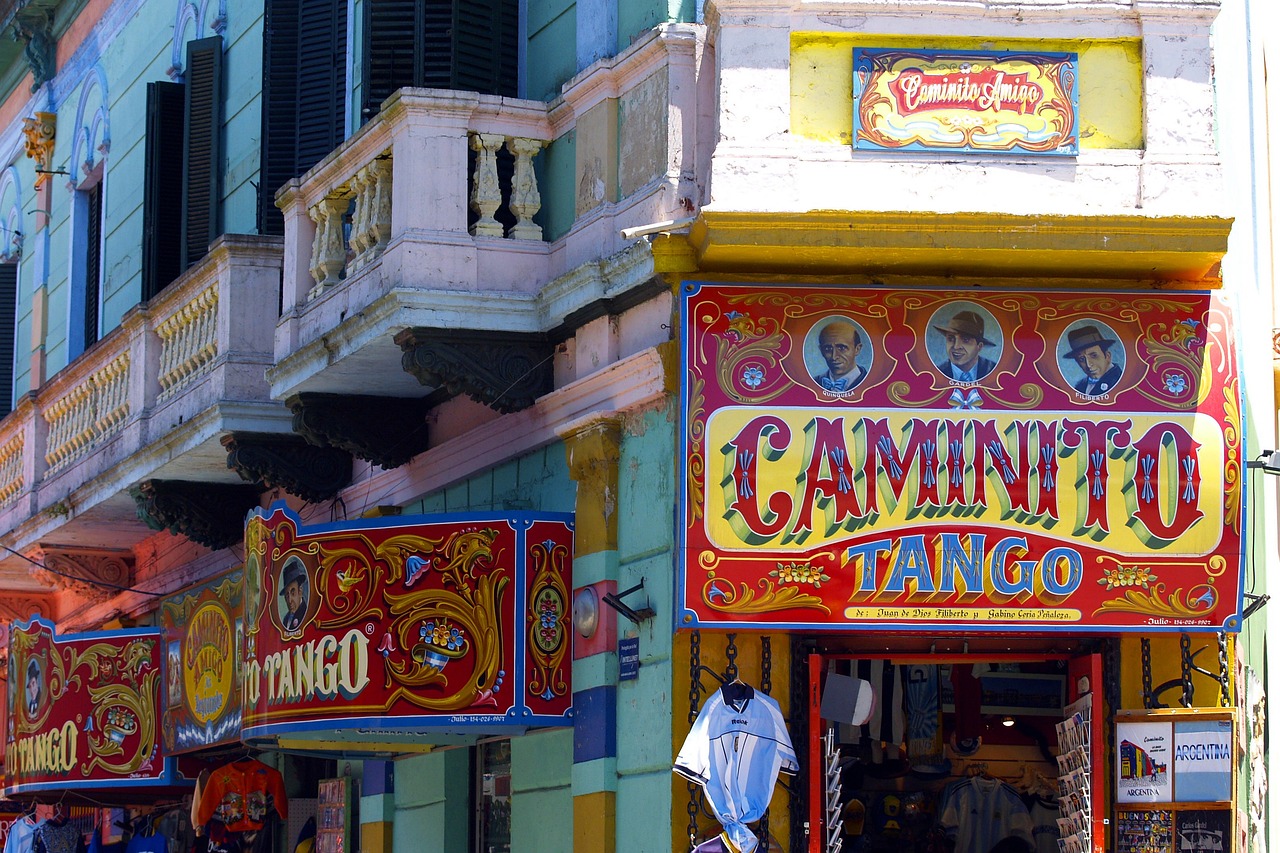
The historic centre revolves around the Plaza de Mayo, where the Casa Rosada — the famous pink-hued seat of government — overlooks a square steeped in political memory. Nearby, San Telmo preserves a labyrinth of nineteenth-century lanes, Sunday markets, art galleries and milongas where tango reverberates from mid-afternoon. La Boca, on the Riachuelo waterfront, is renowned for the vividly painted tin-clad houses of El Caminito and the Bombonera, the iconic stadium of Club Atlético Boca Juniors.
To the north, Palermo divides into elegant sub-districts: Palermo Soho with its design boutiques, Palermo Hollywood with its restaurants and nightlife, and the Bosques de Palermo for leisurely walks. Recoleta is the neighbourhood of grand tree-lined boulevards, French-style mansions and the monumental cemetery where Evita Perón rests, a secular pilgrimage site for visitors from around the world. The revitalised Puerto Madero offers luxury restaurants, a waterfront promenade and the Puente de la Mujer footbridge designed by Santiago Calatrava.
Porteño gastronomy deserves its own chapter: the asado is far more than a meal — it is a social ritual; alfajores, medialunas and dulce de leche are fixtures in every panadería. The restaurants of Palermo and San Telmo serve creative cuisine that blends Argentine tradition, Italian and Spanish influences and contemporary trends.
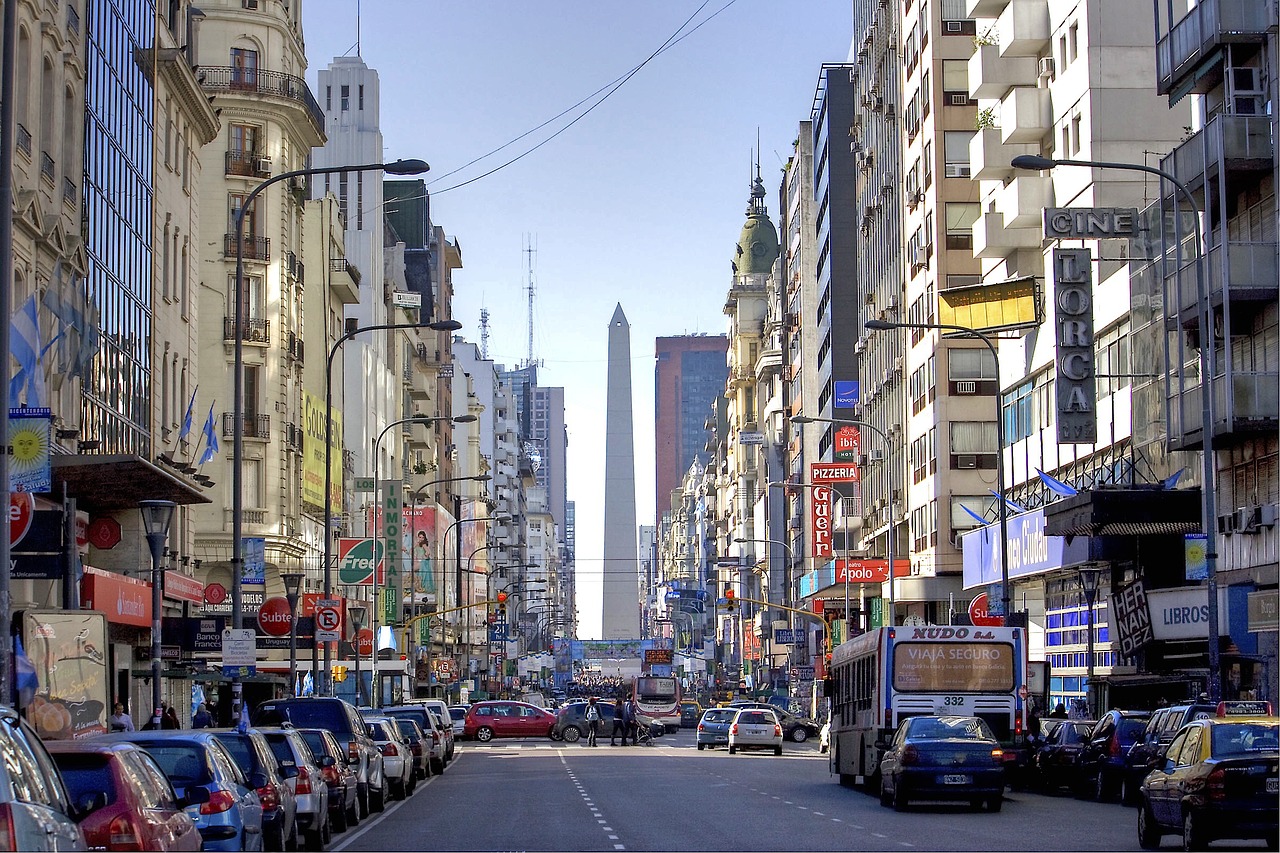
Buenos Aires is also a city of theatre, literature and visual culture: the Teatro Colón, one of the world's great opera houses, is an eclectic architectural masterpiece inaugurated in 1908; the Avenida Corrientes concentrates historic bookshops, literary cafés and art-house cinemas. Museums — from the MALBA to the Museo Nacional de Bellas Artes — hold internationally significant collections focused on twentieth-century Latin American art.
A city that never sleeps, Buenos Aires is experienced at night: porteños dine late, dance until dawn, and debate politics and football with equal passion. Every visit leaves something unresolved — a San Telmo alley still to explore, a milonga still to try. That is the spell that keeps travellers coming back.