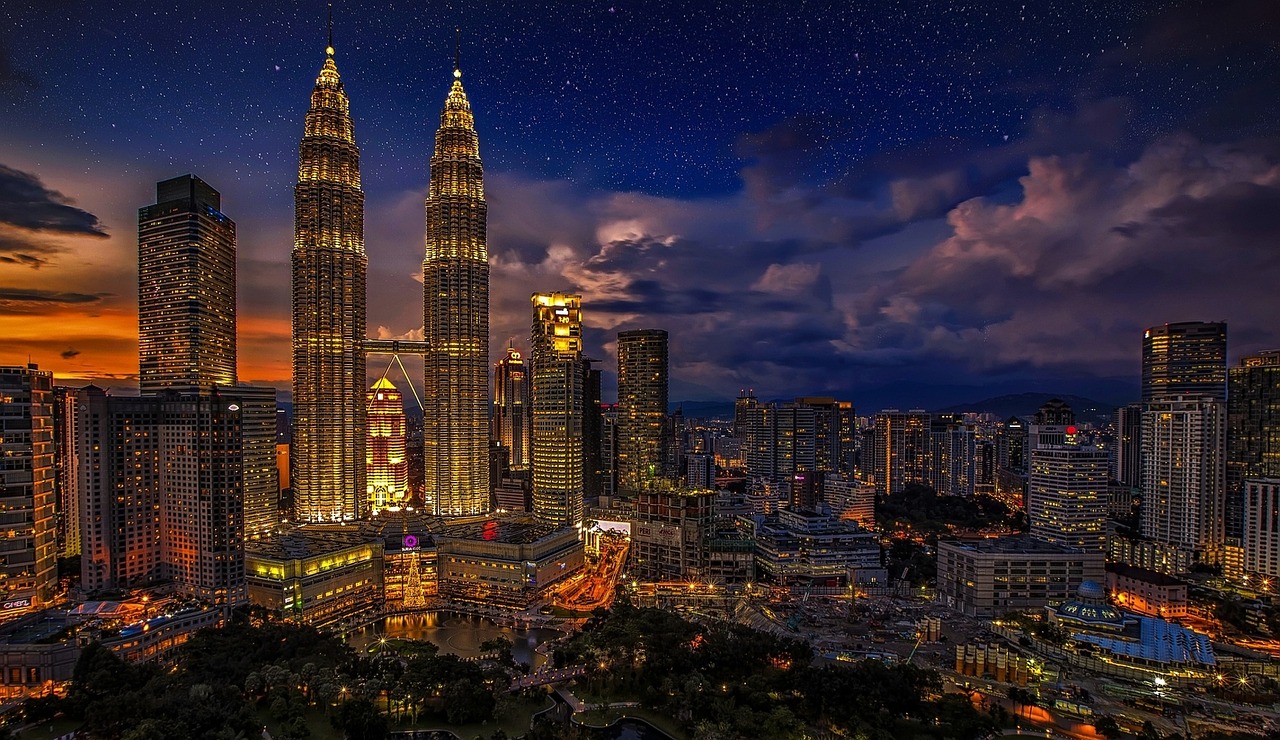
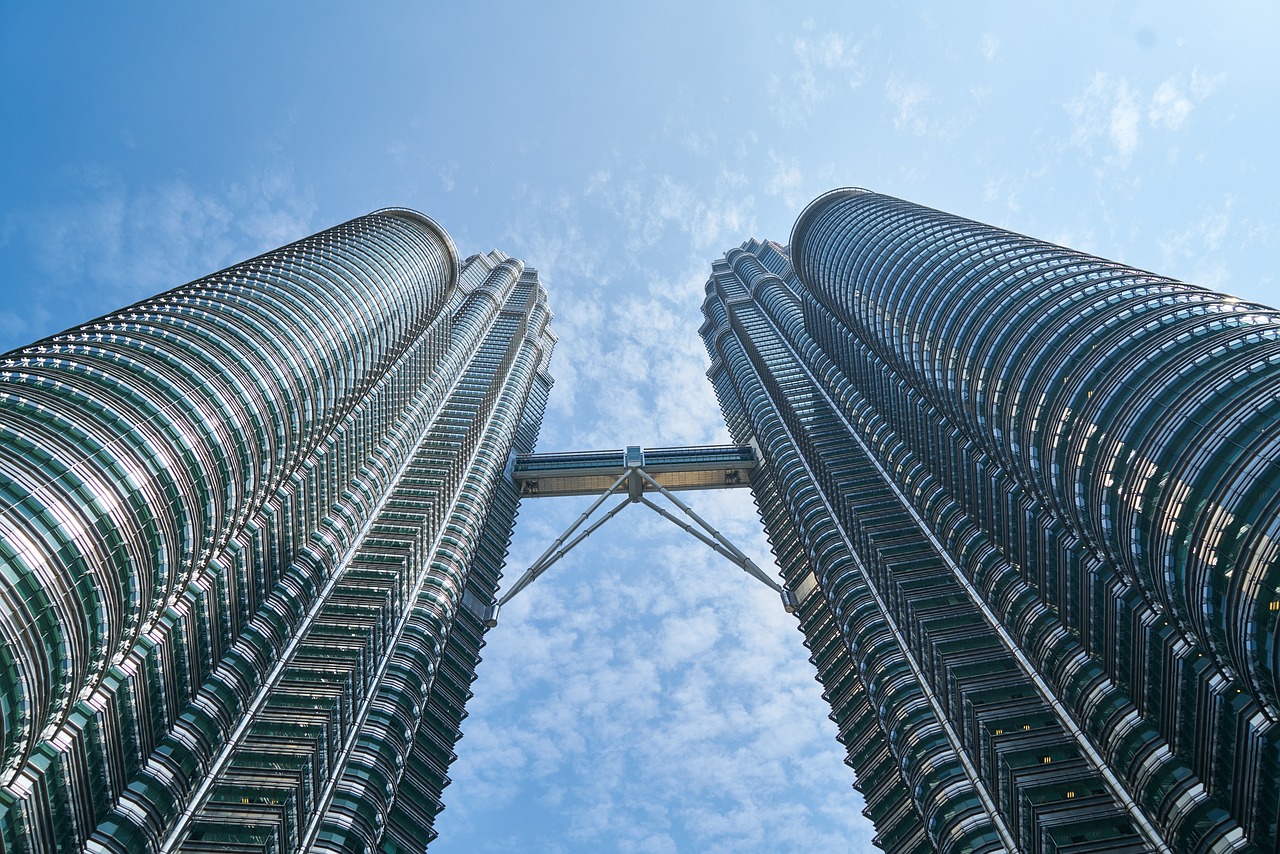
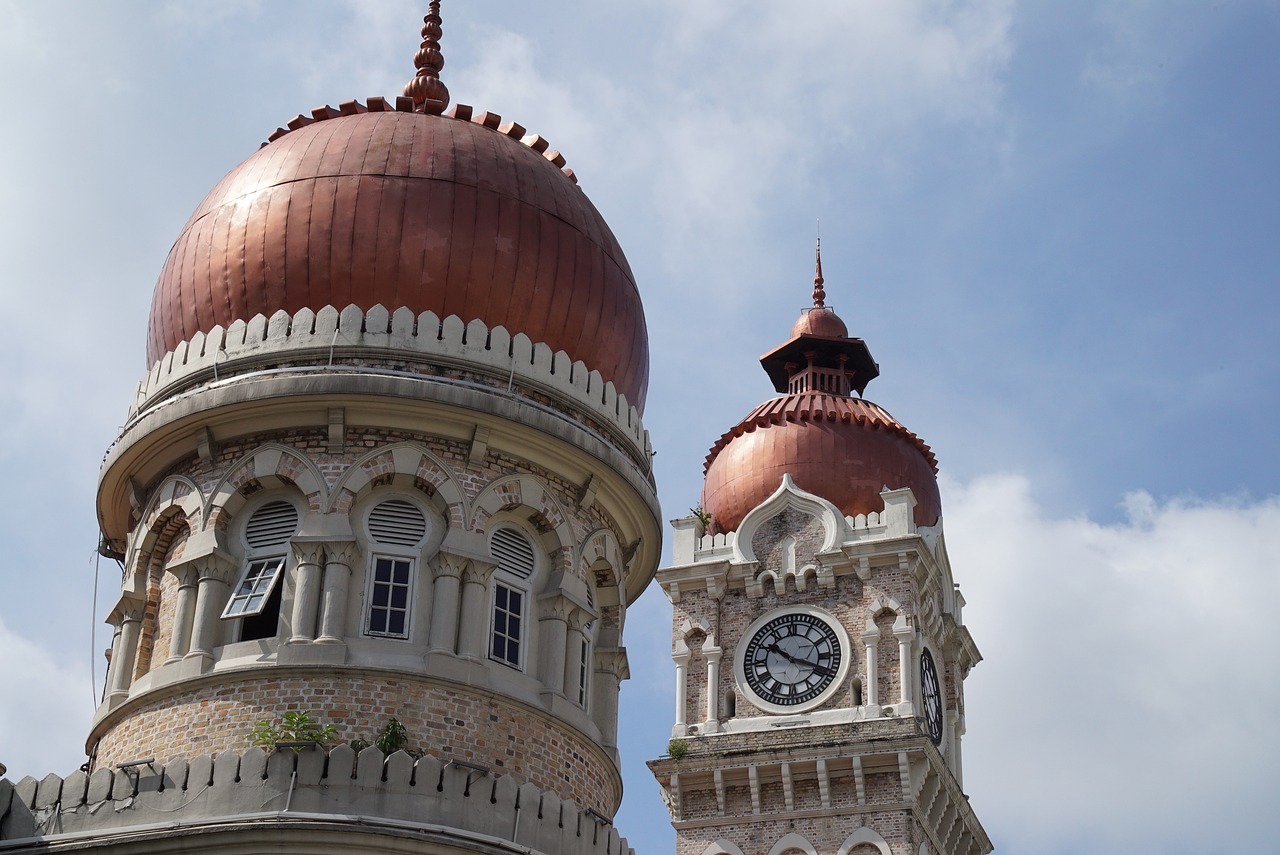
Founded at the head of the Klang Valley in the mid-nineteenth century, Kuala Lumpur – widely known as KL – has never had a coherent style. The earliest grand buildings around Merdeka Square, dating from the 1890s, are eccentric fusings of influences from across the British Empire, now overshadowed by soaring modern landmarks (notably the Petronas Towers) that wouldn’t be out of place in Hong Kong or New York. This melange extends to the people too; attractions aside, you could spend a visit simply soaking up KL’s excitingly diverse Malay, Chinese and Indian cultures: the conversations heard on the street, the huge range of food, and the profusion of mosques, Buddhist temples and Hindu shrines. A stay of a few days is enough to appreciate the best of KL’s attractions, including the colonial core around Merdeka Square and the adjacent enclaves of Chinatown and Little India, plus, to the east, the restaurants, shops and nightlife of the so-called Golden Triangle, the modern heart of downtown KL. It can be equally rewarding just to take in KL’s street life, in particular its boisterous markets, ranging from fish and produce markets stuffed into alleyways, to stalls selling cooked food of every shape and description, or inexpensive clothes and accessories.
Train
Day 4 — Kuala Lumpur → Perhentian
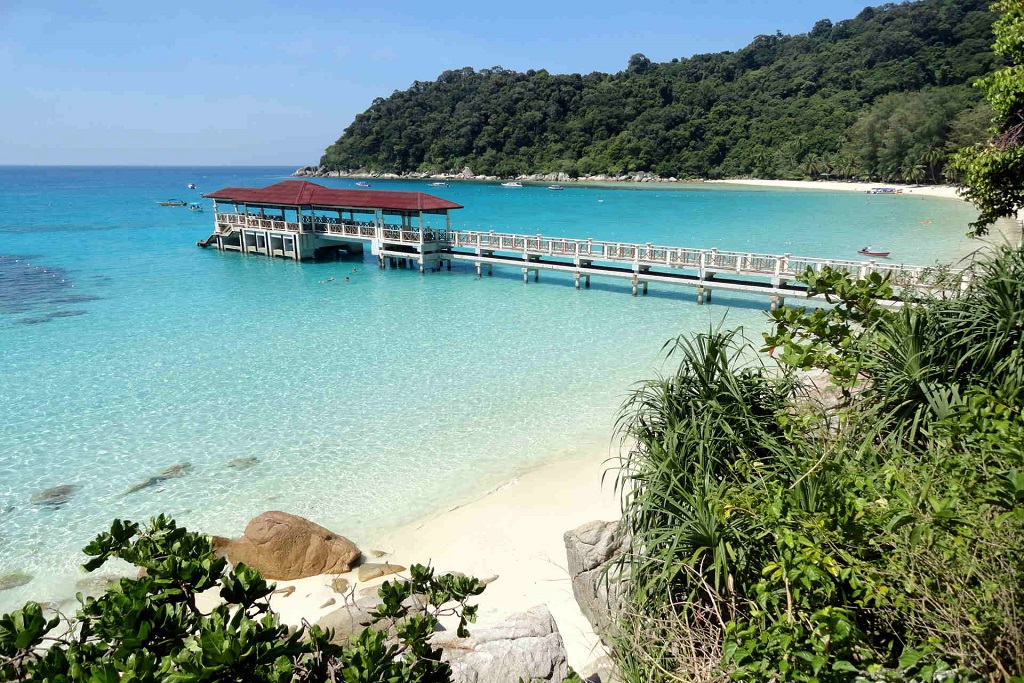
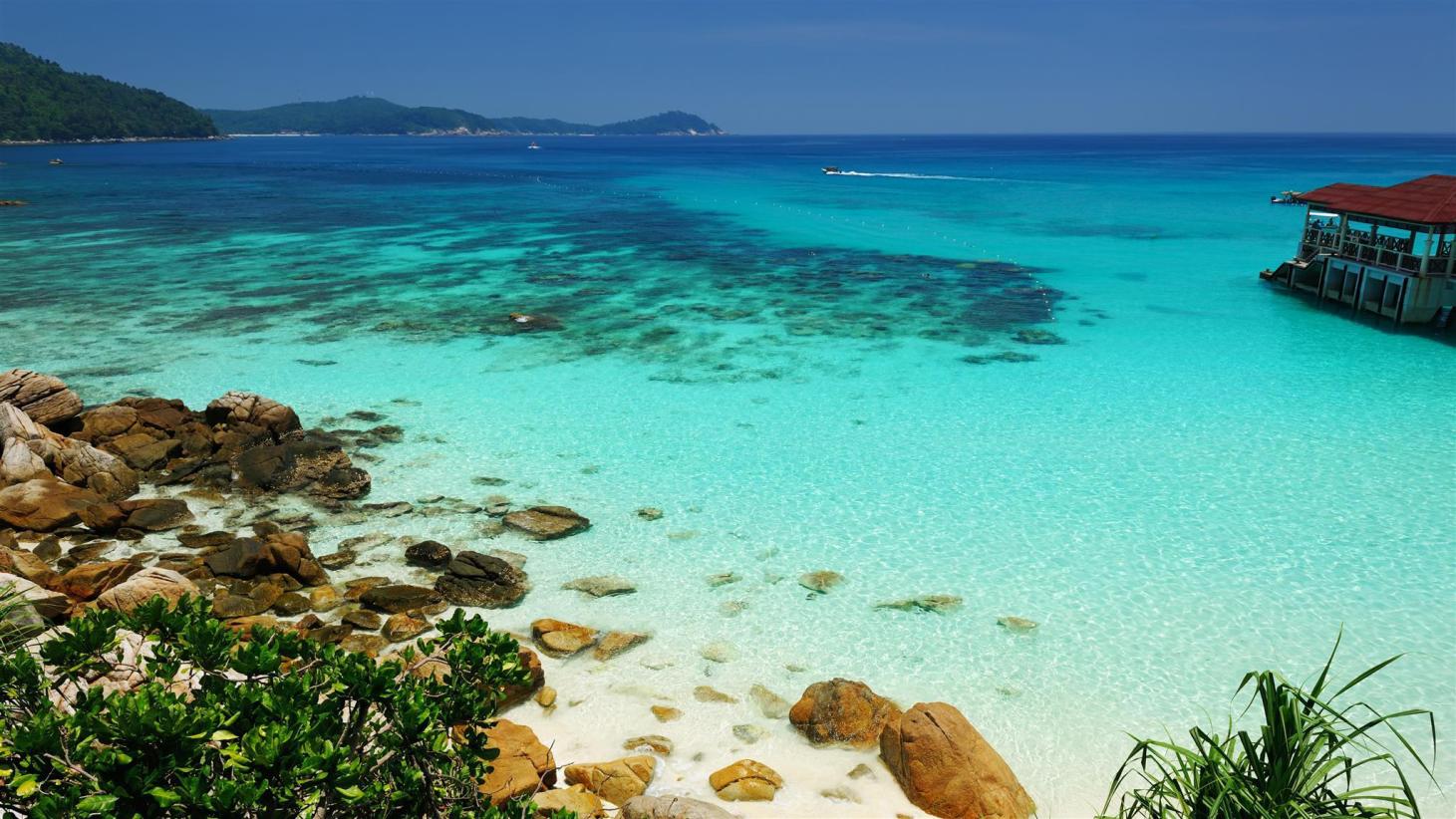
The name Pulau Perhentian actually covers two islands, Perhentian Besar and Perhentian Kecil (which mean large and small stopping places, respectively; Big Island and Small Island are sometimes used instead). Both are textbook tropical paradises, which retain considerable appeal despite having been developed for tourism. The essentials of any idyllic island holiday – fantastic sandy beaches, and great snorkelling and diving – are all in place. Both islands have jungly hills in their interior, with paths for walking and opportunities to spot flying foxes, monkeys and monitor lizards. All this is capped by a refreshingly laidback atmosphere that can make it difficult to tear yourself away. For many years, large-scale development on the Perhentians was kept to a minimum. This was just as well, given that both islands are home to several turtle nesting sites, active from April to early August – the only organized viewing is through the Bubbles resort – and that the impact of the existing resorts on the environment is far from negligible. Shortages of water, for example, can be a hassle during the tourist peak.