Giorno 1 — Tokyo
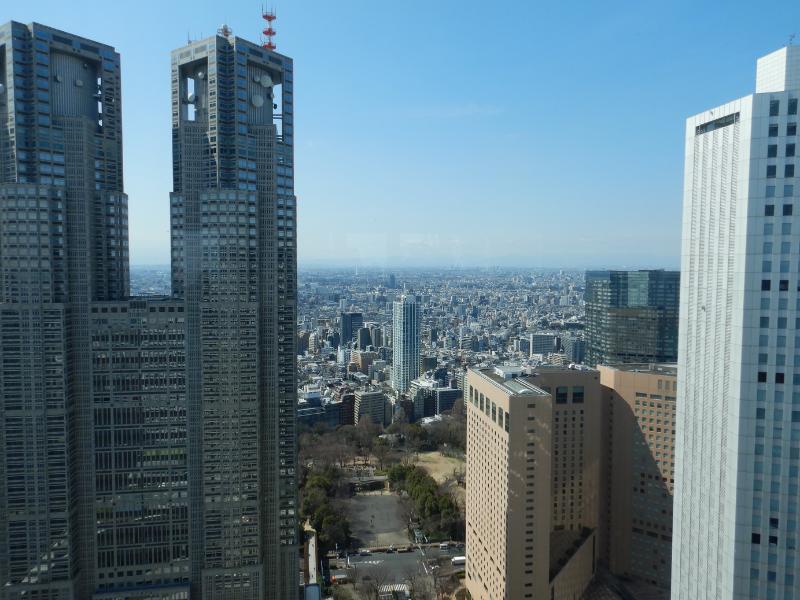
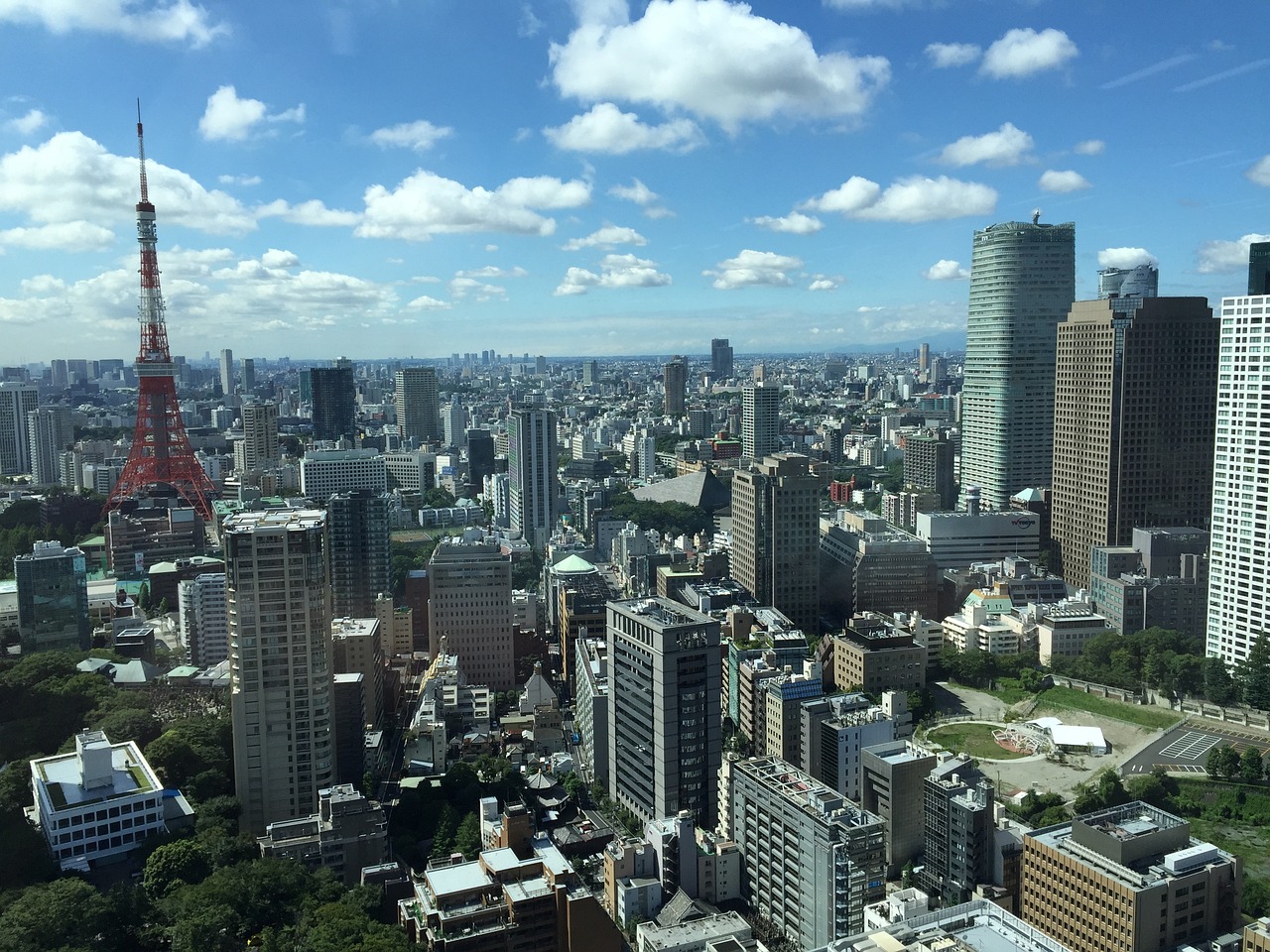
Tokyo spreads across a vast plain overlooking its namesake bay, where Japan's imperial heritage coexists with the pulse of the planet's most populous metropolis. The city's symbolic heart is the Imperial Palace (Kōkyo), ringed by broad moats and gardens, the Emperor's residence on the site of the former Edo Castle from which the city takes its historic name. Nearby, the Marunouchi district lines up glass skyscrapers and the red-brick Tokyo Station, while Ginza unfolds gleaming storefronts, boutiques and refined tea salons.
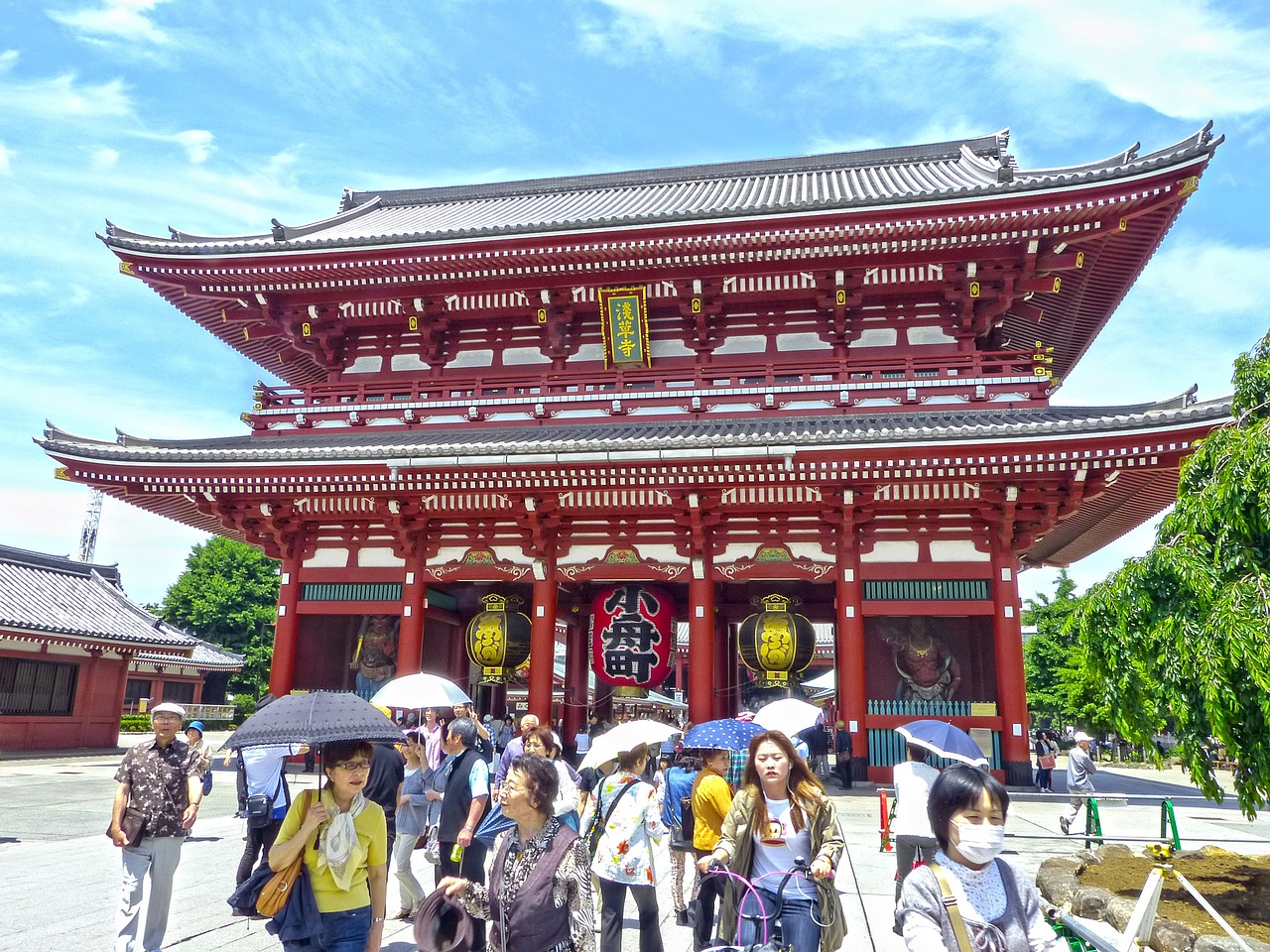
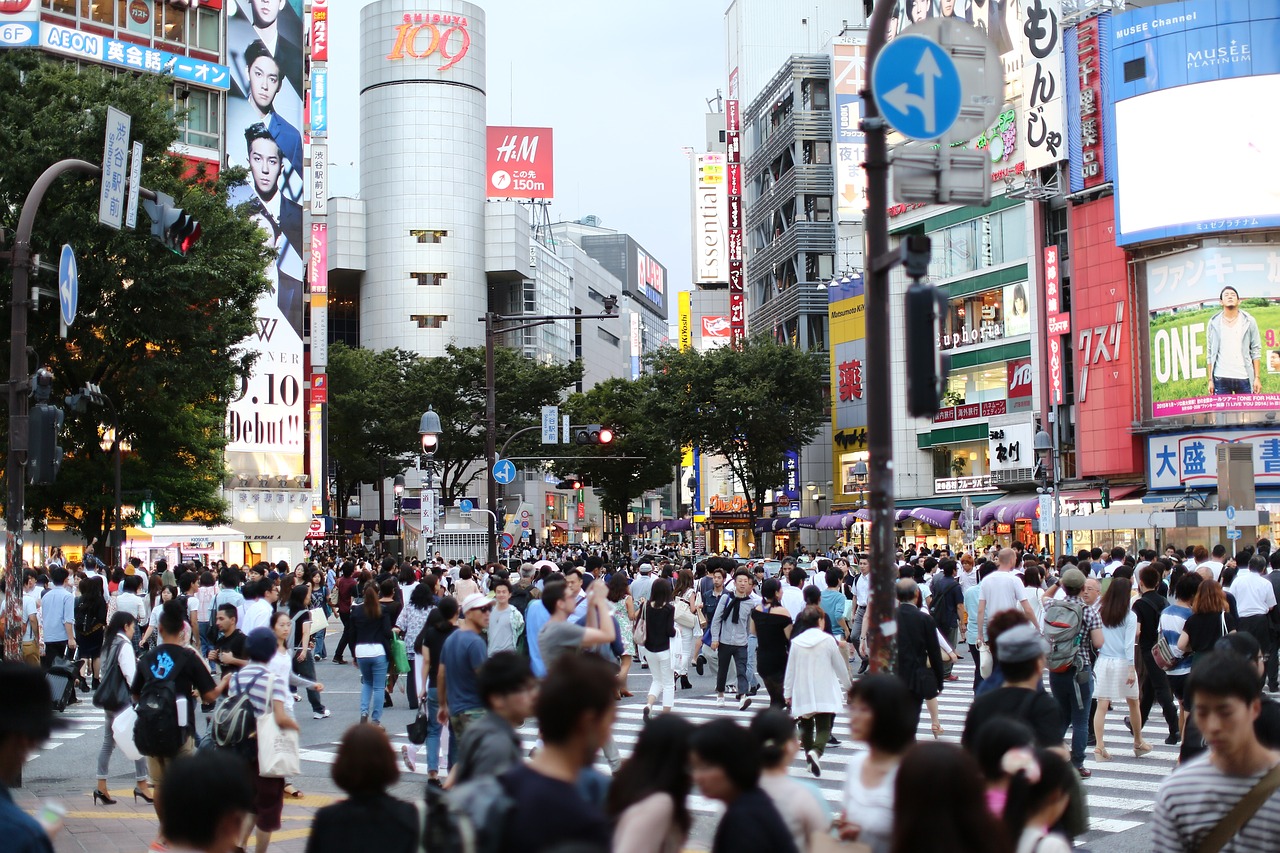
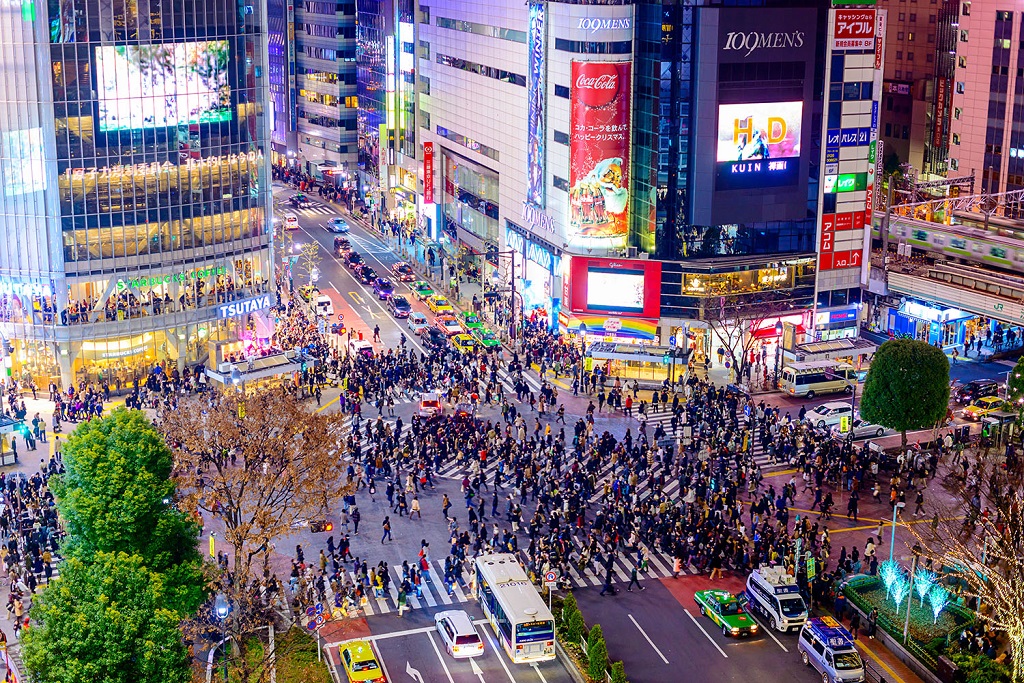
To the north, the Asakusa district guards the Sensō-ji temple, the city's oldest, fronted by the famous Kaminarimon gate with its huge red lantern and by Nakamise street, crowded with traditional shops. Across the Sumida River rises the Tokyo Skytree, while pleasure boats glide down to the Hama-rikyū gardens. The city's contemporary face erupts at Shibuya, with the busiest pedestrian crossing in the world, and at Shinjuku, amid skyscrapers, nightlife and the alleys of Golden Gai. Harajuku and Omotesandō avenue set youth-fashion trends, while Akihabara is the realm of electronics and pop culture. For quiet moments there are the Meiji-jingū shrine, set within a sacred wood, and the wide spaces of Ueno Park, with its museums and spring cherry blossoms.
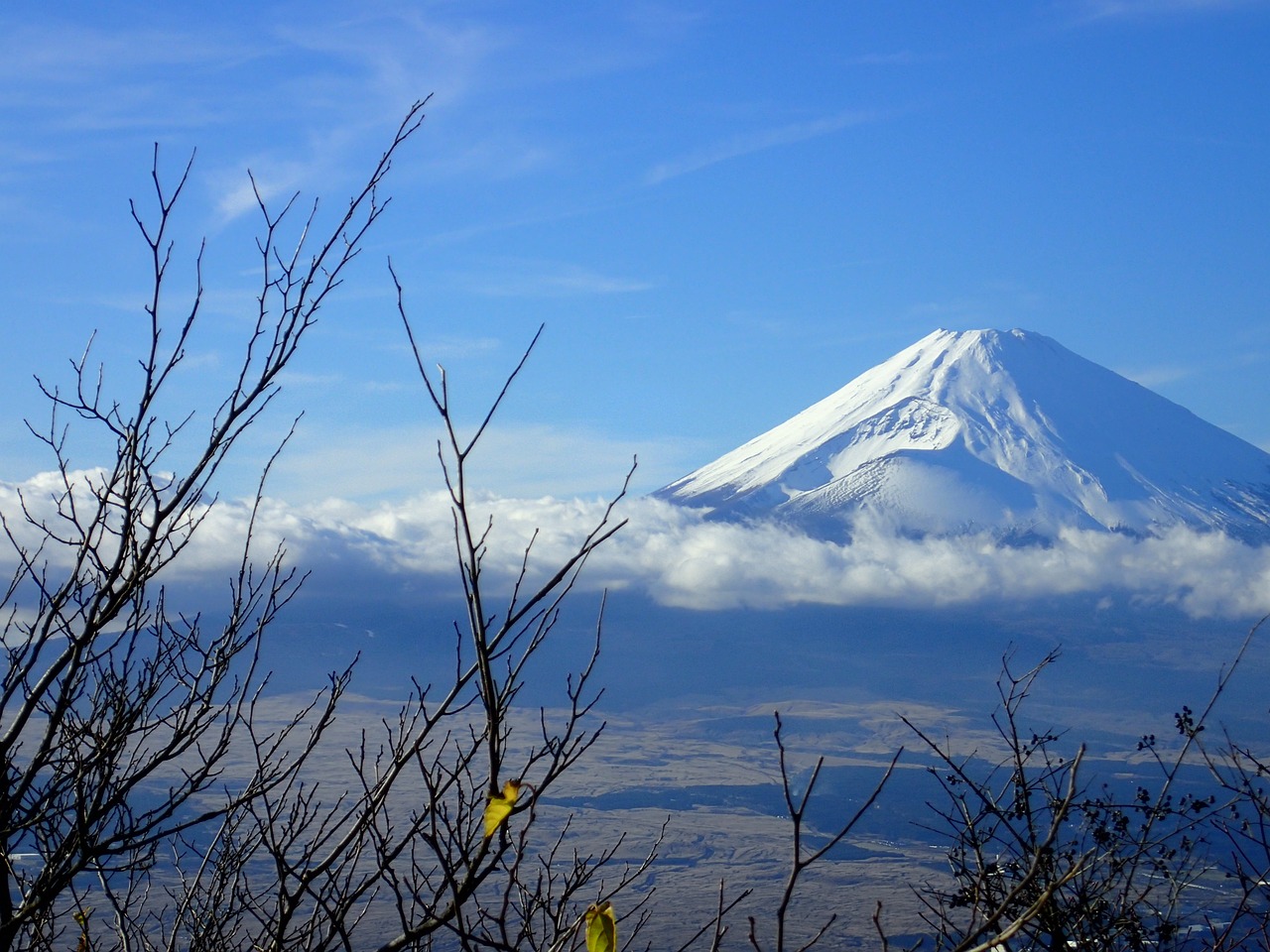
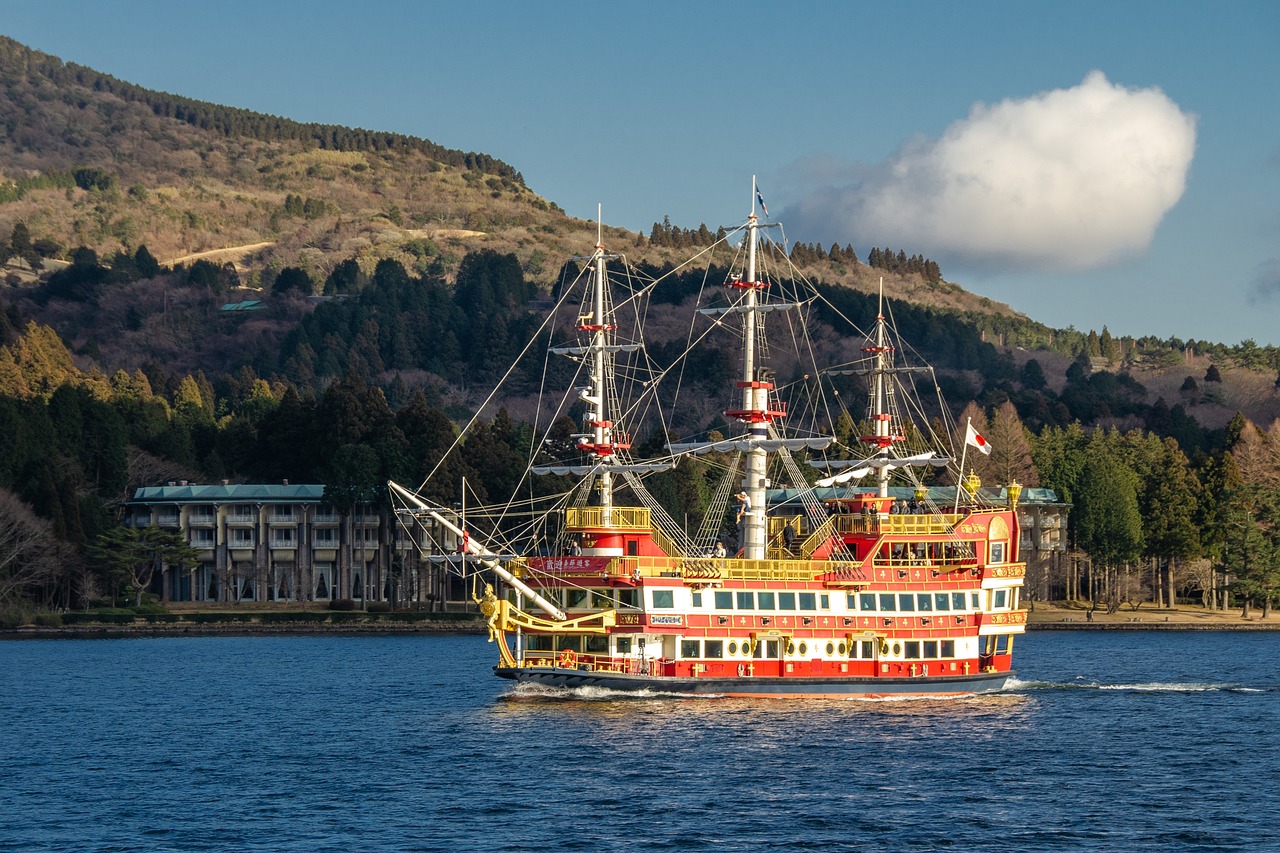
Gastronomy is a chapter of its own: from the sushi counters around the old Tsukiji market to izakaya taverns, from steaming ramen to refined Michelin-starred dining rooms, Tokyo boasts one of the most celebrated culinary scenes in the world. The city is also the starting point for unforgettable excursions to the Nikkō shrine, the hot springs of Hakone and, on clear days, the unmistakable silhouette of Mount Fuji. Age-old tradition and luminous future intertwine at every corner: Tokyo is a city that never stops surprising, to be experienced day and night, between ancient rituals and inexhaustible energy.
_20260505143525.png)
_20260505143526.png)
_20260505143526.png)
_20260505140955.png)
_20260505140955.png)