Chicago›St Louis›Springfield (MO)›Kansas City›Oklahoma City›Amarillo+1 Altro
Riepilogo del tour
Durata10 Giorni / 9 notti
ItinerarioChicago → Albuquerque
Tappe7 Destinazioni
Itinerario del Tour
Caricamento mappa...
EAST ROUTE 66 - From Chicago to Albuquerque — NAAR
Itinerary
Giorno 1 — Chicago
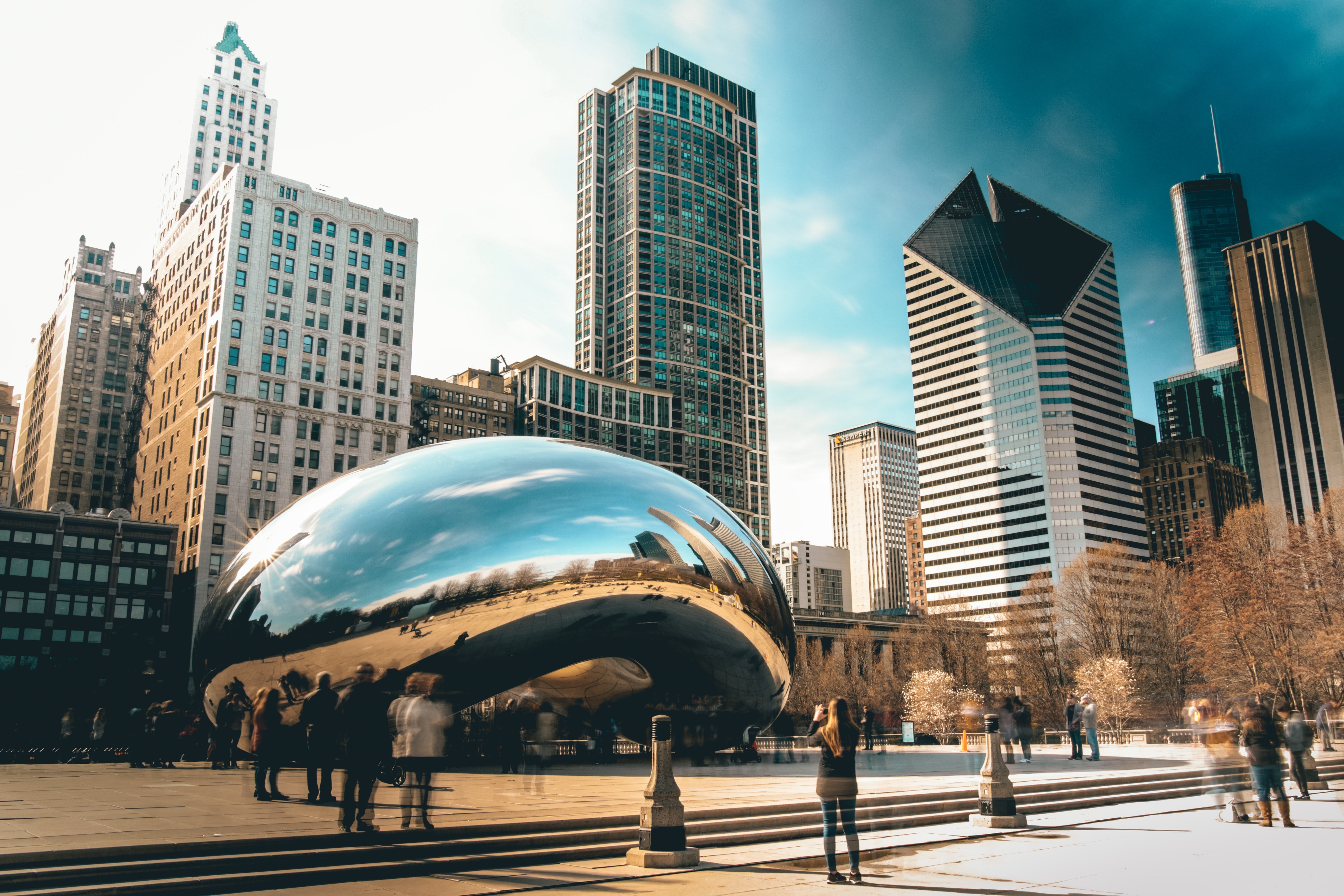
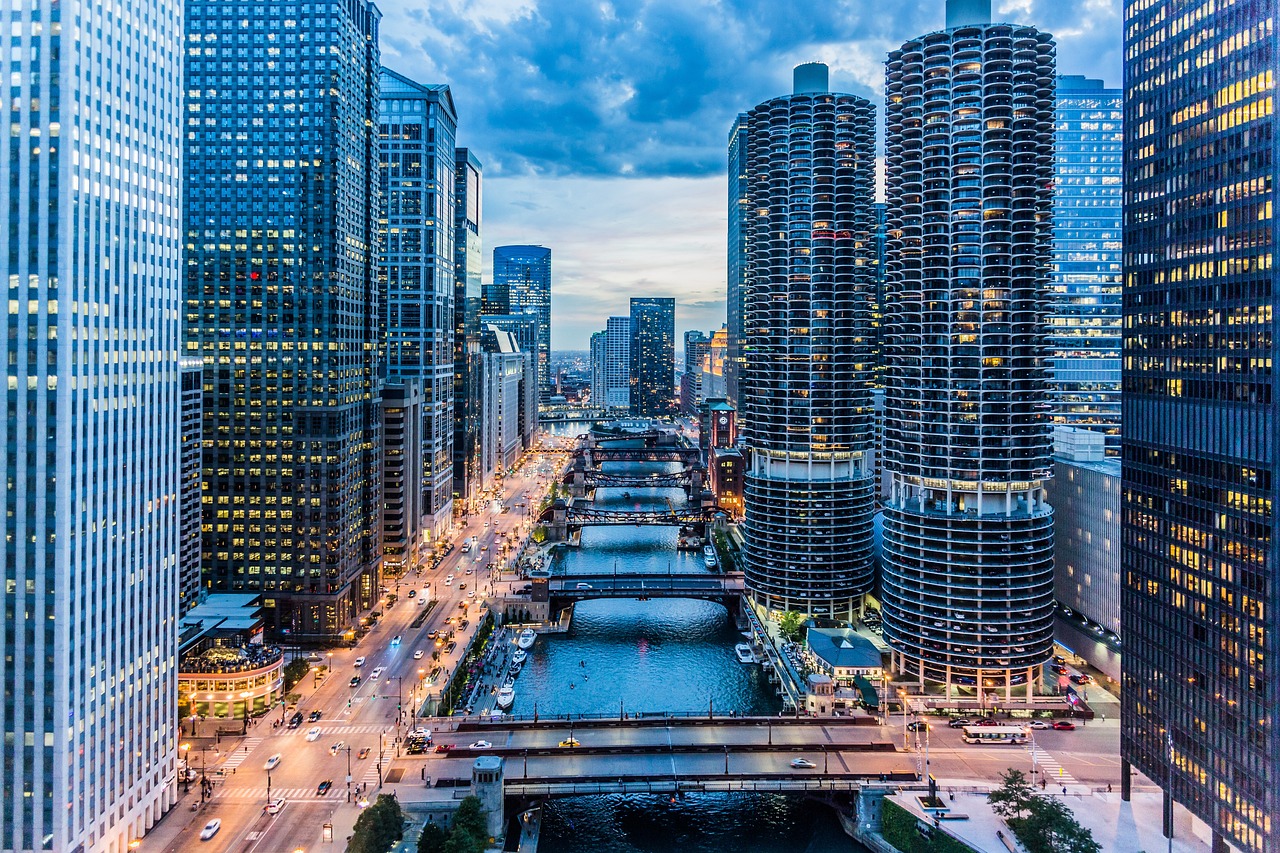
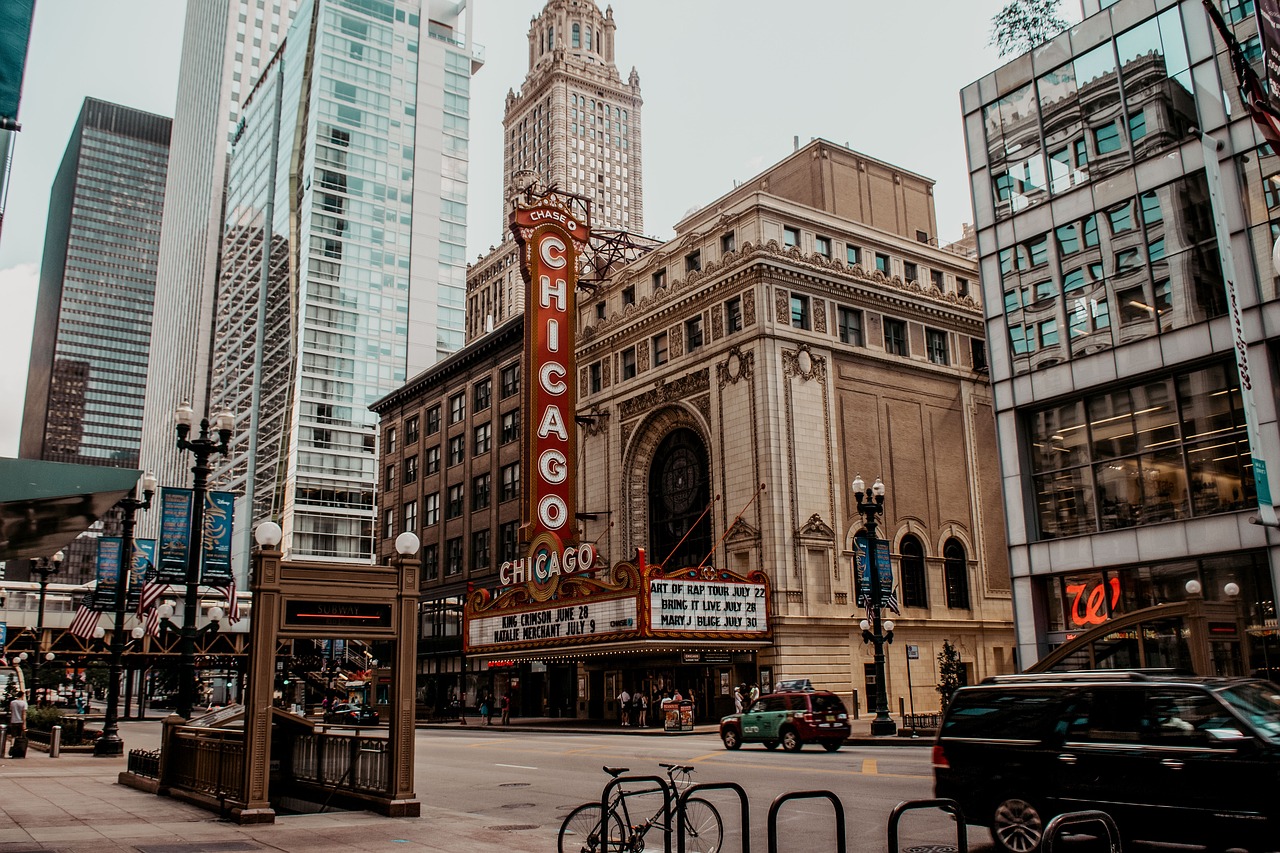
Chicago rises along the southwestern shore of Lake Michigan, the third-largest city in the United States and the acknowledged birthplace of the modern skyscraper: here, after the Great Fire of 1871, American architecture reinvented itself, giving rise to one of the most famous skylines in the world. Its beating heart is the Loop, the business district encircled by the elevated 'L' train, where masterpieces by Louis Sullivan, Mies van der Rohe and Frank Lloyd Wright stand side by side. A short walk leads to Millennium Park, with the gleaming 'Cloud Gate' sculpture (nicknamed 'The Bean' by locals) and the Jay Pritzker Pavilion designed by Frank Gehry. Nearby, the Art Institute of Chicago, one of America's great museums, guards Impressionist masterpieces and Grant Wood's celebrated 'American Gothic'. Along the water, the Chicago Riverwalk offers another vantage on the city, while the boats of the Architecture River Cruise glide between the façades, recounting a century and a half of building ingenuity. Toward the lake, Navy Pier with its Ferris wheel and the Magnificent Mile, the elegant stretch of Michigan Avenue lined with shops and hotels, set the rhythm of city life. Yet Chicago is also music and flavour: the home of electric blues and jazz resounds in the clubs of the South Side, while its tables serve the hearty deep-dish pizza, Chicago-style hot dogs and the food markets of lively neighbourhoods such as Pilsen and West Loop. Rising to the 412-metre Skydeck of the Willis Tower, the gaze sweeps across the lake and the boundless Illinois plain. A city of lakes and skyscrapers, of jazz and bold architecture, Chicago reveals itself on foot, amid the gusts that earned it the nickname 'Windy City' and the unmistakable energy of the American Midwest.
Auto
Giorno 4 — Chicago → St Louis
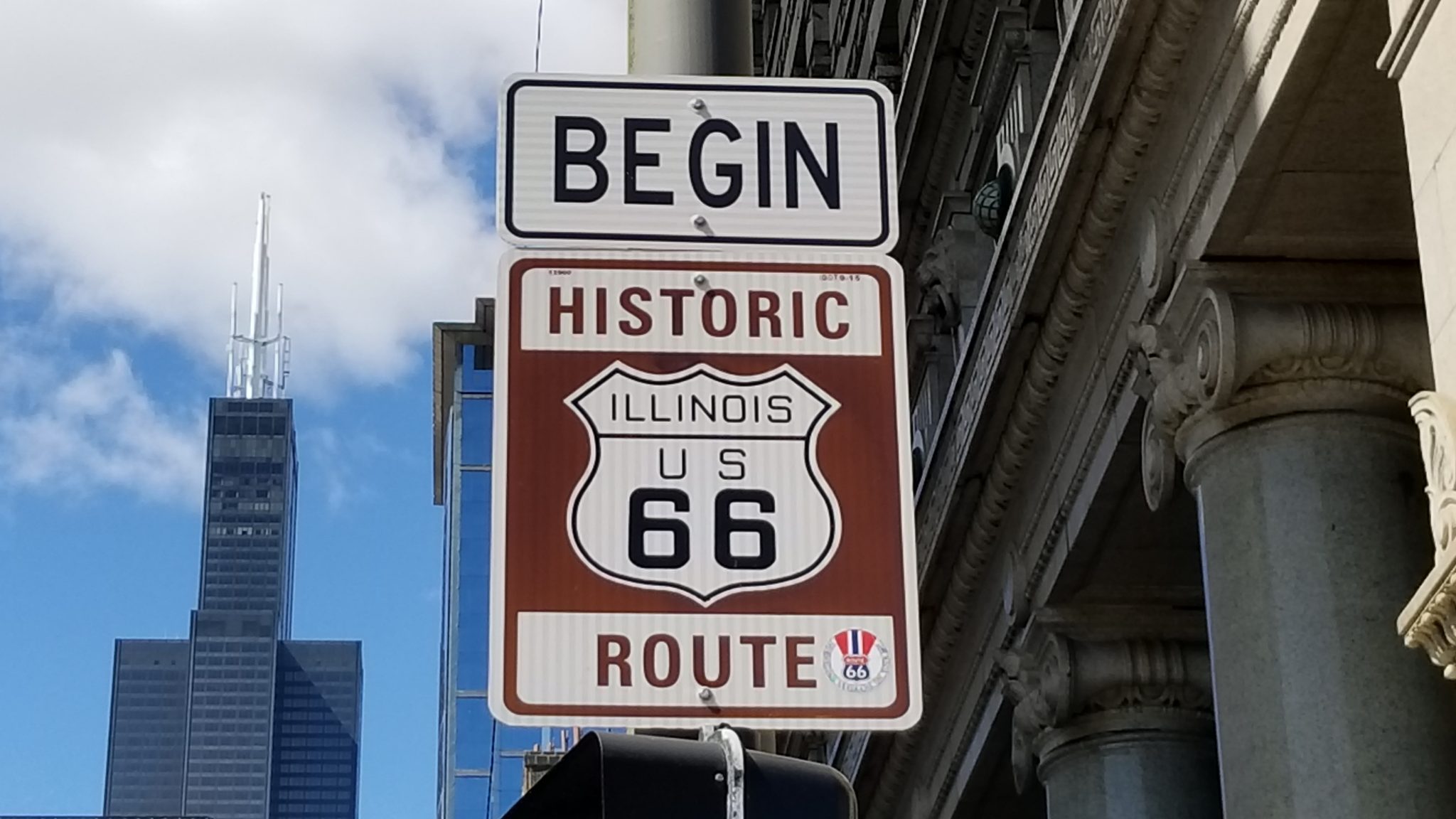
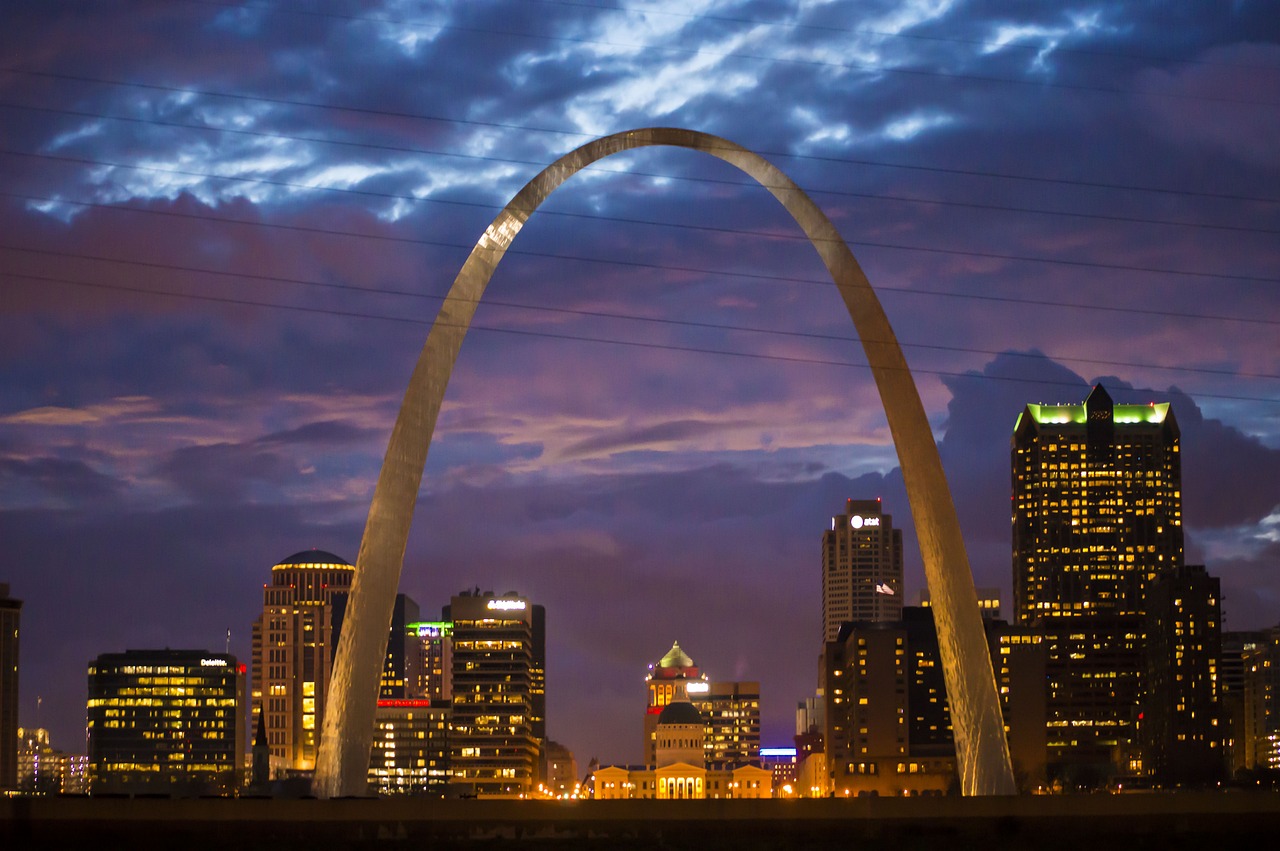
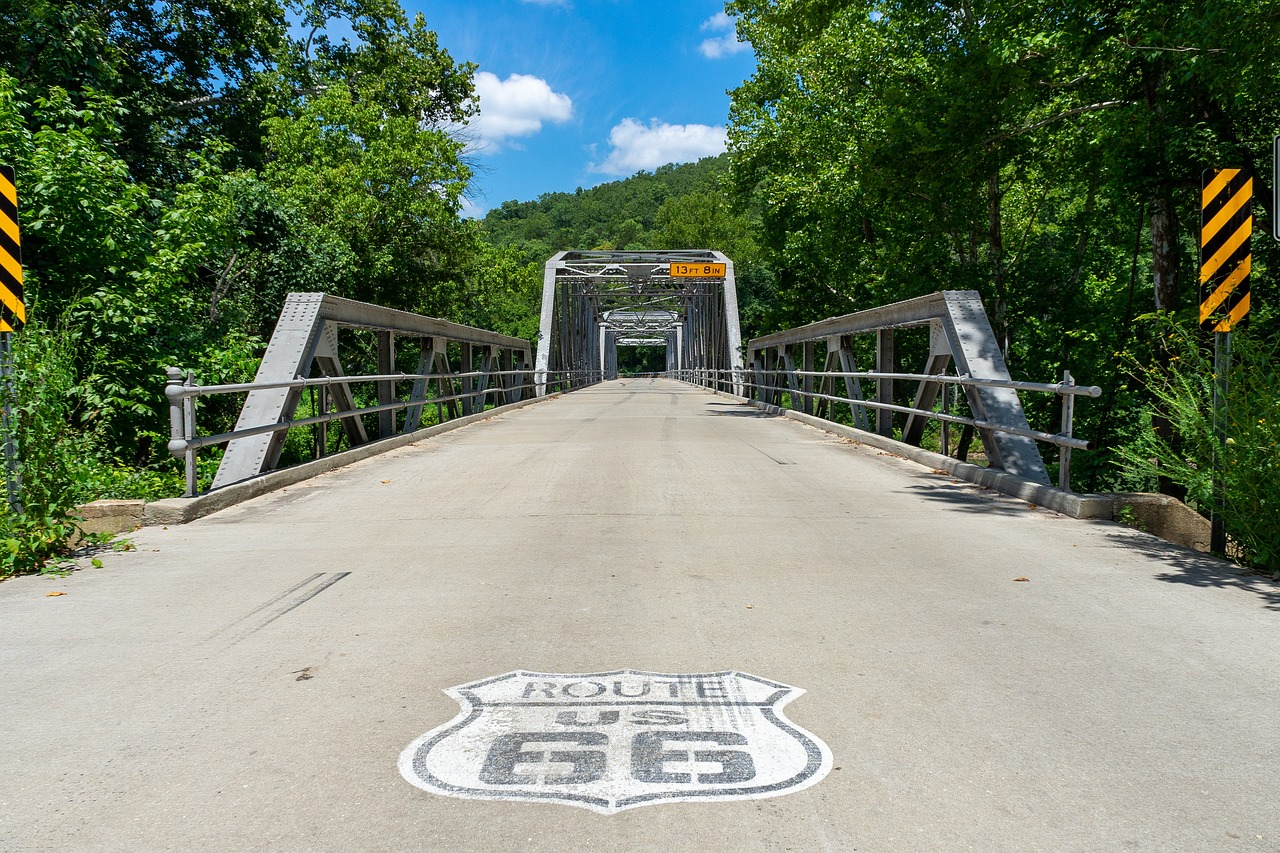
What remains of Route 66 and its modern version, I-55, diagonally connect the two metropolises of Chicago and St. Louis in a predominantly rural landscape, through cornfields that stretch to the horizon and flat prairies as far as the eye can see. The hinterland of the two cities is heavily industrial and rather poor, and doesn't really offer much to the traveler looking for traces of the "Mother Road". The only real city along the entire route is the capital of Illinois, Springfield, which has well-preserved sections of Route 66 as well as memories related to President Lincoln. However, there are also dozens of scattered small towns that strive to maintain a connection with Route 66, and almost all of them boast at least one landmark. St. Louis announces itself from afar with the unmistakable silhouette of the Gateway Arch, the 192-metre steel arch celebrating the westward expansion of the United States. Overlooking the banks of the Mississippi, this historic Missouri city blends grand nineteenth-century boulevards, a fervent musical past and a lively dining scene. The Forest Park district, larger than New York's Central Park, is home to museums, the zoo and the Saint Louis Art Museum, all free to enter. A cradle of blues and ragtime, it preserves historic venues where live music has never fallen silent, while the famous Anheuser-Busch brewery recounts the city's beer-making heritage. Don't miss the scenic ride to the top of the arch. St. Louis is where frontier America meets the great river metropolises.
Auto
Giorno 5 — St Louis → Springfield (MO)
Springfield rises in the heart of the rolling Ozarks region of southwestern Missouri and is known as the "Birthplace of Route 66," the legendary highway that was named here in 1926. This welcoming American city proudly preserves the memory of the "Mother Road," celebrated in museums and nostalgic neon signs. A must-see is the colossal Wonders of Wildlife National Museum & Aquarium, among the largest aquariums in the country, dedicated to wildlife and natural habitats. The surrounding area opens onto the rural landscapes of the Ozarks, with lakes, caves, and woodland trails ideal for nature lovers. The nearby town of Branson adds entertainment and live shows. Springfield is an authentic stop for those traveling the great road-trip routes of the United States.
Auto
Giorno 6 — Springfield (MO) → Kansas City
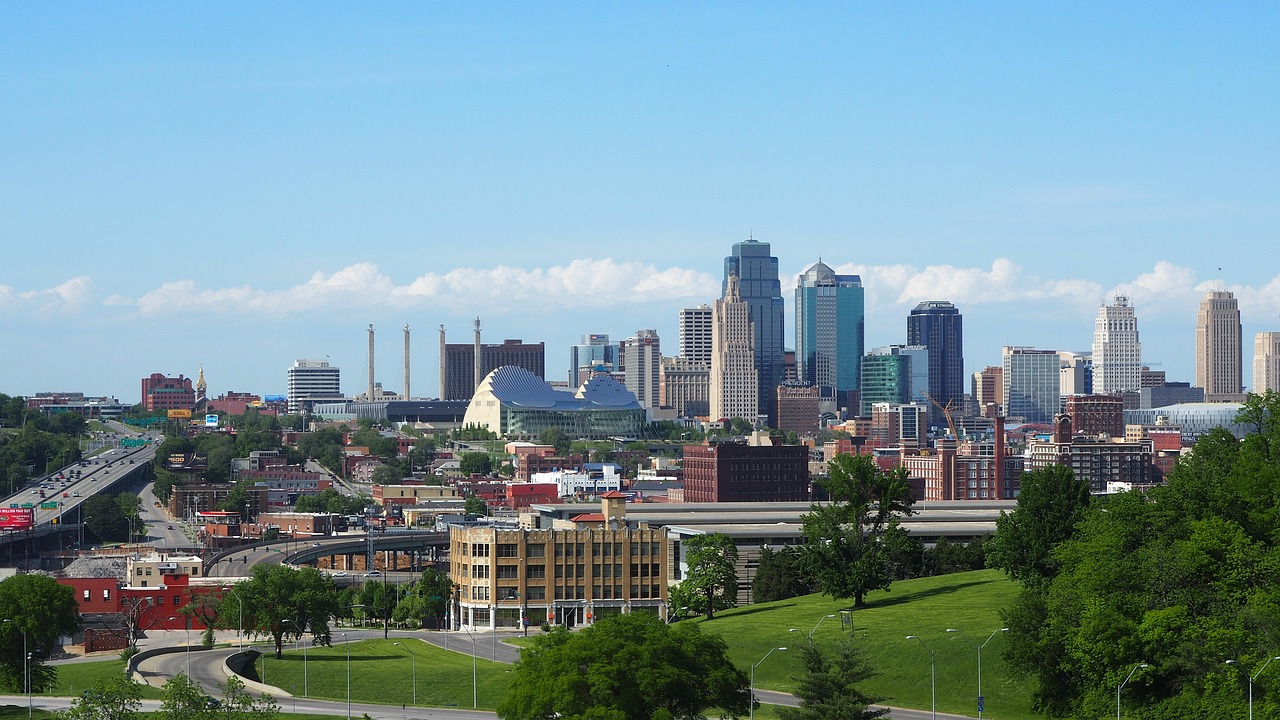
Kansas City, in Missouri, spreads at the confluence of the Missouri and Kansas rivers, a city famed for its many fountains, which earned it the nickname 'City of Fountains', second only to Rome. The home of jazz, it preserves in the 18th & Vine district the rich African-American musical heritage and the museum dedicated to baseball's Negro Leagues. Its legendary barbecue cuisine is among the most renowned in the United States. Between art, music, sport and culinary traditions, Kansas City is a vibrant, welcoming metropolis in the heart of America.
Auto
Giorno 7 — Kansas City → Oklahoma City
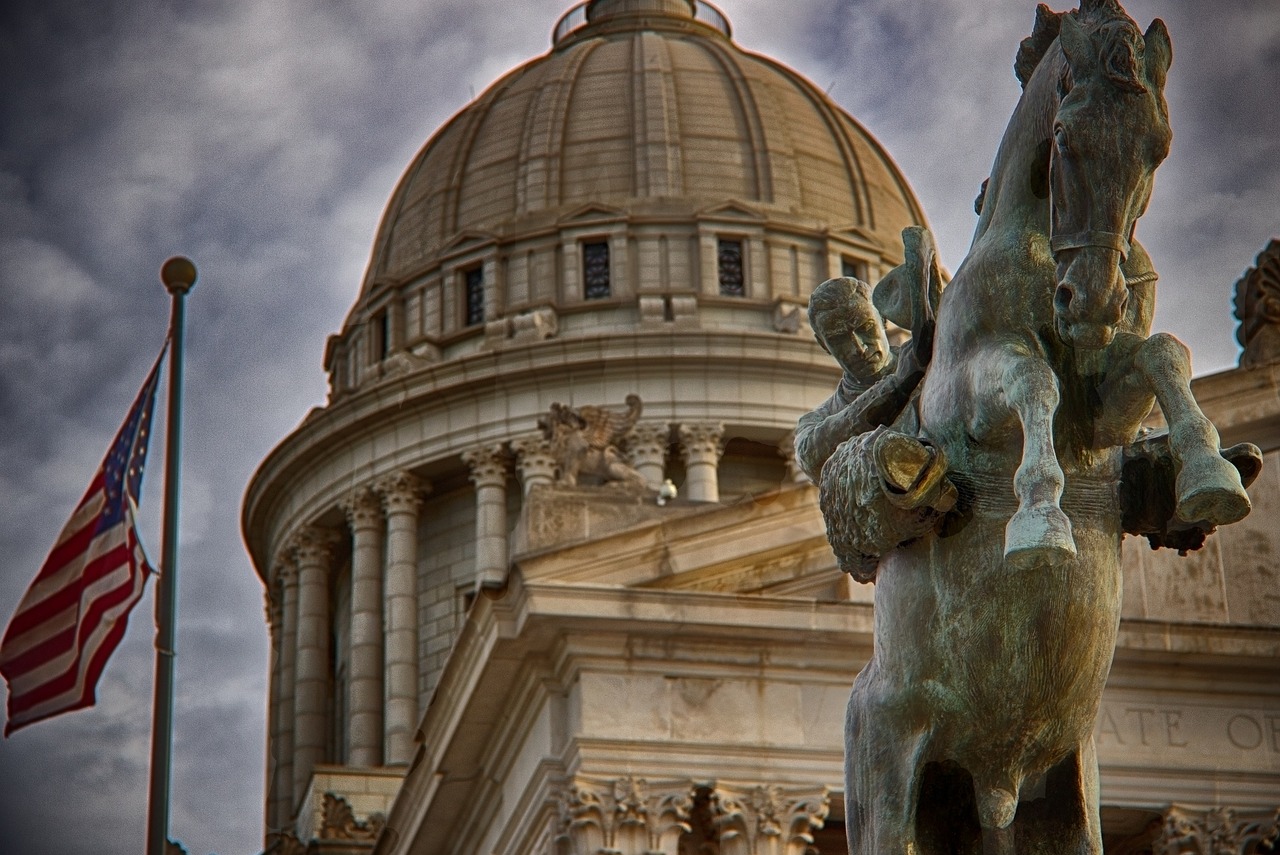
Oklahoma City spreads broad and modern across the heart of the Great Plains, capital of a state where cowboy culture meets contemporary urban energy. The revitalised Bricktown district, with its old brick warehouses overlooking a navigable canal, brims with restaurants, bars and galleries. The National Cowboy & Western Heritage Museum tells the saga of the West, while the Oklahoma City National Memorial honours, with quiet intensity, the victims of the 1995 bombing. Those drawn to tradition will find a tribute to the state's native nations at the First Americans Museum. Local cuisine celebrates grilled meats and Southwestern flavours, best enjoyed in classic steakhouses and the still-active stockyards. Oklahoma City is an authentic stop along the routes of Route 66, balancing frontier spirit and renewal.
Auto
Giorno 8 — Oklahoma City → Amarillo
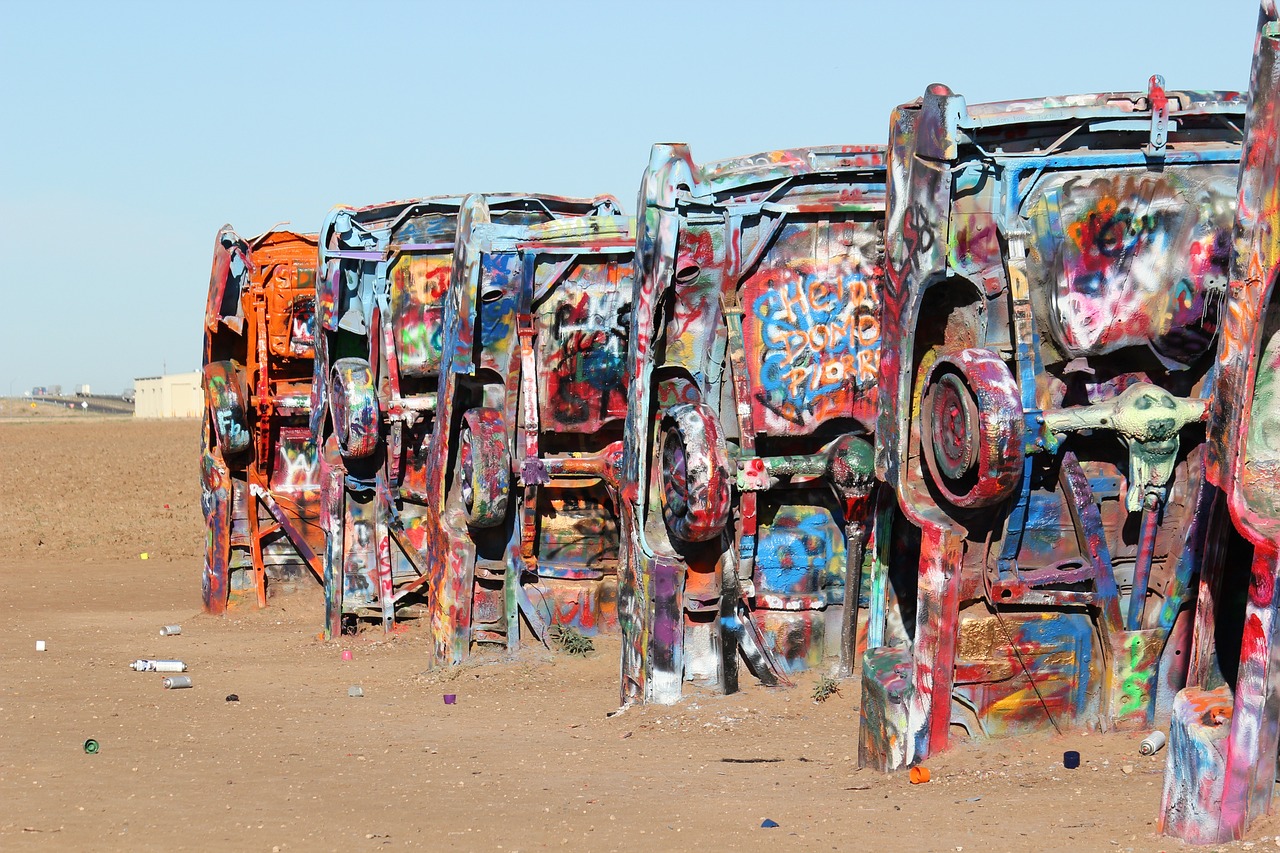
After leaving Oklahoma City, continue along Route 66 until you reach Hydro, Texas, and visit Lucille's Service Station. Built in 1929, it is one of the few remaining historic service stations on Route 66 in Oklahoma. Continue along Route 66 to the Oklahoma Route 66 Museum in Clinton. Here you will find memorabilia that tells the story and legends of the most famous highway in the United States. As you cross the state border towards Amarillo, Texas, you will travel through a part of Route 66 rich in vintage icons and references to the Wild West. Long stretches of the old road still remain, in various places with the original pavement. Amarillo rises in the heart of the Texas Panhandle, a land of endless prairies and Route 66 legends. A historic crossroads on the famous "Mother Road", the city preserves the rugged, authentic spirit of the Wild West, with its legendary steakhouses and sprawling ranches. A few kilometres south opens Palo Duro Canyon, the second-largest canyon in the United States, a spectacular red-rock gorge crossed by trails for hiking and horseback riding. Not to be missed is the quirky Cadillac Ranch, an art installation of graffiti-covered cars planted in the ground that has become an icon of road-trip culture. Amarillo is an authentic stop for those crossing the great American plains in search of endless horizons.
Auto
Giorno 9 — Amarillo → Albuquerque
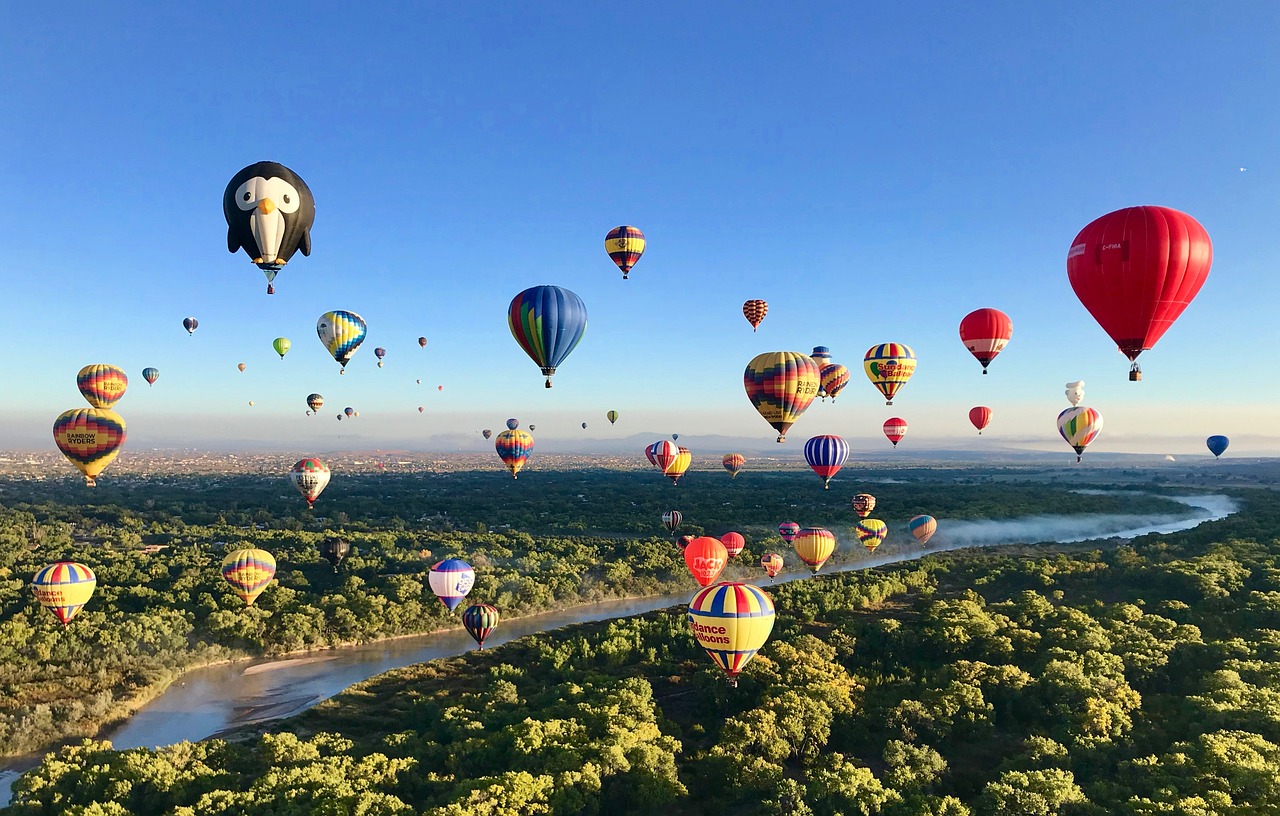
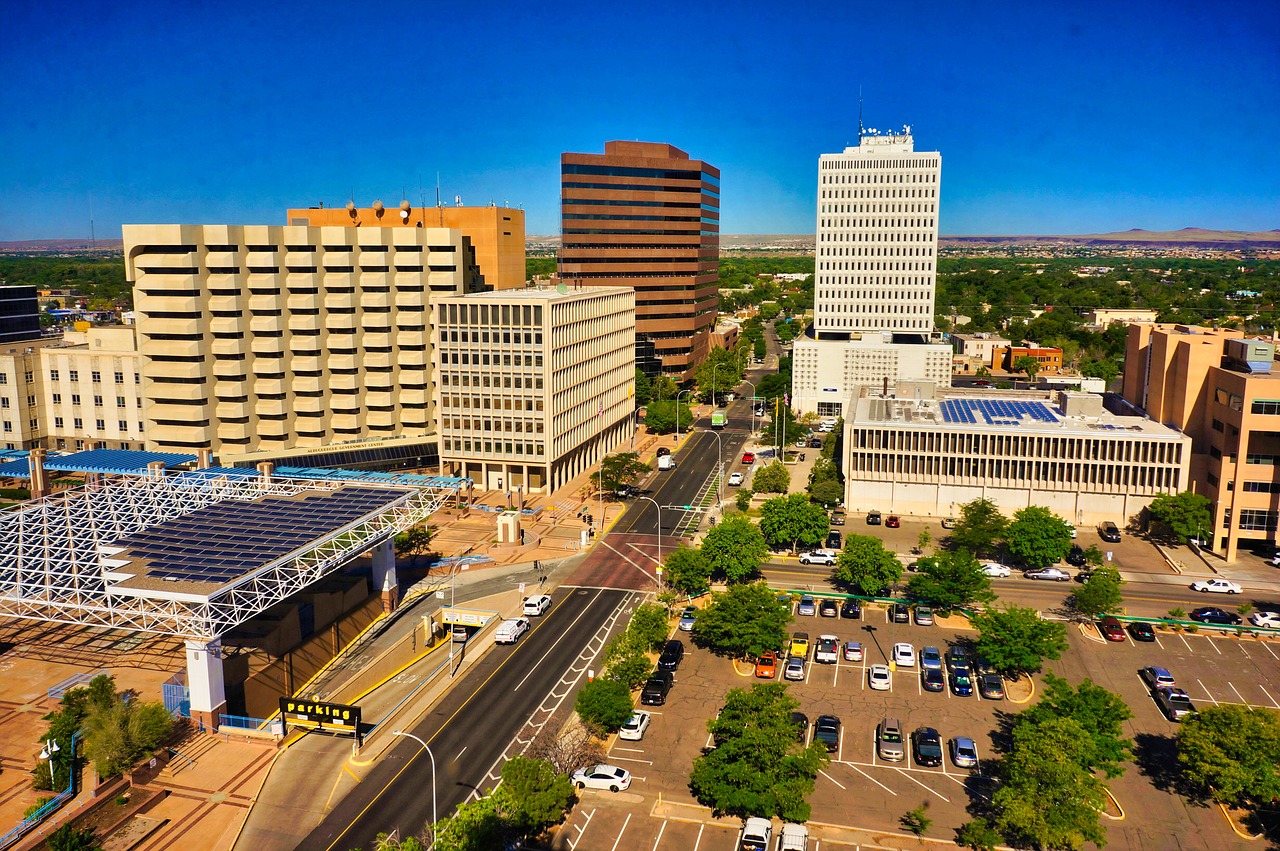
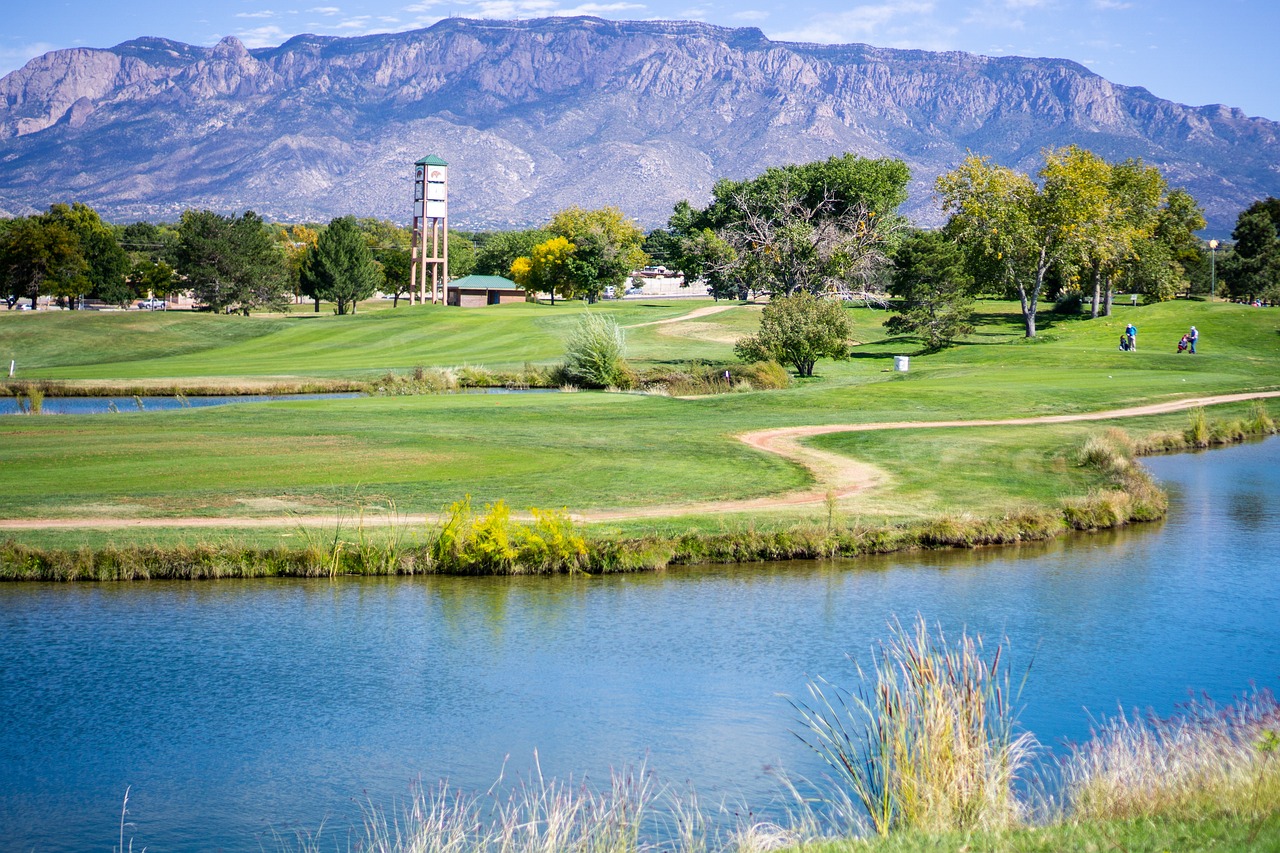
Albuquerque stretches along the Rio Grande in New Mexico, where Native, Hispanic and Anglo heritage blend beneath an immense, luminous sky. Its ancient core is Old Town, founded in 1706, with the church of San Felipe de Neri, earth-coloured adobe buildings and pueblo craft shops. High above, the Sandia Peak Tramway — one of the longest aerial tramways in the world — climbs to the crest of the Sandia Mountains for sweeping desert views. The city is famous worldwide for the International Balloon Fiesta, when hundreds of hot-air balloons colour the autumn dawn. New Mexican cuisine carries the aroma of green and red chile, sopaipillas and pueblo dishes. Amid red mesas, art and Native culture, Albuquerque is the gateway to the authentic Southwest.