Giorno 6 — Puerto Viejo de Talamanca → Vulcano Arenal
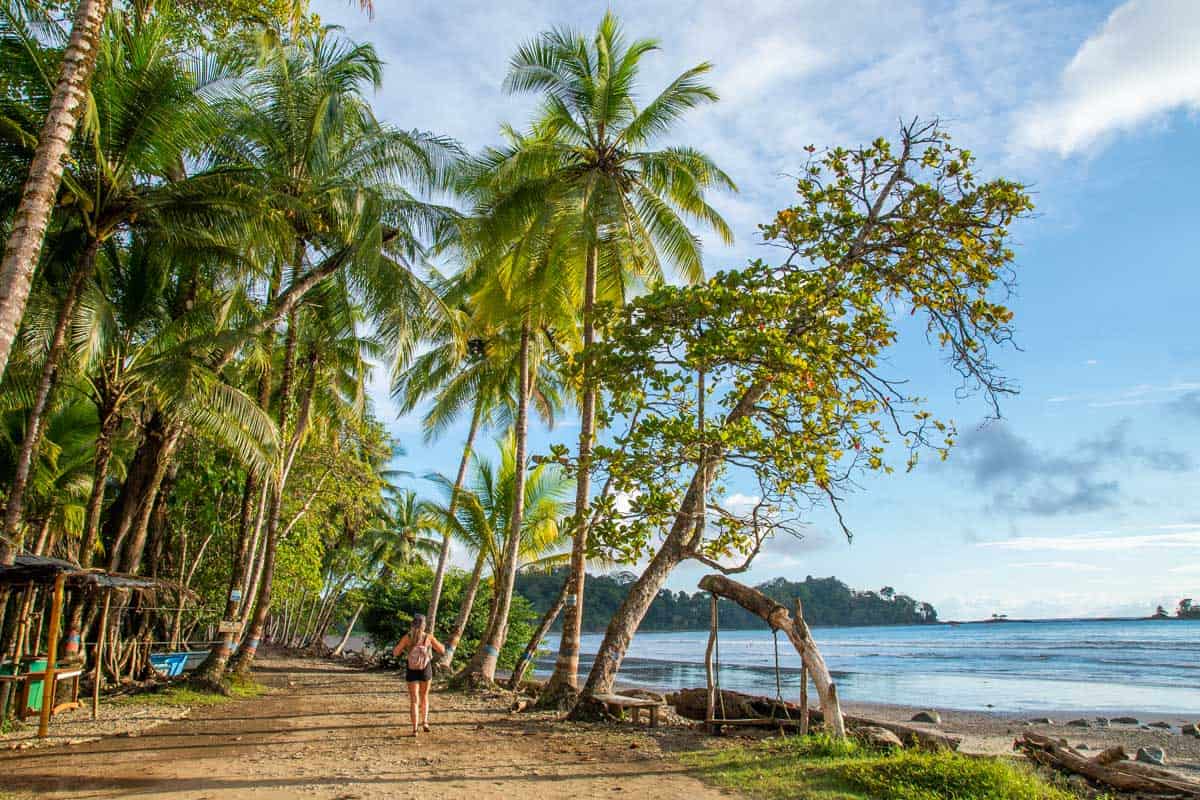
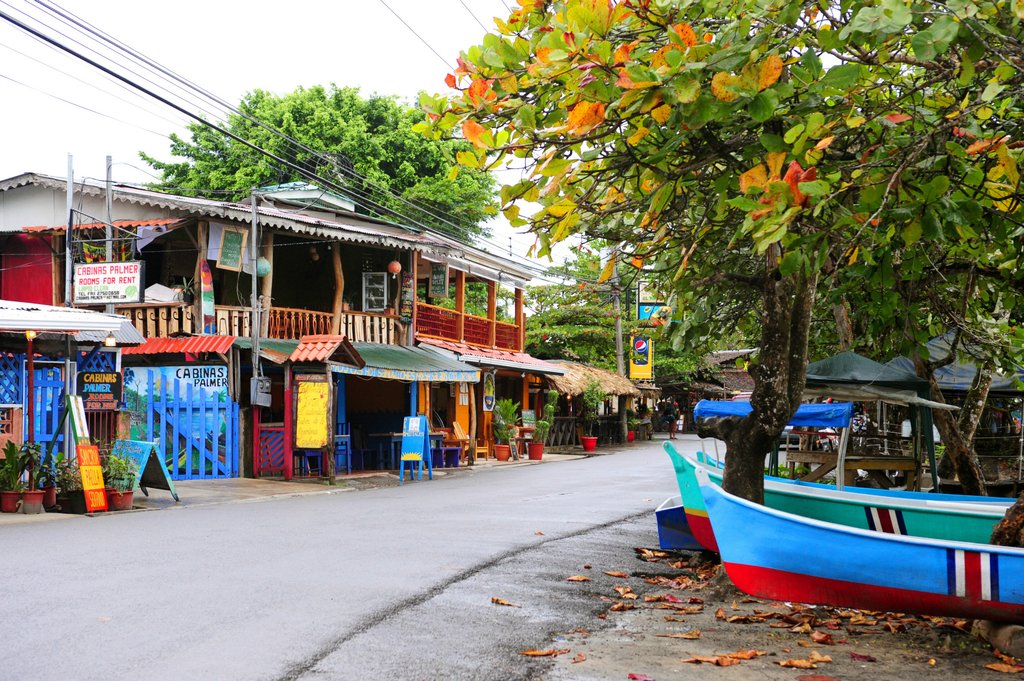
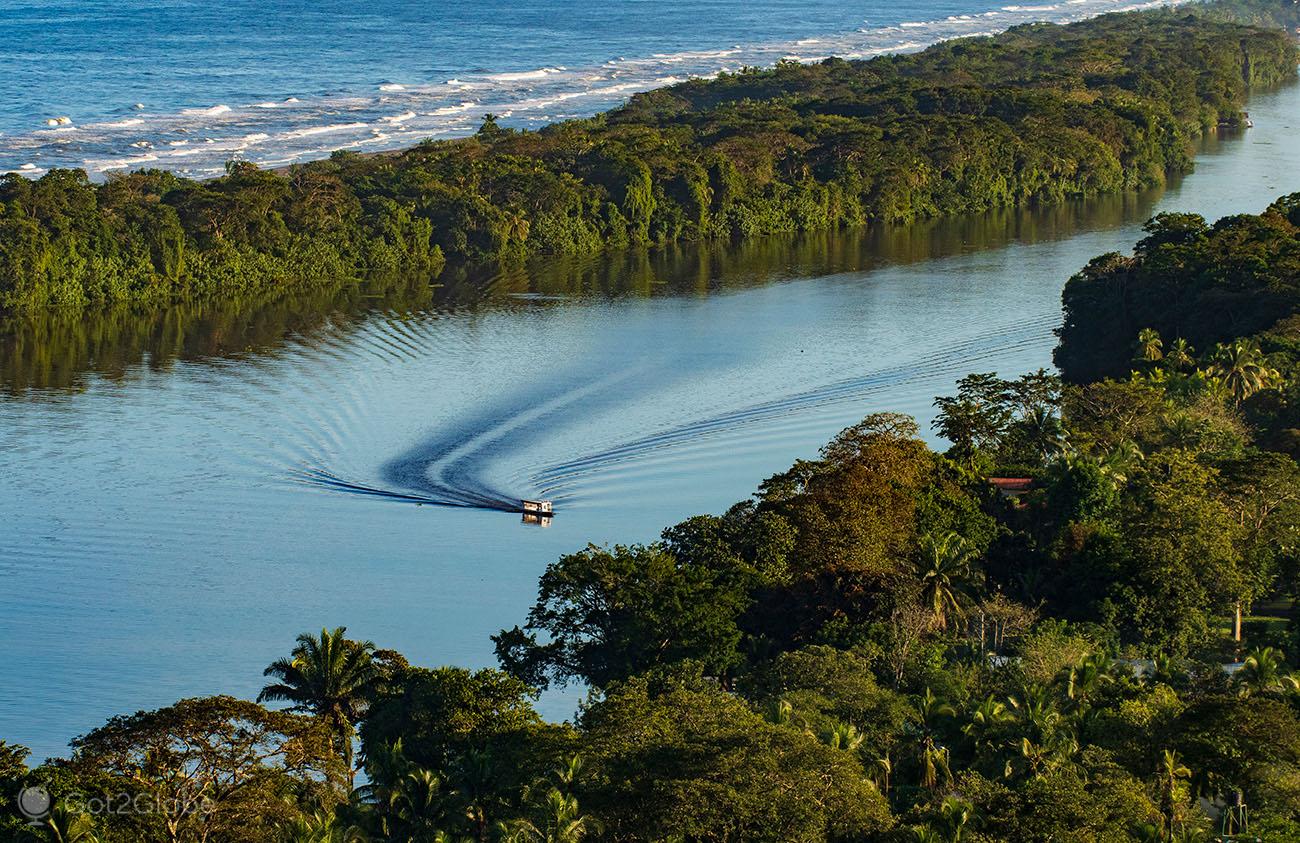
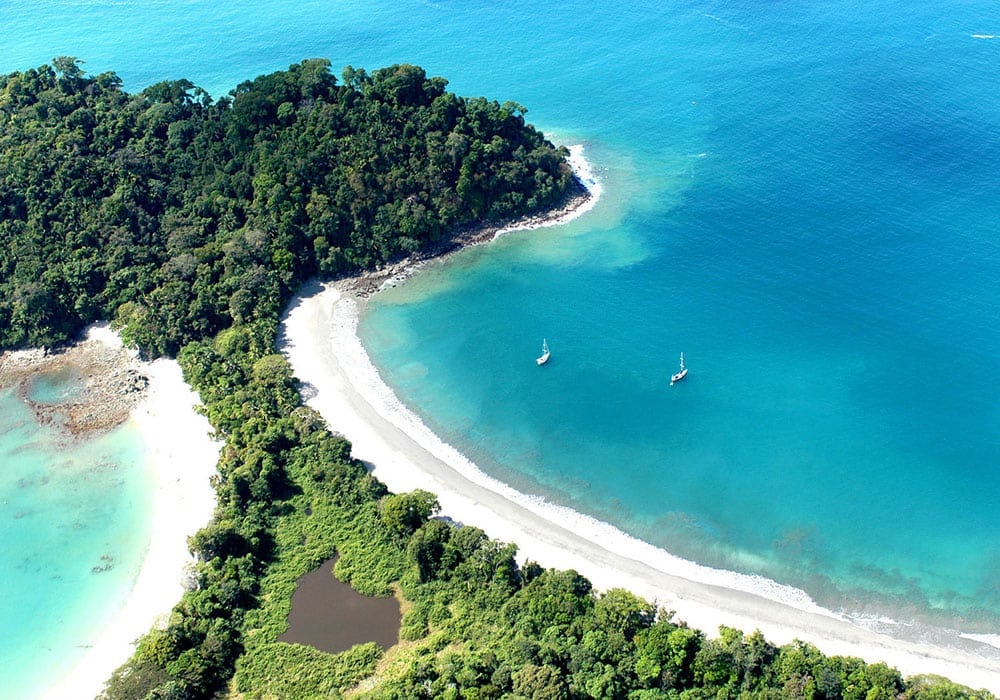
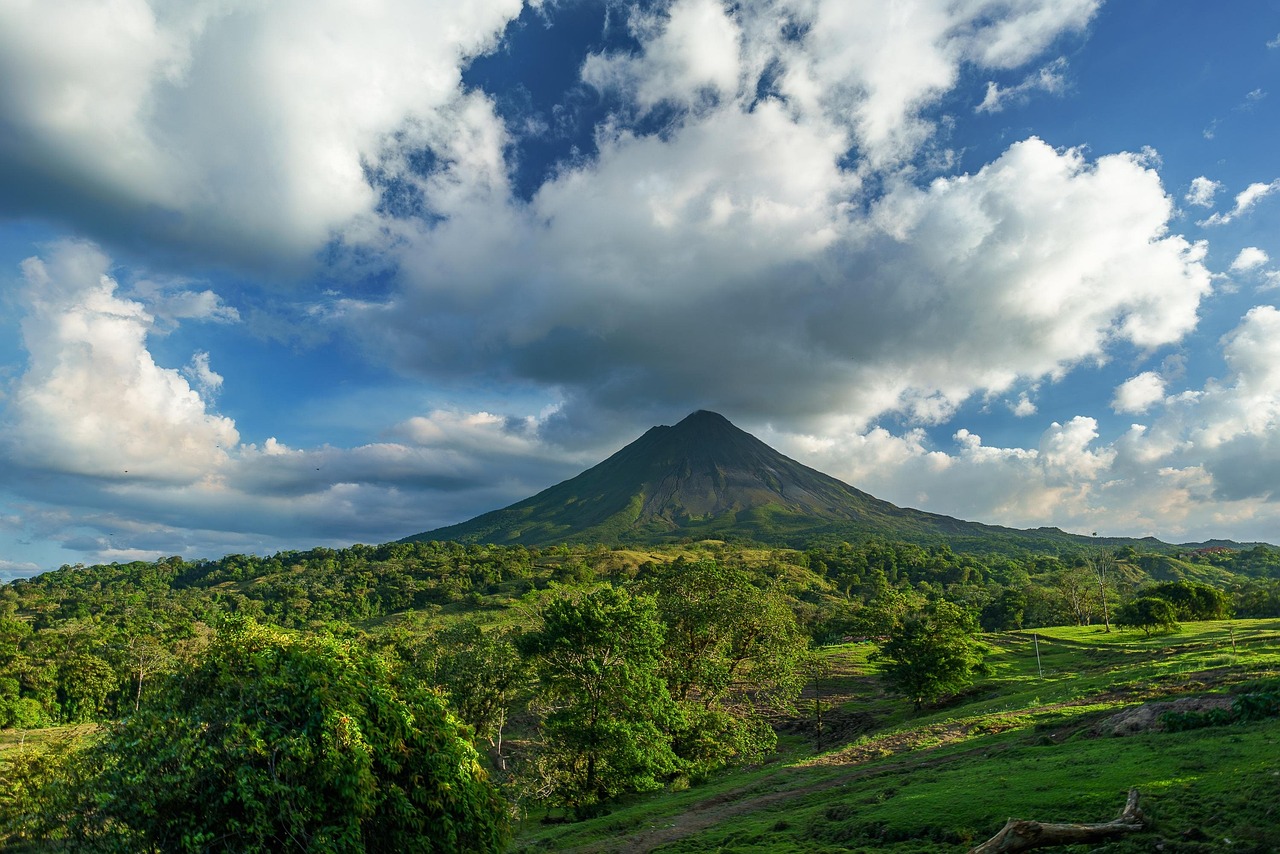
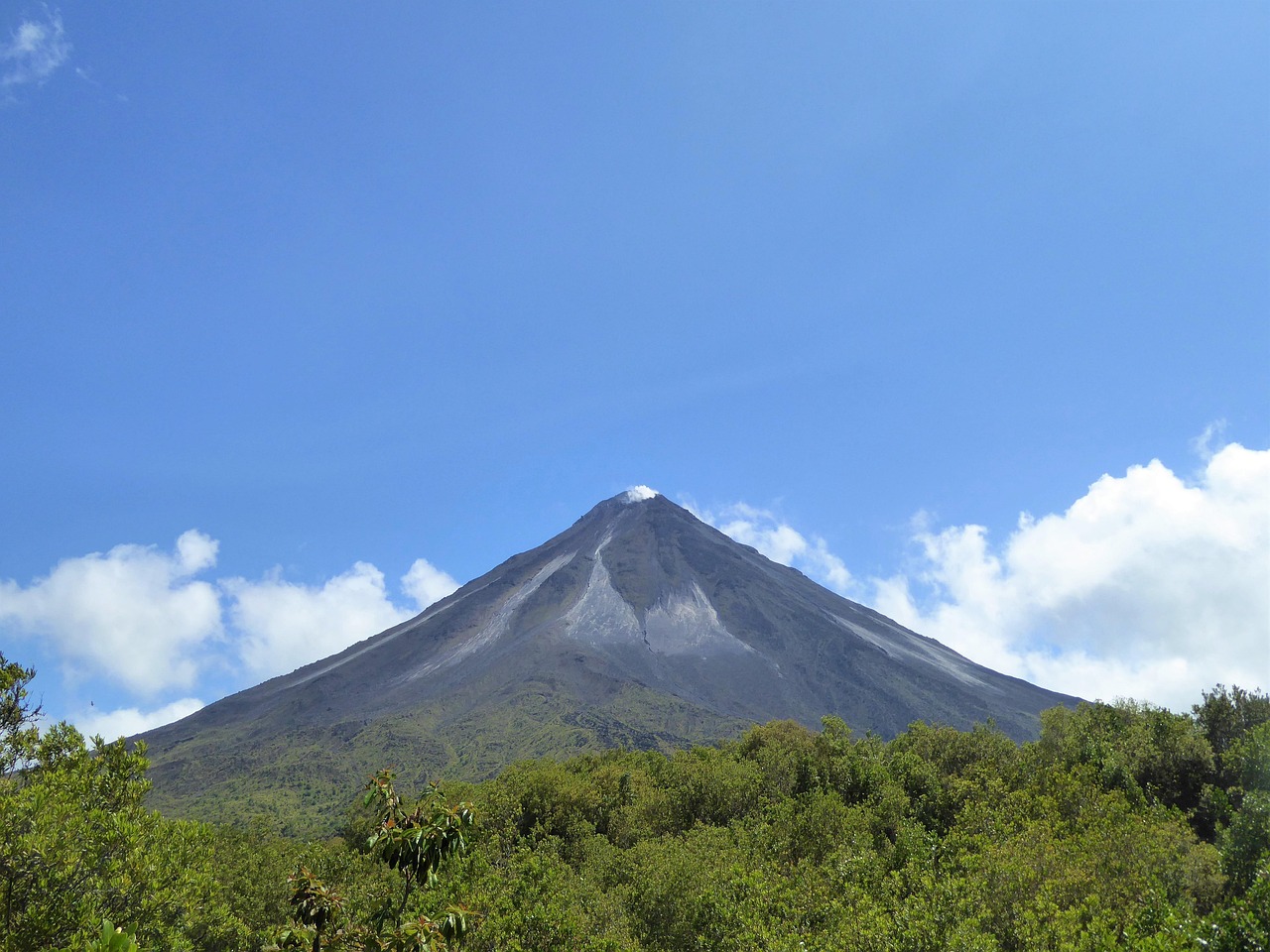
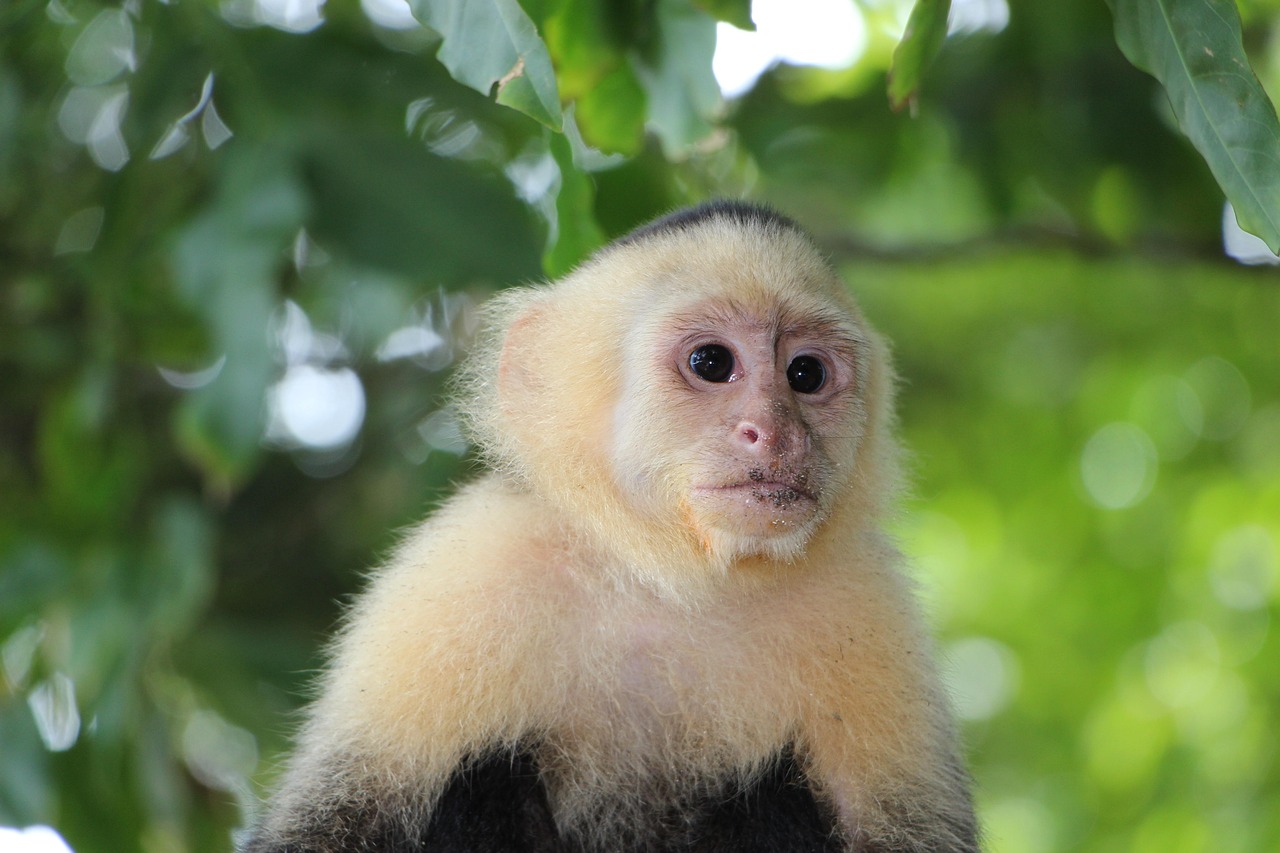
The route from Puerto Viejo de Talamanca to Arenal Volcano offers a journey through breathtaking landscapes and a variety of ecosystems. A recommended stop along the way is the town of Puerto Viejo de Limón, known for its white-sand beaches and its relaxed, cosmopolitan atmosphere. Here, you can enjoy Caribbean cuisine, explore the beaches, and take part in water activities such as snorkeling or surfing.The journey then continues through the scenic coastal landscape of Limón Province, with its rainforests, banana plantations, and picturesque rural towns. Along the way, you can stop to admire waterfalls, go hiking in the rainforest, and spot wildlife. A key highlight along the route is Braulio Carrillo National Park, a vast natural reserve offering a rich variety of flora and fauna. Here, you can hike through tropical forests, explore waterfalls, and observe birds and wildlife. A near-geometric cone rising more than 1,600 metres above the northern lowlands, the Volcán Arenal traces the perfect silhouette many people picture when they think of Costa Rica, mirrored in the lake that shares its name. For decades it was one of the country’s most active volcanoes, with glowing lava visible at night; today it has entered a resting phase, yet it remains the heart of one of the most beloved stops on any Costa Rican itinerary. All around stretches the Parque Nacional Volcán Arenal, where trails cross old lava flows now reclaimed by forest and open onto viewpoints framing the cone. The region’s true soul, though, lies in its hot springs: water heated by the volcanic subsoil feeds dozens of natural pools and thermal resorts — from Tabacón to simpler baths — where you can unwind at dusk with the volcano as a backdrop. The days fill easily: hanging bridges through the rainforest canopy, rafting down the Río Balsa or the Sarapiquí, ziplines above the treetops, horseback rides and a walk to the La Fortuna waterfall, which plunges over seventy metres into an emerald pool. Wildlife is generous: sloths, toucans, capuchin monkeys and hundreds of bird species inhabit the woods. The nearby town of La Fortuna serves as a base, with tico restaurants, family sodas and outfitters for every activity. Arenal is the perfect distillation of the Costa Rican experience: powerful nature, warm water rising from the earth and adventure within easy reach.